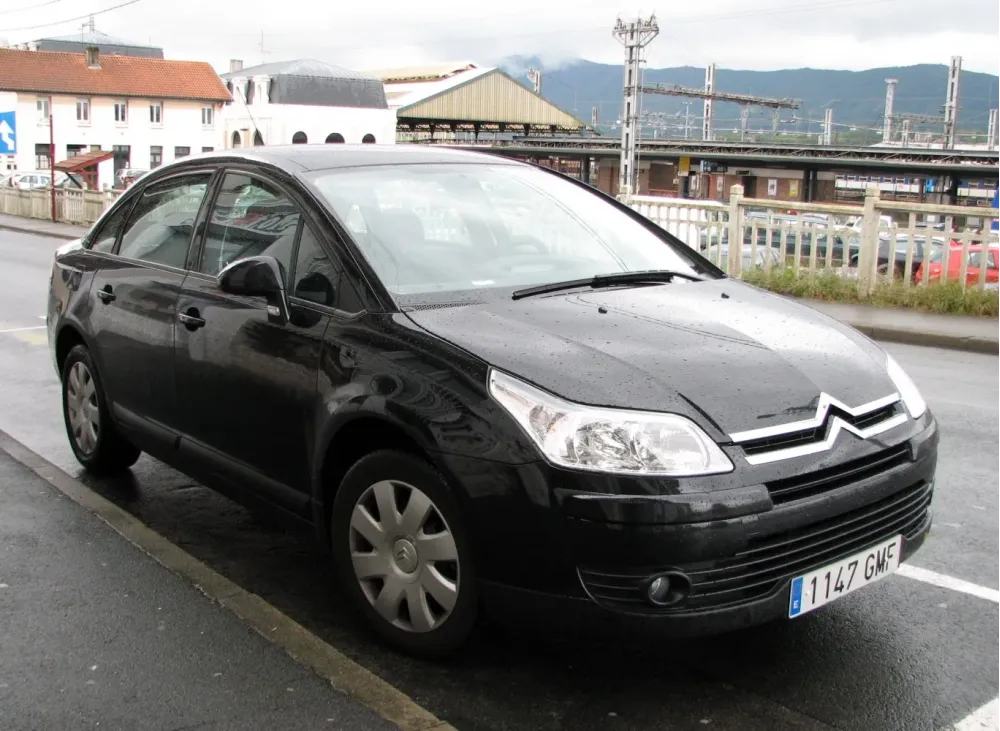
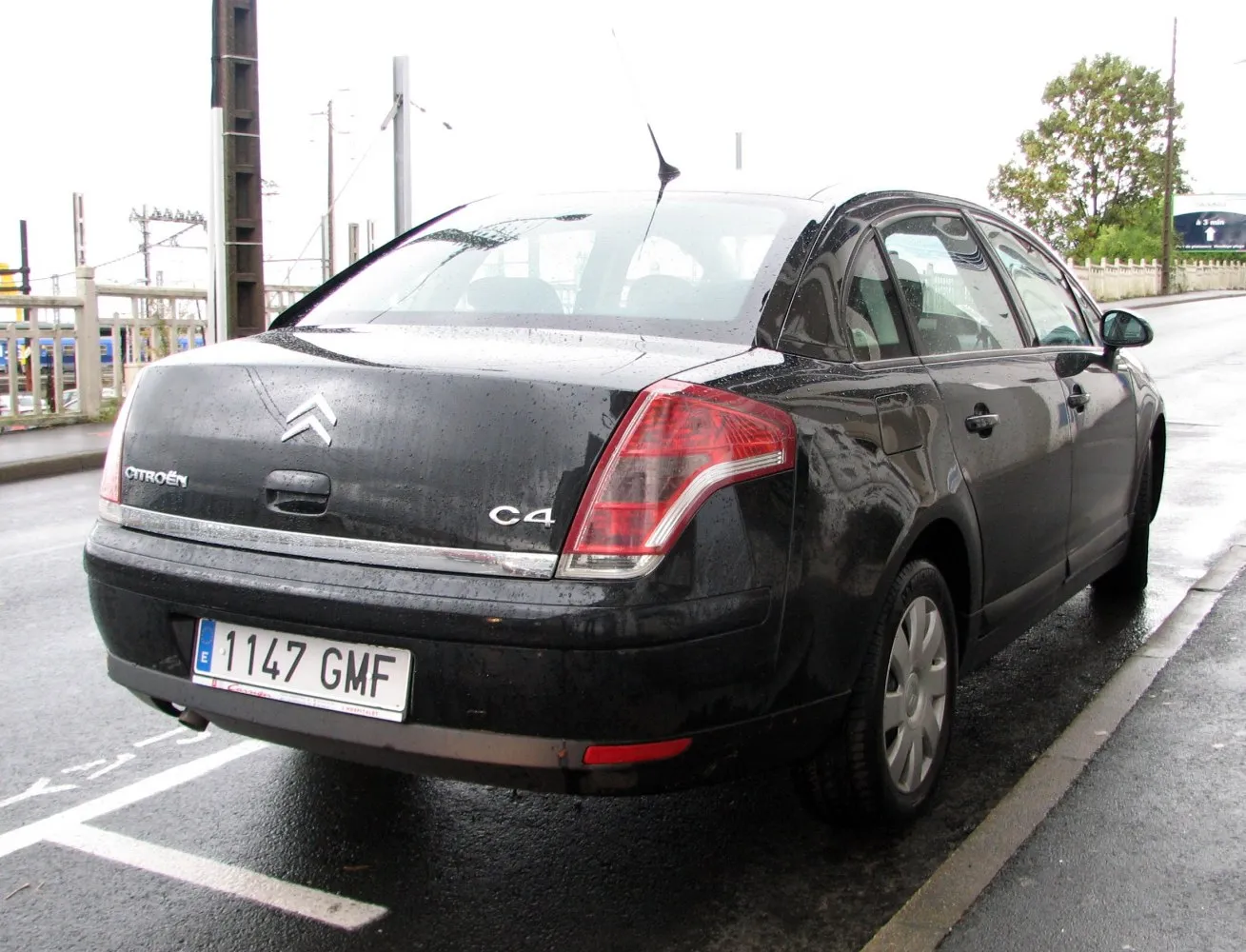
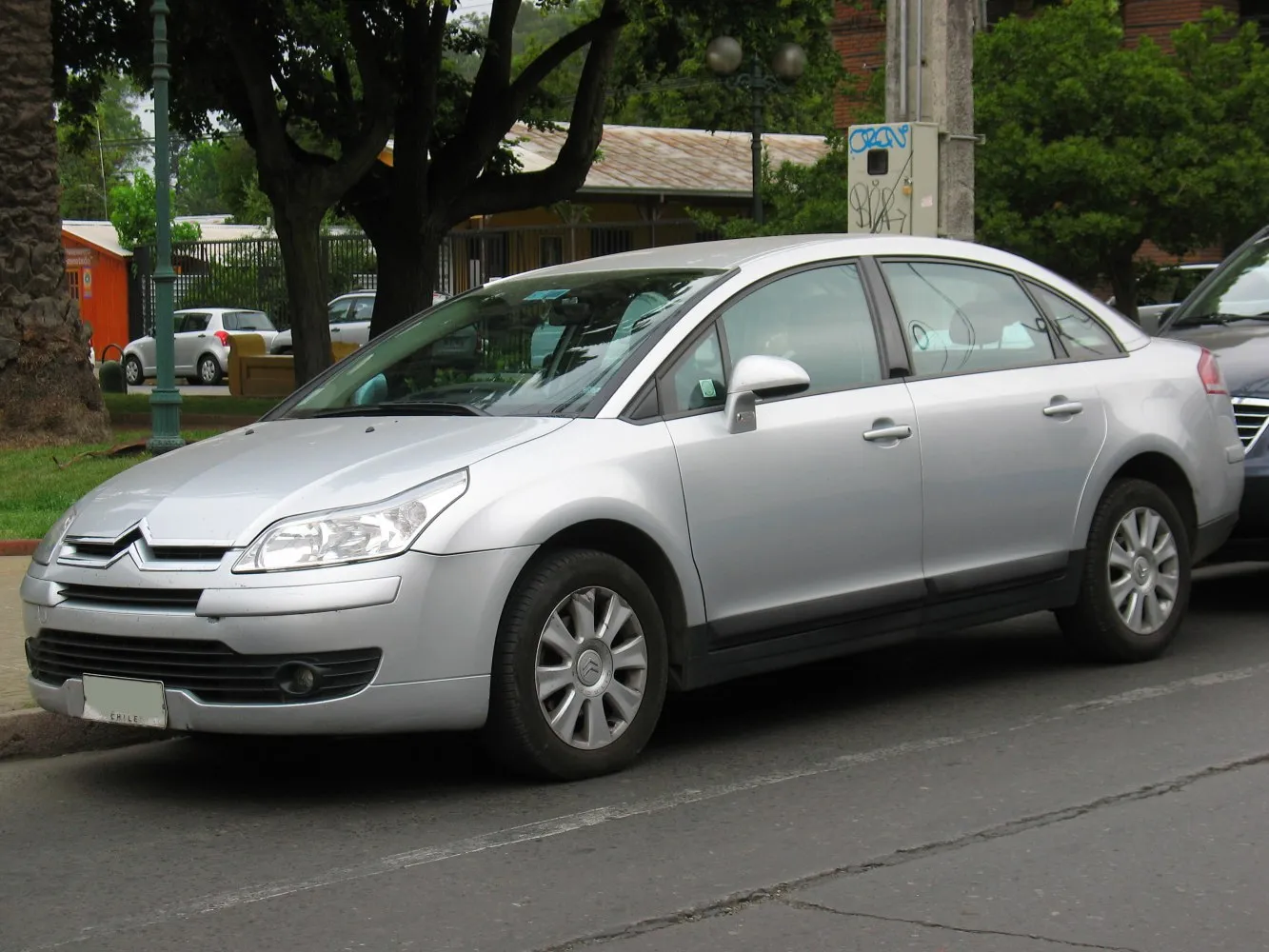
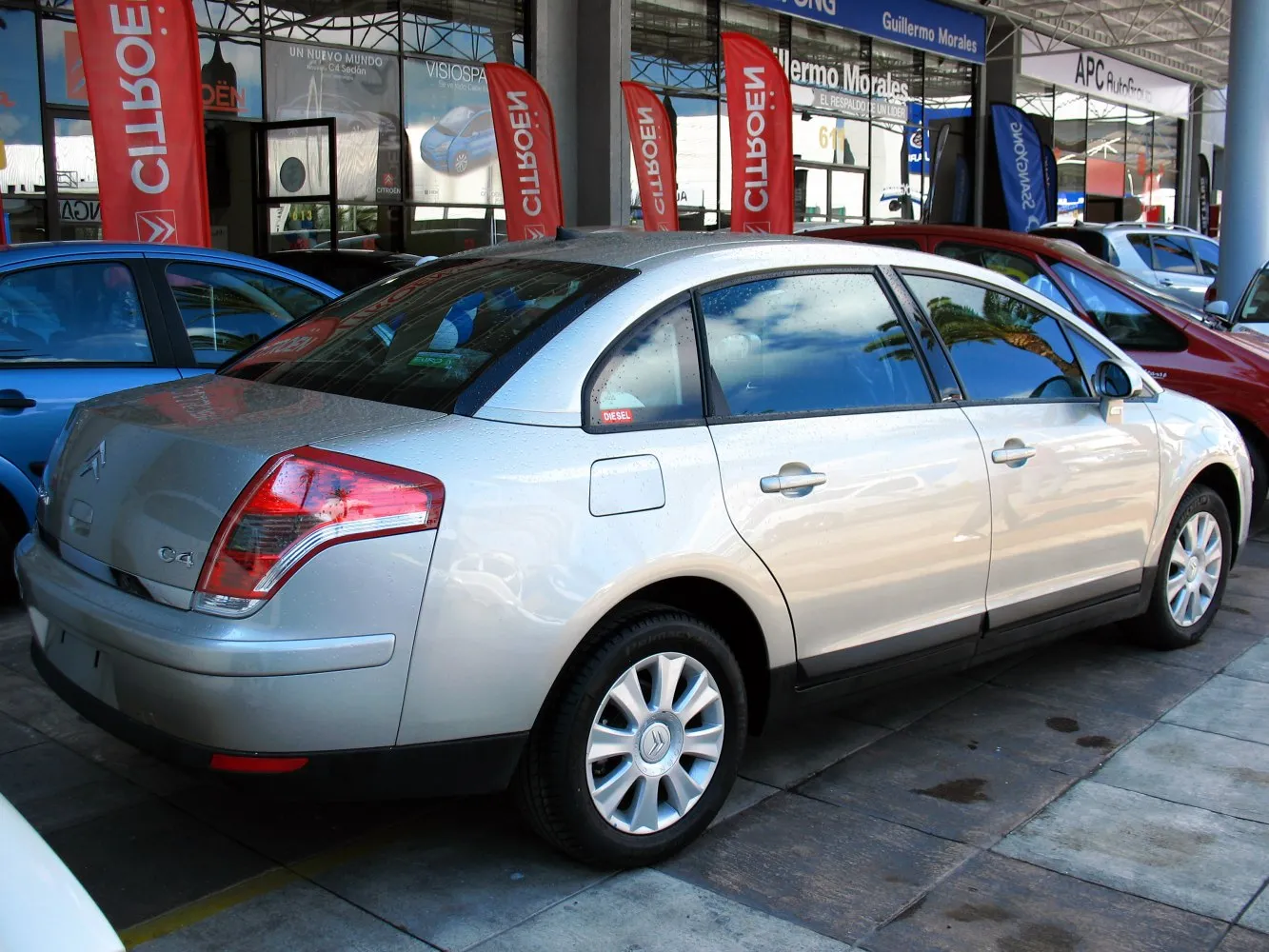
Click on image to view the full photo gallery
Citroen C4 C-Triomphe (Phase I, 2007) 2.0i 16V (140 Hp)
Overall Rating
Citroen C4:
The Citroën C4 is a car produced by Citroën, part of Stellantis. It was positioned to be the successor to the Citroën Xsara. The first generation production started in September 2004. For its first two generations, the C4 was a compact car/small family car, but it was redesigned as a subcompact crossover SUV for its third generation.
In June 2020, the third-generation C4 was released in the form of coupé SUV, abandoning the traditional C-segment hatchback/saloon body style.
To cope with the market, Citroën was dedicated and committed to building a new model that would appeal to many customers. At the Geneva Motor Show in 2004, a concept from the Citroën line's definitive made-bodied coupé revealed the willingness of the French company to employ it in competition. The car was finally unveiled at the 2004 Paris Motor Show, after being officially launched to retail on September 2, 2004. However, that version was a more domesticated hatchback coupé or five-door....(Read more on Wikipedia)
C-Triomphe (Phase I, 2007) Overview:
Citroen C4 (C-Triomphe (Phase I, 2007)). With 200 Nm of torque, it offers ample pulling power. It has moderate fuel consumption (~11.1 l/100km). With a weight of 1370 kg, it falls in the mid‑range. Front‑wheel drive delivers efficiency and easy handling. Acceleration is relatively slow (0–100 km/h in 9.7 s). The top speed reaches 203 km/h. A four-door car with a separate trunk, ideal for families and daily commuting. Seating for 5 makes it ideal for daily use.
2.0i 16V (140 Hp) Verdict:

Performance Verdict
The 140 Hp engine provides brisk acceleration when paired with the manual gearbox, offering a more engaging and responsive driving experience compared to the automatic.
Fuel Economy
Reasonable fuel consumption for a 2.0-liter petrol engine of its era, though not as frugal as the diesel option.
Pros and Cons:
Pros:
- • Comfortable ride quality, typical of Citroen
- • Spacious interior and large boot capacity (513L)
- • Distinctive and elegant styling for a C-segment sedan
- • Fuel-efficient HDi engine option for low running costs
- • Generally good value for money in the used market
Cons:
- • Older automatic transmission can be sluggish and impact fuel economy
- • Some interior plastics feel dated compared to rivals
- • Handling is more comfort-oriented than sporty or engaging
- • Petrol engines can be thirsty, especially the 2.0L automatic
- • Limited availability in some global markets
Specifications:
Specifications are compared to those of the previous generation(I Picasso (Phase I, 2007): 2007 - 2008).
| General: | |
|---|---|
| Brand: | Citroen |
| Model: | C4 |
| Generation: | C-Triomphe (Phase I, 2007) |
| Modification (Engine): | 2.0i 16V (140 Hp) |
| Start of production: | 2008 |
| End of production: | 2011 |
| Powertrain Architecture: | Internal Combustion engine |
| Body type: | Sedan |
| Seats: | 5 |
| Doors: | 4 |
| Engine: | |
|---|---|
| Power: | 140 Hp @ 6000 rpm. Same horsepower |
| Power per litre: | 70.1 Hp/l [315mm more] |
| Torque: | 200 Nm @ 4000 rpm. |
| Engine Model/Code: | EW10A More details about the engine EW10A |
| Engine displacement: | 1997 |
| Number of cylinders: | 4 |
| Engine configuration: | Inline |
| Number of valves per cylinder: | 4 |
| Fuel injection system: | Multi-port manifold injection |
| Engine aspiration: | Naturally aspirated engine |
| Engine layout: | Front, Transverse |
| Cylinder Bore: | 85 mm |
| Piston Stroke: | 88 mm |
| Compression ratio: | 10.8:1 |
| Performance: | |
|---|---|
| Fuel Type: | Petrol (Gasoline) |
| Fuel consumption (economy) - urban: | 11.1 l/100 km |
| Fuel consumption (economy) - extra urban: | 6 l/100 km |
| Fuel consumption (economy) - combined: | 7.9 l/100 km |
| Emission standard: | Euro 4 |
| Acceleration 0 - 100 km/h: | 9.7 sec |
| Acceleration 0 - 62 mph: | 9.7 sec |
| Maximum speed: | 203 km/h |
| Weight-to-power ratio: | 9.8 kg/Hp, 102.2 Hp/tonne |
| Weight-to-torque ratio: | 6.9 kg/Nm, 146 Nm/tonne |
| Acceleration 0 - 60 mph: | 9.2 sec |
| Space: | |
|---|---|
| Kerb Weight: | 1370 |
| Max. weight: | 1800 |
| Max load: | 430 |
| Trunk (boot) space - minimum: | 513 l |
| Fuel tank capacity: | 60 l |
| Size: | |
|---|---|
| Length: | 4785 mm [315mm more] |
| Width: | 1773 mm [57mm less] |
| Height: | 1500 mm [160mm less] |
| Wheelbase: | 2708 mm [20mm less] |
| Front track: | 1500 mm |
| Rear (Back) track: | 1495 mm |
| Minimum turning circle (turning diameter): | 11.3 m [above average] |
| Powertrain: | |
|---|---|
| Drivetrain Architecture | The Internal combustion engine (ICE) drives the front wheels of the vehicle. |
| Drive wheel | Front wheel drive |
| Number of gears | 5 |
| Transmission type | Manual |
| Front brakes | Ventilated discs [Best for performance and cooling.] |
| Rear brakes | Disc [above average] |
| Assisting systems | ABS (Anti-lock braking system) |
| Steering type | Steering rack and pinion |
| Power steering | Hydraulic Steering |
| Tires size | 215/55 R16 |
| Wheel rims size | 16 |
| Front suspension | Independent, type McPherson with coil spring and anti-roll bar |
| Rear suspension | Semi-independent, coil spring |










Help others decide – share your experience!