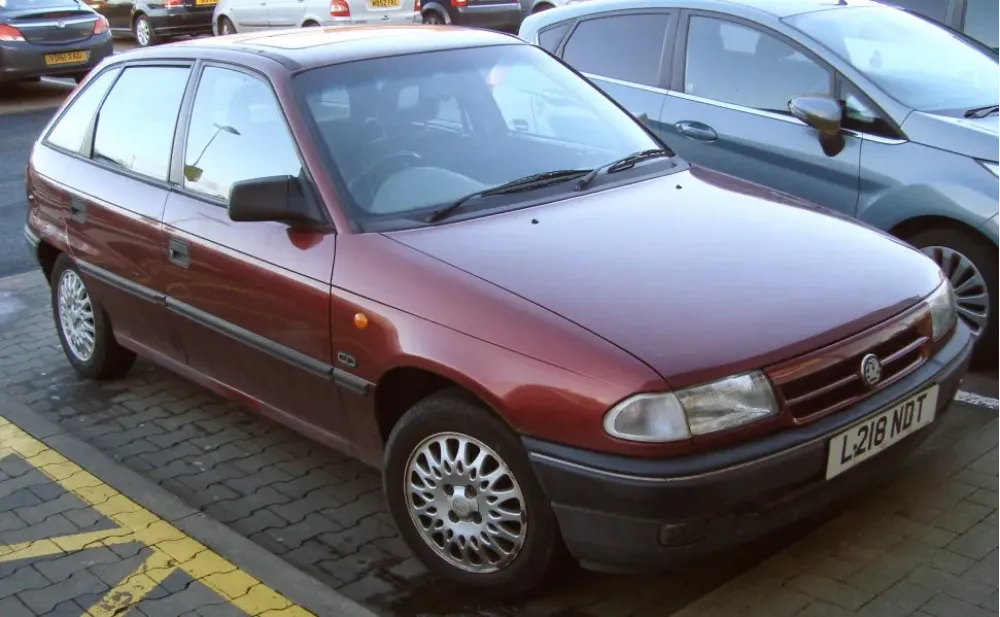
Click on image to view the full photo gallery
Vauxhall Astra Mk III CC 1.8i (90 Hp) Automatic
Overall Rating
Vauxhall Astra:
The Vauxhall Astra is a compact car/small family car that has been sold by Vauxhall since 1980. Over its eight generations, it has been made at several GM/Opel/Stellantis plants around Europe - however most versions have been sourced from Vauxhall's plant at Ellesmere Port, Cheshire, United Kingdom.
For its first two generations, the nameplate was applied to right-hand drive versions of the Opel Kadett for use in the UK. Since 1991, Opel has used the Astra nameplate on its B/C-platform. General Motors' Saturn division in the United States also offered a Belgian-built version of the Astra as a captive import from late 2007 until Saturn was discontinued following GM's 2010 bankruptcy....(Read more on Wikipedia)
Mk III CC Overview:
Vauxhall Astra (Mk III CC). With 145 Nm of torque, it offers ample pulling power. Weighing only 1050 kg, it’s quite light. Front‑wheel drive delivers efficiency and easy handling. Acceleration is relatively slow (0–100 km/h in 14.5 s). The top speed reaches 175 km/h. A compact car with a rear door that swings upward to provide access to the cargo area. Seating for 5 makes it ideal for daily use.
1.8i (90 Hp) Automatic Verdict:

Performance Verdict
Adequate power for daily driving, but the automatic gearbox makes it feel less responsive and slower than its manual counterpart.
Fuel Economy
Moderate fuel consumption, typical for an older automatic petrol engine of this size.
Pros and Cons:
Pros:
- • Wide range of engines available
- • Practical and spacious interior for its class
- • Generally reliable and easy to maintain
- • Affordable to buy and run
- • Good handling for a family car
Cons:
- • Dated interior design and materials
- • Basic safety features by modern standards
- • Some engines can feel underpowered
- • Rust can be an issue on older models
- • Refinement levels are not on par with newer cars
Specifications:
Specifications are compared to those of the previous generation(Mk II CC: 1990 - 1991).
| General: | |
|---|---|
| Brand: | Vauxhall |
| Model: | Astra |
| Generation: | Mk III CC |
| Modification (Engine): | 1.8i (90 Hp) Automatic |
| Start of production: | 1991 |
| End of production: | 1994 |
| Powertrain Architecture: | Internal Combustion engine |
| Body type: | Hatchback |
| Seats: | 5 |
| Doors: | 3-5 |
| Engine: | |
|---|---|
| Power: | 90 Hp @ 5400 rpm. Same horsepower |
| Power per litre: | 50.1 Hp/l [51mm more] |
| Torque: | 145 Nm @ 3000 rpm. |
| Engine Model/Code: | C18NZ More details about the engine C18NZ |
| Engine displacement: | 1796 |
| Number of cylinders: | 4 |
| Engine configuration: | Inline |
| Number of valves per cylinder: | 2 |
| Fuel injection system: | Single-point injection |
| Engine aspiration: | Naturally aspirated engine |
| Engine oil capacity: | 4 l |
| Coolant: | 6.9 l |
| Engine layout: | Front, Transverse |
| Cylinder Bore: | 84.8 mm mm |
| Piston Stroke: | 79.5 mm mm |
| Compression ratio: | 9.2:1 |
| Performance: | |
|---|---|
| Fuel Type: | Petrol (Gasoline) |
| Fuel consumption (economy) - combined: | 8.2 l/100 km |
| Acceleration 0 - 100 km/h: | 14.5 sec |
| Acceleration 0 - 62 mph: | 14.5 sec |
| Maximum speed: | 175 km/h |
| Weight-to-power ratio: | 11.6 kg/Hp, 86.5 Hp/tonne |
| Weight-to-torque ratio: | 7.2 kg/Nm, 139.4 Nm/tonne |
| Acceleration 0 - 60 mph: | 13.8 sec |
| Space: | |
|---|---|
| Kerb Weight: | 1040/1060 |
| Max. weight: | 1580 |
| Max load: | 520-540 |
| Trunk (boot) space - maximum: | 1201 l |
| Trunk (boot) space - minimum: | 360 l |
| Size: | |
|---|---|
| Length: | 4049 mm mm [51mm more] |
| Width: | 1689 mm mm [26mm more] |
| Height: | 1410 mm mm [10mm more] |
| Wheelbase: | 2520 mm mm [Same wheelbase.] |
| Front track: | 1420 mm |
| Rear (Back) track: | 1420 mm |
| Ride height (ground clearance): | 135 mm |
| Powertrain: | |
|---|---|
| Drivetrain Architecture | The Internal combustion engine (ICE) drives the front wheels of the vehicle. |
| Drive wheel | Front wheel drive |
| Number of gears | 4 |
| Transmission type | Automatic |
| Front brakes | Ventilated discs [Best for performance and cooling.] |
| Rear brakes | Drum [bad for performance and cooling.] |
| Tires size | 175/65 R14 |
| Wheel rims size | 14 |


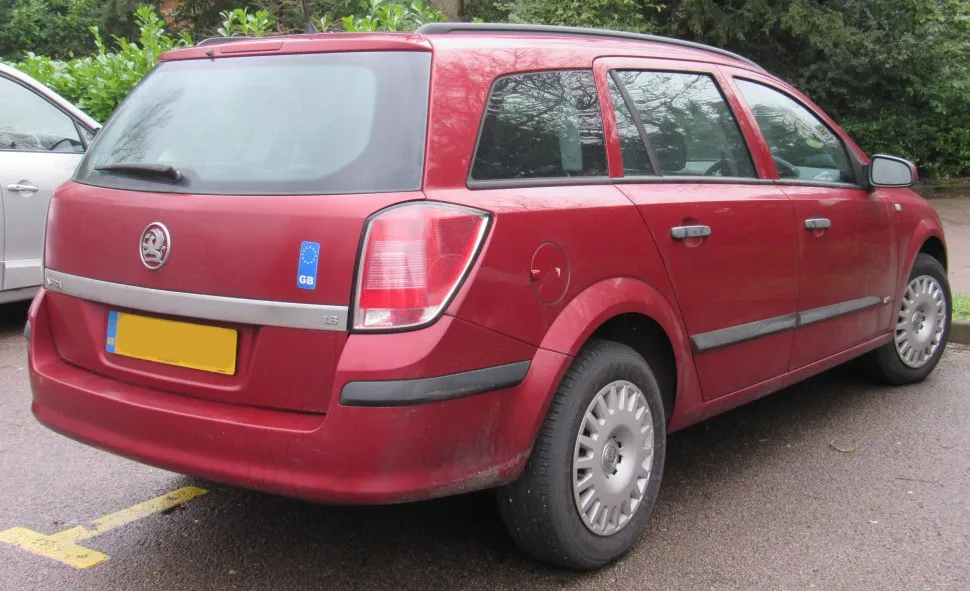


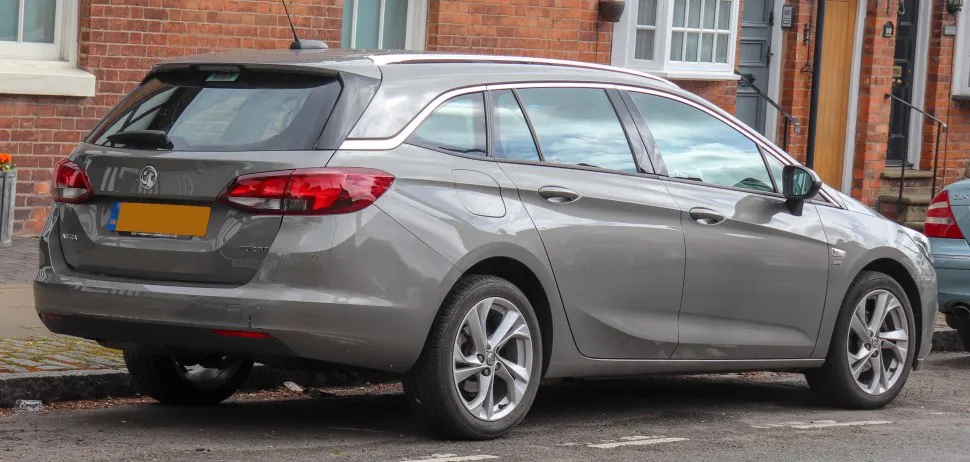

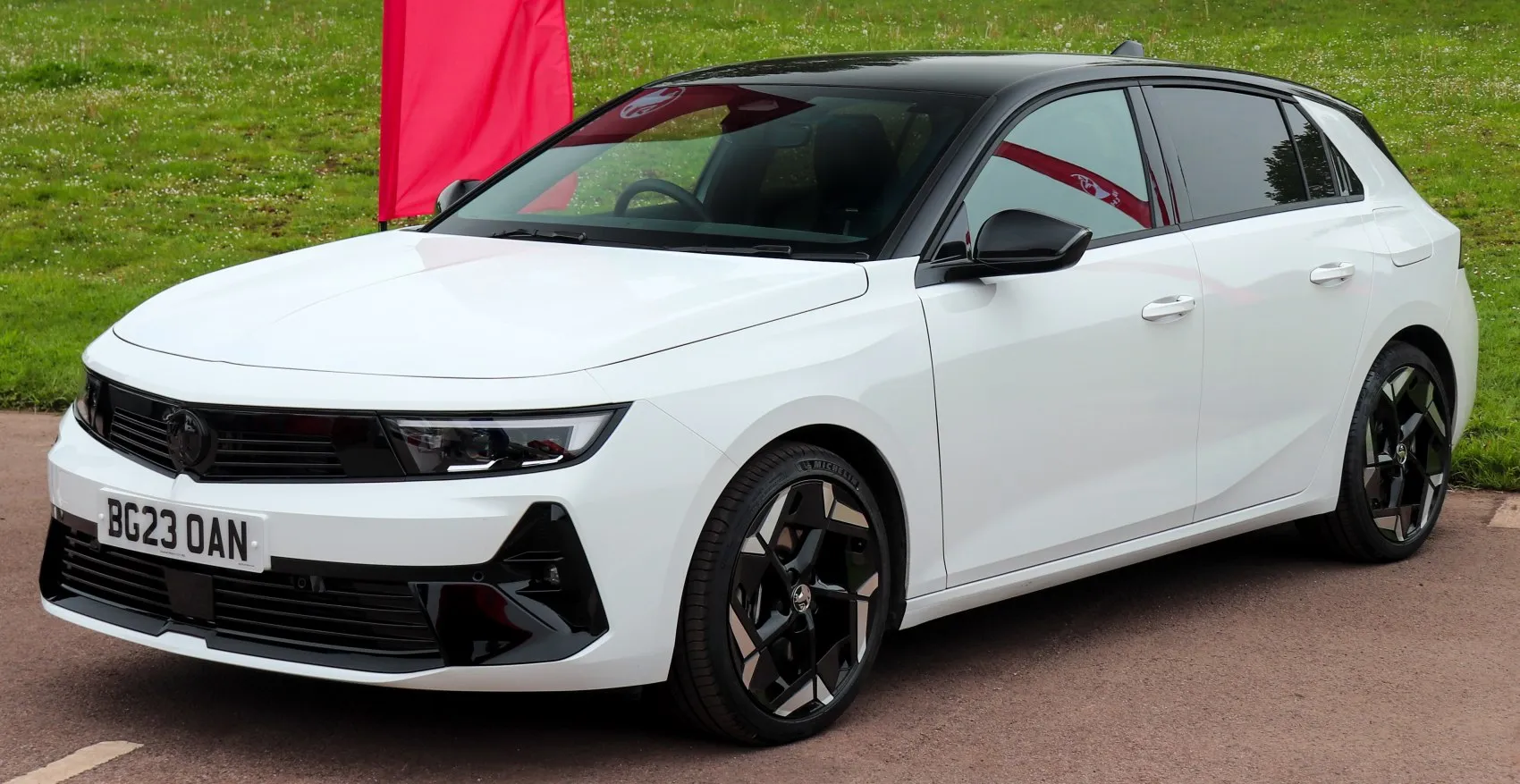






Have you ever driven an Vauxhall Astra?
How was your experience with it? Share with us: