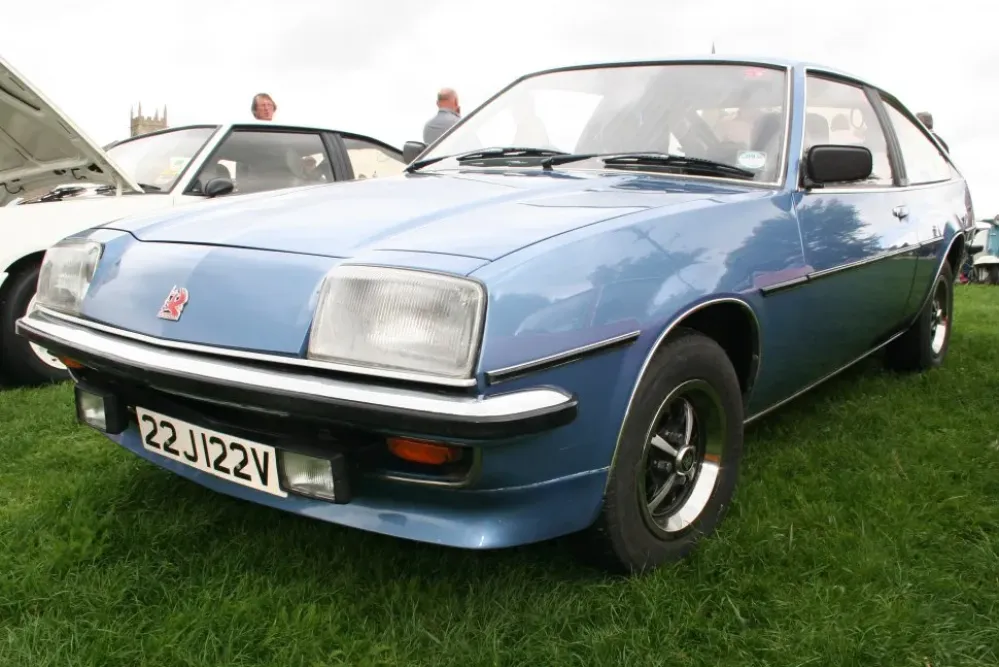
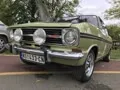
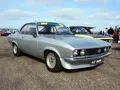
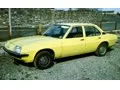
Click on image to view the full photo gallery
Vauxhall Cavalier CC 1600 (75 Hp)
Overall Rating
Vauxhall Cavalier:
The Vauxhall Cavalier is a large family car that was sold primarily in the United Kingdom by Vauxhall from 1975 to 1995. It was based on a succession of Opel designs throughout its production life, during which it was built in three incarnations. The first generation of Cavalier, launched in 1975 and produced until 1981, was Vauxhall's version of the General Motors 'U-Car' — essentially an Opel Ascona B/ Opel Manta with a few minor visual differences.
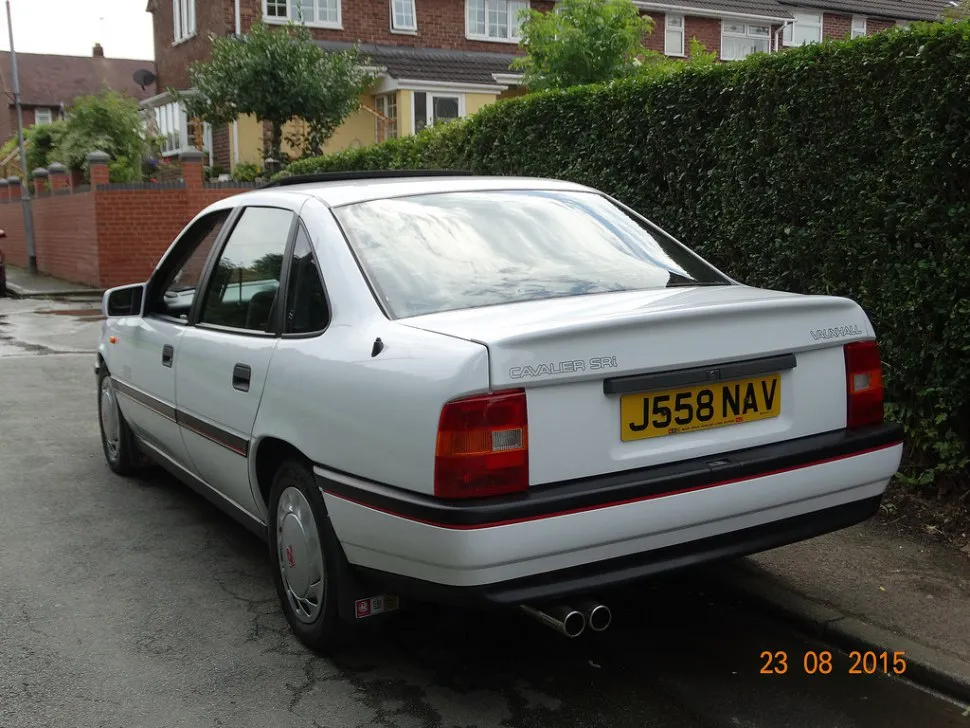
The second generation of Cavalier, launched in 1981 and produced until 1988, was launched simultaneously with the identical new generation of Opel Ascona, which was sold across the world in various guises on the GM "J-Body platform". The third and final generation of Cavalier, launched in 1988 and produced until 1995, was a rebadged Opel Vectra A with the same production span. Cavaliers for the UK market were predominantly built at Vauxhall's Luton plant, but were also built alongside their Ascona/Vectra sister models at Opel plants in Continental Europe....(Read more on Wikipedia)
CC Overview:
Vauxhall Cavalier (CC). With 113 Nm of torque, it offers ample pulling power. Rear‑wheel drive offers dynamic handling and sporty feedback. A compact car with a rear door that swings upward to provide access to the cargo area. Seating for 4 makes it ideal for daily use.
The 1977 Vauxhall Cavalier CC predates modern safety testing standards like Euro NCAP. Safety features were basic, typical of vehicles from the late 1970s, focusing on structural integrity rather than advanced occupant protection systems.
1600 (75 Hp) Verdict:

Performance Verdict
The 1.6L engine provided adequate power for daily commuting and general driving, though it lacked the spirited feel of the larger 2.0L unit.
Fuel Economy
Slightly more economical than the 2.0L, this engine offered a reasonable balance of performance and running costs for its time.
Pros and Cons:
Pros:
- • Distinctive hatchback styling for its era
- • Engaging rear-wheel drive dynamics
- • Relatively robust and simple mechanics
- • Practical 3-door layout
- • Good performance from the 2.0L engine
Cons:
- • Dated safety features by modern standards
- • Fuel economy is poor compared to modern cars
- • Basic interior comfort and features
- • Prone to rust in later life
- • Limited engine options
Specifications:
| General: | |
|---|---|
| Brand: | Vauxhall |
| Model: | Cavalier |
| Generation: | CC |
| Modification (Engine): | 1600 (75 Hp) |
| Start of production: | 1975 |
| End of production: | 1979 |
| Powertrain Architecture: | Internal Combustion engine |
| Body type: | Hatchback |
| Seats: | 4 |
| Doors: | 3 |
| Engine: | |
|---|---|
| Power: | 75 Hp @ 5000 rpm. |
| Power per litre: | 47.3 Hp/l |
| Torque: | 113 Nm @ 3800 rpm. |
| Engine Model/Code: | 16S |
| Engine displacement: | 1584 |
| Number of cylinders: | 4 |
| Engine configuration: | Inline |
| Engine aspiration: | Naturally aspirated engine |
| Engine oil capacity: | 3.8 l |
| Coolant: | 6.5 l |
| Engine layout: | Rear, Longitudinal |
| Cylinder Bore: | 85 mm mm |
| Piston Stroke: | 69.8 mm mm |
| Compression ratio: | 8.8:1 |
| Performance: | |
|---|---|
| Fuel Type: | Petrol (Gasoline) |
| Space: | |
|---|---|
| Trunk (boot) space - minimum: | 384 l |
| Fuel tank capacity: | 50 l |
| Size: | |
|---|---|
| Length: | 4445 mm mm |
| Width: | 1670 mm mm |
| Height: | 1330 mm mm |
| Wheelbase: | 2515 mm mm |
| Minimum turning circle (turning diameter): | 9.9 m |
| Powertrain: | |
|---|---|
| Drivetrain Architecture | The Internal combustion engine (ICE) drives the rear wheels of the vehicle. |
| Drive wheel | Rear wheel drive |
| Number of gears | 4 |
| Transmission type | Manual |
| Front brakes | Ventilated discs |
| Rear brakes | Drum |
| Steering type | Steering rack and pinion |










Have you ever driven an Vauxhall Cavalier?
How was your experience with it? Share with us: