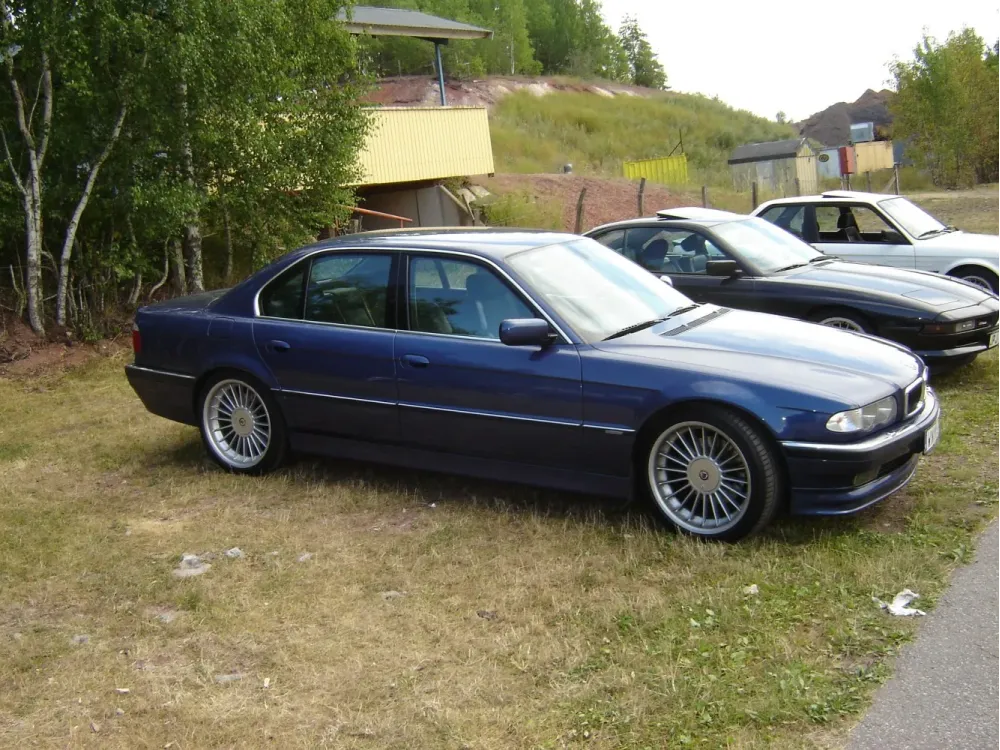
Click on image to view the full photo gallery
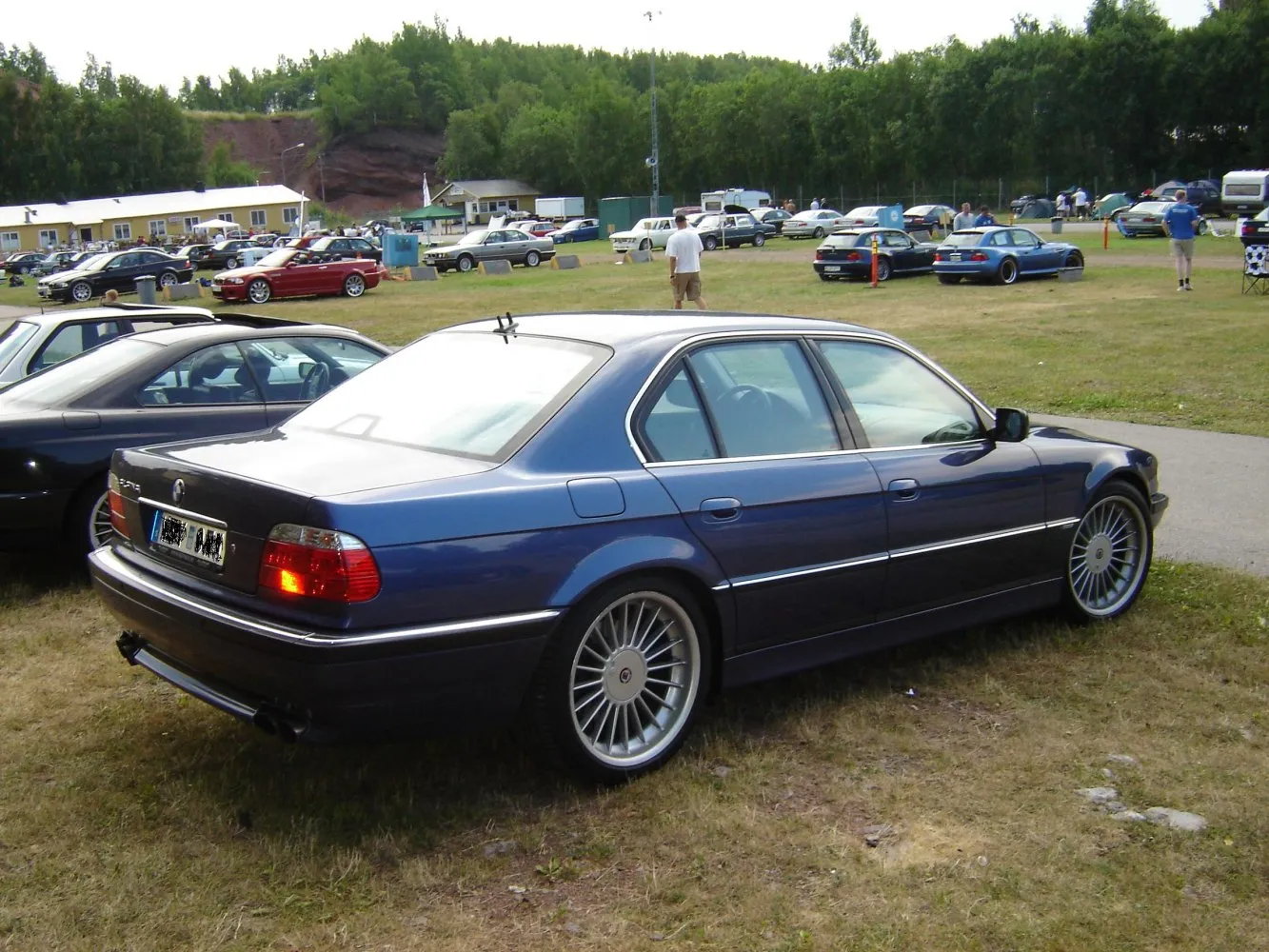
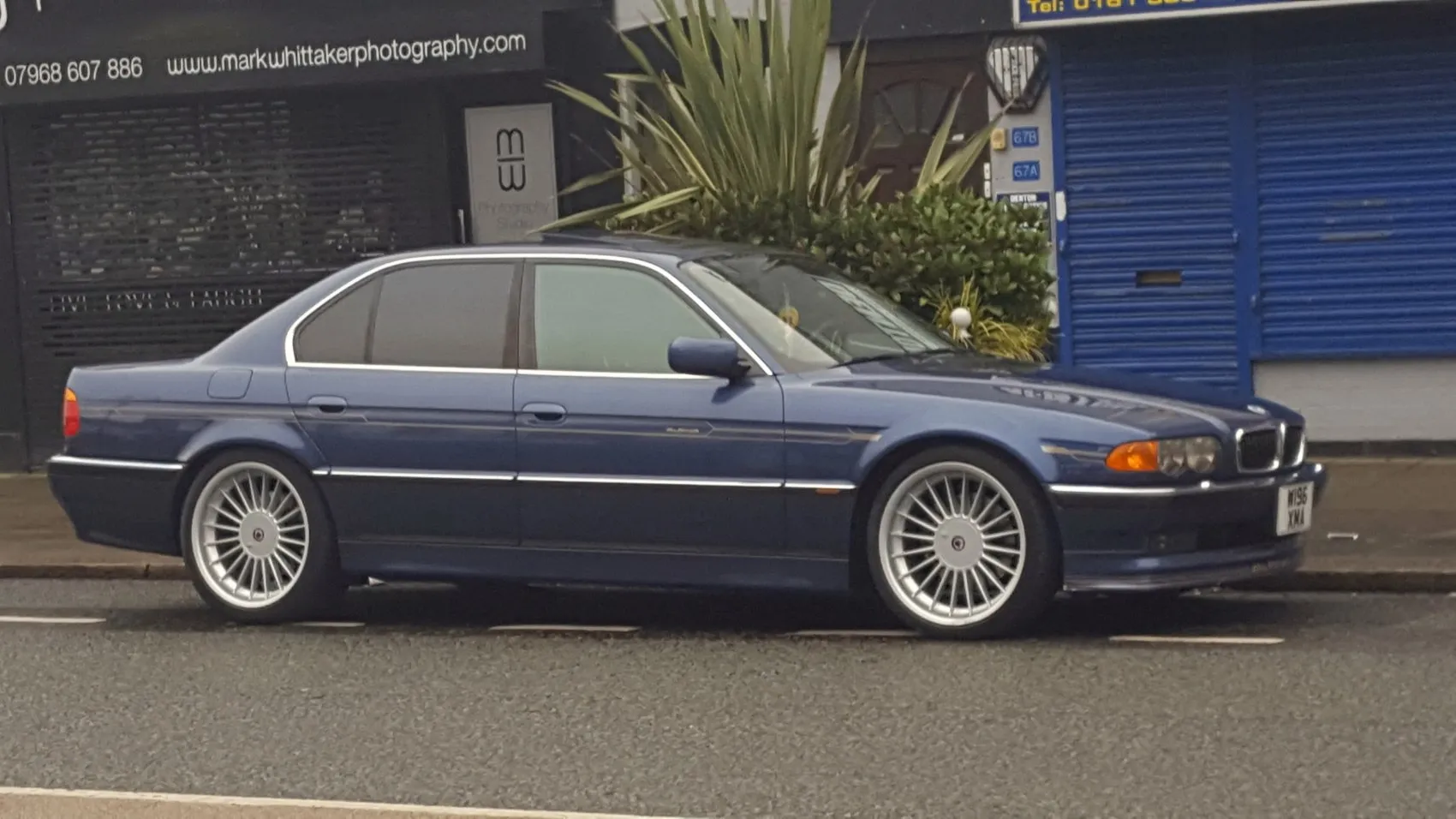
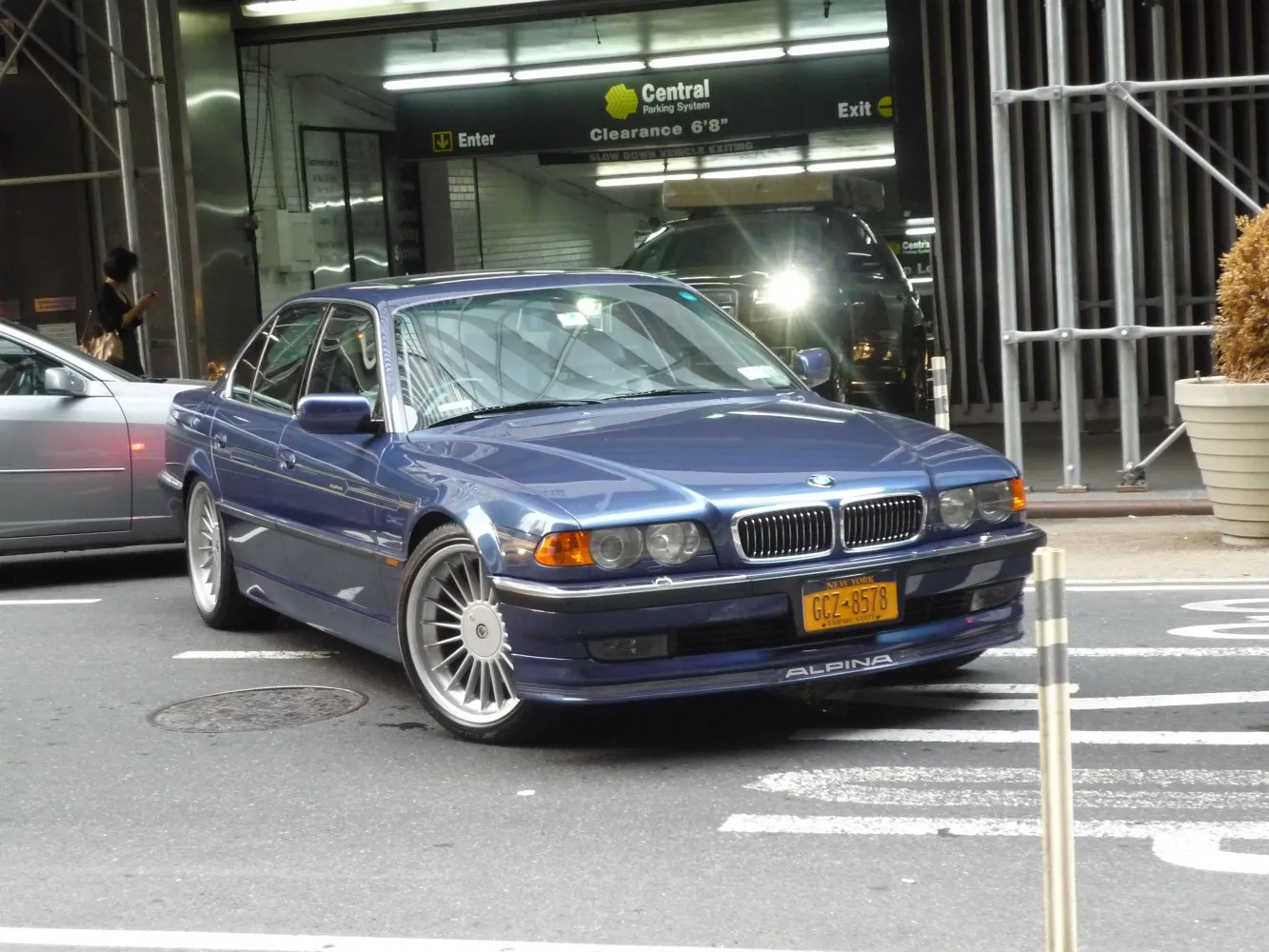
Alpina B12 E38 6.0 (430 Hp)
Overall Rating
Alpina B12:
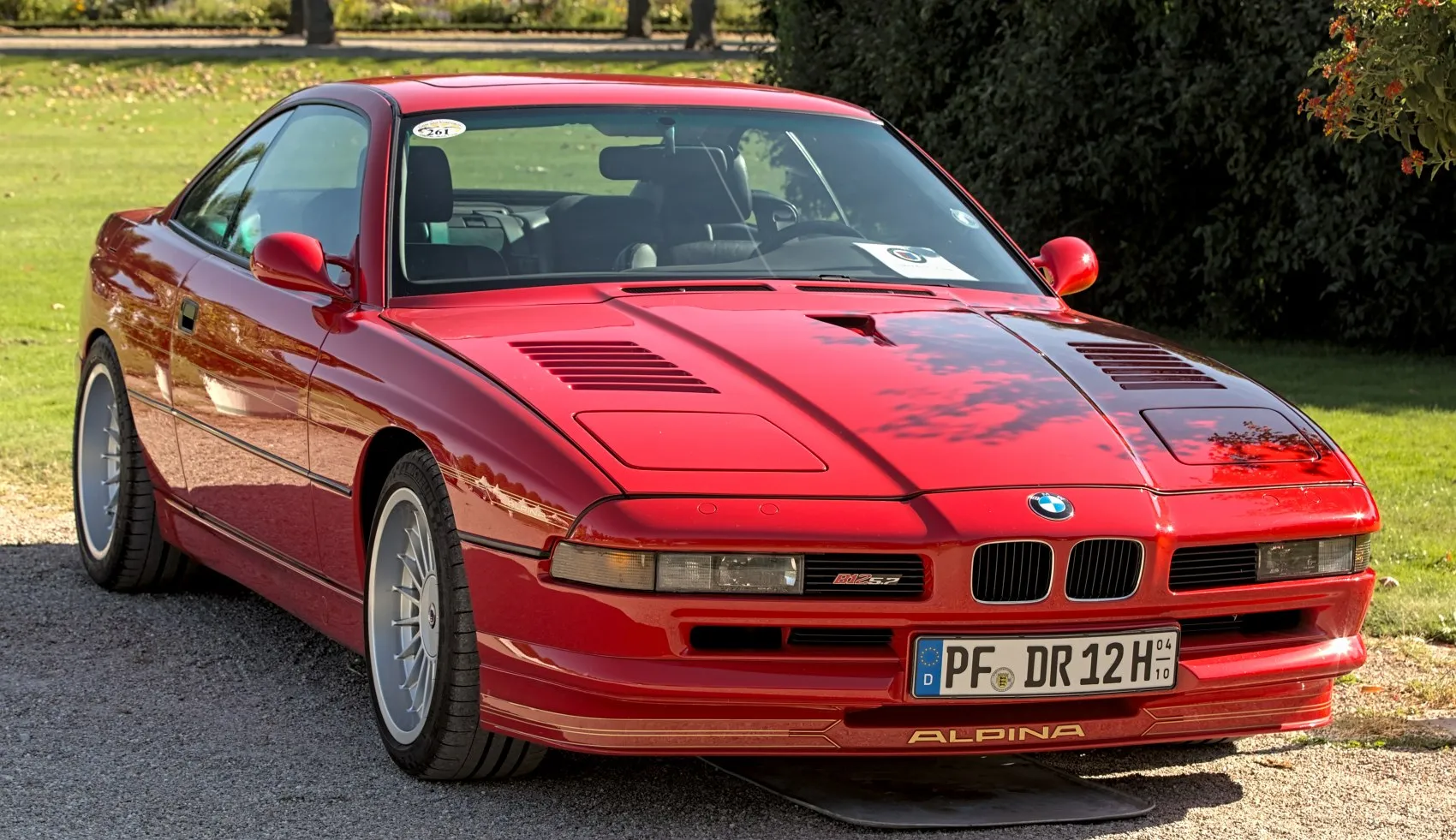
The Alpina B12 is a name given to high-performance luxury automobiles manufactured by German automobile manufacturer Alpina. The B12 originally succeeded the B11 4. 0 in 1988 which was based on the BMW 7 Series and was also based on the same car. Subsequent models were based on the BMW 7 Series and the BMW 8 Series. Production ended in 2001 when the 7 Series models were discontinued. The B12 was replaced by the B7 and the B6.
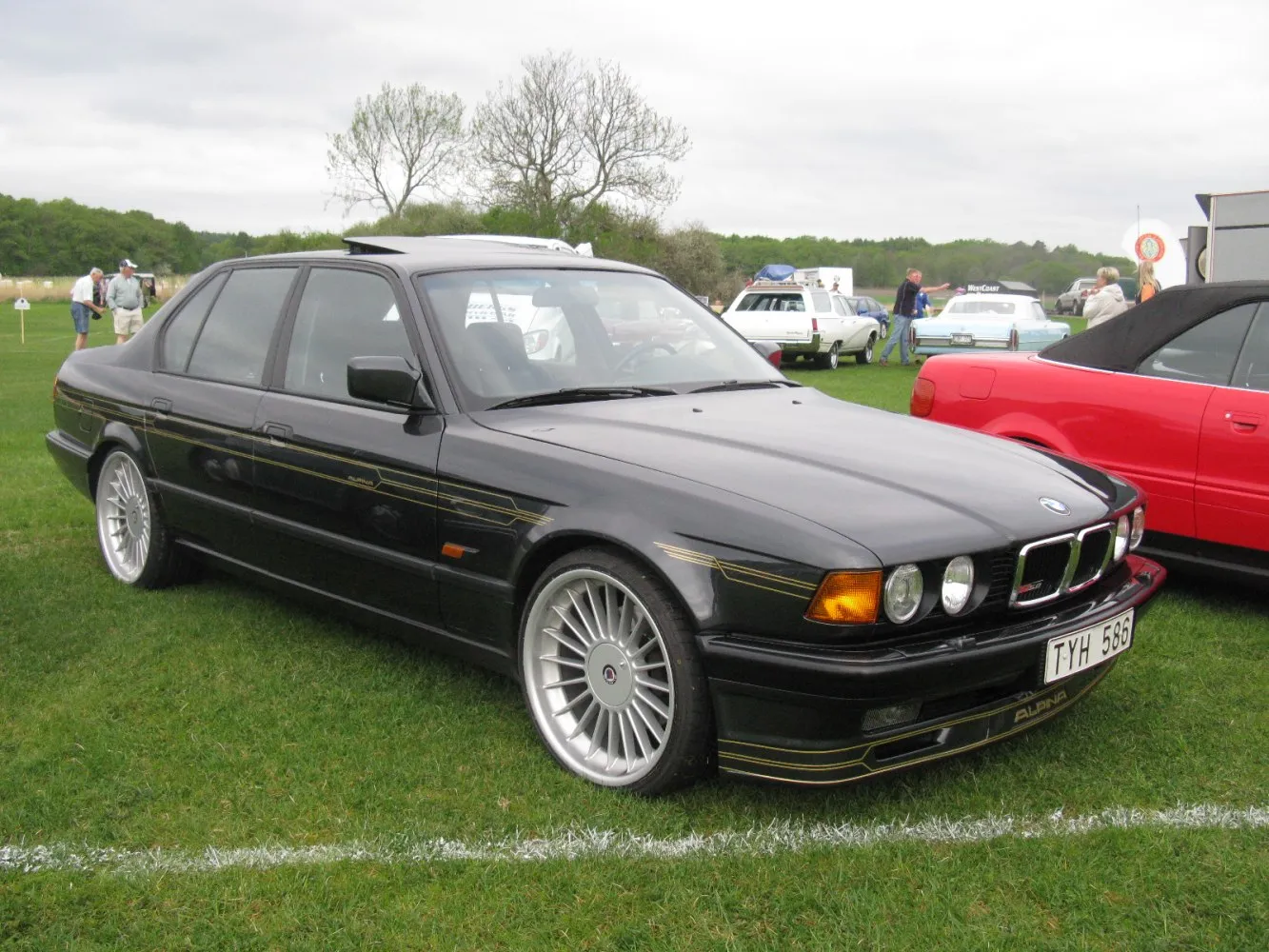
The B12 5. 0 was introduced in 1988 and was the first Alpina production automobile to use a V12 engine as its predecessor, the B11 used 3. 5 and 4. 0 L V8 engines. The suffix 5. 0 means the engine displacement which was unchanged from the standard BMW M70 V12. The B12 5. 0 was based on the newly introduced 750i/iL. Exterior changes include a front chin spoiler, 17-inch multi-spoke alloy wheels, choice of special colours, "B12 5. 0" badge at the rear, and Alpina pinstriping. The interior was customised according to customer specifications which ranged from a wide range of upholstery, steering wheel options, and gear knobs, and child seats. Standard interior features included an Alpina instrument cluster with a special 300 km/h speedometer and badging. The amenities provided on a standard 750i/iL, apart from the above changes, were retained. Each B12 5. 0 was equipped with a special plaque on the interior containing a special identification number....(Read more on Wikipedia)
E38 Overview:
Alpina B12 (E38). A four-door car with a separate trunk, ideal for families and daily commuting. Seating for 0 makes it ideal for daily use.
The Alpina B12 (E38), based on the BMW 7 Series E38, was not officially tested by Euro NCAP. However, it featured advanced safety systems for its era, including ABS and robust construction.
6.0 (430 Hp) Verdict:

Performance Verdict
The pinnacle of the B12 E38 lineup, this 6.0L V12 offers even more formidable power at 430 Hp. While acceleration data isn't provided, it would undoubtedly be quicker than the 5.7L, providing exhilarating performance for a luxury cruiser.
Fuel Economy
Expected to consume slightly more fuel than the 5.7L, likely around 12.5-13.0 l/100 km combined, which is still commendable for a 6.0L V12 of this vintage and power output.
Pros and Cons:
Pros:
- • Exceptional V12 performance and refinement
- • Luxurious and comfortable interior with Alpina touches
- • Timeless and elegant E38 design
- • High exclusivity and collector appeal
- • Superb grand touring capabilities
Cons:
- • High fuel consumption, especially for the 6.0L
- • Expensive maintenance and parts due to bespoke Alpina components
- • Complex electronics can lead to age-related issues
- • Limited availability makes finding good examples challenging
- • Heavy kerb weight impacts agility in tight corners
Specifications:
Specifications are compared to those of the previous generation(E38: 1995 - 1998).
| General: | |
|---|---|
| Brand: | Alpina |
| Model: | B12 |
| Generation: | E38 |
| Modification (Engine): | 6.0 (430 Hp) |
| Start of production: | 1999 |
| End of production: | 2000 |
| Powertrain Architecture: | Internal Combustion engine |
| Body type: | Sedan |
| Engine: | |
|---|---|
| Power: | 430 Hp |
| Engine aspiration: | Naturally aspirated engine |
| Performance: | |
|---|---|
| Fuel Type: | Petrol (Gasoline) |


Is the Alpina B12 your dream ride or just a daily drive? Let's talk!