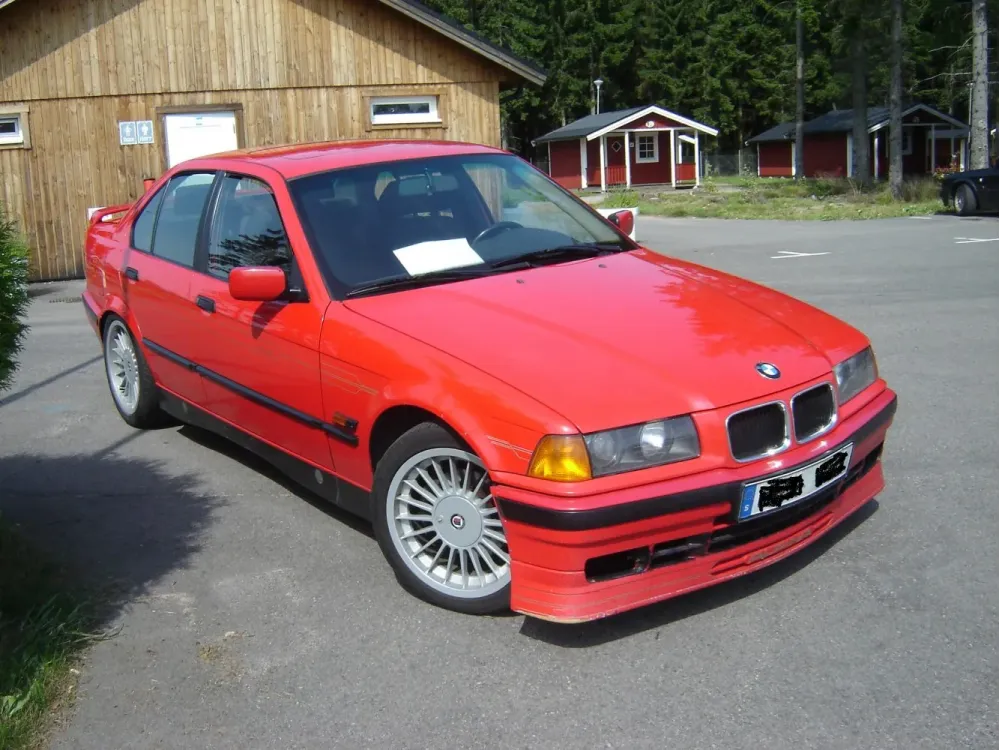
Click on image to view the full photo gallery
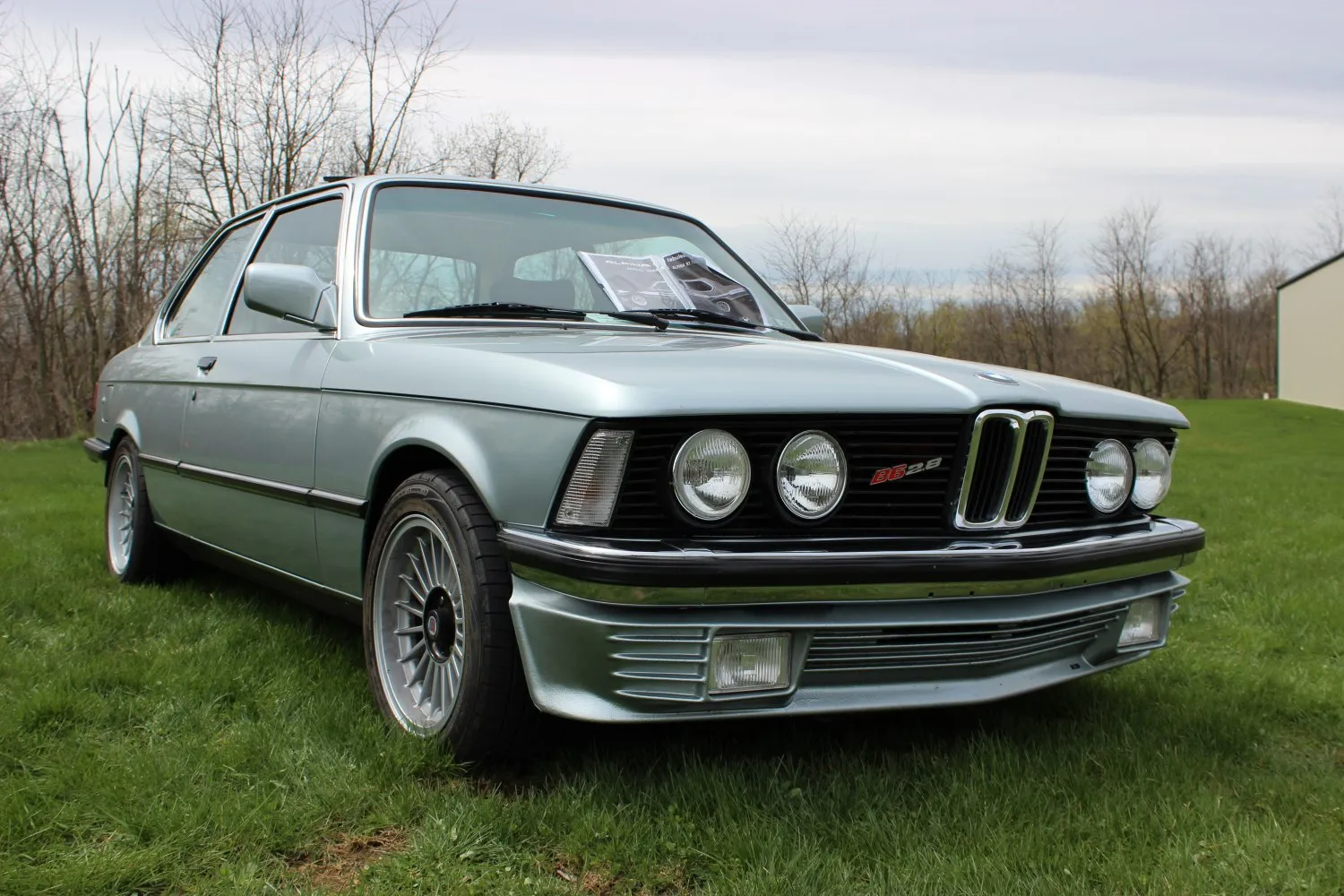
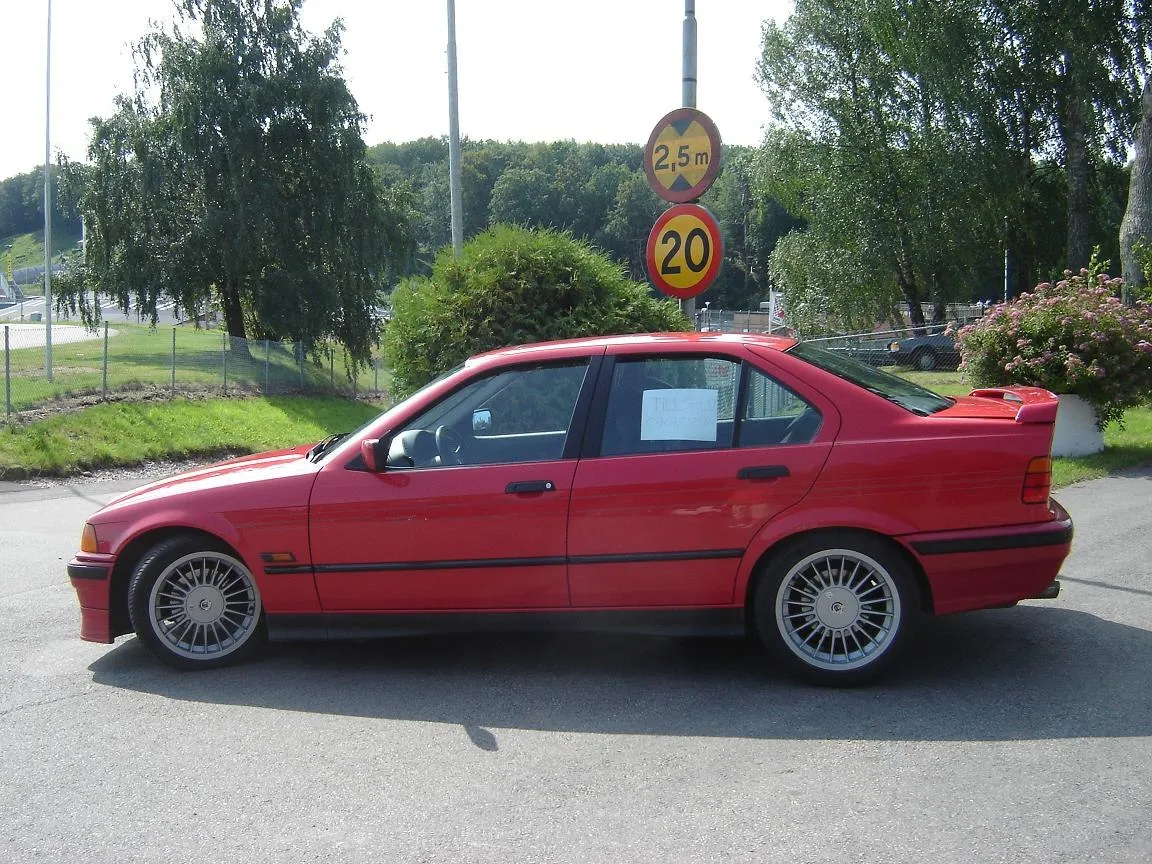
Alpina B6 E36 2.8 i 24V (240 Hp)
Overall Rating
Alpina B6:
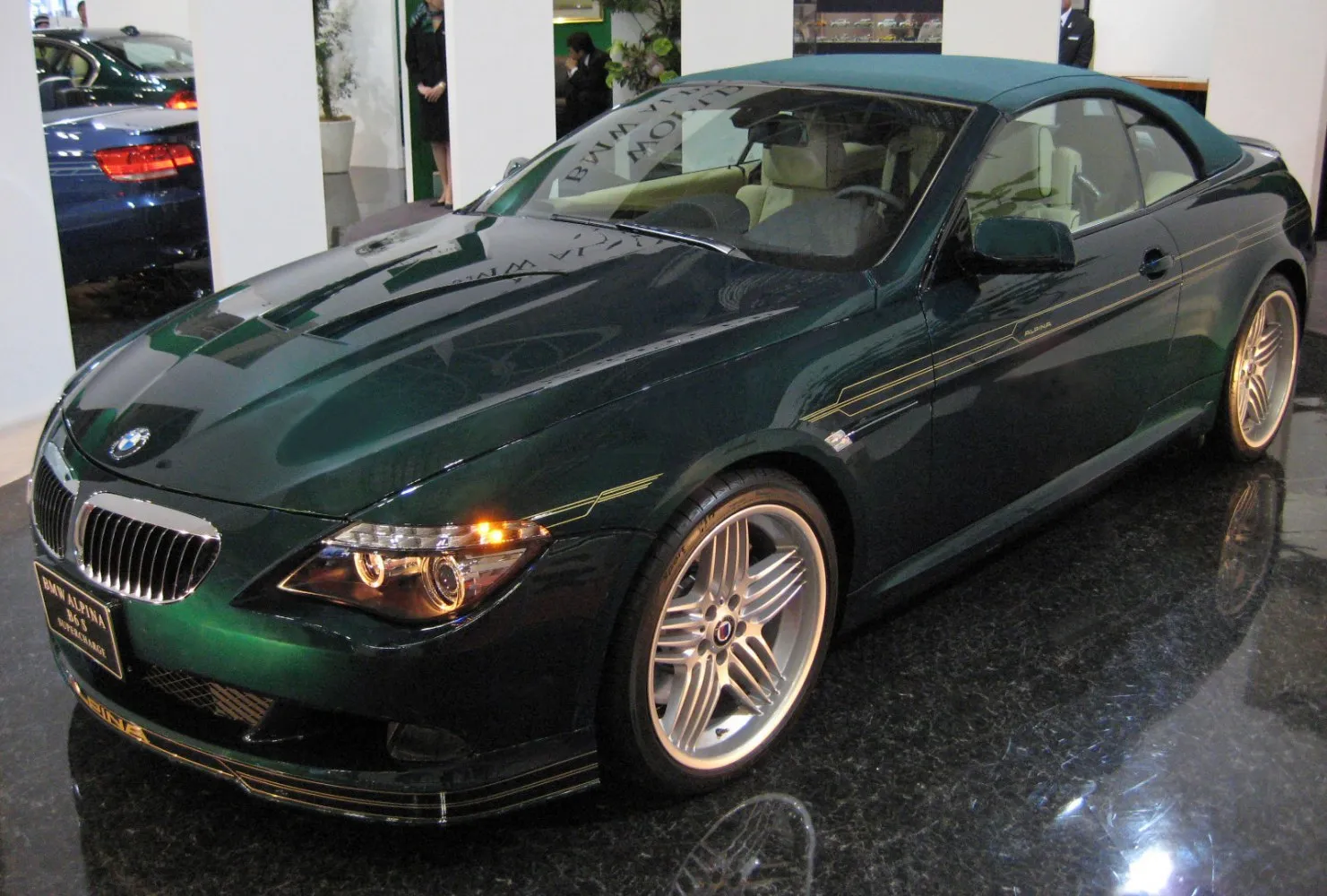
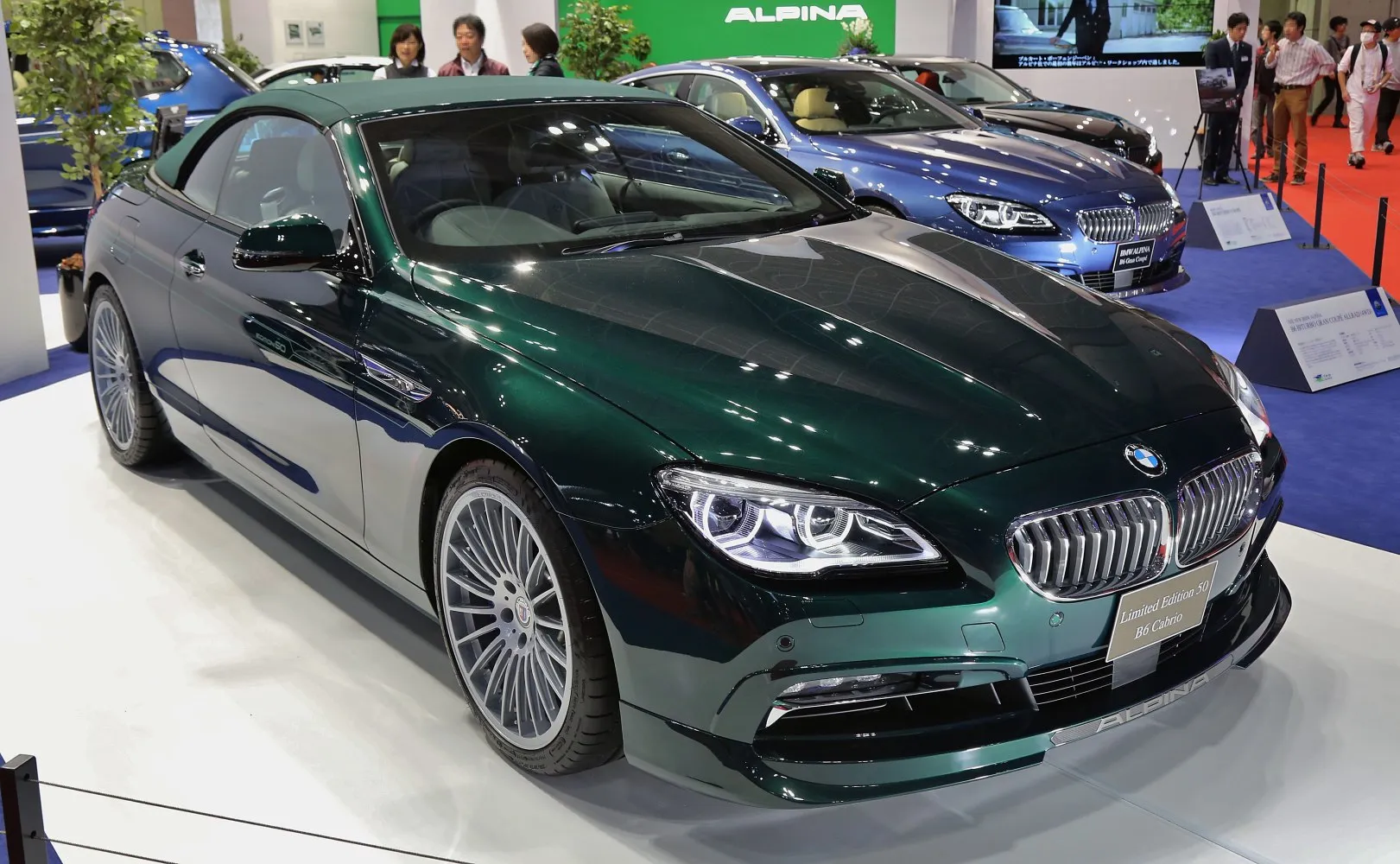
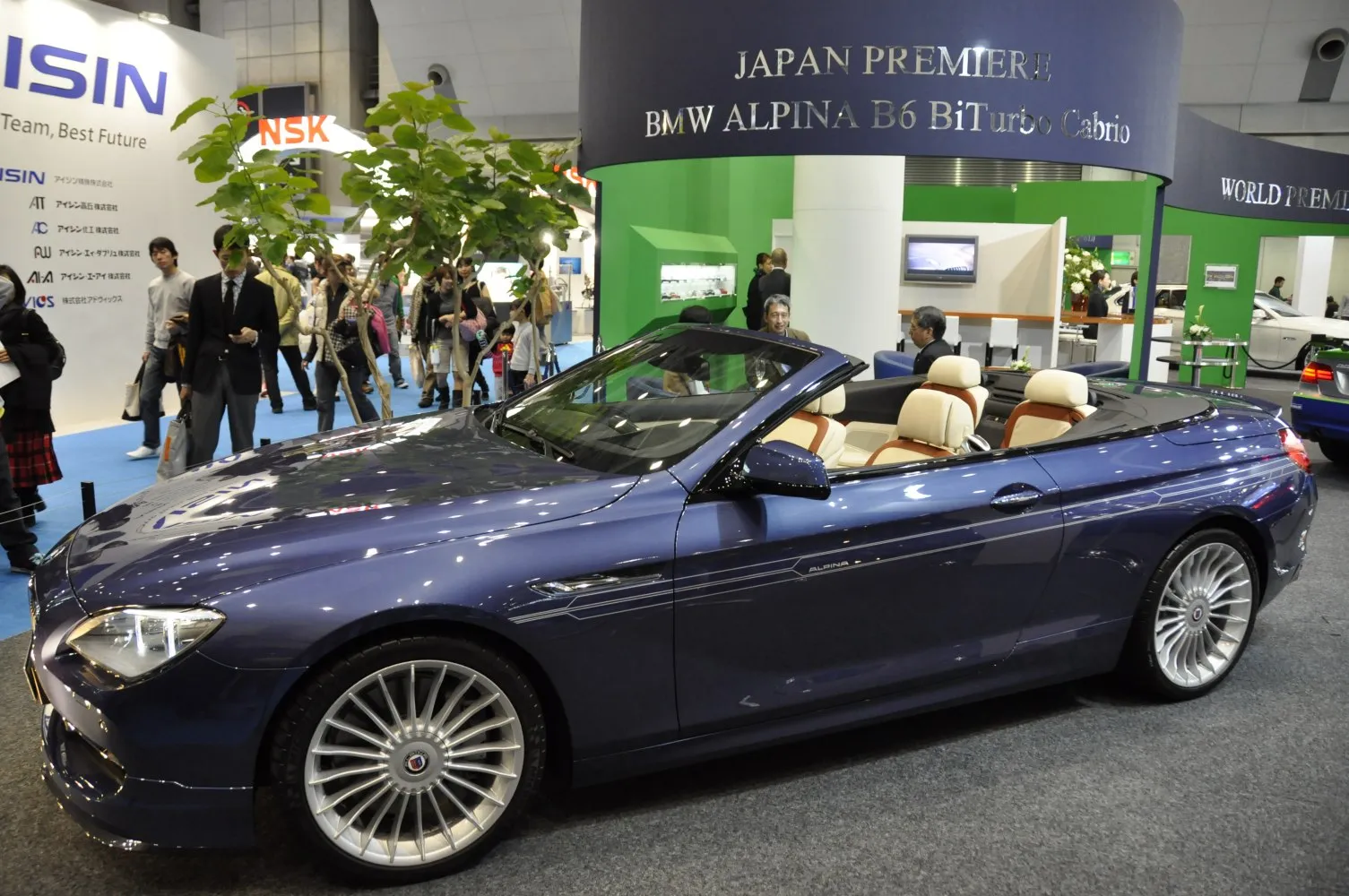
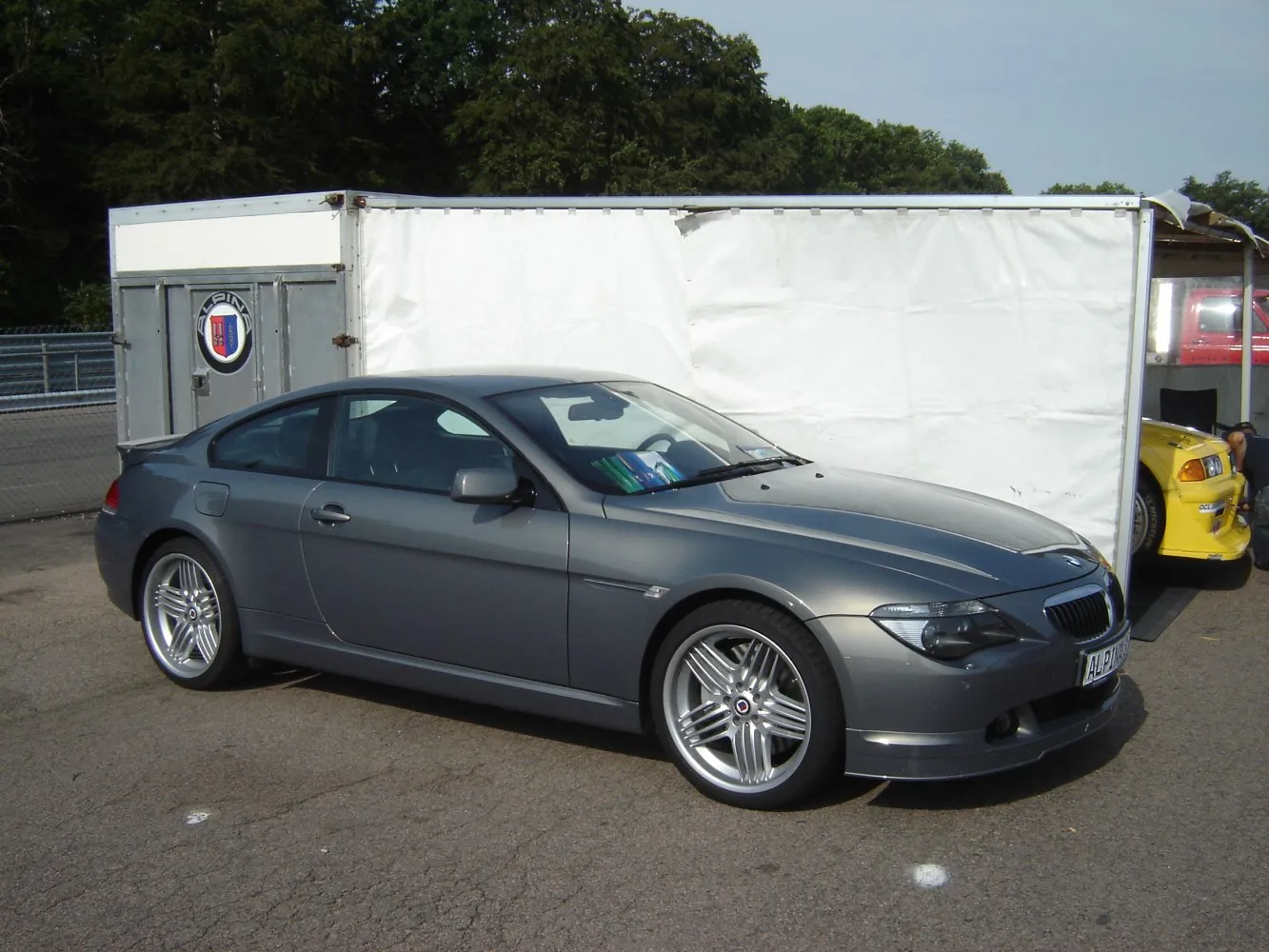
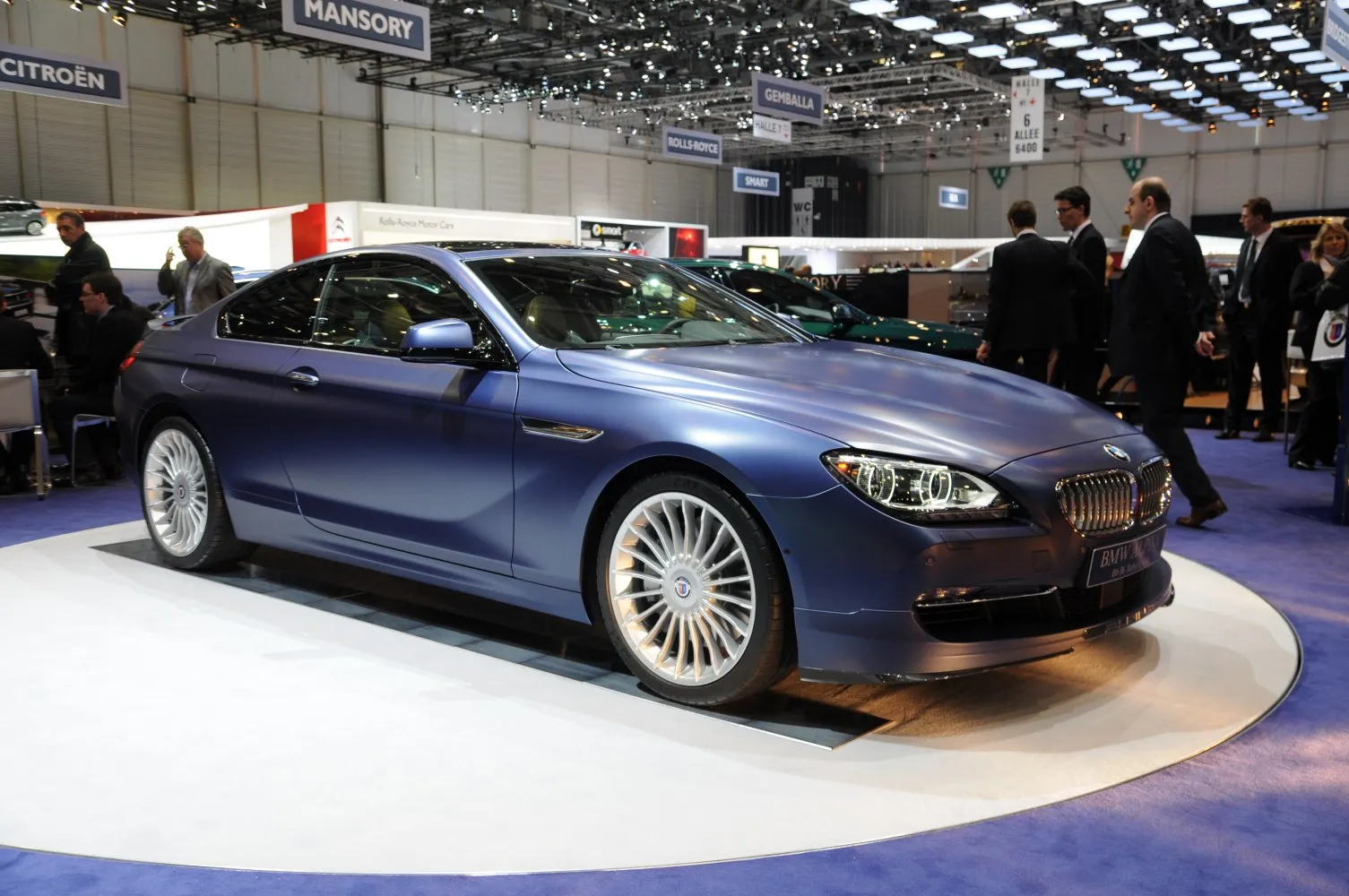
The Alpina B6 is the second generation of the high performance grand tourer manufactured by German automobile manufacturer Alpina from 2005 to 2010. Based on the BMW 6 Series , the car was available in coupé and convertible bodystyles. The B6 was introduced in 2005.
The B6 is based on the 650i and uses a modified version of its 4. 4-litre N62 V8 engine, designated by Alpina as the H1. Changes to the engine include an Alpina specific block made by Steyr, a forged crankshaft and low compression Mahle pistons. The engine retains BMW's VANOS system and uses a centrifugal-type supercharger, made by ASA to Alpina's specifications and a stainless steel Akrapovic exhaust system with quad exhaust tips. These modifications allow the engine to generate 500 PS at 5,500 rpm and 700 N⋅m of torque at 4,250 rpm. The choice of the forced induction V8 engine over the naturally aspirated V10 engine of the M6 grants the B6 better fuel economy figures....(Read more on Wikipedia)
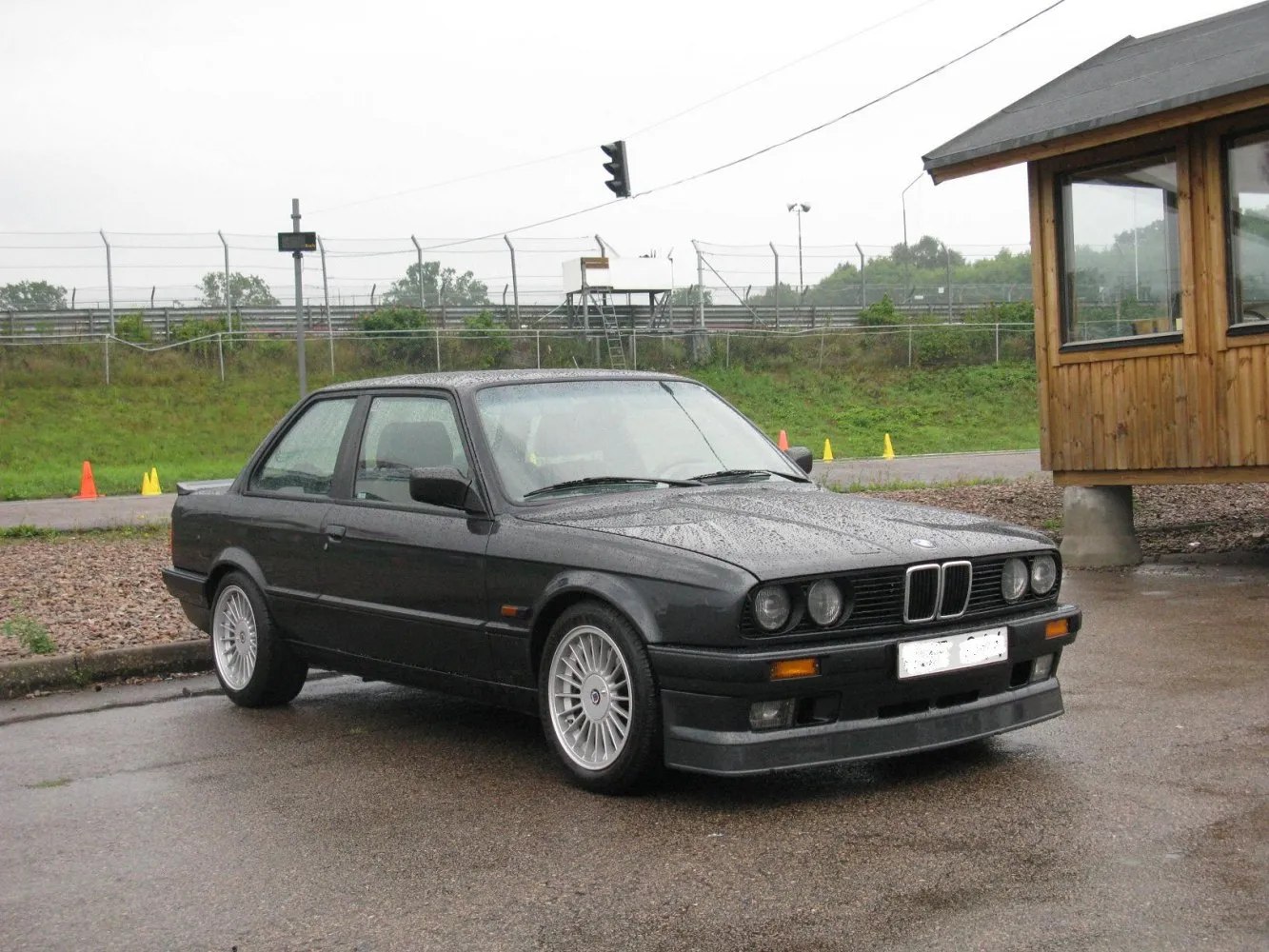
E36 Overview:
Alpina B6 (E36). With 293 Nm of torque, it offers ample pulling power. With a weight of 1330 kg, it falls in the mid‑range. Rear‑wheel drive offers dynamic handling and sporty feedback. Acceleration is good (0–100 km/h in 6.5 s). The top speed reaches 250 km/h. A four-door car with a separate trunk, ideal for families and daily commuting. Seating for 5 makes it ideal for daily use.
Tested as the BMW 3 Series (E36) in 1997, it received a low 1.5-star rating, indicating significant structural deformation in frontal impacts by modern safety standards.
2.8 i 24V (240 Hp) Verdict:

Performance Verdict
Exceptional performance for a 2.8L in the early 90s, offering strong acceleration (0-100 km/h in 6.5s) and a high top speed, characteristic of Alpina's focus on refined, high-speed power delivery.
Fuel Economy
Remarkably efficient for its performance class and era, with a combined fuel consumption of 8.2 l/100 km, making it a practical high-performance sedan for daily use or long journeys.
Pros and Cons:
Pros:
- • Exceptional performance and handling for its era, thanks to Alpina's tuning.
- • Alpina's signature blend of luxury and sportiness, offering a unique driving experience.
- • Rarity and exclusivity make it a highly desirable collector's car.
- • Robust BMW E36 platform provides a solid foundation.
- • Relatively good fuel economy for a high-performance vehicle of its time.
Cons:
- • Safety rating is low by modern standards (1.5 stars Euro NCAP).
- • Parts availability for Alpina-specific components can be challenging and expensive.
- • Maintenance costs can be high due to age and specialized parts.
- • Interior design and features may feel dated compared to contemporary vehicles.
Specifications:
Specifications are compared to those of the previous generation(E30: 1986 - 1990).
| General: | |
|---|---|
| Brand: | Alpina |
| Model: | B6 |
| Generation: | E36 |
| Modification (Engine): | 2.8 i 24V (240 Hp) |
| Start of production: | 1992 |
| End of production: | 1993 |
| Powertrain Architecture: | Internal Combustion engine |
| Body type: | Sedan |
| Seats: | 5 |
| Doors: | 4 |
| Engine: | |
|---|---|
| Power: | 240 Hp @ 6000 rpm. |
| Power per litre: | 87.2 Hp/l [worst than previous generation] |
| Torque: | 293 Nm @ 4200 rpm. |
| Engine displacement: | 2753 |
| Number of cylinders: | 6 |
| Engine configuration: | Inline |
| Number of valves per cylinder: | 4 |
| Fuel injection system: | Multi-port manifold injection |
| Engine aspiration: | Naturally aspirated engine |
| Valvetrain: | DOHC |
| Engine layout: | Front, Longitudinal |
| Cylinder Bore: | 84 mm |
| Piston Stroke: | 82.8 mm |
| Compression ratio: | 10.5:1 |
| Performance: | |
|---|---|
| Fuel Type: | Petrol (Gasoline) |
| Fuel consumption (economy) - urban: | 13.2 l/100 km |
| Fuel consumption (economy) - extra urban: | 6.9 l/100 km |
| Fuel consumption (economy) - combined: | 8.2 l/100 km |
| Acceleration 0 - 100 km/h: | 6.5 sec |
| Acceleration 0 - 62 mph: | 6.5 sec |
| Maximum speed: | 250 km/h |
| Weight-to-power ratio: | 5.5 kg/Hp, 180.5 Hp/tonne |
| Weight-to-torque ratio: | 4.5 kg/Nm, 220.3 Nm/tonne |
| Acceleration 0 - 60 mph: | 6.2 sec |
| Space: | |
|---|---|
| Kerb Weight: | 1330 |
| Max. weight: | 1850 |
| Max load: | 520 |
| Trunk (boot) space - maximum: | 1125 l |
| Trunk (boot) space - minimum: | 370 l |
| Fuel tank capacity: | 62 l |
| Size: | |
|---|---|
| Length: | 4325 mm |
| Width: | 1645 mm |
| Height: | 1370 mm |
| Wheelbase: | 2570 mm |
| Front track: | 1405 mm |
| Rear (Back) track: | 1415 mm |
| Powertrain: | |
|---|---|
| Drivetrain Architecture | The Internal combustion engine (ICE) drives the rear wheels of the vehicle. |
| Drive wheel | Rear wheel drive |
| Number of gears | 5 |
| Transmission type | Manual |
| Front brakes | Disc |
| Rear brakes | Disc |
| Assisting systems | ABS (Anti-lock braking system) |
| Power steering | Hydraulic Steering |
| Tires size | 235/40 R17 |
| Front suspension | Coil spring |
| Rear suspension | Coil spring |







Help others decide – share your experience!