
Click on image to view the full photo gallery
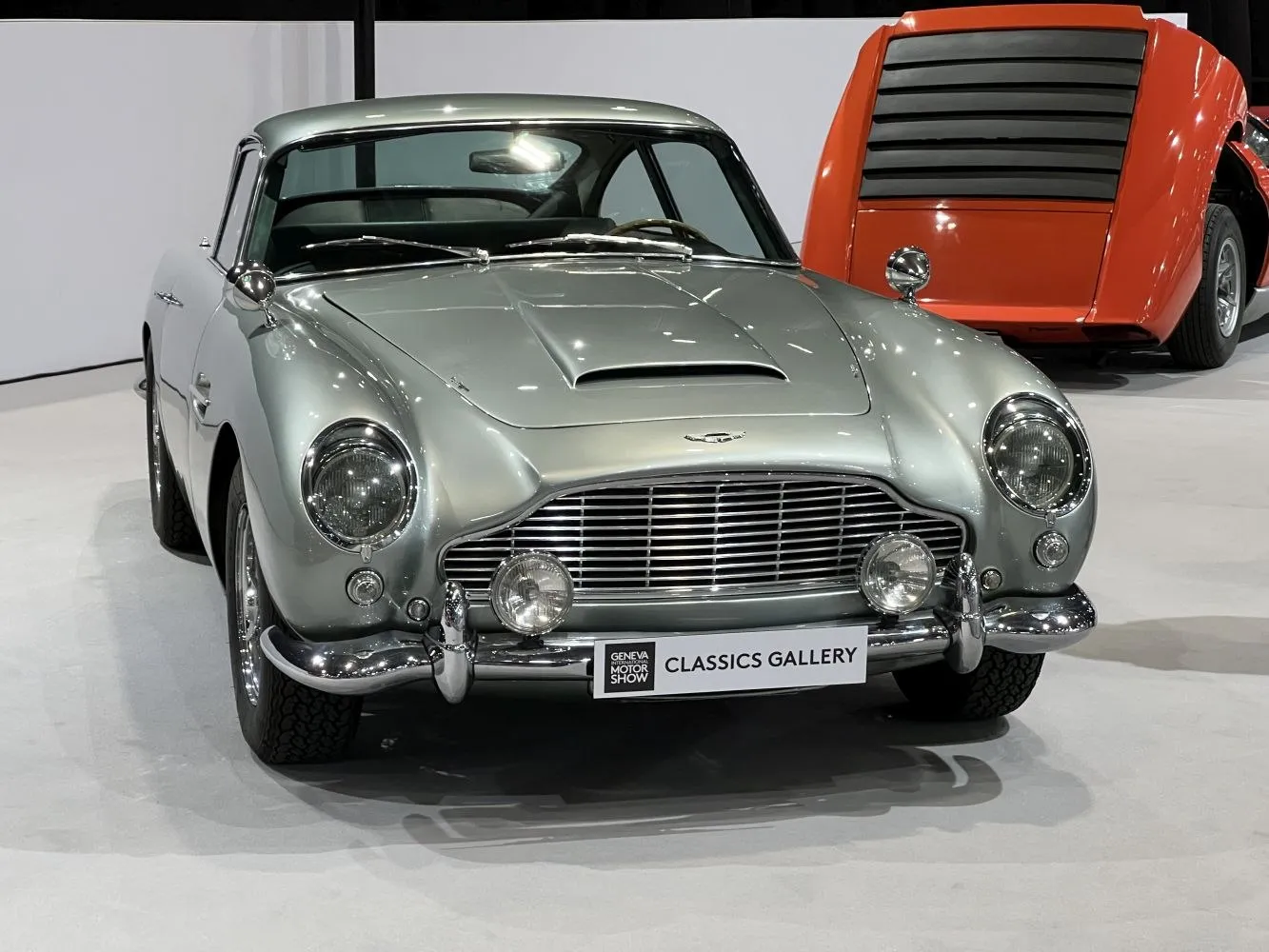
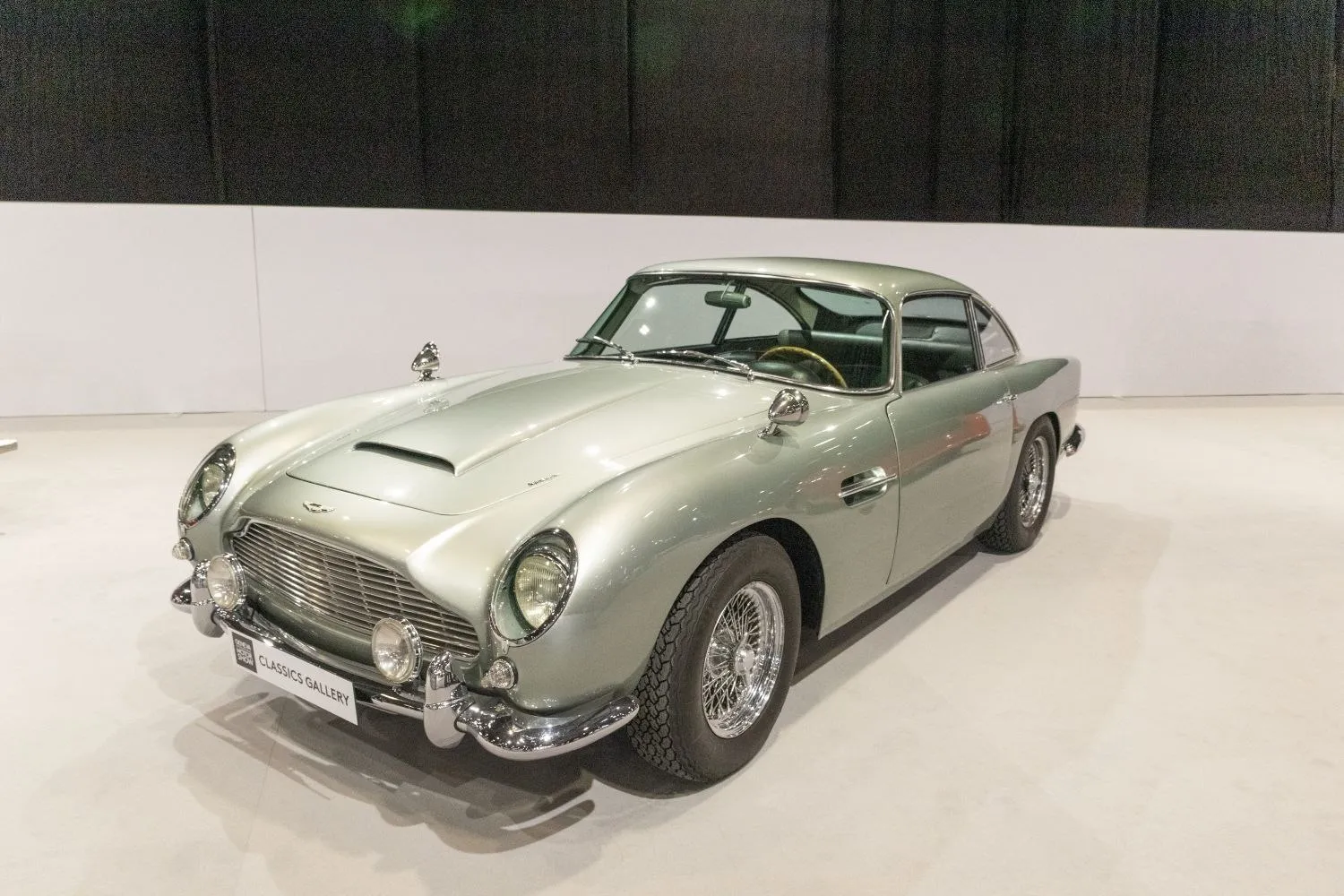
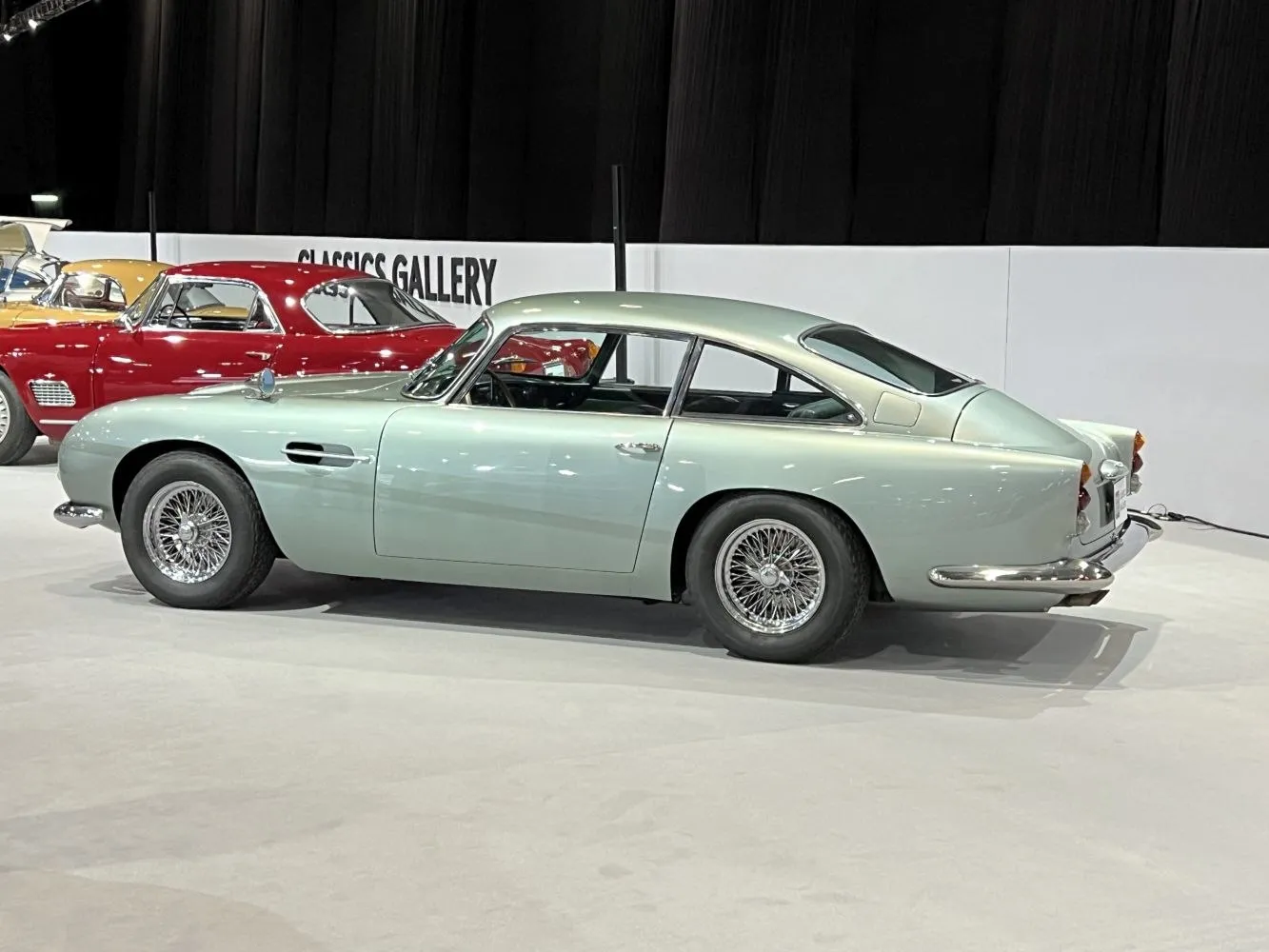
Aston Martin DB4 Series 3 3.7i (243 Hp) Automatic
Overall Rating
Aston Martin DB4:
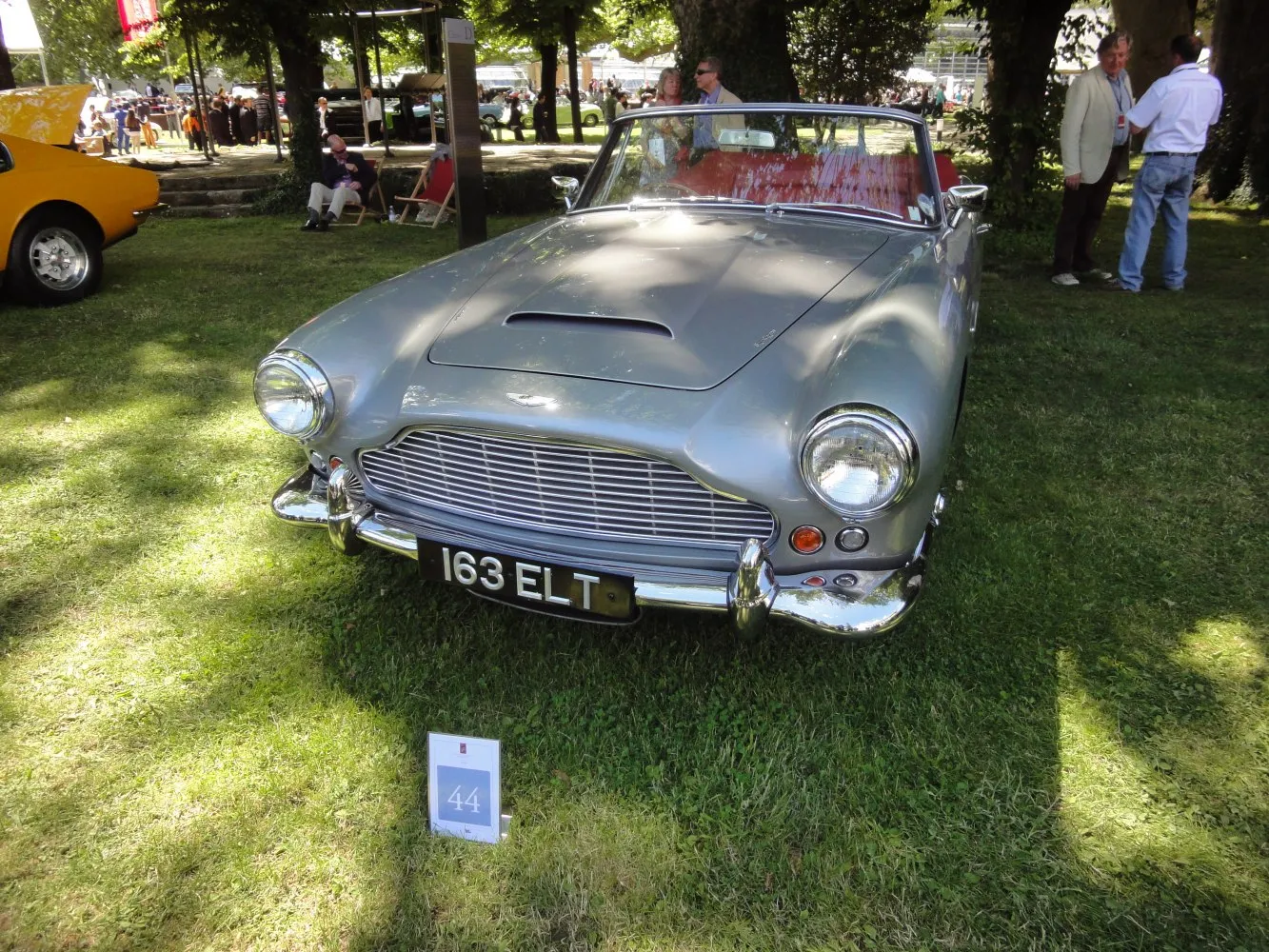
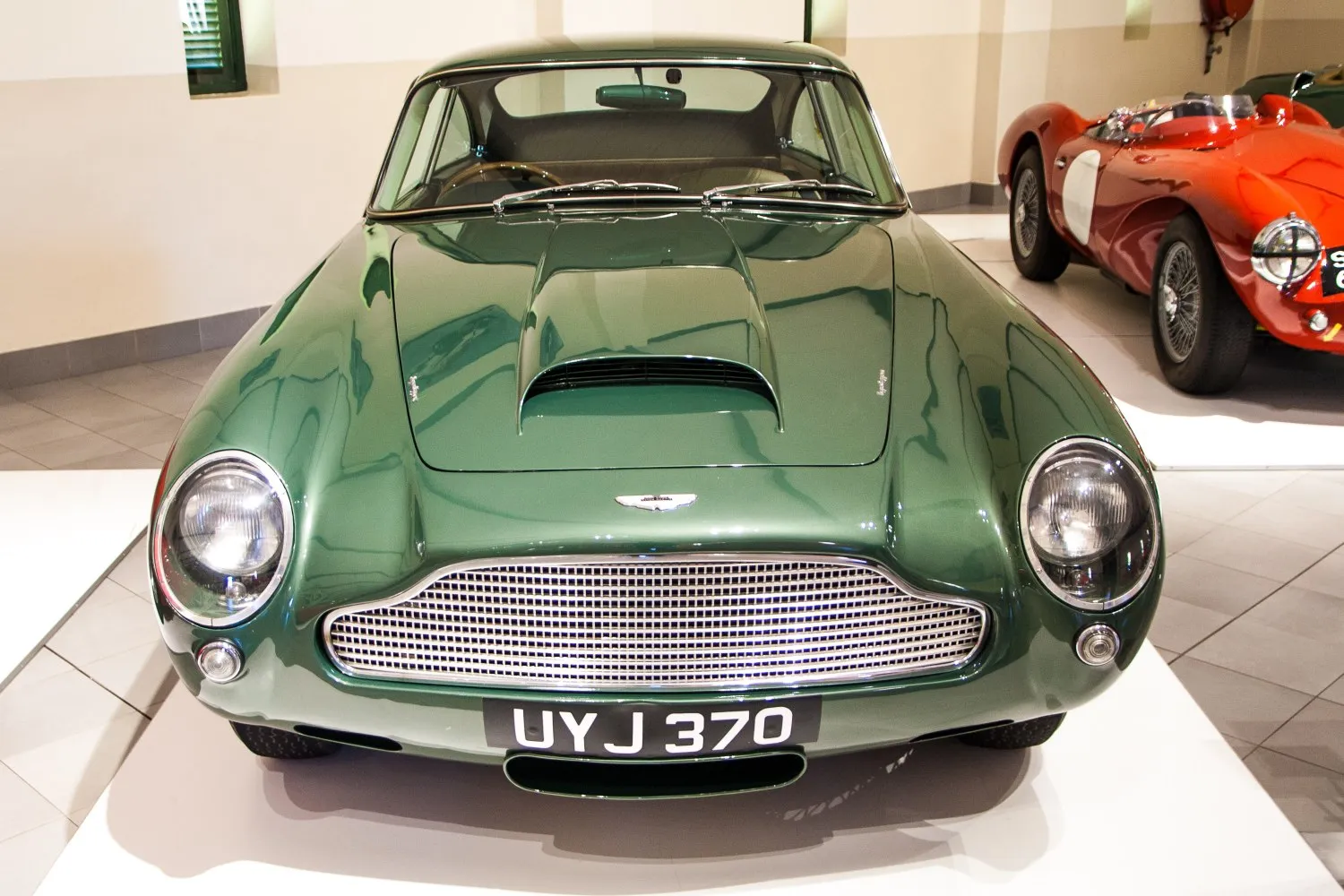
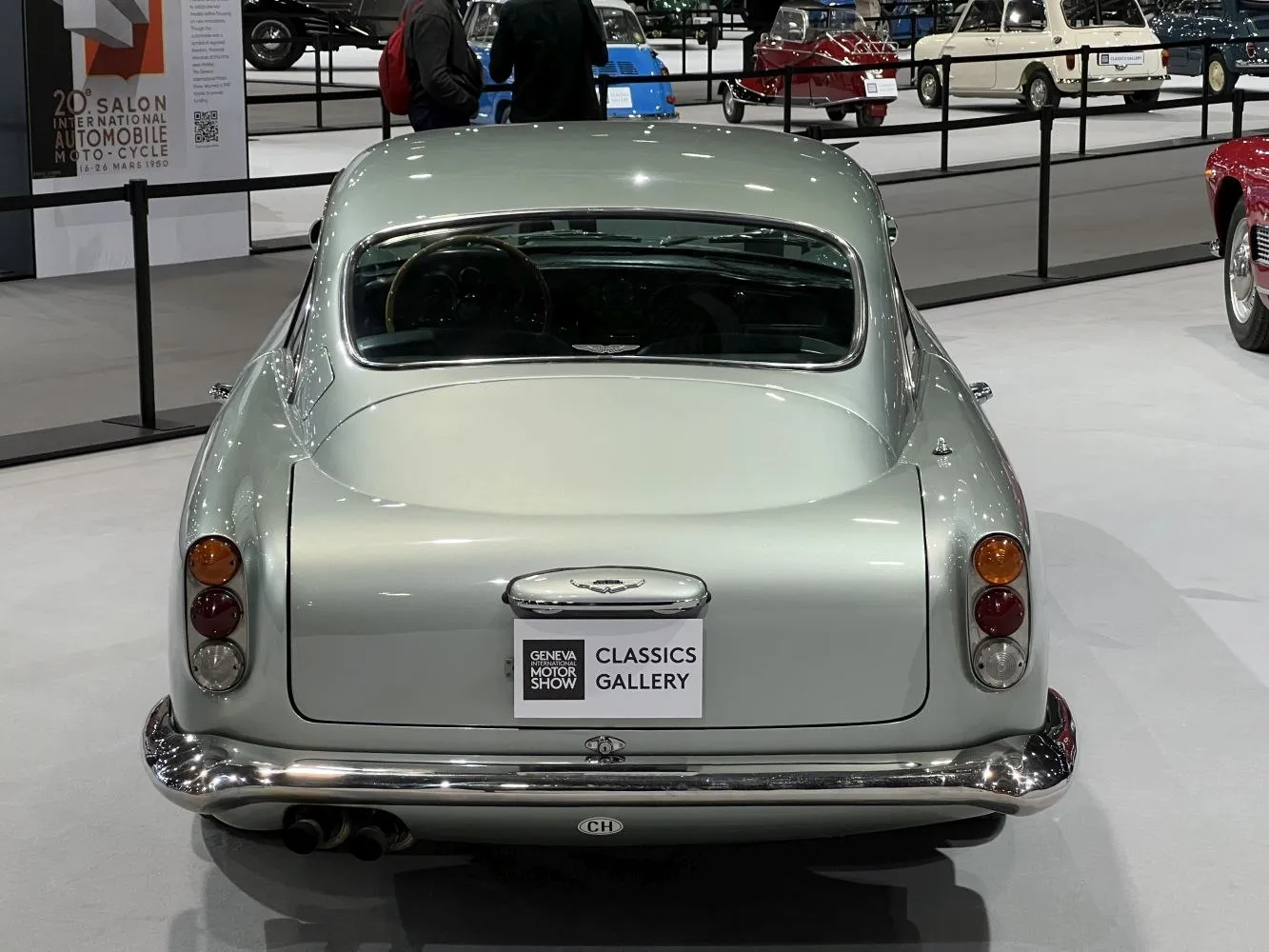
The Aston Martin DB4 is a grand tourer that was produced by Aston Martin from 1958 until 1963. The "DB" designation came from Sir David Brown, who built up the company from 1947 onwards.
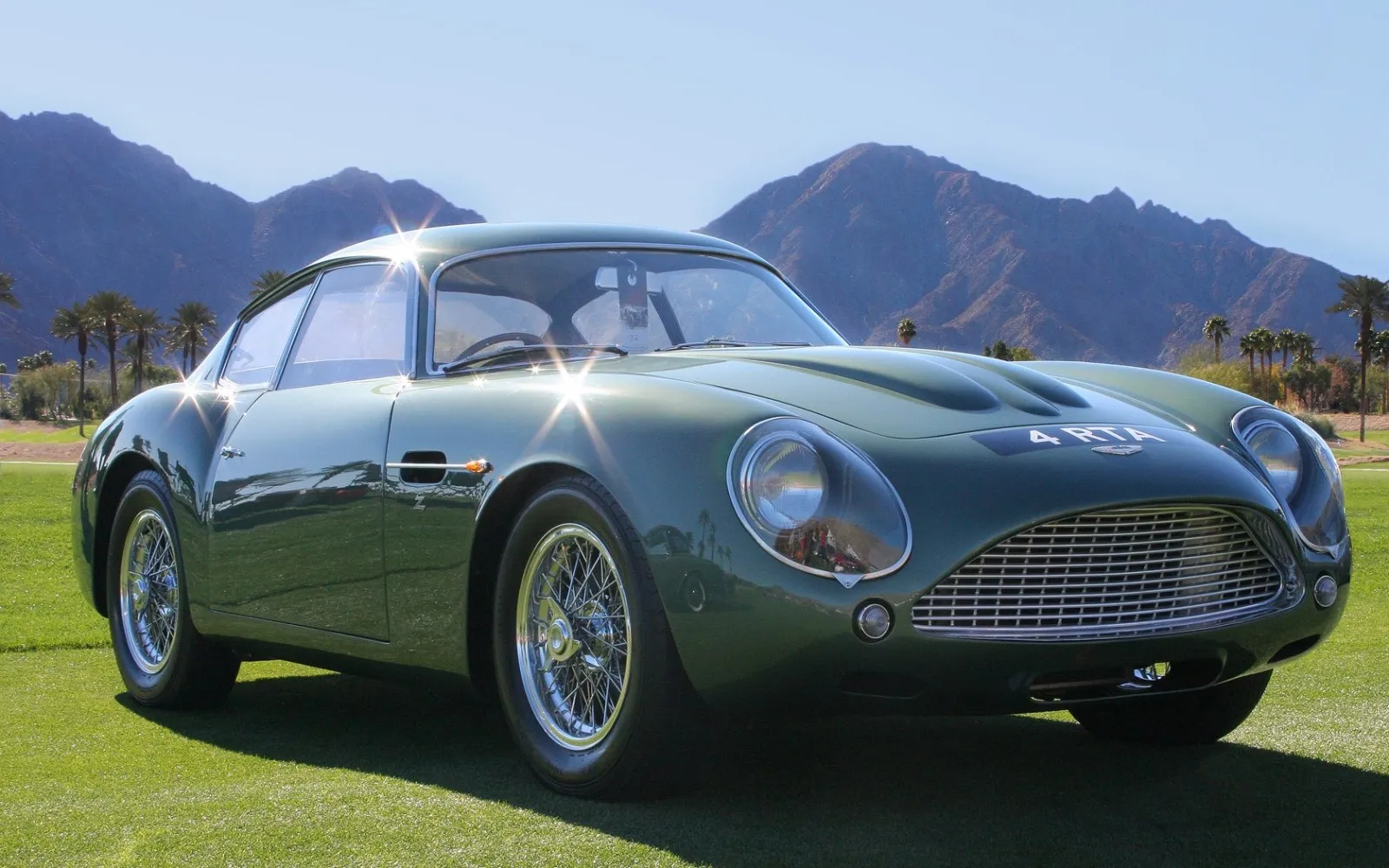
Technically the DB4 was not a development of the DB Mark III it replaced, nor did it evolve into the DB5. It had a platform rather than a tubular chassis with a new engine by Tadek Marek. The DB4's design formed the basis for later Aston Martin models, such as the DB4 GT Zagato and the Lagonda Rapide 4-door saloon....(Read more on Wikipedia)
Series 3 Overview:
Aston Martin DB4 (Series 3). With 332 Nm of torque, it offers ample pulling power. With a weight of 1308 kg, it falls in the mid‑range. Rear‑wheel drive offers dynamic handling and sporty feedback. The top speed reaches 225 km/h. A two-door car with a fixed roof, known for its sporty design and dynamic performance. Seating for 4 makes it ideal for daily use.
3.7i (243 Hp) Automatic Verdict:

Performance Verdict
While offering the same impressive power output, the automatic transmission likely provided a smoother, more relaxed driving experience, albeit with a slight compromise in ultimate acceleration compared to the manual.
Fuel Economy
Fuel consumption remained high, similar to the manual, reflecting the less efficient automatic transmissions of the period.
Pros and Cons:
Pros:
- • Stunning classic design and timeless elegance
- • Potent 3.7L inline-six engine with strong performance for its era
- • Excellent grand touring capabilities
- • High collector's value and investment potential
- • Distinctive British automotive heritage
Cons:
- • High fuel consumption by modern standards
- • Lack of modern safety features
- • Requires specialized maintenance and parts can be expensive
- • Limited practicality with 2 doors and small rear seats
- • Ride comfort can be firm compared to modern luxury cars
Specifications:
Specifications are compared to those of the previous generation(GT Zagato: 1960 - 1963).
| General: | |
|---|---|
| Brand: | Aston Martin |
| Model: | DB4 |
| Generation: | Series 3 |
| Modification (Engine): | 3.7i (243 Hp) Automatic |
| Start of production: | 1961 |
| End of production: | 1962 |
| Powertrain Architecture: | Internal Combustion engine |
| Body type: | Coupe |
| Seats: | 4 |
| Doors: | 2 |
| Engine: | |
|---|---|
| Power: | 243 Hp @ 5500 rpm. |
| Power per litre: | 66.2 Hp/l |
| Torque: | 332 Nm @ 4000 rpm. |
| Engine displacement: | 3670 |
| Number of cylinders: | 6 |
| Engine configuration: | Inline |
| Number of valves per cylinder: | 2 |
| Fuel injection system: | Carburettor |
| Engine aspiration: | Naturally aspirated engine |
| Valvetrain: | DOHC |
| Engine layout: | Front, Longitudinal |
| Cylinder Bore: | 91.95 mm mm |
| Piston Stroke: | 91.9 mm mm |
| Compression ratio: | 8.25:1 |
| Performance: | |
|---|---|
| Fuel Type: | Petrol (Gasoline) |
| Fuel consumption (economy) - combined: | 16 l/100 km |
| Maximum speed: | 225 km/h |
| Weight-to-power ratio: | 5.4 kg/Hp, 185.8 Hp/tonne |
| Weight-to-torque ratio: | 3.9 kg/Nm, 253.8 Nm/tonne |
| Acceleration 0 - 60 mph: | 8.5 sec |
| Space: | |
|---|---|
| Kerb Weight: | 1308 |
| Size: | |
|---|---|
| Length: | 4489 mm mm [136mm more] |
| Width: | 1676 mm mm [Same width.] |
| Height: | 1321 mm mm |
| Wheelbase: | 2489 mm mm [127mm more] |
| Front track: | 1372 mm |
| Rear (Back) track: | 1359 mm |
| Powertrain: | |
|---|---|
| Drivetrain Architecture | The Internal combustion engine (ICE) drives the rear wheels of the vehicle. |
| Drive wheel | Rear wheel drive |
| Number of gears | 3 |
| Transmission type | Automatic |
| Front brakes | Disc, 406.4x152.4 mm |
| Rear brakes | Disc, 406.4x152.4 mm |
| Steering type | Steering rack and pinion |
| Tires size | 185/80 R16 |
| Wheel rims size | 16 |
| Front suspension | Coil spring, Transverse stabilizer |
| Rear suspension | Rigid axle suspension, Coil spring |



The hidden gems or the annoying flaws? Expose the truth about the Aston Martin DB4!