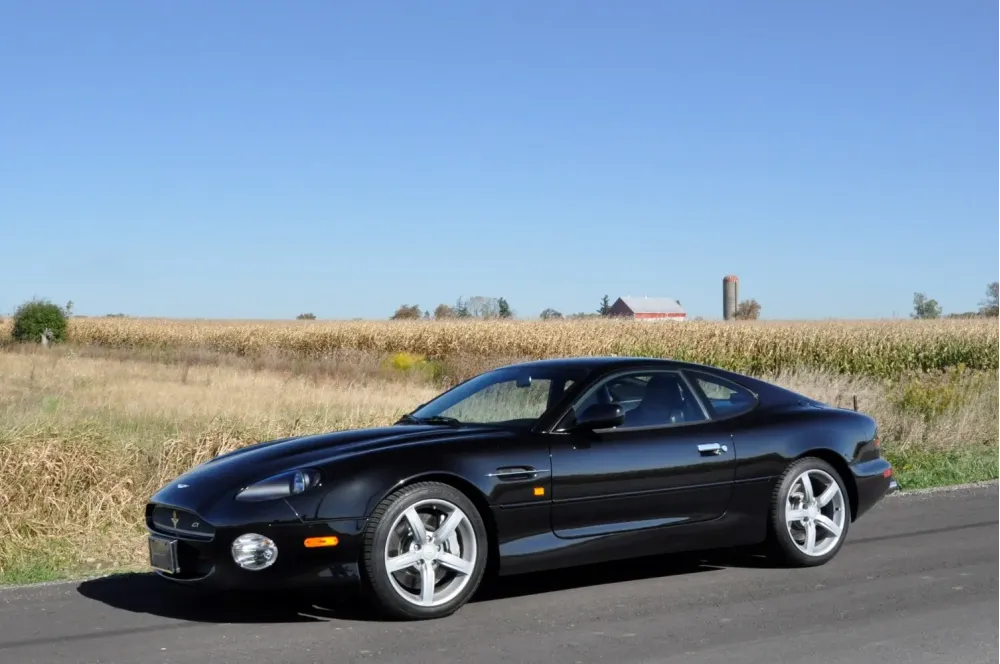
Click on image to view the full photo gallery
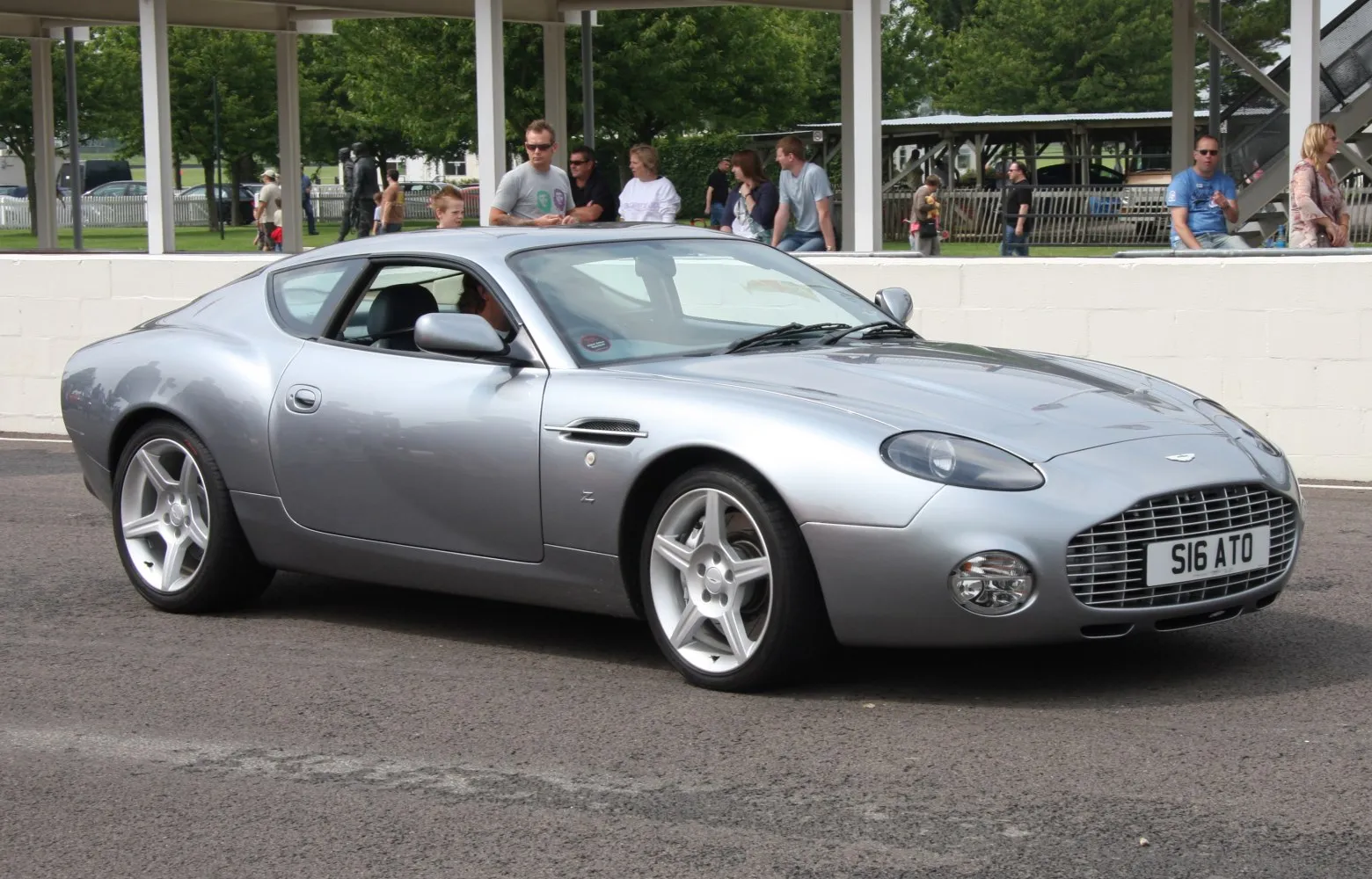
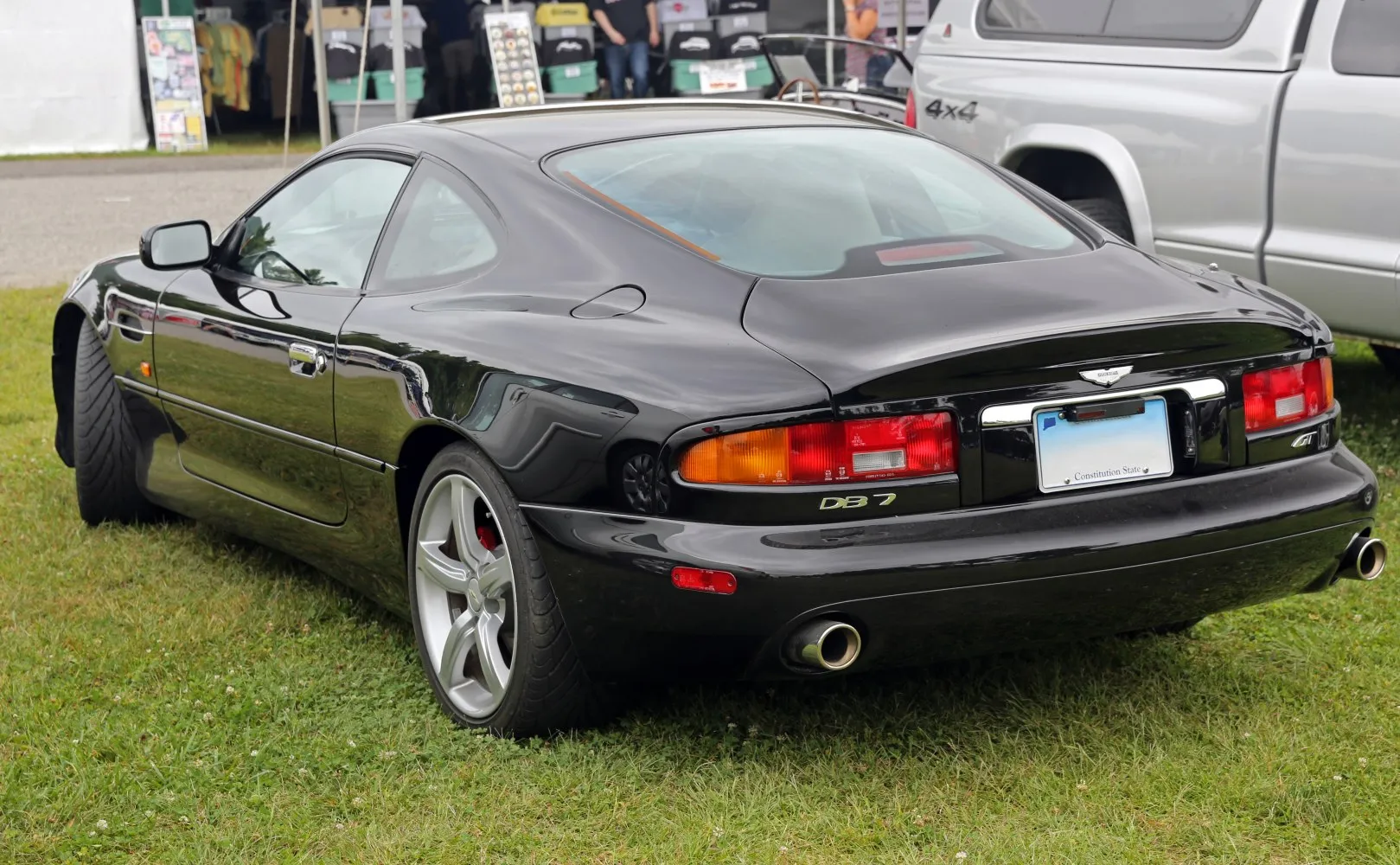
Aston Martin DB7 GT 5.9 i V12 48V (440 Hp)
Overall Rating
Aston Martin DB7:
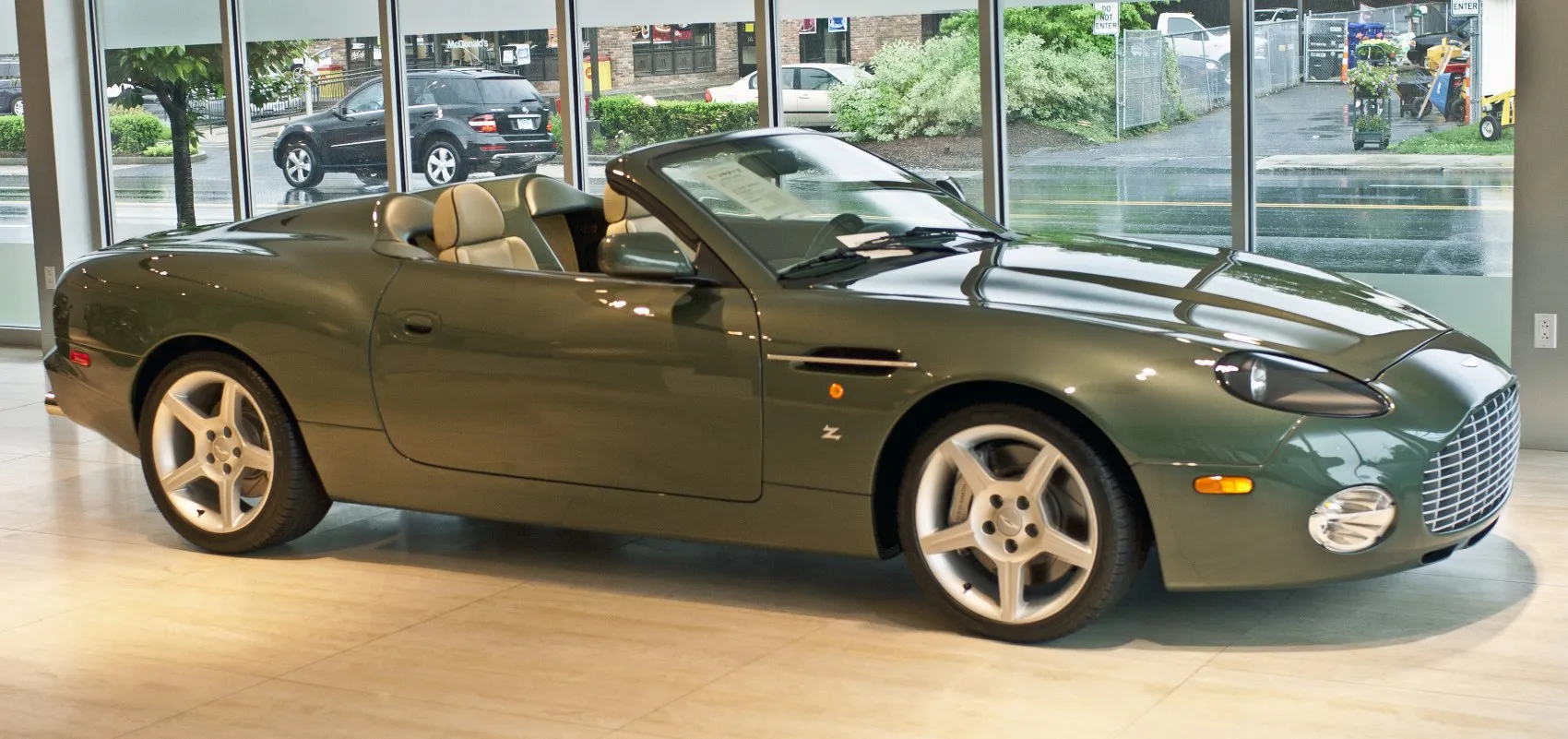
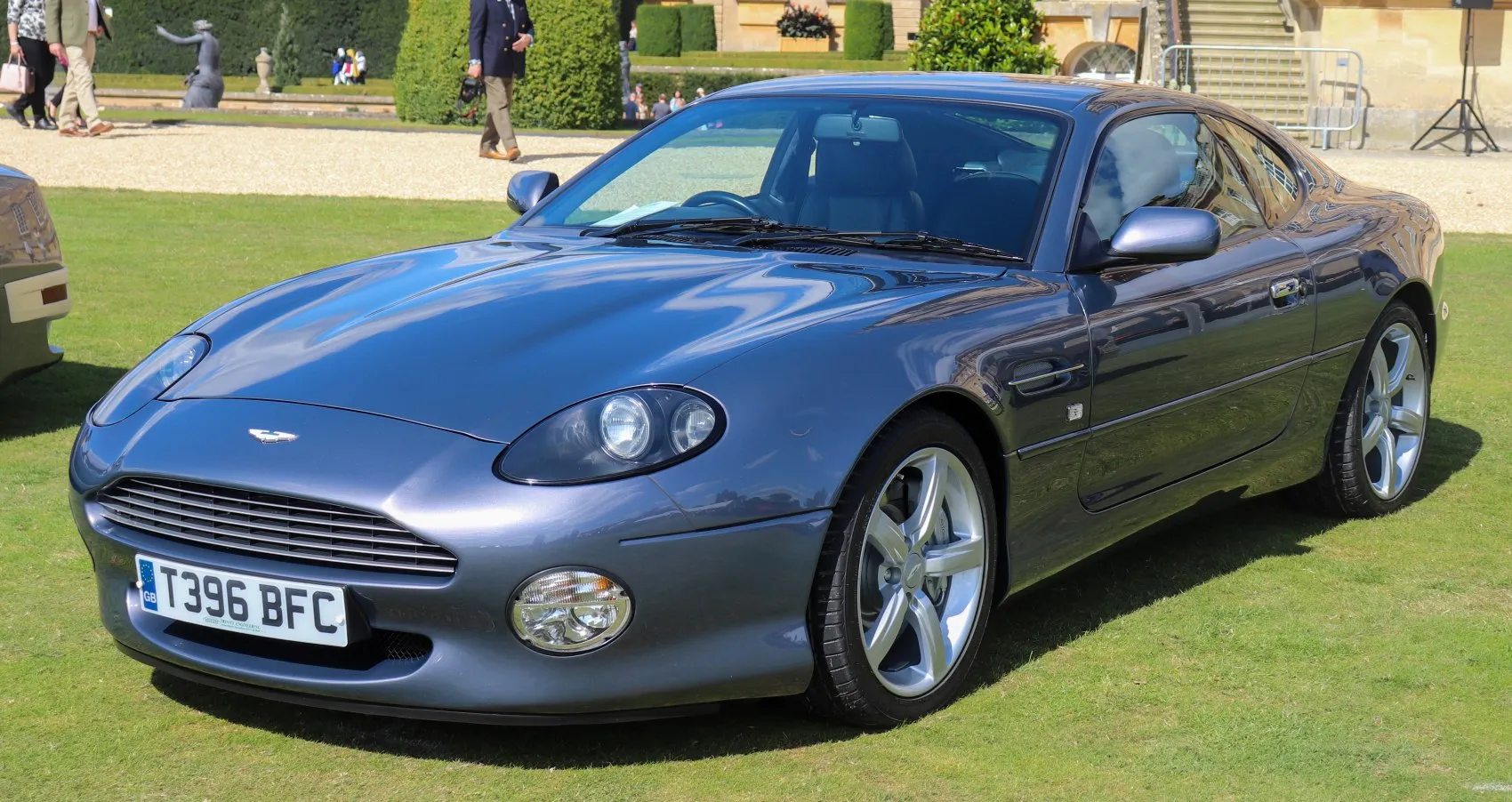
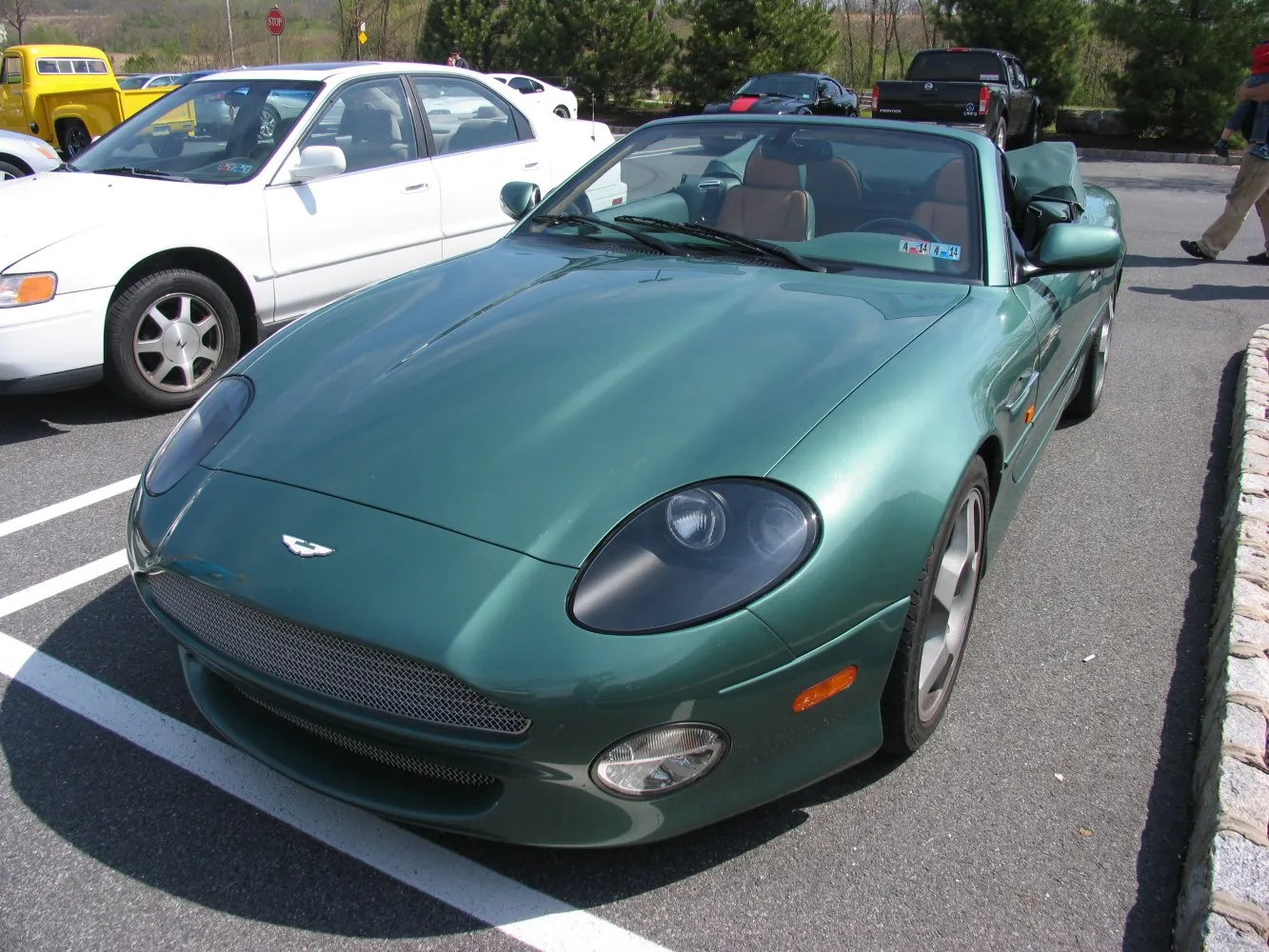
The Aston Martin DB7 is a car that was produced by British luxury car manufacturer Aston Martin from September 1994 to December 2004. It was designed by Ian Callum and Keith Helfet as a grand tourer in coupé and convertible bodystyles. The prototype was complete by November 1992 and debuted at the Geneva Motor Show in March 1993. The six-cylinder DB7 was positioned as an "entry-level" model below the hand-built V8 Virage introduced a few years earlier. At the time, the DB7 was the most-produced Aston Martin automobile in the company’s history, with more than 7,000 built before it was replaced by the DB9 in 2004....(Read more on Wikipedia)
GT Overview:
Aston Martin DB7 (GT). With 556 Nm of torque, it offers ample pulling power. With a weight of 1780 kg, it falls in the mid‑range. Rear‑wheel drive offers dynamic handling and sporty feedback. Acceleration is excellent (0–100 km/h in 4.9 s). The top speed reaches 298 km/h. A two-door car with a fixed roof, known for its sporty design and dynamic performance. Seating for 4 makes it ideal for daily use.
5.9 i V12 48V (440 Hp) Verdict:

Performance Verdict
With an extra 14 hp and often paired with a manual gearbox, this variant offers a more engaging and driver-focused experience, delivering quicker acceleration and sharper responses.
Fuel Economy
Still a very high fuel consumption figure, but the slight increase in power and performance justifies the thirst for enthusiasts seeking the ultimate DB7 driving experience.
Pros and Cons:
Pros:
- • Iconic and timeless British styling
- • Powerful and sonorous V12 engine
- • Excellent grand touring capabilities
- • Exclusivity and classic car appeal
- • Improved dynamics over standard DB7
Cons:
- • High running and maintenance costs
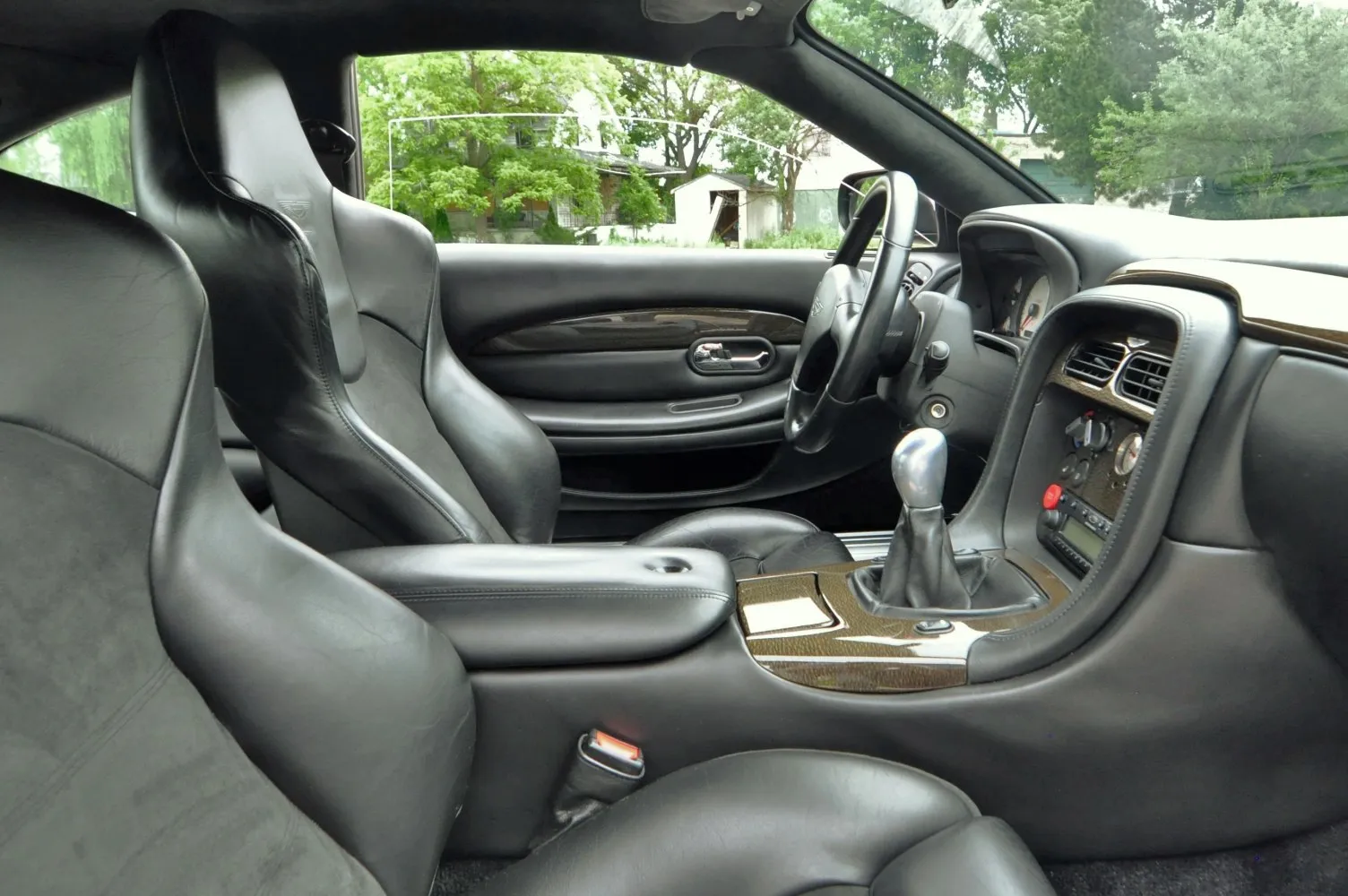
- • Dated interior technology and ergonomics
- • Not officially crash tested by Euro NCAP
- • Can be temperamental if not well-maintained
- • Limited practicality with 2+2 seating
Specifications:
Specifications are compared to those of the previous generation(AR1: 2002 - 2004).
| General: | |
|---|---|
| Brand: | Aston Martin |
| Model: | DB7 |
| Generation: | GT |
| Modification (Engine): | 5.9 i V12 48V (440 Hp) |
| Start of production: | 2003 |
| End of production: | 2004 |
| Powertrain Architecture: | Internal Combustion engine |
| Body type: | Coupe |
| Seats: | 4 |
| Doors: | 2 |
| Engine: | |
|---|---|
| Power: | 440 Hp @ 5000 rpm. |
| Power per litre: | 74.1 Hp/l |
| Torque: | 556 Nm @ 5000 rpm. |
| Engine displacement: | 5935 |
| Number of cylinders: | 12 |
| Engine configuration: | V-engine |
| Number of valves per cylinder: | 4 |
| Fuel injection system: | Multi-port manifold injection |
| Engine aspiration: | Naturally aspirated engine |
| Valvetrain: | DOHC |
| Engine oil capacity: | 11 l |
| Engine layout: | Front, Longitudinal |
| Cylinder Bore: | 89 mm mm |
| Piston Stroke: | 79.5 mm mm |
| Compression ratio: | 10.3:1 |
| Performance: | |
|---|---|
| Fuel Type: | Petrol (Gasoline) |
| Fuel consumption (economy) - urban: | 22.6 l/100 km |
| Fuel consumption (economy) - extra urban: | 16.5 l/100 km |
| Acceleration 0 - 100 km/h: | 4.9 sec |
| Acceleration 0 - 62 mph: | 4.9 sec |
| Maximum speed: | 298 km/h |
| Weight-to-power ratio: | 4 kg/Hp, 247.2 Hp/tonne |
| Weight-to-torque ratio: | 3.2 kg/Nm, 312.4 Nm/tonne |
| Acceleration 0 - 60 mph: | 4.7 sec |
| Space: | |
|---|---|
| Kerb Weight: | 1780 |
| Trunk (boot) space - minimum: | 180 l |
| Fuel tank capacity: | 89 l |
| Size: | |
|---|---|
| Length: | 4666 mm mm [Same length.] |
| Width: | 1830 mm mm [Same width.] |
| Height: | 1230 mm mm [8mm less] |
| Wheelbase: | 2590 mm mm [1mm less] |
| Front track: | 1524 mm |
| Rear (Back) track: | 1530 mm |
| Powertrain: | |
|---|---|
| Drivetrain Architecture | The Internal combustion engine (ICE) drives the rear wheels of the vehicle. |
| Drive wheel | Rear wheel drive |
| Number of gears | 6 |
| Transmission type | Manual |
| Front brakes | Ventilated discs [Best for performance and cooling.] |
| Rear brakes | Ventilated discs [Best for performance and cooling.] |
| Assisting systems | ABS (Anti-lock braking system) |
| Tires size | 245/35 R18; 265/30 R18 |
| Front suspension | Double wishbone |
| Rear suspension | Coil spring |





Is the Aston Martin DB7 worth every penny? Give us your honest ROI.