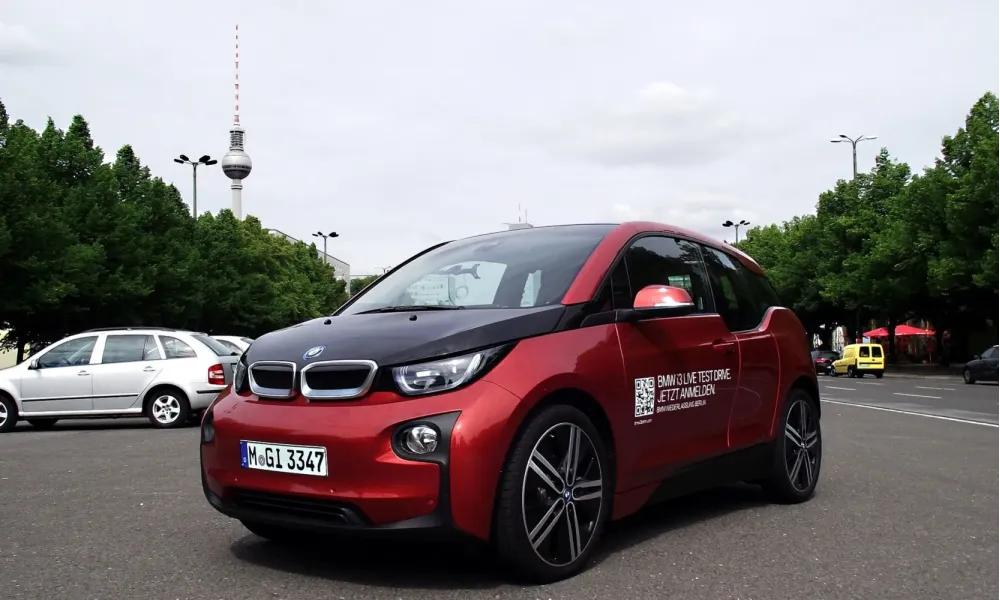
Click on image to view the full photo gallery
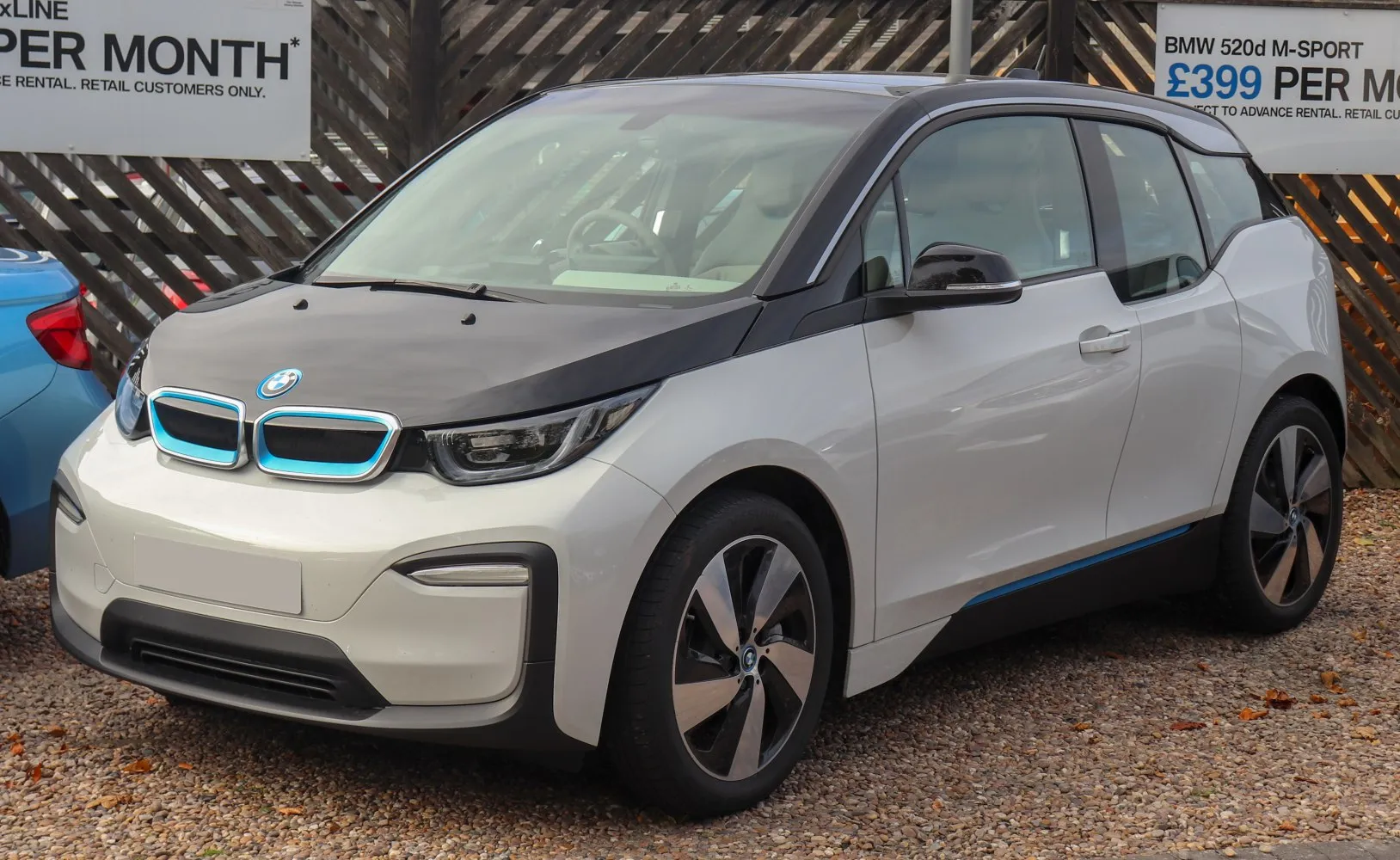
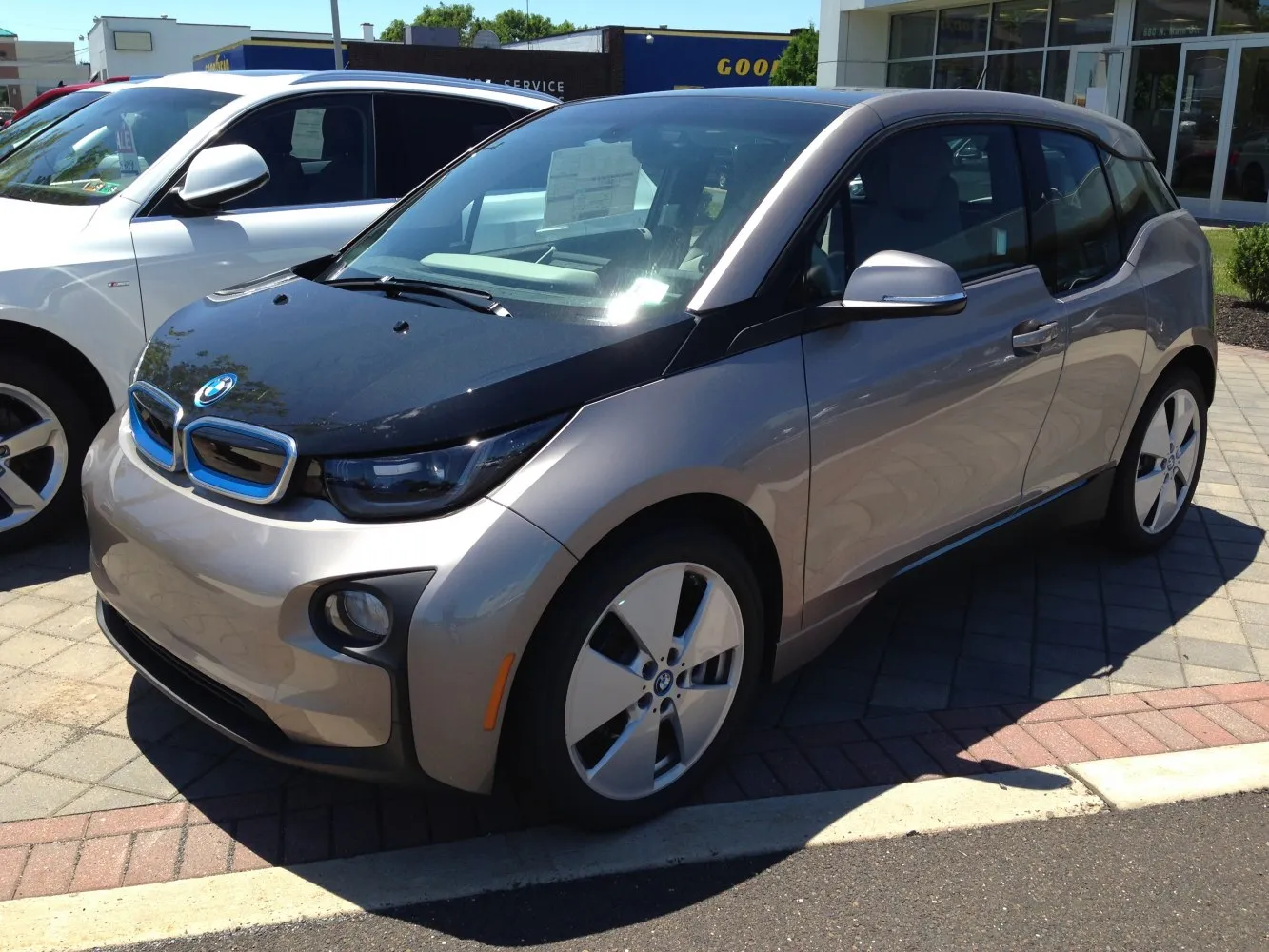
BMW i3 l01 22 kWh (170 Hp)
Overall Rating
BMW i3:
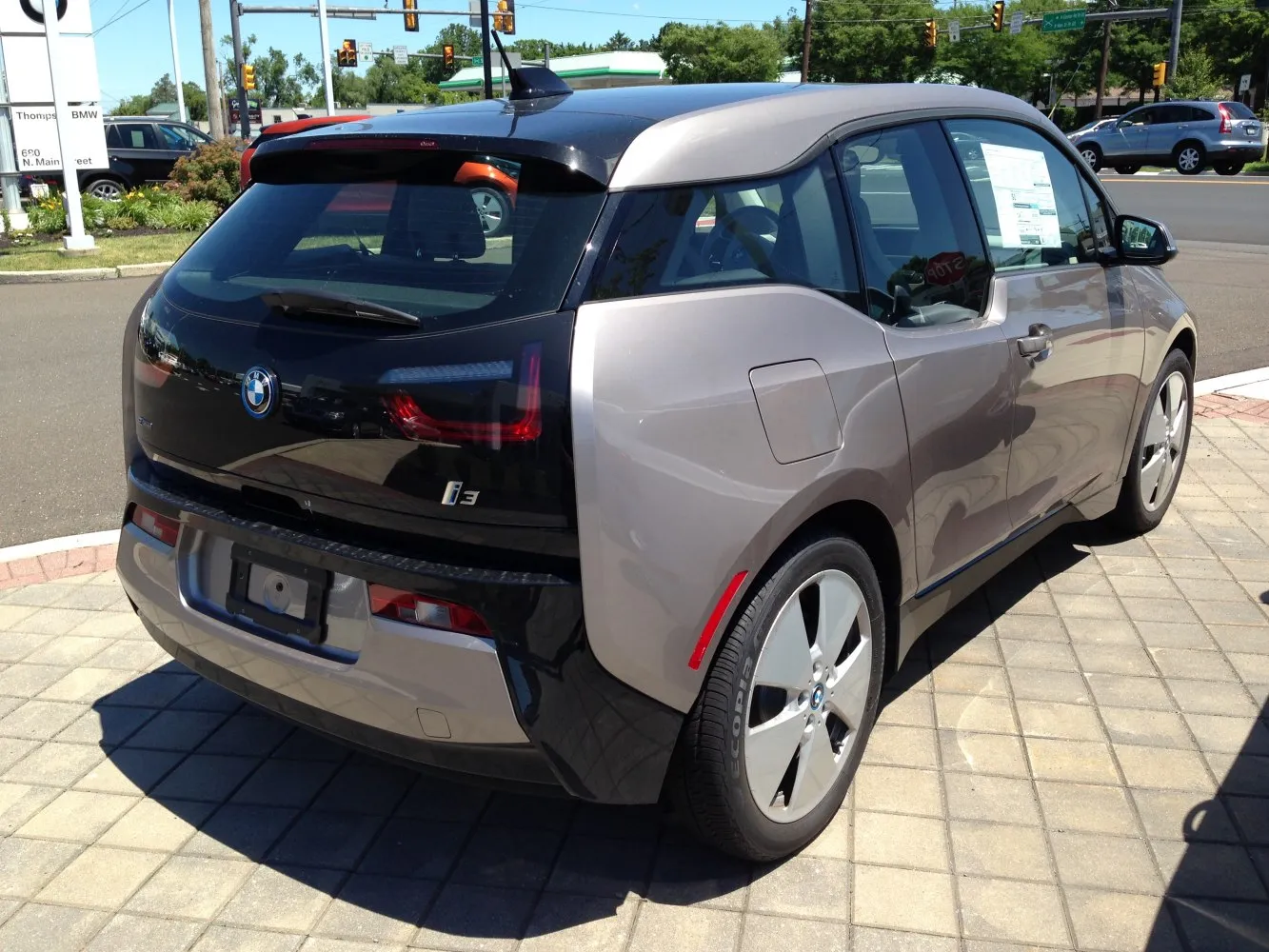
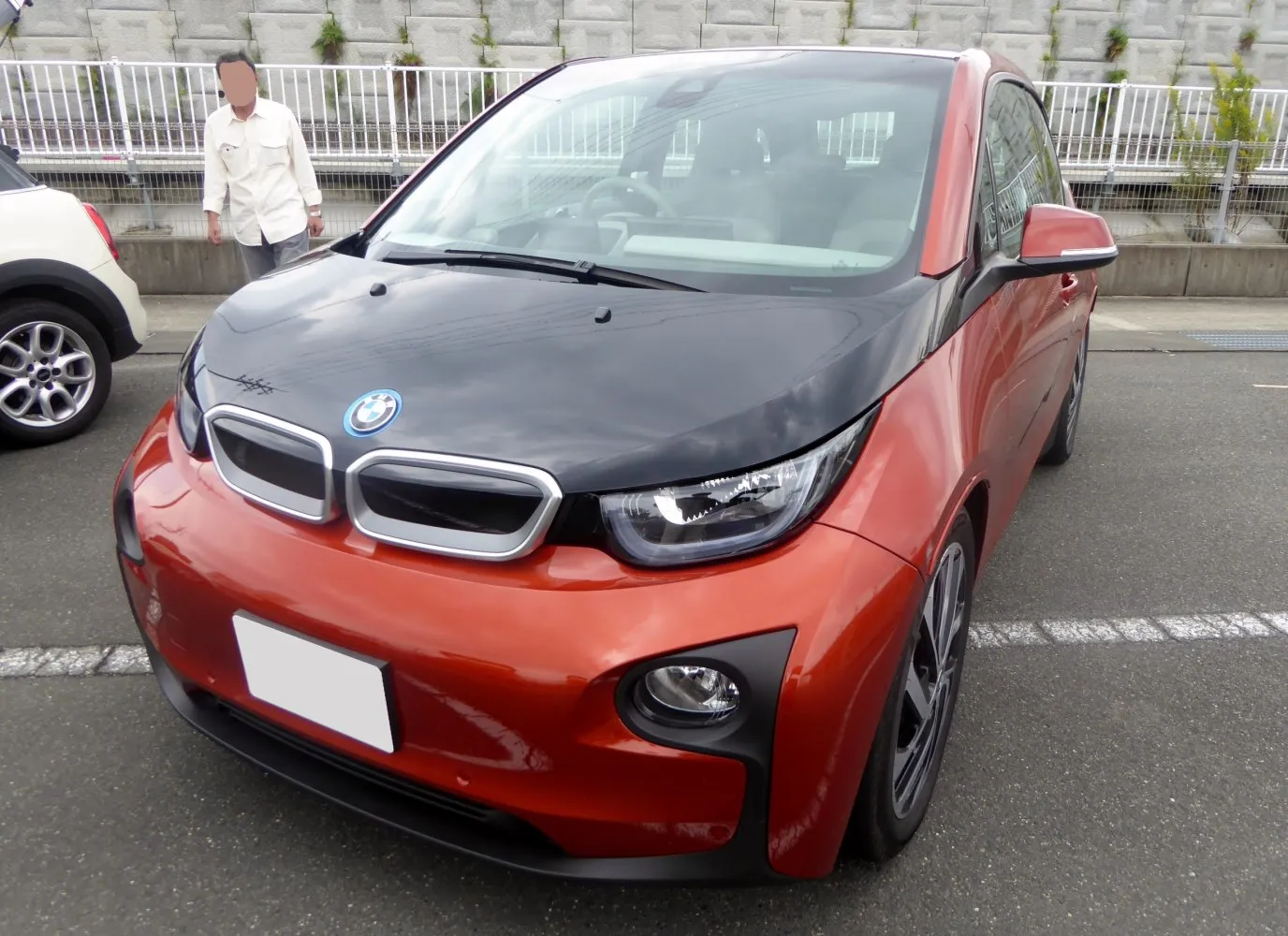
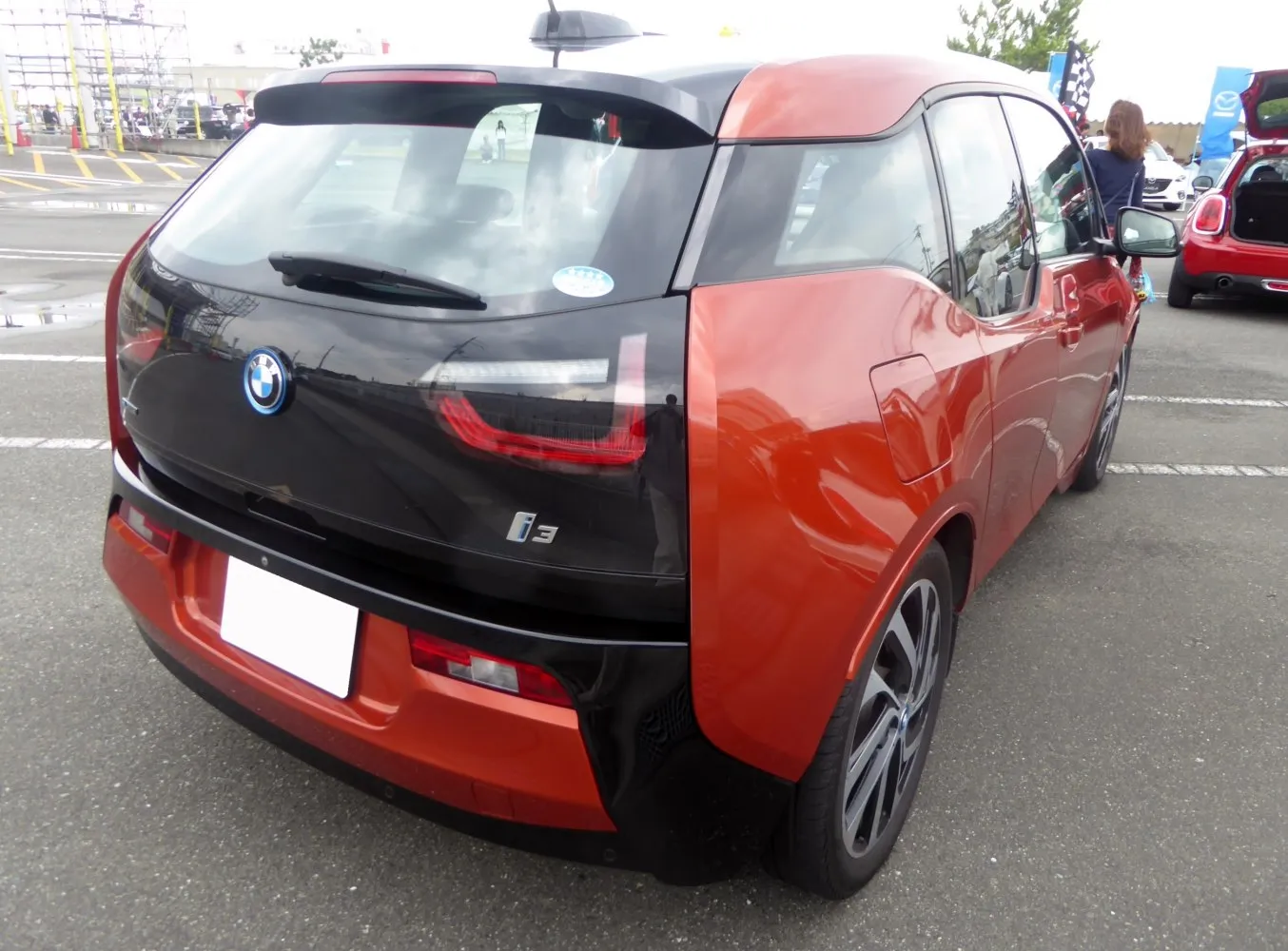
The BMW i3 is an electric car that was manufactured by German marque BMW from 2013 to 2022. The i3 was BMW's first mass-produced zero emissions vehicle and was launched as part of BMW's electric vehicle BMW i sub-brand. It is a B-segment, high-roof hatchback with an electric powertrain. It uses rear-wheel drive via a single-speed transmission and an underfloor lithium-ion battery pack with an optional range-extending petrol engine.
Styled by Richard Kim, the i3 is a five-door with a passenger module of high strength, ultra-lightweight carbon fibre reinforced polymer adhered to an aluminium chassis, battery, drive system and powertrain. The body features two clamshell rear-hinged rear doors....(Read more on Wikipedia)
l01 Overview:
BMW i3 (l01). Weighing only 1195 kg, it’s quite light. Rear‑wheel drive offers dynamic handling and sporty feedback. Acceleration is good (0–100 km/h in 7.2 s). The top speed reaches 150 km/h. A compact car with a rear door that swings upward to provide access to the cargo area. Seating for 4 makes it ideal for daily use.
Achieved a respectable 4-star Euro NCAP rating, demonstrating good protection for adult and child occupants, though safety assist systems were less comprehensive than later models.
22 kWh (170 Hp) Verdict:

Performance Verdict
Delivers instant torque and quick acceleration (0-100 km/h in 7.2 sec), making it highly responsive and enjoyable for urban and suburban driving.
Fuel Economy
Zero tailpipe emissions and very low energy consumption (13.5 kWh/100 km), leading to minimal running costs and environmental impact.
Pros and Cons:
Pros:
- • Distinctive and modern design
- • Agile handling and tight turning circle for urban environments
- • Instant torque and smooth electric acceleration
- • Sustainable interior materials and manufacturing process
- • Low running costs (especially pure EV)
- • Spacious and airy cabin feel
Cons:
- • Limited electric range on early models (22 kWh)
- • High initial purchase price
- • Small fuel tank for Range Extender (9L)
- • Polarizing exterior design may not appeal to all
- • Small trunk space (260L)
- • Rear-hinged doors can be inconvenient in tight spaces
Specifications:
| General: | |
|---|---|
| Brand: | BMW |
| Model: | i3 |
| Generation: | l01 |
| Modification (Engine): | 22 kWh (170 Hp) |
| Start of production: | 2013 |
| End of production: | 2017 |
| Powertrain Architecture: | BEV (Electric Vehicle) |
| Body type: | Hatchback |
| Seats: | 4 |
| Doors: | 5 |
| Performance: | |
|---|---|
| Fuel Type: | Electricity |
| Acceleration 0 - 100 km/h: | 7.2 sec |
| Acceleration 0 - 62 mph: | 7.2 sec |
| Maximum speed: | 150 km/h, Electronically limited |
| Weight-to-power ratio: | 7 kg/Hp, 142.3 Hp/tonne |
| Weight-to-torque ratio: | 4.8 kg/Nm, 209.2 Nm/tonne |
| Acceleration 0 - 60 mph: | 6.8 sec |
| Space: | |
|---|---|
| Kerb Weight: | 1195 |
| Max. weight: | 1620 |
| Max load: | 425 |
| Trunk (boot) space - maximum: | 1100 l |
| Trunk (boot) space - minimum: | 260 l |
| Size: | |
|---|---|
| Length: | 3999 mm mm |
| Width: | 1775 mm mm |
| Height: | 1578 mm mm |
| Wheelbase: | 2570 mm mm |
| Front track: | 1571 mm |
| Rear (Back) track: | 1576 mm |
| Front overhang: | 707 mm |
| Rear overhang: | 722 mm |
| Ride height (ground clearance): | 140 mm |
| Minimum turning circle (turning diameter): | 9.86 m |
| Powertrain: | |
|---|---|
| Drivetrain Architecture | One electric motor drives the rear wheels. |
| Drive wheel | Rear wheel drive |
| Front brakes | Ventilated discs |
| Rear brakes | Ventilated discs |
| Assisting systems | ABS (Anti-lock braking system) |
| Steering type | Steering rack and pinion |
| Power steering | Electric Steering |
| Tires size | 155/70 R19 |
| Wheel rims size | 5J x 19 |
| Front suspension | Independent type McPherson |
| Rear suspension | Independent multi-link suspension |
| Electric: | |
|---|---|
| Net (usable) battery capacity: | 18.8 kWh |
| Gross battery capacity: | 22 kWh |
| Battery technology: | Lithium-ion (Li-Ion) |
| Battery location: | Below the floor |
| System power: | 170 Hp |
| System torque: | 250 Nm |
| All-electric range: | 190 km |
| Electric motor power: | 170 Hp |
| Electric motor Torque: | 250 Nm @ 0 rpm. |
| Average Energy consumption: | 12.9 kWh/100 km |
| Electric motor location: | Rear axle, Transverse |
| Electric motor type: | Synchronous |
| Battery weight: | 230 kg |
| Electric motor model/code: | IB1P23M0 |
| Battery voltage: | 360 V |
| Maximum revolutions of the electric motor: | 11400 rpm. |
| Recuperation output: | 50 kW |








Every driver has a story. What’s yours with the BMW i3?