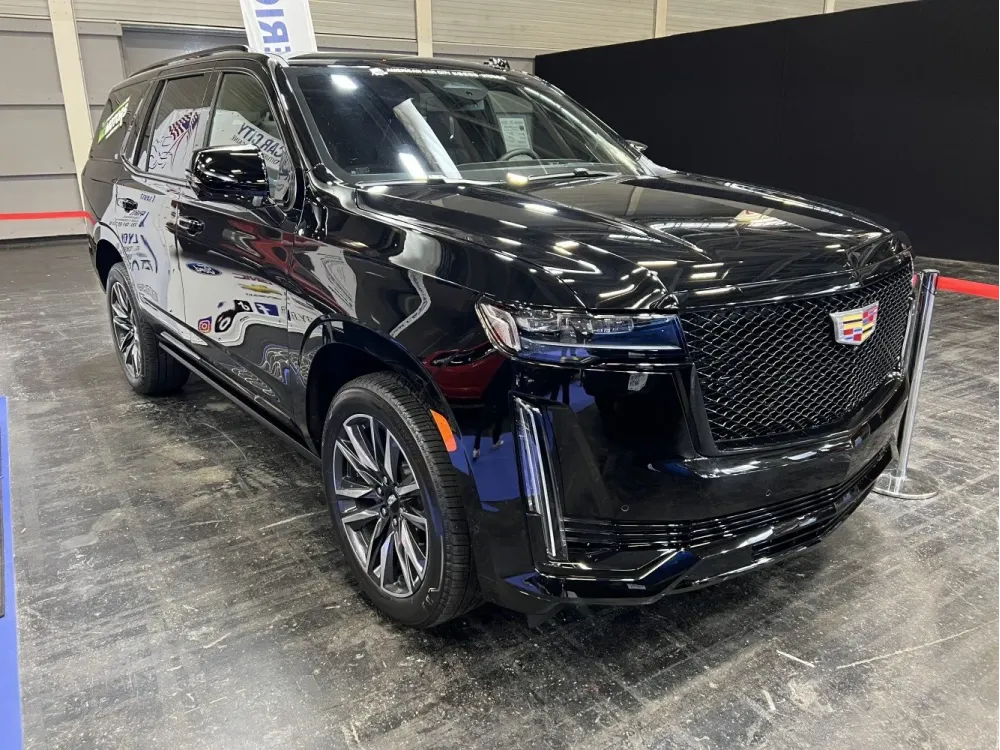
Click on image to view the full photo gallery
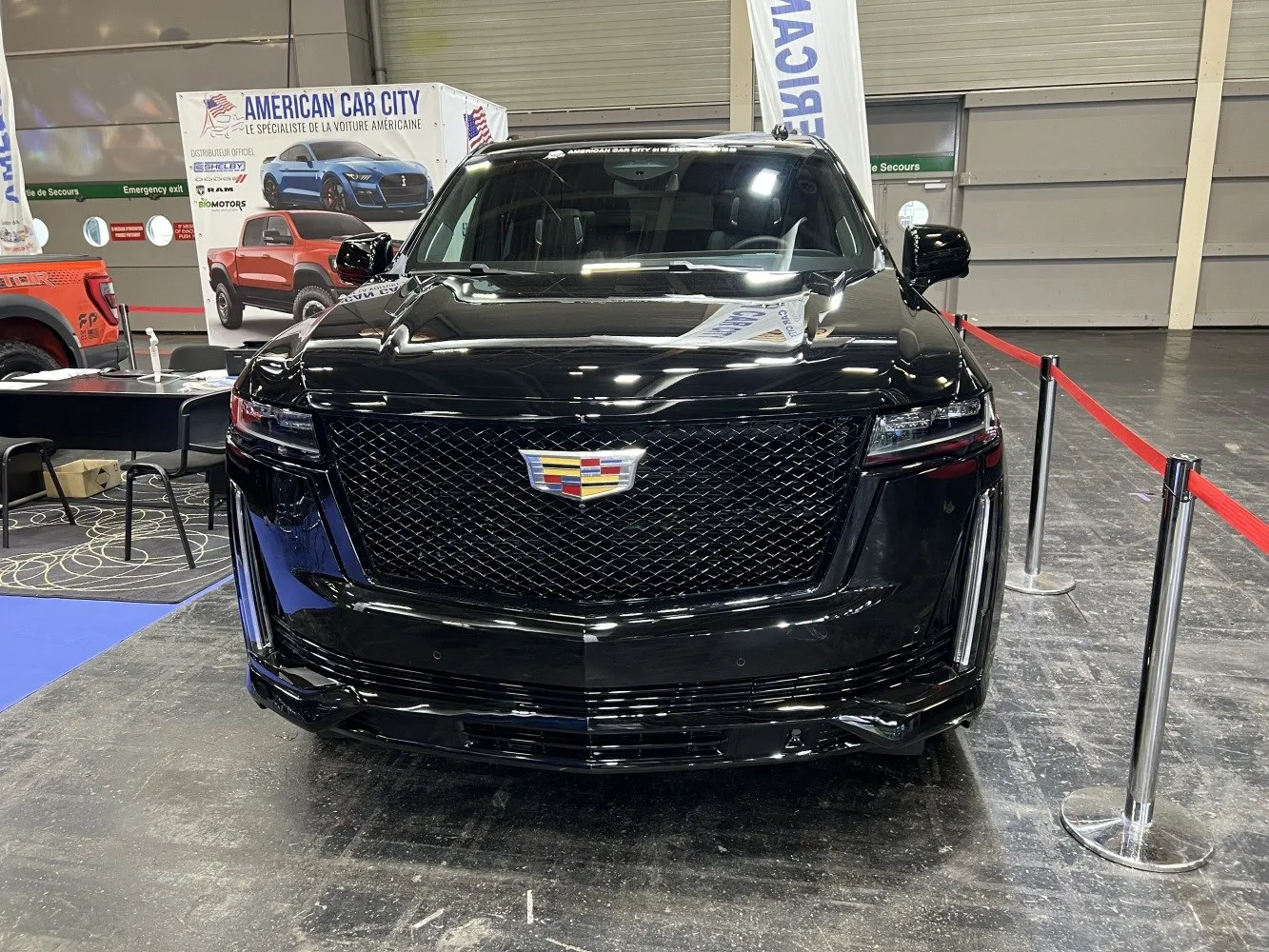
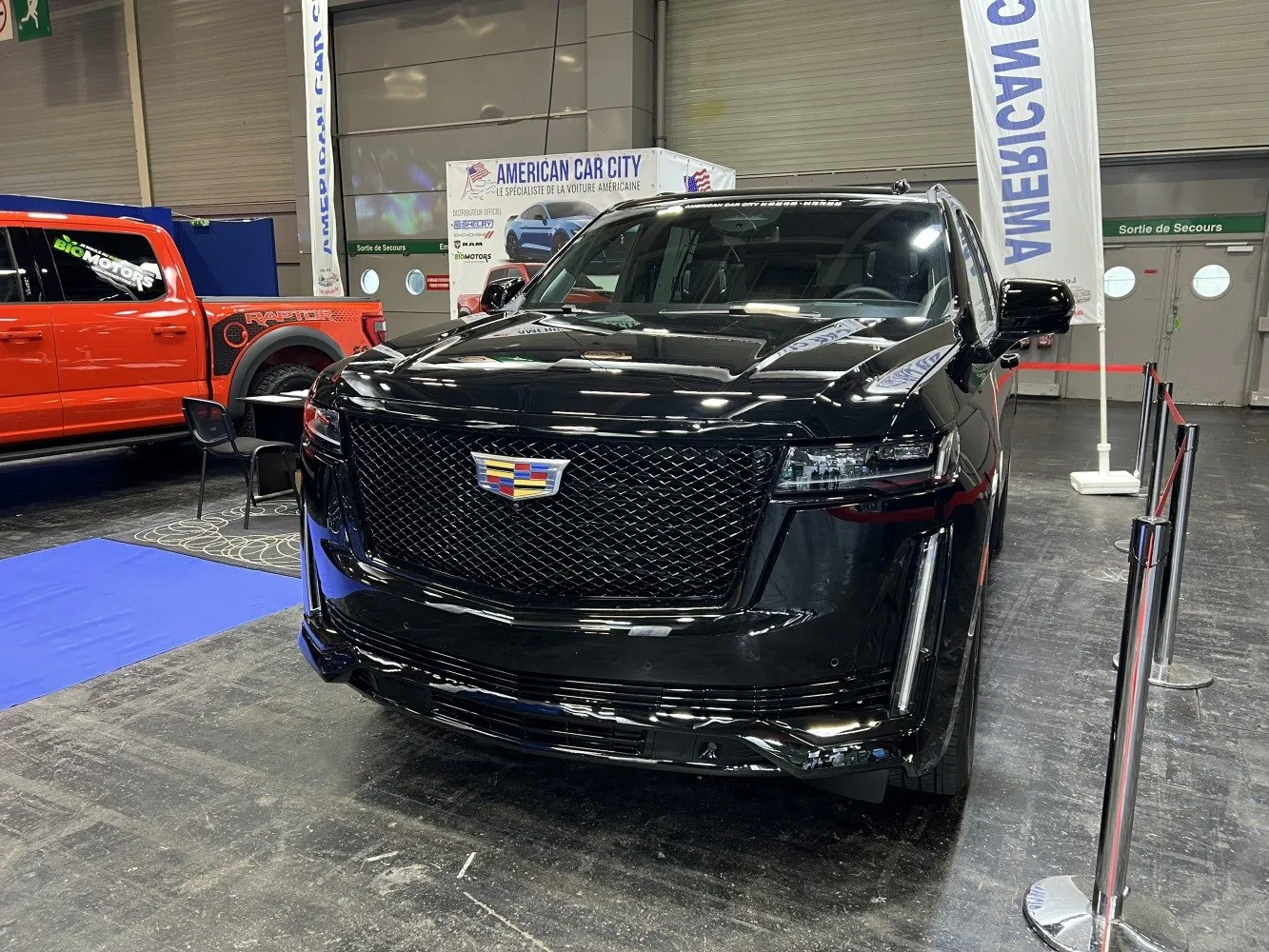
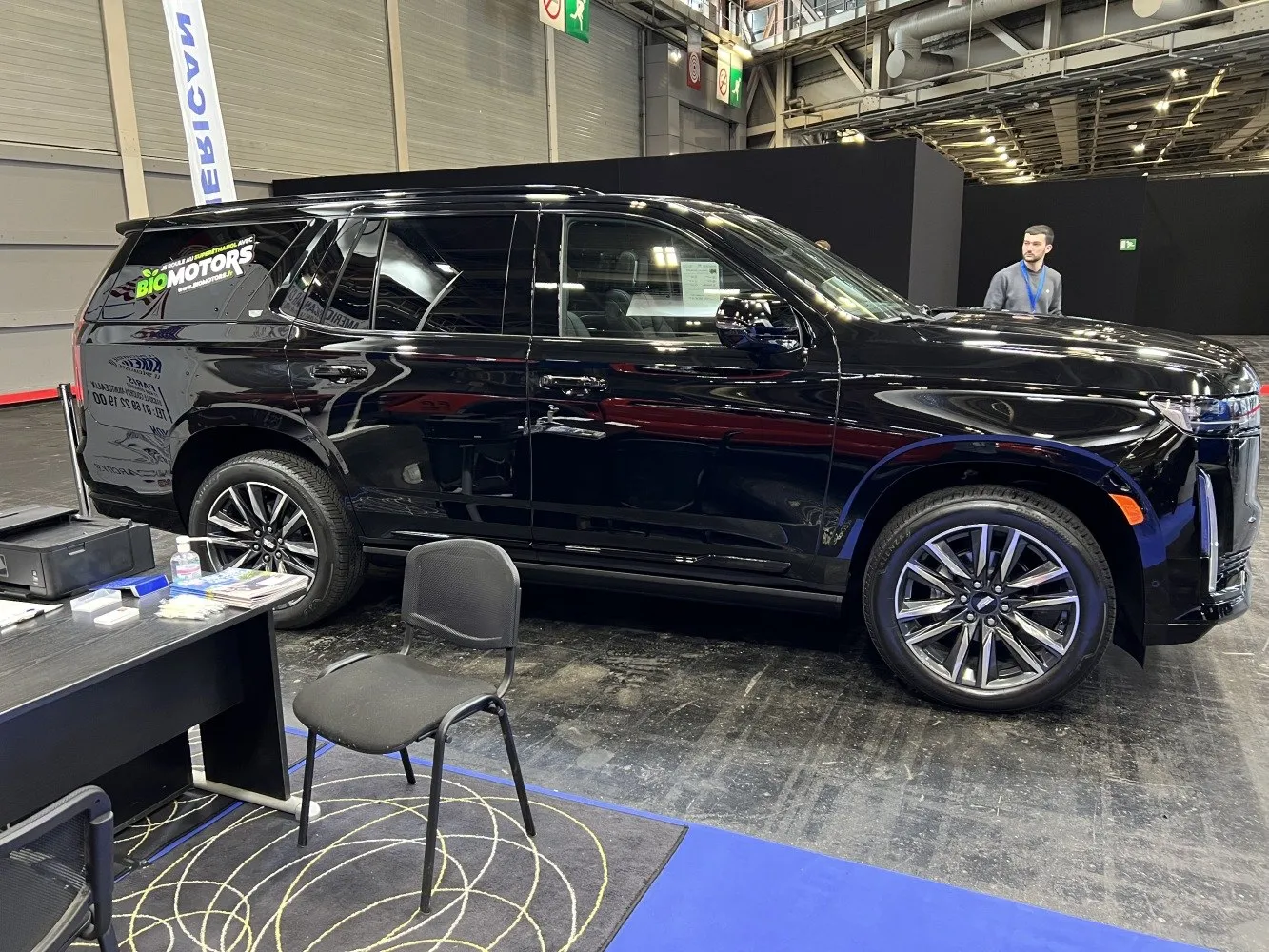
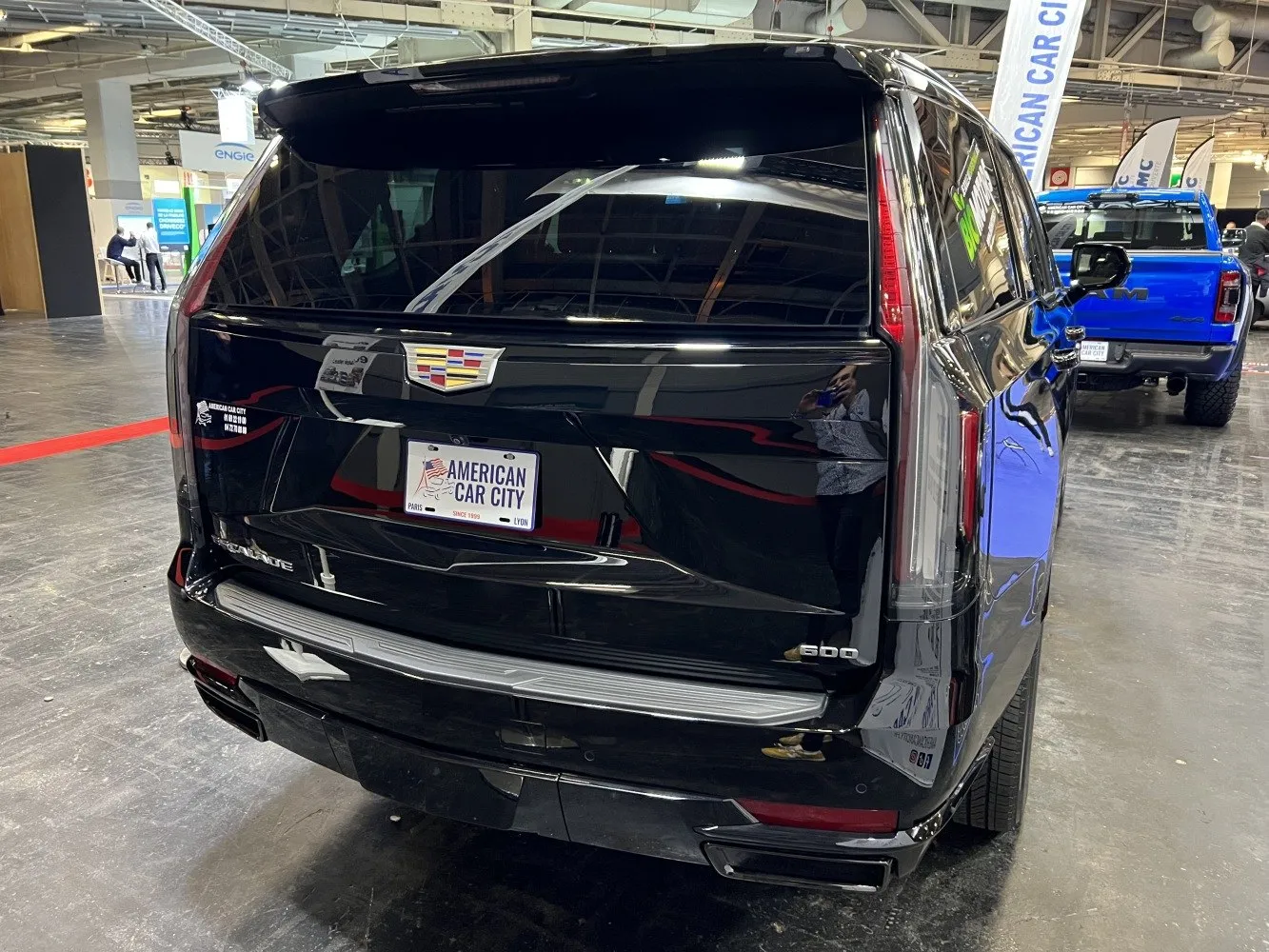
Cadillac Escalade V 3.0 Duramax (277 Hp) Hydra-Matic
Overall Rating
Cadillac Escalade:
The Cadillac Escalade is a full-size luxury SUV manufactured by General Motors and marketed by Cadillac as its first major entry into the SUV market. The Escalade was introduced for the 1999 model year in response to an influx of new luxury SUVs in the late 1990s including the Mercedes-Benz M-Class, Range Rover, Lexus LX, and Ford's 1998 debut of the Lincoln Navigator. The Escalade project went into production only ten months after it was approved. The Escalade is built in Arlington, Texas.
The term "escalade" refers to a siege warfare tactic of scaling defensive walls or ramparts with the aid of ladders or siege towers. More generally, it is a French word which is the noun-equivalent form of the French verb escalader, which means "to climb or scale"....(Read more on Wikipedia)
V Overview:
Cadillac Escalade (V). With 623 Nm of torque, it offers ample pulling power. It has moderate fuel consumption (~11.2 l/100km). At around 2643 kg, it’s on the heavier side. Rear‑wheel drive offers dynamic handling and sporty feedback. A sport utility vehicle offering higher ground clearance and versatile cargo space. With seating for 7, it’s perfect for larger families.
The Cadillac Escalade V generation has not been officially tested by Euro NCAP. However, it is equipped with a comprehensive suite of advanced safety features and driver-assistance systems typical for a premium luxury SUV in its class.
3.0 Duramax (277 Hp) Hydra-Matic Verdict:

Performance Verdict
Smooth and torquey, providing strong acceleration for daily tasks, prioritizing efficiency and refinement over outright speed.
Fuel Economy
Excellent fuel economy for its class at 10.2 l/100 km combined, offering significant savings over the V8 options for RWD.
Pros and Cons:
Pros:
- • Unrivaled power and acceleration (especially V-series)
- • Luxurious, spacious, and technologically advanced interior
- • Commanding road presence and distinctive styling
- • Exceptional ride comfort with available air suspension
- • Strong towing capabilities across the lineup
- • Surprisingly efficient diesel engine option
Cons:
- • Very high fuel consumption for V8 models
- • Large size can be challenging in urban environments and parking
- • High purchase price and running costs
- • Limited official European safety ratings (Euro NCAP)
- • Some interior materials, while premium, might not match certain European rivals
Specifications:
Specifications are compared to those of the previous generation(IV: 2018 - 2020).
| General: | |
|---|---|
| Brand: | Cadillac |
| Model: | Escalade |
| Generation: | V |
| Modification (Engine): | 3.0 Duramax (277 Hp) Hydra-Matic |
| Start of production: | 2020 |
| End of production: | 2024 |
| Powertrain Architecture: | Internal Combustion engine |
| Body type: | SUV |
| Seats: | 7 |
| Doors: | 5 |
| Engine: | |
|---|---|
| Engine systems: | Start & Stop System |
| Power: | 277 Hp @ 3750 rpm. Same horsepower |
| Power per litre: | 92.5 Hp/l [315mm less] |
| Torque: | 623 Nm @ 1500 rpm. |
| Engine Model/Code: | Duramax / LM2 More details about the engine Duramax / LM2 |
| Engine displacement: | 2993 |
| Number of cylinders: | 6 |
| Engine configuration: | Inline |
| Number of valves per cylinder: | 4 |
| Fuel injection system: | Diesel Commonrail |
| Engine aspiration: | Turbocharger, Intercooler |
| Valvetrain: | DOHC |
| Engine oil capacity: | 6.6 l |
| Coolant: | 20.7 l |
| Engine layout: | Front, Longitudinal |
| Cylinder Bore: | 84 mm mm |
| Piston Stroke: | 90 mm mm |
| Compression ratio: | 15:1 |
| Performance: | |
|---|---|
| Fuel Type: | Diesel |
| Fuel consumption (economy) - urban: | 11.2 l/100 km |
| Fuel consumption (economy) - extra urban: | 8.7 l/100 km |
| Fuel consumption (economy) - urban (EPA): | 11.2 l/100 km |
| Fuel consumption (economy) - extra urban (EPA): | 8.7 l/100 km |
| Fuel consumption (economy) - combined (EPA): | 10.2 l/100 km |
| Fuel consumption (economy) - combined: | 10.2 l/100 km |
| Weight-to-power ratio: | 9.5 kg/Hp, 104.8 Hp/tonne |
| Weight-to-torque ratio: | 4.2 kg/Nm, 235.7 Nm/tonne |
| Space: | |
|---|---|
| Kerb Weight: | 2643 |
| Max. weight: | 3378 |
| Max load: | 735 |
| Trunk (boot) space - maximum: | 3426 l |
| Trunk (boot) space - minimum: | 722 l |
| Permitted trailer load with brakes (12%): | 3674 kg |
| Fuel tank capacity: | 91 l |
| AdBlue tank: | 20.5 l |
| Size: | |
|---|---|
| Length: | 5382 mm mm [315mm less] |
| Width: | 2059 mm mm [14mm more] |
| Height: | 1948 mm mm [68mm more] |
| Wheelbase: | 3071 mm mm [231mm less] |
| Front track: | 1737 mm |
| Rear (Back) track: | 1730 mm |
| Powertrain: | |
|---|---|
| Drivetrain Architecture | The Internal combustion engine (ICE) drives the rear wheels of the vehicle. |
| Drive wheel | Rear wheel drive |
| Number of gears | 10 |
| Transmission type | Automatic |
| Gearbox type | Hydra-Matic |
| Front brakes | Ventilated discs [Best for performance and cooling.] |
| Rear brakes | Ventilated discs [Best for performance and cooling.] |
| Assisting systems | ABS (Anti-lock braking system) |
| Steering type | Steering rack and pinion |
| Power steering | Electric Steering |
| Tires size | 275/50 R22 |
| Wheel rims size | 22 |
| Front suspension | Independent coil spring, Transverse stabilizer, Air Suspension - Optional |
| Rear suspension | Independent multi-link spring suspension with stabilizer, Air Suspension - Optional |







Driven it? Loved it? Hated it? Share your honest review!