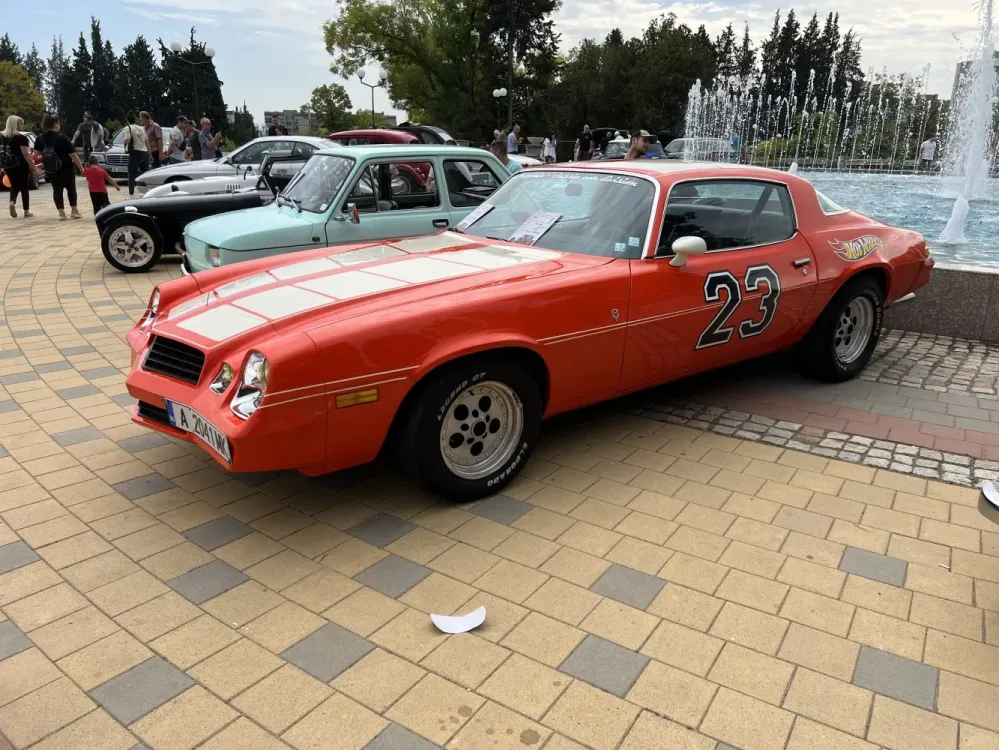
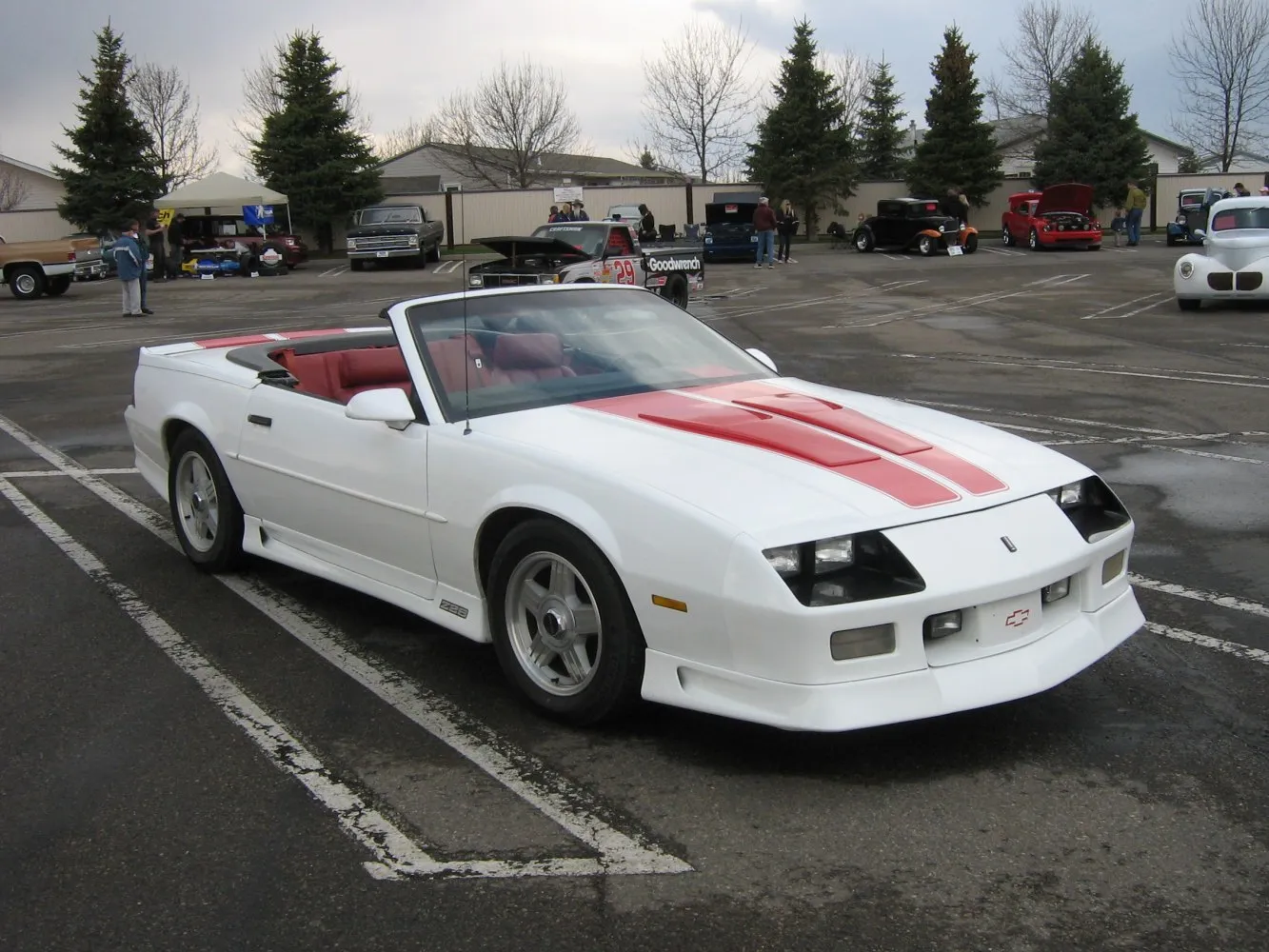
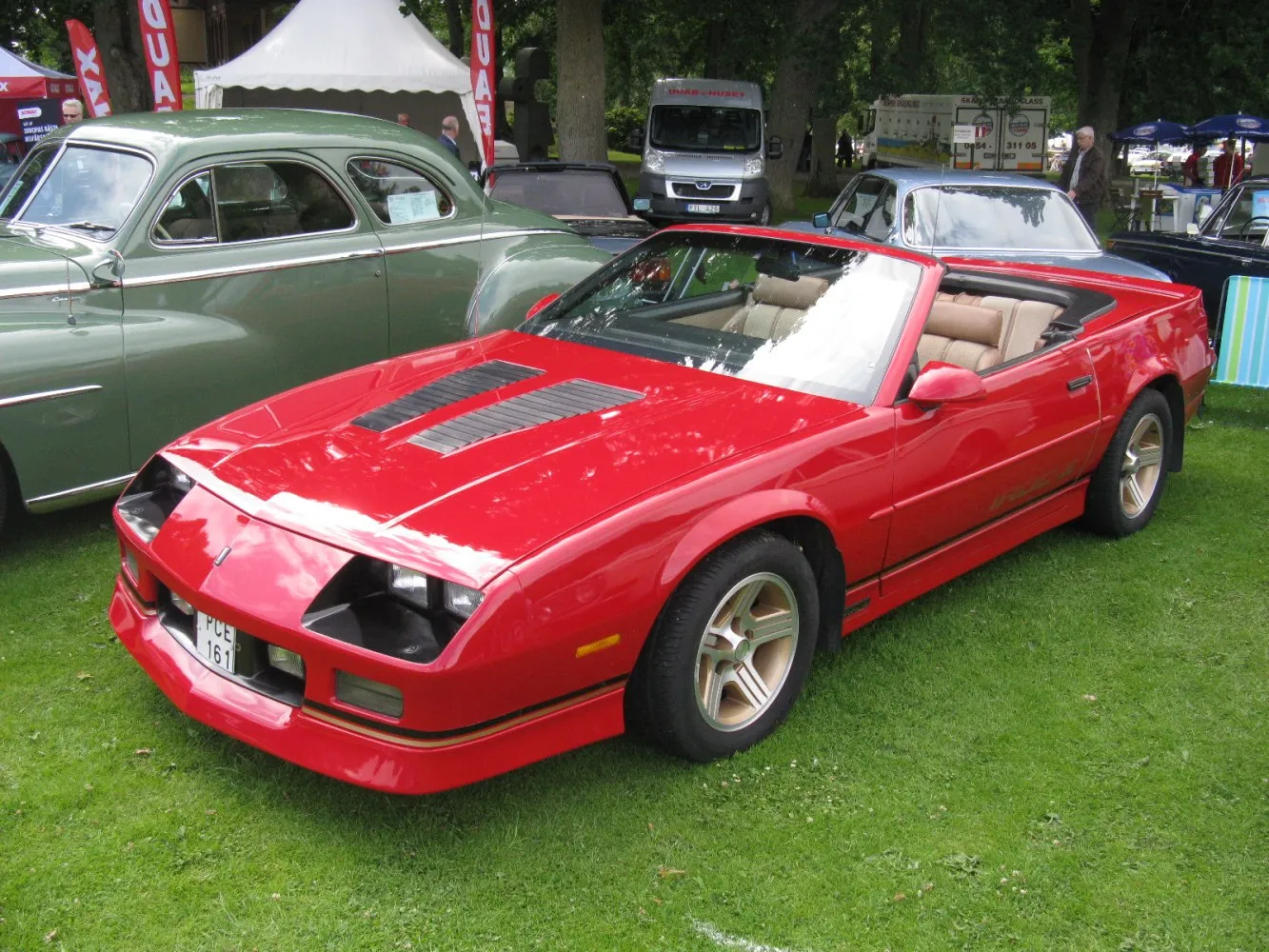
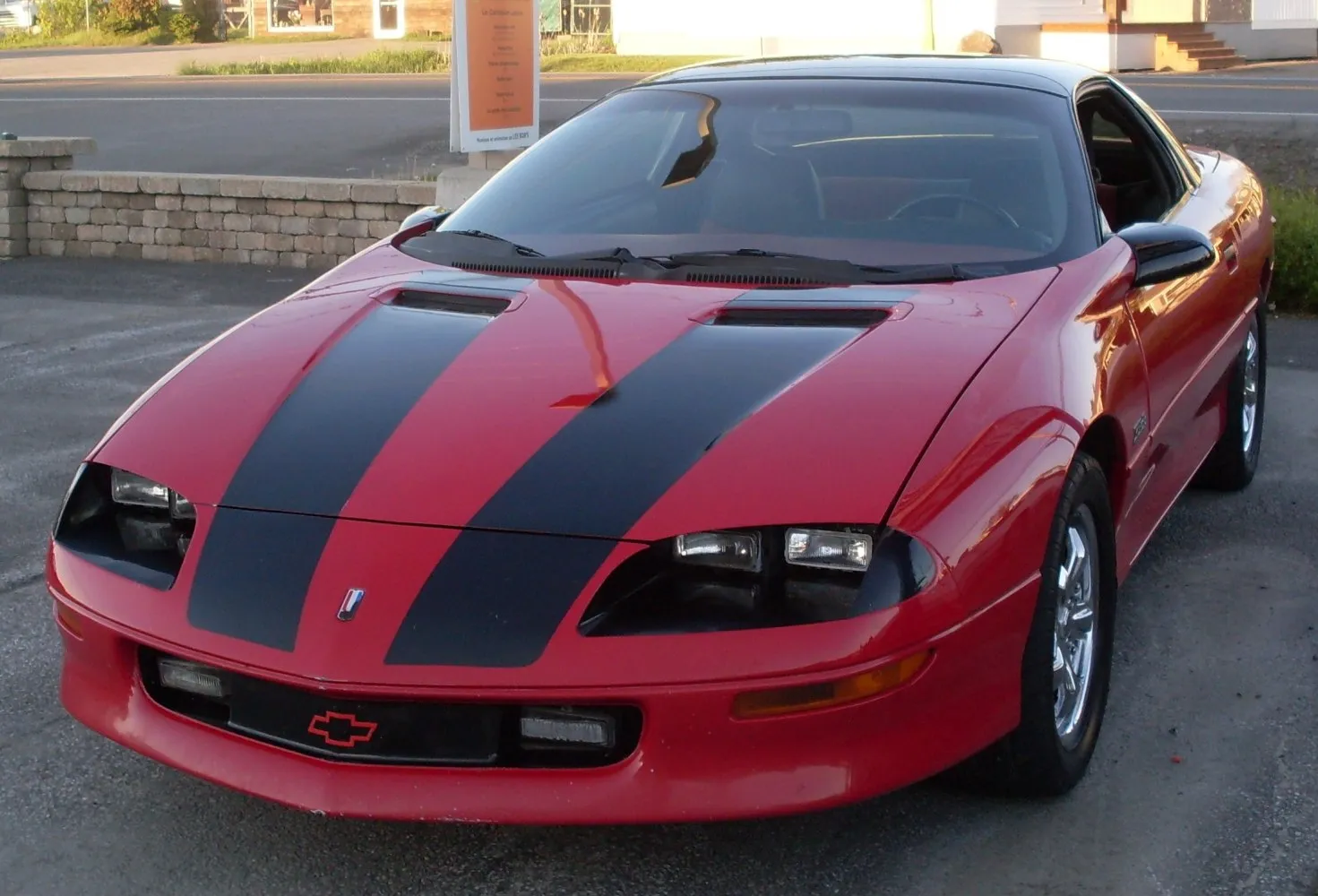
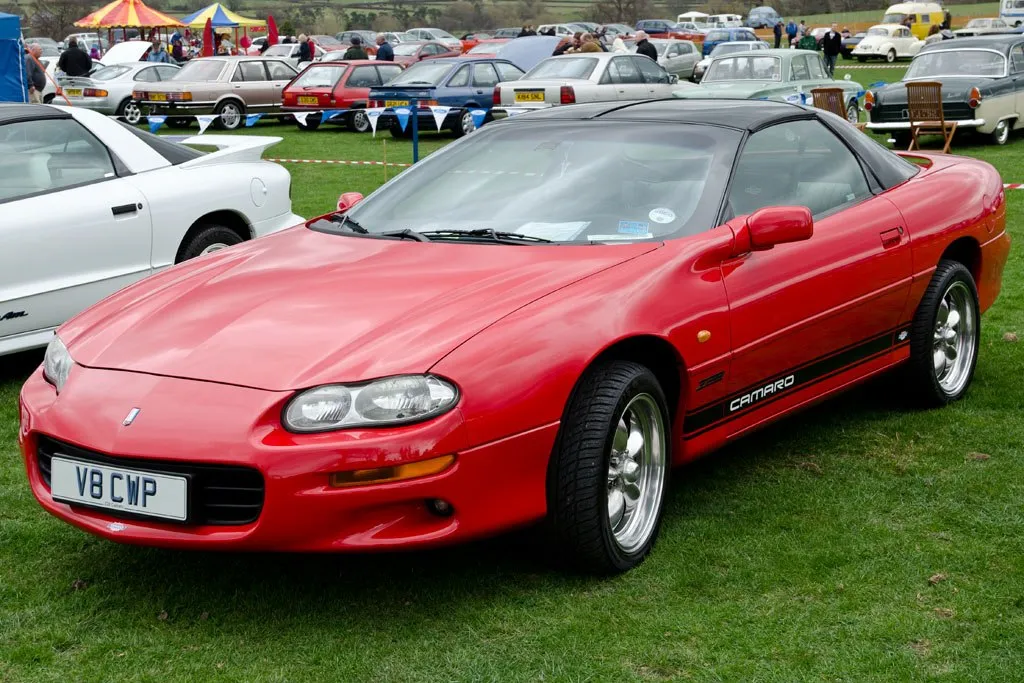
Click on image to view the full photo gallery
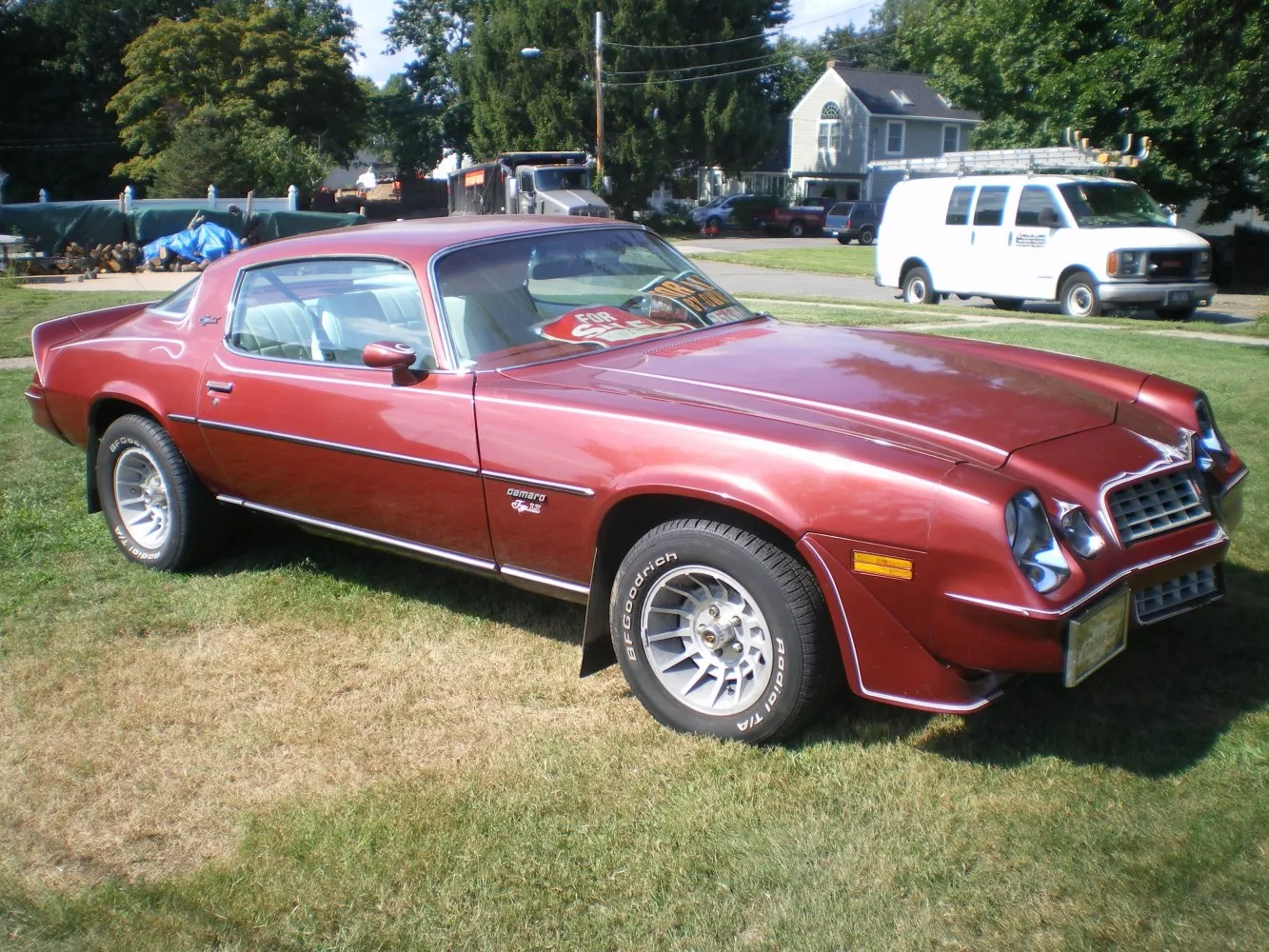
Chevrolet Camaro II 5.0 V8 (203 Hp) Automatic
Overall Rating
Chevrolet Camaro:
The Chevrolet Camaro is a mid-size American automobile manufactured by Chevrolet, classified as a pony car. It first went on sale on September 29, 1966, for the 1967 model year and was designed to compete with the Ford Mustang. The Camaro shared its platform and major components with the Firebird, produced by General Motors' Pontiac division that was also introduced for the 1967 model year.
Four distinct generations of the Camaro were developed before production ended in 2002. The nameplate was revived on a concept car that evolved into the fifth-generation Camaro; production started on March 16, 2009....(Read more on Wikipedia)
II Overview:
Chevrolet Camaro (II). With 407 Nm of torque, it offers ample pulling power. With a weight of 1560 kg, it falls in the mid‑range. Rear‑wheel drive offers dynamic handling and sporty feedback. The top speed reaches 194 km/h. A two-door car with a fixed roof, known for its sporty design and dynamic performance. Seating for 4 makes it ideal for daily use.
The Chevrolet Camaro II was produced well before the establishment of Euro NCAP (1997). Therefore, it was not subjected to Euro NCAP crash testing, and its safety performance reflects the standards of the early 1970s.
5.0 V8 (203 Hp) Automatic Verdict:

Performance Verdict
This 5.0L V8 delivered strong performance for its era, offering brisk acceleration and a quintessential muscle car driving experience, making it a highly desirable option.
Fuel Economy
As expected for a large displacement V8 from the 1970s, fuel economy was poor, with single-digit MPG figures common in city driving.
Pros and Cons:
Pros:
- • Timeless, iconic styling with European influences
- • Comfortable ride quality for its era
- • Strong V8 engine options (especially early models)
- • Improved handling characteristics over the first generation
- • Extensive aftermarket support for parts and modifications
Cons:
- • Poor fuel economy across all V8 engine options
- • Safety features are minimal by modern standards
- • Susceptible to rust, especially in older models
- • Interior quality and amenities can feel dated
- • Later models suffered from significantly reduced power due to emissions regulations
Specifications:
Specifications are compared to those of the previous generation(I: 1967 - 1968).
| General: | |
|---|---|
| Brand: | Chevrolet |
| Model: | Camaro |
| Generation: | II |
| Modification (Engine): | 5.0 V8 (203 Hp) Automatic |
| Start of production: | 1970 |
| End of production: | 1972 |
| Powertrain Architecture: | Internal Combustion engine |
| Body type: | Coupe |
| Seats: | 4 |
| Doors: | 2 |
| Engine: | |
|---|---|
| Power: | 203 Hp @ 4600 rpm. |
| Power per litre: | 40.4 Hp/l |
| Torque: | 407 Nm @ 2400 rpm. |
| Engine displacement: | 5025 |
| Number of cylinders: | 8 |
| Engine configuration: | V-engine |
| Fuel injection system: | Carburettor |
| Engine aspiration: | Naturally aspirated engine |
| Engine oil capacity: | 5 l |
| Engine layout: | Front, Longitudinal |
| Cylinder Bore: | 98.43 mm mm |
| Piston Stroke: | 82.55 mm mm |
| Compression ratio: | 9:1 |
| Performance: | |
|---|---|
| Fuel Type: | Petrol (Gasoline) |
| Maximum speed: | 194 km/h |
| Weight-to-power ratio: | 7.7 kg/Hp, 130.1 Hp/tonne |
| Weight-to-torque ratio: | 3.8 kg/Nm, 260.9 Nm/tonne |
| Space: | |
|---|---|
| Kerb Weight: | 1560 |
| Max. weight: | 1840 |
| Max load: | 280 |
| Trunk (boot) space - minimum: | 178 l |
| Fuel tank capacity: | 79 l |
| Size: | |
|---|---|
| Length: | 4775 mm mm [84mm more] |
| Width: | 1890 mm mm [48mm more] |
| Height: | 1295 mm mm [Same height.] |
| Wheelbase: | 2743 mm mm [Same wheelbase.] |
| Front track: | 1557 mm |
| Rear (Back) track: | 1524 mm |
| Front overhang: | 962 mm |
| Rear overhang: | 1070 mm |
| Minimum turning circle (turning diameter): | 11.65 m [above average] |
| Powertrain: | |
|---|---|
| Drivetrain Architecture | The Internal combustion engine (ICE) drives the rear wheels of the vehicle. |
| Drive wheel | Rear wheel drive |
| Number of gears | 3 |
| Transmission type | Automatic |
| Front brakes | Disc [bad for performance and cooling.] |
| Rear brakes | Drum [bad for performance and cooling.] |
| Steering type | Cone worm with recirculation balls |
| Power steering | Hydraulic Steering |
| Front suspension | Double wishbone, Transverse stabilizer |
| Rear suspension | Rigid axle suspension, Leaf spring |






Show off your Chevrolet Camaro knowledge – drop a review below!