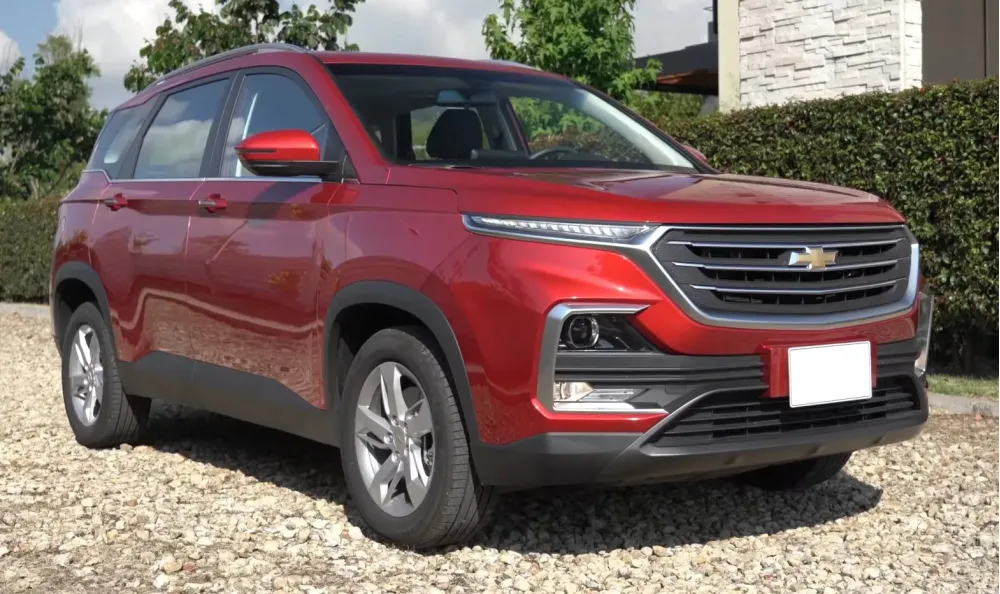
Chevrolet Captiva II 1.5 Turbo (149 Hp) CVT
Chevrolet Captiva:
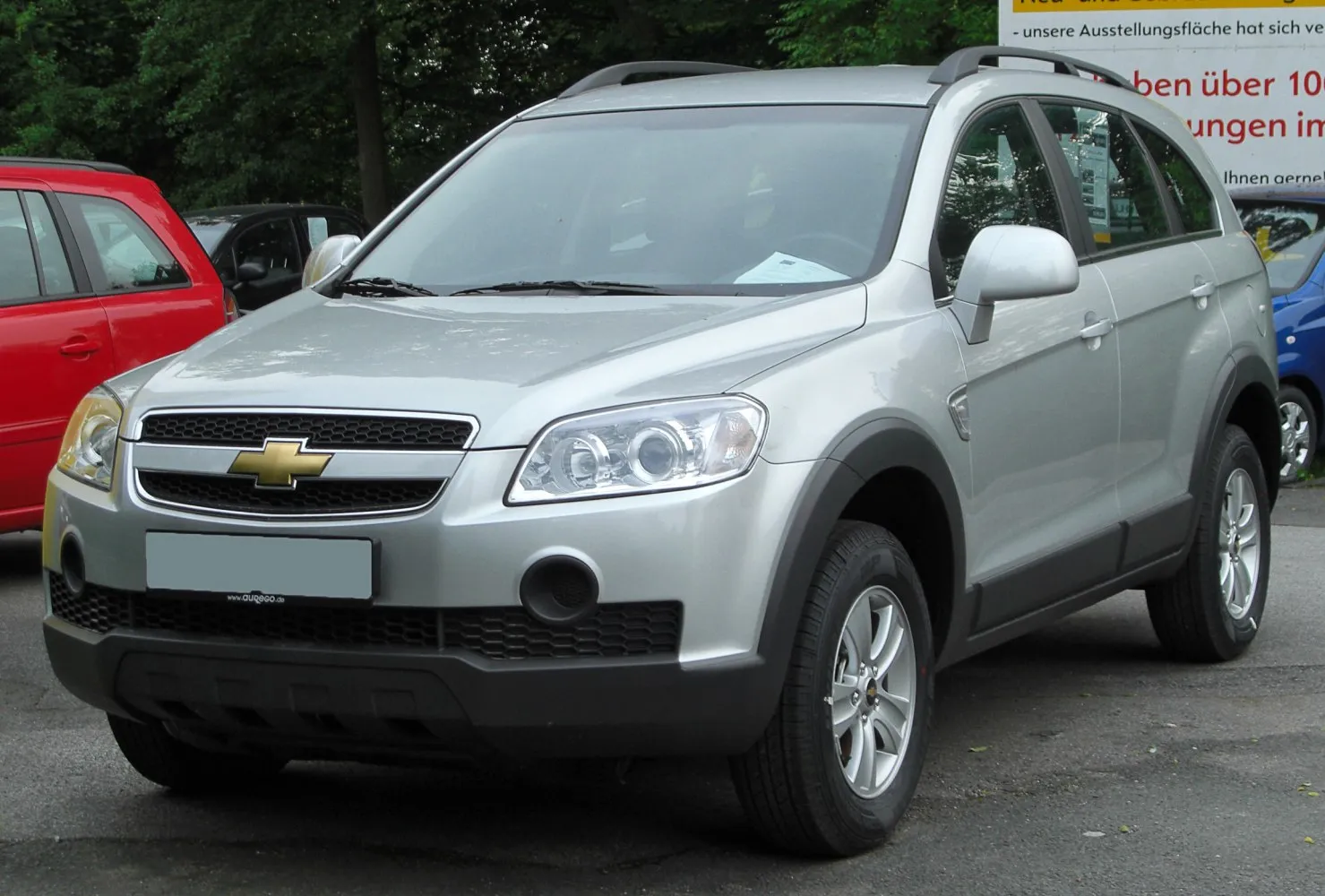
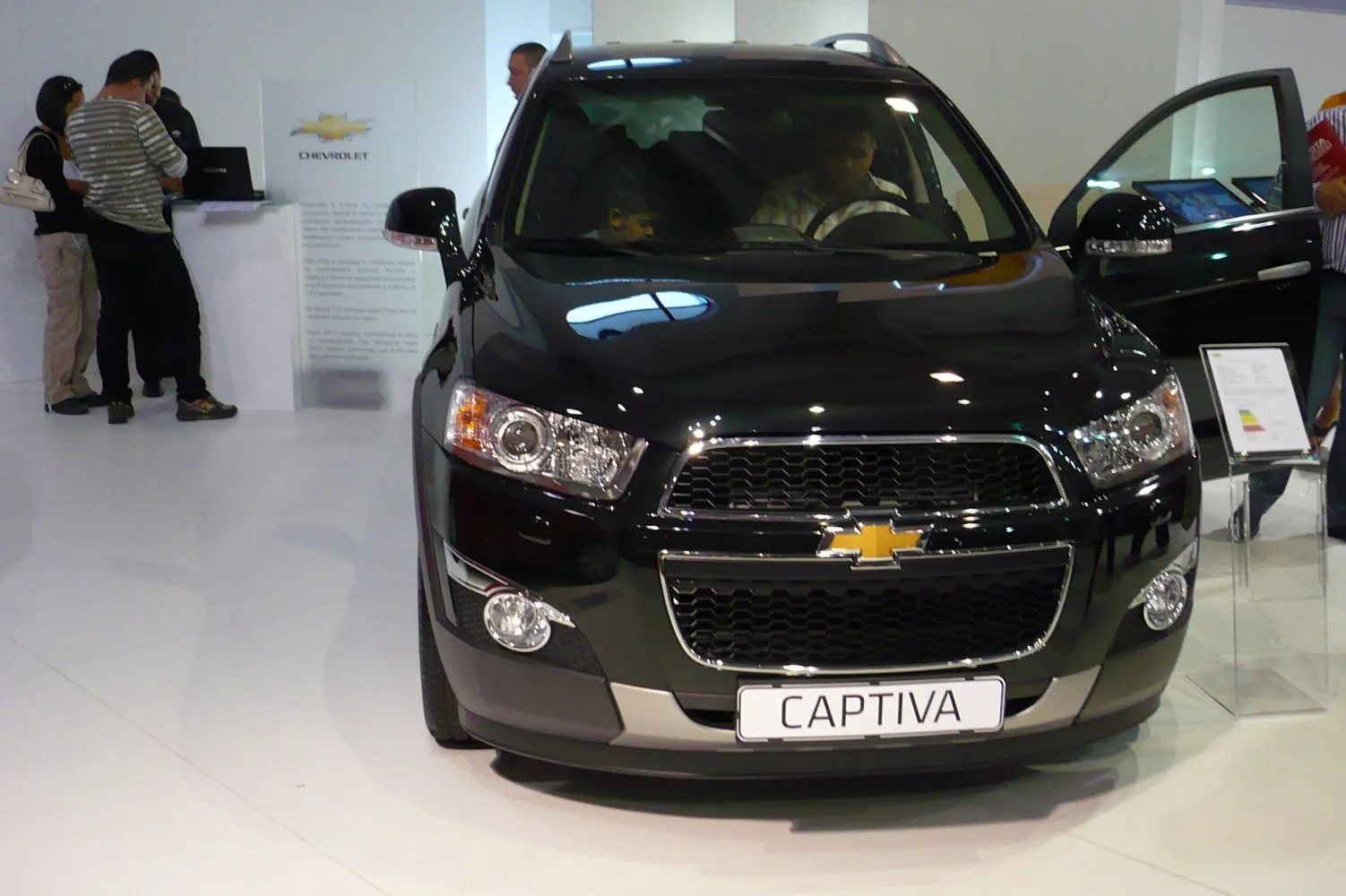
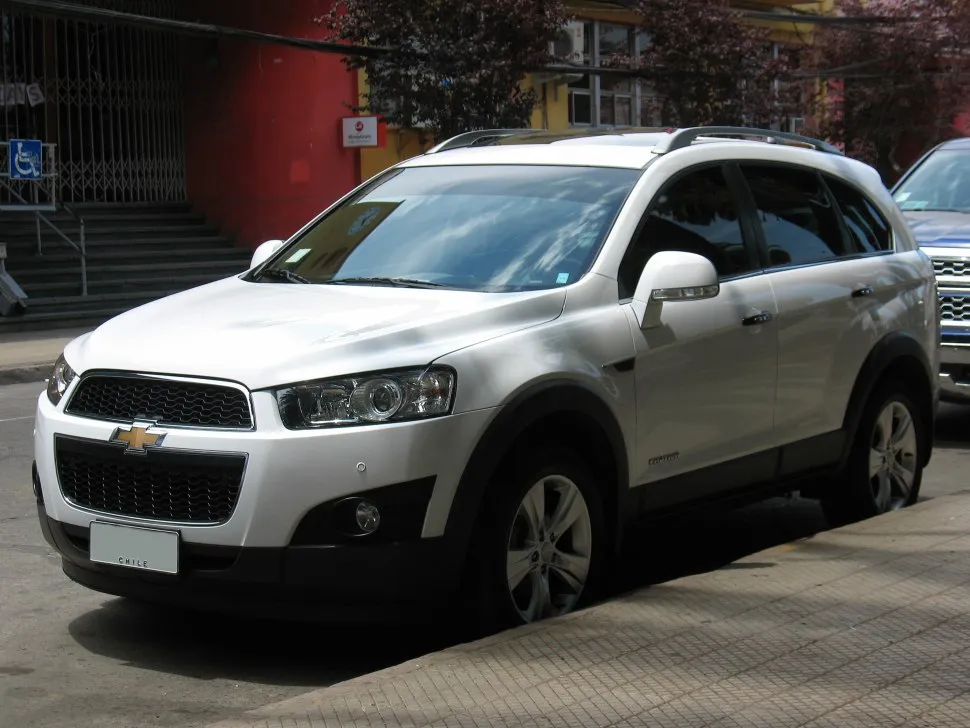
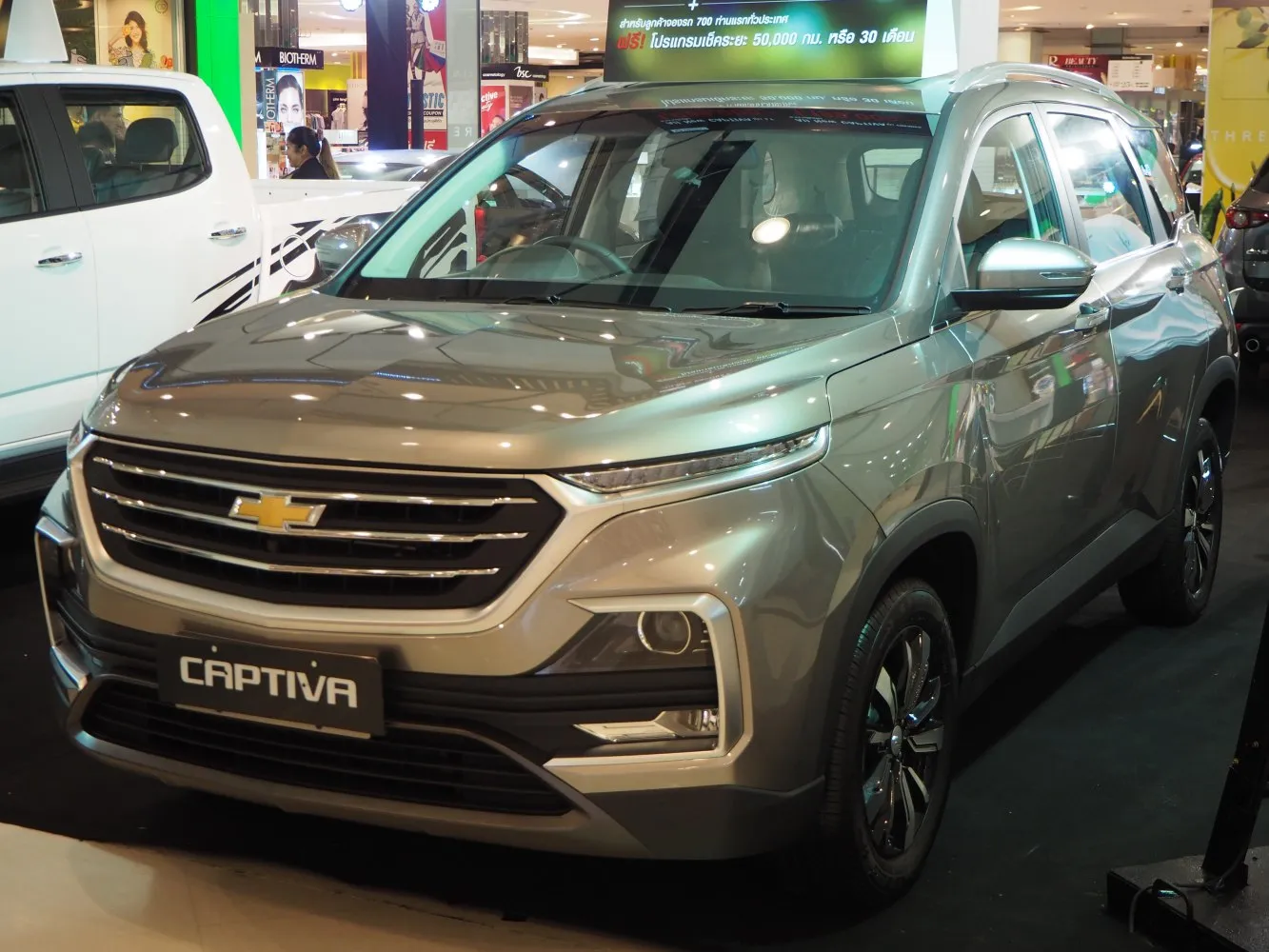
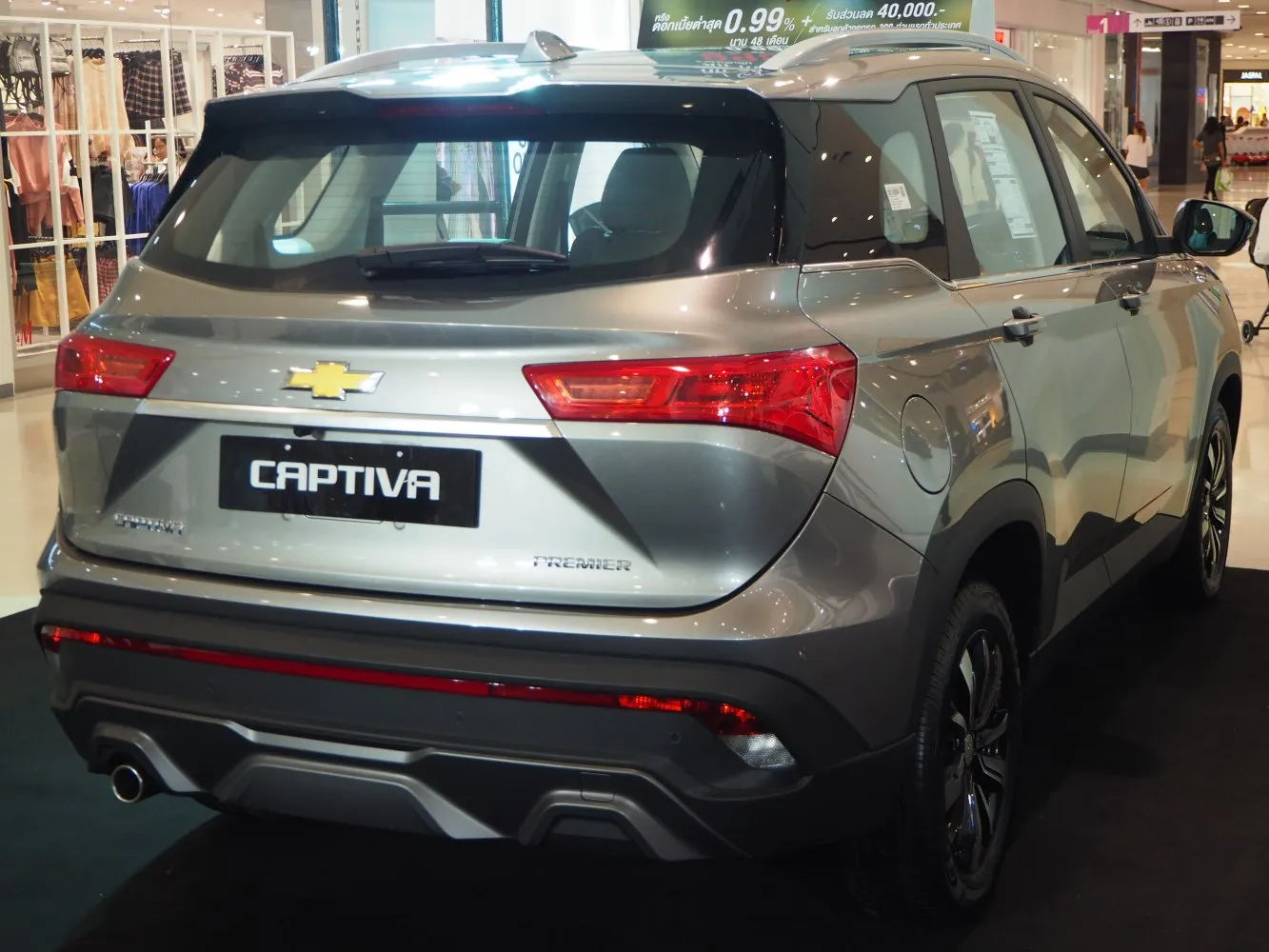
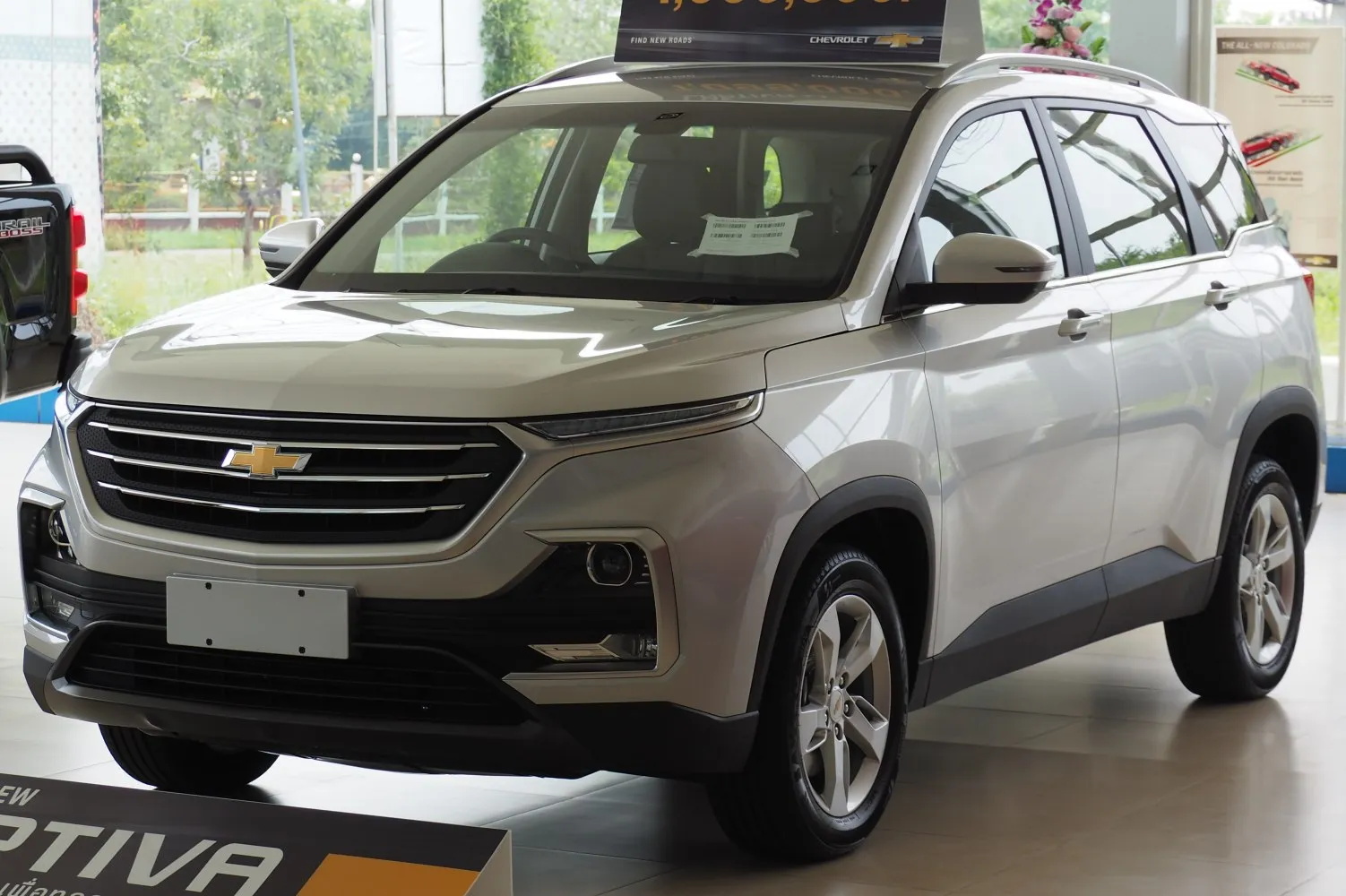
The Chevrolet Captiva is a compact crossover SUV marketed by General Motors. The first generation was developed by GM Korea, based on the GM Theta platform and derived from the S3X concept car revealed in 2004. Released in 2006, it was sold internationally as the Chevrolet Captiva, in Australia and New Zealand as the Holden Captiva and in South Korea as the Daewoo Winstorm prior to the adoption of its international name in 2011, when the Daewoo brand was discontinued. The vehicle shares much its underpinnings with the similarly-styled Opel/Vauxhall Antara / second-generation Saturn Vue, with the Captiva offering optional third-row seating....(Read more on Wikipedia)
II Overview:
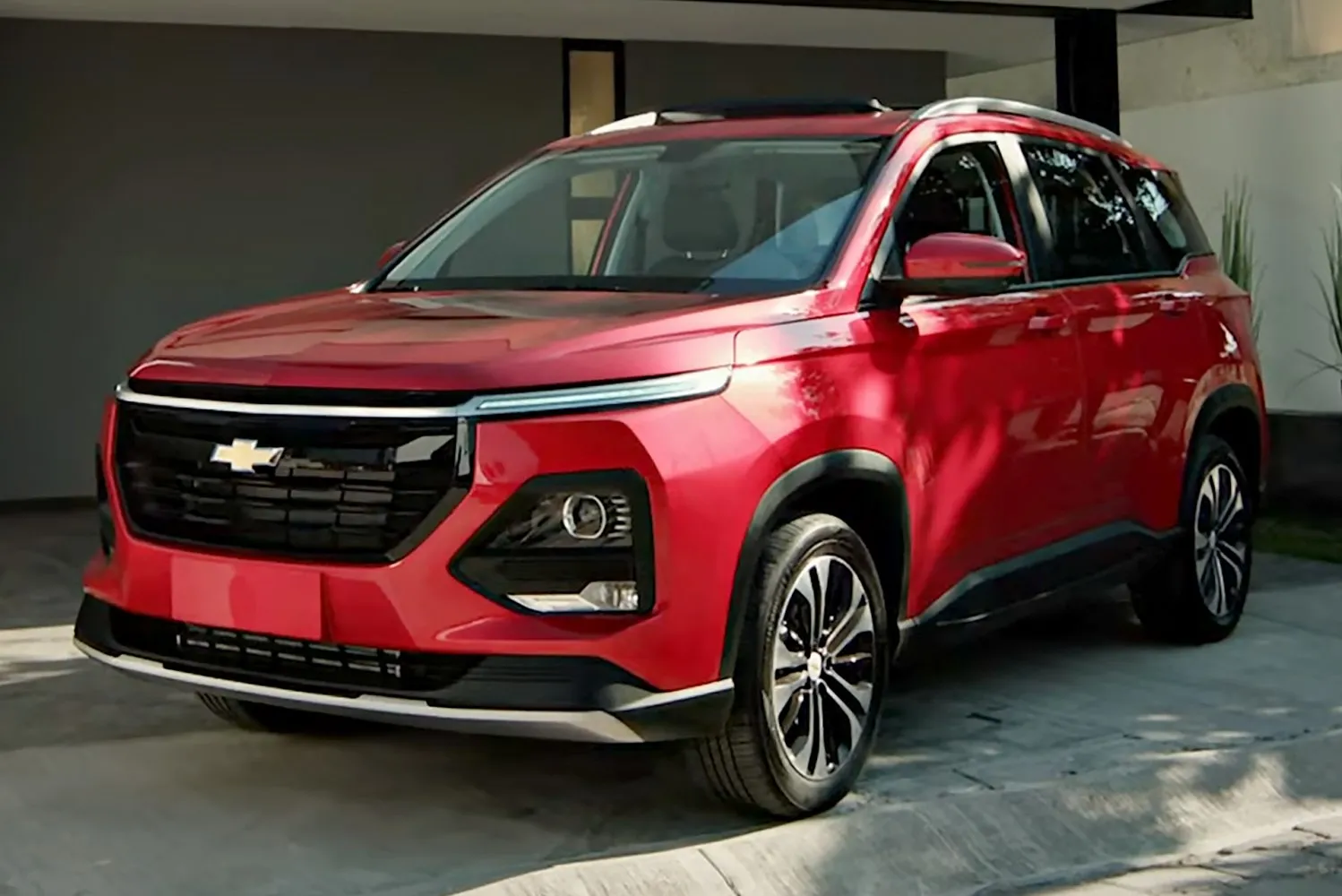
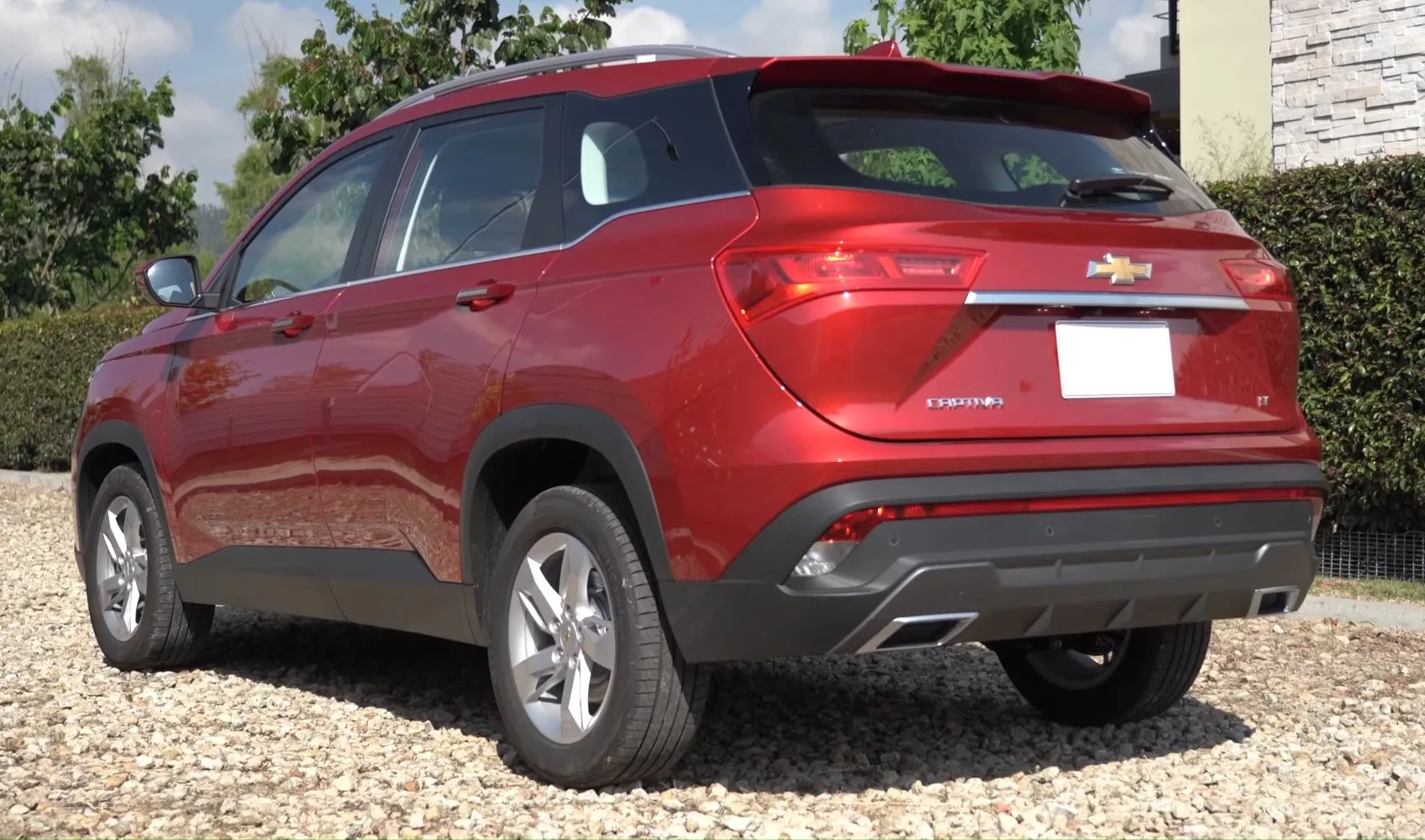
Chevrolet Captiva (II). With 249 Nm of torque, it offers ample pulling power. Front‑wheel drive delivers efficiency and easy handling. A sport utility vehicle offering higher ground clearance and versatile cargo space. Seating for 5 makes it ideal for daily use.
Pros and Cons:
Pros:
- • Adequate and balanced power output (149 hp) for versatile driving.
- • Turbocharged engine ensures better torque delivery at low RPMs.
Cons:
- • Meets EURO 5 emission standard; check for local urban restriction zones.
Specifications:
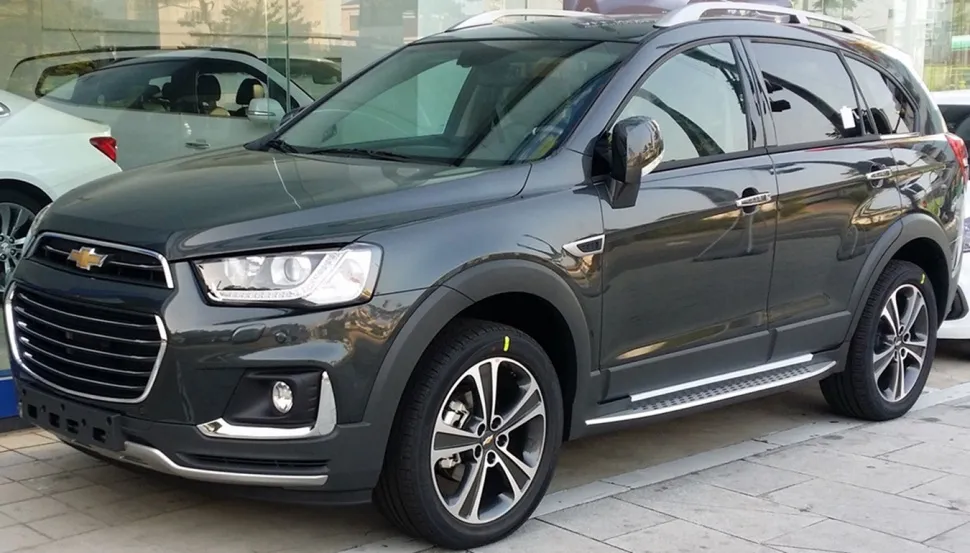
Specifications are compared to those of the previous generation(I (facelift 2015): 2015 - 2018).
| General: |
| Brand: | Chevrolet |
|---|
| Model: | Captiva |
|---|
| Generation: | II |
|---|
| Modification (Engine): | 1.5 Turbo (149 Hp) CVT |
|---|
| Start of production: | April, 2019 |
|---|
| End of production: | April, 2021 |
|---|
| Powertrain Architecture: | Internal Combustion engine |
|---|
| Body type: | SUV |
|---|
| Seats: | 5 |
|---|
| Doors: | 5 |
|---|
| Engine: |
| Engine systems: | Start & Stop System |
|---|
| Power: | 149 Hp @ 5200 rpm. Same horsepower |
|---|
| Power per litre: | 102.7 Hp/l [18mm less] |
|---|
| Torque: | 249 Nm @ 1600 rpm. |
|---|
| Engine Model/Code: | LJO More details about the engine LJO |
|---|
| Engine displacement: | 1451 |
|---|
| Number of cylinders: | 4 |
|---|
| Engine configuration: | Inline |
|---|
| Number of valves per cylinder: | 4 |
|---|
| Fuel injection system: | Multi-port manifold injection |
|---|
| Engine aspiration: | Turbocharger, Intercooler |
|---|
| Valvetrain: | DOHC |
|---|
| Engine oil capacity: | 4 l |
|---|
| Coolant: | 7.1 l |
|---|
| Engine layout: | Front, Transverse |
|---|
| Performance: |
| Fuel Type: | Petrol (Gasoline) |
|---|
| Emission standard: | Euro 5 |
|---|
| Space: |
| Max. weight: | 1950 |
|---|
| Trunk (boot) space - maximum: | 1081 l |
|---|
| Fuel tank capacity: | 52 l |
|---|
| Size: |
| Length: | 4655 mm mm [18mm less] |
|---|
| Width: | 1835 mm mm [14mm less] |
|---|
| Height: | 1750 mm mm [6mm less] |
|---|
| Wheelbase: | 2750 mm mm [43mm more] |
|---|
| Powertrain: |
| Drivetrain Architecture | The Internal combustion engine (ICE) drives the front wheels of the vehicle. |
|---|
| Drive wheel | Front wheel drive |
|---|
| Transmission type | Automatic |
|---|
| Gearbox type | CVT |
|---|
| Front brakes | Disc |
|---|
| Rear brakes | Disc |
|---|
| Assisting systems | ABS (Anti-lock braking system) |
|---|
| Steering type | Steering rack and pinion |
|---|
| Power steering | Electric Steering |
|---|
| Tires size | 215/55 R18 |
|---|
| Wheel rims size | 18 |
|---|
| Front suspension | Independent type McPherson |
|---|
| Rear suspension | Torsion |
|---|










Better than its competitors? Tell us why the Chevrolet Captiva stands out.