Fiat 500 312 1.2 8V (69 Hp)
Fiat 500:
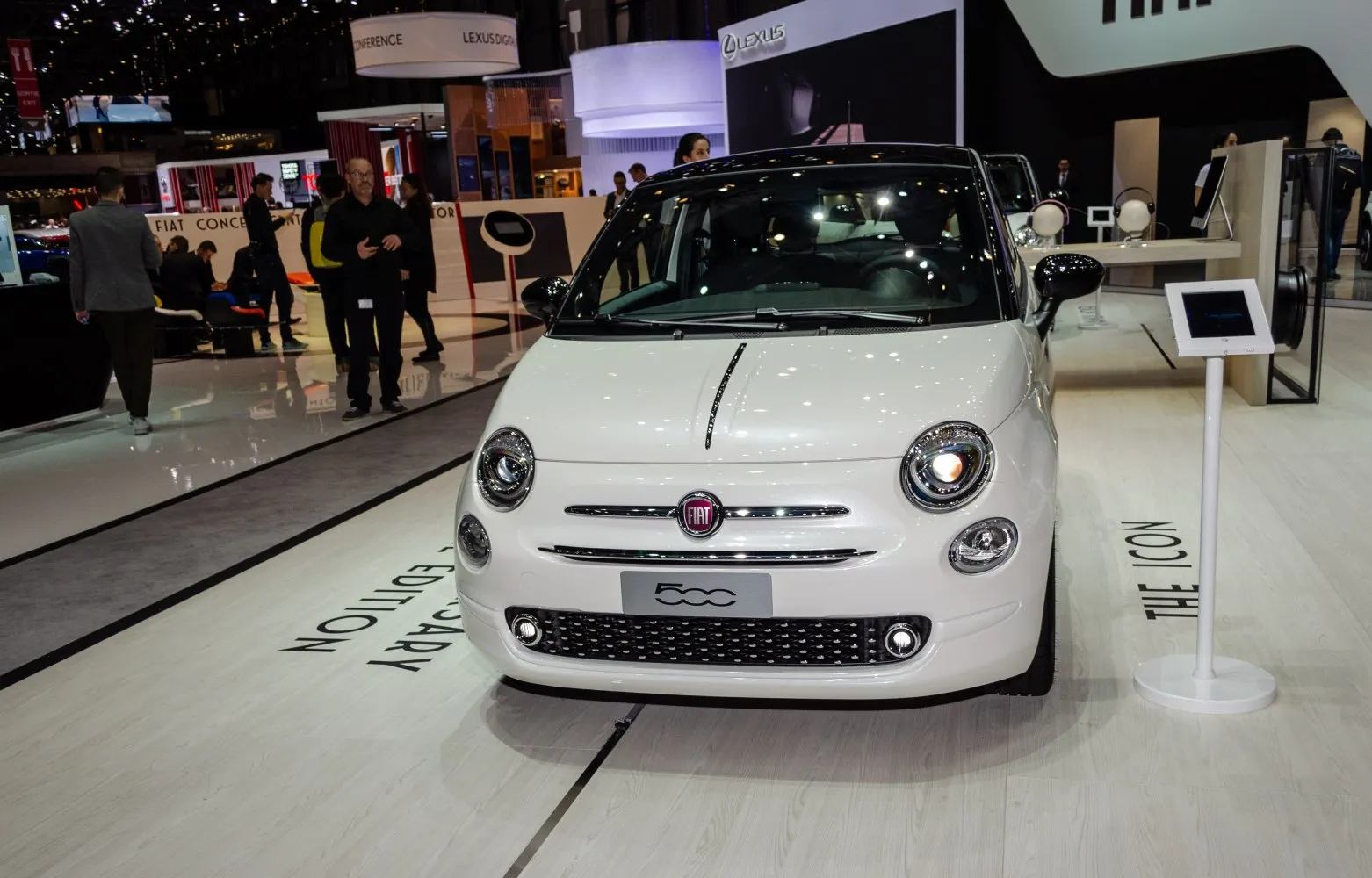
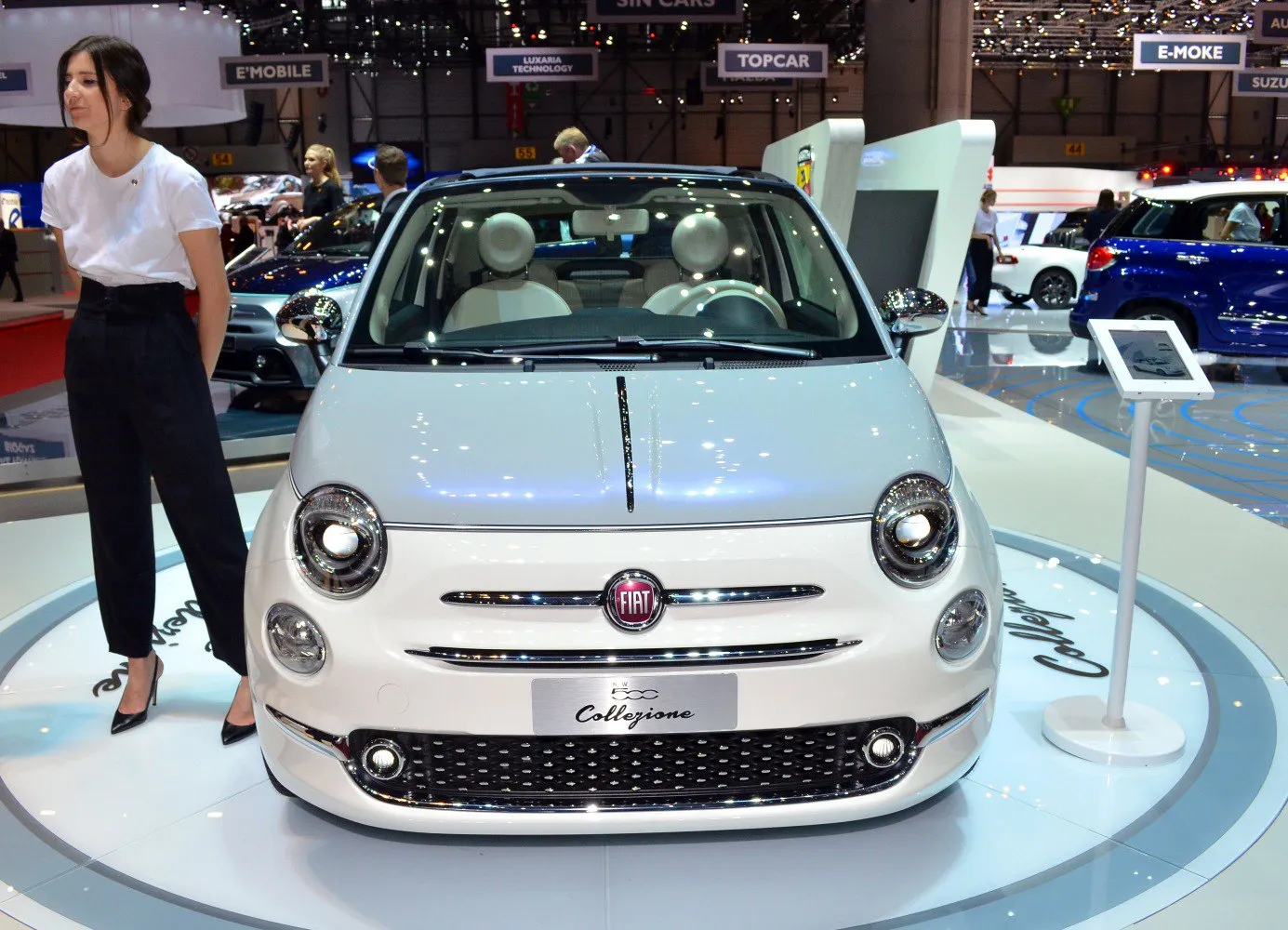
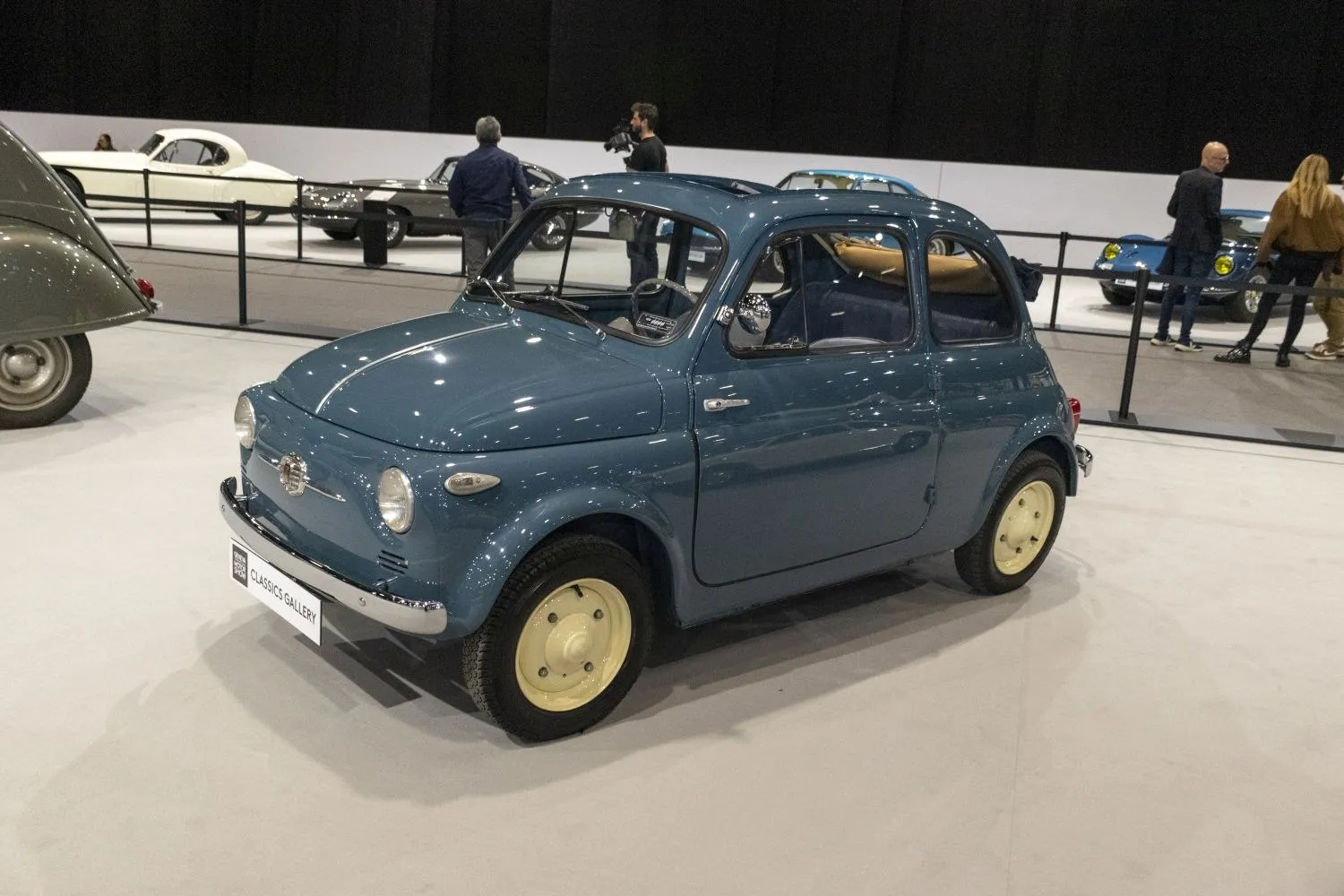
The Fiat 500 is an economy / city car that was manufactured and marketed by Fiat Automobiles from 1957 until 1975. It was sold as a two-door semi-convertible or saloon car and as a three-door panel van or estate car.
Launched as the Nuova 500 in July 1957, as a successor to the 500 "Topolino", it was an inexpensive and practical small car. Measuring 2,970 mm long, originally powered by a rear-mounted 479 cc two-cylinder air-cooled engine, the 500 was 245 mm smaller than the Fiat's 600, launched two years earlier, and is considered one of the first purpose-designed city cars....(Read more on Wikipedia)
312 Overview:
Fiat 500 (312). With 102 Nm of torque, it offers ample pulling power. It has moderate fuel consumption (~6.4 l/100km). Weighing only 865 kg, it’s quite light. Front‑wheel drive delivers efficiency and easy handling. Acceleration is relatively slow (0–100 km/h in 12.9 s). The top speed reaches 160 km/h. A compact car with a rear door that swings upward to provide access to the cargo area. Seating for 4 makes it ideal for daily use.
Pros and Cons:
Pros:
- • Efficiency-focused engine (100 hp), ideal for city commuting.
- • Steady and predictable acceleration (0-100 km/h in 11 sec).
- • Balanced fuel consumption of 6.1 L/100 km for its class.
- • Ventilated disc brakes for reliable cooling and stopping power.
Cons:
- • Compact cargo space (185 L); may require careful packing.
- • Meets EURO 5 emission standard; check for local urban restriction zones.
- • Previous generation model; may lack the latest driver-assist technologies.
Specifications:
Specifications are compared to those of the previous generation(C (312): 2009 - 2013).
| General: |
| Brand: | Fiat |
|---|
| Model: | 500 |
|---|
| Generation: | 312 |
|---|
| Modification (Engine): | 1.2 8V (69 Hp) |
|---|
| Start of production: | 2010 |
|---|
| End of production: | 2015 |
|---|
| Powertrain Architecture: | Internal Combustion engine |
|---|
| Body type: | Hatchback |
|---|
| Seats: | 4 |
|---|
| Doors: | 3 |
|---|
| Engine: |
| Power: | 69 Hp @ 5500 rpm. Same horsepower |
|---|
| Power per litre: | 55.3 Hp/l [Same length.] |
|---|
| Torque: | 102 Nm @ 3000 rpm. |
|---|
| Engine Model/Code: | 169A4000 More details about the engine 169A4000 |
|---|
| Engine displacement: | 1248 |
|---|
| Number of cylinders: | 4 |
|---|
| Engine configuration: | Inline |
|---|
| Number of valves per cylinder: | 2 |
|---|
| Fuel injection system: | Multi-port manifold injection |
|---|
| Engine aspiration: | Naturally aspirated engine |
|---|
| Engine oil capacity: | 2.8 l |
|---|
| Coolant: | 4.85 l |
|---|
| Engine layout: | Front, Transverse |
|---|
| Performance: |
| Fuel Type: | Petrol (Gasoline) |
|---|
| Fuel consumption (economy) - urban: | 6.4 l/100 km |
|---|
| Fuel consumption (economy) - extra urban: | 4.3 l/100 km |
|---|
| Fuel consumption (economy) - combined: | 5.1 l/100 km |
|---|
| Emission standard: | Euro 4 |
|---|
| Acceleration 0 - 100 km/h: | 12.9 sec |
|---|
| Acceleration 0 - 62 mph: | 12.9 sec |
|---|
| Maximum speed: | 160 km/h |
|---|
| Weight-to-power ratio: | 12.5 kg/Hp, 79.8 Hp/tonne |
|---|
| Weight-to-torque ratio: | 8.5 kg/Nm, 117.9 Nm/tonne |
|---|
| Acceleration 0 - 60 mph: | 12.3 sec |
|---|
| Space: |
| Kerb Weight: | 865 |
|---|
| Trunk (boot) space - minimum: | 185 l |
|---|
| Fuel tank capacity: | 35 l |
|---|
| Size: |
| Length: | 3546 mm mm [Same length.] |
|---|
| Width: | 1627 mm mm [Same width.] |
|---|
| Height: | 1488 mm mm [Same height.] |
|---|
| Wheelbase: | 2300 mm mm [Same wheelbase.] |
|---|
| Front track: | 1414 mm |
|---|
| Rear (Back) track: | 1408 mm |
|---|
| Minimum turning circle (turning diameter): | 9.2 m [above average] |
|---|
| Powertrain: |
| Drivetrain Architecture | The Internal combustion engine (ICE) drives the front wheels of the vehicle. |
|---|
| Drive wheel | Front wheel drive |
|---|
| Number of gears | 5 |
|---|
| Transmission type | Manual |
|---|
| Front brakes | Disc [bad for performance and cooling.] |
|---|
| Rear brakes | Drum [bad for performance and cooling.] |
|---|
| Assisting systems | ABS (Anti-lock braking system) |
|---|
| Steering type | Steering rack and pinion |
|---|
| Power steering | Electric Steering |
|---|
| Tires size | 175/65 R14; 185/55 R15 |
|---|
| Wheel rims size | 14; 15 |
|---|
| Front suspension | Independent, type McPherson with coil spring and anti-roll bar |
|---|












Driven it? Loved it? Hated it? Share your honest review!