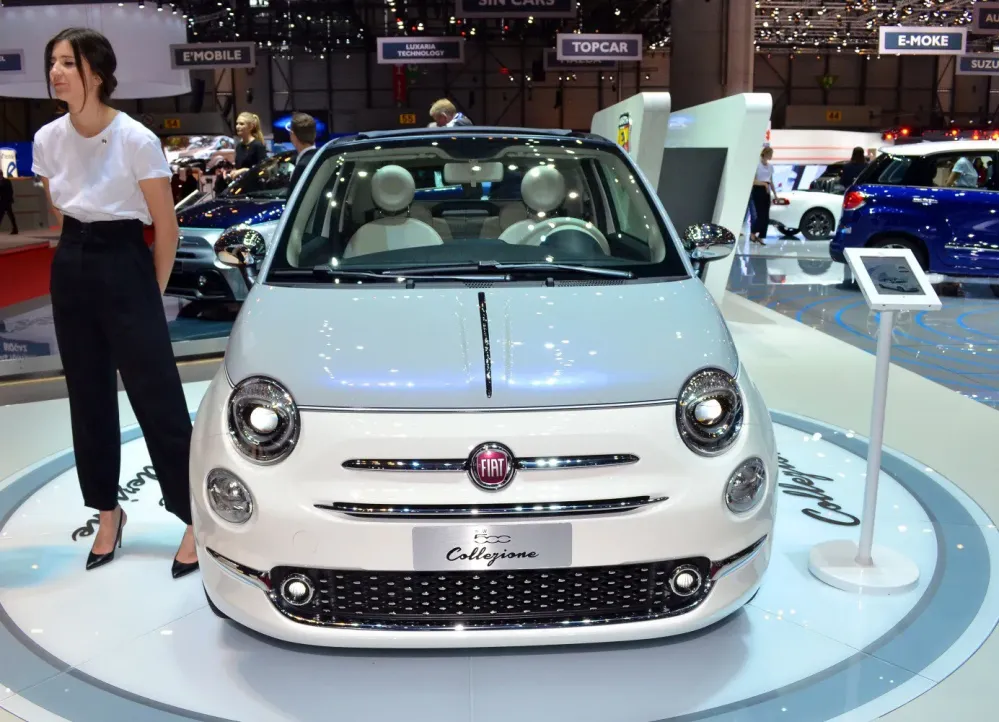
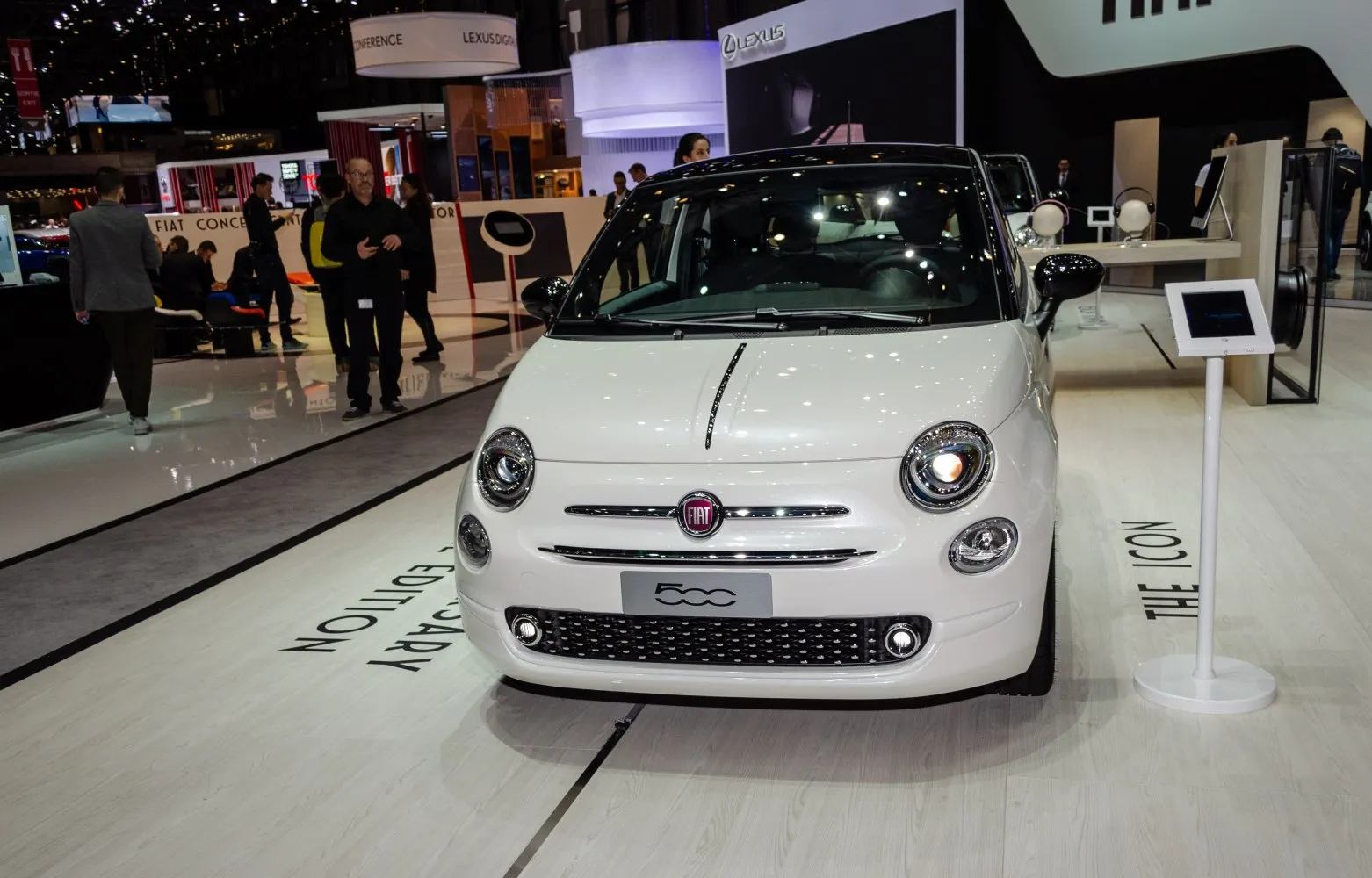
Fiat 500 C (312, facelift 2015) 1.0 (70 Hp) Mild Hybrid
Fiat 500:
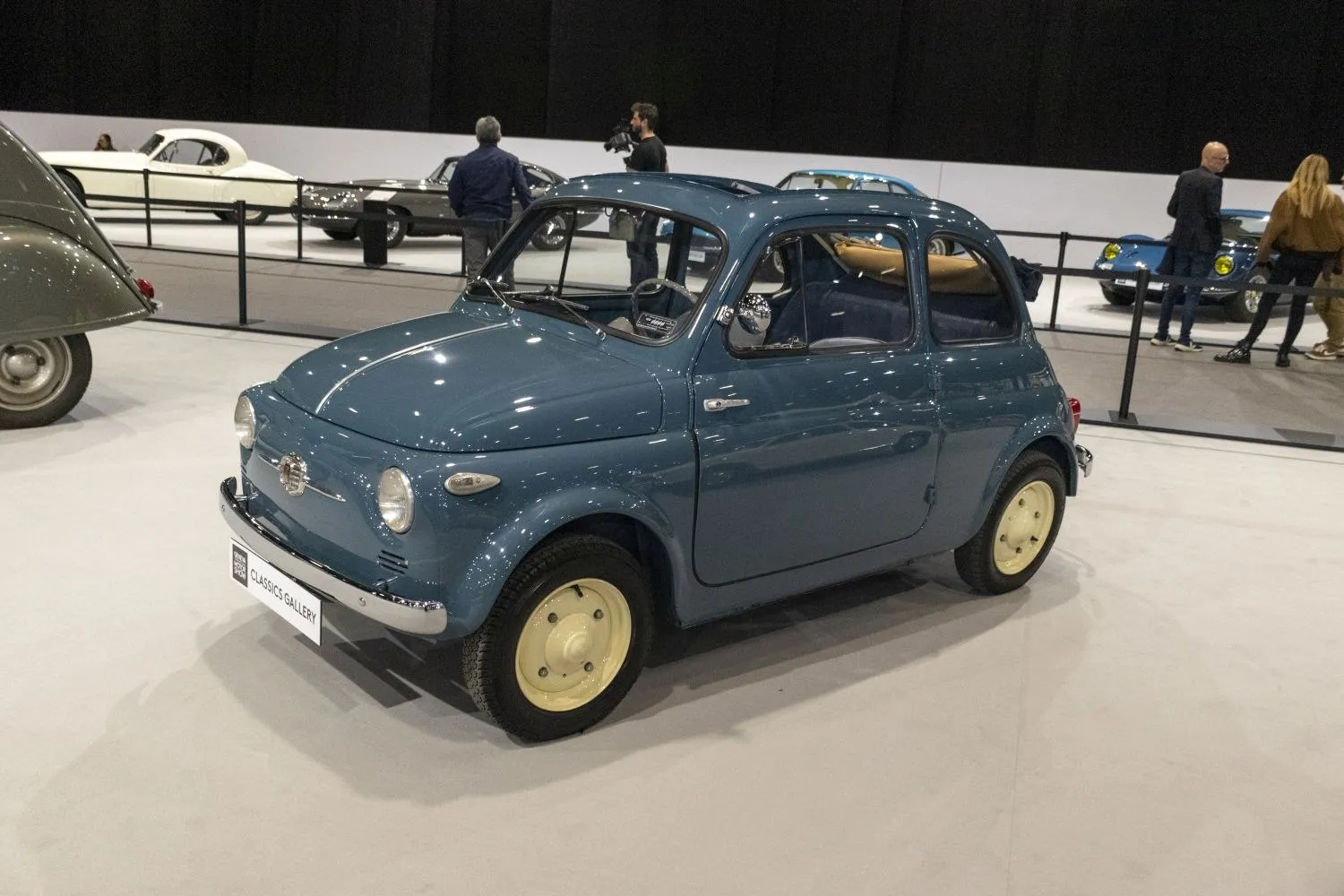
The Fiat 500 is an economy / city car that was manufactured and marketed by Fiat Automobiles from 1957 until 1975. It was sold as a two-door semi-convertible or saloon car and as a three-door panel van or estate car.
Launched as the Nuova 500 in July 1957, as a successor to the 500 "Topolino", it was an inexpensive and practical small car. Measuring 2,970 mm long, originally powered by a rear-mounted 479 cc two-cylinder air-cooled engine, the 500 was 245 mm smaller than the Fiat's 600, launched two years earlier, and is considered one of the first purpose-designed city cars....(Read more on Wikipedia)
C (312, facelift 2015) Overview:
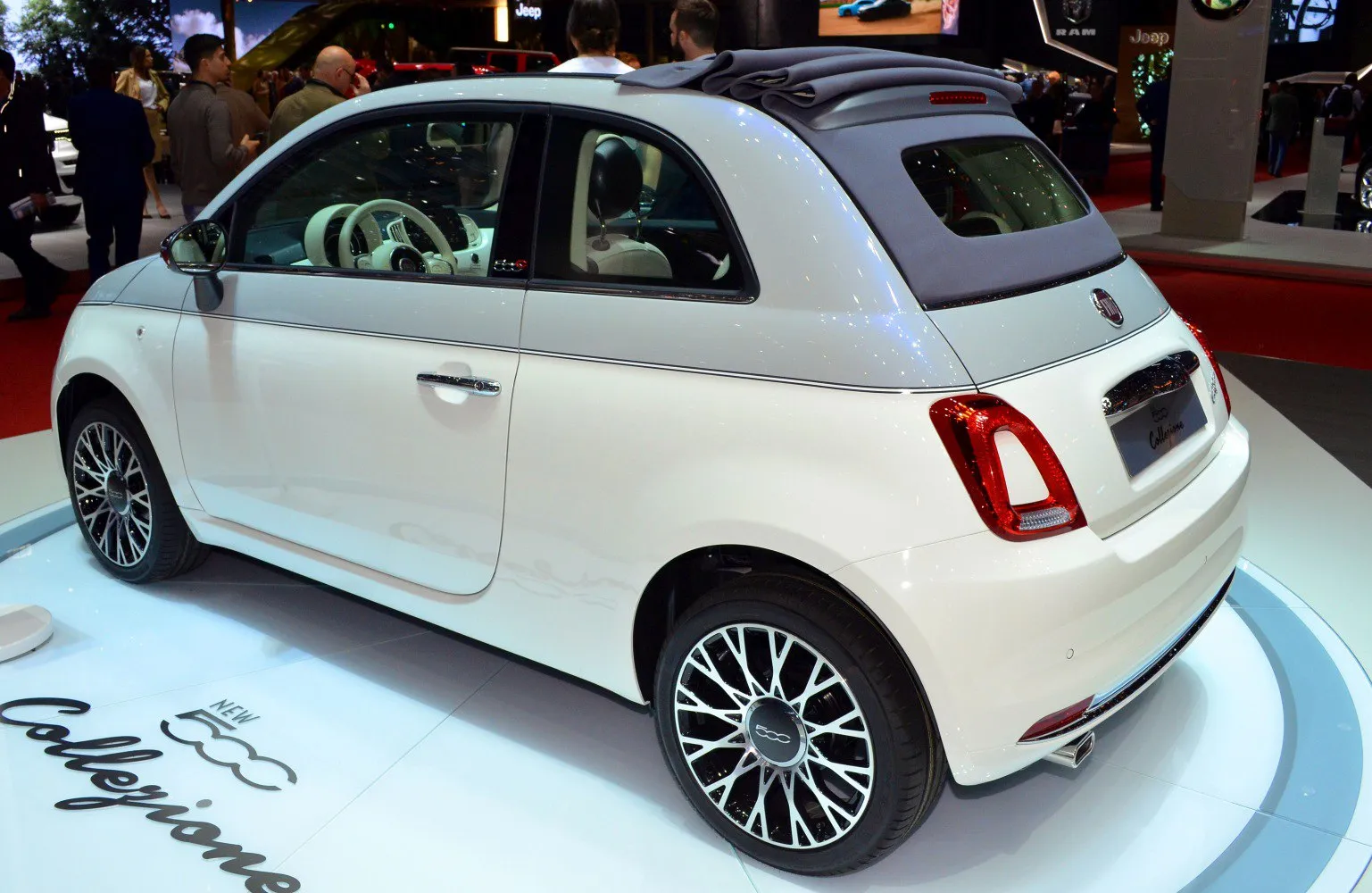
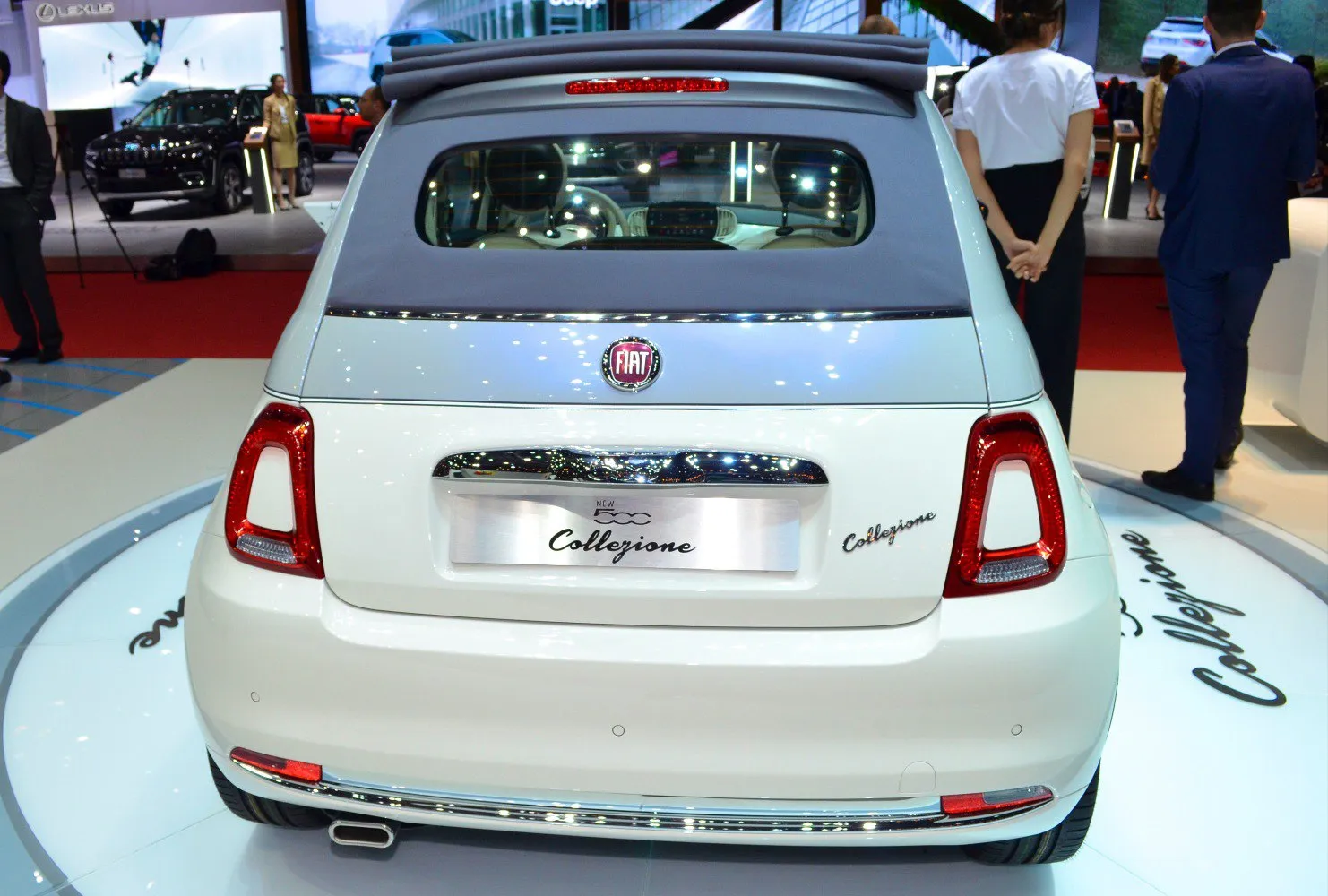
Fiat 500 (C (312, facelift 2015)). With 92 Nm of torque, it offers ample pulling power. It boasts low fuel consumption (~4.9 l/100km). Weighing only 980 kg, it’s quite light. Front‑wheel drive delivers efficiency and easy handling. Acceleration is relatively slow (0–100 km/h in 13.8 s). The top speed reaches 167 km/h. A convertible car with a retractable roof, offering open-air driving experiences. Seating for 4 makes it ideal for daily use.
Pros and Cons:
Pros:
- • Efficiency-focused engine (70 hp), ideal for city commuting.
- • Steady and predictable acceleration (0-100 km/h in 13.8 sec).
- • Exceptional fuel efficiency: 4.1 L/100 km.
Cons:
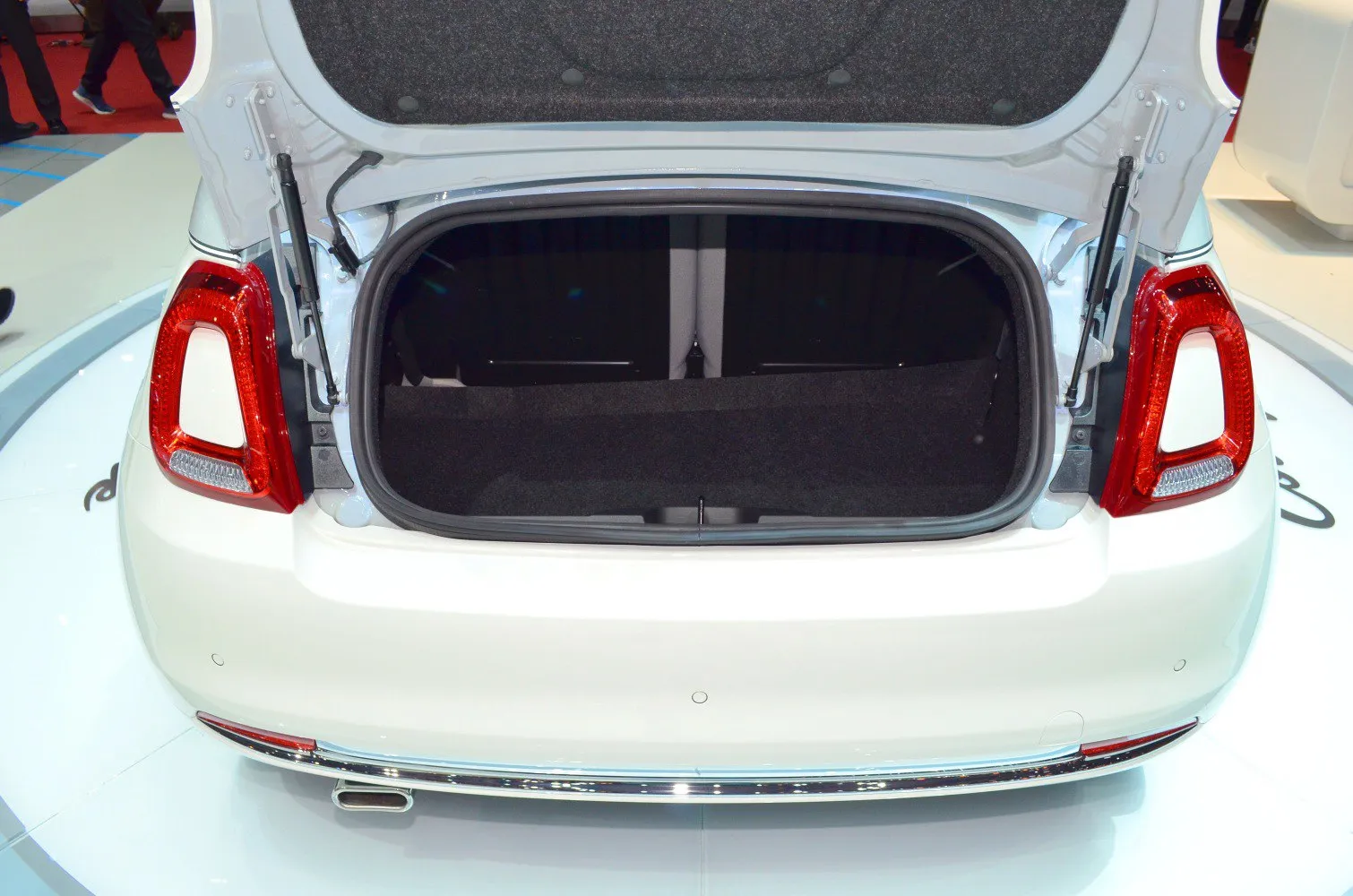
- • Compact cargo space (185 L); may require careful packing.
Specifications:
Specifications are compared to those of the previous generation(e (332) 3+1: 2020 - ).
| General: |
| Brand: | Fiat |
|---|
| Model: | 500 |
|---|
| Generation: | C (312, facelift 2015) |
|---|
| Modification (Engine): | 1.0 (70 Hp) Mild Hybrid |
|---|
| Start of production: | January, 2020 |
|---|
| Powertrain Architecture: | MHEV (Mild Hybrid Electric Vehicle, power-assist hybrid, battery-assisted hybrid vehicles, BAHV) |
|---|
| Body type: | Cabriolet |
|---|
| Seats: | 4 |
|---|
| Doors: | 3 |
|---|
| Engine: |
| Engine systems: | Start & Stop System |
|---|
| Power: | 70 Hp @ 6000 rpm. [0hp less] |
|---|
| Power per litre: | 70.1 Hp/l [worst than previous generation] |
|---|
| Torque: | 92 Nm @ 3500 rpm. |
|---|
| Engine Model/Code: | 312.AYD1B More details about the engine 312.AYD1B |
|---|
| Engine displacement: | 999 |
|---|
| Number of cylinders: | 3 |
|---|
| Engine configuration: | Inline |
|---|
| Number of valves per cylinder: | 2 |
|---|
| Fuel injection system: | Multi-port manifold injection |
|---|
| Engine oil capacity: | 2.5 l |
|---|
| Coolant: | 4.4 l |
|---|
| Engine layout: | Front, Transverse |
|---|
| Cylinder Bore: | 70 mm mm |
|---|
| Piston Stroke: | 86.5 mm mm |
|---|
| Compression ratio: | 12:1 |
|---|
| Performance: |
| Fuel Type: | Petrol (Gasoline) |
|---|
| Fuel consumption (economy) - urban: | 4.9 l/100 km |
|---|
| Fuel consumption (economy) - extra urban: | 3.6 l/100 km |
|---|
| Fuel consumption (economy) - combined (NEDC): | 4.1 l/100 km |
|---|
| Fuel consumption (economy) - urban (NEDC): | 4.9 l/100 km |
|---|
| Fuel consumption (economy) - extra urban (NEDC): | 3.6 l/100 km |
|---|
| Fuel consumption (economy) - combined: | 4.1 l/100 km |
|---|
| Emission standard: | Euro 6d |
|---|
| Acceleration 0 - 100 km/h: | 13.8 sec |
|---|
| Acceleration 0 - 62 mph: | 13.8 sec |
|---|
| Maximum speed: | 167 km/h |
|---|
| Weight-to-power ratio: | 14 kg/Hp, 71.4 Hp/tonne |
|---|
| Weight-to-torque ratio: | 10.7 kg/Nm, 93.9 Nm/tonne |
|---|
| Acceleration 0 - 60 mph: | 13.1 sec |
|---|
| Space: |
| Kerb Weight: | 980 |
|---|
| Max. weight: | 1360 |
|---|
| Max load: | 380 |
|---|
| Trunk (boot) space - maximum: | 550 l |
|---|
| Trunk (boot) space - minimum: | 185 l |
|---|
| Fuel tank capacity: | 35 l |
|---|
| Size: |
| Length: | 3571 mm mm [61mm less] |
|---|
| Width: | 1627 mm mm [56mm less] |
|---|
| Height: | 1488 mm mm [39mm less] |
|---|
| Wheelbase: | 2300 mm mm [22mm less] |
|---|
| Width including mirrors: | 1893 mm |
|---|
| Front track: | 1413 mm |
|---|
| Rear (Back) track: | 1407 mm |
|---|
| Minimum turning circle (turning diameter): | 9.3 m [above average] |
|---|
| Powertrain: |
| Drivetrain Architecture | The Internal combustion engine (ICE) and electric motor drive the front wheels of the car with the ability to work only in mixed mode. |
|---|
| Drive wheel | Front wheel drive |
|---|
| Number of gears | 6 |
|---|
| Transmission type | Manual |
|---|
| Front brakes | Disc, 257 mm [bad for performance and cooling.] |
|---|
| Rear brakes | Drum, 180 mm [bad for performance and cooling.] |
|---|
| Assisting systems | ABS (Anti-lock braking system) |
|---|
| Steering type | Steering rack and pinion |
|---|
| Power steering | Electric Steering |
|---|
| Tires size | 185/55 R15 |
|---|
| Wheel rims size | 15 |
|---|
| Front suspension | Independent type McPherson |
|---|
| Rear suspension | Torsion |
|---|









Fuel, speed, and comfort: How does the Fiat 500 rank in your book?