
Click on image to view the full photo gallery
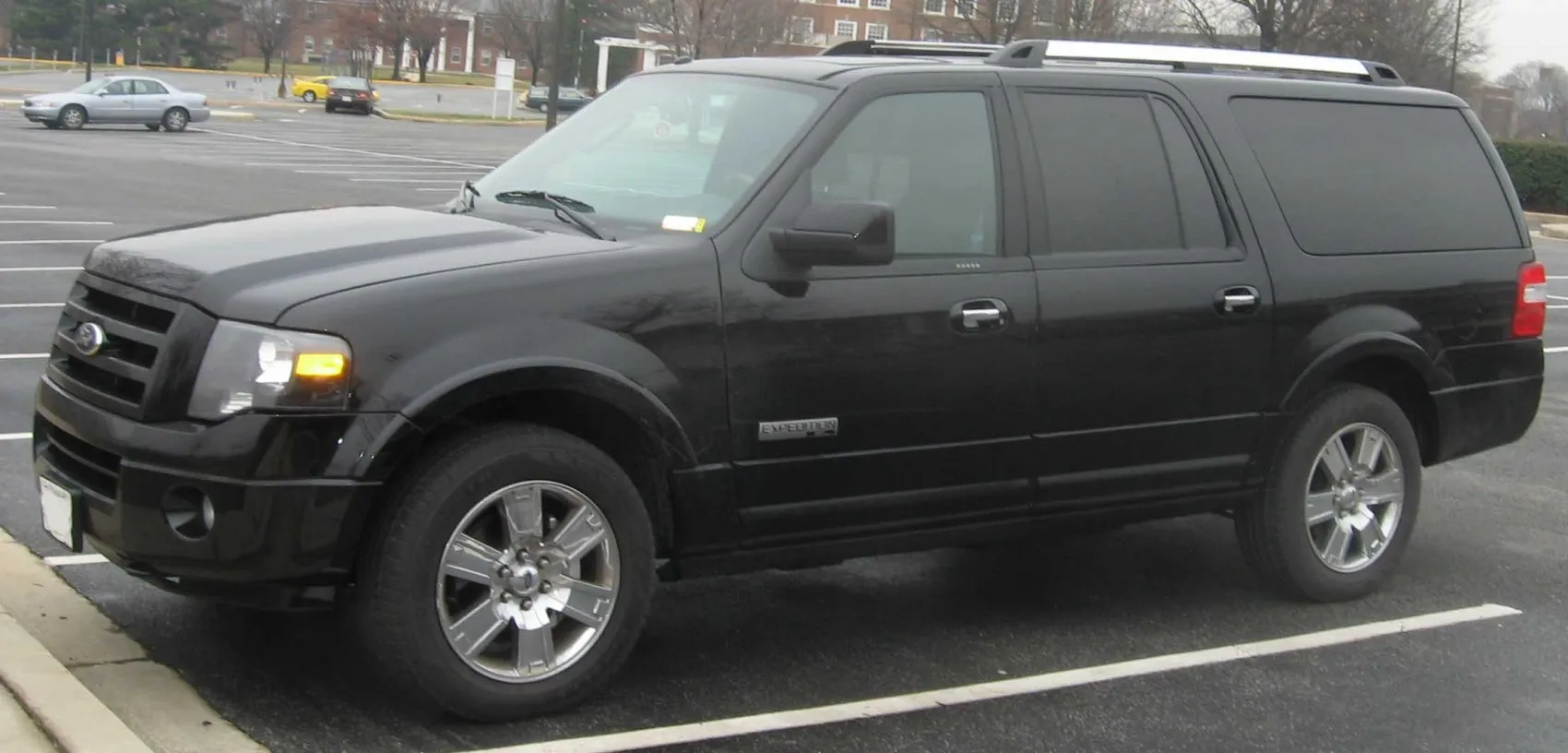
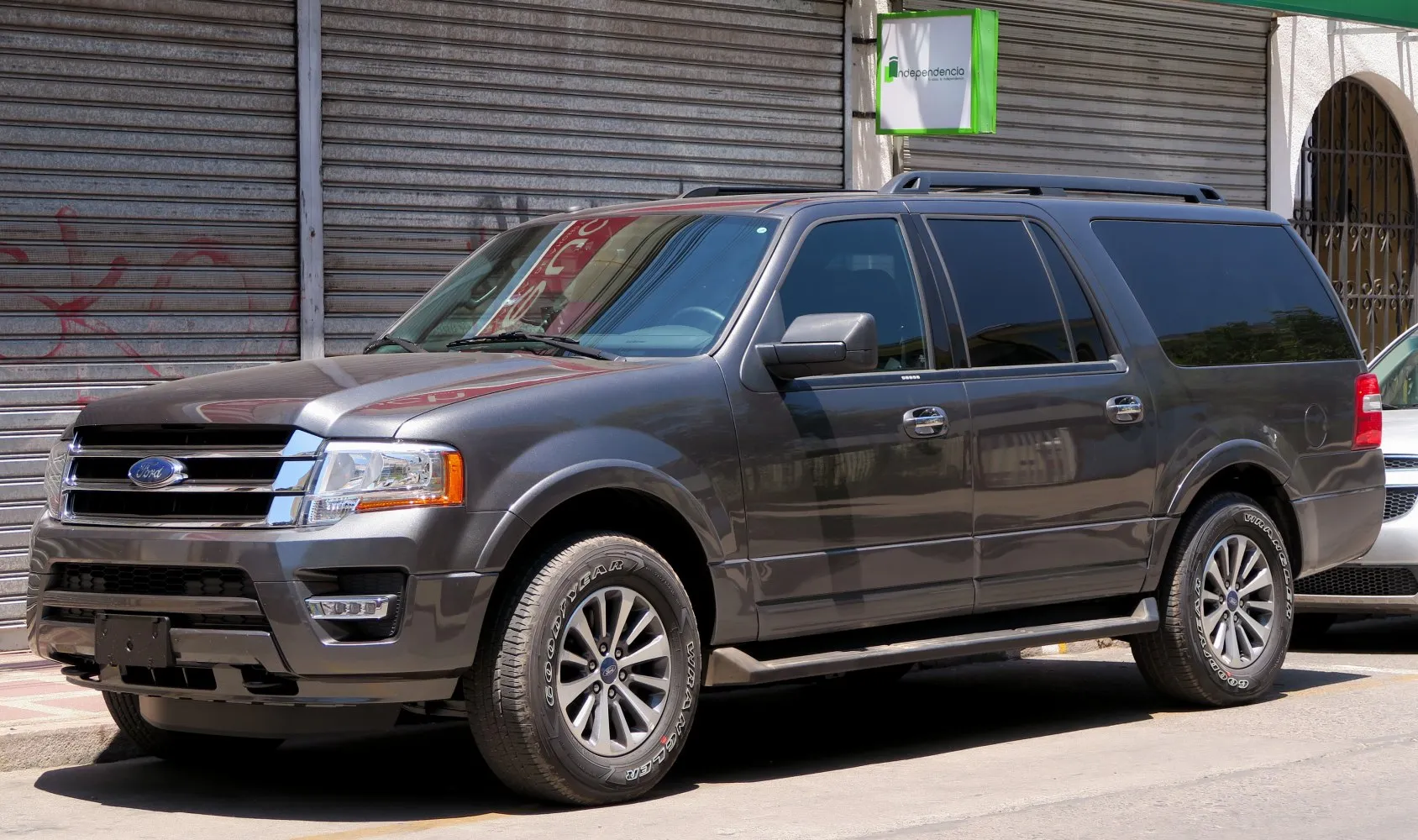
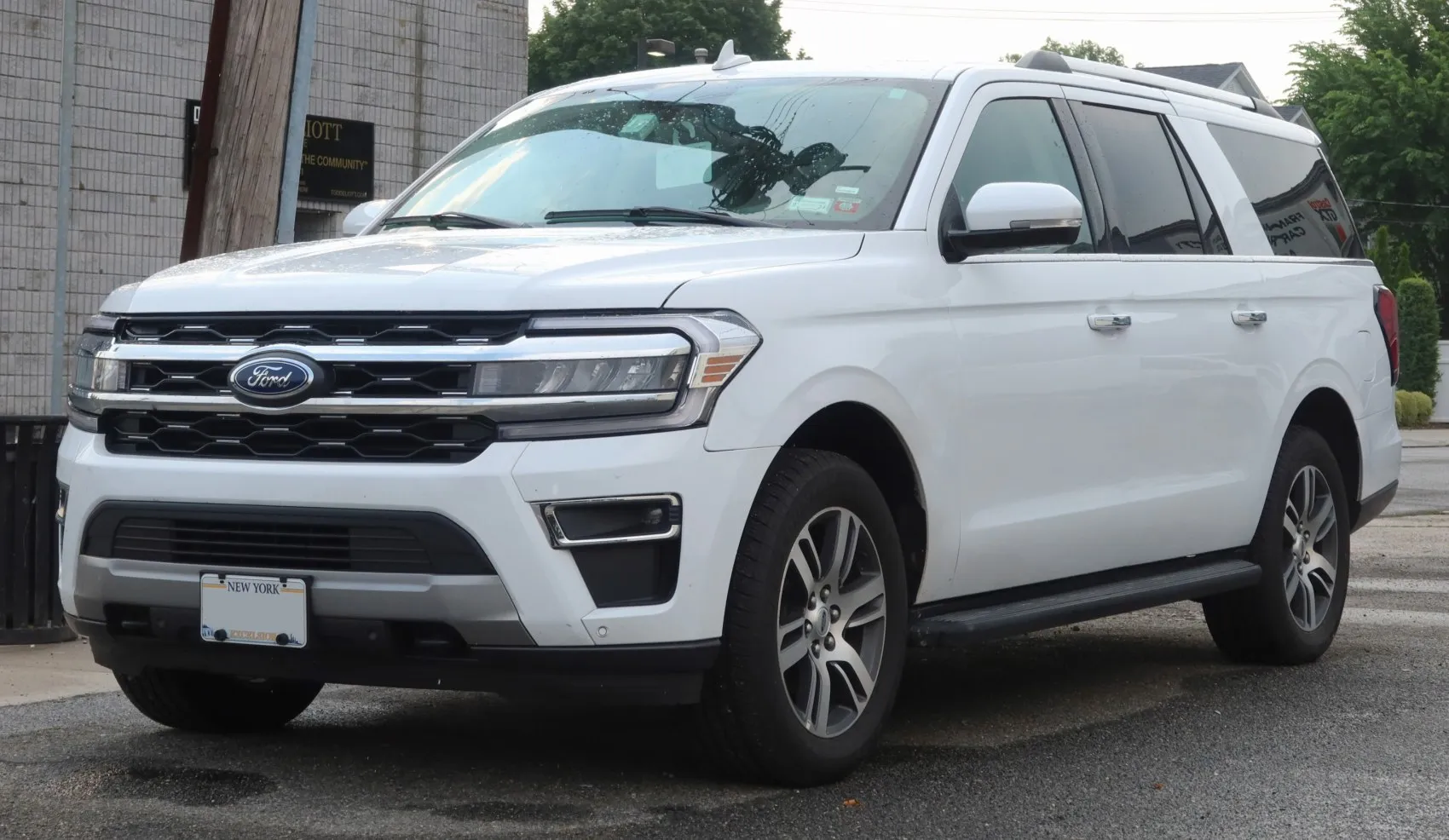
Ford Expedition III (U324) 5.4 V8 (310 Hp) 4x4 Flex Fuel Automatic
Overall Rating
Ford Expedition:
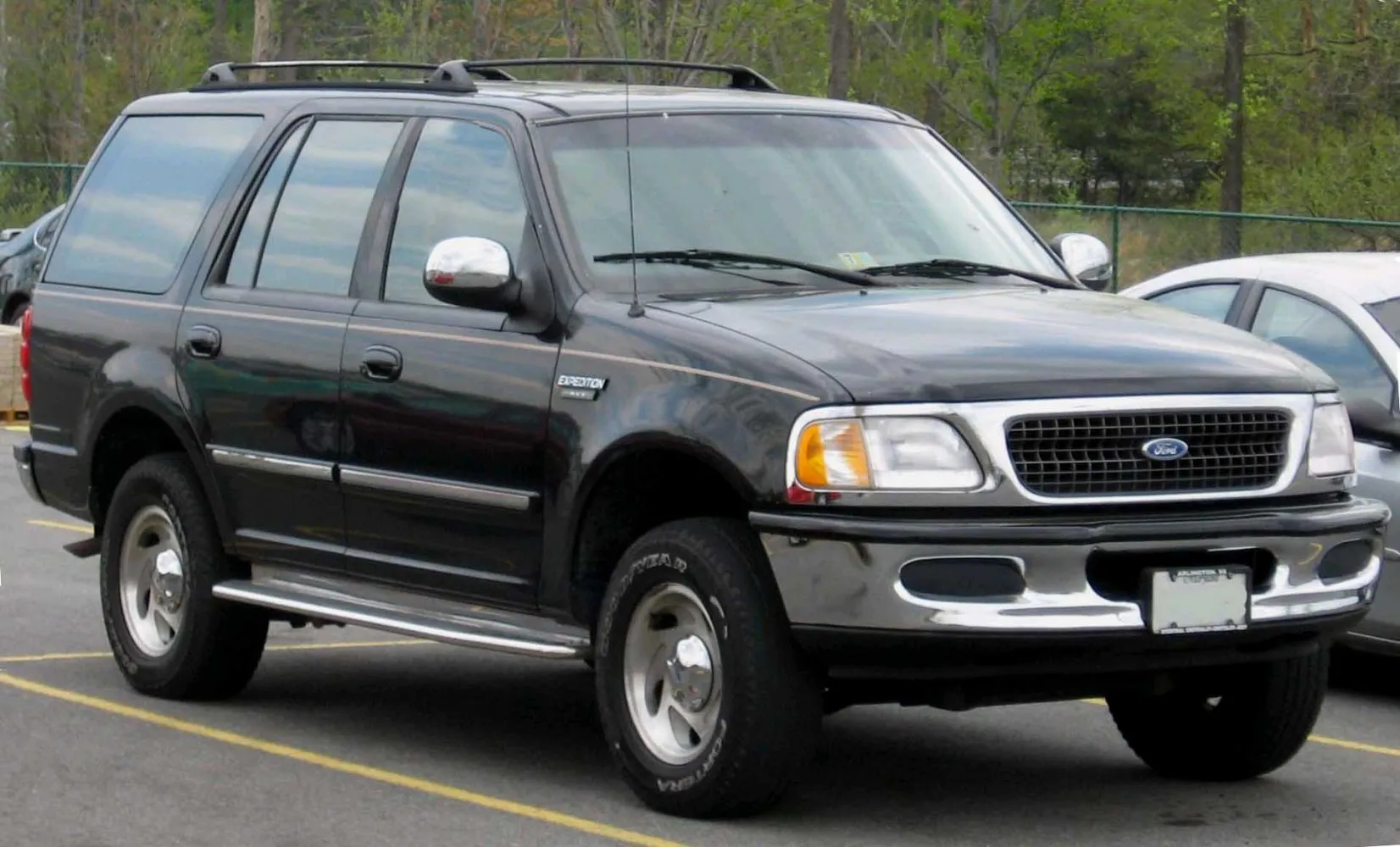
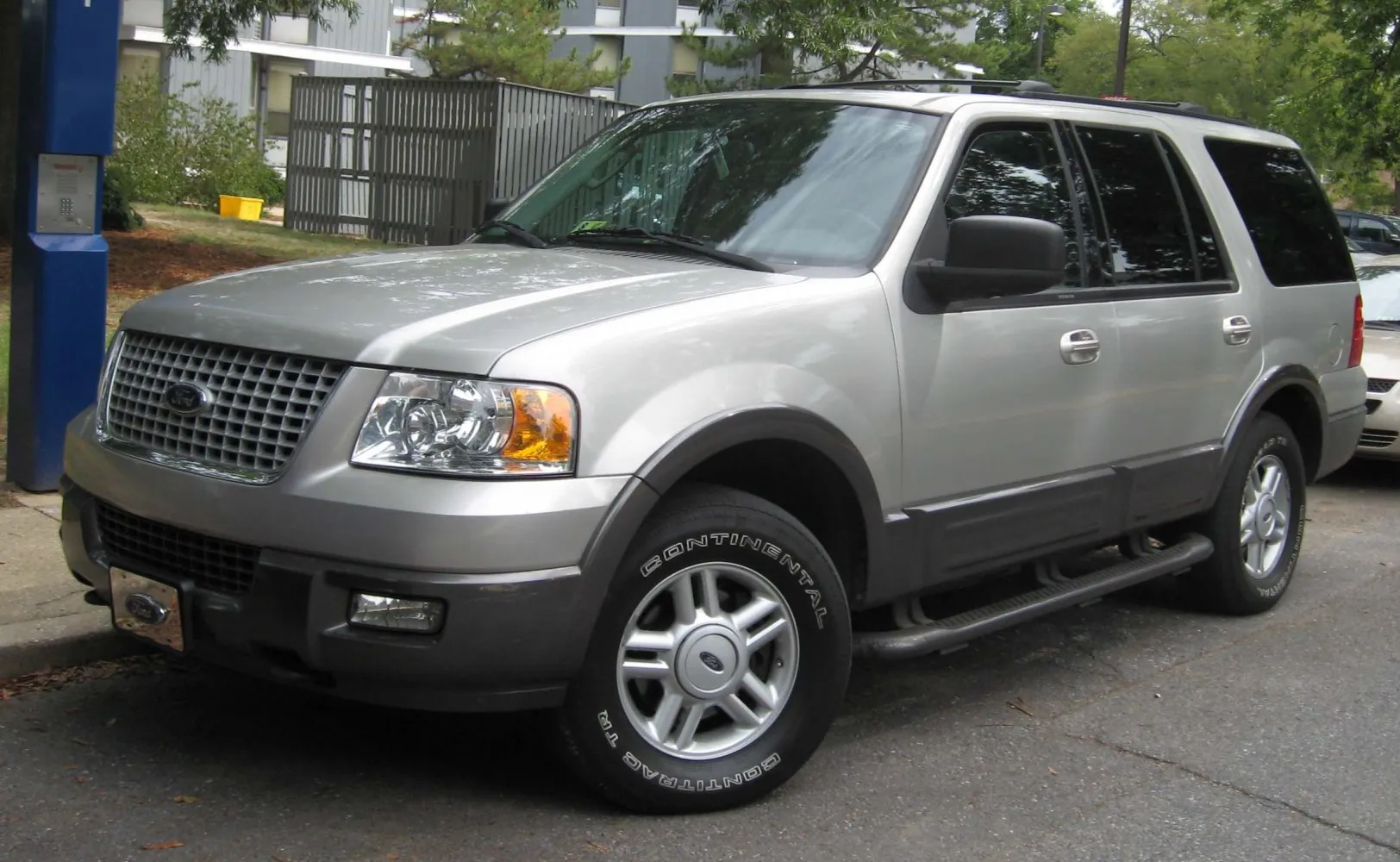
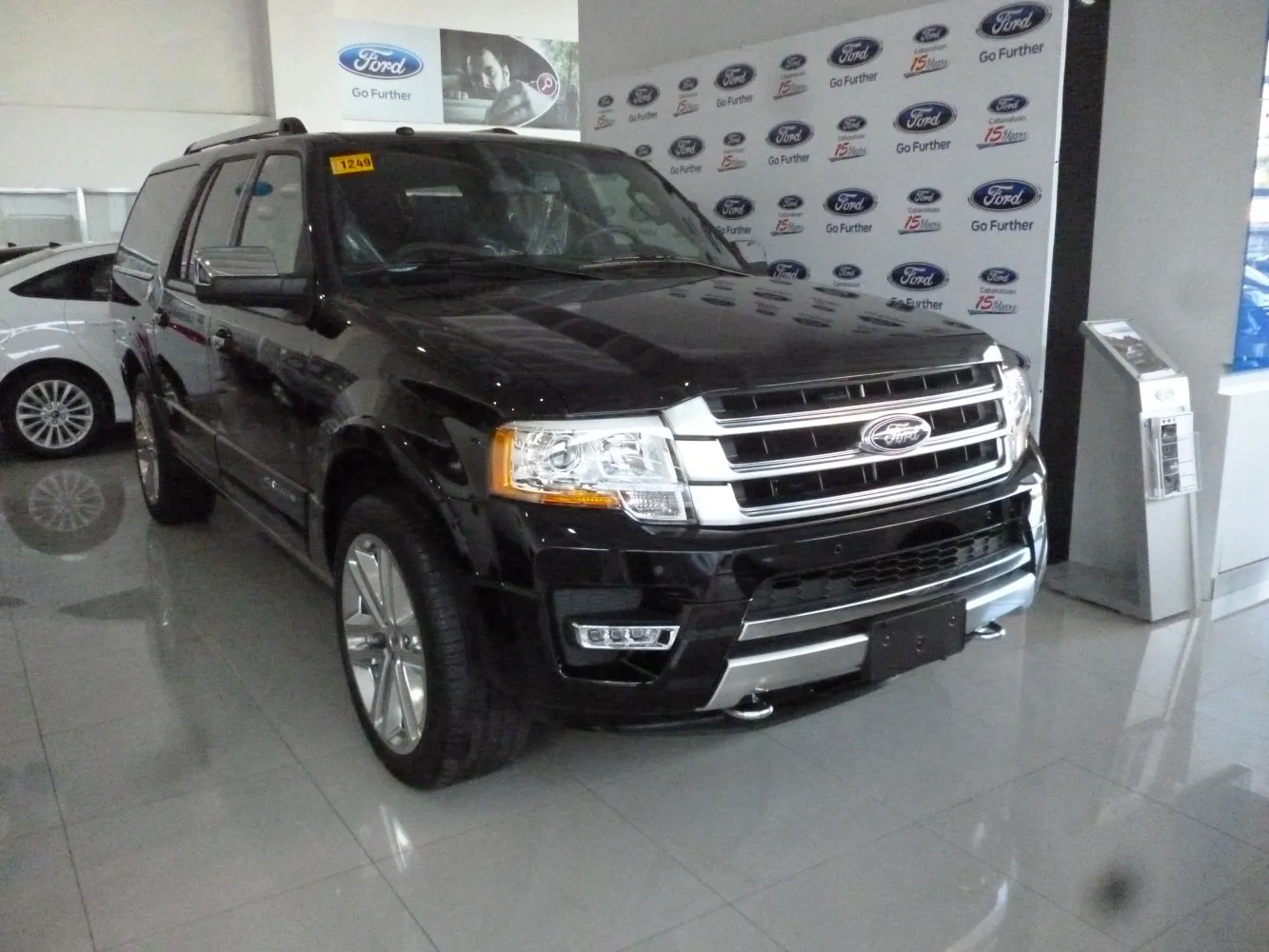
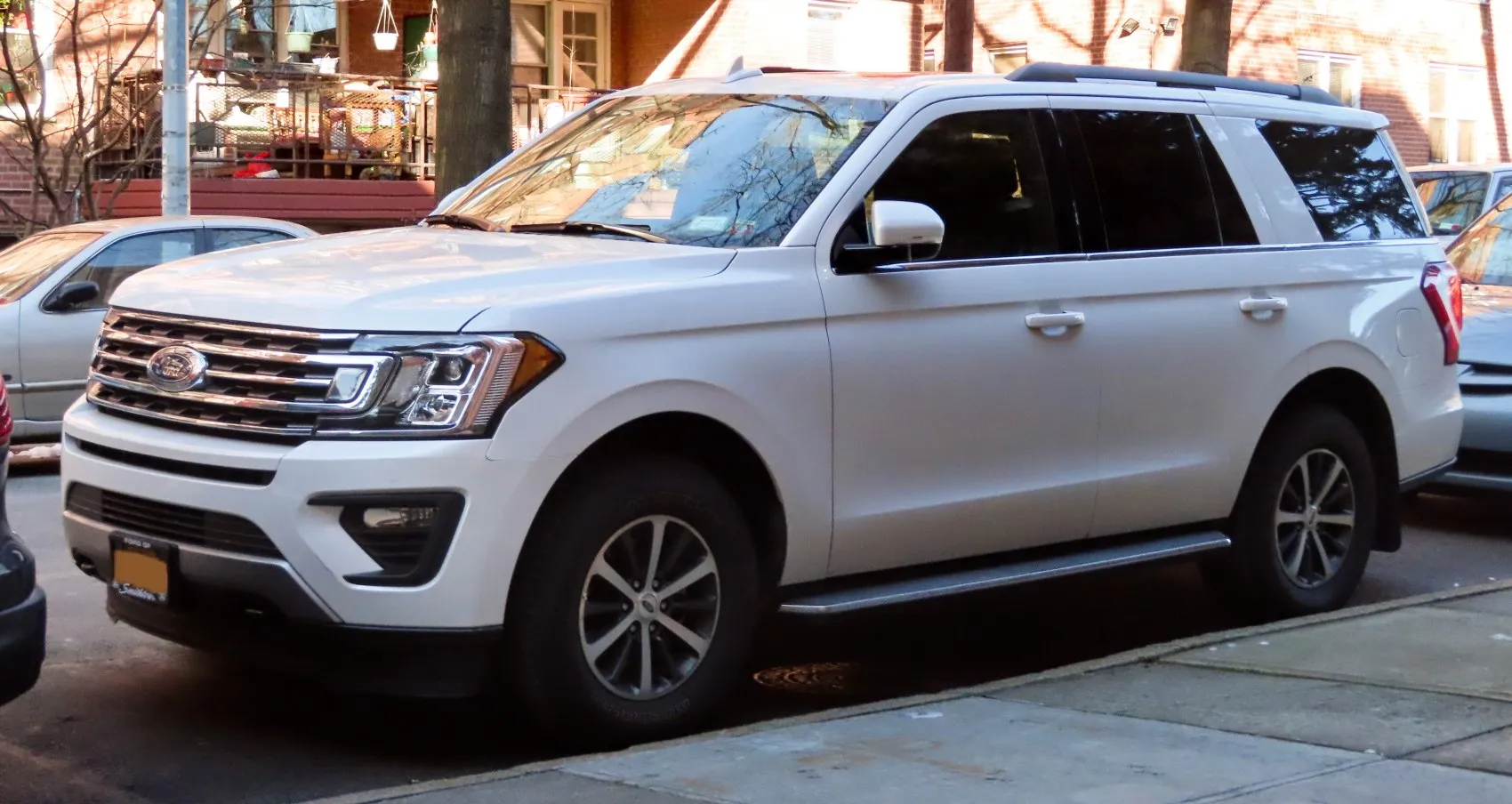
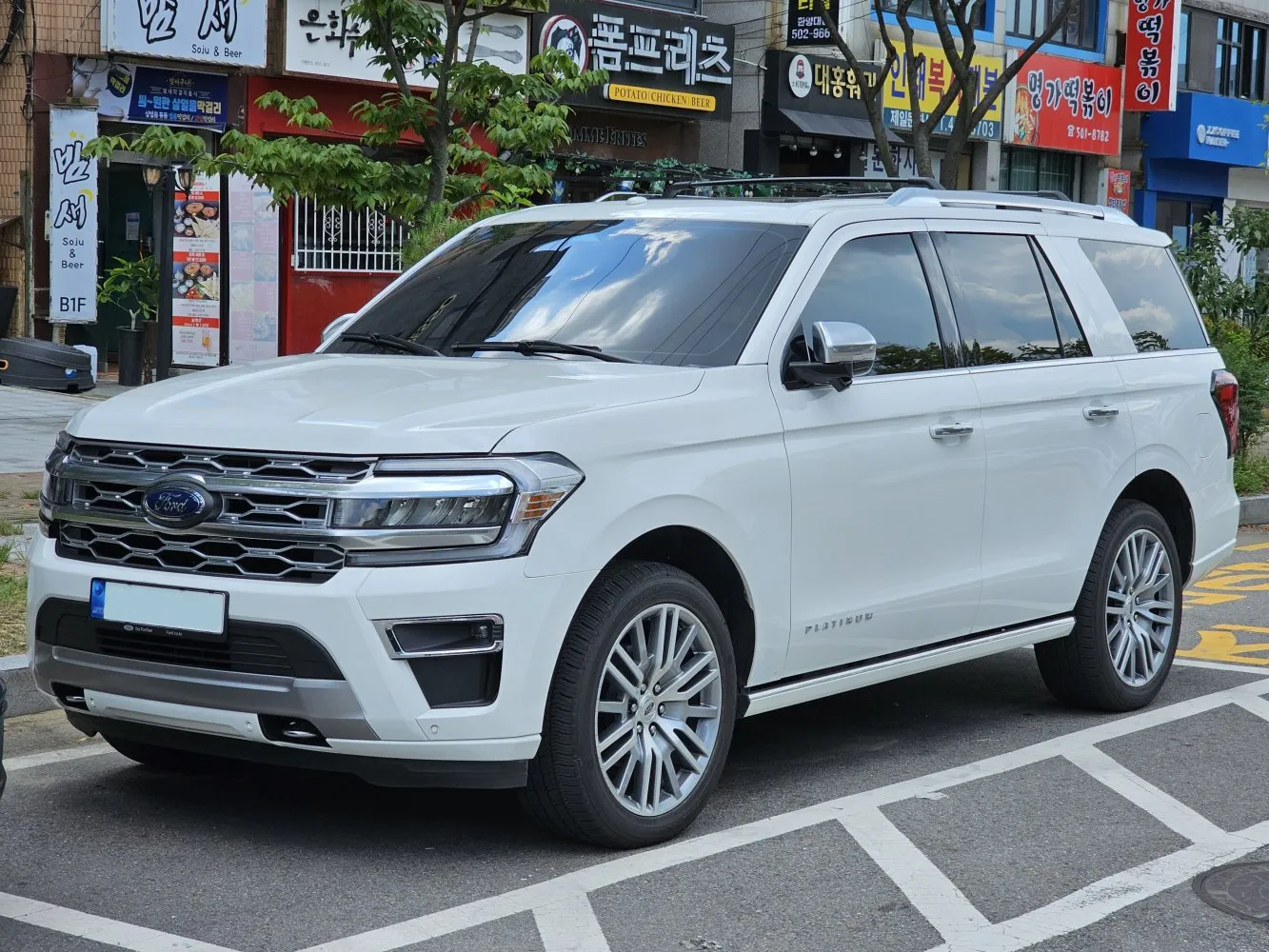
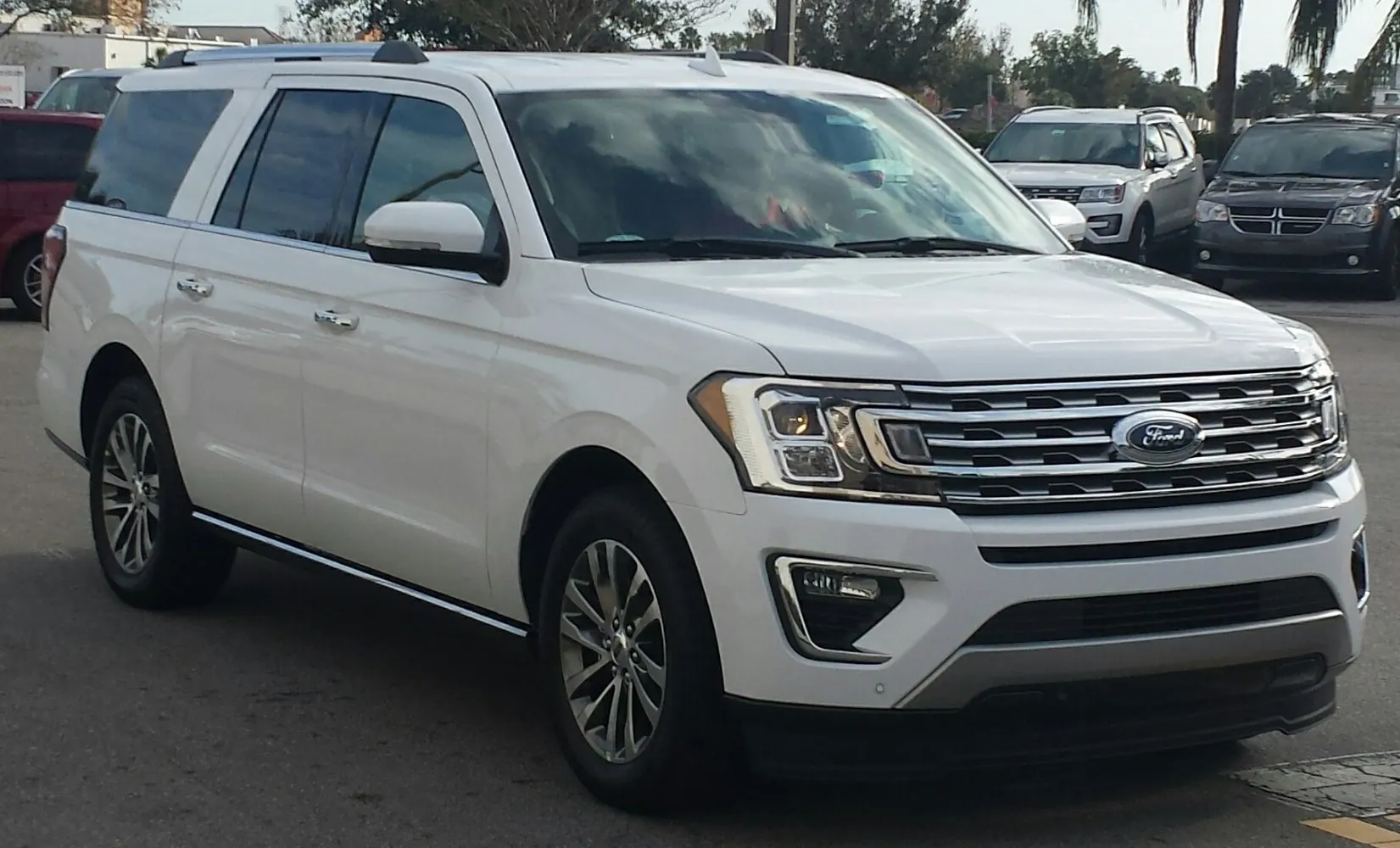
The Ford Expedition is a full-size SUV produced by Ford Motor Company since the 1997 model year. The successor to the Ford Bronco, the Expedition shifted its form factor from an off-road oriented vehicle to a truck-based station wagon. Initially competing against the Chevrolet Tahoe, the Expedition also competes against the Toyota Sequoia, Nissan Armada, and the Jeep Wagoneer.
First used for a 1992 F-150 concept vehicle, Ford first marketed the Expedition nameplate for 1995 on a trim level package for the two-door Ford Explorer Sport. As with its Bronco predecessor, the Expedition heavily derives its chassis from the Ford F-150, differing primarily in suspension configuration. All five generations of the Expedition have served as the basis of the Lincoln Navigator–the first full-size luxury SUV. The model line is produced in two wheelbases , with seating for up to eight passengers....(Read more on Wikipedia)
III (U324) Overview:
Ford Expedition (III (U324)). With 495 Nm of torque, it offers ample pulling power. At around 2622 kg, it’s on the heavier side. All‑wheel drive provides excellent grip, ideal for off‑road use. A sport utility vehicle offering higher ground clearance and versatile cargo space. Seating for 5 makes it ideal for daily use.
5.4 V8 (310 Hp) 4x4 Flex Fuel Automatic Verdict:

Performance Verdict
Enhanced power output provides a marginal but noticeable improvement, especially when loaded or off-road with 4x4 capability.
Fuel Economy
Highest fuel consumption among the lineup due to 4x4 and Flex Fuel capability, expect frequent stops at the pump.
Pros and Cons:
Pros:
- • Spacious and versatile interior with seating for up to nine
- • Strong towing capacity, ideal for trailers and boats
- • Comfortable and smooth ride, especially on highways
- • Available 4x4 system enhances all-weather and light off-road capability
- • Robust V8 engine provides ample power for a large SUV
Cons:
- • High fuel consumption, particularly with 4x4 models
- • Large exterior dimensions can make city driving and parking challenging
- • Some known reliability issues with the 5.4L Triton engine (e.g., spark plugs, cam phasers)
- • Interior design can feel dated compared to newer rivals
- • Not particularly agile or sporty in handling
Specifications:
Specifications are compared to those of the previous generation(III (U3242, facelift 2014): August, 2014 - July, 2017).
| General: | |
|---|---|
| Brand: | Ford |
| Model: | Expedition |
| Generation: | III (U324) |
| Modification (Engine): | 5.4 V8 (310 Hp) 4x4 Flex Fuel Automatic |
| Start of production: | July, 2008 |
| End of production: | August, 2014 |
| Powertrain Architecture: | Internal Combustion engine |
| Body type: | SUV |
| Seats: | 5-8 |
| Doors: | 5 |
| Engine: | |
|---|---|
| Power: | 310 Hp @ 5100 rpm. Same horsepower |
| Power per litre: | 57.3 Hp/l [12mm more] |
| Torque: | 495 Nm @ 3600 rpm. |
| Engine Model/Code: | Triton More details about the engine Triton |
| Engine displacement: | 5408 |
| Number of cylinders: | 8 |
| Engine configuration: | V-engine |
| Number of valves per cylinder: | 3 |
| Fuel injection system: | Multi-port manifold injection |
| Engine aspiration: | Naturally aspirated engine |
| Valvetrain: | SOHC, VCT |
| Engine oil capacity: | 6.6 l |
| Coolant: | 15.5 l |
| Engine layout: | Front, Longitudinal |
| Cylinder Bore: | 90.2 mm mm |
| Piston Stroke: | 105.8 mm mm |
| Compression ratio: | 9.8:1 |
| Performance: | |
|---|---|
| Fuel Type: | Petrol / Ethanol - E85 |
| Fuel consumption (economy) - urban: | 18.1 l/100 km |
| Fuel consumption (economy) - extra urban: | 13.1 l/100 km |
| Fuel consumption (economy) - urban (EPA): | 18.1 l/100 km |
| Fuel consumption (economy) - extra urban (EPA): | 13.1 l/100 km |
| Fuel consumption (economy) - combined (EPA): | 15.7 l/100 km |
| Fuel consumption (economy) - combined: | 15.7 l/100 km |
| Weight-to-power ratio: | 8.5 kg/Hp, 118.2 Hp/tonne |
| Weight-to-torque ratio: | 5.3 kg/Nm, 188.8 Nm/tonne |
| Space: | |
|---|---|
| Kerb Weight: | 2622 |
| Trunk (boot) space - maximum: | 3067 l |
| Trunk (boot) space - minimum: | 527 l |
| Permitted trailer load with brakes (12%): | 4082 kg |
| Fuel tank capacity: | 106 l |
| Size: | |
|---|---|
| Ramp-over (brakeover) angle: | 18.3° |
| Length: | 5245 mm mm [12mm more] |
| Width: | 2002 mm mm [1mm more] |
| Height: | 1961 mm mm [1mm more] |
| Wheelbase: | 3023 mm mm [1mm more] |
| Width with mirrors folded: | 2024 mm |
| Width including mirrors: | 2332 mm |
| Front track: | 1702 mm |
| Rear (Back) track: | 1707 mm |
| Front overhang: | 996 mm |
| Rear overhang: | 1227 mm |
| Ride height (ground clearance): | 221 mm |
| Approach angle: | 22.6° |
| Departure angle: | 21.5° |
| Powertrain: | |
|---|---|
| Drivetrain Architecture | The Internal combustion engine (ICE) drives the rear wheels permanently, and the front wheels are driven through an electrically or mechanically operated clutch if necessary. |
| Drive wheel | All wheel drive (4x4) |
| Number of gears | 6 |
| Transmission type | Automatic |
| Front brakes | Ventilated discs [Best for performance and cooling.] |
| Rear brakes | Ventilated discs [Best for performance and cooling.] |
| Assisting systems | ABS (Anti-lock braking system) |
| Steering type | Steering rack and pinion |
| Power steering | Hydraulic Steering |
| Tires size | 255/70 R18; 275/55 R20 |
| Wheel rims size | 18; 20 |
| Front suspension | Coil spring, Double wishbone, Transverse stabilizer |
| Rear suspension | Independent multi-link spring suspension with stabilizer, Air Suspension - Optional |






Driven it? Loved it? Hated it? Share your honest review!