Ford Ranger I Double Cab 2.5 TDCi (109 Hp) 4x4
People\'s Opinion
N/A / 5
Ford Ranger:
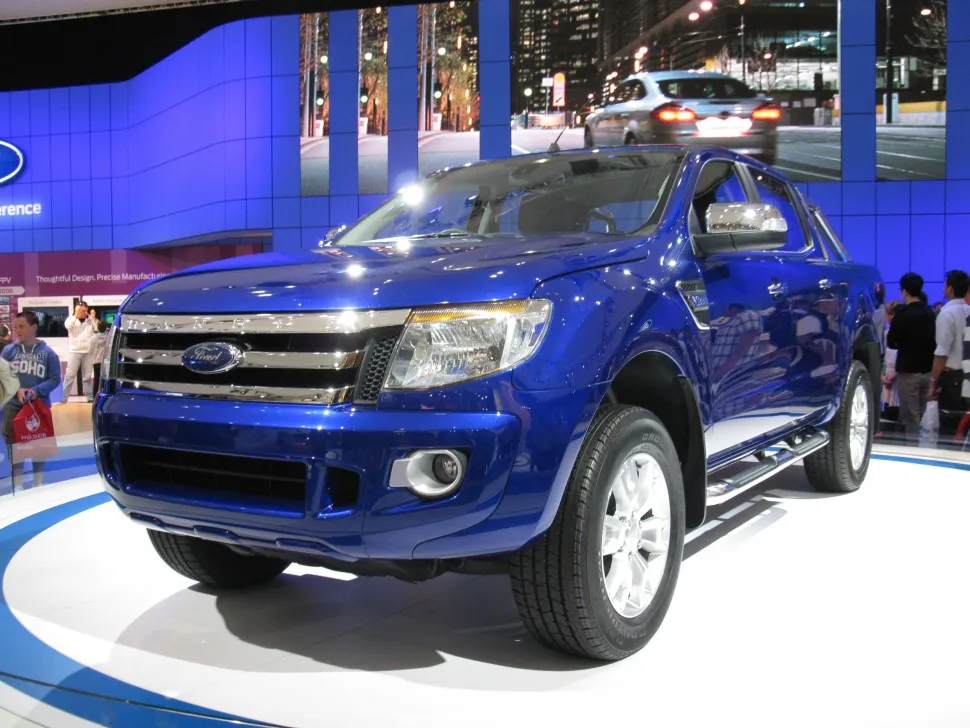
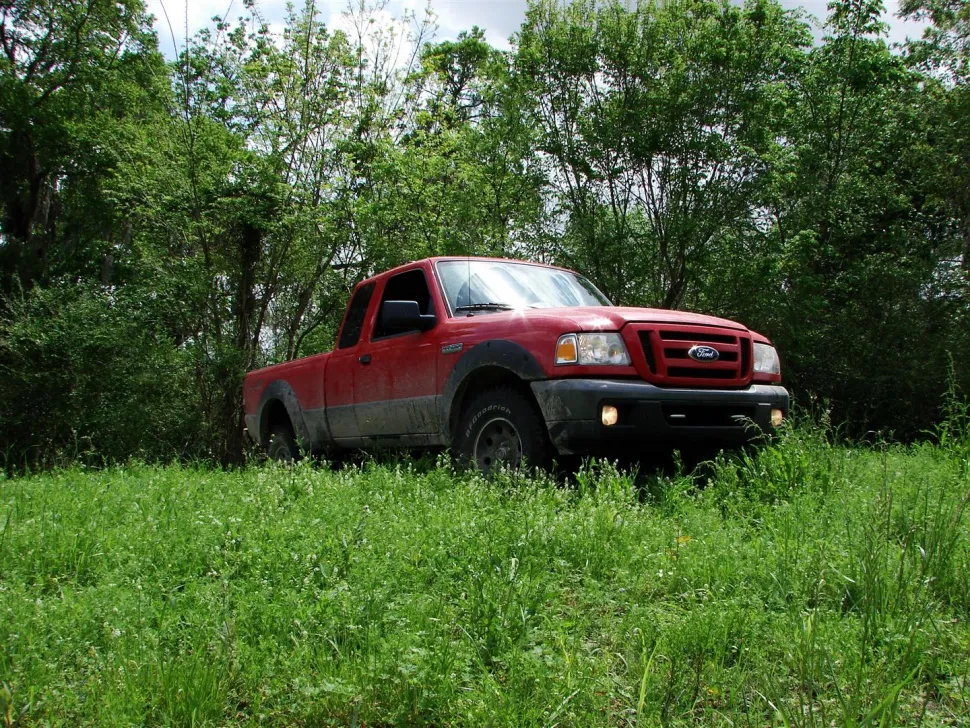
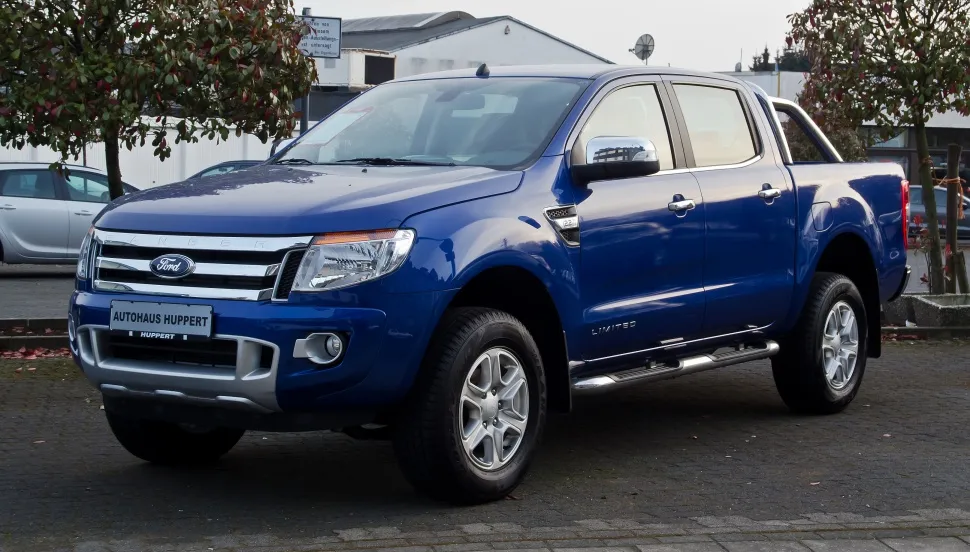
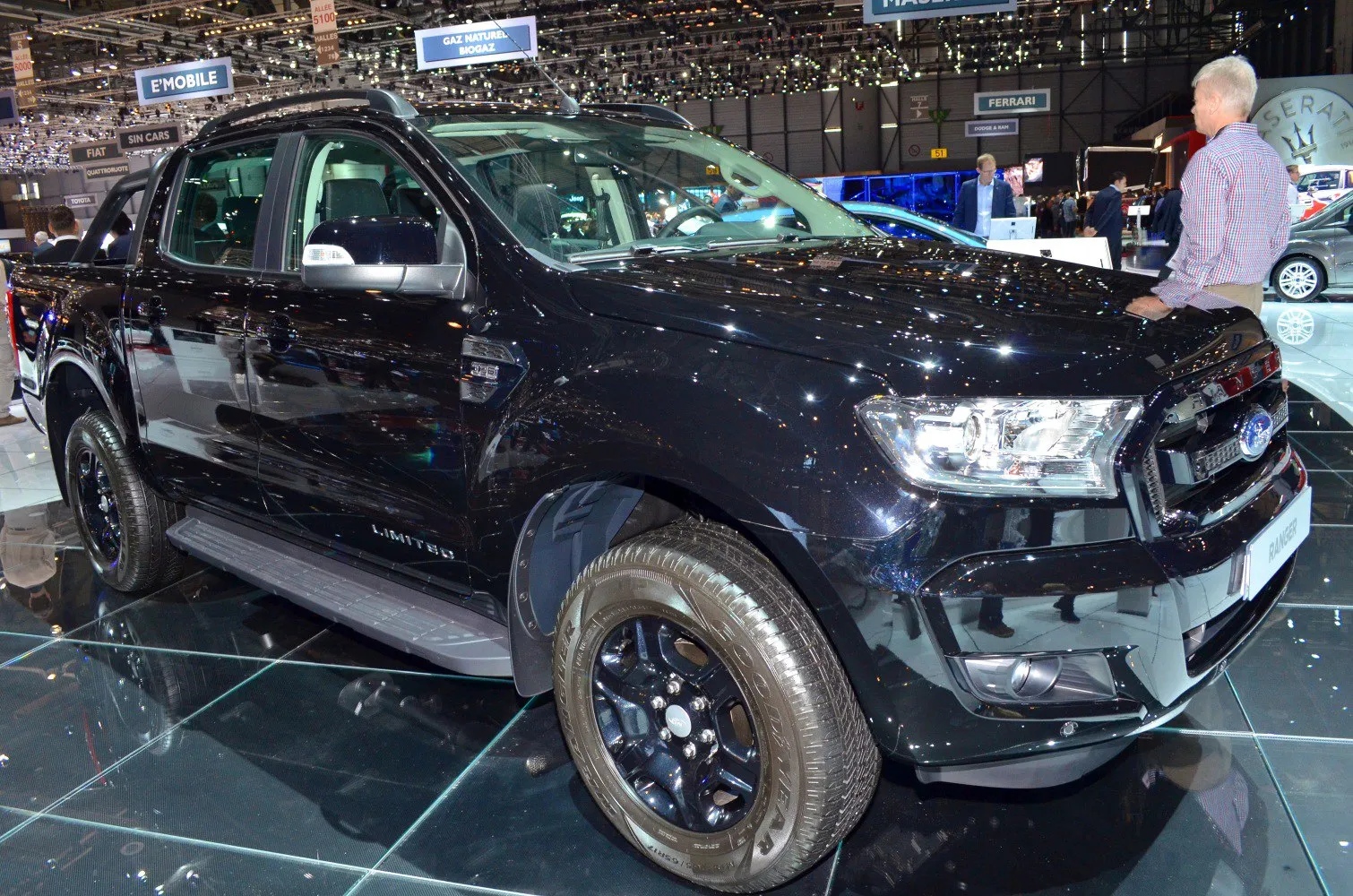
The Ford Ranger is a compact or mid-size pickup truck marketed globally by Ford over a series of generations, varying between both in-house or outside development and manufacturing — and with a hiatus in North America from 2011–2018.
Debuting as a compact pickup in North America in 1982 for the 1983 model year, the Ranger was later introduced in some South American countries. From 1998 to 2011, the Ranger nameplate was used for models developed by Mazda for sale outside the North American market. In 2011, Ford introduced the first Ranger based on the T6 platform. Considered a mid-size pickup truck, the model was developed in-house by Ford Australia. In that same year, the North American-market Ranger was discontinued, leaving the T6 platform-based Ranger as the sole Ranger model worldwide....(Read more on Wikipedia)
I Double Cab Overview:
Ford Ranger (I Double Cab). With 266 Nm of torque, it offers ample pulling power. With a weight of 1785 kg, it falls in the mid‑range. All‑wheel drive provides excellent grip, ideal for off‑road use. Acceleration is relatively slow (0–100 km/h in 15 s). The top speed reaches 145 km/h. A vehicle with an open cargo bed at the back, suitable for transporting goods. Seating for 5 makes it ideal for daily use.
Performance Verdict
The 109 Hp 2.5 TDCi engine provides sufficient power for off-road and heavy-duty tasks, complemented by the 4x4 system for enhanced traction. Acceleration is modest.
Fuel Economy
Fuel economy is average for a 4x4 diesel pick-up of this era. The added drivetrain complexity of 4x4 may slightly impact efficiency compared to 2WD models.
Best Use Case:
Off-road / Heavy Utility / Rural / Work
Pros and Cons:
Pros:
- • Robust and reliable WL-T diesel engine
- • Excellent utility and payload capacity
- • Strong off-road capability (4x4 models)
- • Durable and simple construction
- • Good value as a used workhorse
Cons:
- • Basic interior comfort and refinement
- • Dated safety features compared to modern vehicles
- • Unrefined ride quality, especially unladen
- • Fuel economy not competitive with modern diesels
- • Limited creature comforts and technology
Specifications:
| General: |
| Brand: | Ford |
|---|
| Model: | Ranger |
|---|
| Generation: | I Double Cab |
|---|
| Modification (Engine): | 2.5 TDCi (109 Hp) 4x4 |
|---|
| Start of production: | 1998 |
|---|
| End of production: | 2006 |
|---|
| Powertrain Architecture: | Internal Combustion engine |
|---|
| Body type: | Pick-up |
|---|
| Seats: | 5 |
|---|
| Doors: | 4 |
|---|
| Engine: |
| Power: | 109 Hp @ 3500 rpm. |
|---|
| Power per litre: | 43.6 Hp/l |
|---|
| Torque: | 266 Nm @ 2000 rpm. |
|---|
| Engine Model/Code: | WL-T |
|---|
| Engine displacement: | 2499 |
|---|
| Number of cylinders: | 4 |
|---|
| Engine configuration: | Inline |
|---|
| Number of valves per cylinder: | 3 |
|---|
| Fuel injection system: | Diesel Commonrail |
|---|
| Engine aspiration: | Turbocharger, Intercooler |
|---|
| Engine oil capacity: | 6.3 l |
|---|
| Coolant: | 9.4 l |
|---|
| Engine layout: | Front, Longitudinal |
|---|
| Cylinder Bore: | 93 mm mm |
|---|
| Piston Stroke: | 92 mm mm |
|---|
| Performance: |
| Fuel Type: | Diesel |
|---|
| Acceleration 0 - 100 km/h: | 15 sec |
|---|
| Acceleration 0 - 62 mph: | 15 sec |
|---|
| Maximum speed: | 145 km/h |
|---|
| Weight-to-power ratio: | 16.4 kg/Hp, 61.1 Hp/tonne |
|---|
| Weight-to-torque ratio: | 6.7 kg/Nm, 149 Nm/tonne |
|---|
| Acceleration 0 - 60 mph: | 14.3 sec |
|---|
| Space: |
| Kerb Weight: | 1785 |
|---|
| Max. weight: | 2825 |
|---|
| Max load: | 1040 |
|---|
| Fuel tank capacity: | 70 l |
|---|
| Size: |
| Length: | 5020 mm mm |
|---|
| Width: | 1695 mm mm |
|---|
| Height: | 1750 mm mm |
|---|
| Wheelbase: | 3000 mm mm |
|---|
| Front track: | 1430 mm |
|---|
| Rear (Back) track: | 1420 mm |
|---|
| Ride height (ground clearance): | 200 mm |
|---|
| Powertrain: |
| Drive wheel | All wheel drive (4x4) |
|---|
| Number of gears | 5 |
|---|
| Transmission type | Manual |
|---|
| Front brakes | Ventilated discs |
|---|
| Rear brakes | Drum |
|---|
| Assisting systems | ABS (Anti-lock braking system) |
|---|
| Steering type | Steering rack and pinion |
|---|
| Tires size | 235/75 R15 |
|---|
| Wheel rims size | 15 |
|---|
| Front suspension | Independent torsion bar, double wishbone |
|---|
| Rear suspension | Dependent suspension of two longitudinal semi-elliptic leaf springs |
|---|








How many miles have you covered in your Ford Ranger? Share your journey!