
Click on image to view the full photo gallery
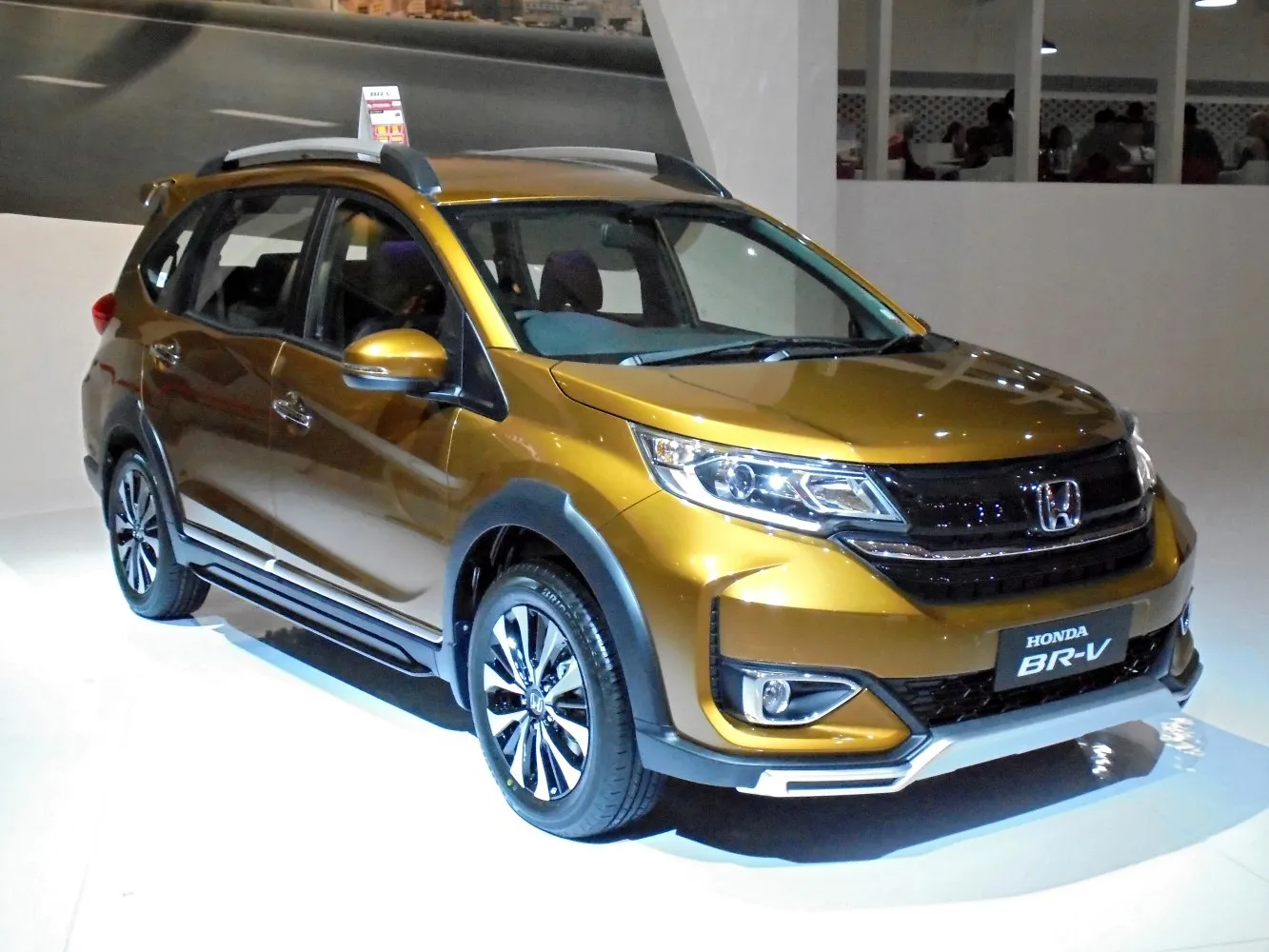
Honda BR-V I 1.5 (119 Hp) CVT
Overall Rating
Honda BR-V:
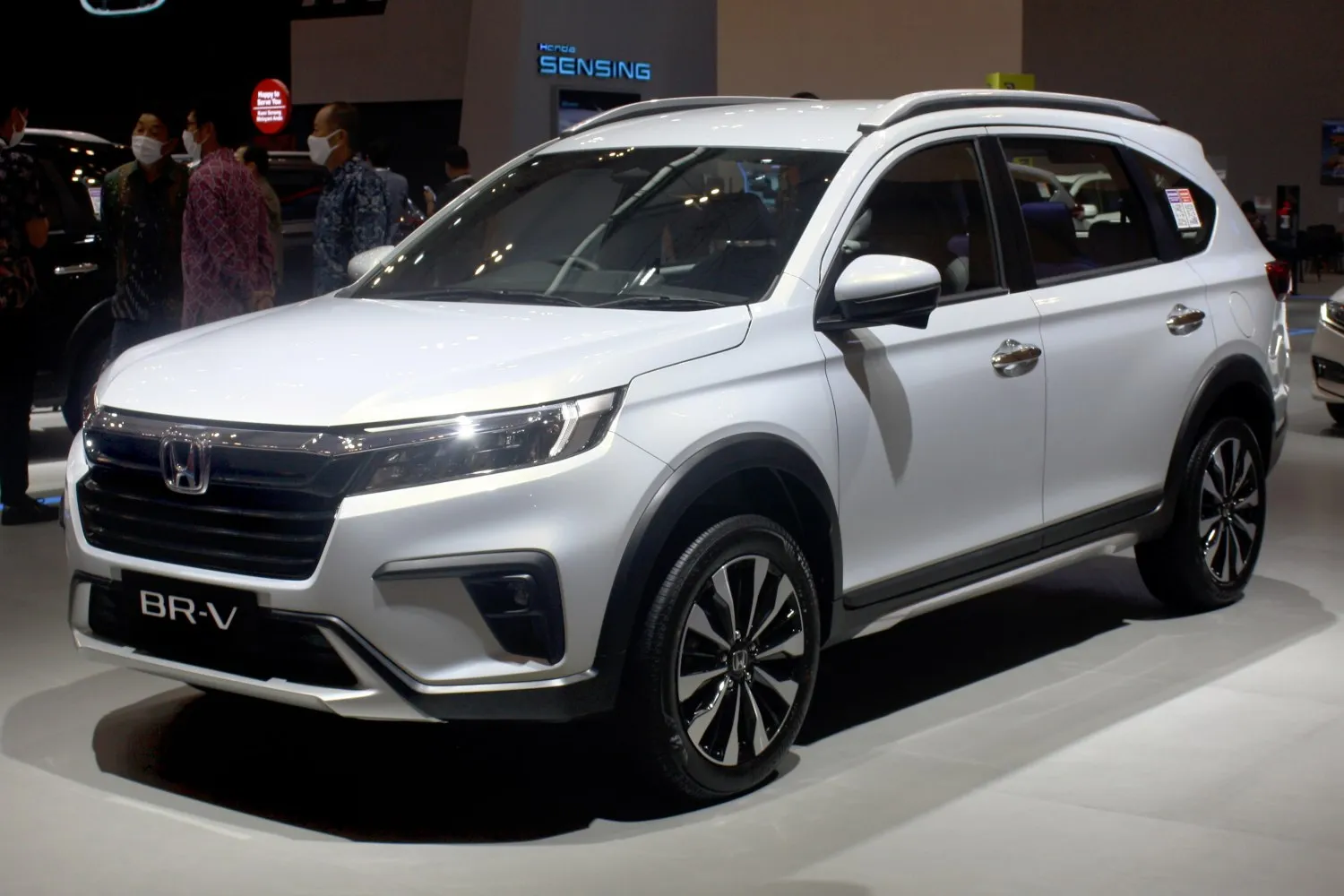
The Honda BR-V is a subcompact crossover SUV manufactured by Honda since 2016 and mainly sold for emerging markets. While being dimensionally bigger, the BR-V is positioned below the more advanced international market HR-V. The first-generation model shares its platform with the second-generation Mobilio, which itself based on the lengthened Brio platform. The second-generation model is built on a separate platform from the Mobilio....(Read more on Wikipedia)
I Overview:
Honda BR-V (I). With 145 Nm of torque, it offers ample pulling power. Weighing only 1217 kg, it’s quite light. Front‑wheel drive delivers efficiency and easy handling. A sport utility vehicle offering higher ground clearance and versatile cargo space. With seating for 7, it’s perfect for larger families.
The Honda BR-V I was not tested by Euro NCAP. However, it achieved a 5-star rating in ASEAN NCAP tests, indicating strong adult occupant protection for its target markets.
1.5 (119 Hp) CVT Verdict:

Performance Verdict
Smooth power delivery with the CVT, suitable for urban driving, but can exhibit typical CVT drone under hard acceleration.
Fuel Economy
Slightly improved fuel economy over the manual, making it a more efficient choice for stop-and-go traffic.
Pros and Cons:
Pros:
- • Spacious 7-seater interior, highly practical for families.
- • Excellent fuel economy, especially with the diesel variant.
- • Reliable Honda powertrain and build quality.
- • Good ground clearance for varied road conditions.
- • Competitive pricing in its segment.
Cons:
- • Performance can feel strained when fully loaded, particularly with the petrol engines.
- • Basic interior materials compared to some rivals.
- • CVT can be noisy under hard acceleration.
- • Rear drum brakes are a cost-cutting measure.
- • Ride comfort can be firm on rougher roads.
Specifications:
| General: | |
|---|---|
| Brand: | Honda |
| Model: | BR-V |
| Generation: | I |
| Modification (Engine): | 1.5 (119 Hp) CVT |
| Start of production: | 2015 |
| End of production: | 2019 |
| Powertrain Architecture: | Internal Combustion engine |
| Body type: | SUV |
| Seats: | 7 |
| Doors: | 5 |
| Engine: | |
|---|---|
| Power: | 119 Hp @ 6600 rpm. |
| Power per litre: | 79.5 Hp/l |
| Torque: | 145 Nm @ 4600 rpm. |
| Engine Model/Code: | L15Z1 |
| Engine displacement: | 1497 |
| Number of cylinders: | 4 |
| Engine configuration: | Inline |
| Number of valves per cylinder: | 4 |
| Fuel injection system: | Multi-port manifold injection |
| Engine aspiration: | Naturally aspirated engine |
| Valvetrain: | SOHC, i-VTEC |
| Engine oil capacity: | 3.6 l |
| Coolant: | 3.9 l |
| Engine layout: | Front, Transverse |
| Performance: | |
|---|---|
| Fuel Type: | Petrol (Gasoline) |
| Fuel consumption (economy) - combined: | 6.25 l/100 km |
| Weight-to-power ratio: | 10.1 kg/Hp, 99.2 Hp/tonne |
| Weight-to-torque ratio: | 8.3 kg/Nm, 120.9 Nm/tonne |
| Space: | |
|---|---|
| Kerb Weight: | 1199-1235 |
| Fuel tank capacity: | 42 l |
| Size: | |
|---|---|
| Length: | 4453 mm |
| Width: | 1735 mm |
| Height: | 1666 mm |
| Wheelbase: | 2662 mm |
| Minimum turning circle (turning diameter): | 10.6 m |
| Powertrain: | |
|---|---|
| Drivetrain Architecture | The Internal combustion engine (ICE) drives the front wheels of the vehicle. |
| Drive wheel | Front wheel drive |
| Transmission type | Automatic |
| Gearbox type | CVT |
| Front brakes | Disc |
| Rear brakes | Drum |
| Assisting systems | ABS (Anti-lock braking system) |
| Steering type | Steering rack and pinion |
| Power steering | Electric Steering |
| Tires size | 195/60 R16 |
| Wheel rims size | 16 |
| Front suspension | Independent type McPherson |
| Rear suspension | Torsion |







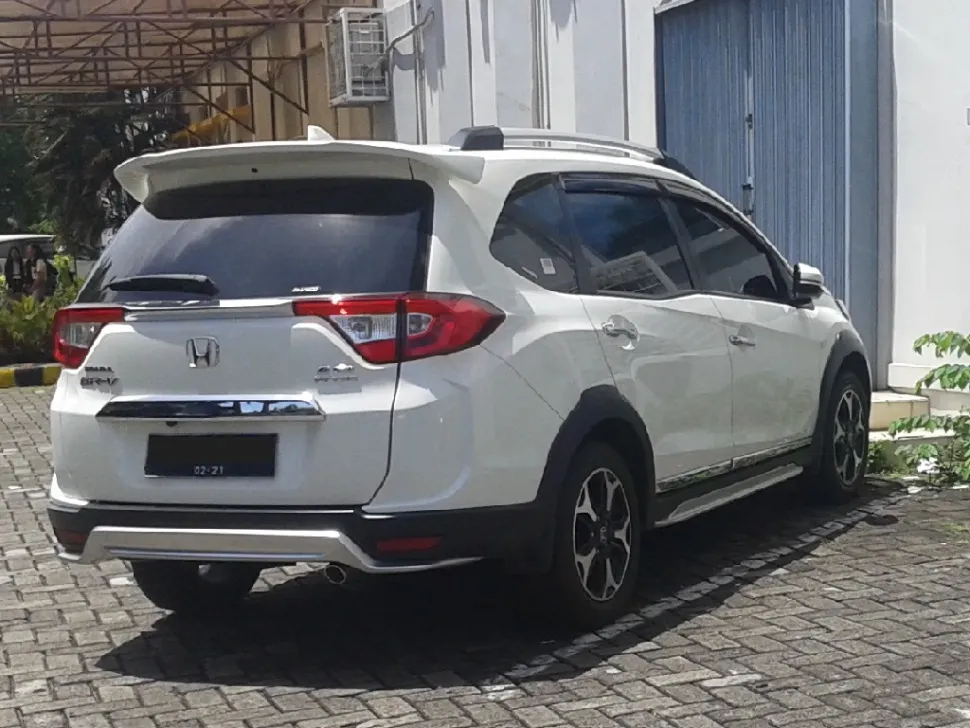
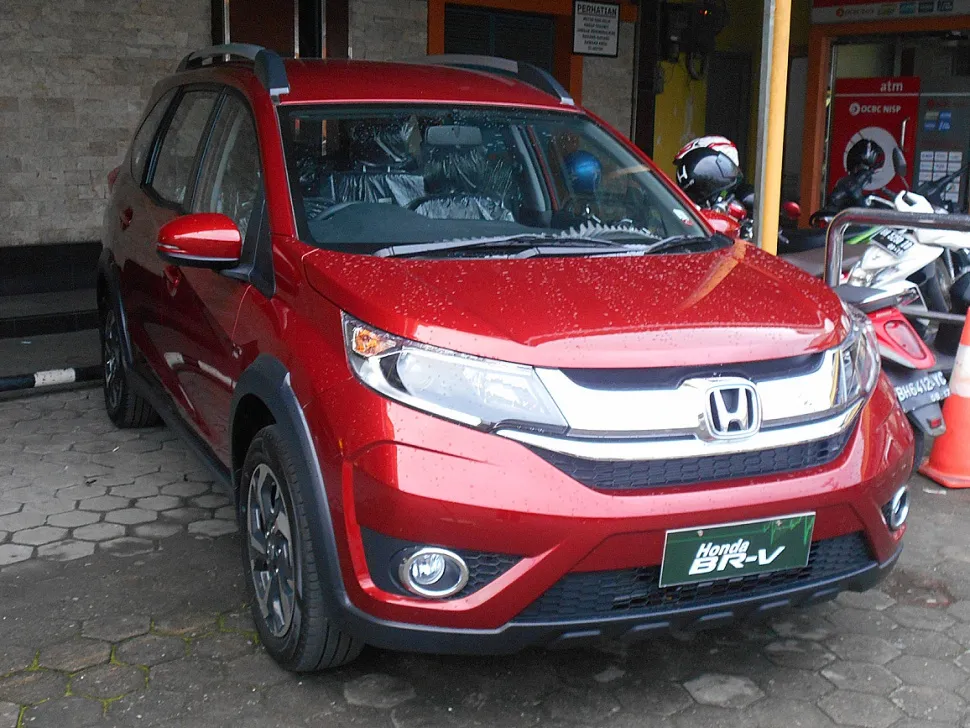
Behind the wheel of the Honda BR-V. How does it handle on the road?