Click on image to view the full photo gallery
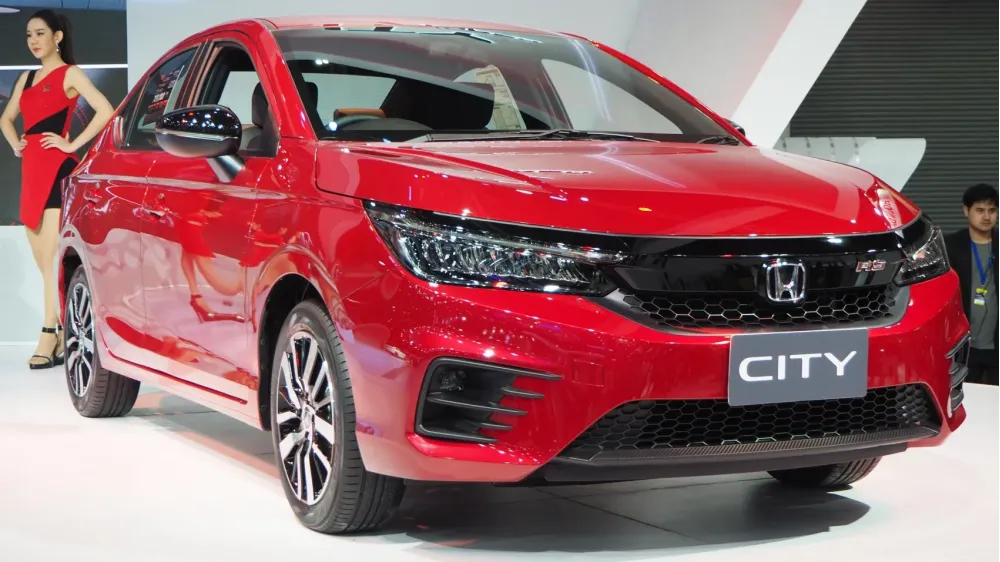
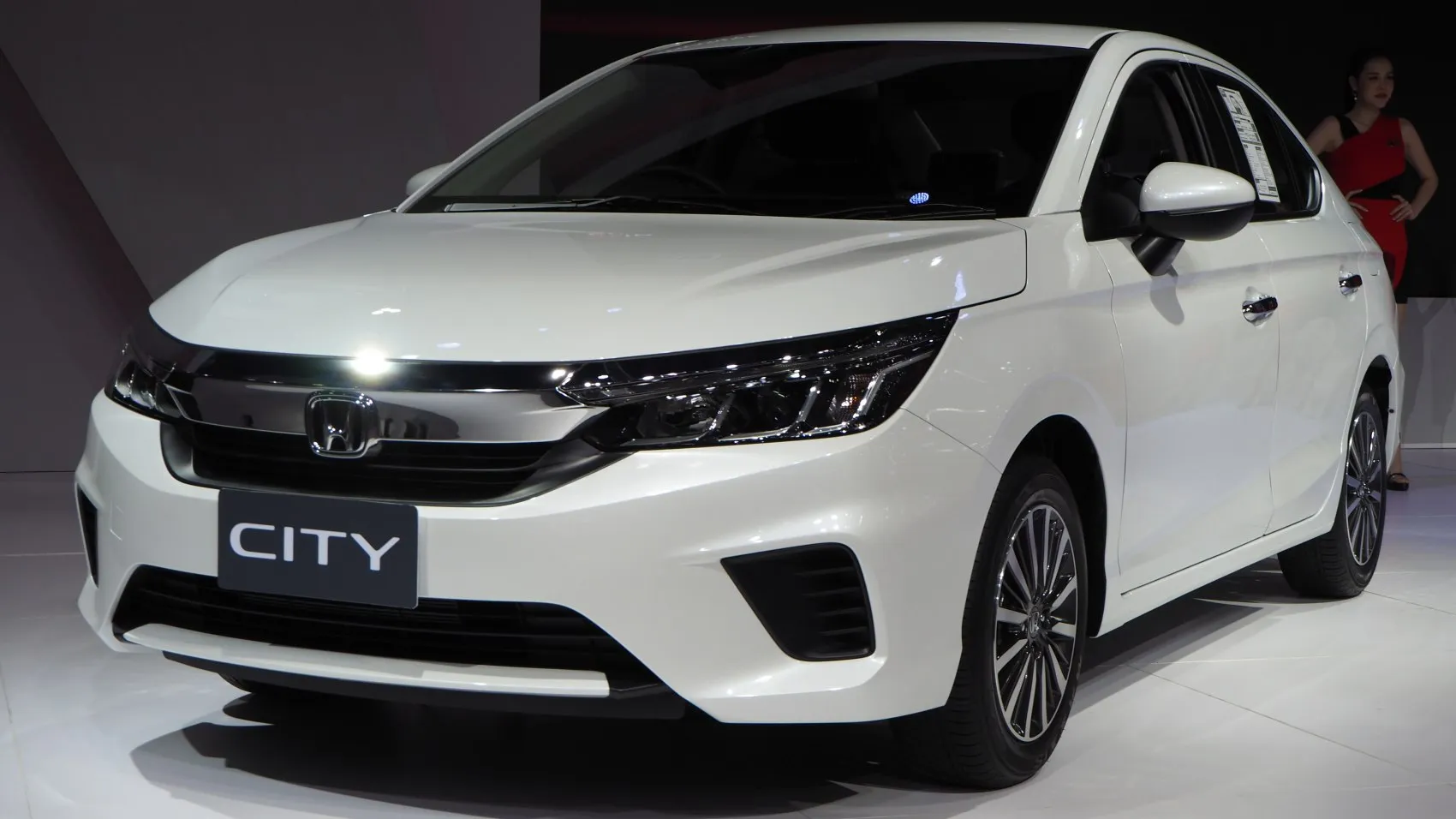
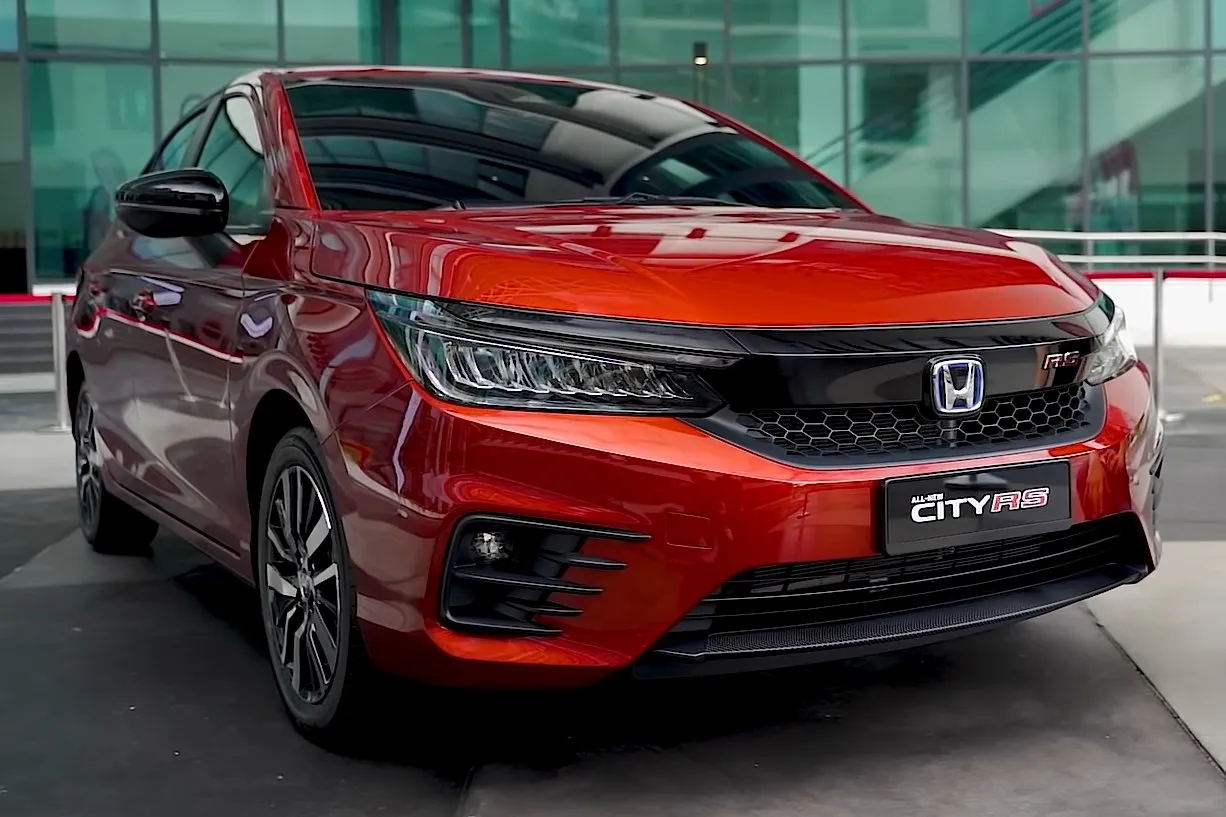
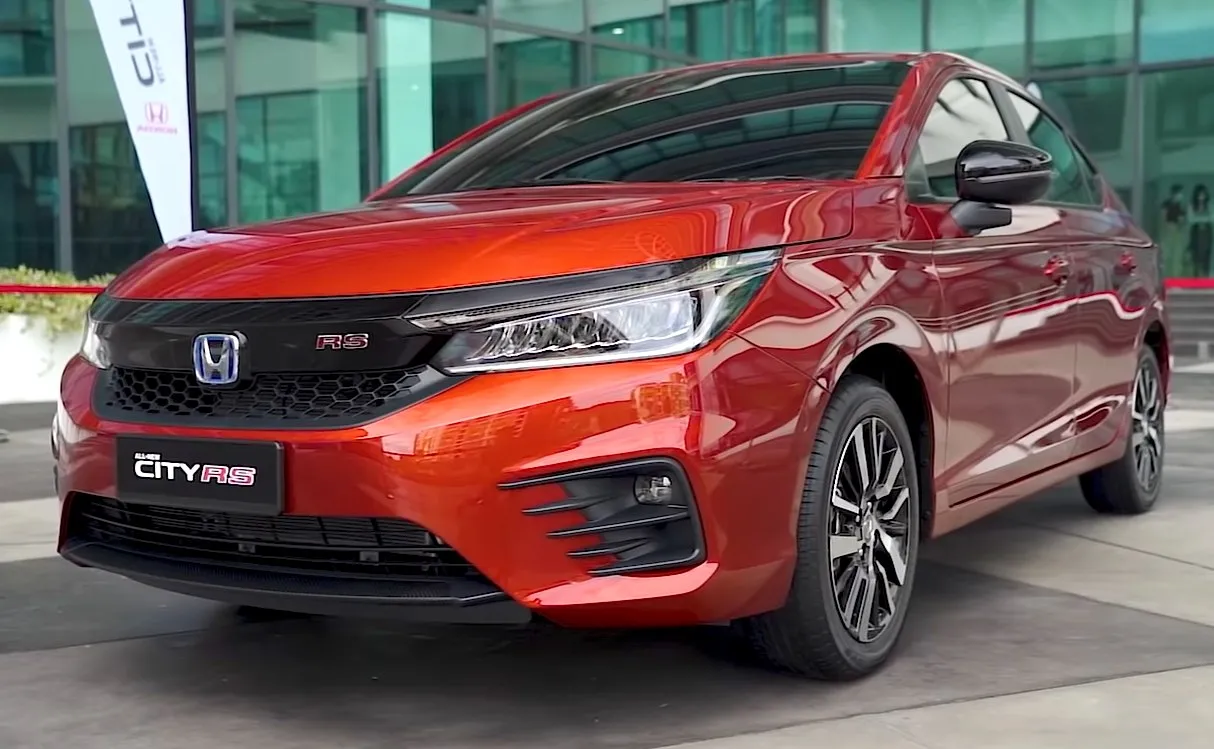
Honda City VII 1.0 Turbo (122 Hp) CVT
Overall Rating
Honda City:
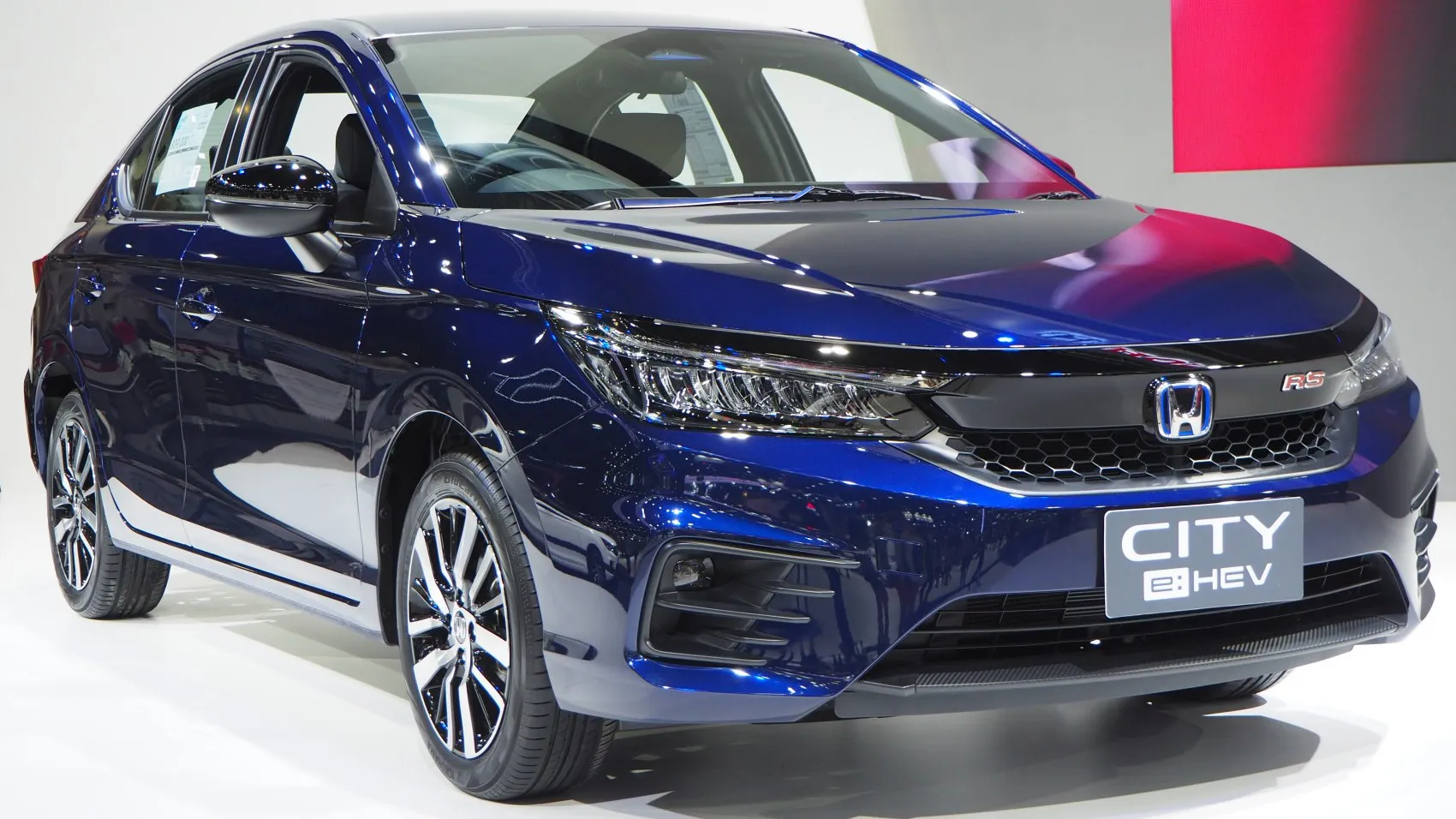
The Honda City is a subcompact car which has been produced by the Japanese manufacturer Honda since 1981.
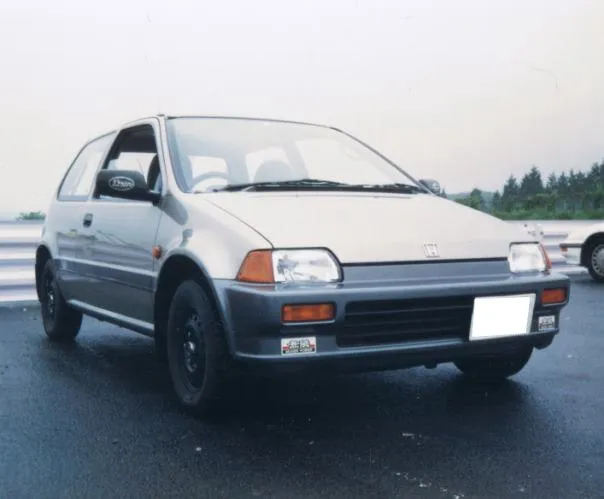
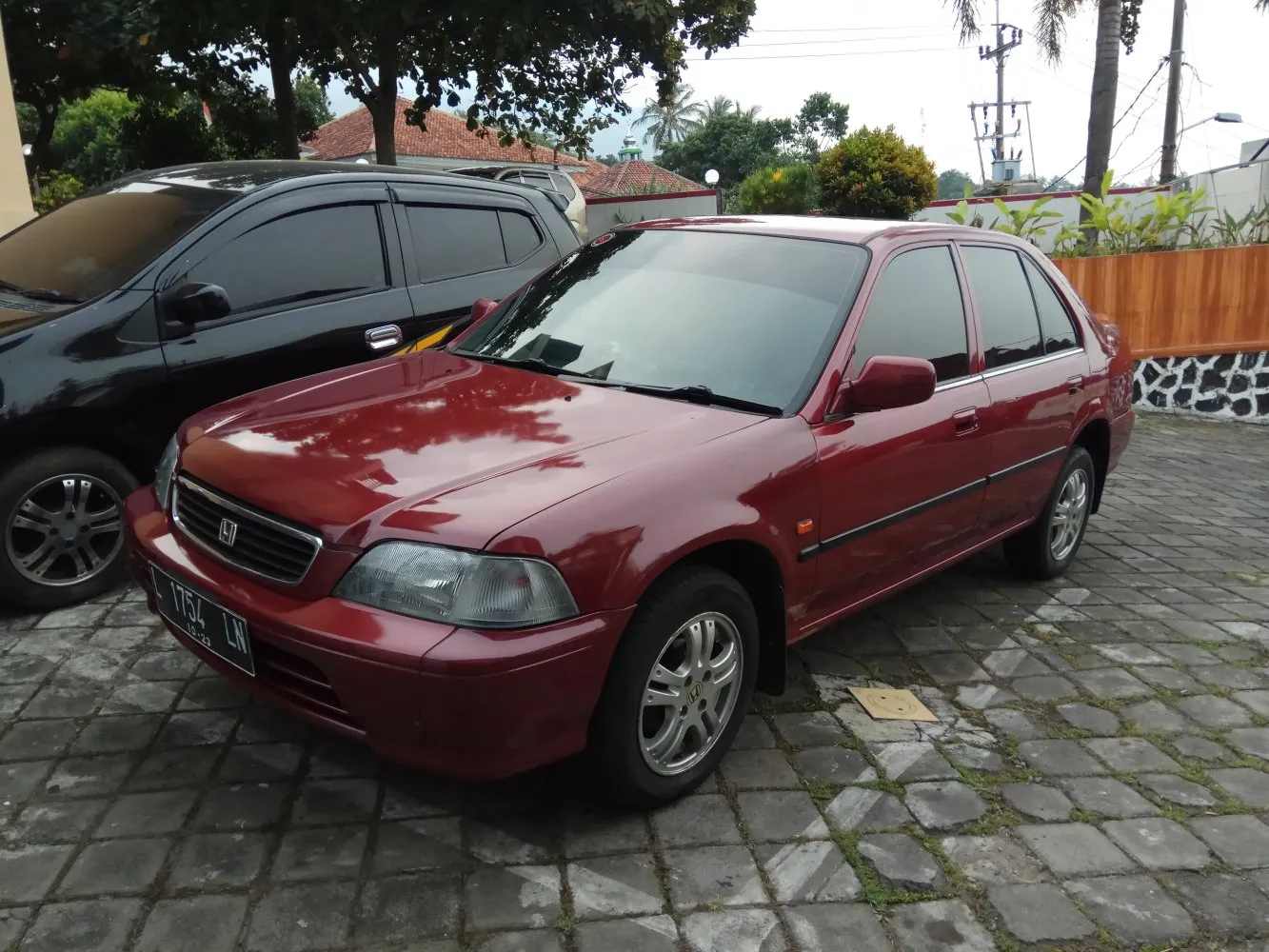
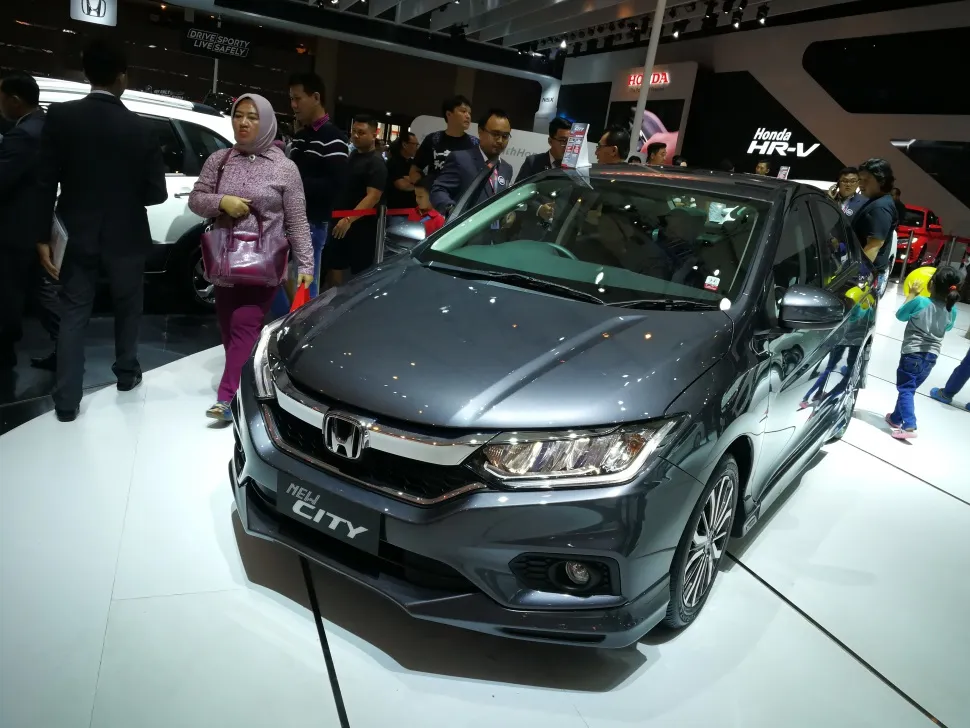
The City was originally a three-door hatchback for the Japanese, European, and Australasian markets. The three-door City was retired in 1994 after the second-generation and replaced by the Logo. The nameplate was revived in 1996 for use on a series of subcompact four-door sedans aimed primarily at developing markets, first mainly sold in Asia but later also in Latin America and Australia. Since then, it has been a subcompact sedan built on Honda's Global Small Car platform, which is shared with the Fit/Jazz , the Airwave/Partner, and the first-generation Mobilio — all of which share the location of the fuel tank under the front seats rather than rear seats. The seventh-generation model launched in 2019 features a significant size growth, offering an exterior dimension on par with the ninth-generation Civic sedan. This generation also marks the introduction of the five-door hatchback model starting from 2020....(Read more on Wikipedia)
VII Overview:
Honda City (VII). With 173 Nm of torque, it offers ample pulling power. Weighing only 1157 kg, it’s quite light. Front‑wheel drive delivers efficiency and easy handling. A four-door car with a separate trunk, ideal for families and daily commuting. Seating for 5 makes it ideal for daily use.
The Honda City VII has not been tested by Euro NCAP. However, it achieved a 5-star rating in ASEAN NCAP tests, indicating strong safety performance in its primary markets.
1.0 Turbo (122 Hp) CVT Verdict:

Performance Verdict
A surprisingly peppy 1.0L turbocharged 3-cylinder engine, offering decent acceleration for city driving and adequate highway performance. The CVT, while smooth, can sometimes dull immediate responsiveness.
Fuel Economy
Expected to deliver good fuel efficiency for a petrol engine, benefiting from its small displacement and turbocharging, making it a cost-effective choice for daily commutes.
Pros and Cons:
Pros:
- • Excellent fuel efficiency, especially with the e:HEV hybrid powertrain.
- • Spacious and well-designed interior for its class.
- • Reputation for Honda reliability and low maintenance.
- • Modern styling and feature-rich trims.
Cons:
- • CVT transmission can sometimes feel unengaging during spirited driving.
- • The 1.0L turbo engine might feel strained on long highway inclines for some.
- • Ride quality can be firm over rougher surfaces.
- • No Euro NCAP rating (though ASEAN NCAP is strong).
Specifications:
Specifications are compared to those of the previous generation(VI (facelift 2017): 2017 - 2019).
| General: | |
|---|---|
| Brand: | Honda |
| Model: | City |
| Generation: | VII |
| Modification (Engine): | 1.0 Turbo (122 Hp) CVT |
| Start of production: | 2019 |
| Powertrain Architecture: | Internal Combustion engine |
| Body type: | Sedan |
| Seats: | 5 |
| Doors: | 4 |
| Engine: | |
|---|---|
| Power: | 122 Hp @ 5500 rpm. |
| Power per litre: | 123.5 Hp/l |
| Torque: | 173 Nm @ 2000-4500 rpm. |
| Engine displacement: | 988 |
| Number of cylinders: | 3 |
| Engine configuration: | Inline |
| Number of valves per cylinder: | 4 |
| Fuel injection system: | Direct injection |
| Engine aspiration: | Turbocharger, Intercooler |
| Valvetrain: | DOHC |
| Engine layout: | Front, Transverse |
| Cylinder Bore: | 73 mm |
| Piston Stroke: | 78.7 mm |
| Compression ratio: | 10:1 |
| Performance: | |
|---|---|
| Fuel Type: | Petrol (Gasoline) |
| Weight-to-power ratio: | 9.4 kg/Hp, 106.1 Hp/tonne |
| Weight-to-torque ratio: | 6.6 kg/Nm, 150.4 Nm/tonne |
| Space: | |
|---|---|
| Kerb Weight: | 1150-1165 |
| Fuel tank capacity: | 40 l |
| Size: | |
|---|---|
| Length: | 4553 mm [113mm more] |
| Width: | 1748 mm [53mm more] |
| Height: | 1467 mm [28mm less] |
| Wheelbase: | 2589 mm [11mm less] |
| Front track: | 1497 mm |
| Rear (Back) track: | 1483 mm |
| Ride height (ground clearance): | 135 mm |
| Minimum turning circle (turning diameter): | 10 m [above average] |
| Powertrain: | |
|---|---|
| Drivetrain Architecture | The Internal combustion engine (ICE) drives the front wheels of the vehicle. |
| Drive wheel | Front wheel drive |
| Transmission type | Automatic |
| Gearbox type | CVT |
| Front brakes | Ventilated discs [Best for performance and cooling.] |
| Rear brakes | Drum [bad for performance and cooling.] |
| Assisting systems | ABS (Anti-lock braking system) |
| Tires size | 185/60 R15; 185/55 R16 |
| Wheel rims size | 6J x 15; 6J x 16 |
| Front suspension | Independent, type McPherson with coil spring and anti-roll bar |
| Rear suspension | Torsion |






The hidden gems or the annoying flaws? Expose the truth about the Honda City!