
Click on image to view the full photo gallery
Hyundai Elantra GT 2.0 (163 Hp)
Overall Rating
Hyundai Elantra:
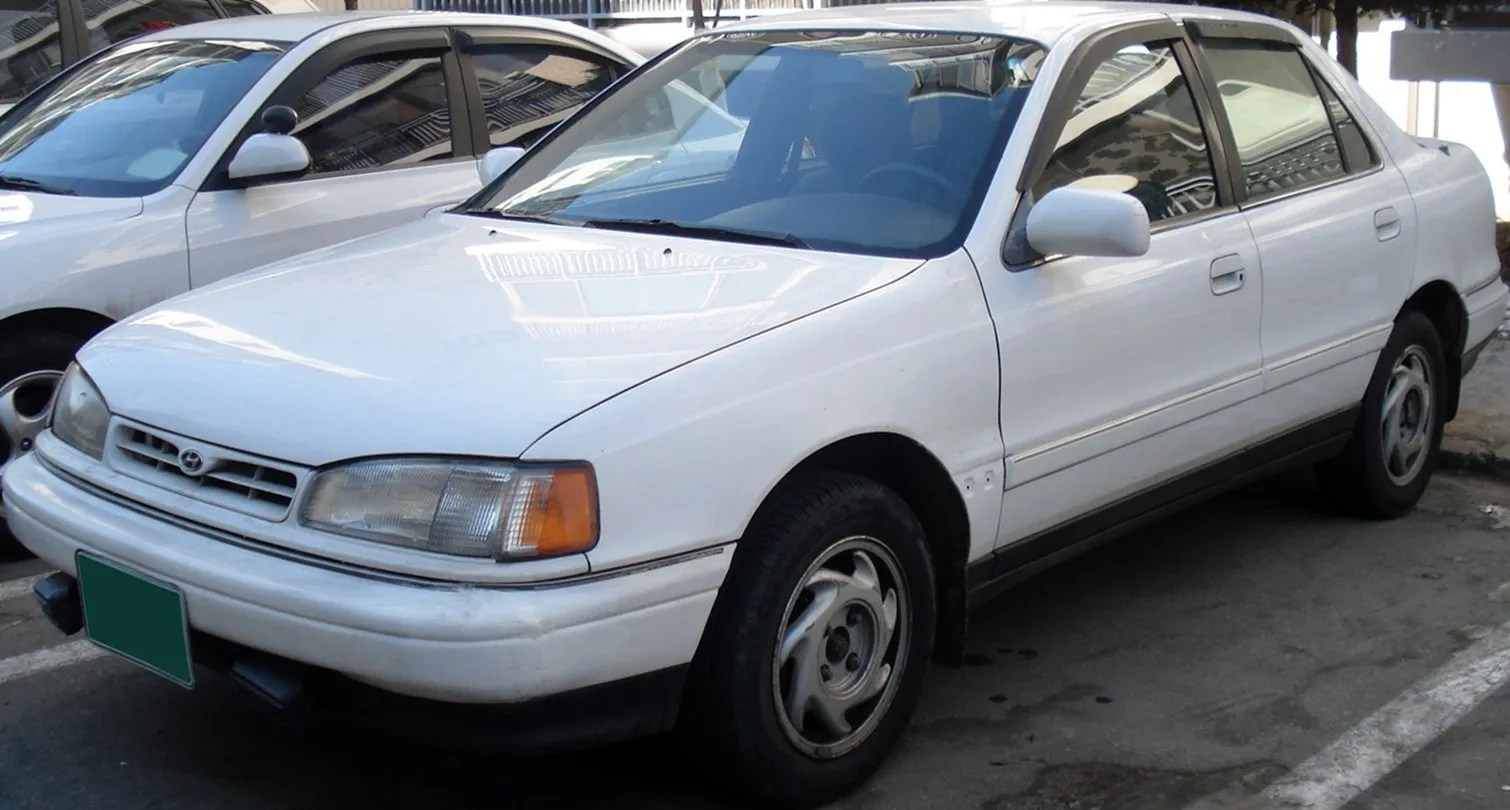
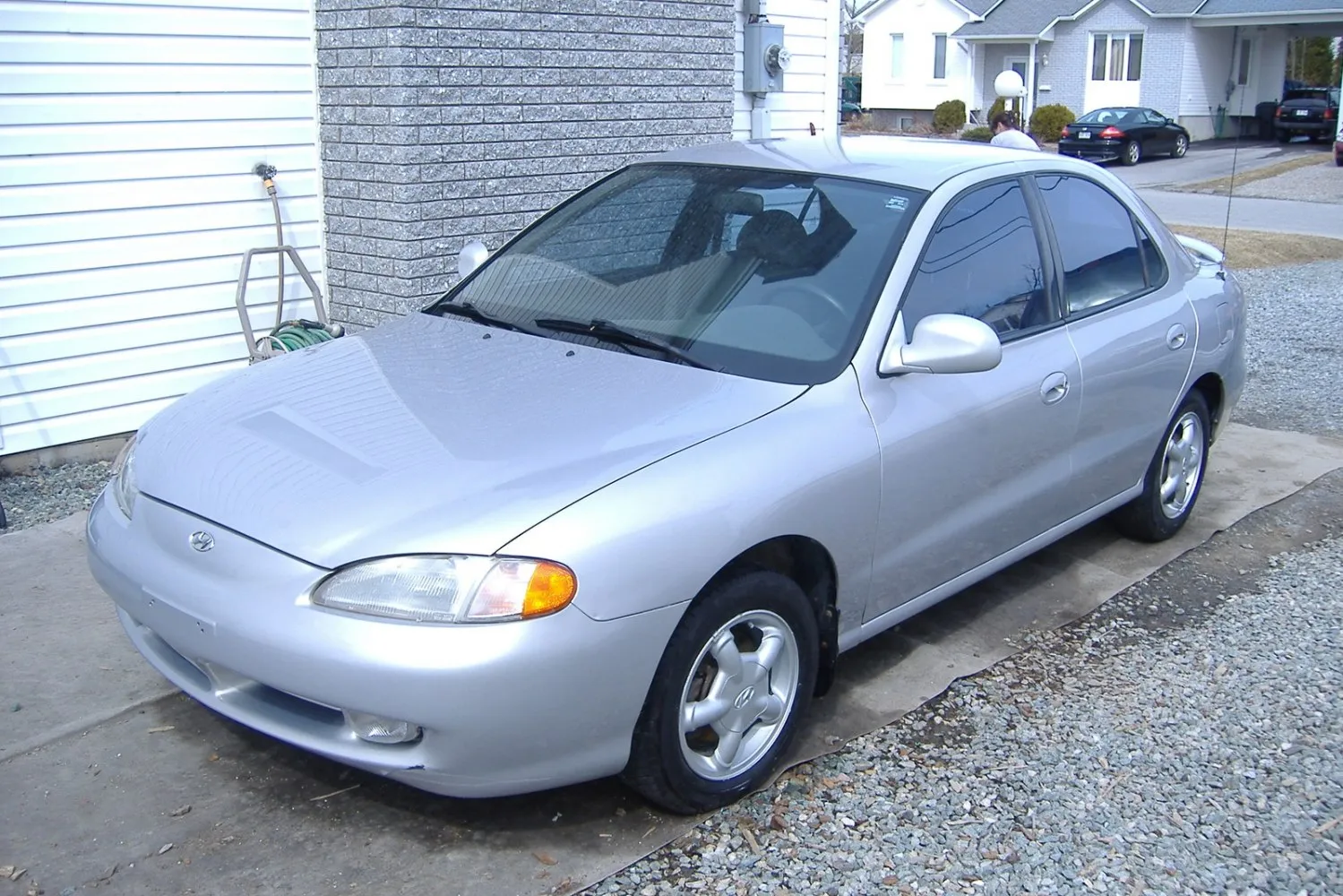
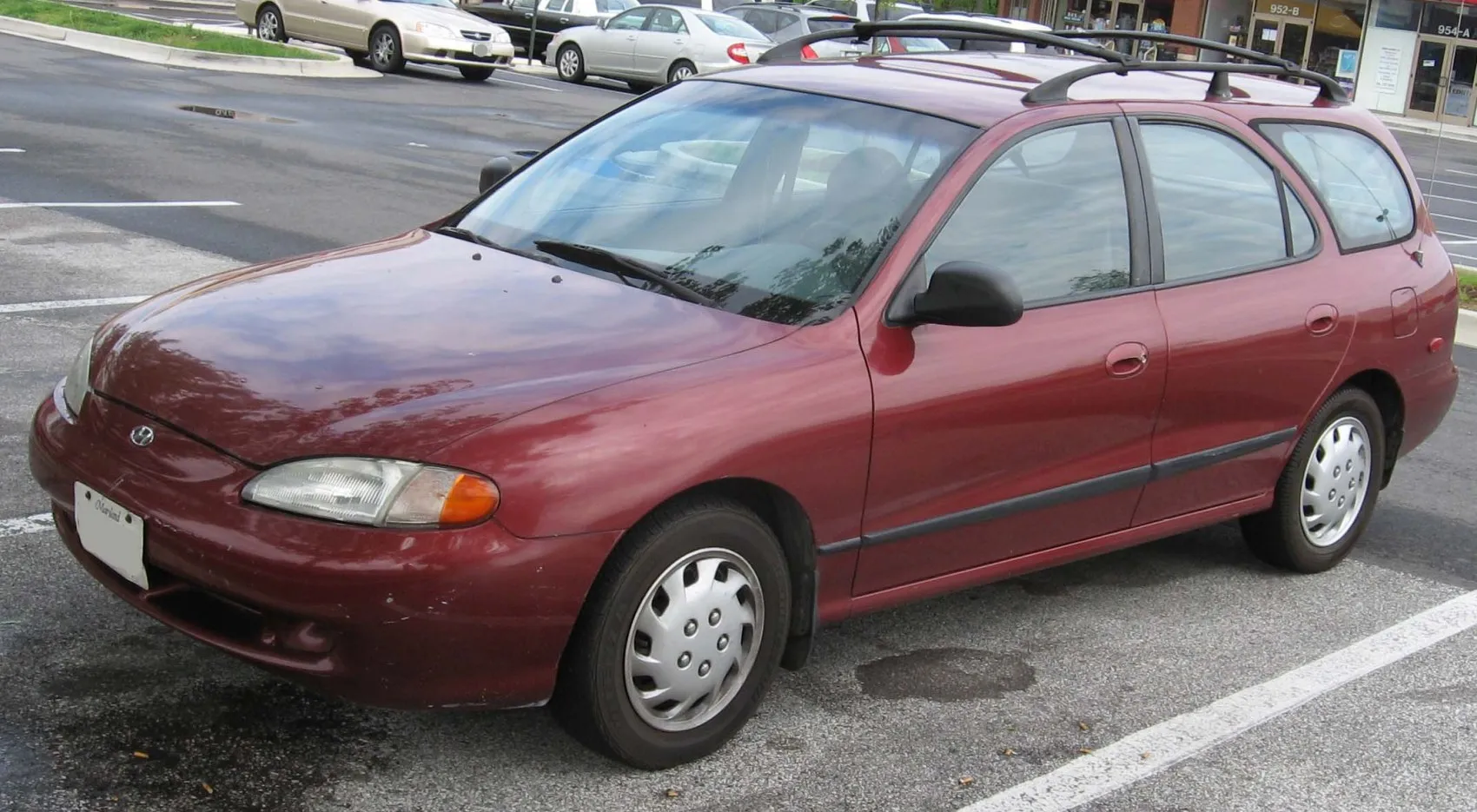
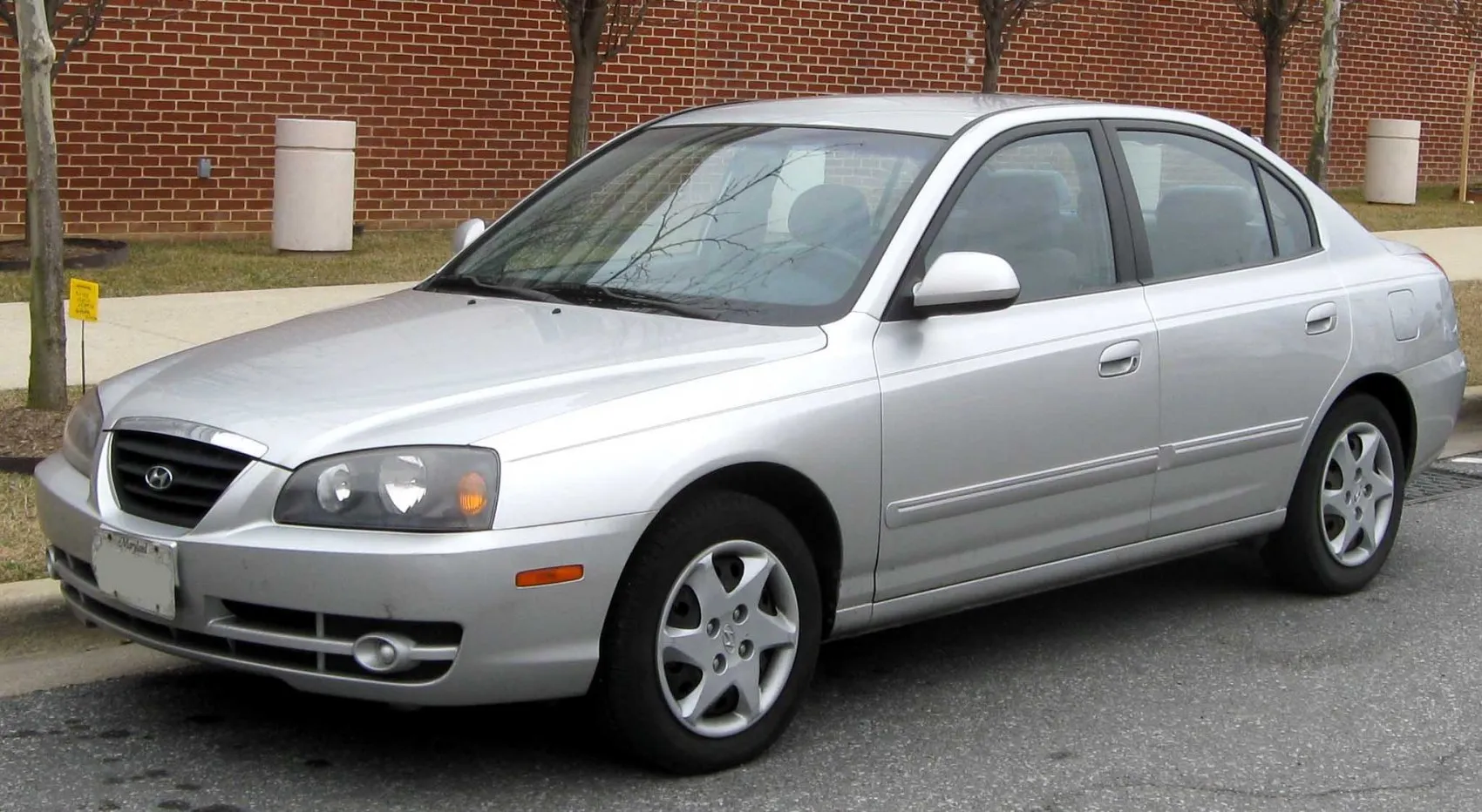
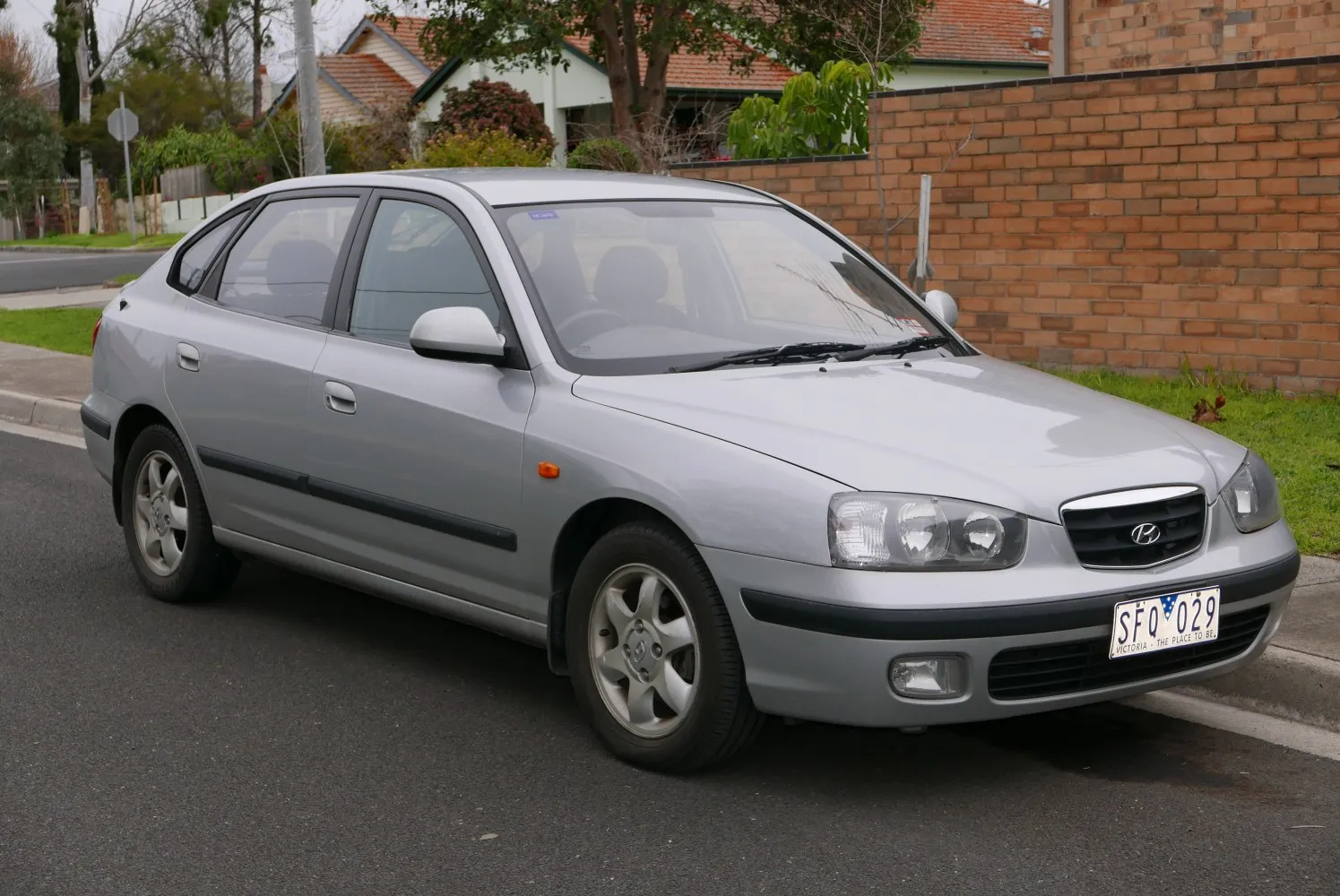
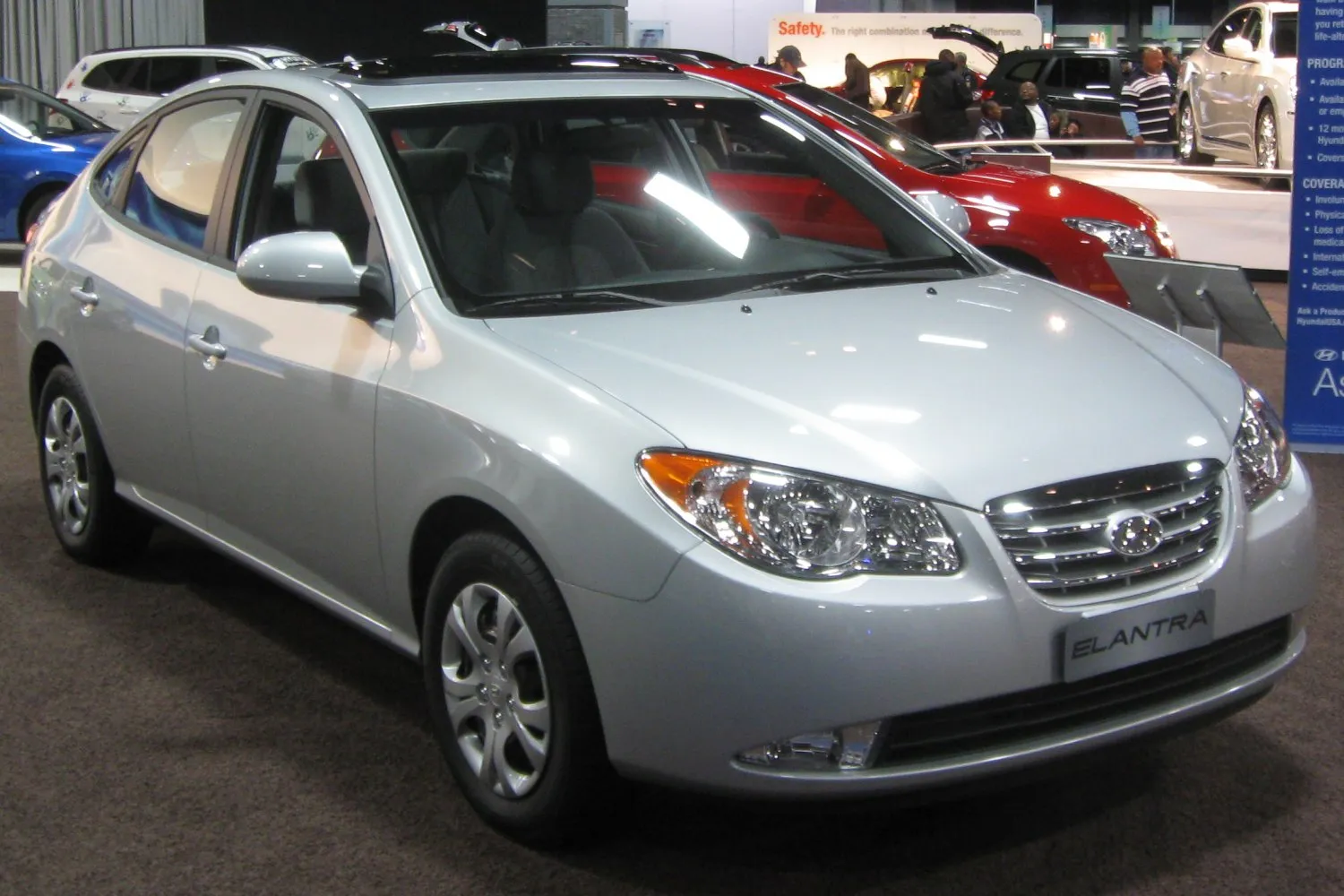
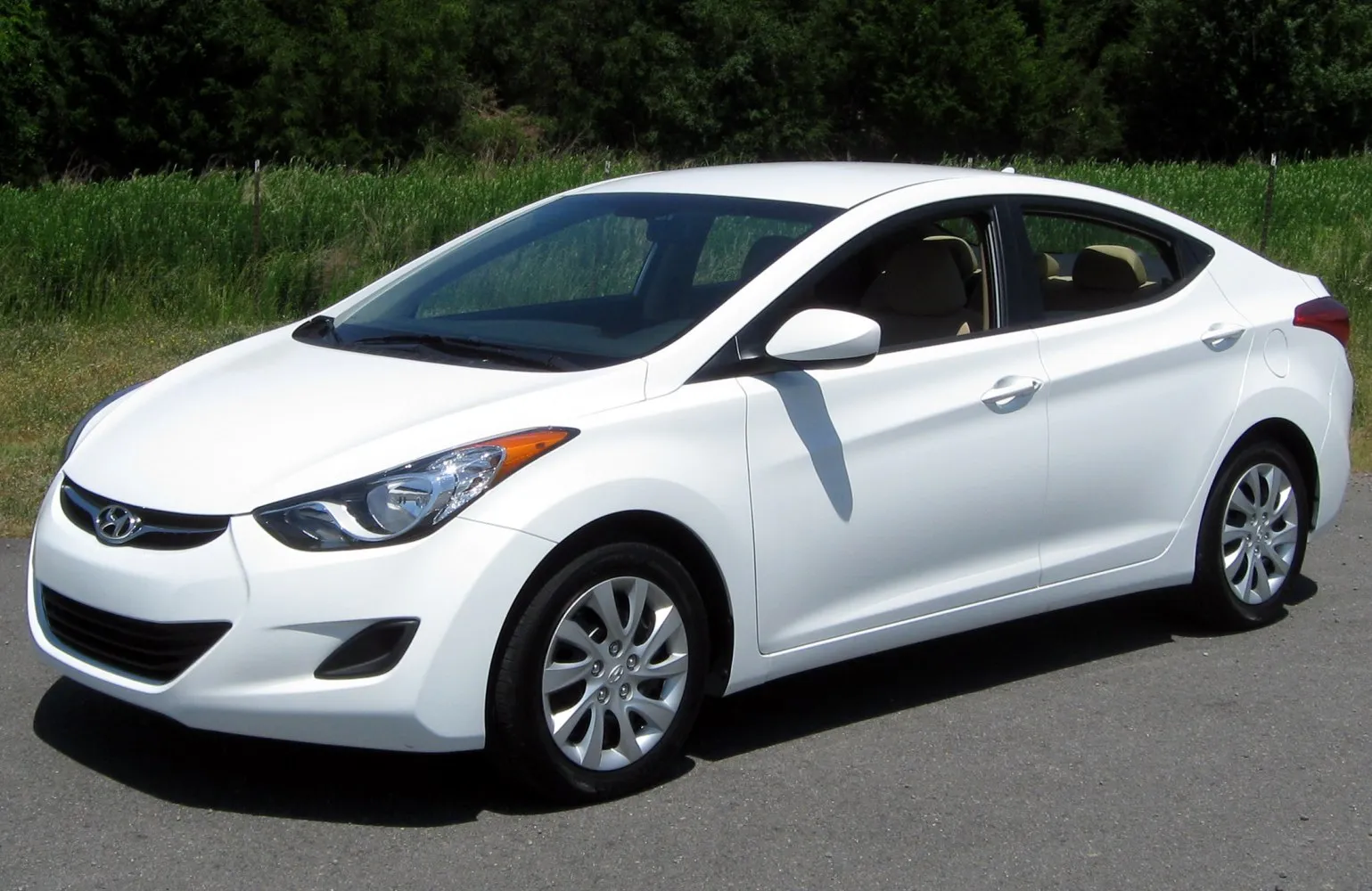
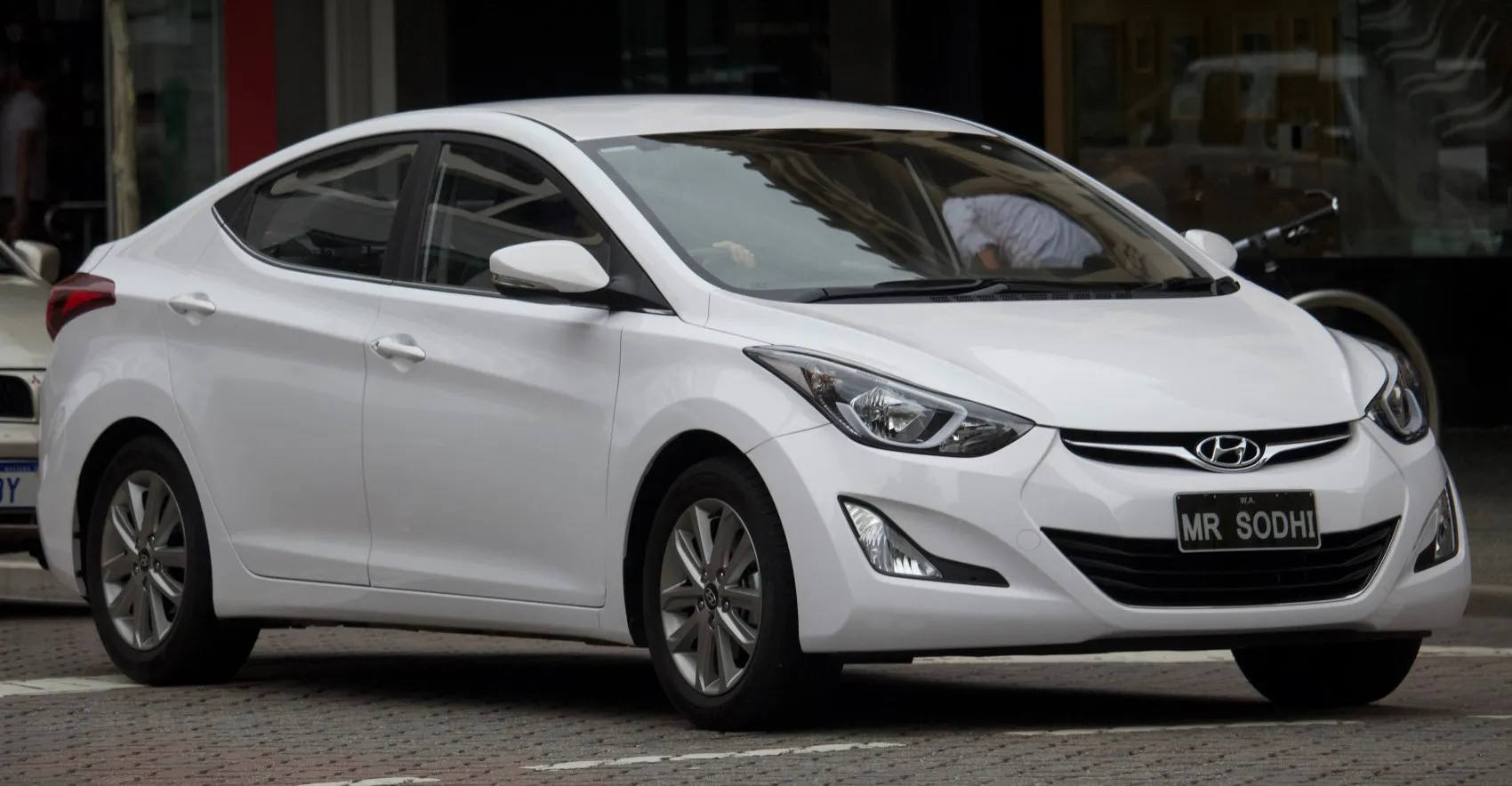
The Hyundai Elantra , also known as the Hyundai Avante , is a series of compact cars produced by the South Korean manufacturer Hyundai since 1990.
In South Korea, the first-generation model was initially sold under the "Elantra" nameplate, but starting from the second-generation, Korean models were sold under the "Avante" nameplate, with the "Elantra" name continue to be used on export models. The "Avante" name is not used in most export markets due to its similarity with Audi's "Avant" designation, used for their station wagon models. As of 2018, Singapore is the only export market outside South Korea to utilize the "Avante" name....(Read more on Wikipedia)
GT Overview:
Hyundai Elantra (GT). With 203 Nm of torque, it offers ample pulling power. It has moderate fuel consumption (~10.2 l/100km). With a weight of 1316 kg, it falls in the mid‑range. Front‑wheel drive delivers efficiency and easy handling. A compact car with a rear door that swings upward to provide access to the cargo area. Seating for 5 makes it ideal for daily use.
The Hyundai Elantra GT (known as i30 in Europe) achieved a commendable 5-star Euro NCAP rating in 2017, demonstrating strong adult occupant protection and a good suite of safety assist systems.
2.0 (163 Hp) Verdict:

Performance Verdict
The 2.0L naturally aspirated engine provides adequate power for daily commuting and city driving, but can feel a bit strained during highway overtakes or spirited driving.
Fuel Economy
With a combined fuel consumption of 9 l/100 km, this engine offers decent economy for a naturally aspirated unit of its size, suitable for budget-conscious drivers.
Pros and Cons:
Pros:
- • Practical and spacious hatchback design
- • Available sporty N Line trim with strong performance
- • Good standard features for the price point
- • Competitive warranty coverage
- • Decent fuel economy across the lineup
Cons:
- • Base 2.0L engine can feel underpowered for spirited driving
- • Interior materials are not as premium as some rivals
- • N Line's firmer suspension might not appeal to all
- • Limited engine options compared to some competitors
Specifications:
Specifications are compared to those of the previous generation(VI (AD): 2016 - 2019).
| General: | |
|---|---|
| Brand: | Hyundai |
| Model: | Elantra |
| Generation: | GT |
| Modification (Engine): | 2.0 (163 Hp) |
| Start of production: | 2017 |
| End of production: | 2020 |
| Powertrain Architecture: | Internal Combustion engine |
| Body type: | Hatchback |
| Seats: | 5 |
| Doors: | 5 |
| Engine: | |
|---|---|
| Power: | 163 Hp @ 6200 rpm. Same horsepower |
| Power per litre: | 81.5 Hp/l [228mm less] |
| Torque: | 203 Nm @ 4700 rpm. |
| Engine displacement: | 1999 |
| Number of cylinders: | 4 |
| Engine configuration: | Inline |
| Number of valves per cylinder: | 4 |
| Fuel injection system: | Multi-port manifold injection |
| Engine aspiration: | Naturally aspirated engine |
| Valvetrain: | DOHC |
| Engine layout: | Front, Transverse |
| Cylinder Bore: | 81 mm mm |
| Piston Stroke: | 97 mm mm |
| Compression ratio: | 11.5:1 |
| Performance: | |
|---|---|
| Fuel Type: | Petrol (Gasoline) |
| Fuel consumption (economy) - urban: | 10.2 l/100 km |
| Fuel consumption (economy) - extra urban: | 7.6 l/100 km |
| Fuel consumption (economy) - combined: | 9 l/100 km |
| Weight-to-power ratio: | 8.1 kg/Hp, 123.9 Hp/tonne |
| Weight-to-torque ratio: | 6.5 kg/Nm, 154.3 Nm/tonne |
| Space: | |
|---|---|
| Kerb Weight: | 1316 |
| Trunk (boot) space - minimum: | 705 l |
| Fuel tank capacity: | 53 l |
| Size: | |
|---|---|
| Length: | 4341 mm mm [228mm less] |
| Width: | 1796 mm mm [5mm less] |
| Height: | 1466 mm mm [31mm more] |
| Wheelbase: | 2649 mm mm [51mm less] |
| Front track: | 1552 mm |
| Rear (Back) track: | 1562 mm |
| Ride height (ground clearance): | 150 mm |
| Powertrain: | |
|---|---|
| Drivetrain Architecture | The Internal combustion engine (ICE) drives the front wheels of the vehicle. |
| Drive wheel | Front wheel drive |
| Number of gears | 6 |
| Transmission type | Manual |
| Front brakes | Ventilated discs [Best for performance and cooling.] |
| Rear brakes | Disc |
| Assisting systems | ABS (Anti-lock braking system) |
| Steering type | Steering rack and pinion |
| Power steering | Electric Steering |
| Tires size | 225/45 R17 |
| Wheel rims size | 7J x 17 |
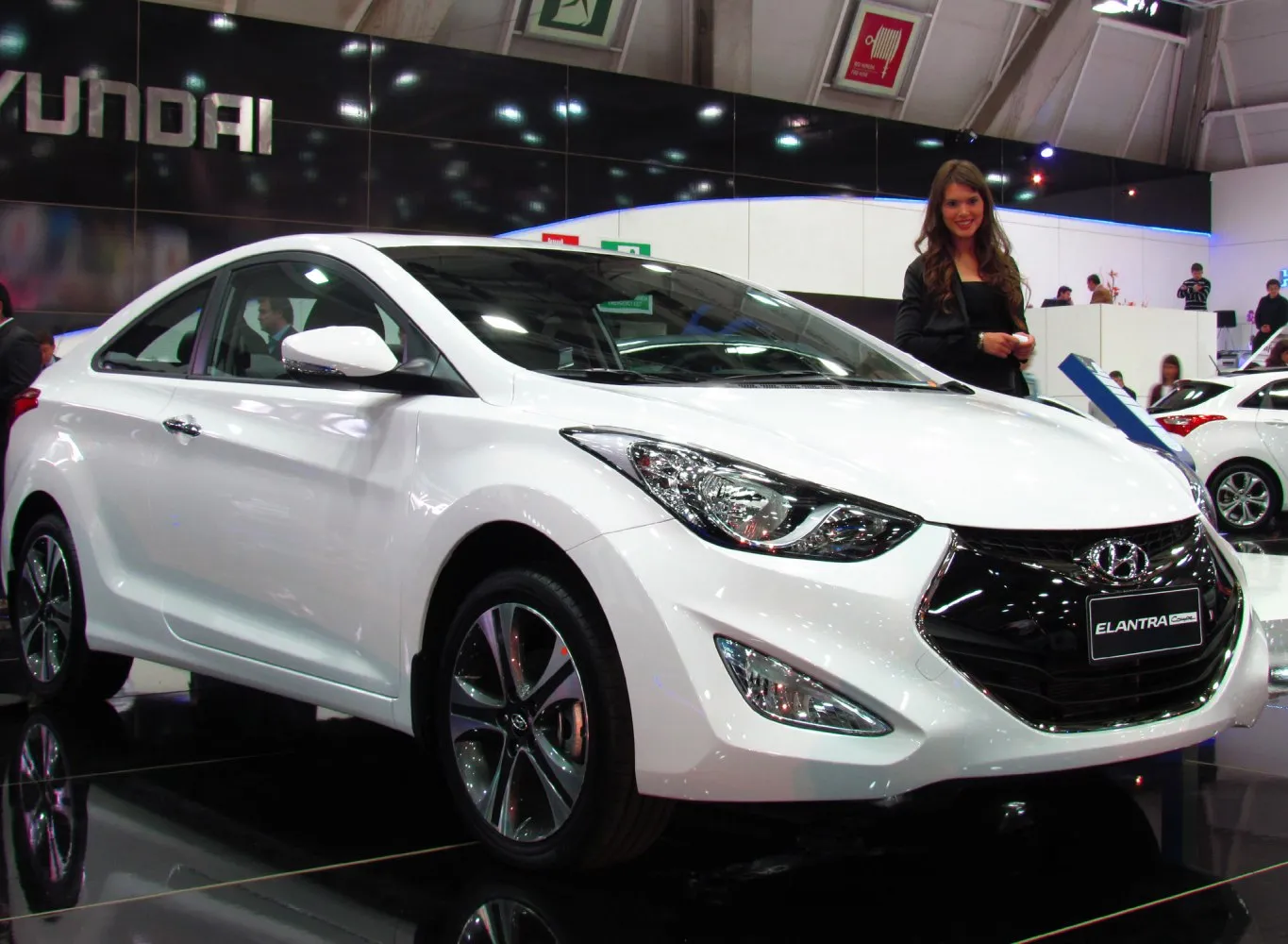


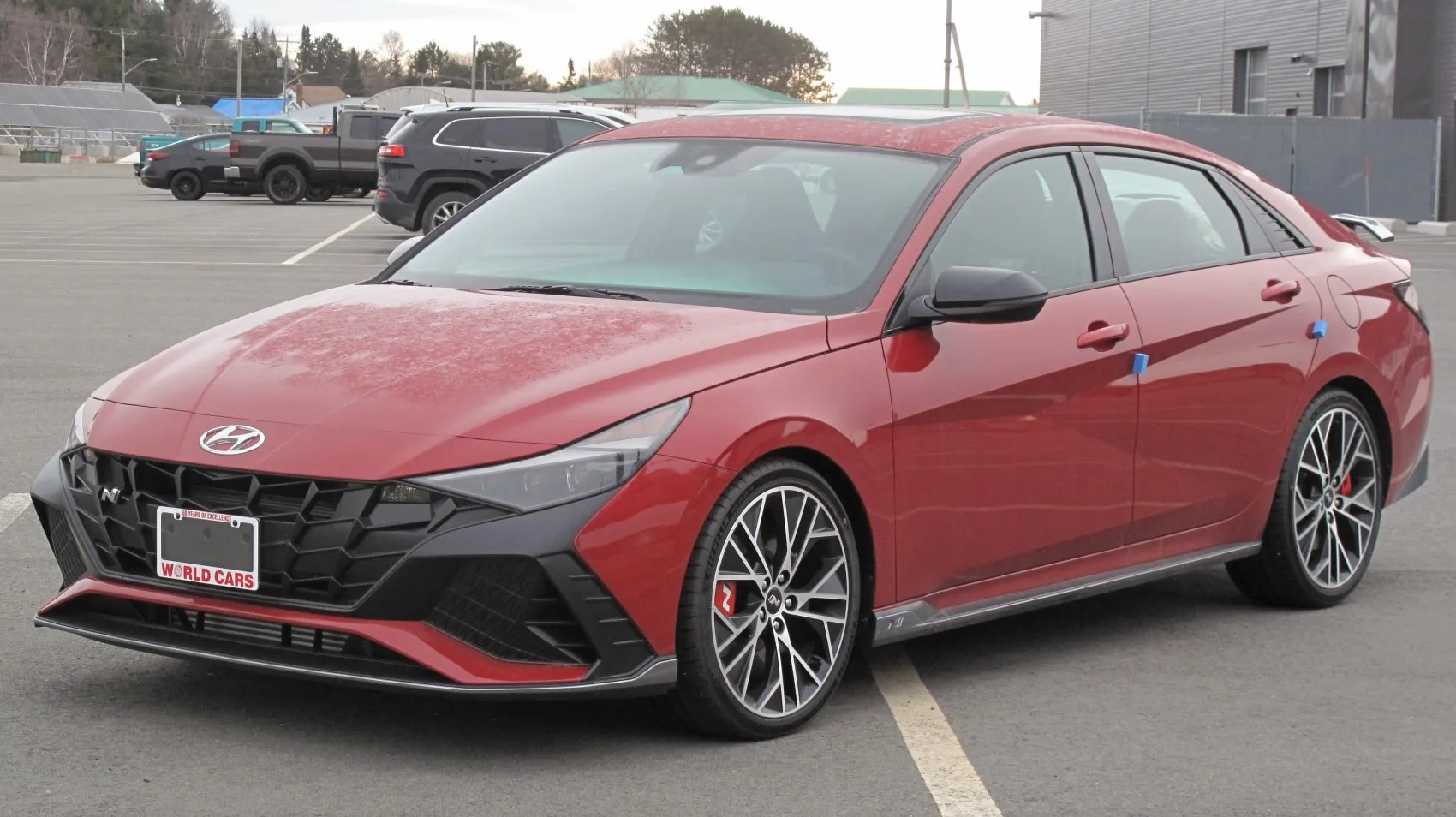
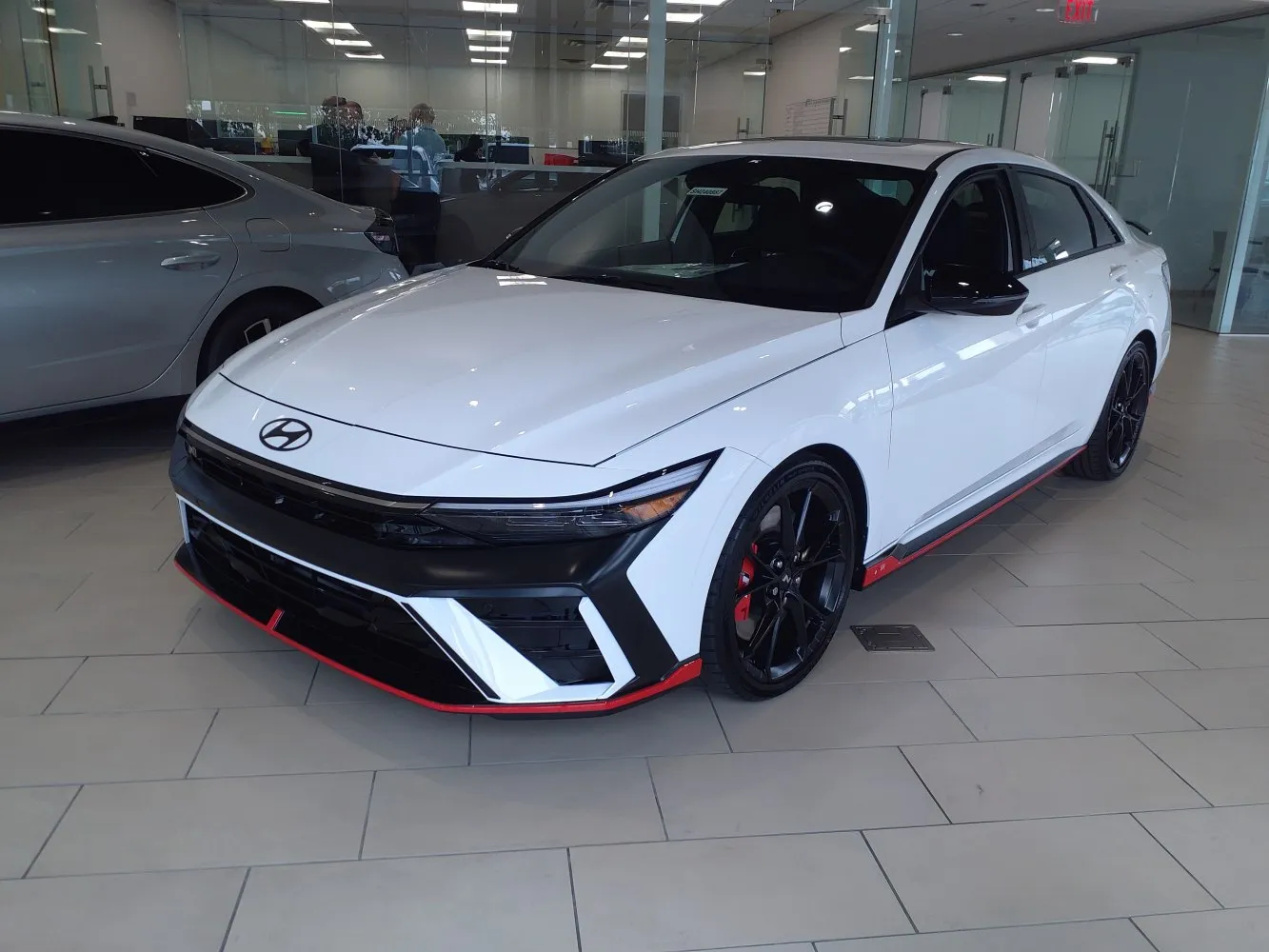


Behind the wheel of the Hyundai Elantra. How does it handle on the road?