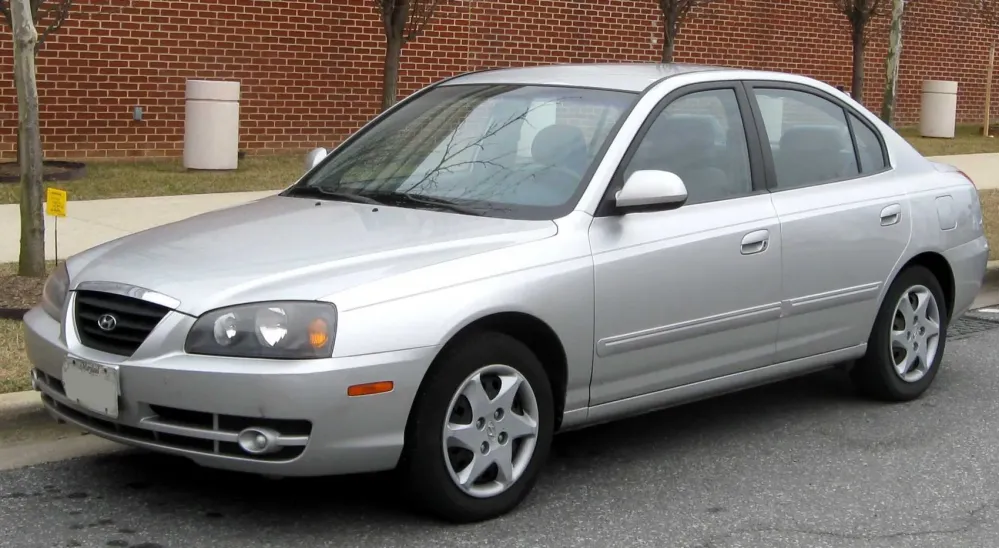
Click on image to view the full photo gallery
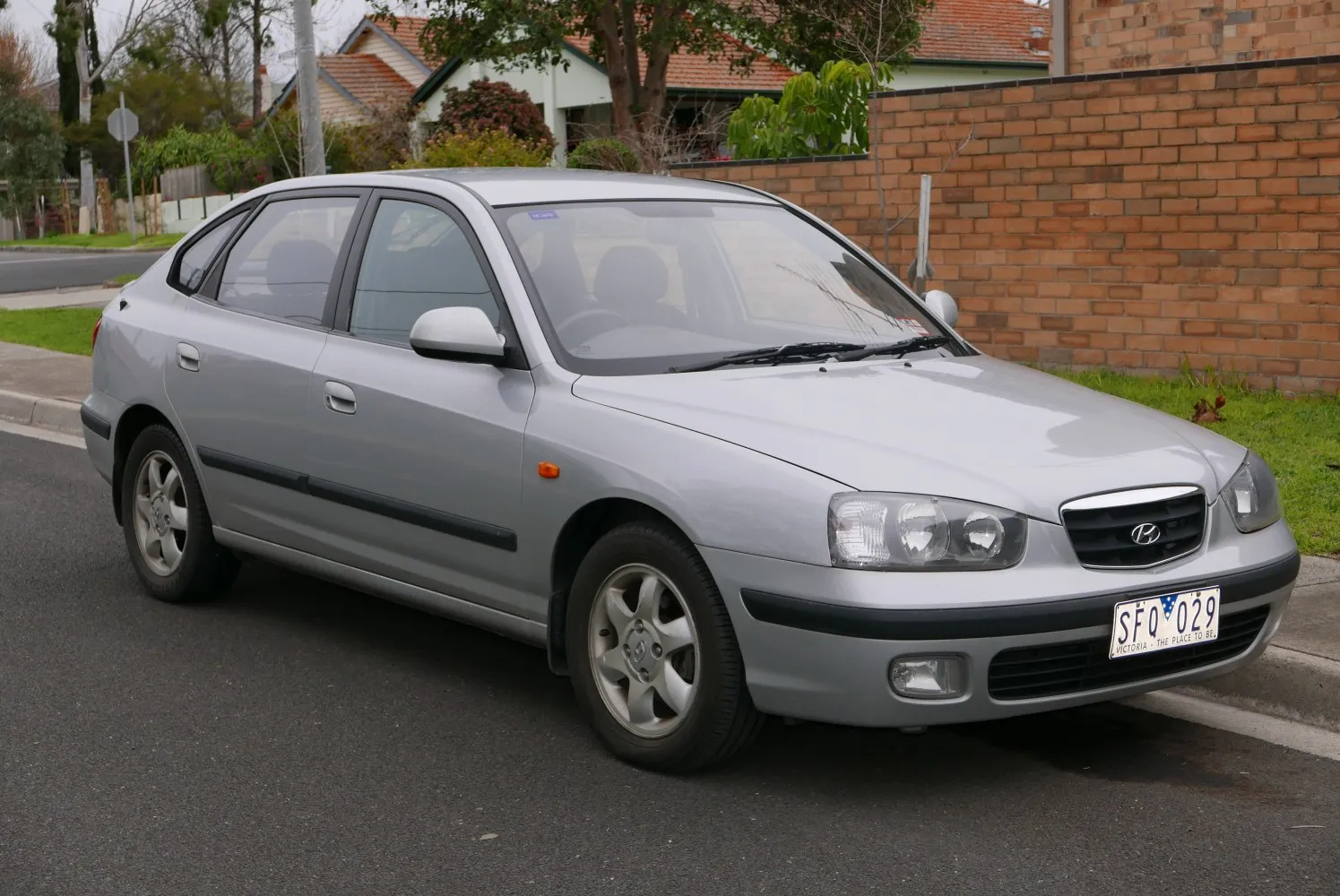
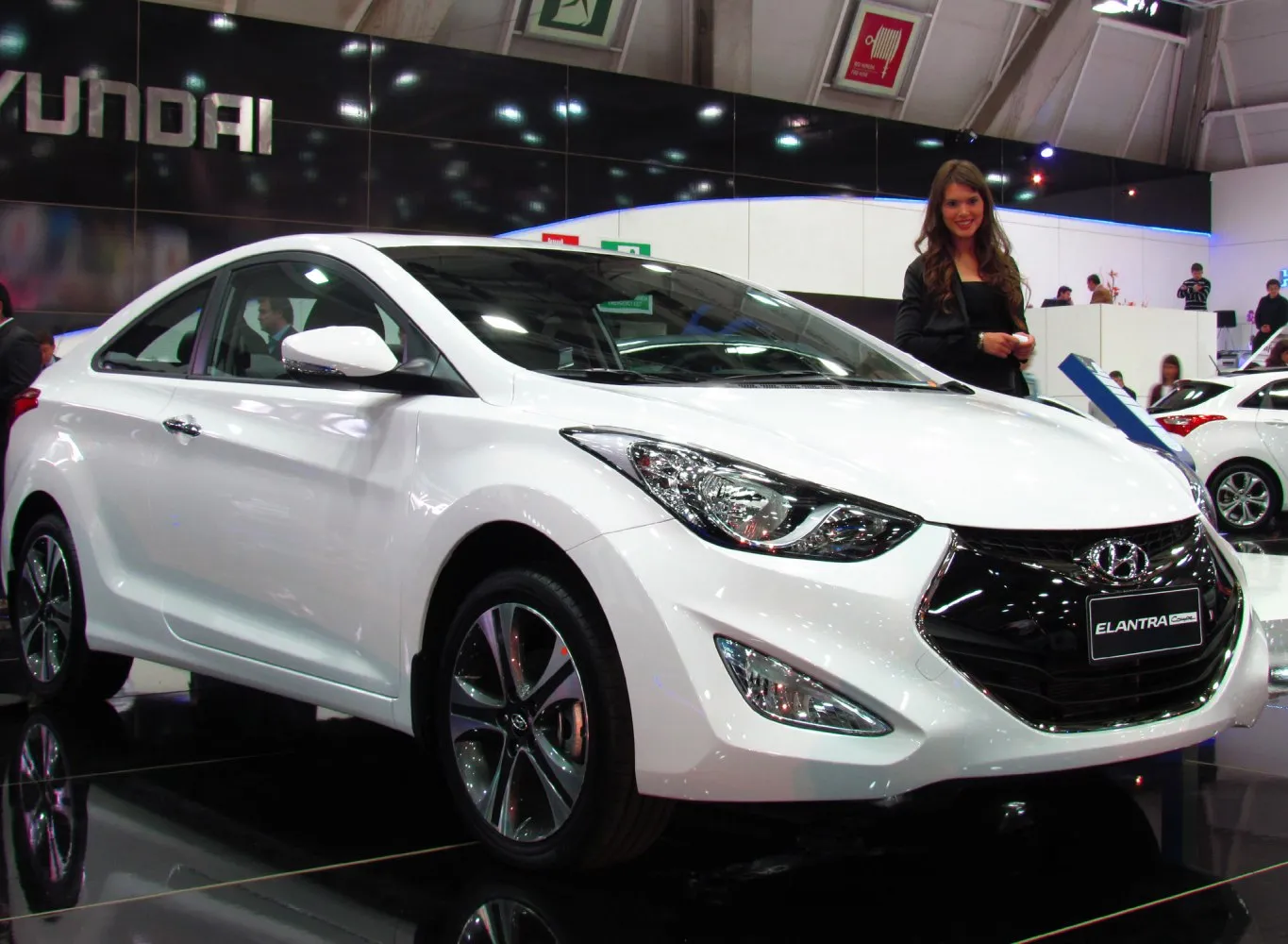
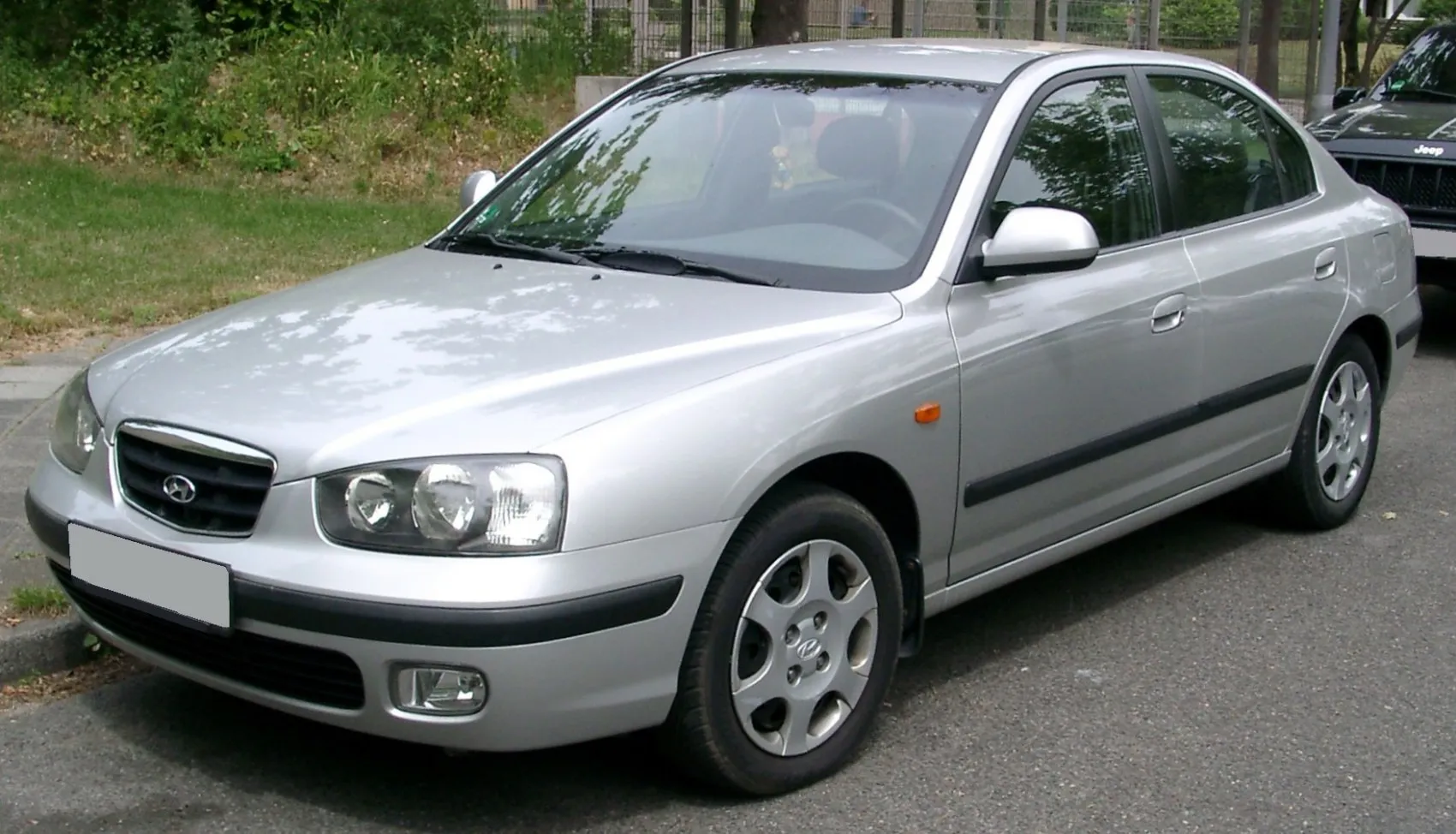
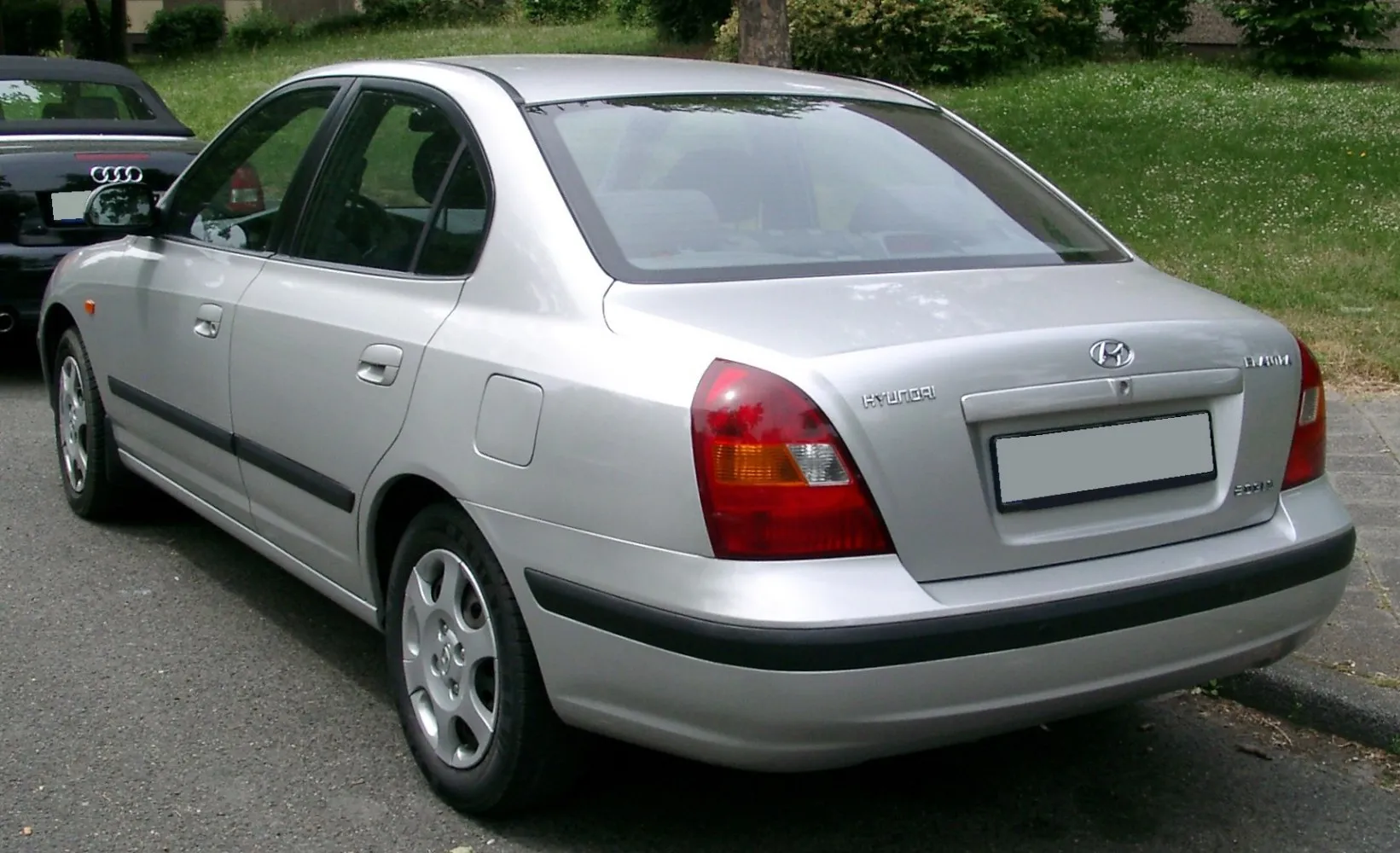
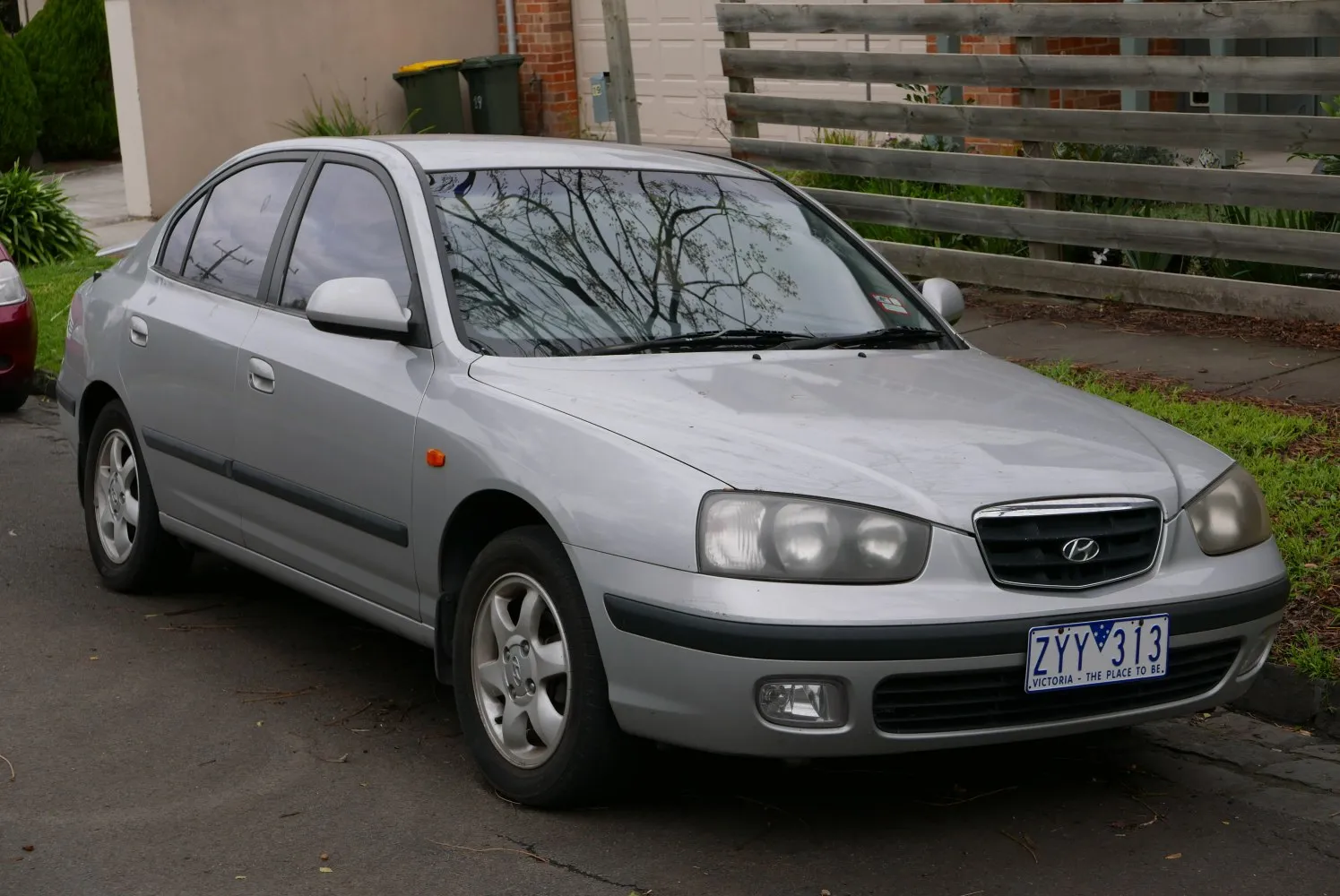
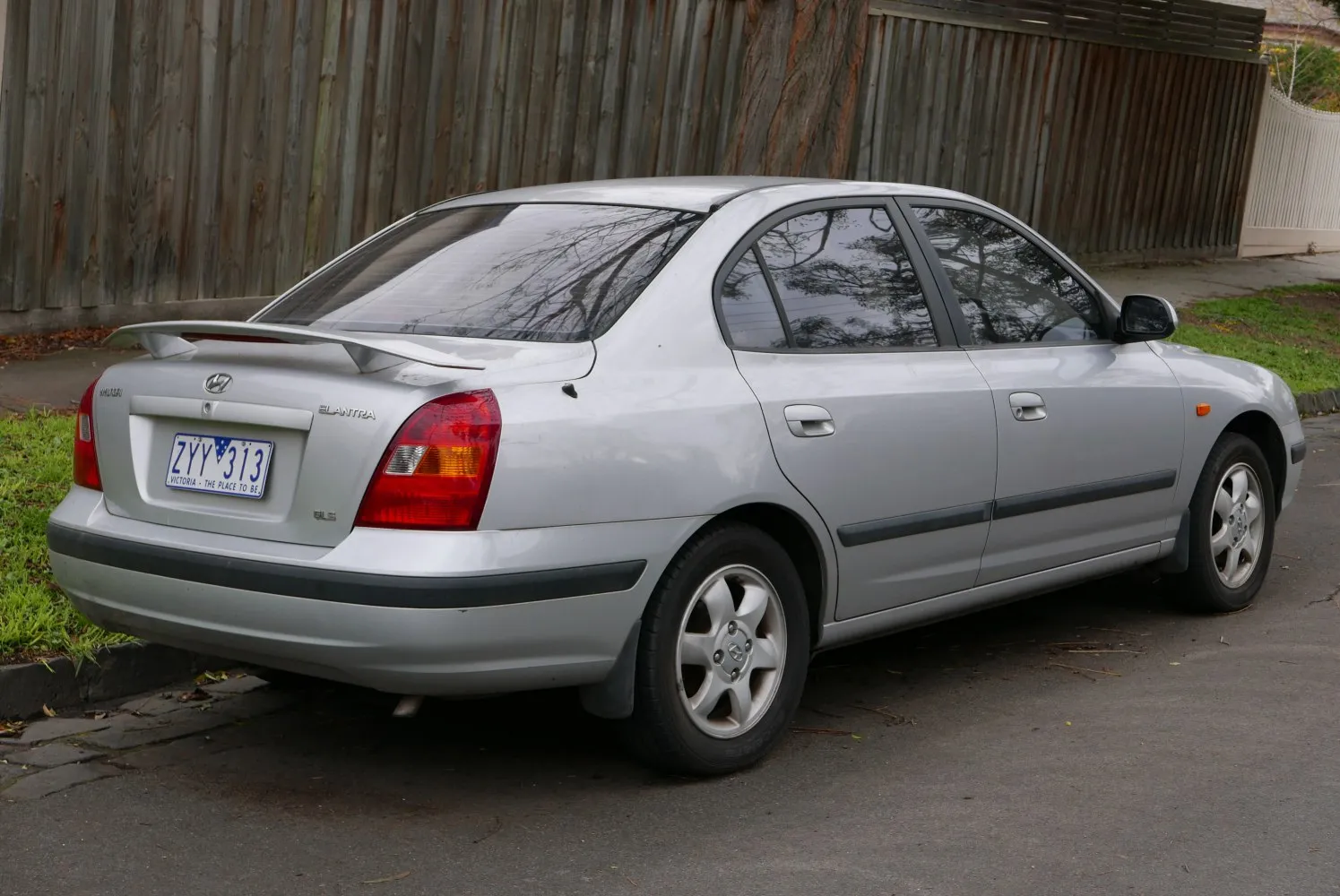
Hyundai Elantra III 2.0 i 16V (143 Hp) Automatic
Overall Rating
Hyundai Elantra:
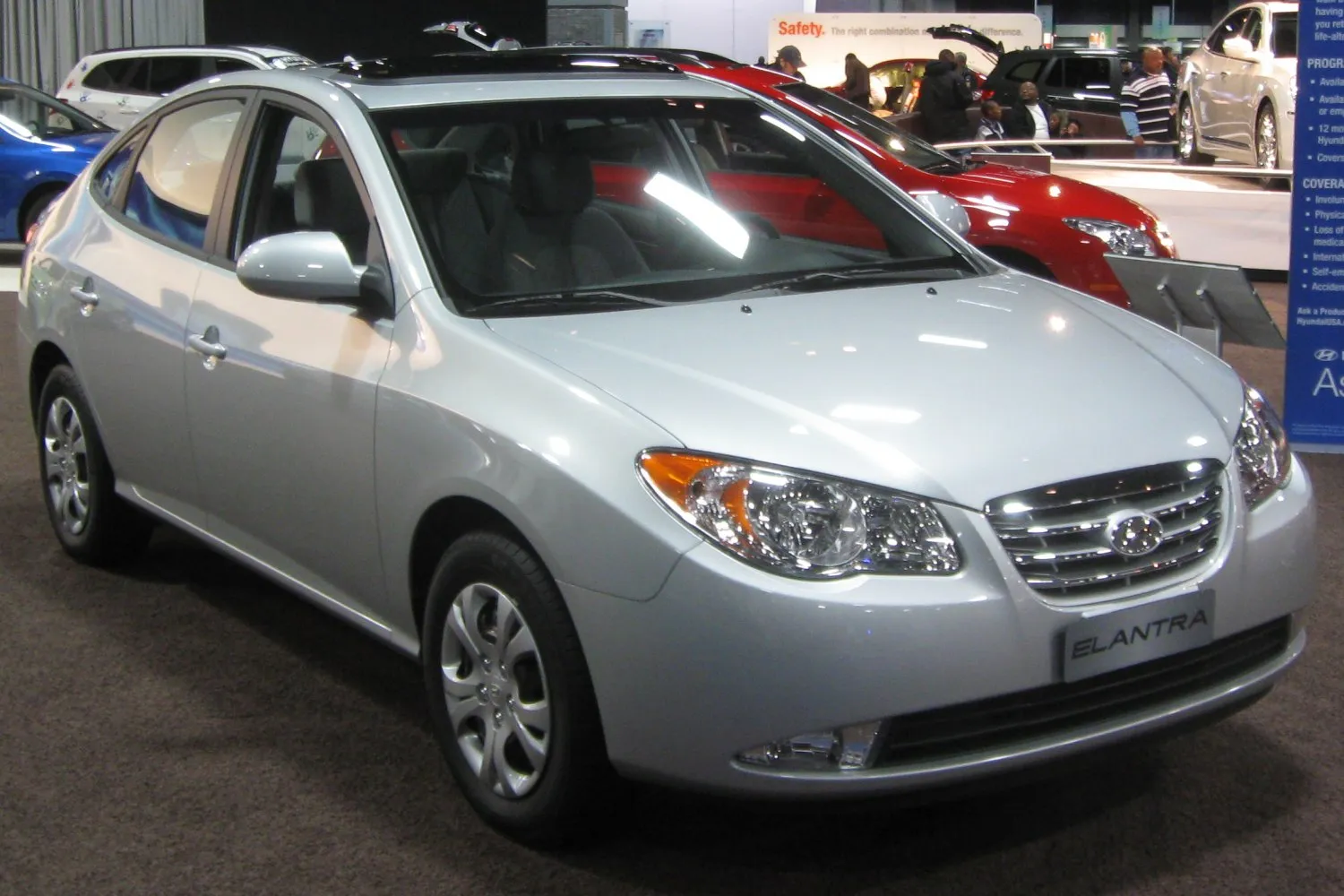
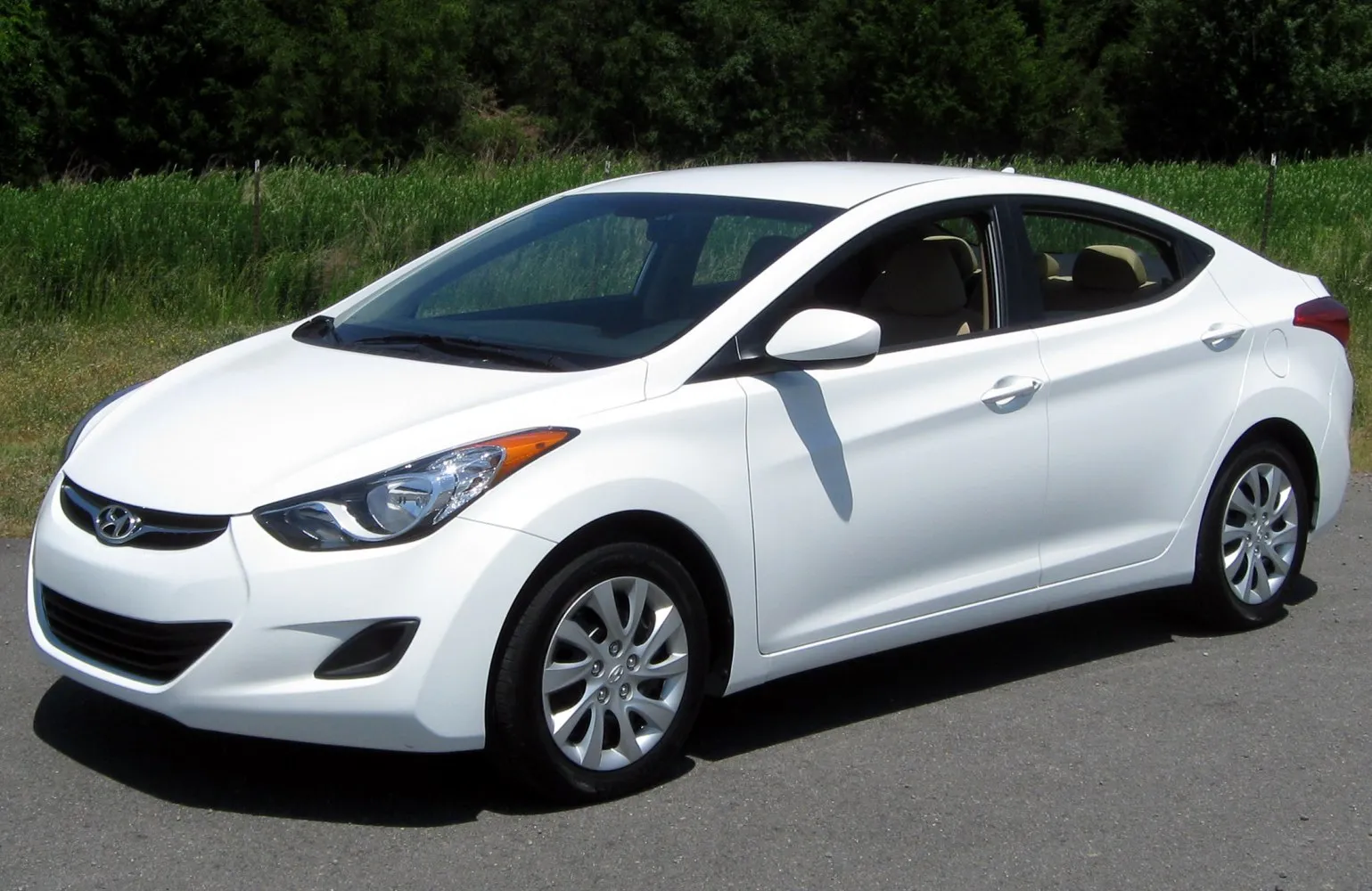
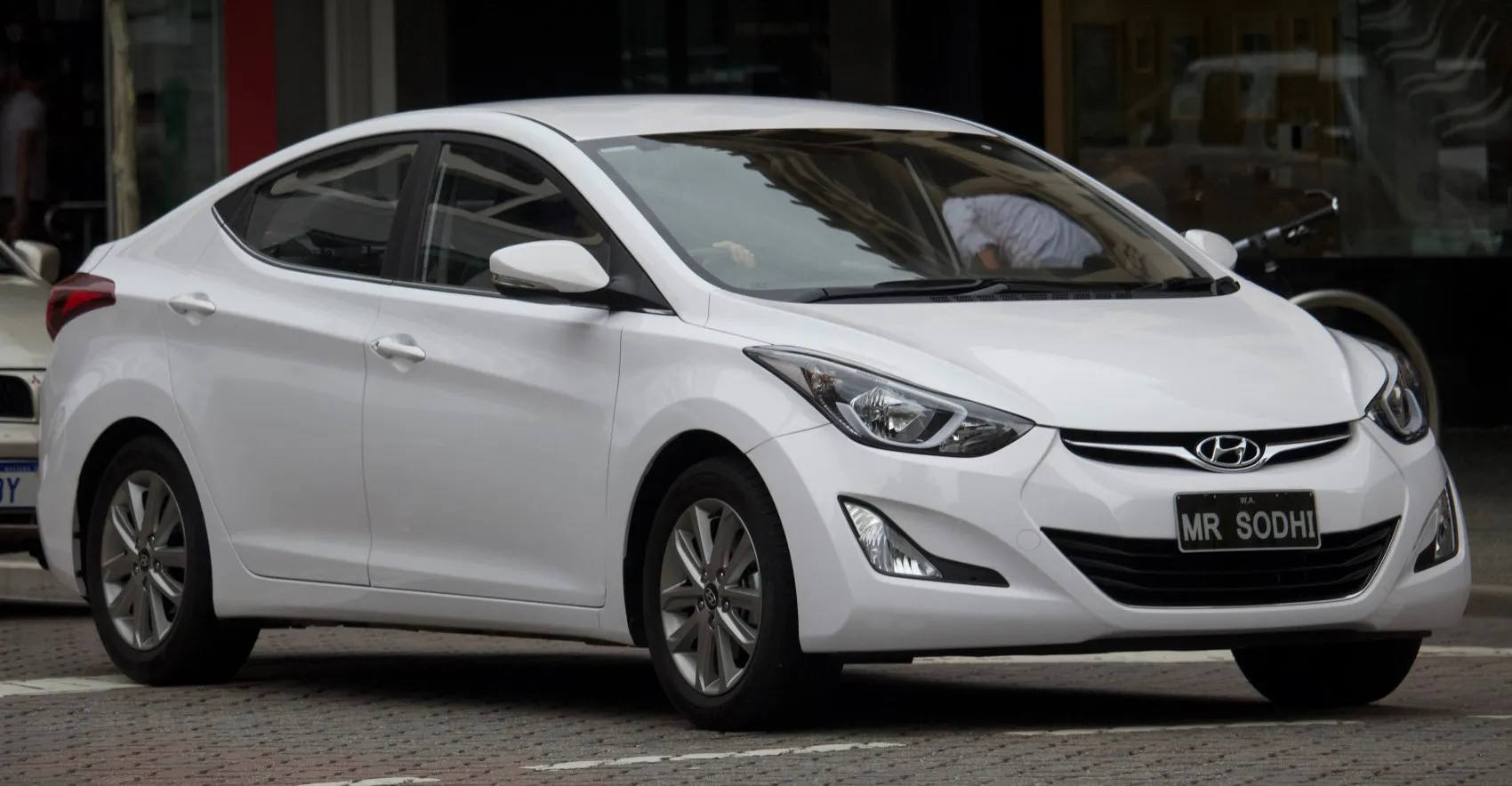
The Hyundai Elantra , also known as the Hyundai Avante , is a series of compact cars produced by the South Korean manufacturer Hyundai since 1990.
In South Korea, the first-generation model was initially sold under the "Elantra" nameplate, but starting from the second-generation, Korean models were sold under the "Avante" nameplate, with the "Elantra" name continue to be used on export models. The "Avante" name is not used in most export markets due to its similarity with Audi's "Avant" designation, used for their station wagon models. As of 2018, Singapore is the only export market outside South Korea to utilize the "Avante" name....(Read more on Wikipedia)
III Overview:
Hyundai Elantra (III). With 186 Nm of torque, it offers ample pulling power. It has moderate fuel consumption (~11.3 l/100km). With a weight of 1418 kg, it falls in the mid‑range. Front‑wheel drive delivers efficiency and easy handling. Acceleration is good (0–100 km/h in 9 s). The top speed reaches 208 km/h. A four-door car with a separate trunk, ideal for families and daily commuting. Seating for 5 makes it ideal for daily use.
The Hyundai Elantra III generation was not tested by Euro NCAP. Safety ratings from other regions (e.g., NHTSA in the US) indicated acceptable performance for its class at the time.
2.0 i 16V (143 Hp) Automatic Verdict:

Performance Verdict
Maintains good power, but the automatic transmission slightly dulls acceleration compared to the manual counterpart.
Fuel Economy
Fuel consumption increases to 8.3 l/100 km, a noticeable trade-off for the convenience of an automatic.
Pros and Cons:
Pros:
- • Excellent value for money and affordability
- • Generally reliable and durable powertrains
- • Comfortable ride quality for daily commuting
- • Spacious interior and generous trunk capacity
- • Good range of engine options, including an economical diesel
Cons:
- • Uninspired handling and driving dynamics
- • Interior materials can feel somewhat cheap
- • Dated exterior styling compared to some rivals
- • Higher fuel consumption on some automatic variants
- • Lack of advanced safety features common in later models
Specifications:
Specifications are compared to those of the previous generation(III: 2001 - 2006).
| General: | |
|---|---|
| Brand: | Hyundai |
| Model: | Elantra |
| Generation: | III |
| Modification (Engine): | 2.0 i 16V (143 Hp) Automatic |
| Start of production: | 2003 |
| End of production: | 2006 |
| Powertrain Architecture: | Internal Combustion engine |
| Body type: | Sedan |
| Seats: | 5 |
| Doors: | 4 |
| Engine: | |
|---|---|
| Power: | 143 Hp @ 6000 rpm. Same horsepower |
| Power per litre: | 72.4 Hp/l [Same length.] |
| Torque: | 186 Nm @ 4500 rpm. |
| Engine Model/Code: | G4GC More details about the engine G4GC |
| Engine displacement: | 1975 |
| Number of cylinders: | 4 |
| Engine configuration: | Inline |
| Number of valves per cylinder: | 4 |
| Fuel injection system: | Multi-port manifold injection |
| Engine aspiration: | Naturally aspirated engine |
| Valvetrain: | DOHC |
| Engine oil capacity: | 3.85 l |
| Coolant: | 6 l |
| Engine layout: | Front, Transverse |
| Cylinder Bore: | 82 mm mm |
| Piston Stroke: | 93.5 mm mm |
| Compression ratio: | 10:1 |
| Performance: | |
|---|---|
| Fuel Type: | Petrol (Gasoline) |
| Fuel consumption (economy) - urban: | 11.3 l/100 km |
| Fuel consumption (economy) - extra urban: | 6.6 l/100 km |
| Fuel consumption (economy) - combined: | 8.3 l/100 km |
| Acceleration 0 - 100 km/h: | 9 sec |
| Acceleration 0 - 62 mph: | 9 sec |
| Maximum speed: | 208 km/h |
| Weight-to-power ratio: | 9.9 kg/Hp, 100.8 Hp/tonne |
| Weight-to-torque ratio: | 7.6 kg/Nm, 131.2 Nm/tonne |
| Acceleration 0 - 60 mph: | 8.6 sec |
| Space: | |
|---|---|
| Kerb Weight: | 1418 |
| Max. weight: | 1800 |
| Max load: | 382 |
| Trunk (boot) space - maximum: | 1222 l |
| Trunk (boot) space - minimum: | 415 l |
| Fuel tank capacity: | 55 l |
| Size: | |
|---|---|
| Length: | 4495 mm mm [Same length.] |
| Width: | 1720 mm mm [Same width.] |
| Height: | 1425 mm mm [Same height.] |
| Wheelbase: | 2610 mm mm [Same wheelbase.] |
| Front track: | 1485 mm |
| Rear (Back) track: | 1475 mm |
| Powertrain: | |
|---|---|
| Drivetrain Architecture | The Internal combustion engine (ICE) drives the front wheels of the vehicle. |
| Drive wheel | Front wheel drive |
| Number of gears | 4 |
| Transmission type | Automatic |
| Front brakes | Ventilated discs [Best for performance and cooling.] |
| Rear brakes | Disc |
| Assisting systems | ABS (Anti-lock braking system) |
| Steering type | Steering rack and pinion |
| Power steering | Hydraulic Steering |
| Tires size | 195/60 R15 |
| Wheel rims size | 15 |
| Front suspension | Wishbone |
| Rear suspension | Spring Strut |











What’s the best feature of the Hyundai Elantra? Tell us in the comments!