Hyundai i10 Grand i10 II 1.2 (83 Hp) Automatic
Hyundai i10:
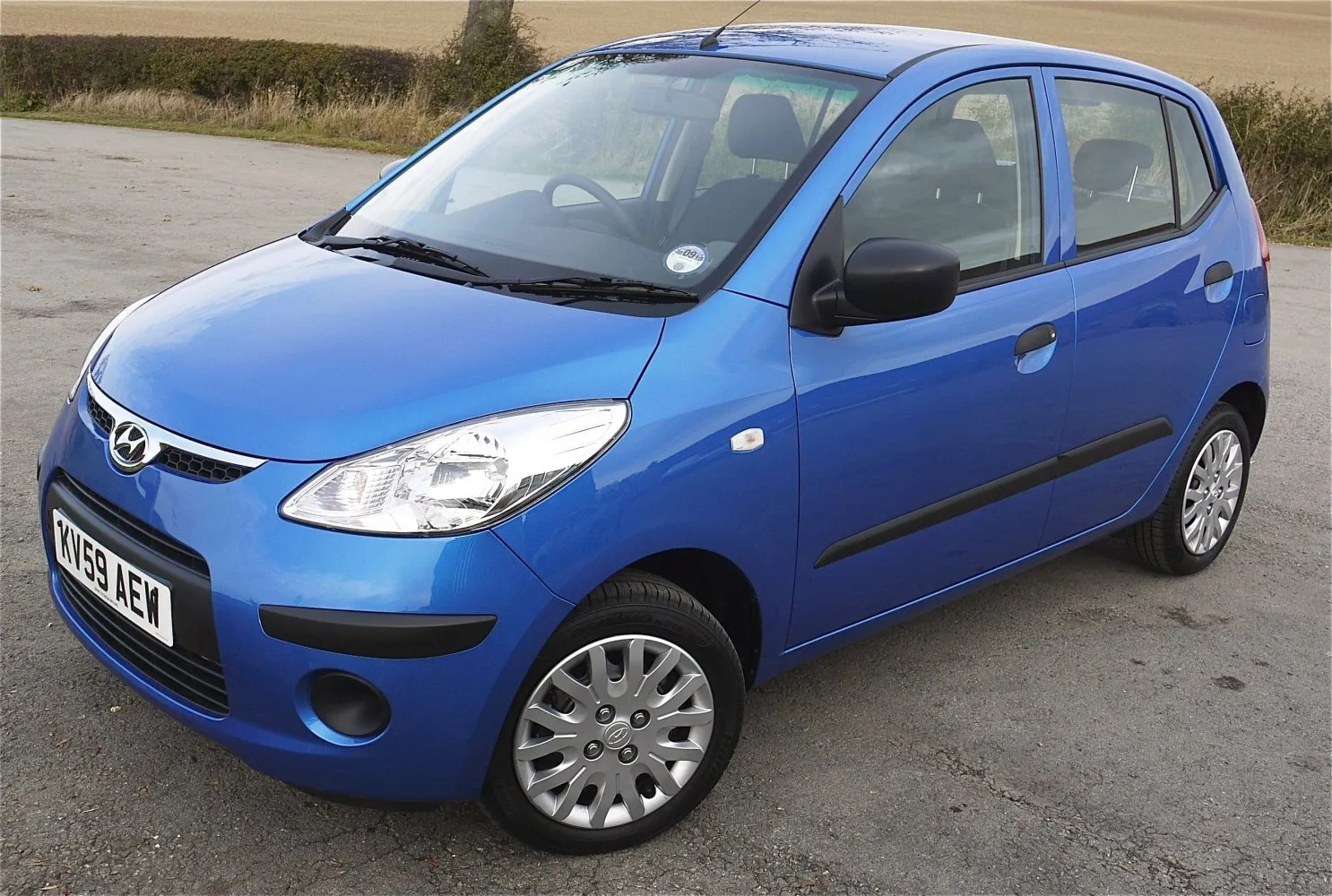
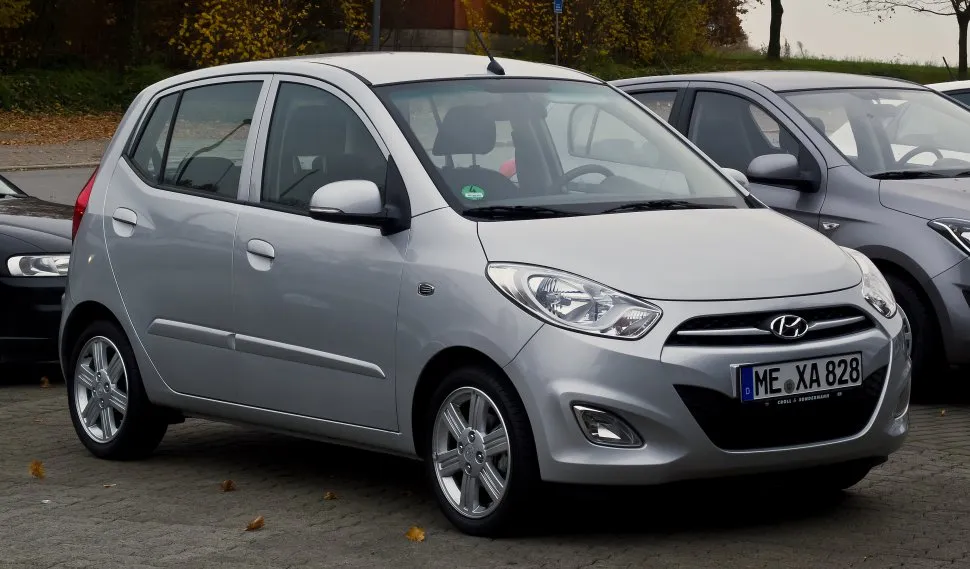
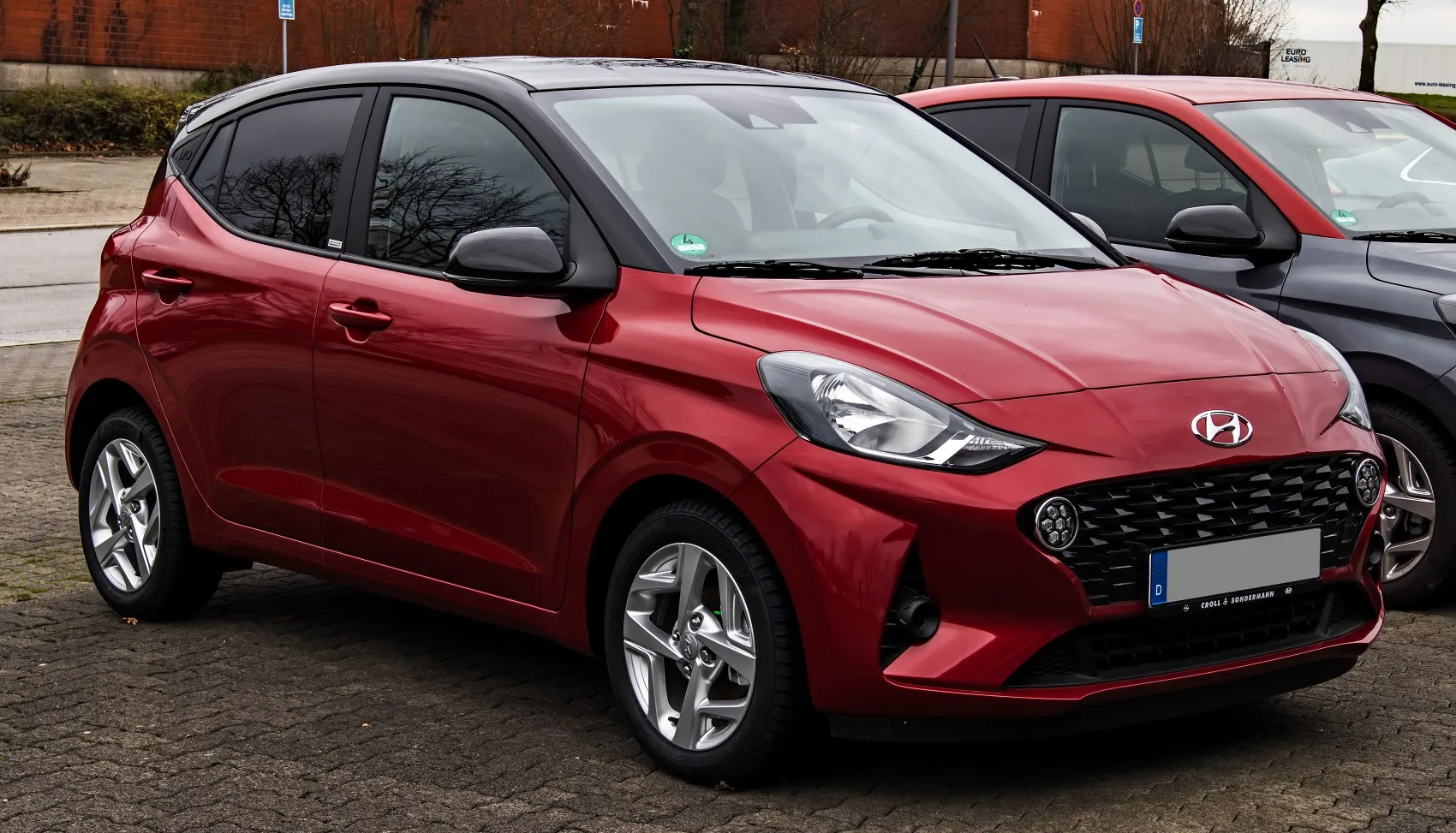
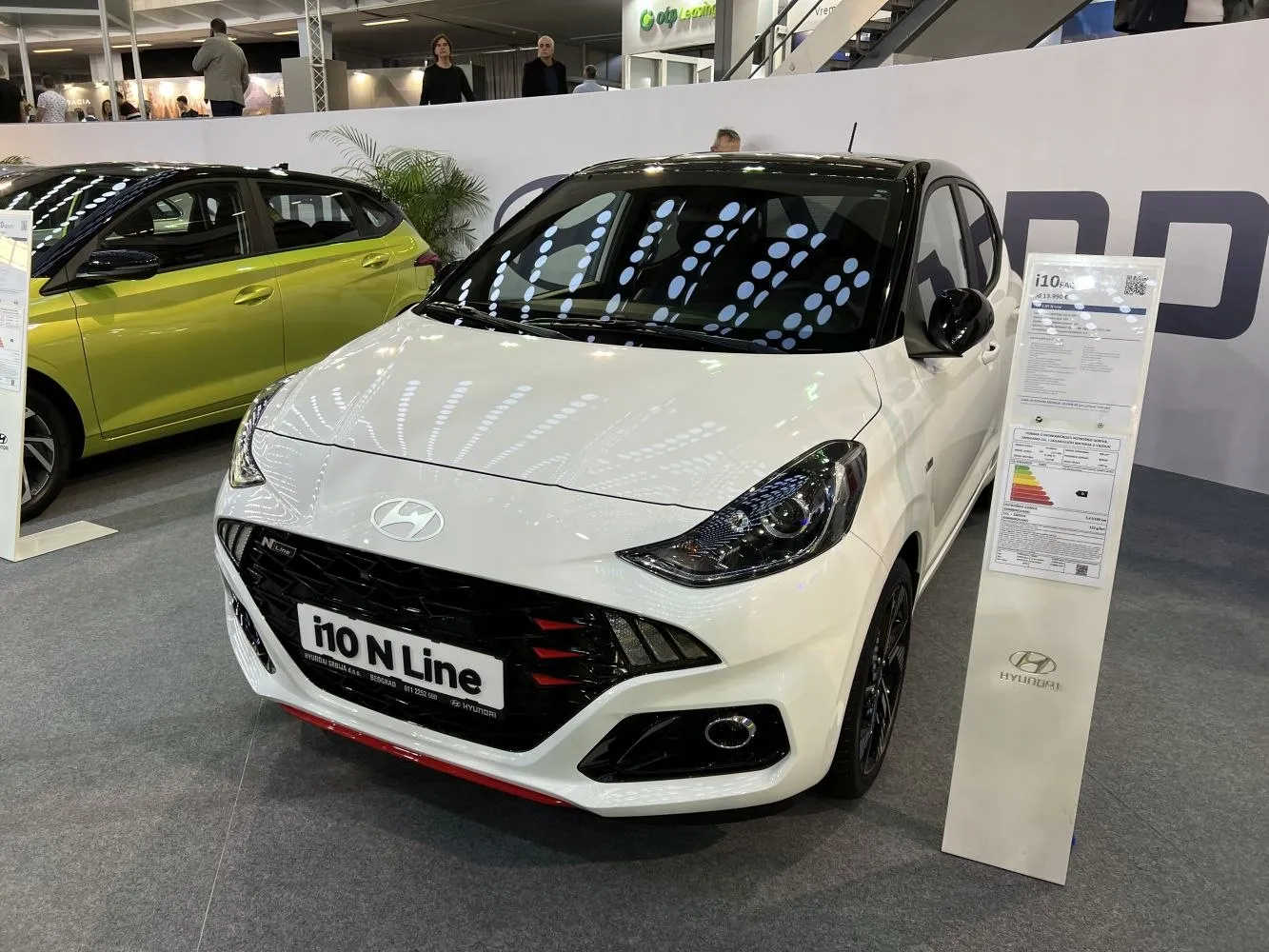
The Hyundai i10 is a city car produced by the South Korean manufacturer Hyundai since 2007. It replaced the Hyundai Atos in the model line-up, and was initially available only as a five-door hatchback body style. The third generation i10 was unveiled in India on 7 August 2019 and launched on 20 August 2019, offered in 10 variants across petrol and diesel engines as well as manual and automatic transmissions. There are also sedan derivatives, the Hyundai Xcent and the Hyundai Aura.
The first generation i10 was announced on 31 October 2007 in New Delhi, India. It was produced in India at Hyundai's Chennai plant for the domestic and export markets....(Read more on Wikipedia)
Grand i10 II Overview:
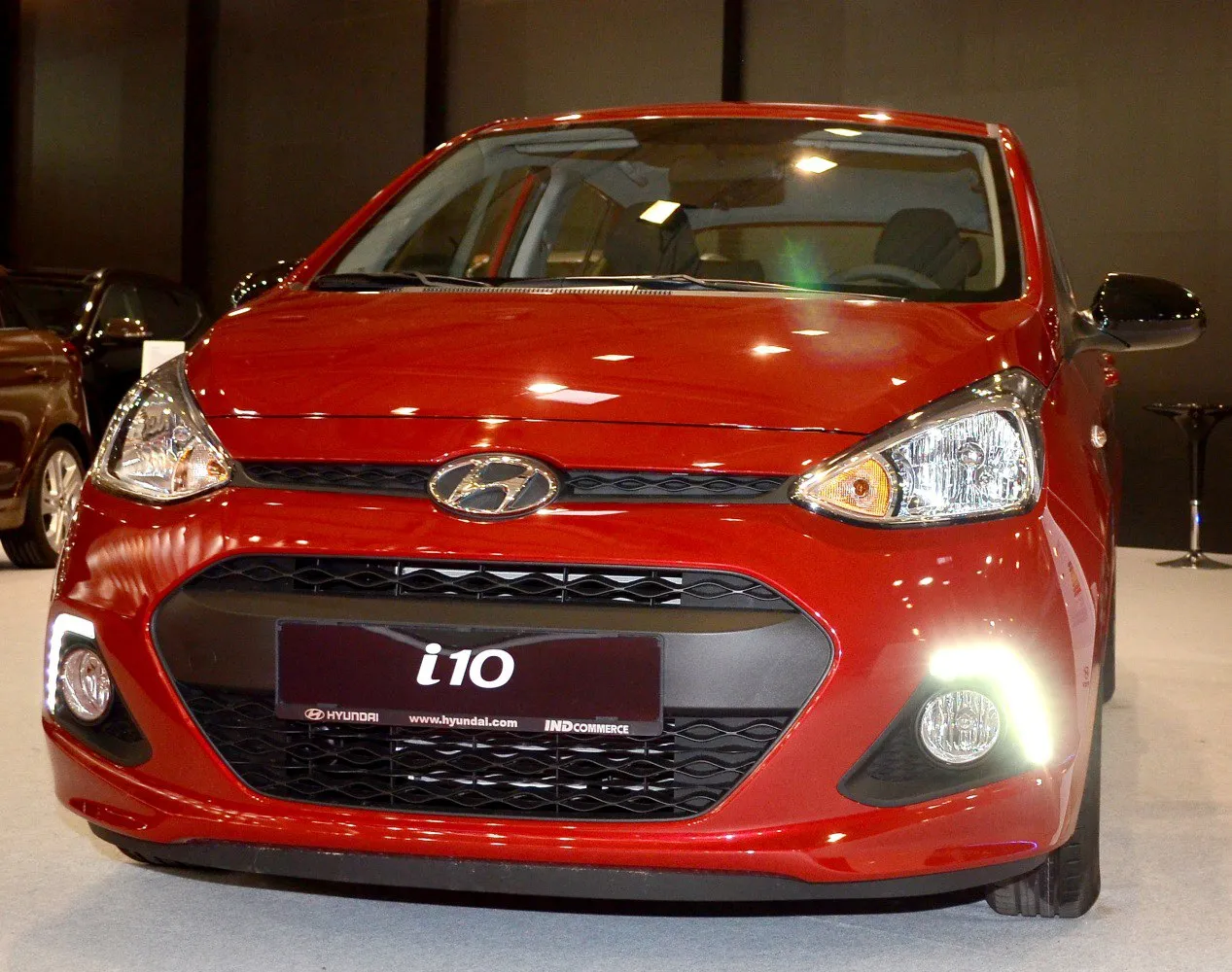
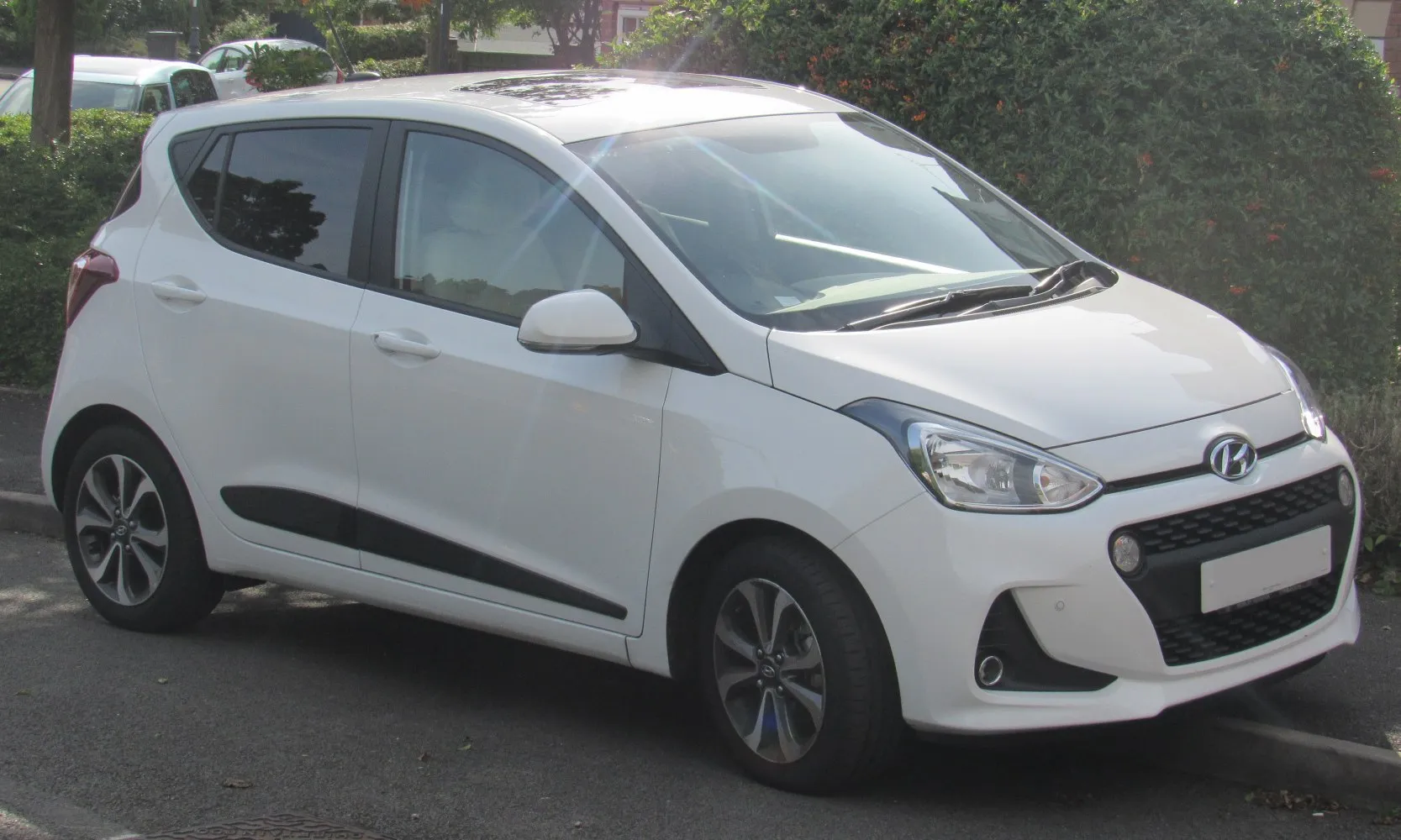
Hyundai i10 (Grand i10 II). With 114 Nm of torque, it offers ample pulling power. Weighing only 1023 kg, it’s quite light. Front‑wheel drive delivers efficiency and easy handling. Acceleration is relatively slow (0–100 km/h in 15.4 s). The top speed reaches 157 km/h. A compact car with a rear door that swings upward to provide access to the cargo area. Seating for 5 makes it ideal for daily use.
Pros and Cons:
Pros:
- • Efficiency-focused engine (87 hp), ideal for city commuting.
- • Steady and predictable acceleration (0-100 km/h in 12.3 sec).
- • Exceptional fuel efficiency: 4.9 L/100 km.
- • Ventilated disc brakes for reliable cooling and stopping power.
Cons:
- • Compact cargo space (252 L); may require careful packing.
- • Meets EURO 5 emission standard; check for local urban restriction zones.
Specifications:
Specifications are compared to those of the previous generation(I (facelift 2011): 2011 - 2013).
| General: |
| Brand: | Hyundai |
|---|
| Model: | i10 |
|---|
| Generation: | Grand i10 II |
|---|
| Modification (Engine): | 1.2 (83 Hp) Automatic |
|---|
| Start of production: | 2013 |
|---|
| End of production: | 2017 |
|---|
| Powertrain Architecture: | Internal Combustion engine |
|---|
| Body type: | Hatchback |
|---|
| Seats: | 5 |
|---|
| Doors: | 5 |
|---|
| Engine: |
| Power: | 83 Hp @ 6000 rpm. Same horsepower |
|---|
| Power per litre: | 69.3 Hp/l [180mm more] |
|---|
| Torque: | 114 Nm @ 4000 rpm. |
|---|
| Engine displacement: | 1197 |
|---|
| Number of cylinders: | 4 |
|---|
| Engine configuration: | Inline |
|---|
| Number of valves per cylinder: | 4 |
|---|
| Engine aspiration: | Naturally aspirated engine |
|---|
| Engine layout: | Front, Transverse |
|---|
| Performance: |
| Fuel Type: | Petrol (Gasoline) |
|---|
| Acceleration 0 - 100 km/h: | 15.4 sec |
|---|
| Acceleration 0 - 62 mph: | 15.4 sec |
|---|
| Maximum speed: | 157 km/h |
|---|
| Weight-to-power ratio: | 12.3 kg/Hp, 81.1 Hp/tonne |
|---|
| Weight-to-torque ratio: | 9 kg/Nm, 111.4 Nm/tonne |
|---|
| Acceleration 0 - 60 mph: | 14.6 sec |
|---|
| 100 km/h - 0: | 47.8 m |
|---|
| Space: |
| Kerb Weight: | 1023 |
|---|
| Max. weight: | 1430 |
|---|
| Max load: | 407 |
|---|
| Trunk (boot) space - maximum: | 1202 l |
|---|
| Fuel tank capacity: | 43 l |
|---|
| Size: |
| Length: | 3765 mm [180mm more] |
|---|
| Width: | 1660 mm [65mm more] |
|---|
| Height: | 1520 mm [20mm less] |
|---|
| Wheelbase: | 2425 mm [45mm more] |
|---|
| Front track: | 1479 mm |
|---|
| Rear (Back) track: | 1493 mm |
|---|
| Front overhang: | 705 mm |
|---|
| Rear overhang: | 635 mm |
|---|
| Powertrain: |
| Drivetrain Architecture | The Internal combustion engine (ICE) drives the front wheels of the vehicle. |
|---|
| Drive wheel | Front wheel drive |
|---|
| Number of gears | 4 |
|---|
| Transmission type | Automatic |
|---|
| Front brakes | Ventilated discs [Best for performance and cooling.] |
|---|
| Rear brakes | Drum [bad for performance and cooling.] |
|---|
| Assisting systems | ABS (Anti-lock braking system) |
|---|
| Steering type | Steering rack and pinion |
|---|
| Tires size | 165/65 R14 |
|---|
| Wheel rims size | 14 |
|---|
| Front suspension | Independent type McPherson |
|---|
| Rear suspension | Semi-independent, coil spring |
|---|







Is it love at first sight with the Hyundai i10? Tell us your story!