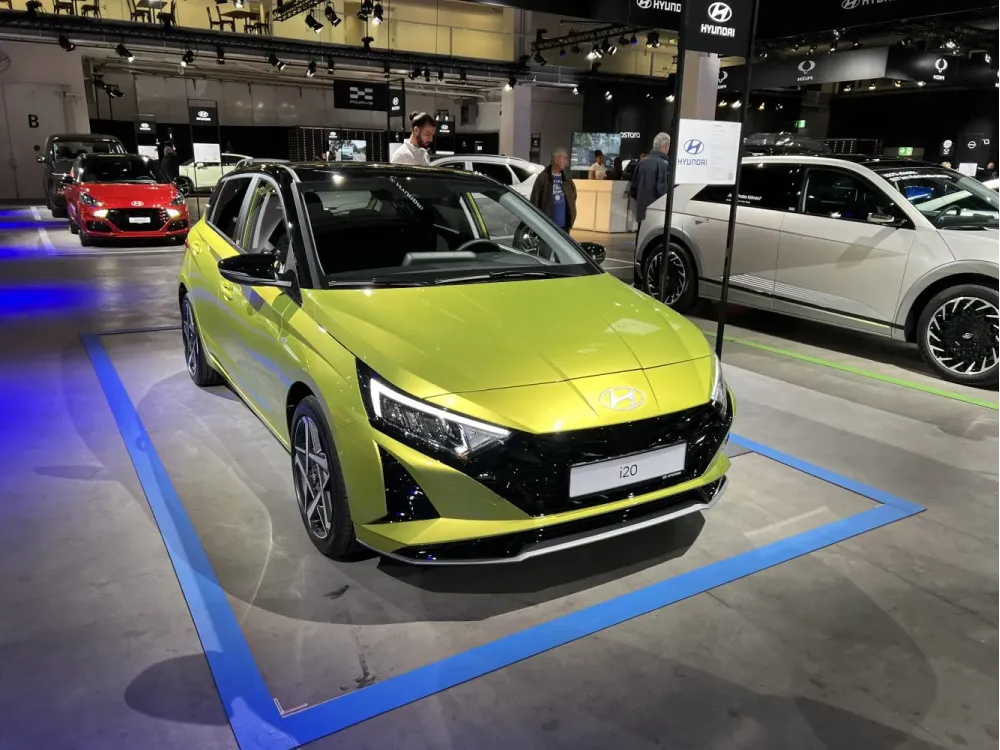
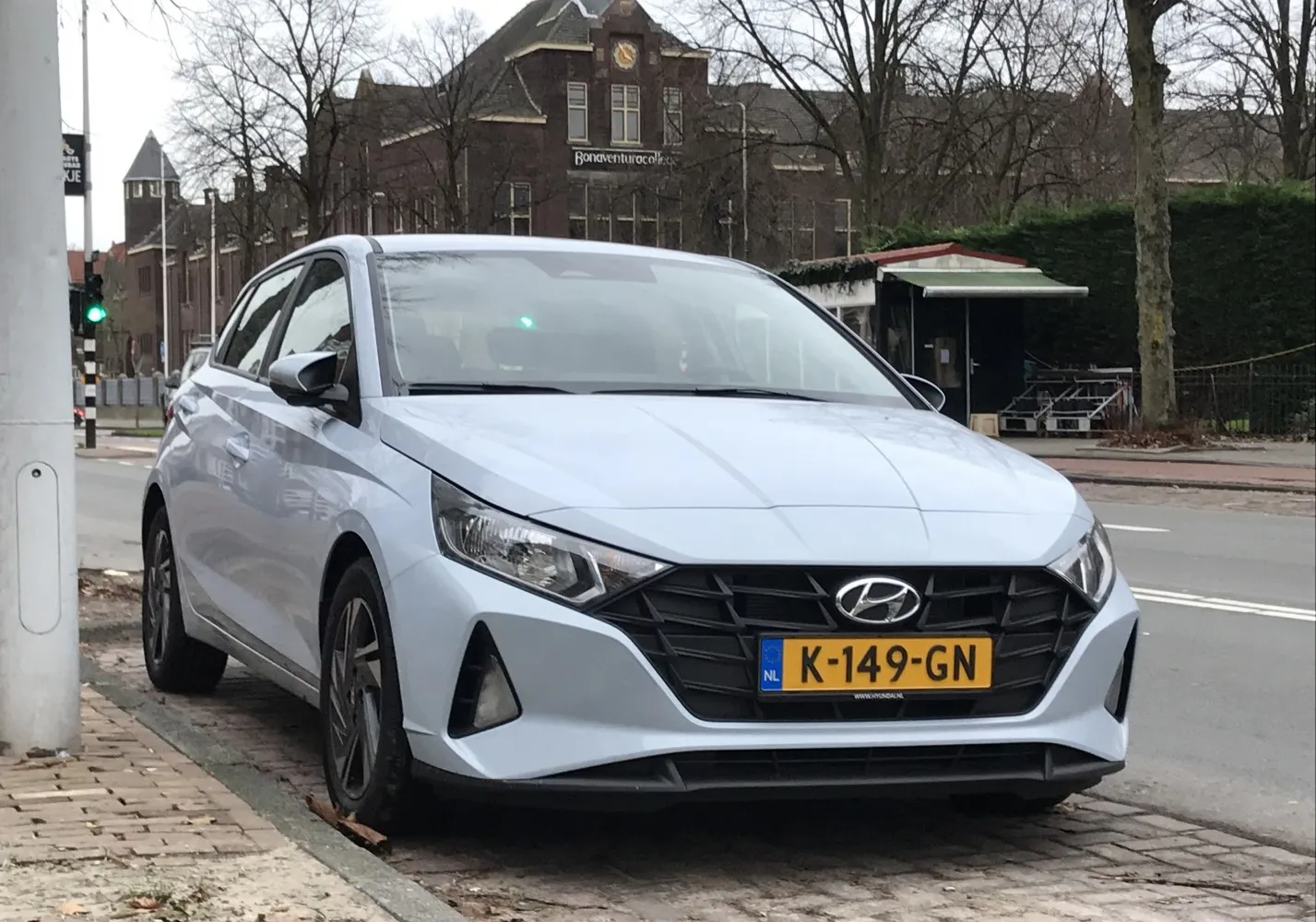
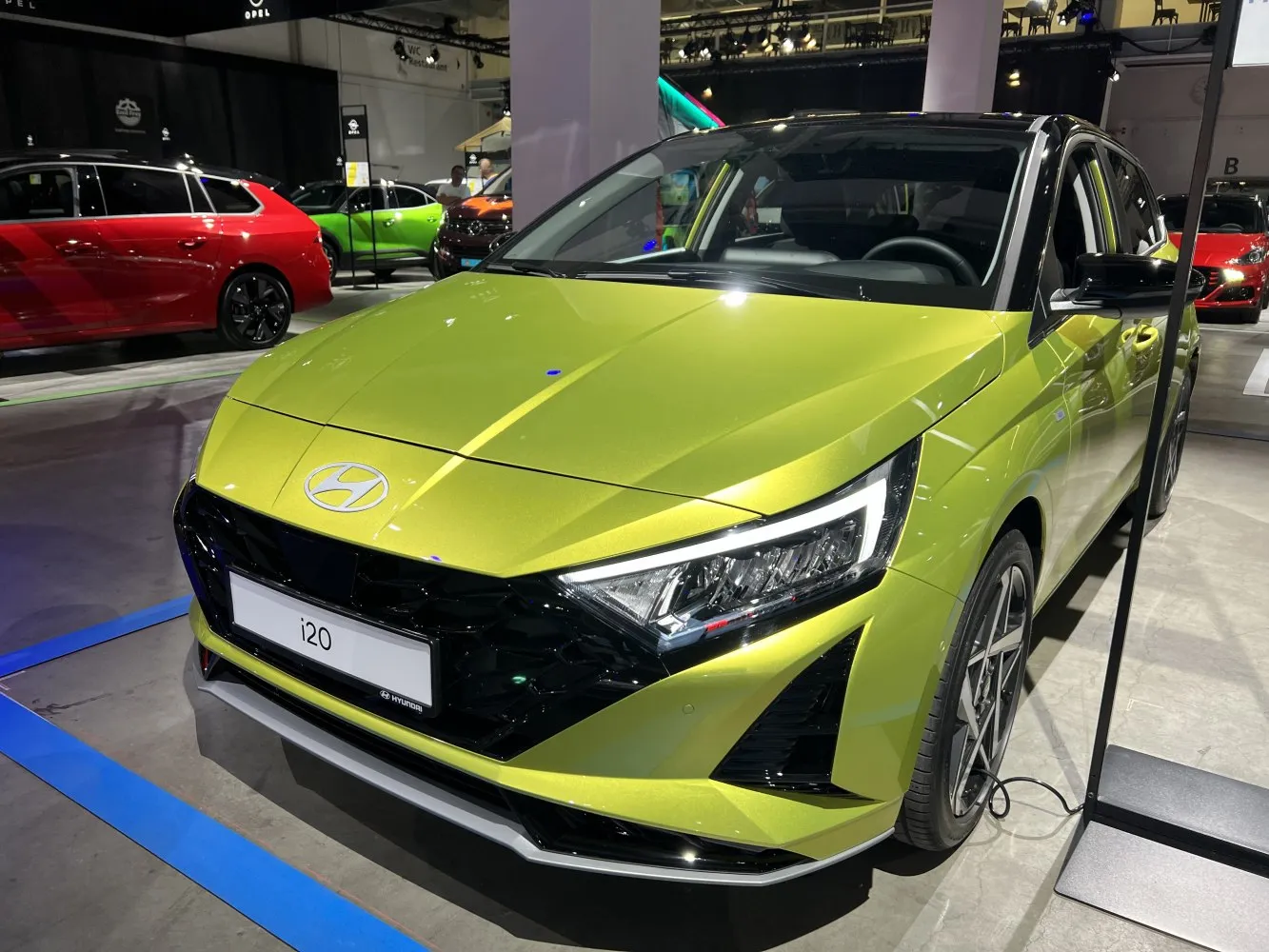
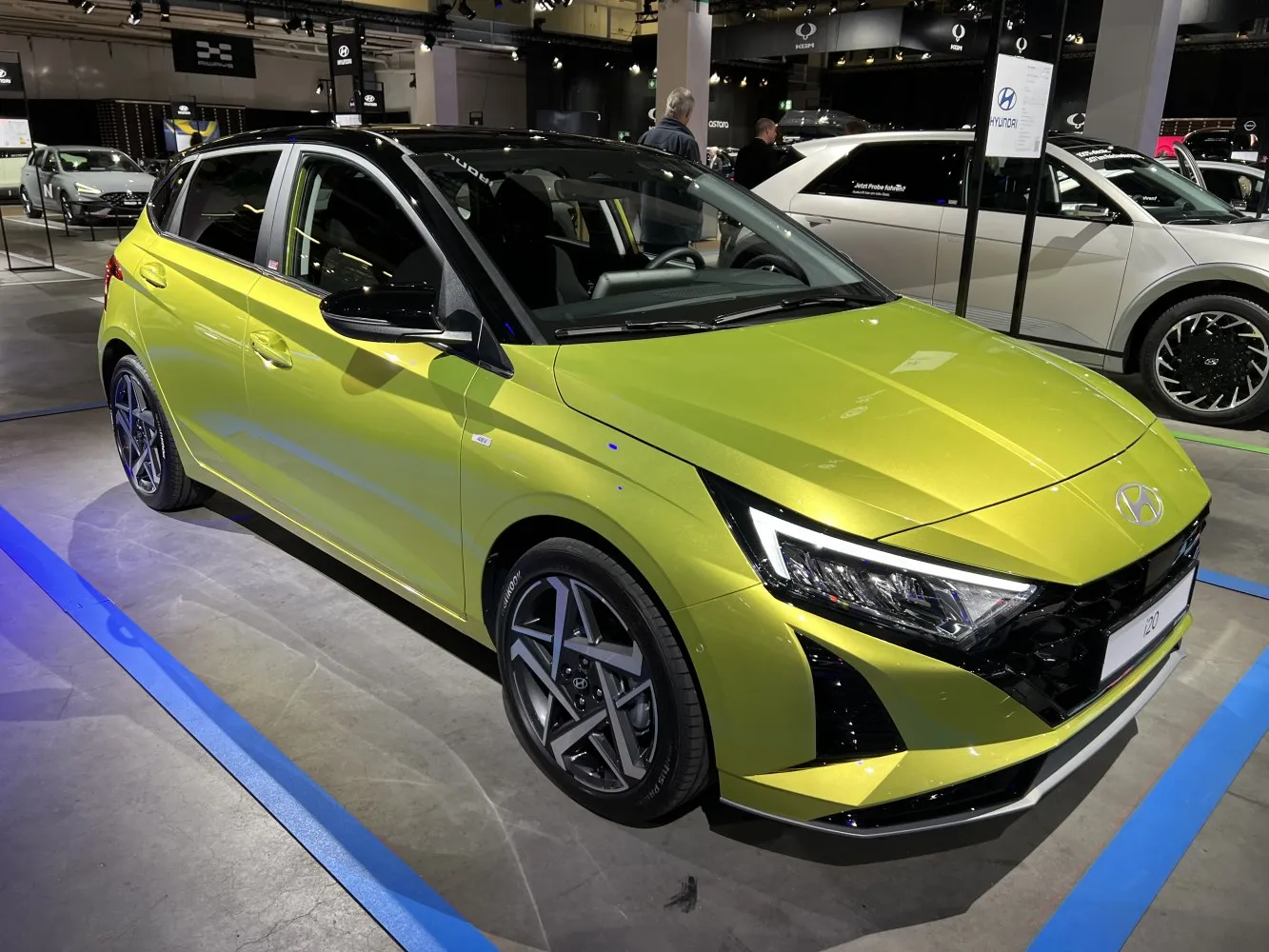
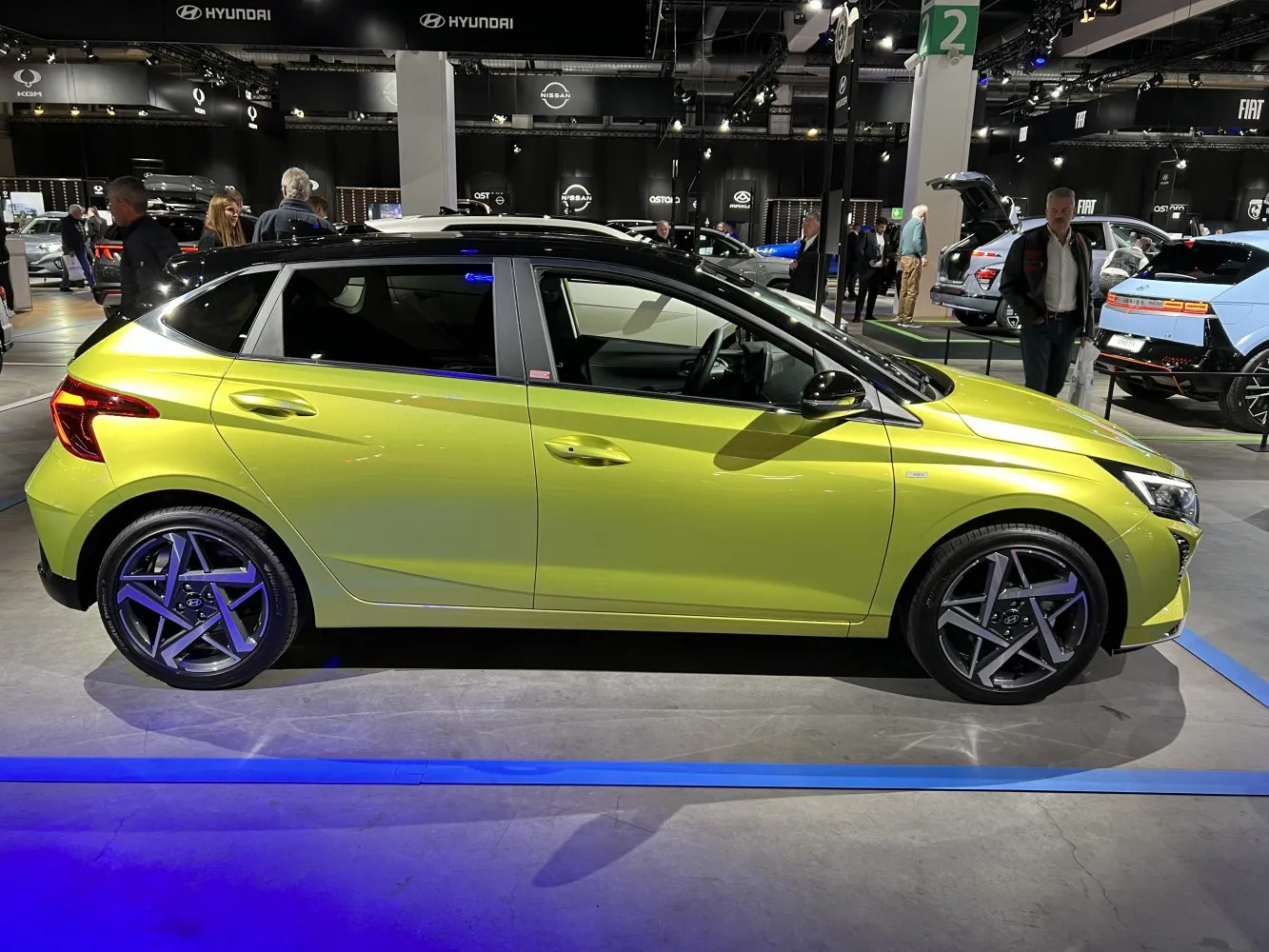
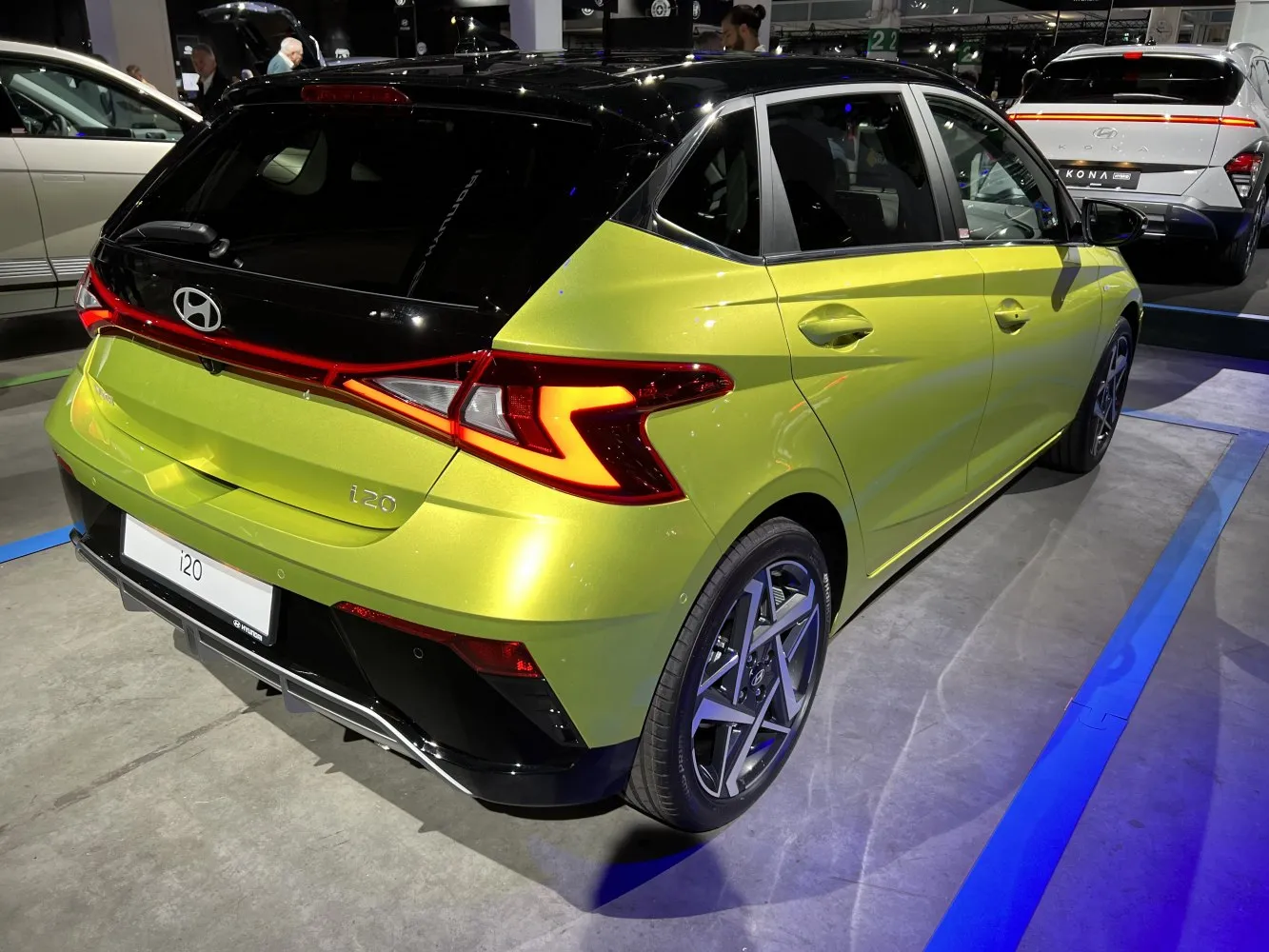
Hyundai i20 III (facelift 2023) 1.0 T-GDI (120 Hp) Mild Hybrid iMT
People\'s Opinion
N/A / 5
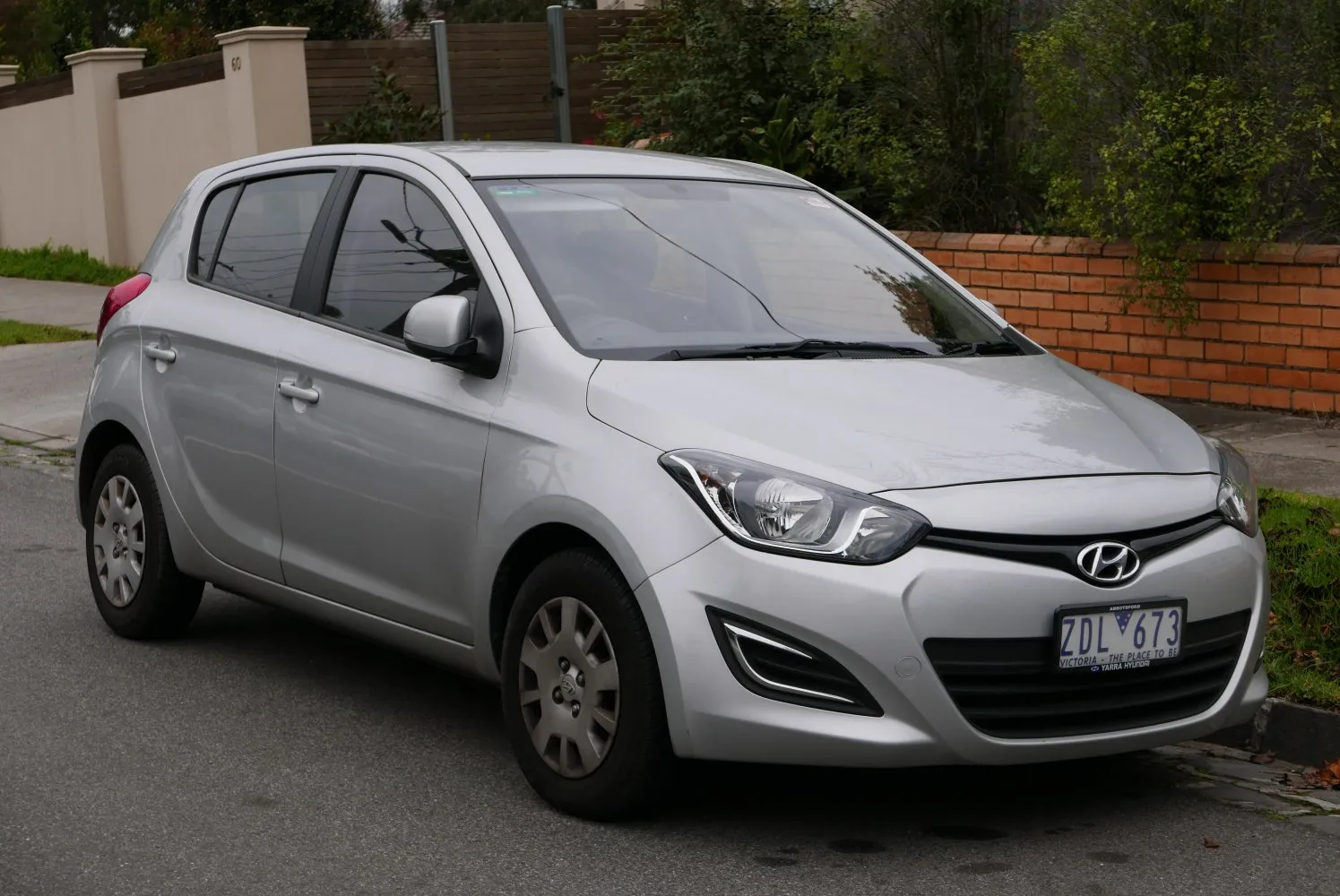
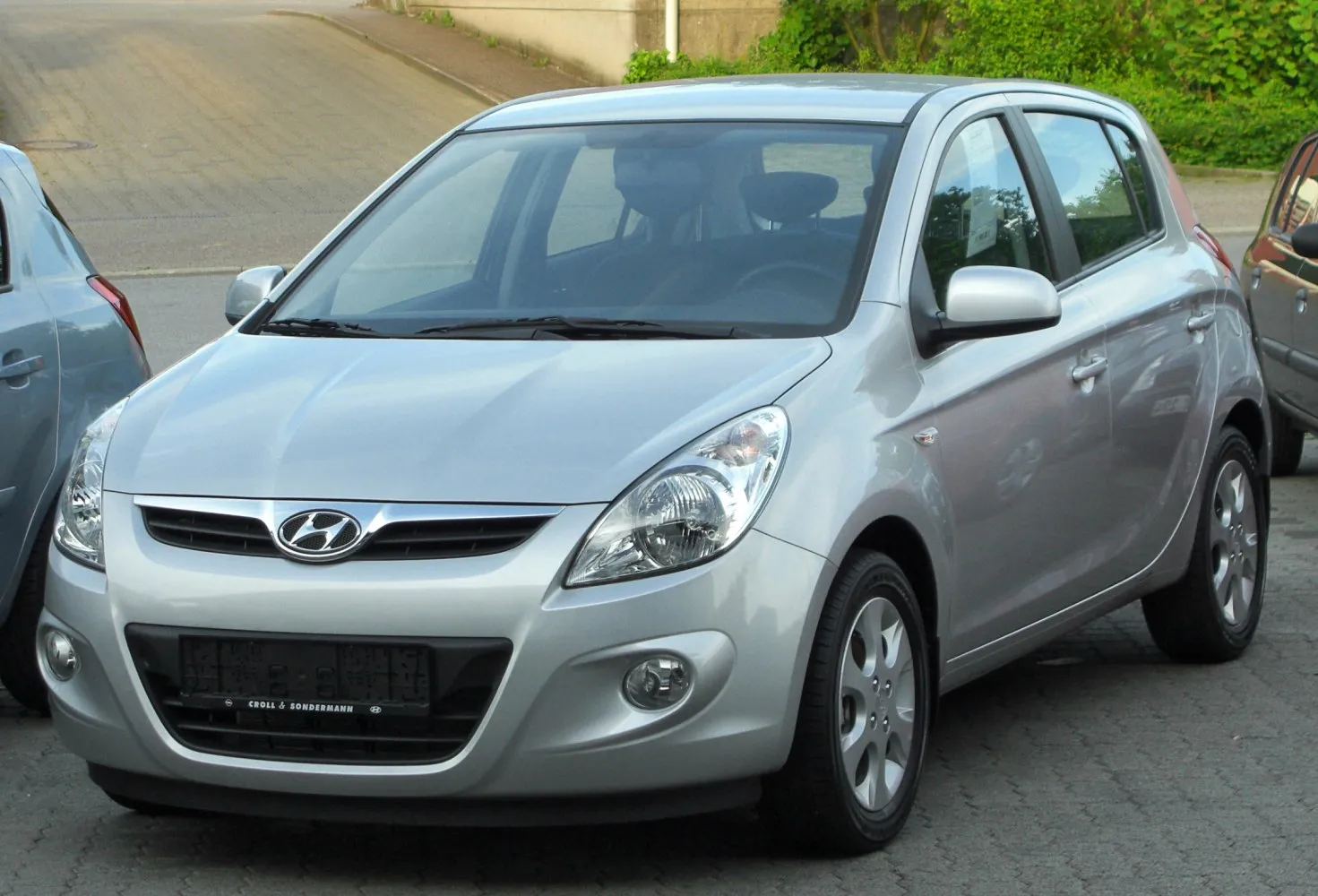
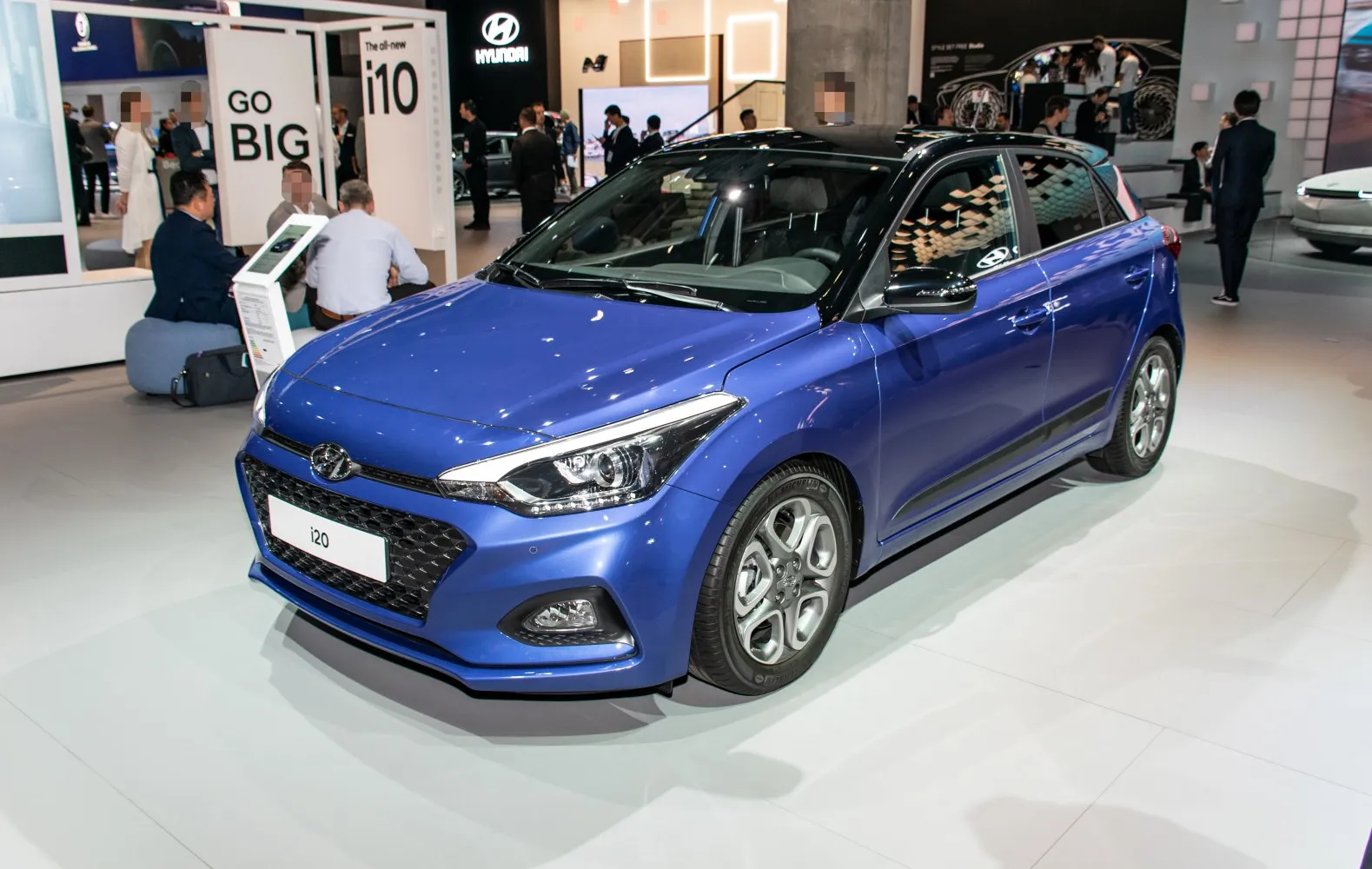
Hyundai i20:
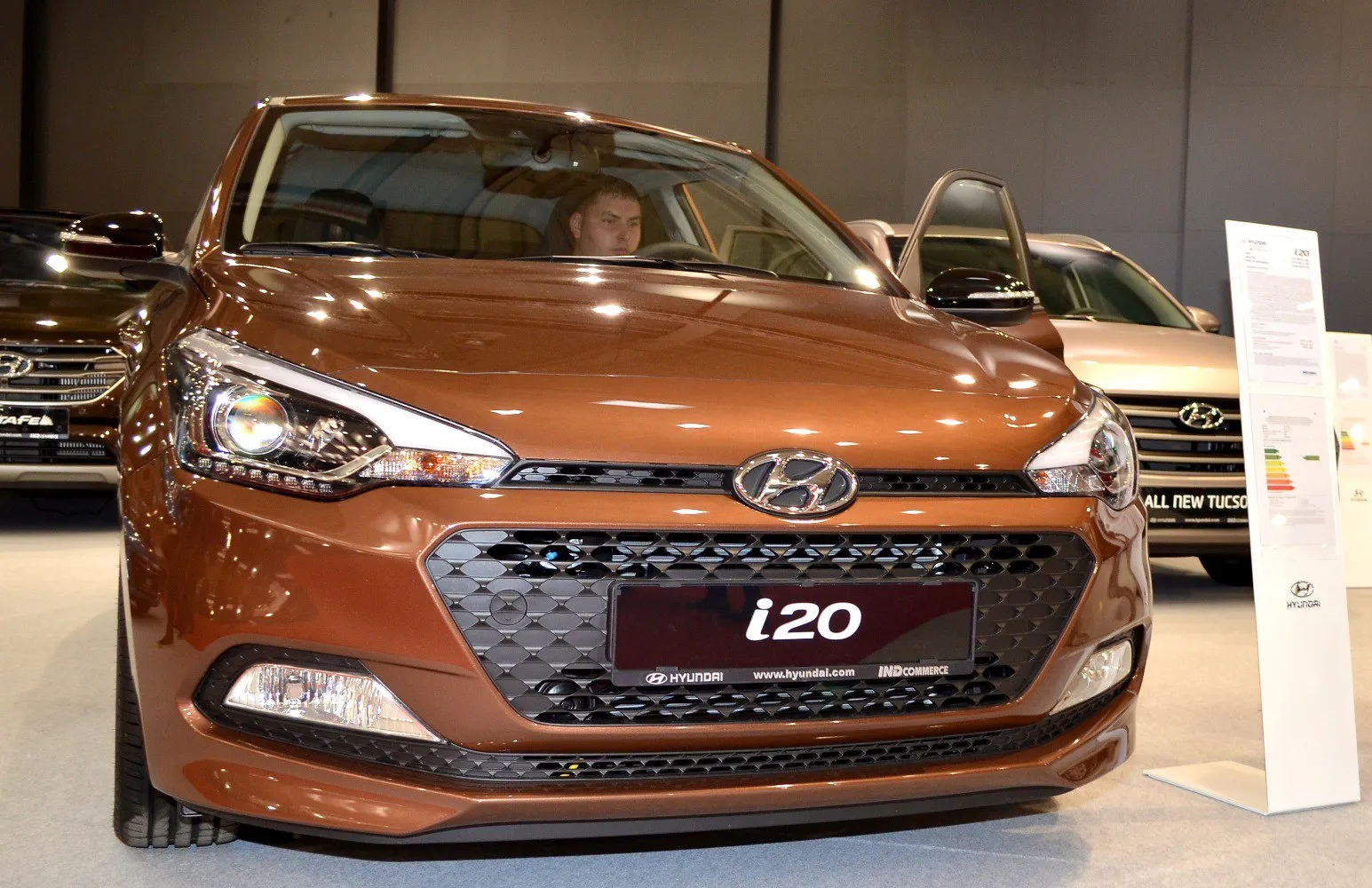
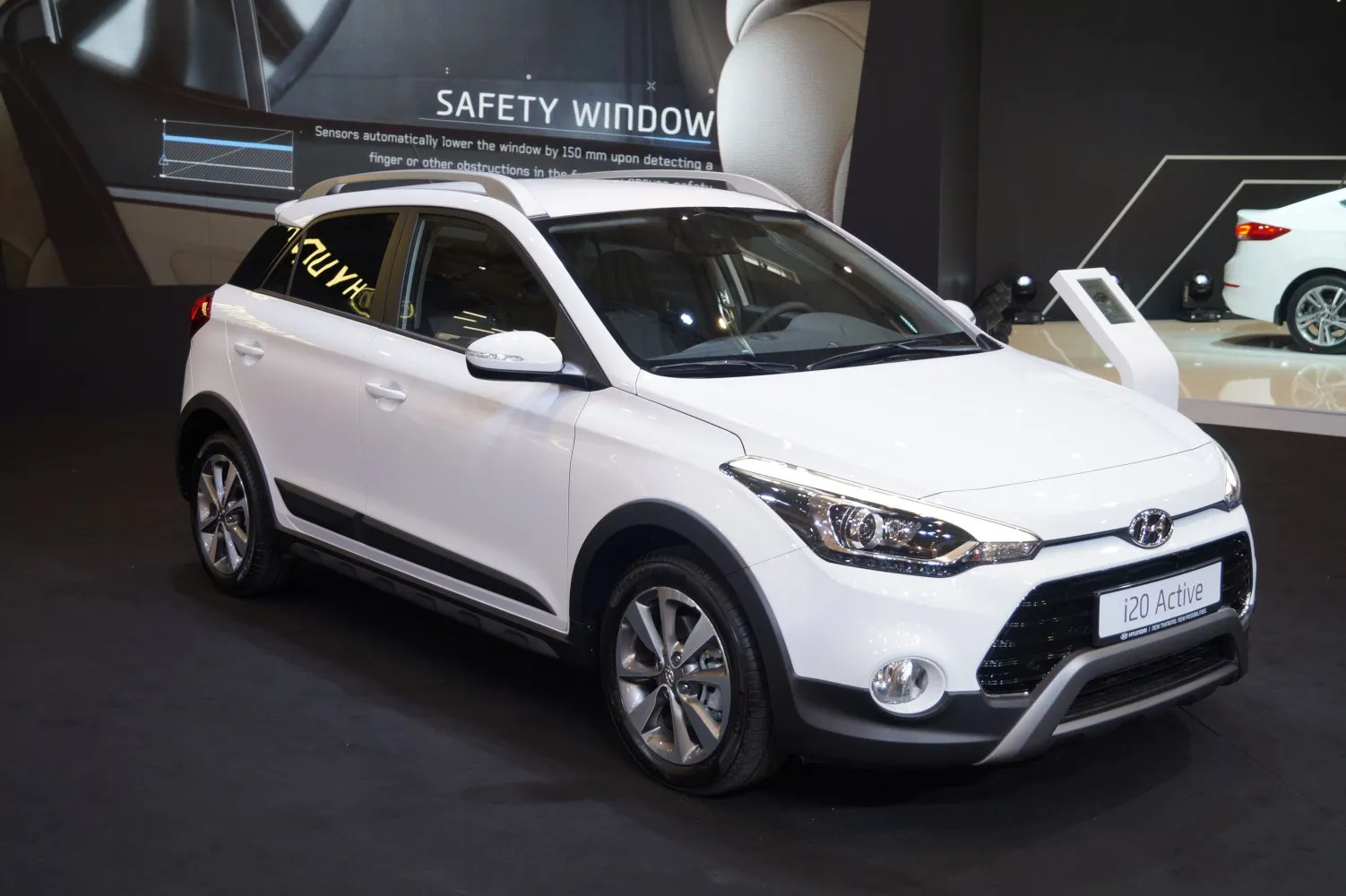
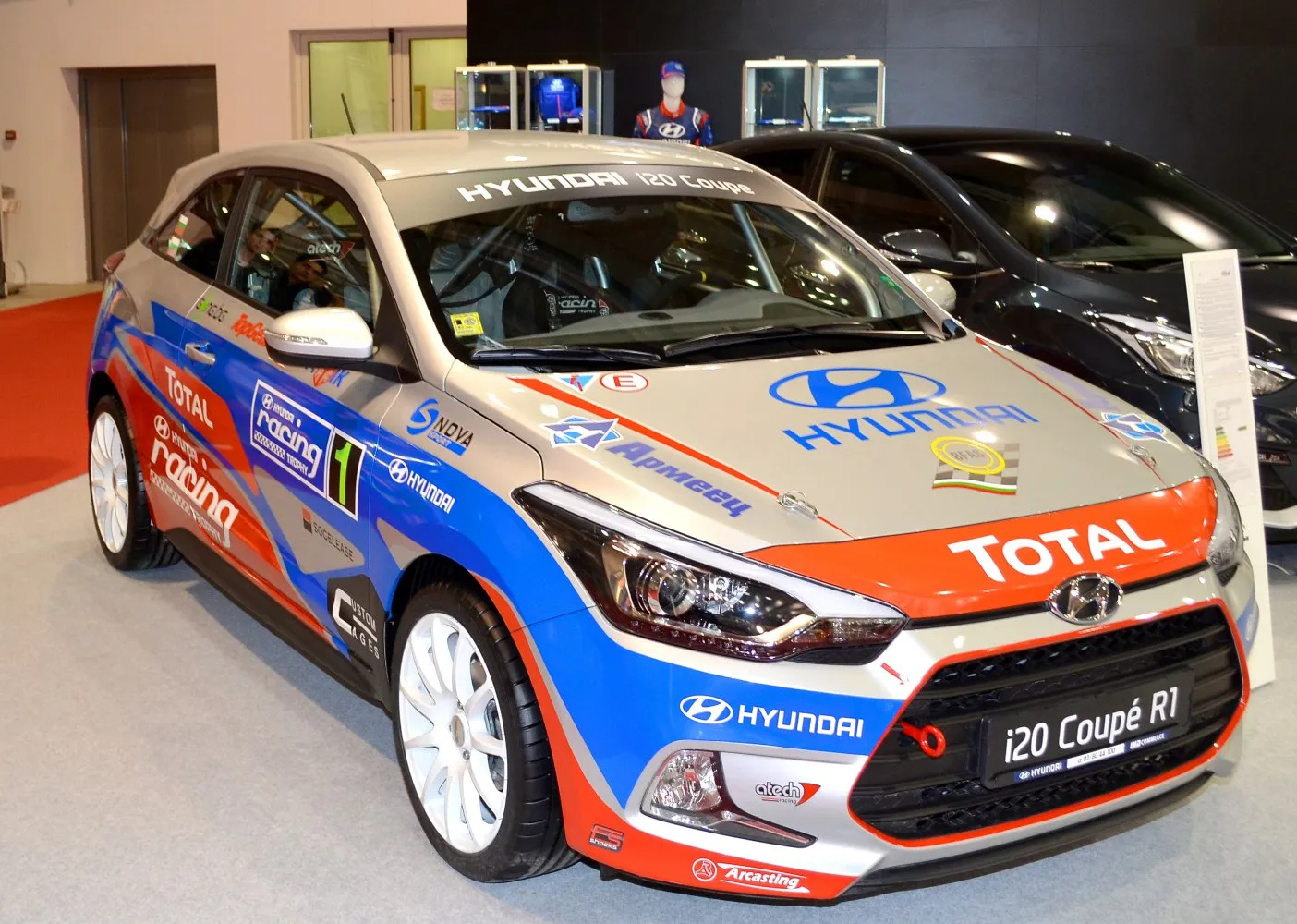
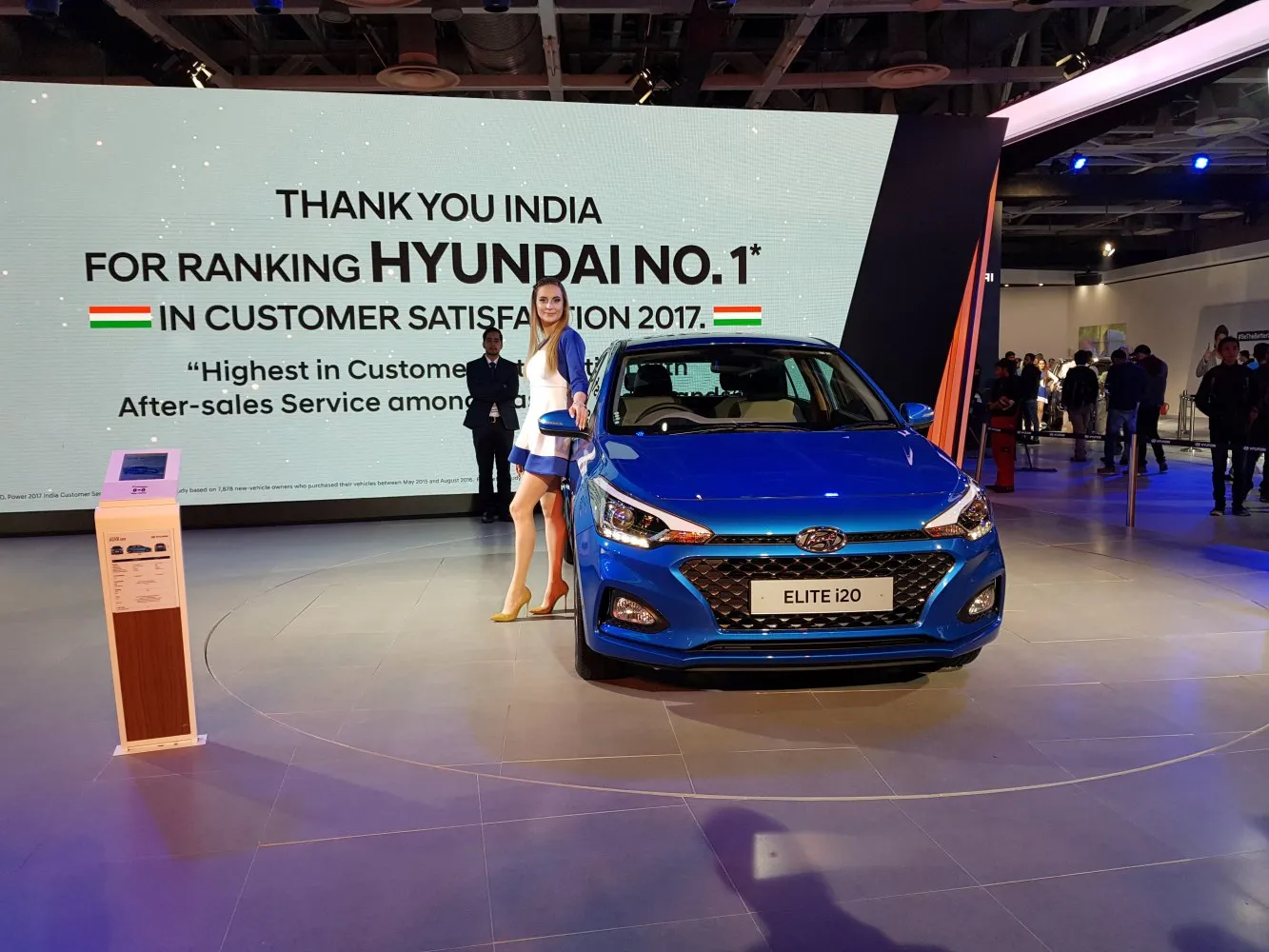
The Hyundai i20 is a supermini hatchback produced by Hyundai since 2008. The i20 made its debut at the Paris Motor Show in October 2008, and sits between the i10 and i30. The i20 replaces the Getz in nearly all of its markets, while several markets received the slightly larger Accent/Verna hatchback to replace it instead.
Currently, the largest markets for the i20 are Europe and India, with two different variations being developed to cater to each market.
The Hyundai i20 uses a completely new platform that was created at Hyundai's European technical centre in Rüsselsheim to allow Hyundai to move into Europe's highly competitive subcompact B segment. A 2,525 mm wheelbase helps endow the i20 with a generous passenger cabin. Suspension follows the supermini norm of MacPherson struts at the front and a torsion beam rear end, with rack and pinion steering....(Read more on Wikipedia)
III (facelift 2023) Overview:
Hyundai i20 (III (facelift 2023)). With 172 Nm of torque, it offers ample pulling power. Weighing only 1145 kg, it’s quite light. Front‑wheel drive delivers efficiency and easy handling. Acceleration is relatively slow (0–100 km/h in 10.1 s). The top speed reaches 190 km/h. A compact car with a rear door that swings upward to provide access to the cargo area. Seating for 5 makes it ideal for daily use.
Performance Verdict
The most engaging option, delivering lively acceleration and strong mid-range torque. The iMT allows for driver control and efficiency.
Fuel Economy
Impressive balance of power and efficiency, with the mild-hybrid system contributing to lower running costs.
Best Use Case:
Mixed / Enthusiastic
Pros and Cons:
Pros:
- • Stylish and modern exterior design post-facelift
- • Spacious and practical interior for a supermini
- • Wide range of efficient engine options, including mild-hybrid
- • Good value for money with generous standard equipment
- • Comfortable ride quality for daily commuting
Cons:
- • Base naturally aspirated engines can feel underpowered
- • Rear visibility can be somewhat restricted
- • Some interior plastics feel hard to the touch
- • Euro NCAP rating of 4 stars is not class-leading
- • Noticeable road noise at higher speeds
Specifications:
Specifications are compared to those of the previous generation(II Elite (facelift 2018): May, 2018 - 2020).
| General: |
| Brand: | Hyundai |
|---|
| Model: | i20 |
|---|
| Generation: | III (facelift 2023) |
|---|
| Modification (Engine): | 1.0 T-GDI (120 Hp) Mild Hybrid iMT |
|---|
| Start of production: | May, 2023 |
|---|
| End of production: | May, 2024 |
|---|
| Powertrain Architecture: | MHEV (Mild Hybrid Electric Vehicle, power-assist hybrid, battery-assisted hybrid vehicles, BAHV) |
|---|
| Body type: | Hatchback |
|---|
| Seats: | 5 |
|---|
| Doors: | 5 |
|---|
| Engine: |
| Engine systems: | Start & Stop System |
|---|
| Power: | 120 Hp @ 6000 rpm. Same horsepower |
|---|
| Power per litre: | 120.2 Hp/l [80mm more] |
|---|
| Torque: | 172 Nm @ 1500-4000 rpm. |
|---|
| Engine Model/Code: | G3LF More details about the engine G3LF |
|---|
| Engine displacement: | 998 |
|---|
| Number of cylinders: | 3 |
|---|
| Engine configuration: | Inline |
|---|
| Number of valves per cylinder: | 4 |
|---|
| Fuel injection system: | Direct injection |
|---|
| Engine aspiration: | Turbocharger, Intercooler |
|---|
| Engine oil capacity: | 3.6 l |
|---|
| Coolant: | 5.77 l |
|---|
| Engine layout: | Front, Transverse |
|---|
| Performance: |
| Fuel Type: | Petrol (Gasoline) |
|---|
| Combined fuel consumption (WLTP): | 5.1-5.5 l/100 km |
|---|
| Emission standard: | Euro 6d |
|---|
| Acceleration 0 - 100 km/h: | 10.1 sec |
|---|
| Acceleration 0 - 62 mph: | 10.1 sec |
|---|
| Maximum speed: | 190 km/h |
|---|
| Weight-to-power ratio: | 9.1 kg/Hp, 110.1 Hp/tonne |
|---|
| Weight-to-torque ratio: | 6.3 kg/Nm, 157.8 Nm/tonne |
|---|
| Acceleration 0 - 60 mph: | 9.6 sec |
|---|
| Space: |
| Kerb Weight: | 1090-1200 |
|---|
| Max. weight: | 1620 |
|---|
| Max. roof load: | 70 kg |
|---|
| Max load: | 420-530 |
|---|
| Fuel tank capacity: | 40 l |
|---|
| Size: |
| Length: | 4065 mm mm [80mm more] |
|---|
| Width: | 1775 mm mm [41mm more] |
|---|
| Height: | 1450 mm mm [55mm less] |
|---|
| Wheelbase: | 2580 mm mm [10mm more] |
|---|
| Front track: | 1531-1545 mm |
|---|
| Rear (Back) track: | 1536-1549 mm |
|---|
| Powertrain: |
| Drivetrain Architecture | The Internal combustion engine (ICE) and electric motor drive the front wheels of the car with the ability to work only in mixed mode. |
|---|
| Drive wheel | Front wheel drive |
|---|
| Number of gears | 6 |
|---|
| Transmission type | Manual |
|---|
| Gearbox type | iMT |
|---|
| Front brakes | Ventilated discs [Best for performance and cooling.] |
|---|
| Rear brakes | Disc |
|---|
| Assisting systems | ABS (Anti-lock braking system) |
|---|
| Steering type | Steering rack and pinion |
|---|
| Power steering | Electric Steering |
|---|
| Tires size | 185/65 R15; 195/55 R16; 215/45 R17 |
|---|
| Wheel rims size | 15; 16; 17 |
|---|
| Front suspension | Independent type McPherson |
|---|
| Rear suspension | Torsion |
|---|
| Electric: |
| Battery voltage: | 48 V |
|---|












How many miles have you covered in your Hyundai i20? Share your journey!