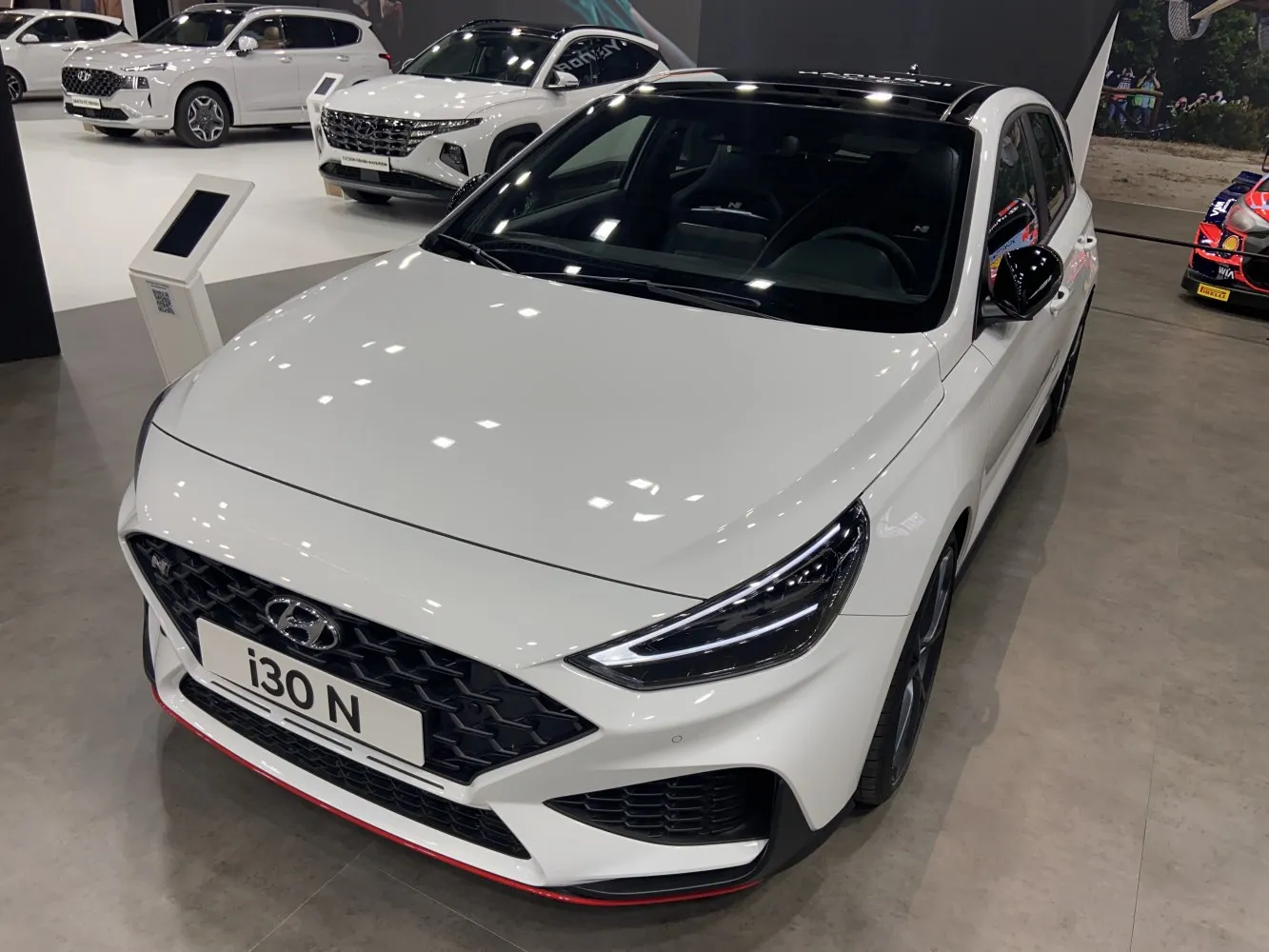
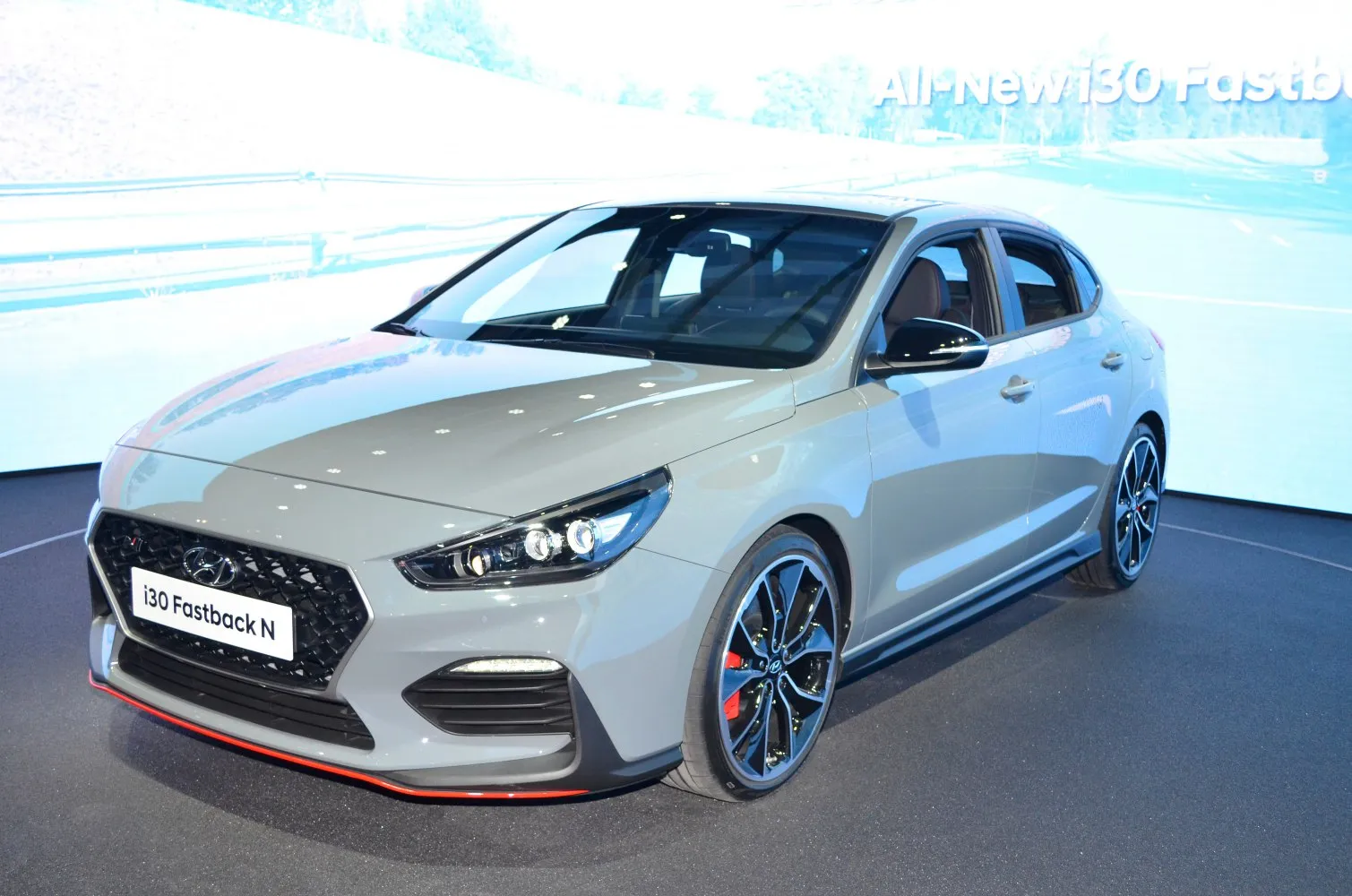
Hyundai i30 III (facelift 2024) 1.5 T-GDI (140 Hp) Mild Hybrid
People\'s Opinion
N/A / 5
Hyundai i30:
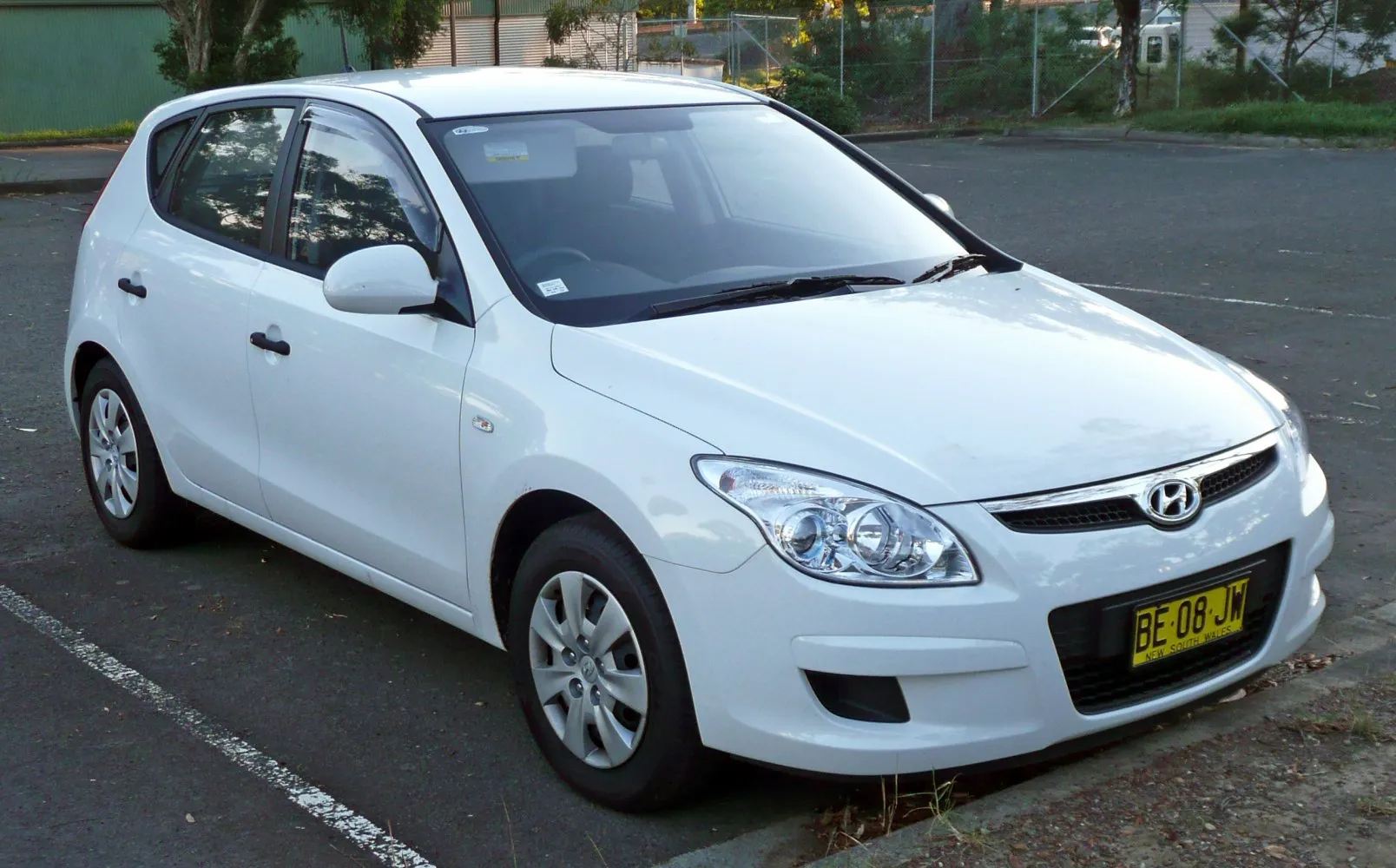
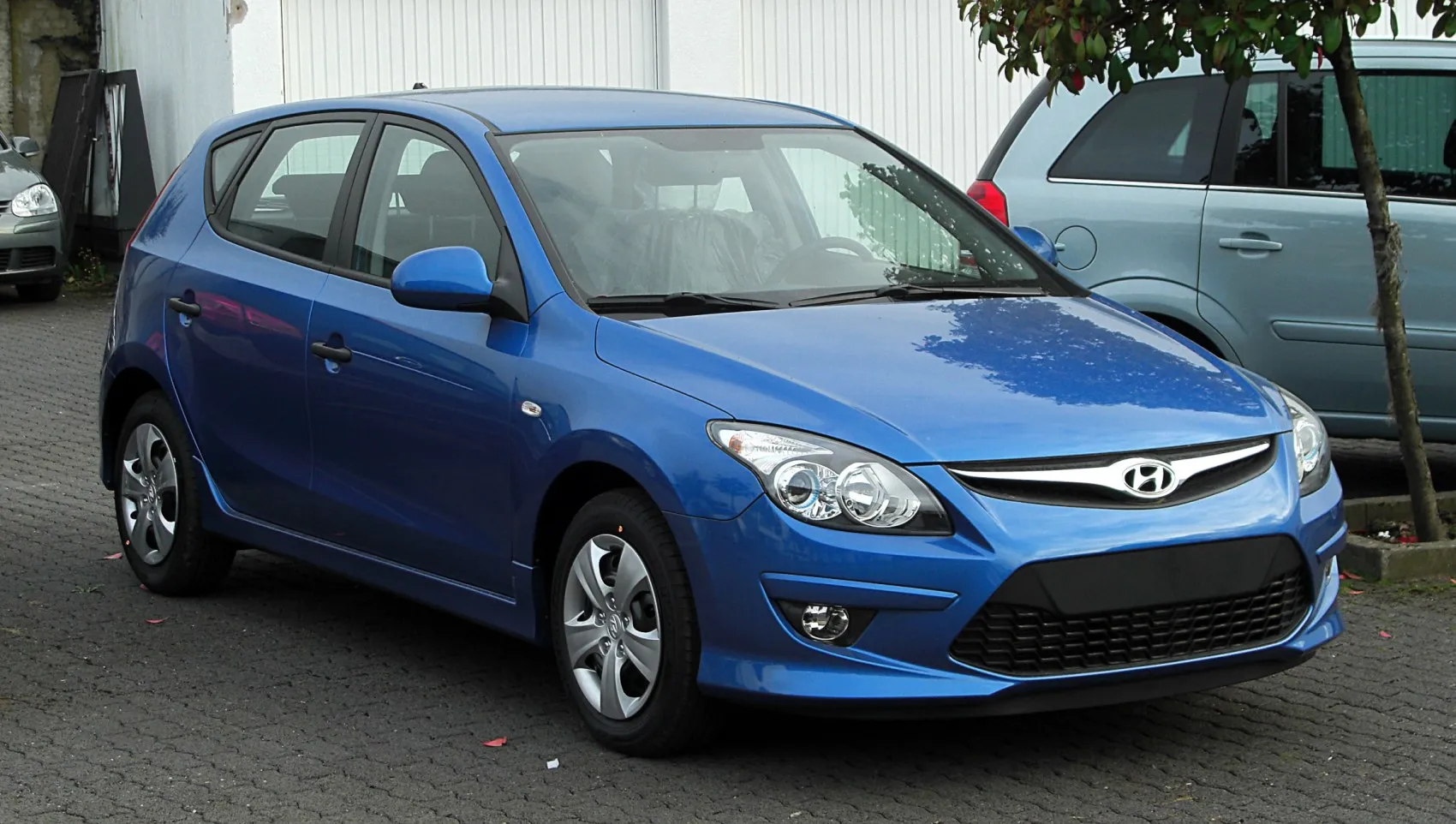
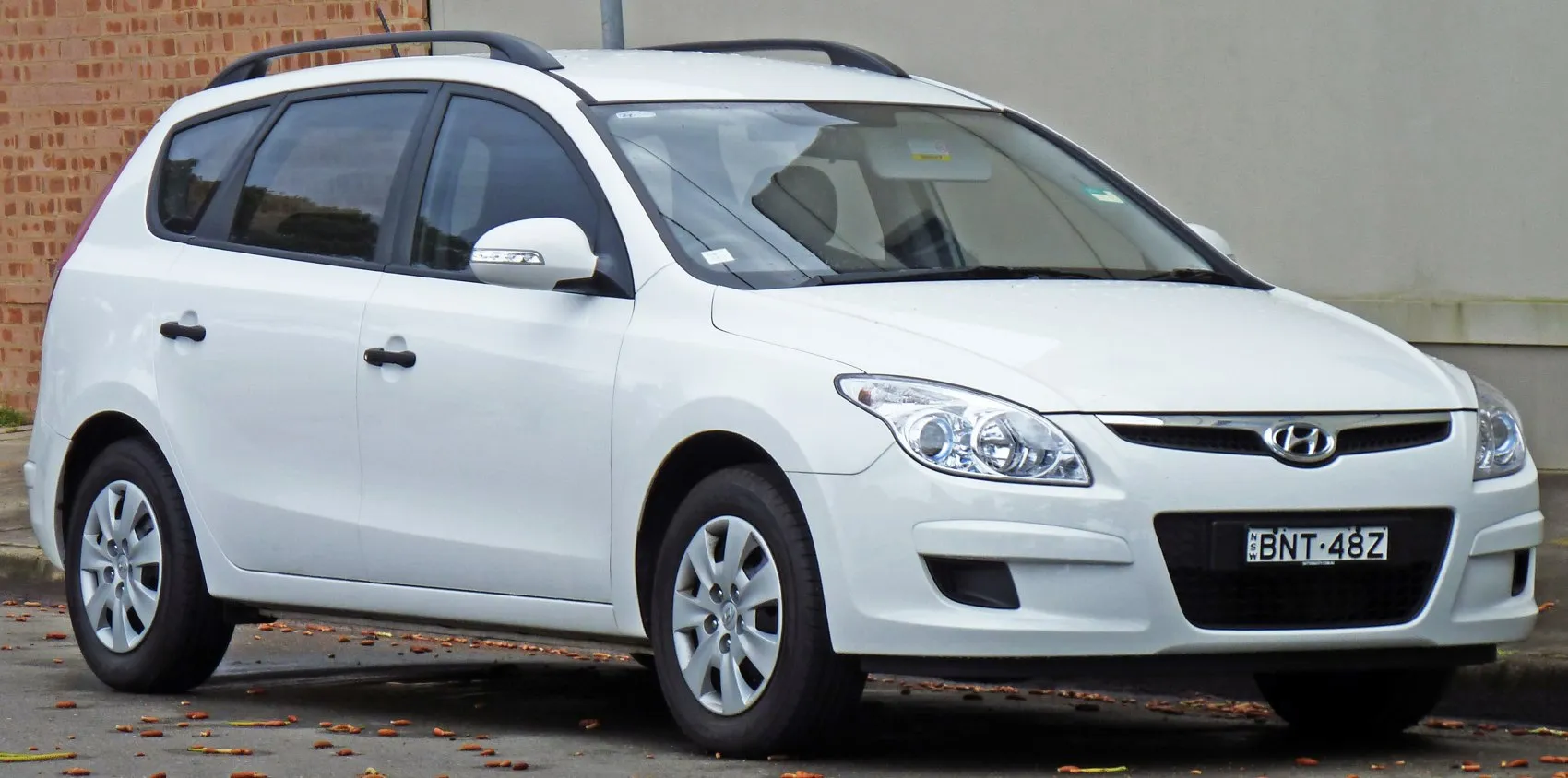
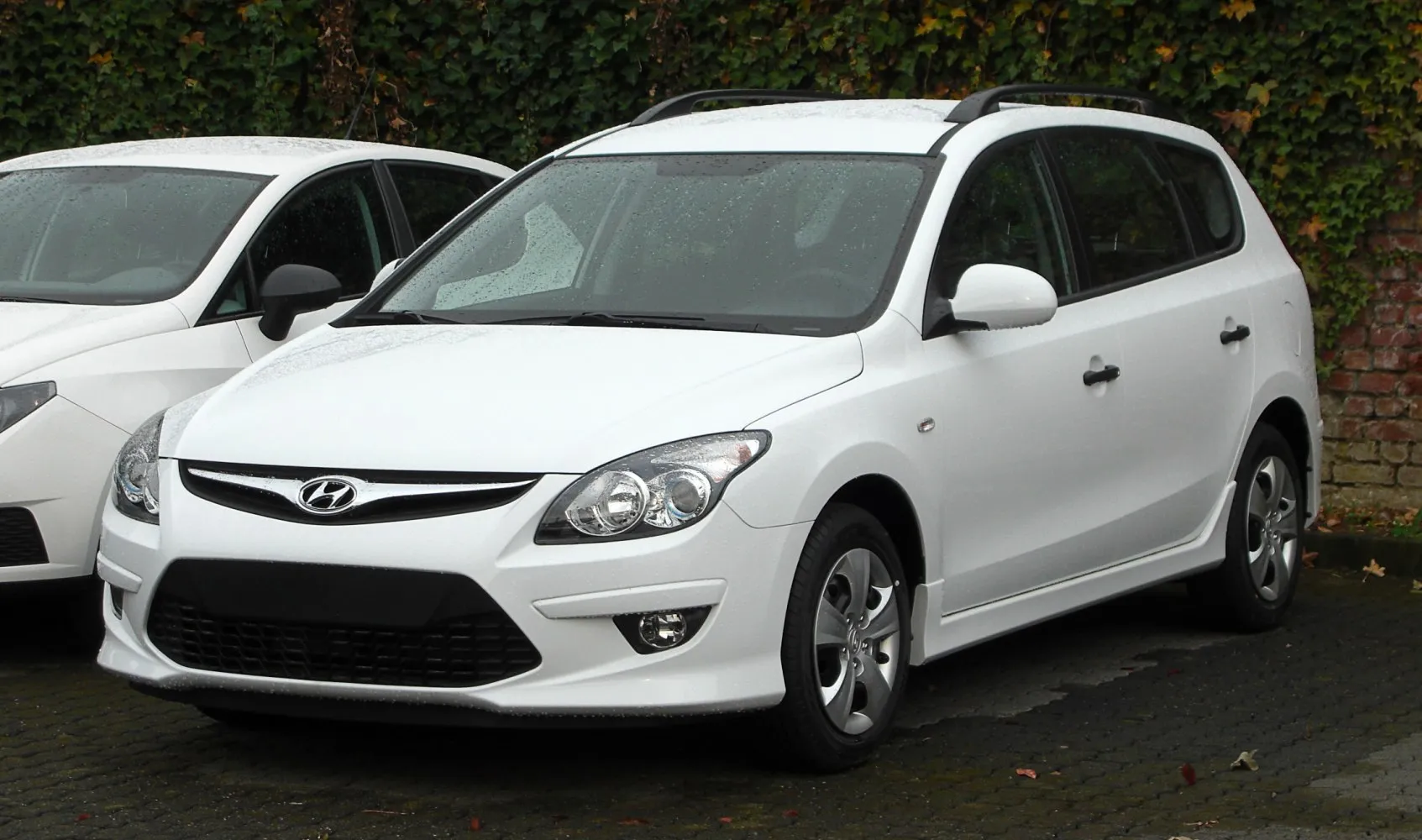
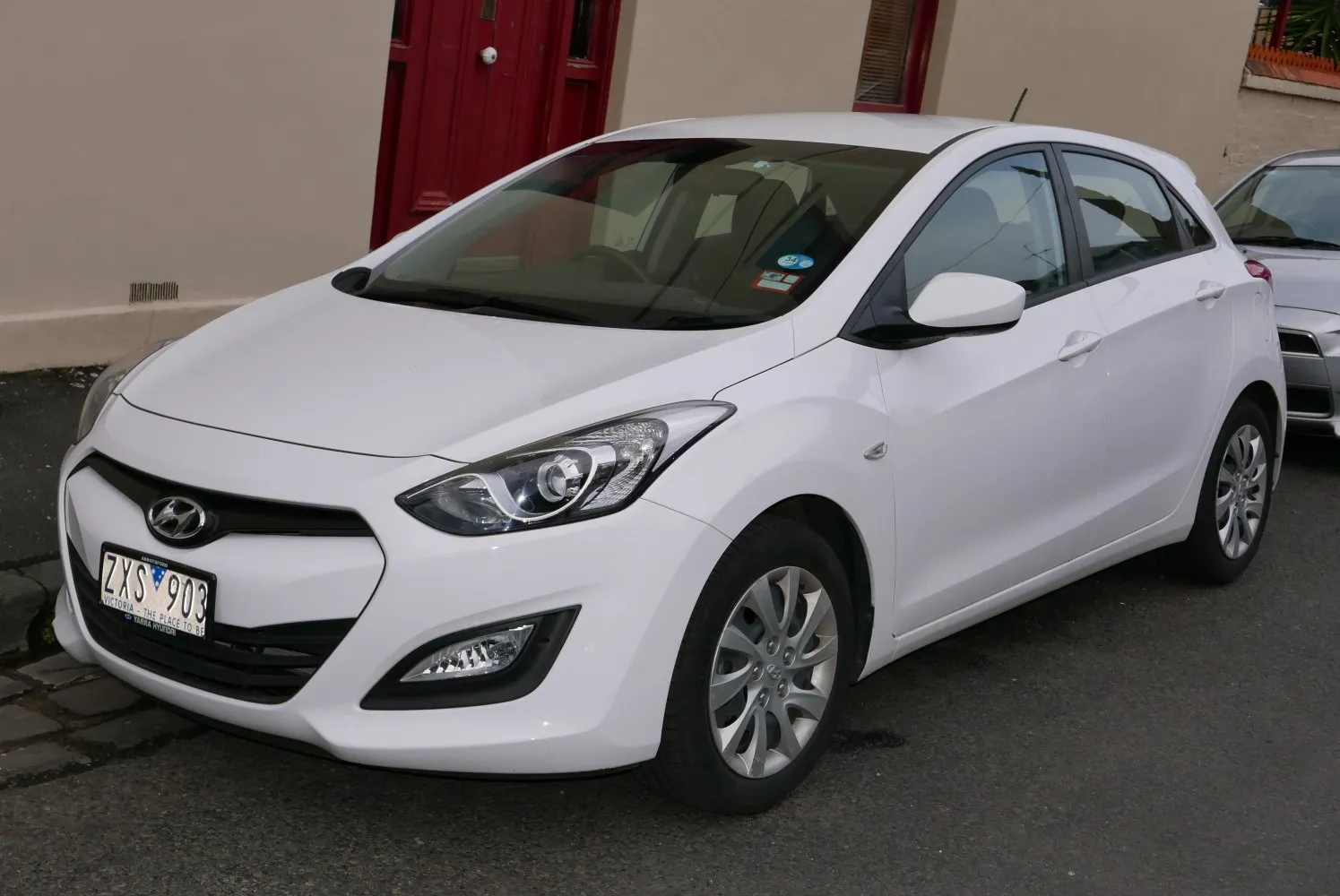
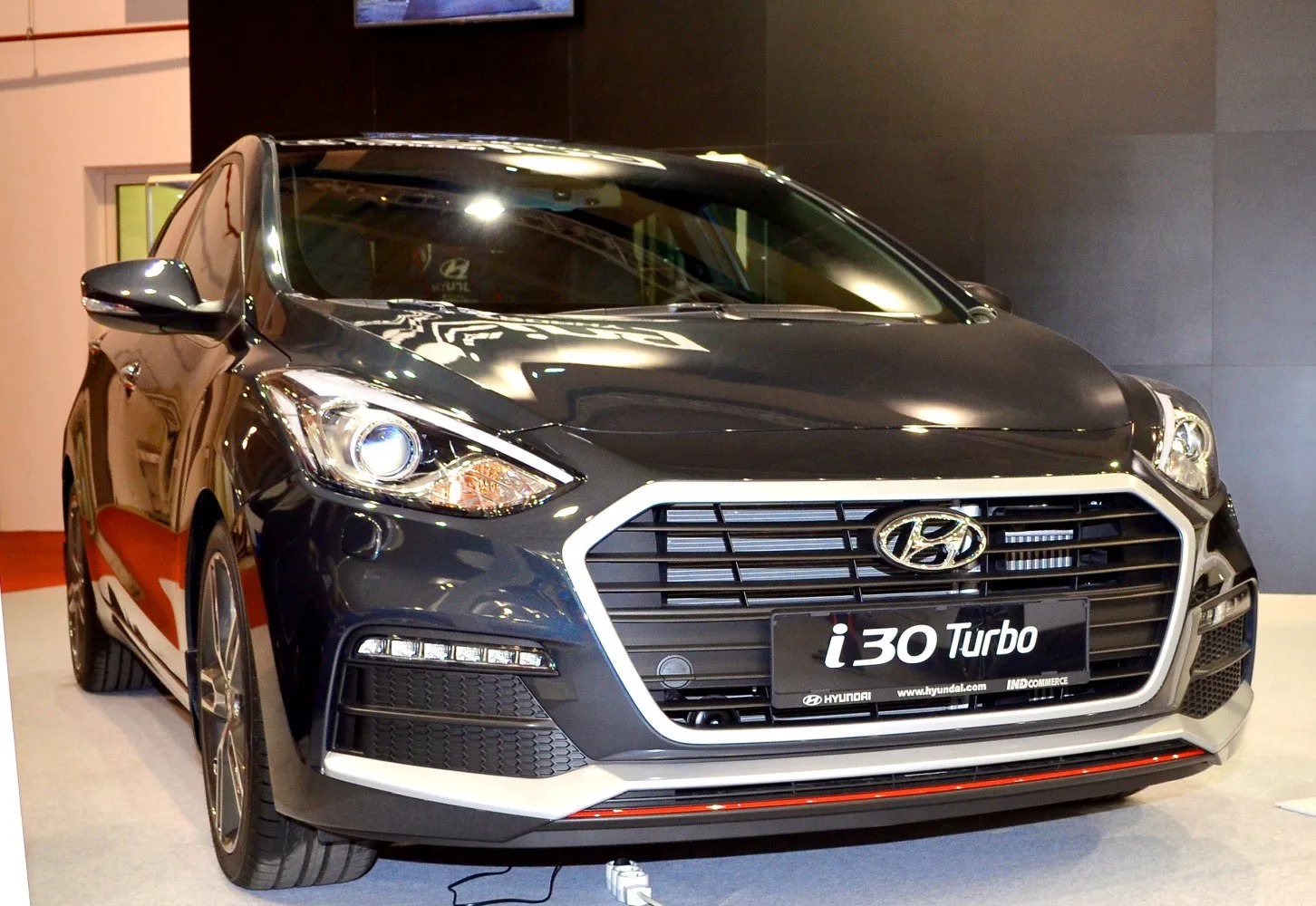
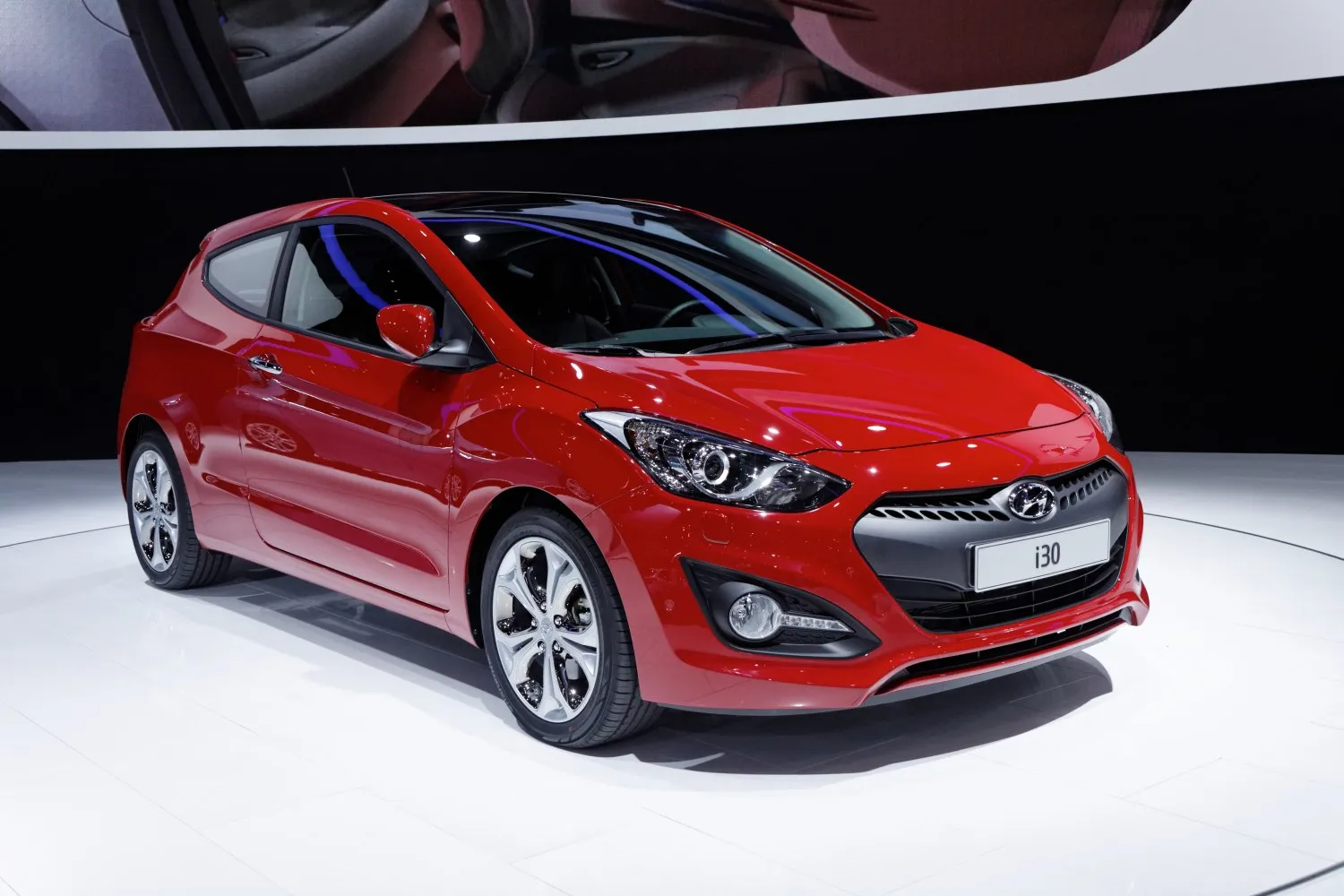
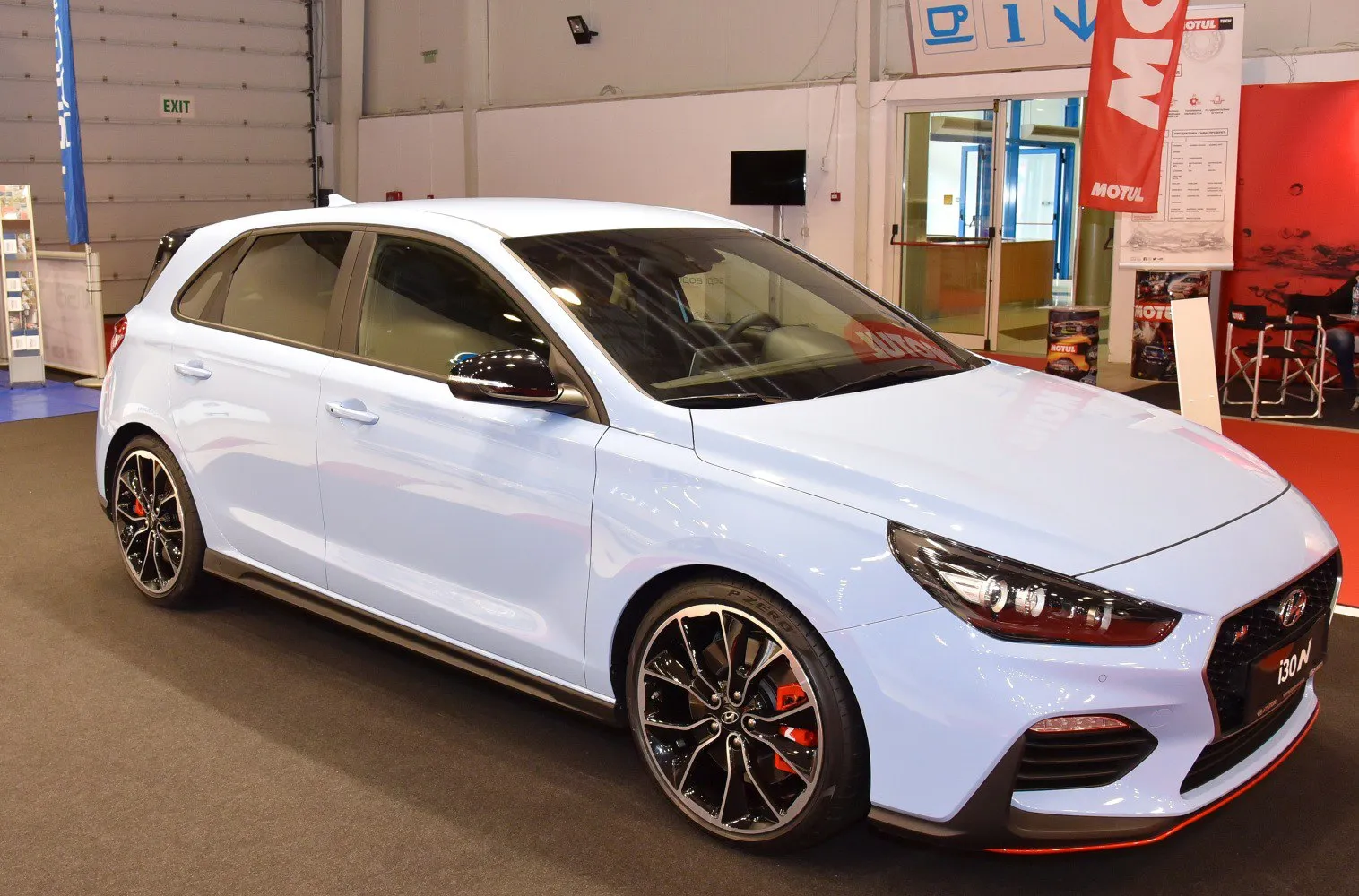
The Hyundai i30 is a small family car manufactured by the South Korean manufacturer Hyundai Motor Company since 2006. The i30 shares its platform with the Kia Ceed, available as a three-door hatchback , five-door hatchback, five-door estate and five-door liftback , with a choice of three petrol engines and two diesel engines, either with manual or automatic transmission.
The i30 was marketed alongside the fifth-generation Hyundai Elantra in the United States and Canada until the end of 2020. While initially the i30 wagon was sold as the Elantra Touring, in 2012 it was replaced by the i30 hatchback, carrying Elantra GT badging. The second-generation i30 was introduced in September 2011 at the Frankfurt Motor Show....(Read more on Wikipedia)
III (facelift 2024) Overview:
Hyundai i30 (III (facelift 2024)). With 253 Nm of torque, it offers ample pulling power. With a weight of 1346 kg, it falls in the mid‑range. Front‑wheel drive delivers efficiency and easy handling. Acceleration is relatively slow (0–100 km/h in 9.6 s). The top speed reaches 197 km/h. A compact car with a rear door that swings upward to provide access to the cargo area. Seating for 5 makes it ideal for daily use.
Performance Verdict
Offers strong performance with the added engagement of a manual gearbox, appealing to drivers who prefer more control. The mild-hybrid system provides a good power boost.
Fuel Economy
Very good fuel economy, benefiting from the mild-hybrid system. Manual transmission might offer slightly better real-world efficiency for skilled drivers compared to the DCT.
Best Use Case:
Enthusiast driving / Mixed driving
Pros and Cons:
Pros:
- • Efficient mild-hybrid powertrains offer good fuel economy
- • Refreshed exterior styling keeps it competitive
- • Spacious and practical interior with good boot capacity
- • Comfortable ride quality and stable handling
- • Comprehensive safety features (based on previous gen's strong rating)
Cons:
- • 1.0 T-GDI engine can feel underpowered on highways, especially with load
- • Interior design, while functional, might lack flair compared to some rivals
- • Euro NCAP rating is from 2017, potentially outdated by 2024 standards
- • No significant performance variant beyond N-Line styling (if not full N)
Specifications:
Specifications are compared to those of the previous generation(III CW (facelift 2019): 2019 - 2020).
| General: |
| Brand: | Hyundai |
|---|
| Model: | i30 |
|---|
| Generation: | III (facelift 2024) |
|---|
| Modification (Engine): | 1.5 T-GDI (140 Hp) Mild Hybrid |
|---|
| Start of production: | June, 2024 |
|---|
| Powertrain Architecture: | MHEV (Mild Hybrid Electric Vehicle, power-assist hybrid, battery-assisted hybrid vehicles, BAHV) |
|---|
| Body type: | Hatchback |
|---|
| Seats: | 5 |
|---|
| Doors: | 5 |
|---|
| Engine: |
| Engine systems: | Start & Stop System |
|---|
| Power: | 140 Hp @ 5500 rpm. Same horsepower |
|---|
| Power per litre: | 94.5 Hp/l [245mm less] |
|---|
| Torque: | 253 Nm @ 1500-3000 rpm. |
|---|
| Engine Model/Code: | G4LK More details about the engine G4LK |
|---|
| Engine displacement: | 1482 |
|---|
| Number of cylinders: | 4 |
|---|
| Engine configuration: | Inline |
|---|
| Number of valves per cylinder: | 4 |
|---|
| Fuel injection system: | Direct injection |
|---|
| Engine aspiration: | Turbocharger, Intercooler |
|---|
| Engine oil capacity: | 4.2 l |
|---|
| Coolant: | 6.6 l |
|---|
| Engine layout: | Front, Transverse |
|---|
| Cylinder Bore: | 71.5 mm |
|---|
| Piston Stroke: | 92 mm |
|---|
| Performance: |
| Fuel Type: | Petrol (Gasoline) |
|---|
| Combined fuel consumption (WLTP): | 5.9-6.7 l/100 km |
|---|
| Emission standard: | Euro 6e |
|---|
| Acceleration 0 - 100 km/h: | 9.6 sec |
|---|
| Acceleration 0 - 62 mph: | 9.6 sec |
|---|
| Maximum speed: | 197 km/h |
|---|
| Weight-to-power ratio: | 9.1 kg/Hp, 109.4 Hp/tonne |
|---|
| Weight-to-torque ratio: | 5.1 kg/Nm, 197.7 Nm/tonne |
|---|
| Acceleration 0 - 60 mph: | 9.1 sec |
|---|
| Space: |
| Kerb Weight: | 1280-1413 |
|---|
| Max. weight: | 1840 |
|---|
| Max. roof load: | 80 kg |
|---|
| Max load: | 427-560 |
|---|
| Trunk (boot) space - maximum: | 1301 l |
|---|
| Trunk (boot) space - minimum: | 395 l |
|---|
| Permitted trailer load with brakes (12%): | 1210 kg |
|---|
| Fuel tank capacity: | 50 l |
|---|
| Permitted trailer load without brakes: | 610 kg |
|---|
| Permitted towbar download: | 80 kg |
|---|
| Size: |
| Length: | 4340 mm [245mm less] |
|---|
| Width: | 1795 mm [Same width.] |
|---|
| Height: | 1455 mm [20mm less] |
|---|
| Wheelbase: | 2650 mm [Same wheelbase.] |
|---|
| Front track: | 1555-1559 mm |
|---|
| Rear (Back) track: | 1563-1567 mm |
|---|
| Front overhang: | 905 mm |
|---|
| Rear overhang: | 785 mm |
|---|
| Ride height (ground clearance): | 140 mm |
|---|
| Powertrain: |
| Drivetrain Architecture | The Internal combustion engine (ICE) and electric motor drive the front wheels of the car with the ability to work only in mixed mode. |
|---|
| Drive wheel | Front wheel drive |
|---|
| Number of gears | 6 |
|---|
| Transmission type | Manual |
|---|
| Front brakes | Disc |
|---|
| Rear brakes | Disc |
|---|
| Assisting systems | ABS (Anti-lock braking system) |
|---|
| Steering type | Steering rack and pinion |
|---|
| Power steering | Electric Steering |
|---|
| Tires size | 225/45 R17; 225/40 R18 |
|---|
| Wheel rims size | 7.0J x 17; 7.5J x 18 |
|---|
| Front suspension | Independent type McPherson |
|---|
| Rear suspension | Independent multi-link suspension |
|---|
| Electric: |
| Battery voltage: | 48 V |
|---|















Is the Hyundai i30 worth every penny? Give us your honest ROI.