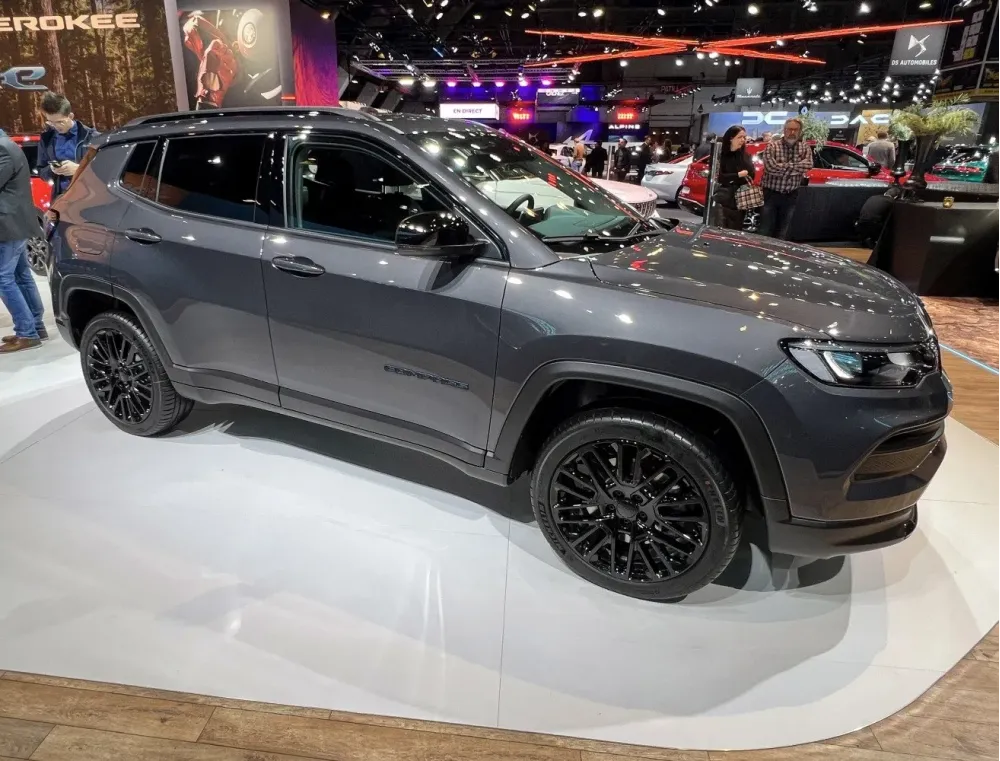
Jeep Compass II (MP, facelift 2021) 2.0 Turbo (200 Hp) 4x4 Automatic
Jeep Compass:
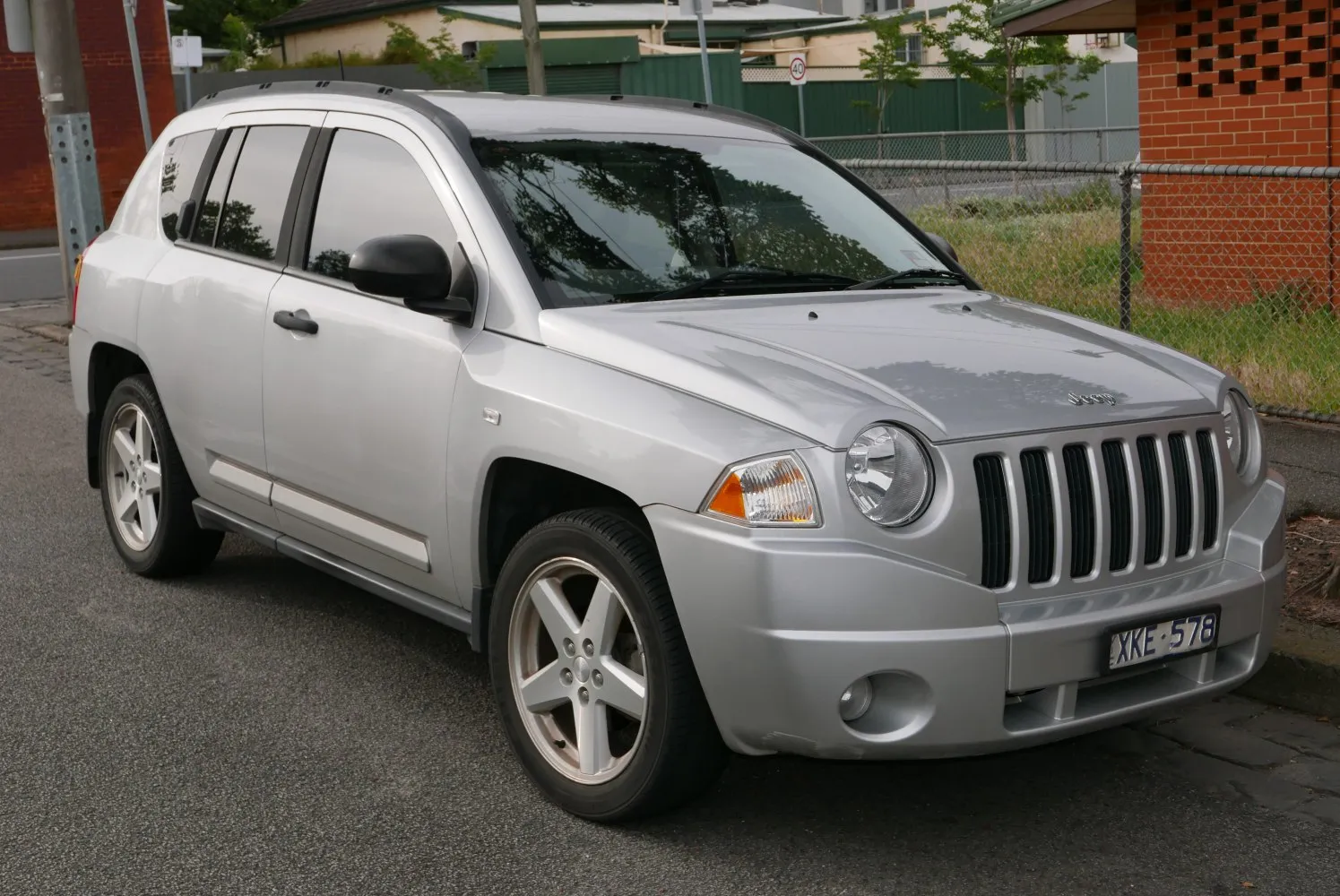
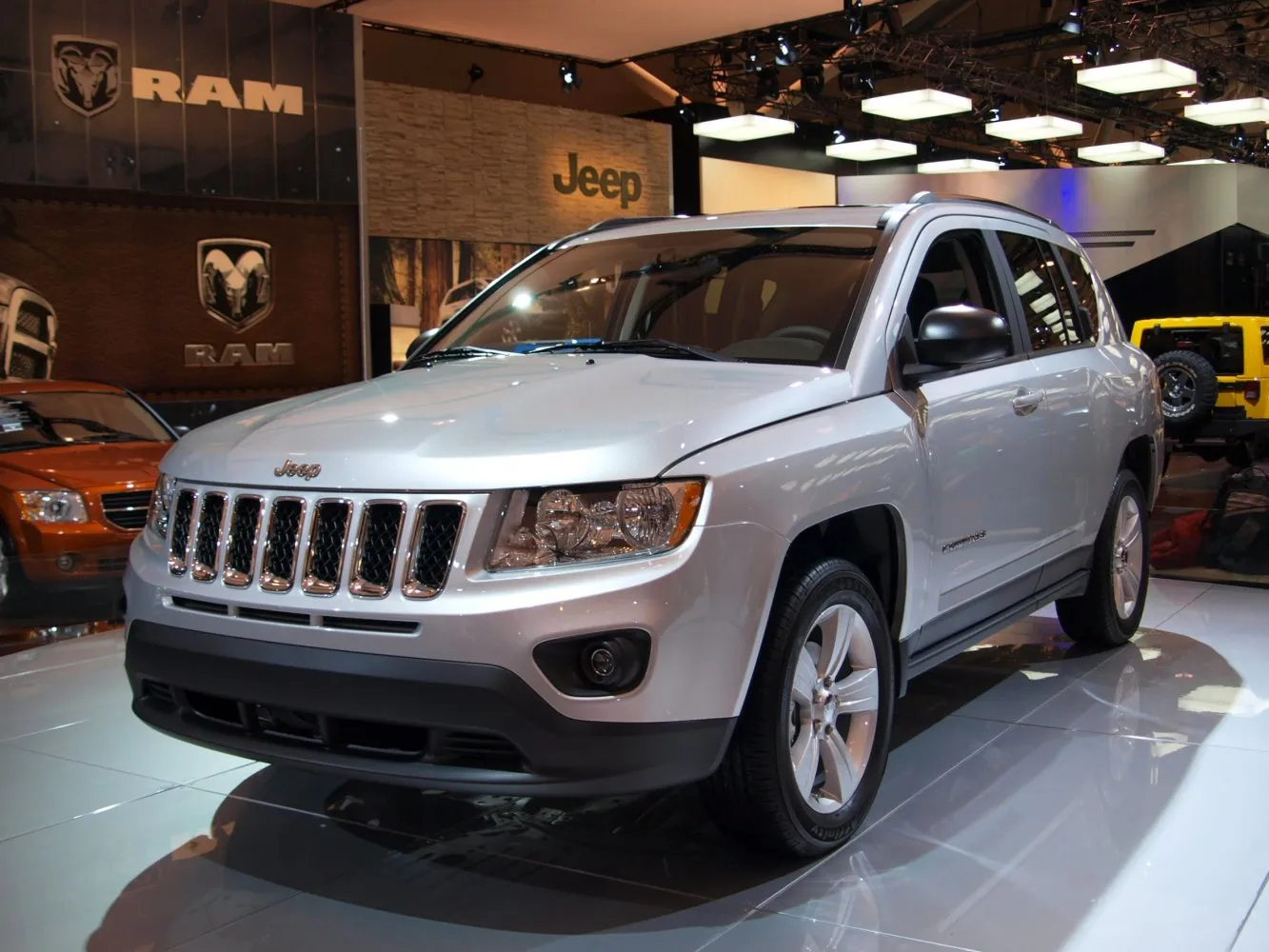
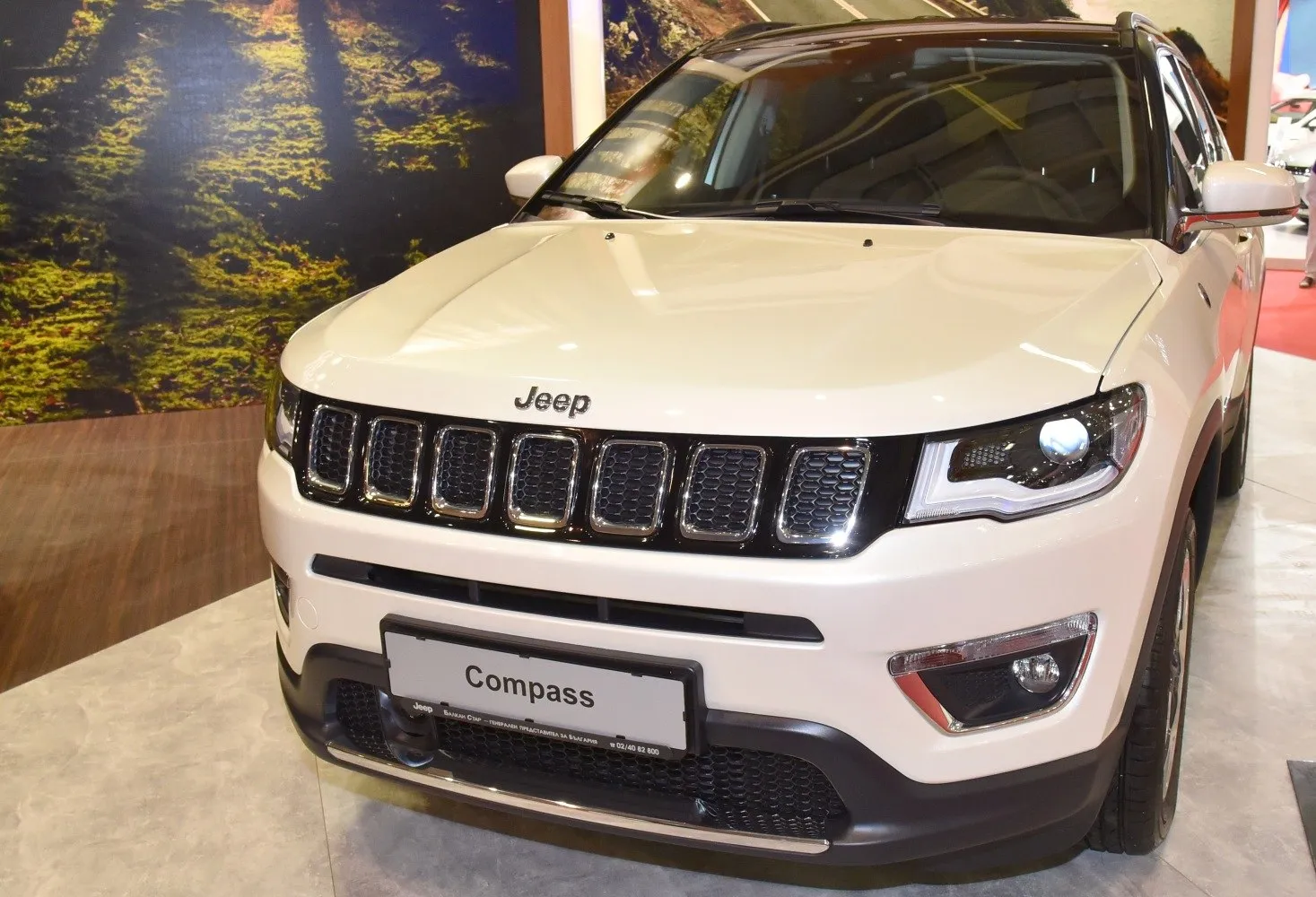
The Jeep Compass is a compact crossover SUV, introduced in 2006 for the 2007 model year. The first generation Compass and Patriot, its rebadged variant, were among Jeep's first crossover SUVs. The second-generation Compass debuted in September 2016 in Brazil and at the Los Angeles International Auto Show in November 2016, sharing a modified platform with the Renegade. It is positioned between the smaller Renegade and the larger Cherokee globally or the Commander in South America. The third-generation Compass debuted in May 2025, built on the STLA Medium by Stellantis, shared with other PSA Groupe vehicles....(Read more on Wikipedia)
II (MP, facelift 2021) Overview:
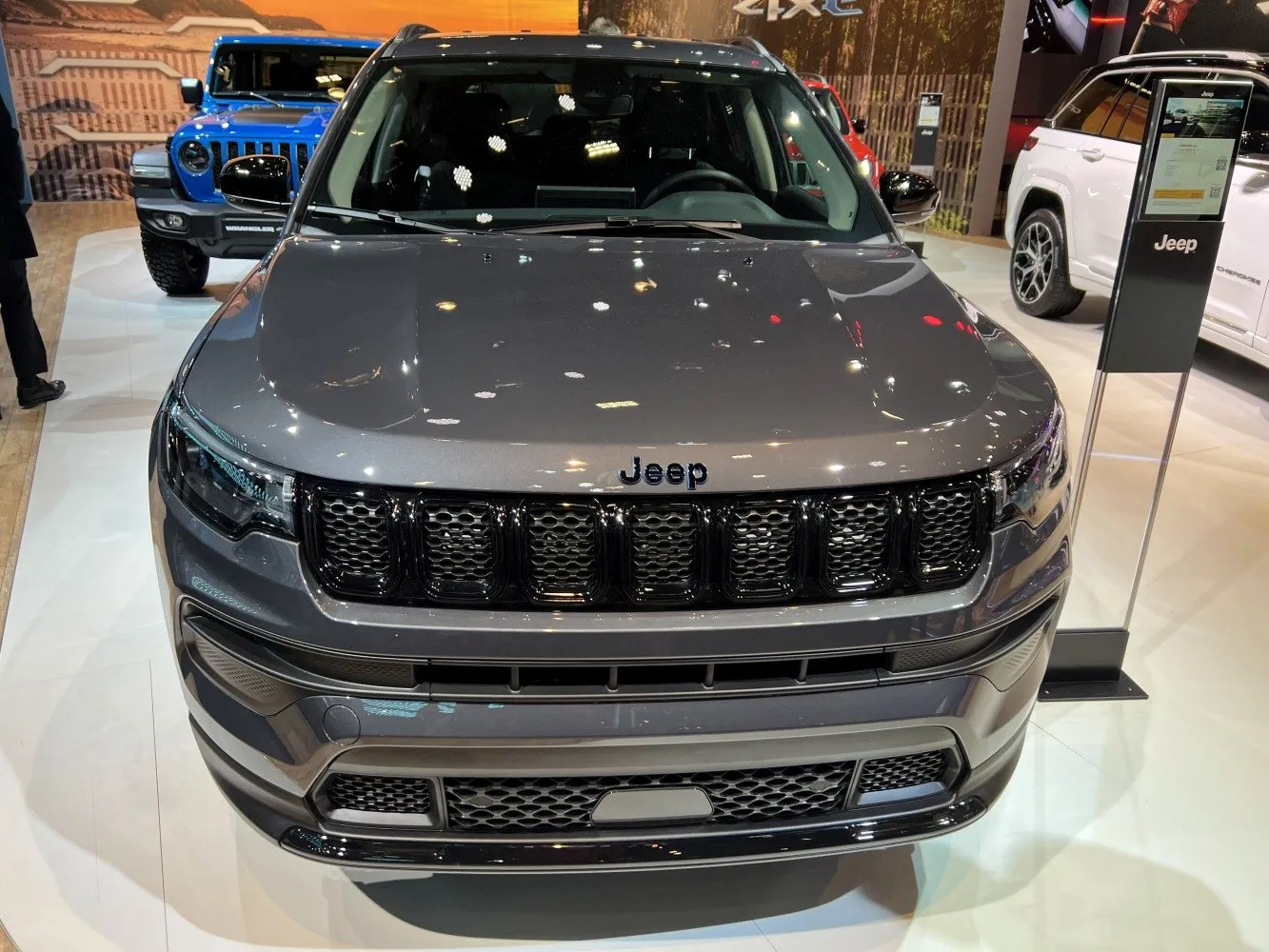
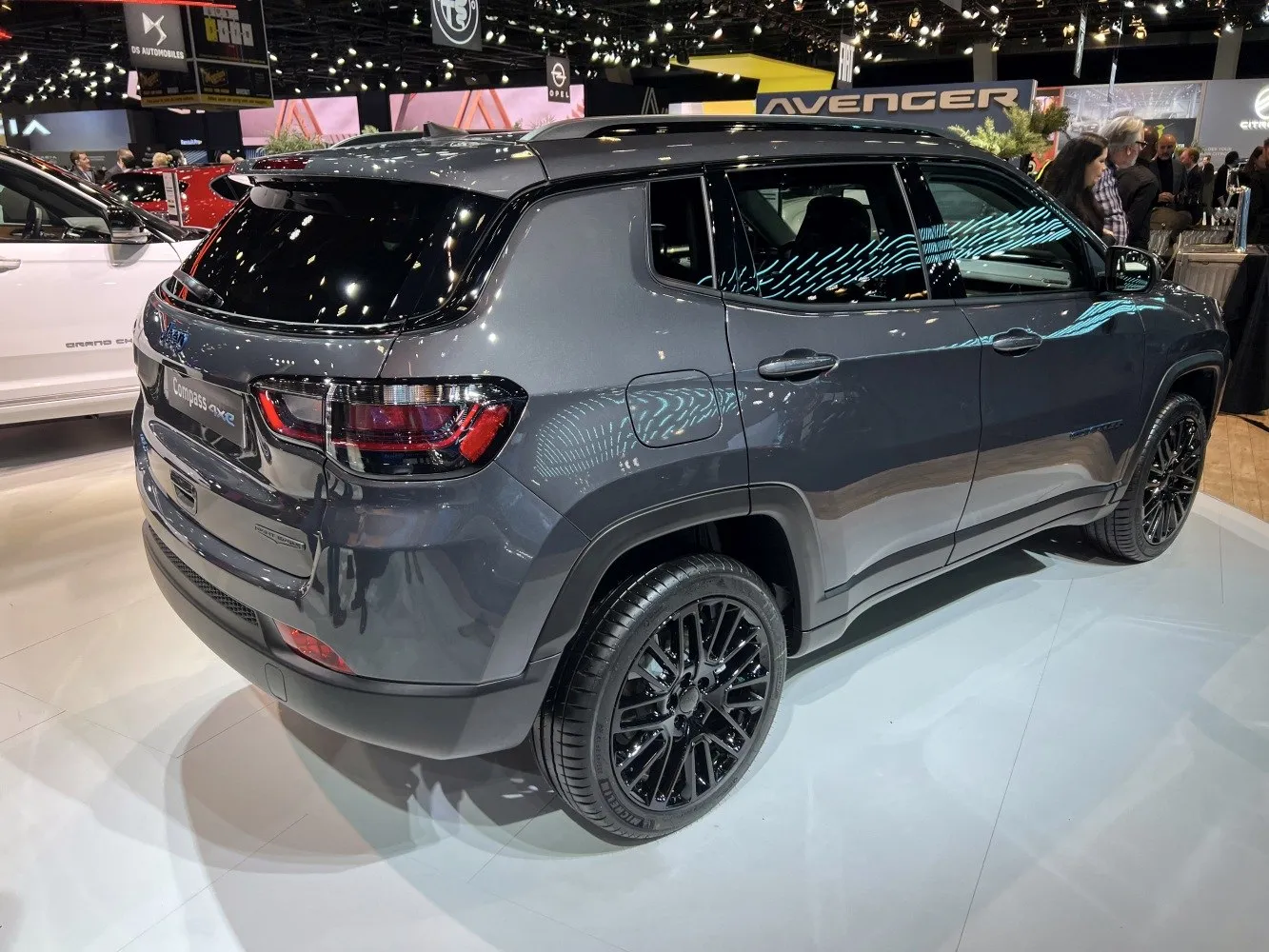
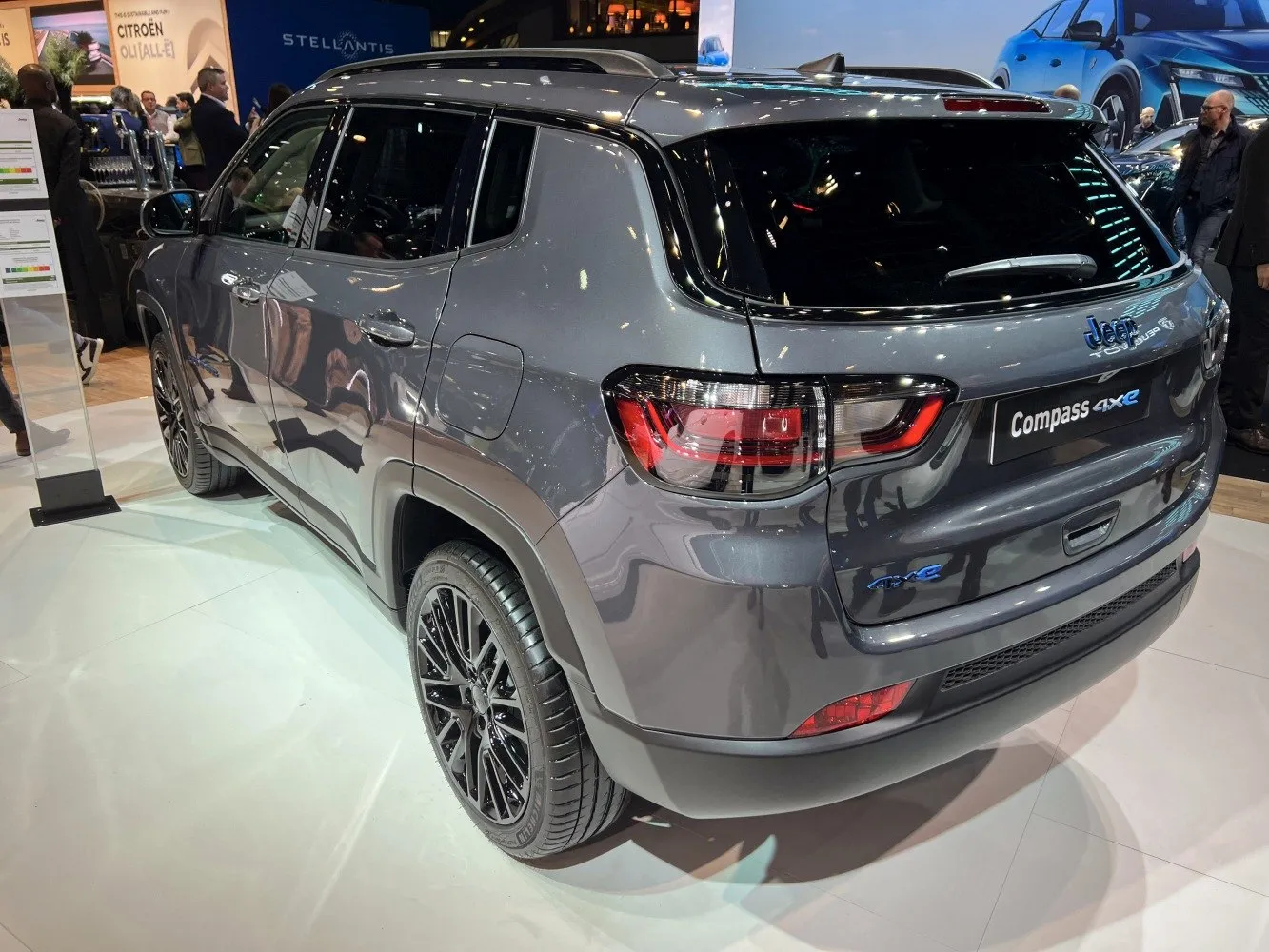
Jeep Compass (II (MP, facelift 2021)). With 300 Nm of torque, it offers ample pulling power. It has moderate fuel consumption (~9.8 l/100km). With a weight of 1642 kg, it falls in the mid‑range. All‑wheel drive provides excellent grip, ideal for off‑road use. A sport utility vehicle offering higher ground clearance and versatile cargo space. Seating for 5 makes it ideal for daily use.
Pros and Cons:
Pros:
- • Adequate and balanced power output (200 hp) for versatile driving.
- • All-wheel drive for superior traction in all conditions.
- • Ventilated disc brakes for reliable cooling and stopping power.
- • Standard trunk space (438 L) suitable for daily needs.
- • Turbocharged engine ensures better torque delivery at low RPMs.
- • Direct fuel injection technology for optimized combustion.
Cons:
- • Relatively high fuel consumption: 8.7 L/100 km combined.
Specifications:
Specifications are compared to those of the previous generation(II (MP, facelift 2021): July, 2021 - November, 2022).
| General: |
| Brand: | Jeep |
|---|
| Model: | Compass |
|---|
| Generation: | II (MP, facelift 2021) |
|---|
| Modification (Engine): | 2.0 Turbo (200 Hp) 4x4 Automatic |
|---|
| Start of production: | November, 2022 |
|---|
| Powertrain Architecture: | Internal Combustion engine |
|---|
| Body type: | SUV |
|---|
| Seats: | 5 |
|---|
| Doors: | 5 |
|---|
| Engine: |
| Engine systems: | Start & Stop System |
|---|
| Power: | 200 Hp @ 5000 rpm. Same horsepower |
|---|
| Power per litre: | 100.3 Hp/l [Same length.] |
|---|
| Torque: | 300 Nm @ 1750-4250 rpm. |
|---|
| Engine Model/Code: | EC1 More details about the engine EC1 |
|---|
| Engine displacement: | 1995 |
|---|
| Number of cylinders: | 4 |
|---|
| Engine configuration: | Inline |
|---|
| Number of valves per cylinder: | 4 |
|---|
| Fuel injection system: | Direct injection |
|---|
| Engine aspiration: | Twin-scroll turbo, Intercooler |
|---|
| Valvetrain: | DOHC, VVT |
|---|
| Engine oil capacity: | 4.7 l |
|---|
| Coolant: | 8.6 l |
|---|
| Engine layout: | Front, Transverse |
|---|
| Cylinder Bore: | 84 mm mm |
|---|
| Piston Stroke: | 90 mm mm |
|---|
| Compression ratio: | 10:1 |
|---|
| Maximum engine speed: | 5800 rpm. |
|---|
| Performance: |
| Fuel Type: | Petrol (Gasoline) |
|---|
| Fuel consumption (economy) - urban: | 9.8 l/100 km |
|---|
| Fuel consumption (economy) - extra urban: | 7.4 l/100 km |
|---|
| Fuel consumption (economy) - urban (EPA): | 9.8 l/100 km |
|---|
| Fuel consumption (economy) - extra urban (EPA): | 7.4 l/100 km |
|---|
| Fuel consumption (economy) - combined (EPA): | 8.7 l/100 km |
|---|
| Fuel consumption (economy) - combined: | 8.7 l/100 km |
|---|
| Weight-to-power ratio: | 8.2 kg/Hp, 121.8 Hp/tonne |
|---|
| Weight-to-torque ratio: | 5.5 kg/Nm, 182.7 Nm/tonne |
|---|
| Space: |
| Kerb Weight: | 1642 |
|---|
| Max. weight: | 2177 |
|---|
| Max load: | 535 |
|---|
| Trunk (boot) space - maximum: | 1387 l |
|---|
| Trunk (boot) space - minimum: | 438 l |
|---|
| Permitted trailer load with brakes (12%): | 907 kg |
|---|
| Fuel tank capacity: | 51 l |
|---|
| Permitted trailer load without brakes: | 453 kg |
|---|
| Permitted towbar download: | 90 kg |
|---|
| Size: |
| Ramp-over (brakeover) angle: | 22.5° |
|---|
| Length: | 4404 mm mm [Same length.] |
|---|
| Width: | 1874 mm mm [Same width.] |
|---|
| Height: | 1647 mm mm [6mm more] |
|---|
| Wheelbase: | 2636 mm mm [Same wheelbase.] |
|---|
| Width with mirrors folded: | 1874 mm |
|---|
| Width including mirrors: | 2033 mm |
|---|
| Front track: | 1542 mm |
|---|
| Rear (Back) track: | 1532 mm |
|---|
| Ride height (ground clearance): | 207 mm |
|---|
| Minimum turning circle (turning diameter): | 11.07 m [above average] |
|---|
| Approach angle: | 16.1° |
|---|
| Departure angle: | 31.4° |
|---|
| Powertrain: |
| Drivetrain Architecture | The Internal combustion engine (ICE) drives the front wheels permanently, and the rear wheels are driven through an electrically or mechanically operated clutch if necessary. |
|---|
| Drive wheel | All wheel drive (4x4) |
|---|
| Number of gears | 8 |
|---|
| Transmission type | Automatic |
|---|
| Front brakes | Ventilated discs, 305x28 mm [Best for performance and cooling.] |
|---|
| Rear brakes | Disc, 278x12 mm [above average] |
|---|
| Assisting systems | ABS (Anti-lock braking system) |
|---|
| Steering type | Steering rack and pinion |
|---|
| Power steering | Electric Steering |
|---|
| Tires size | 225/60 R17; 225/55 R18; 235/45 R19 |
|---|
| Wheel rims size | 7J x 17; 7J x 18; 7.5J x 19 |
|---|
| Front suspension | Independent, type McPherson with coil spring and anti-roll bar |
|---|
| Rear suspension | Independent coil spring, Transverse stabilizer |
|---|






Would you recommend the Jeep Compass ? Tell us why or why not!