
Click on image to view the full photo gallery
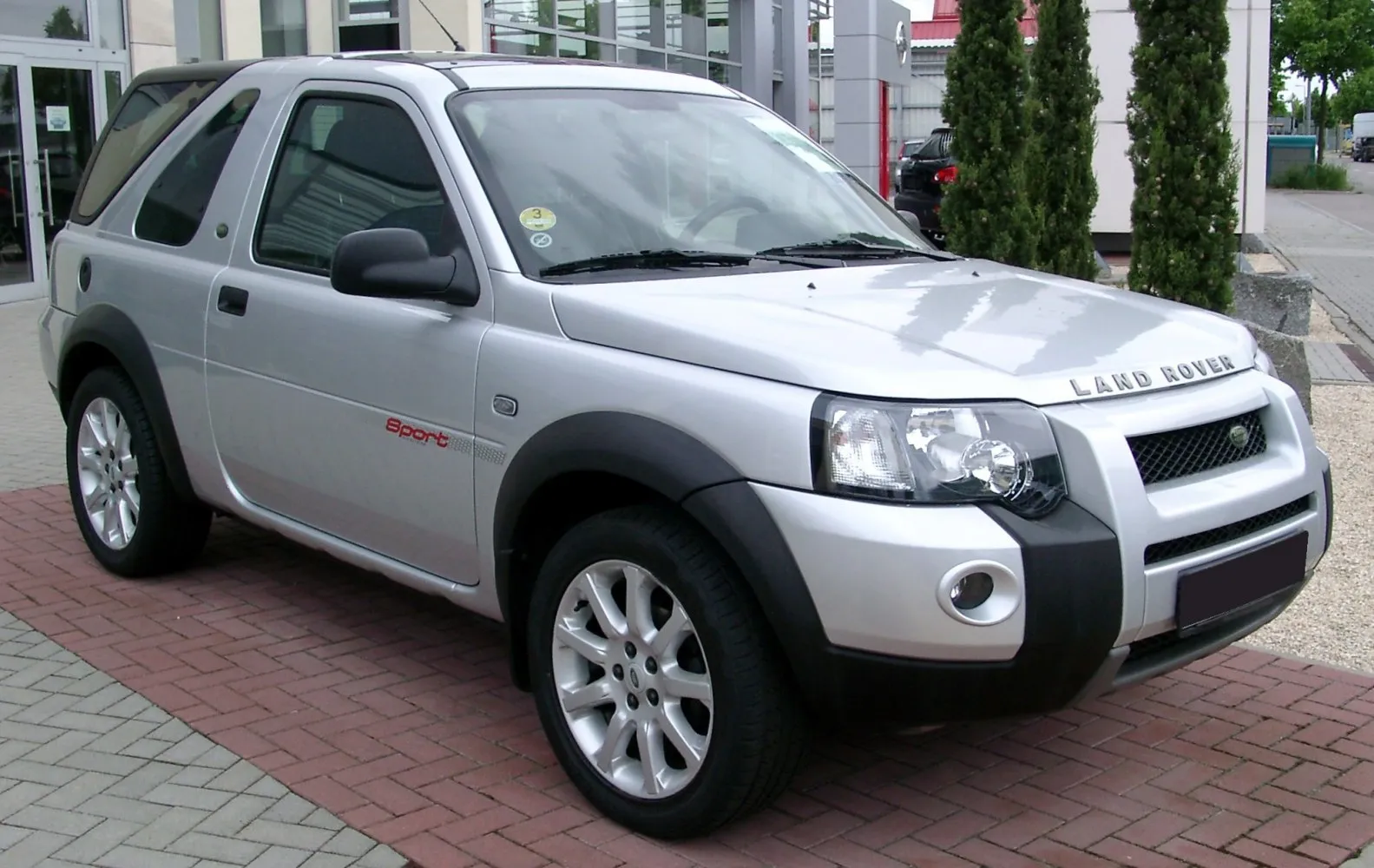
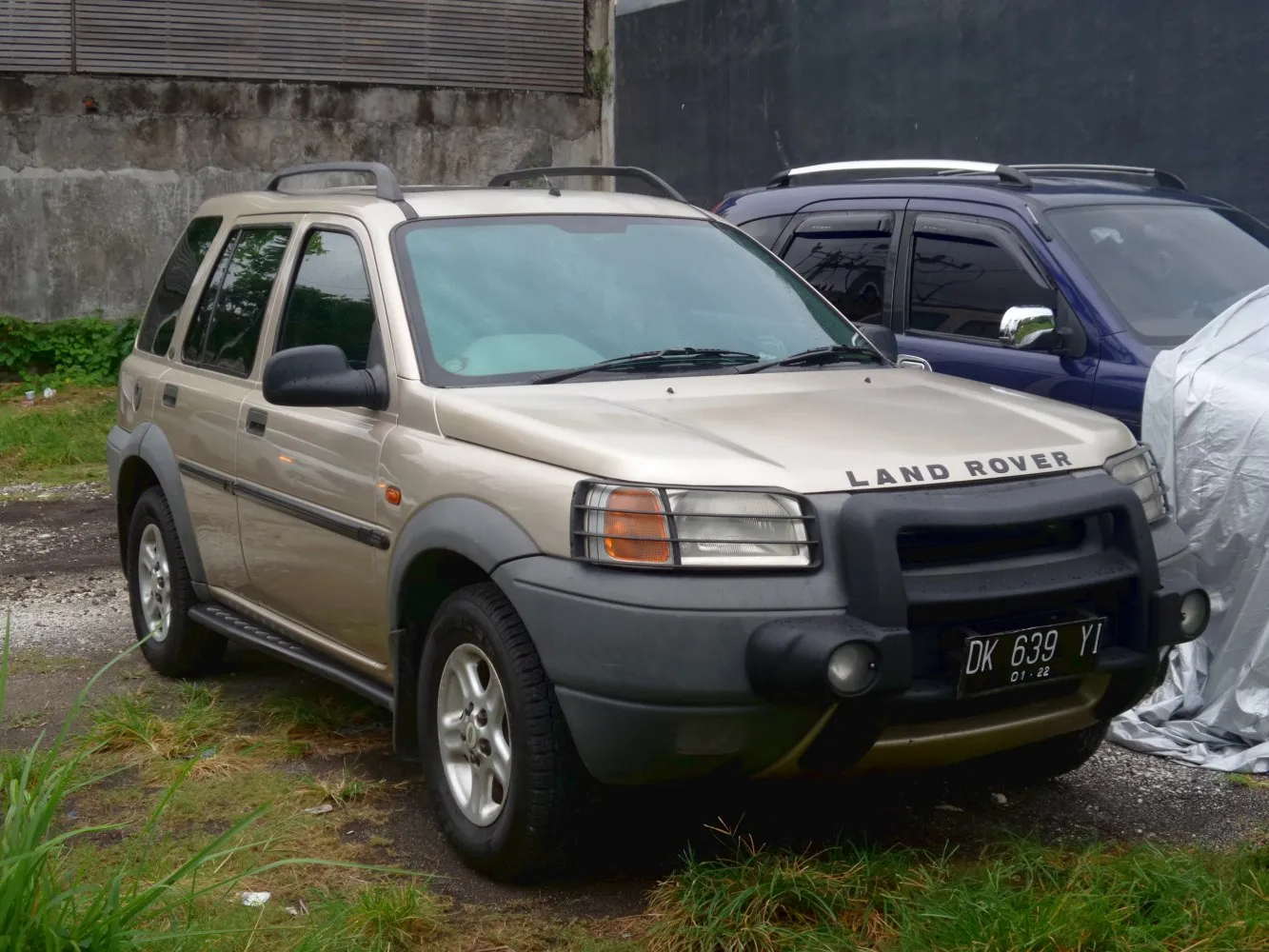
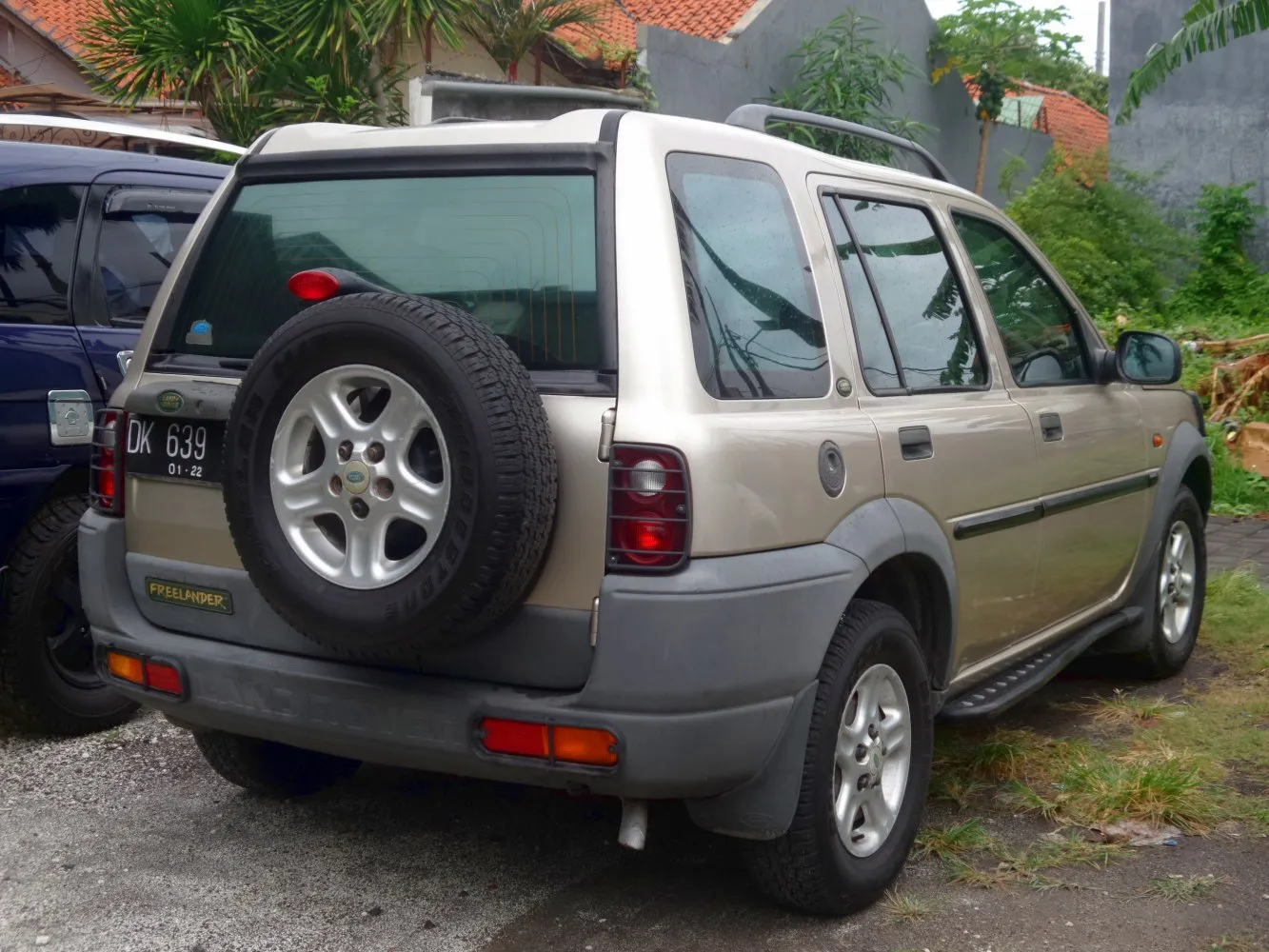
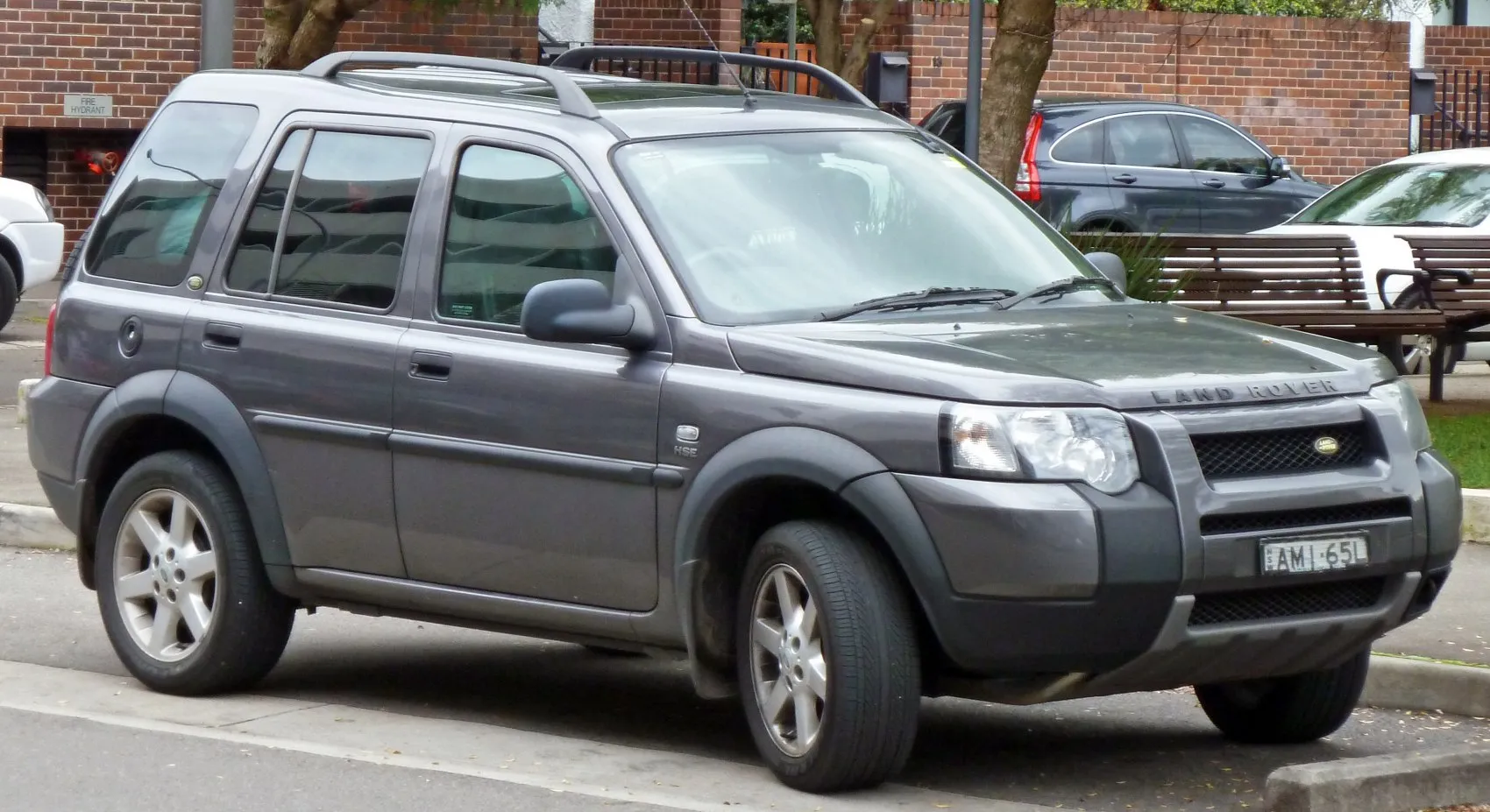
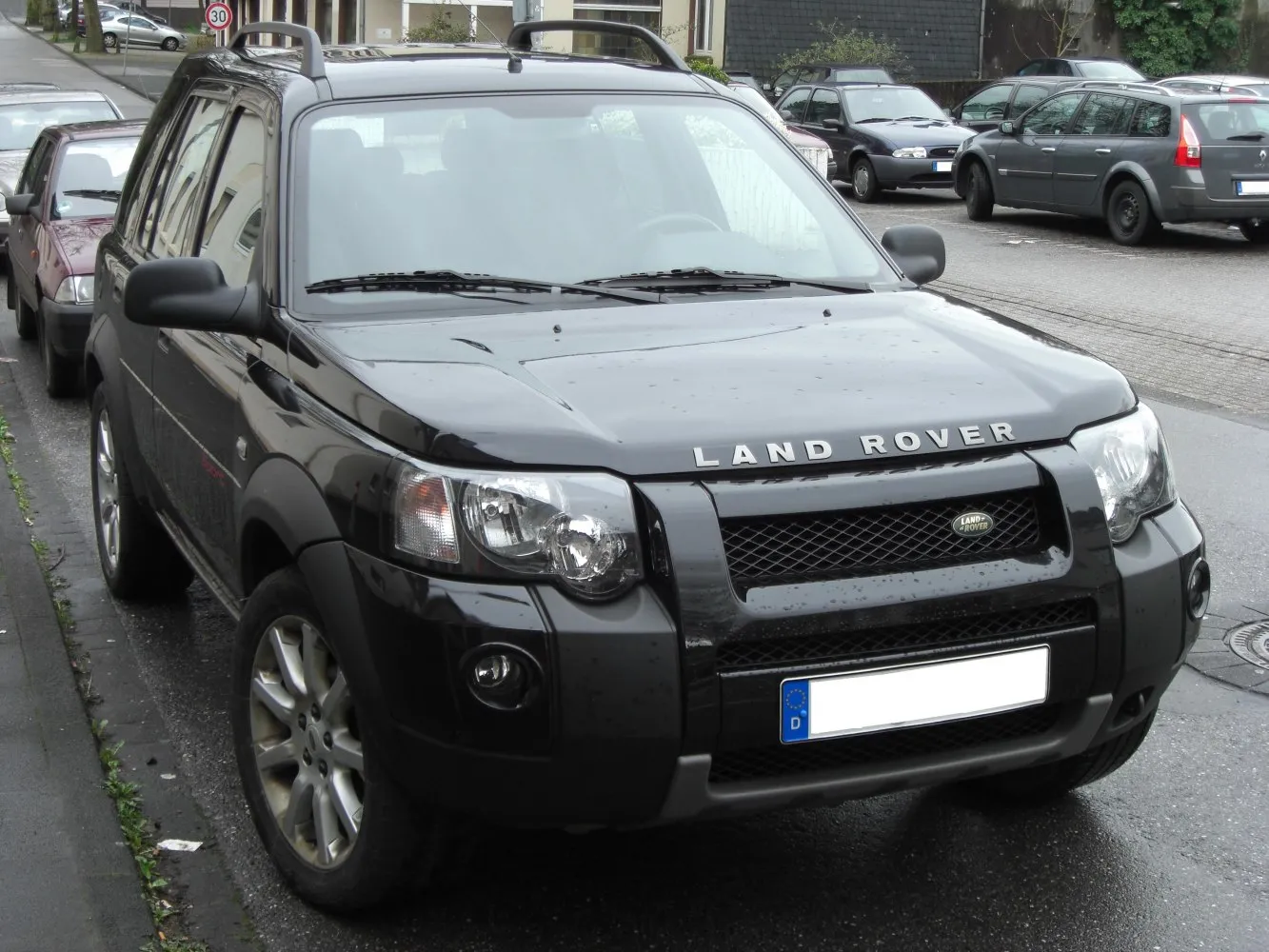
Land Rover Freelander I (LN) 2.0 TD4 (112 Hp)
Overall Rating
Land Rover Freelander:
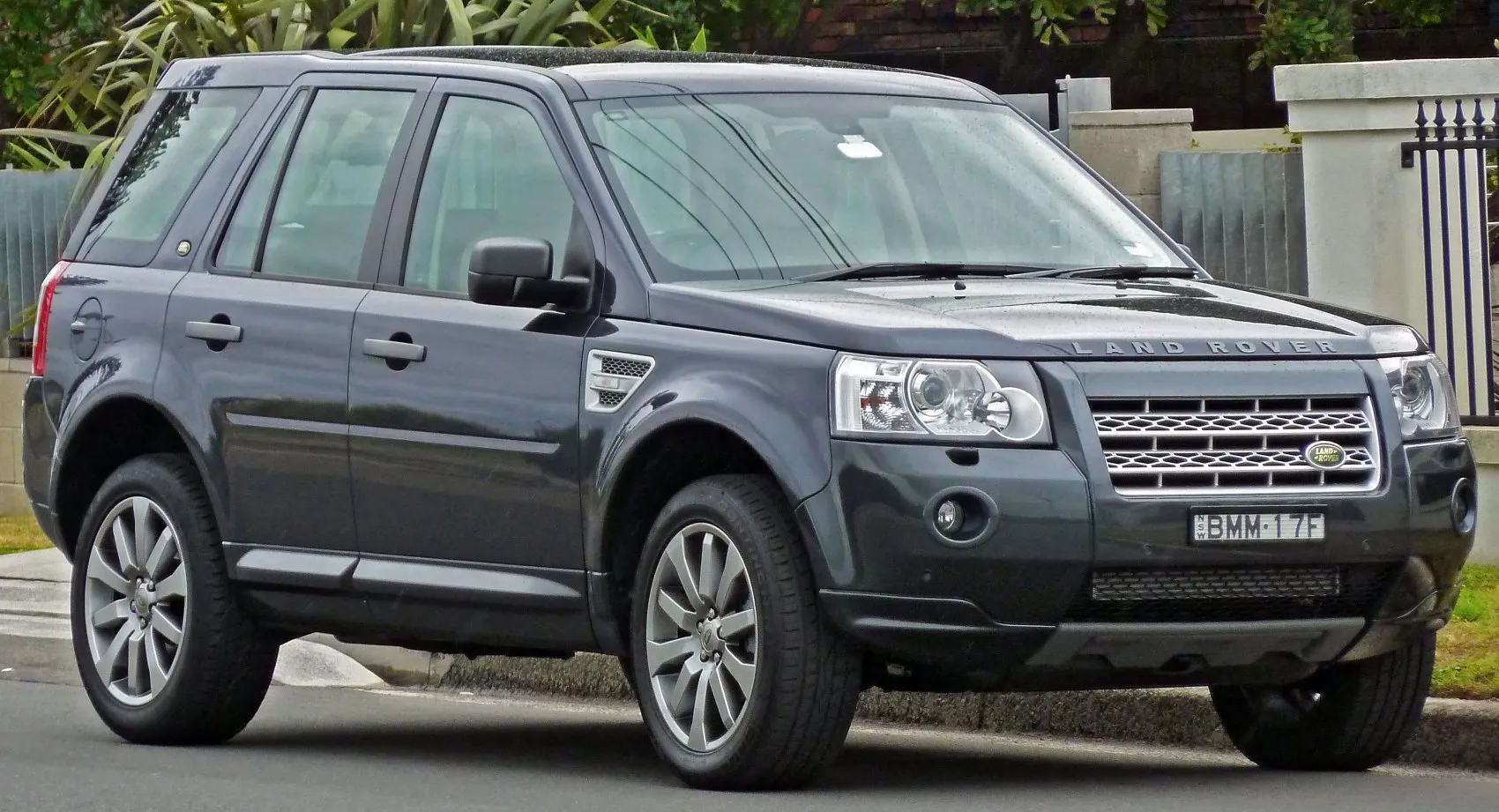
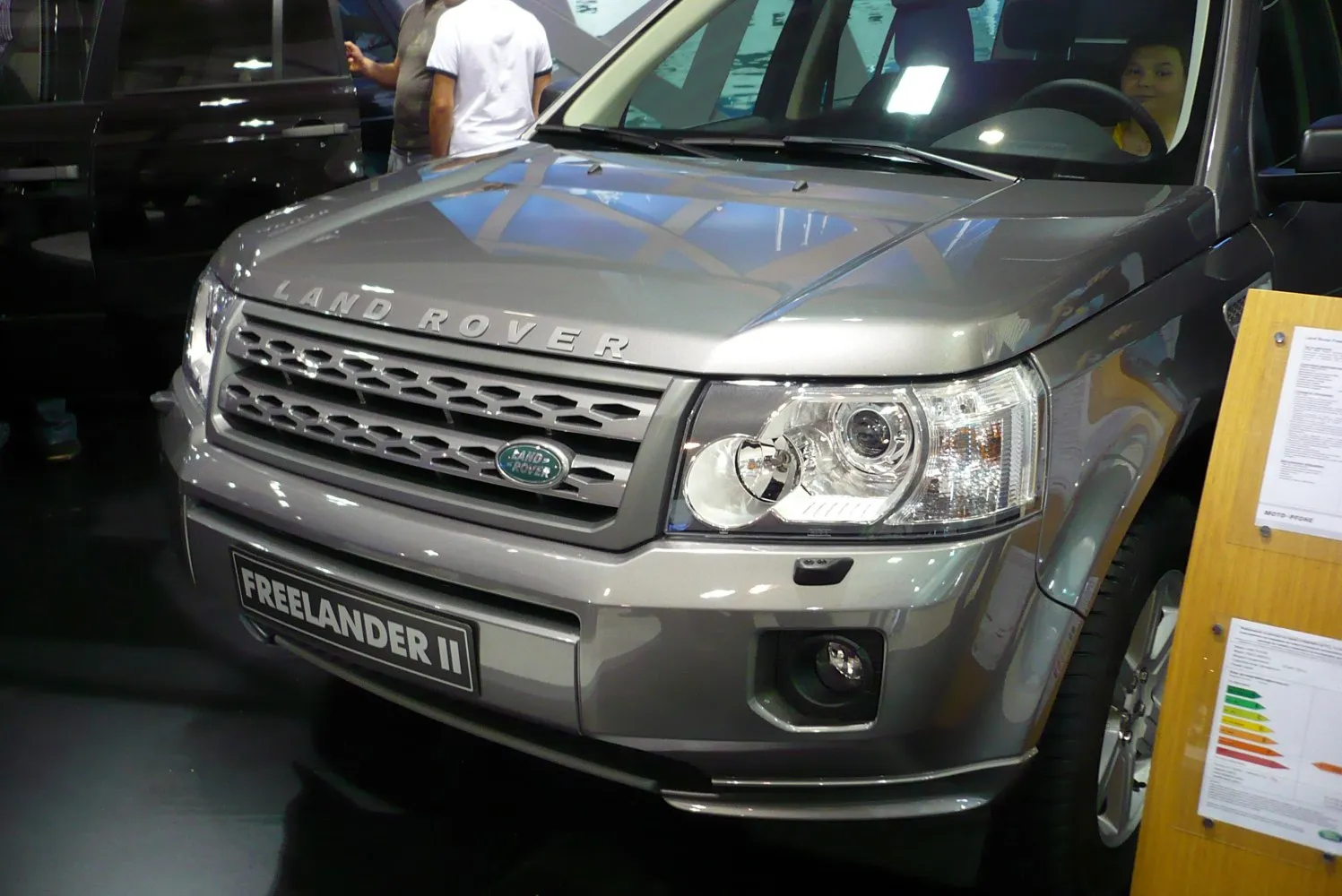
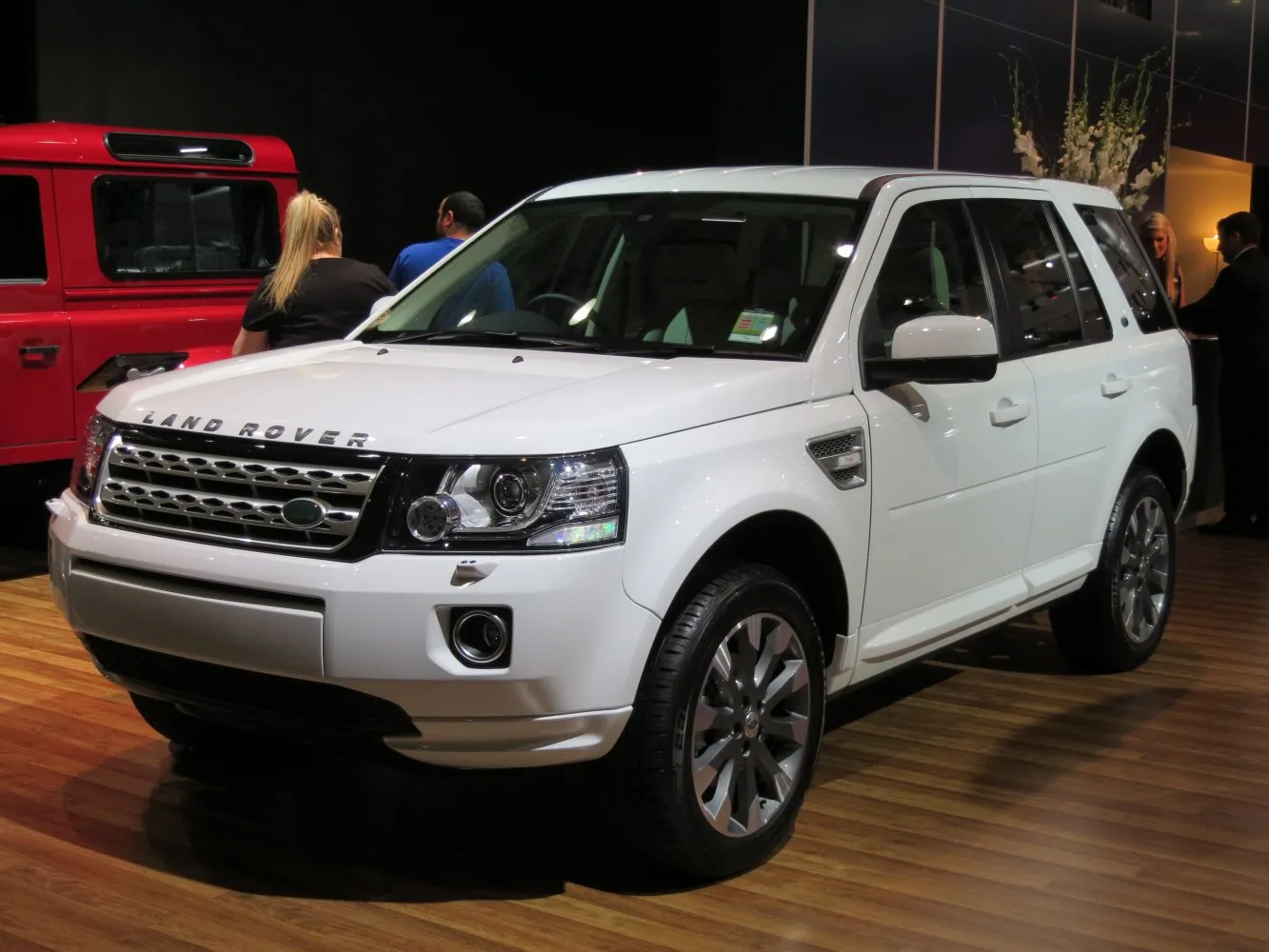
The Land Rover Freelander is a series of four-wheel-drive vehicles that was manufactured and marketed by Land Rover from 1997 to 2015. The second generation was sold from 2007 to 2015 in North America and the Middle East as the LR2 and in Europe as the Freelander 2. The Freelander was sold in both two-wheel and four-wheel drive versions. The name 'Freelander' is derived from the combination of 'Freedom' and 'Lander'.
After having built exclusively body-on-frame 4WD vehicles for half a century, the first generation Freelander was the brand's first model to use monocoque structures, and was offered in three- and five-door body options, including a semi soft-top. The second generation dropped all two-door options, leaving only a five-door estate car-like body, and – after 62 years – became the brand's first ever to offer a two-wheel drive option....(Read more on Wikipedia)
I (LN) Overview:
Land Rover Freelander (I (LN)). With 260 Nm of torque, it offers ample pulling power. It has moderate fuel consumption (~9.1 l/100km). With a weight of 1645 kg, it falls in the mid‑range. All‑wheel drive provides excellent grip, ideal for off‑road use. Acceleration is relatively slow (0–100 km/h in 14.4 s). The top speed reaches 159 km/h. A sport utility vehicle offering higher ground clearance and versatile cargo space. Seating for 5 makes it ideal for daily use.
2.0 TD4 (112 Hp) Verdict:

Performance Verdict
Provides strong low-end torque, making it capable for off-road excursions or towing, though acceleration is leisurely on tarmac.
Fuel Economy
Significantly better fuel economy than petrol variants, making it a more economical choice for longer journeys and regular use.
Pros and Cons:
Pros:
- • Good off-road capability for a compact SUV
- • Distinctive Land Rover styling and brand image
- • Practical interior with decent cargo space
- • Comfortable ride quality on varied surfaces
- • Available with economical diesel engines
Cons:
- • Known reliability issues, especially with the 1.8 K-Series petrol engine (head gasket failure)
- • High fuel consumption for petrol variants, particularly the V6
- • Interior quality can feel dated compared to rivals
- • Limited space compared to larger SUVs
- • Some engines are underpowered for the vehicle's weight
Specifications:
Specifications are compared to those of the previous generation(I Soft Top: 1998 - 2001).
| General: | |
|---|---|
| Brand: | Land Rover |
| Model: | Freelander |
| Generation: | I (LN) |
| Modification (Engine): | 2.0 TD4 (112 Hp) |
| Start of production: | 2001 |
| End of production: | 2006 |
| Powertrain Architecture: | Internal Combustion engine |
| Body type: | SUV |
| Seats: | 5 |
| Doors: | 5 |
| Engine: | |
|---|---|
| Power: | 112 Hp @ 4000 rpm. Same horsepower |
| Power per litre: | 57.4 Hp/l [12mm less] |
| Torque: | 260 Nm @ 1750 rpm. |
| Engine Model/Code: | 204D3 More details about the engine 204D3 |
| Engine displacement: | 1950 |
| Number of cylinders: | 4 |
| Engine configuration: | Inline |
| Number of valves per cylinder: | 4 |
| Fuel injection system: | Diesel Commonrail |
| Engine aspiration: | Turbocharger, Intercooler |
| Valvetrain: | DOHC |
| Engine oil capacity: | 6.8 l |
| Coolant: | 7.25 l |
| Engine layout: | Front, Transverse |
| Cylinder Bore: | 84 mm |
| Piston Stroke: | 88 mm |
| Compression ratio: | 18:1 |
| Performance: | |
|---|---|
| Fuel Type: | Diesel |
| Fuel consumption (economy) - urban: | 9.1 l/100 km |
| Fuel consumption (economy) - extra urban: | 6.7 l/100 km |
| Fuel consumption (economy) - combined: | 7.6 l/100 km |
| Acceleration 0 - 100 km/h: | 14.4 sec |
| Acceleration 0 - 62 mph: | 14.4 sec |
| Maximum speed: | 159 km/h |
| Weight-to-power ratio: | 14.7 kg/Hp, 68.1 Hp/tonne |
| Weight-to-torque ratio: | 6.3 kg/Nm, 158.1 Nm/tonne |
| Acceleration 0 - 60 mph: | 13.7 sec |
| Space: | |
|---|---|
| Kerb Weight: | 1645 |
| Max. weight: | 2080 |
| Max load: | 435 |
| Trunk (boot) space - maximum: | 1319 l |
| Trunk (boot) space - minimum: | 354 l |
| Fuel tank capacity: | 60 l |
| Size: | |
|---|---|
| Length: | 4368 mm [12mm less] |
| Width: | 1809 mm [4mm more] |
| Height: | 1708 mm [52mm less] |
| Wheelbase: | 2557 mm [1mm more] |
| Front track: | 1534 mm |
| Rear (Back) track: | 1545 mm |
| Powertrain: | |
|---|---|
| Drive wheel | All wheel drive (4x4) |
| Number of gears | 5 |
| Transmission type | Manual |
| Front brakes | Ventilated discs [Best for performance and cooling.] |
| Rear brakes | Drum [bad for performance and cooling.] |
| Assisting systems | ABS (Anti-lock braking system) |
| Steering type | Steering rack and pinion |
| Power steering | Hydraulic Steering |
| Tires size | 195/80 R15 S |
| Wheel rims size | 15 |
| Front suspension | Coil spring |
| Rear suspension | Coil spring |







Help others decide – share your experience!