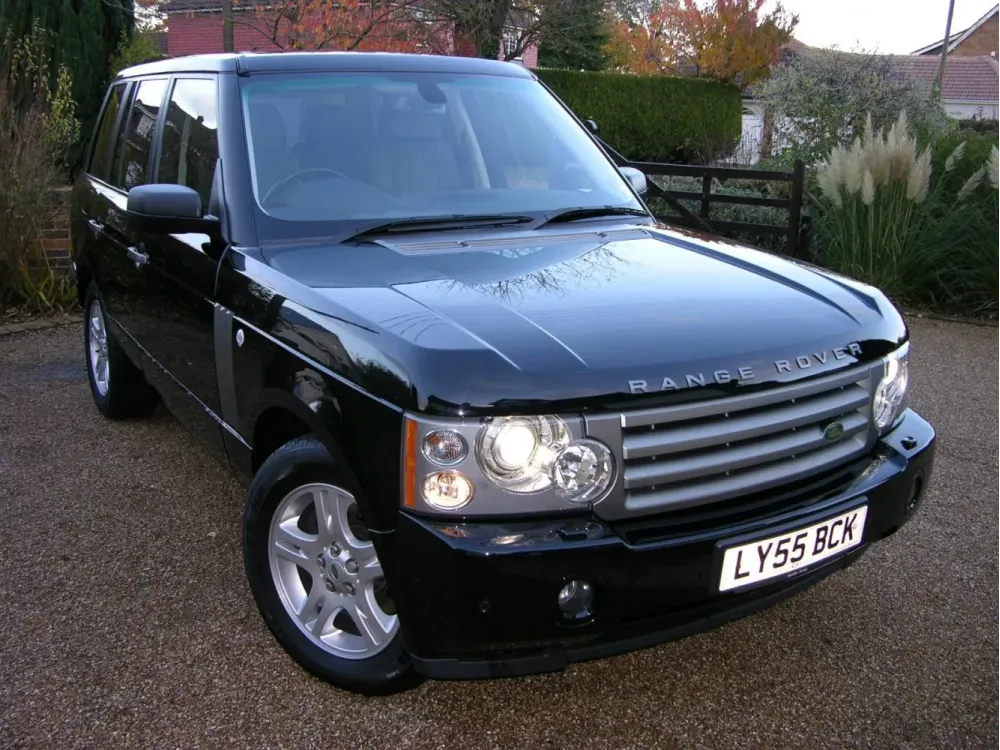
Click on image to view the full photo gallery
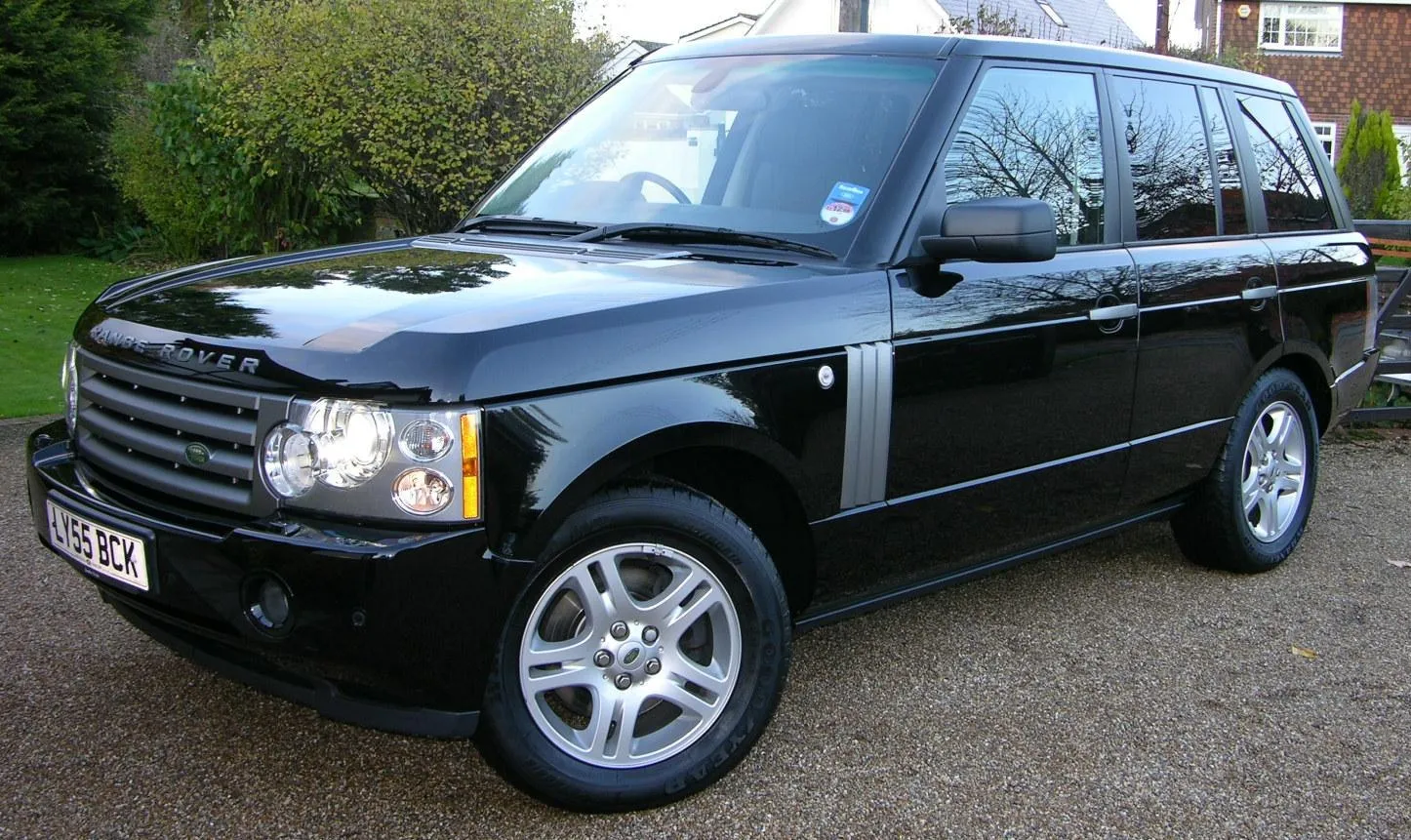
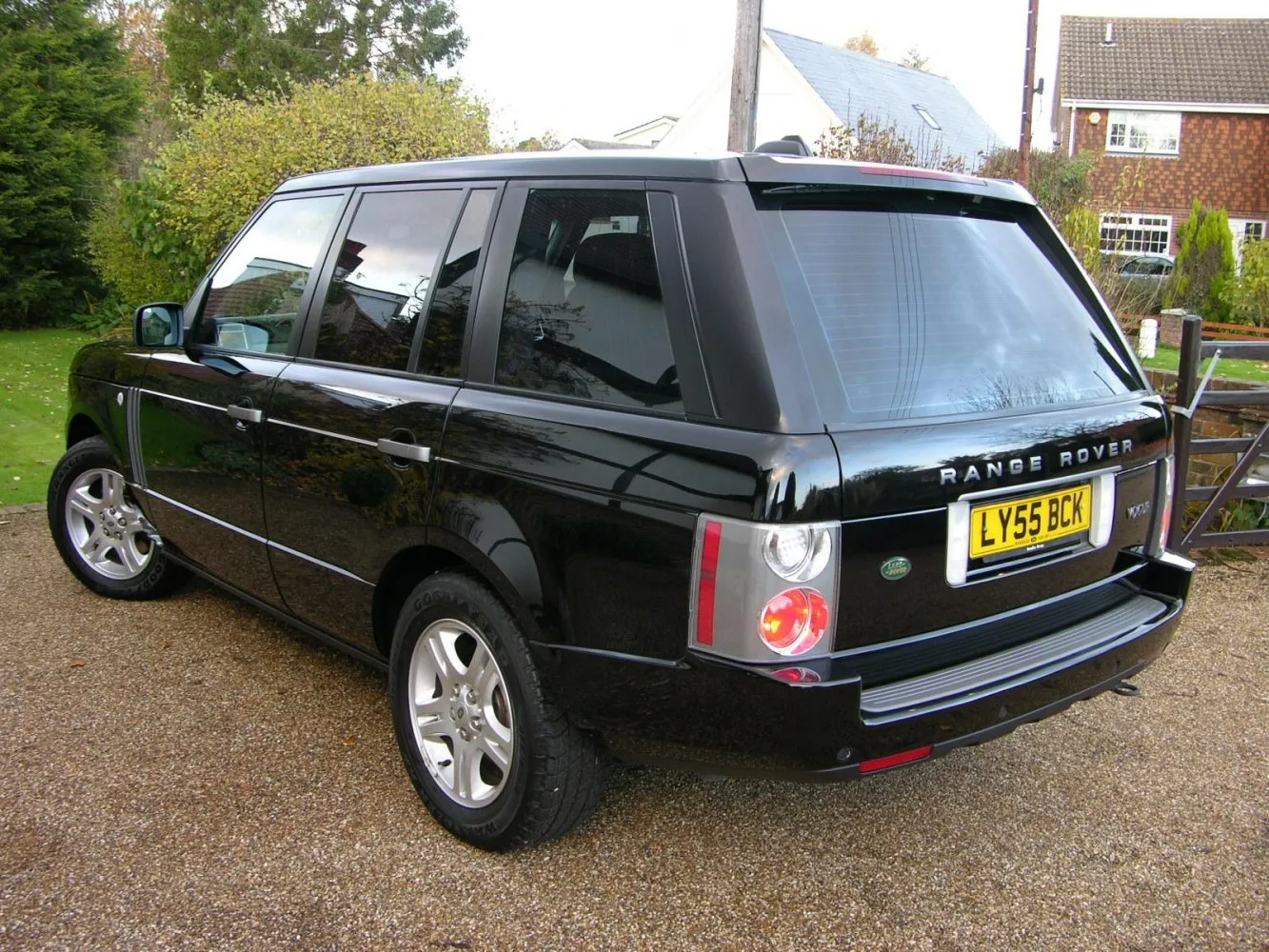
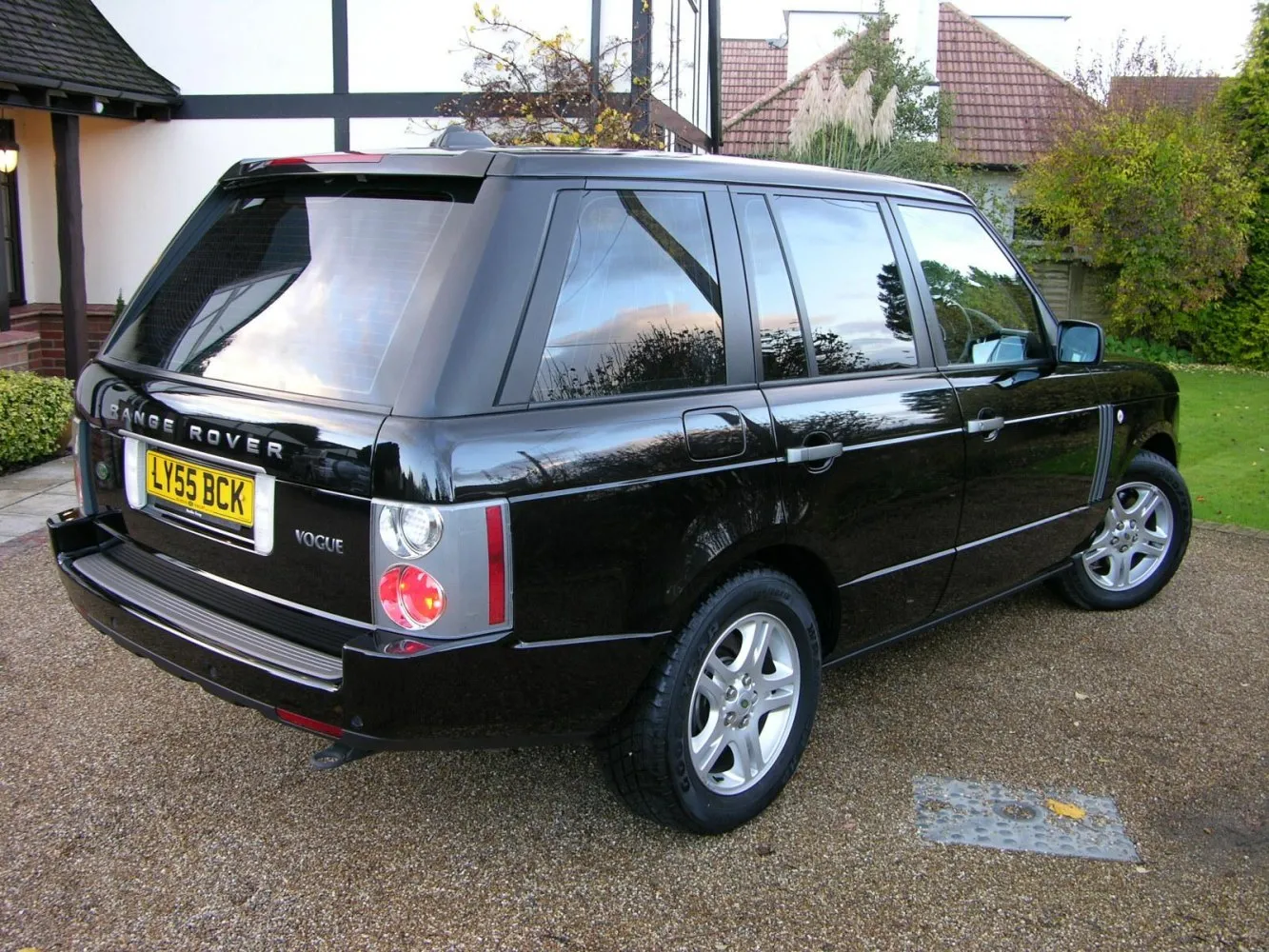
Land Rover Range Rover III (facelift 2005) 3.6 TDV8 (271 Hp) AWD Automatic
Overall Rating
Land Rover Range Rover:
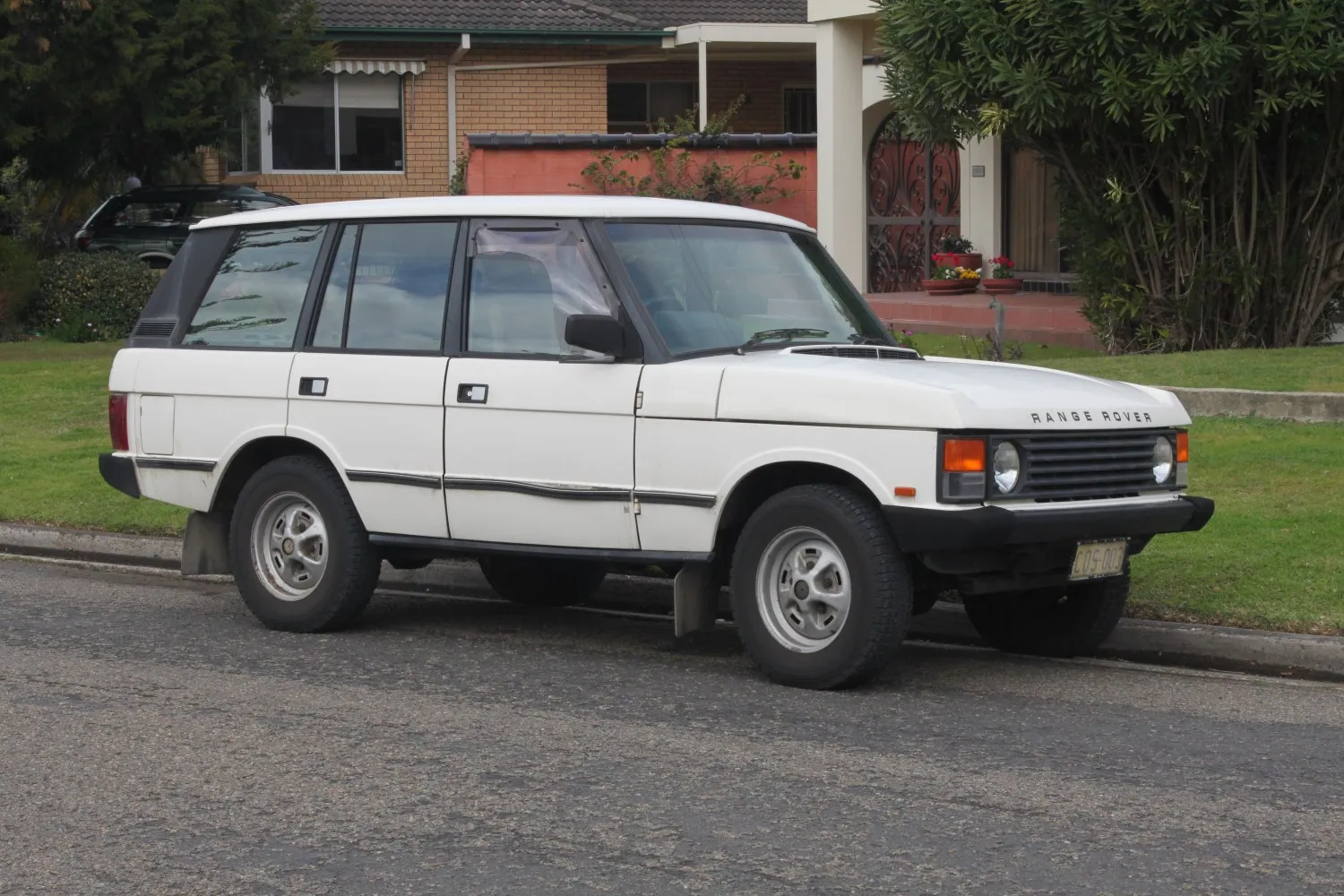
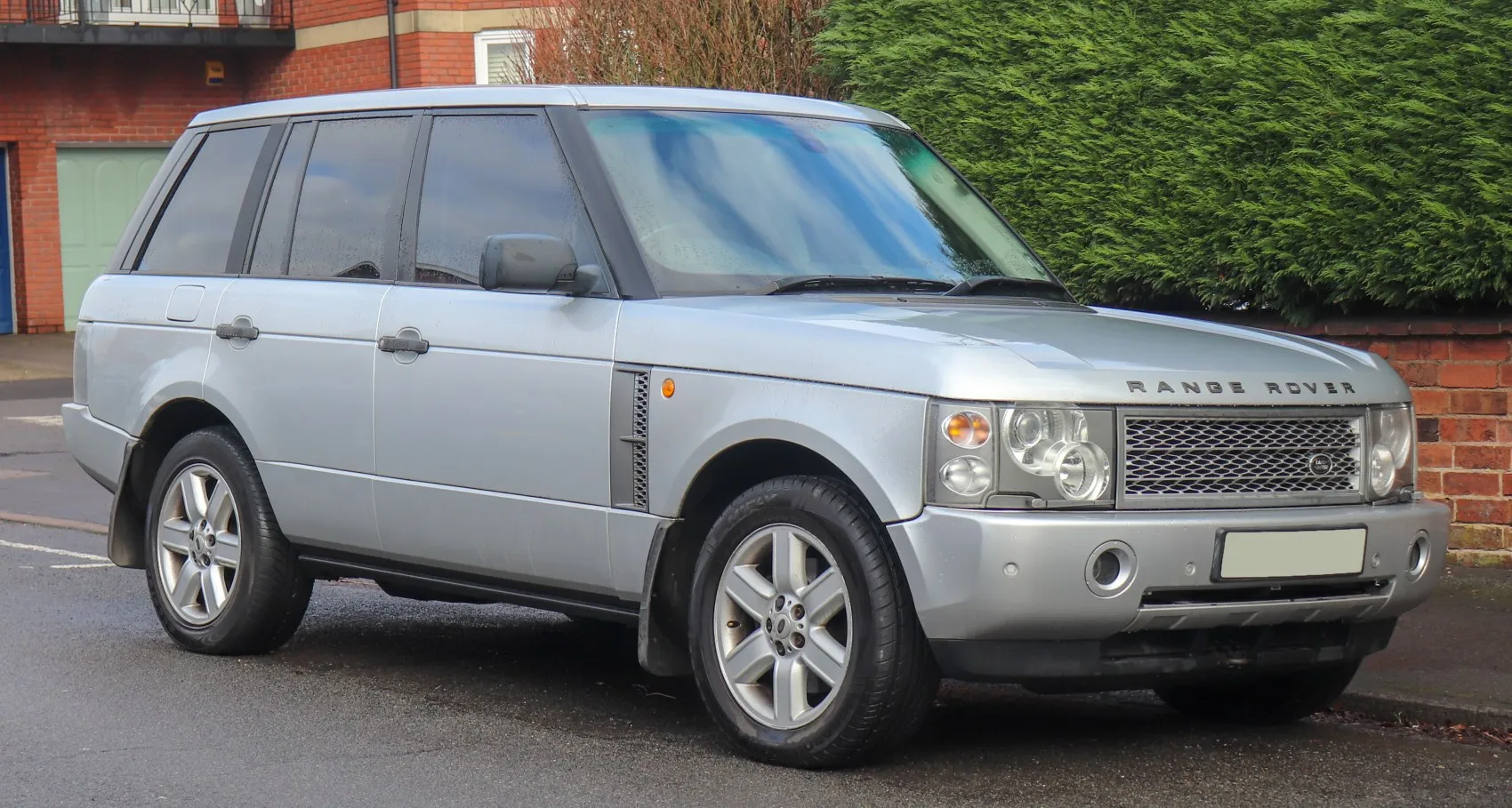
The Land Rover Range Rover, generally shortened to Range Rover, is a 4WD luxury mid to full size crossover marque and sub-brand of Jaguar Land Rover, owned by India-based Tata Motors. The Range Rover line was launched in 1970 by British Leyland and since 2022 is in its fifth generation.
Additional models have been launched under the Range Rover name, including the Range Rover Sport, Range Rover Evoque, and Range Rover Velar.
The Rover Company was experimenting with a larger model than the Land Rover Series in 1951, when the Rover P4-based two-wheel-drive "Road Rover" project was developed by Gordon Bashford. This was shelved in 1958 and the idea lay dormant until 1966, when engineers Spen King and Bashford set to work on a new model....(Read more on Wikipedia)
III (facelift 2005) Overview:
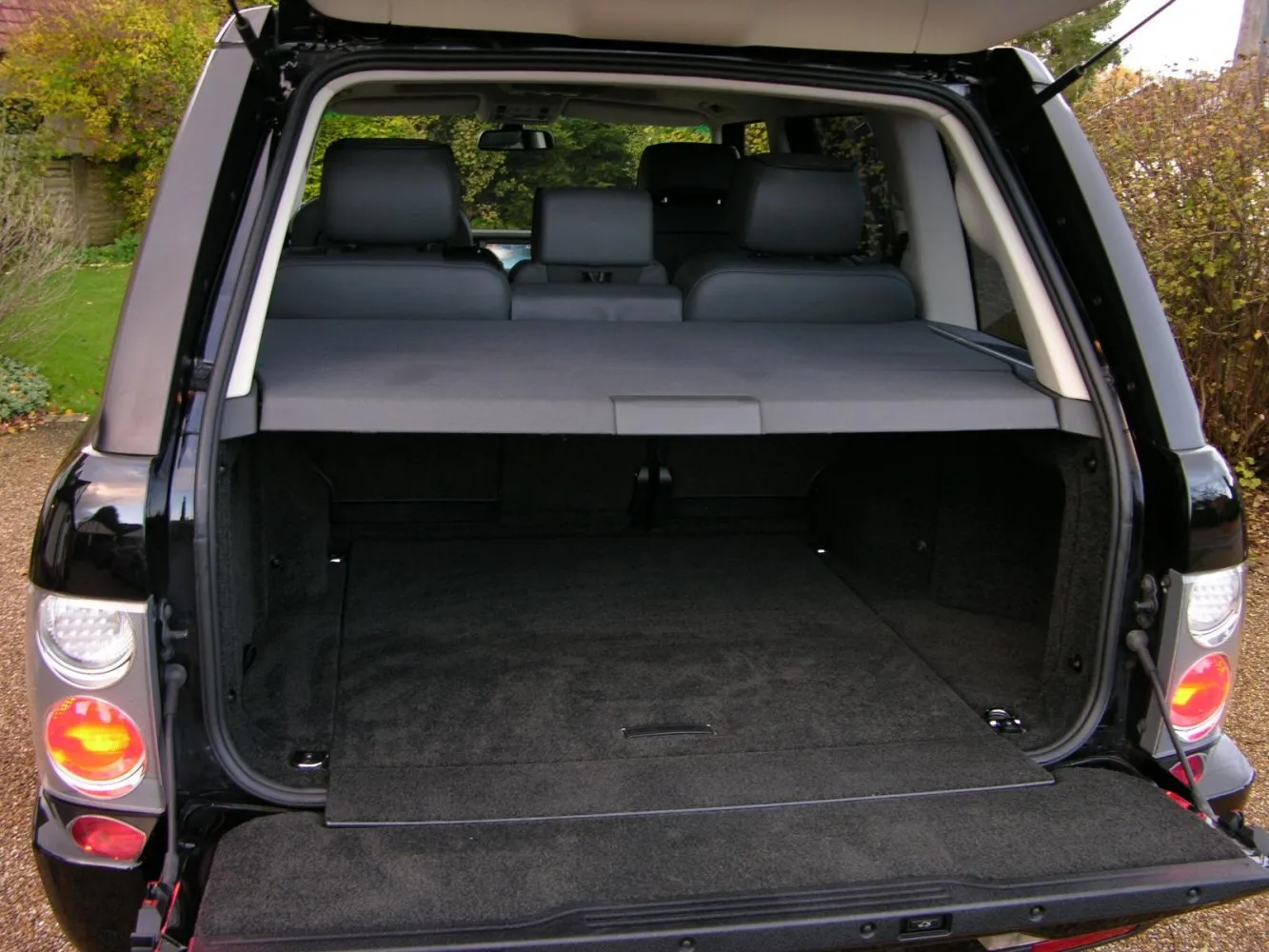
Land Rover Range Rover (III (facelift 2005)). With 640 Nm of torque, it offers ample pulling power. At around 2717 kg, it’s on the heavier side. All‑wheel drive provides excellent grip, ideal for off‑road use. Acceleration is relatively slow (0–100 km/h in 9.2 s). The top speed reaches 200 km/h. A sport utility vehicle offering higher ground clearance and versatile cargo space. Seating for 5 makes it ideal for daily use.
3.6 TDV8 (271 Hp) AWD Automatic Verdict:

Performance Verdict
Excellent torque delivery provides strong pulling power and effortless acceleration, ideal for towing and relaxed driving.
Fuel Economy
Significantly more economical than the petrol V8s, offering a more sensible option for daily driving and longer journeys.
Pros and Cons:
Pros:
- • Exceptional ride comfort and luxurious interior
- • Strong off-road capability with advanced terrain response
- • Powerful engine options, especially the Supercharged V8
- • Commanding driving position and impressive road presence
- • High-quality materials and build
Cons:
- • High fuel consumption across all petrol engines
- • Known for complex electrical and air suspension issues
- • Expensive maintenance and parts
- • Significant depreciation over time
- • Large turning circle can make city maneuvering challenging
Specifications:
Specifications are compared to those of the previous generation(III (facelift 2005): 2005 - 2006).
| General: | |
|---|---|
| Brand: | Land Rover |
| Model: | Range Rover |
| Generation: | III (facelift 2005) |
| Modification (Engine): | 3.6 TDV8 (271 Hp) AWD Automatic |
| Start of production: | 2006 |
| End of production: | 2009 |
| Powertrain Architecture: | Internal Combustion engine |
| Body type: | SUV |
| Seats: | 5 |
| Doors: | 5 |
| Engine: | |
|---|---|
| Power: | 271 Hp @ 4000 rpm. Same horsepower |
| Power per litre: | 74.7 Hp/l [22mm more] |
| Torque: | 640 Nm @ 2000 rpm. |
| Engine Model/Code: | 368DT More details about the engine 368DT |
| Engine displacement: | 3628 |
| Number of cylinders: | 8 |
| Engine configuration: | V-engine |
| Number of valves per cylinder: | 4 |
| Fuel injection system: | Diesel Commonrail |
| Engine aspiration: | Twin-Turbo, Intercooler |
| Valvetrain: | DOHC |
| Engine oil capacity: | 9.5 l |
| Coolant: | 14 l |
| Engine layout: | Front, Longitudinal |
| Cylinder Bore: | 81 mm mm |
| Piston Stroke: | 88 mm mm |
| Compression ratio: | 17.3:1 |
| Performance: | |
|---|---|
| Fuel Type: | Diesel |
| Fuel consumption (economy) - urban: | 14.5 l/100 km |
| Fuel consumption (economy) - extra urban: | 9.2 l/100 km |
| Fuel consumption (economy) - combined: | 11.1 l/100 km |
| Emission standard: | Euro 4 |
| Acceleration 0 - 100 km/h: | 9.2 sec |
| Acceleration 0 - 62 mph: | 9.2 sec |
| Maximum speed: | 200 km/h |
| Weight-to-power ratio: | 10 kg/Hp, 99.7 Hp/tonne |
| Weight-to-torque ratio: | 4.2 kg/Nm, 235.6 Nm/tonne |
| Acceleration 0 - 60 mph: | 8.7 sec |
| Space: | |
|---|---|
| Kerb Weight: | 2717 |
| Max. weight: | 3200 |
| Max. roof load: | 100 kg |
| Max load: | 483 |
| Trunk (boot) space - maximum: | 2099 l |
| Trunk (boot) space - minimum: | 994 l |
| Permitted trailer load with brakes (12%): | 3500 kg |
| Fuel tank capacity: | 104.5 l |
| Permitted trailer load without brakes: | 750 kg |
| Size: | |
|---|---|
| Ramp-over (brakeover) angle: | 25-30° |
| Wading depth: | 700 mm |
| Length: | 4972 mm mm [22mm more] |
| Width: | 2034 mm mm [79mm more] |
| Height: | 1837-1877 mm mm [23mm less] |
| Wheelbase: | 2880 mm mm [Same wheelbase.] |
| Width with mirrors folded: | 2034 mm |
| Width including mirrors: | 2216 mm |
| Front track: | 1629 mm |
| Rear (Back) track: | 1625 mm |
| Ride height (ground clearance): | 225-275 mm |
| Minimum turning circle (turning diameter): | 12.6 m [above average] |
| Approach angle: | 29-34° |
| Departure angle: | 24.2-26.6° |
| Powertrain: | |
|---|---|
| Drivetrain Architecture | The Internal combustion engine (ICE) drives permanently the four wheels of the vehicle. |
| Drive wheel | All wheel drive (4x4) |
| Number of gears | 6 |
| Transmission type | Automatic |
| Front brakes | Ventilated discs, 360x30 mm [Best for performance and cooling.] |
| Rear brakes | Ventilated discs, 354x20 mm [Best for performance and cooling.] |
| Assisting systems | ABS (Anti-lock braking system) |
| Steering type | Steering rack and pinion |
| Power steering | Hydraulic Steering |
| Tires size | 255/60 R18; 255/55 R19 |
| Wheel rims size | 7.5J x 18; 8J x 19 |
| Front suspension | Independent type McPherson, Air suspension |
| Rear suspension | Double wishbone, Air suspension |





Is the Land Rover Range Rover your dream ride or just a daily drive? Let's talk!