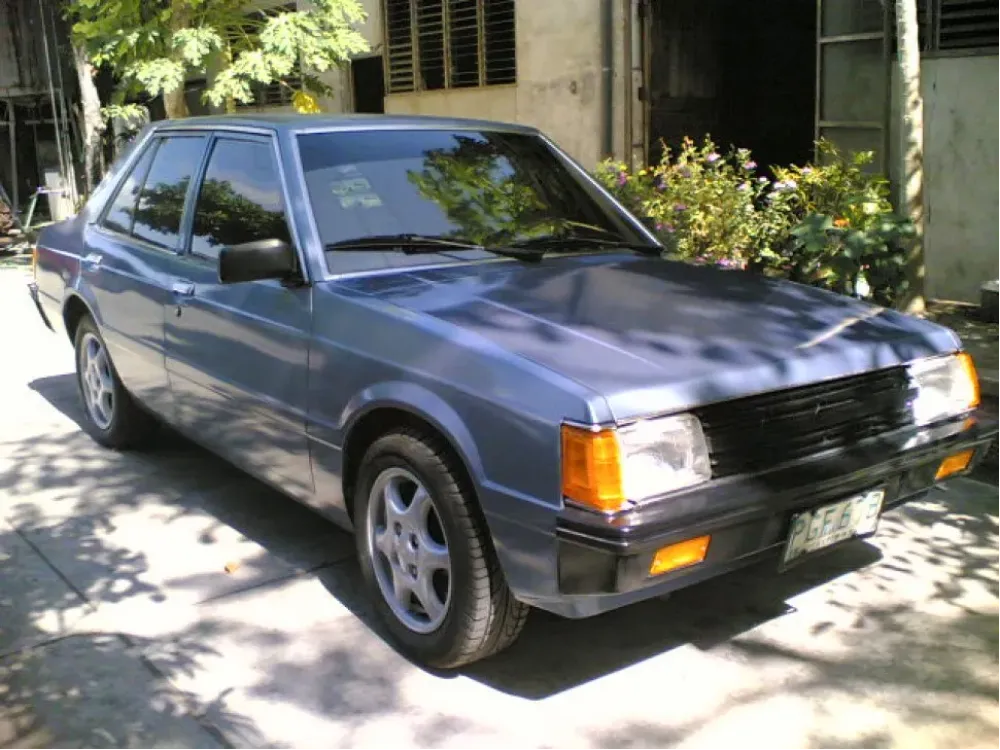
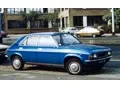
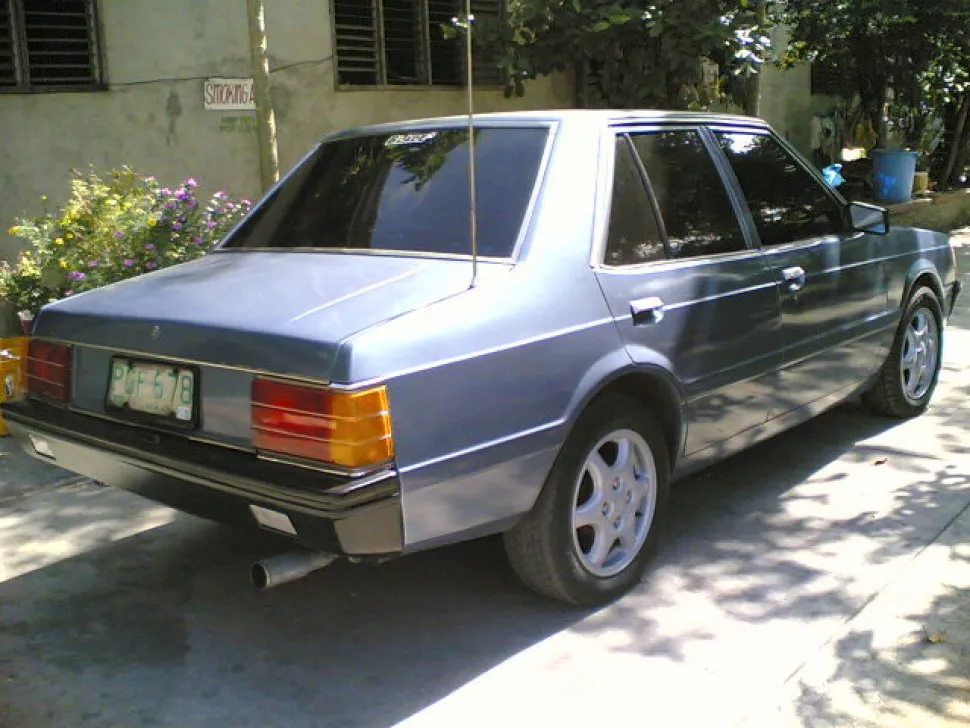
Click on image to view the full photo gallery
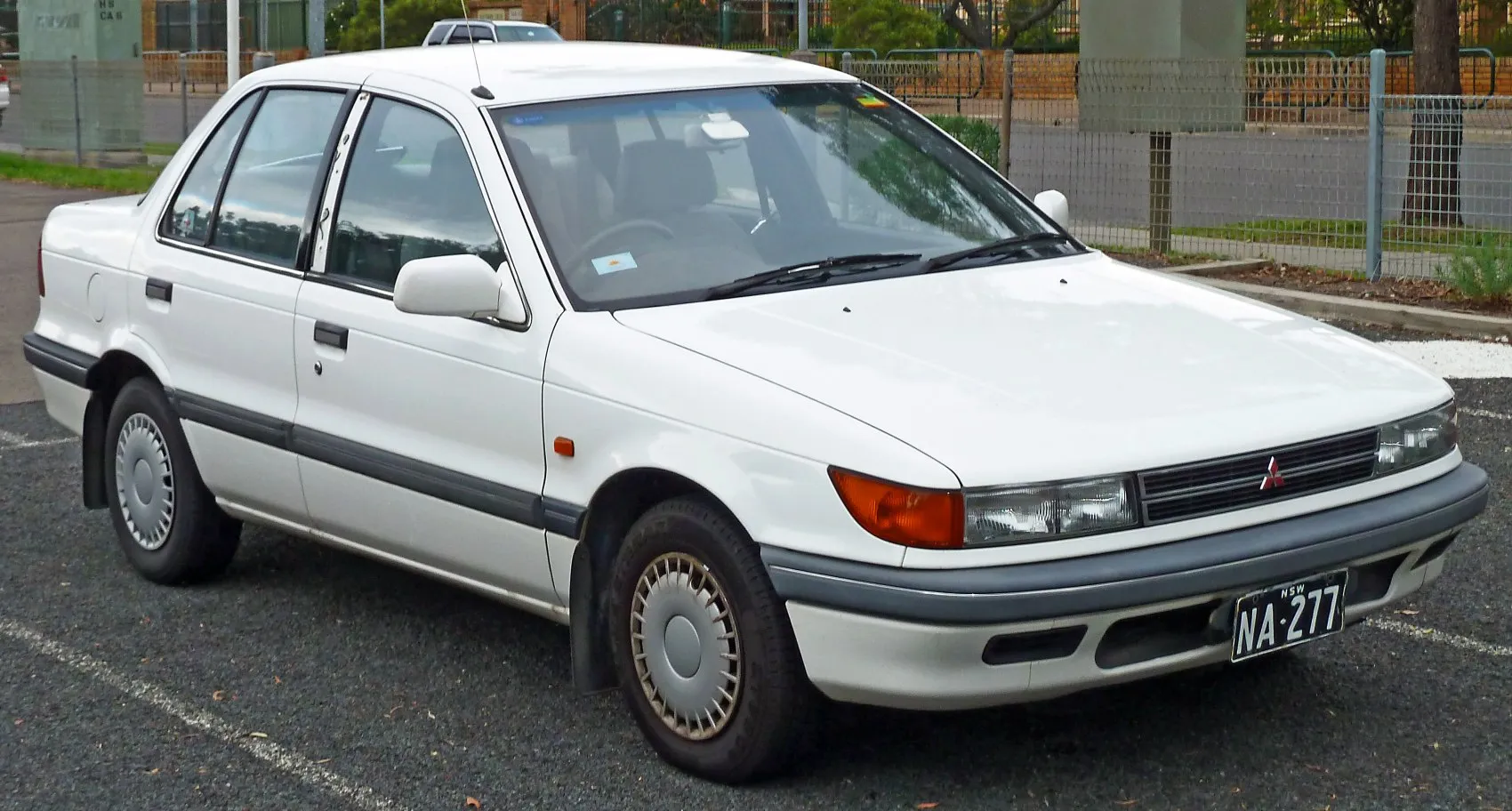
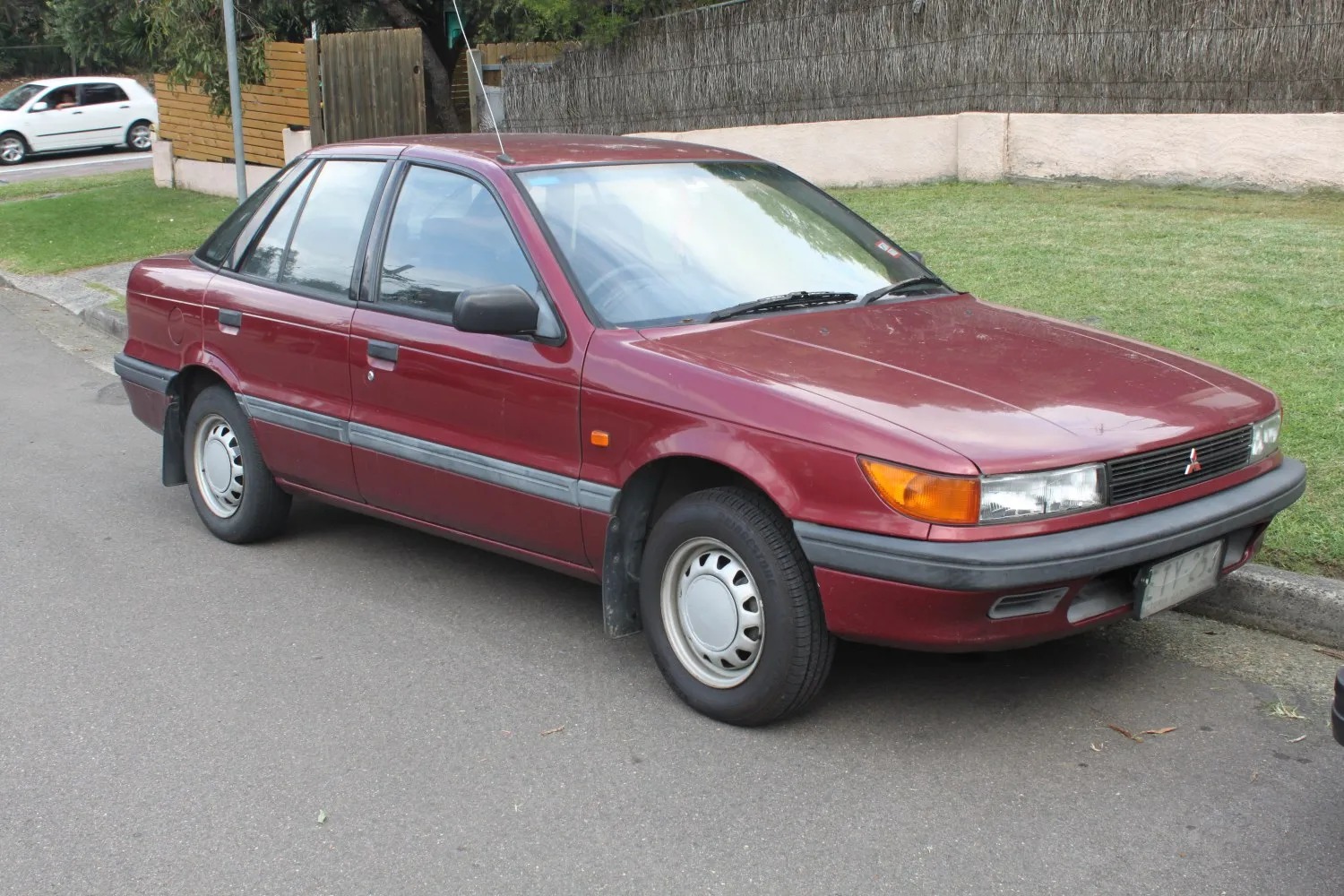
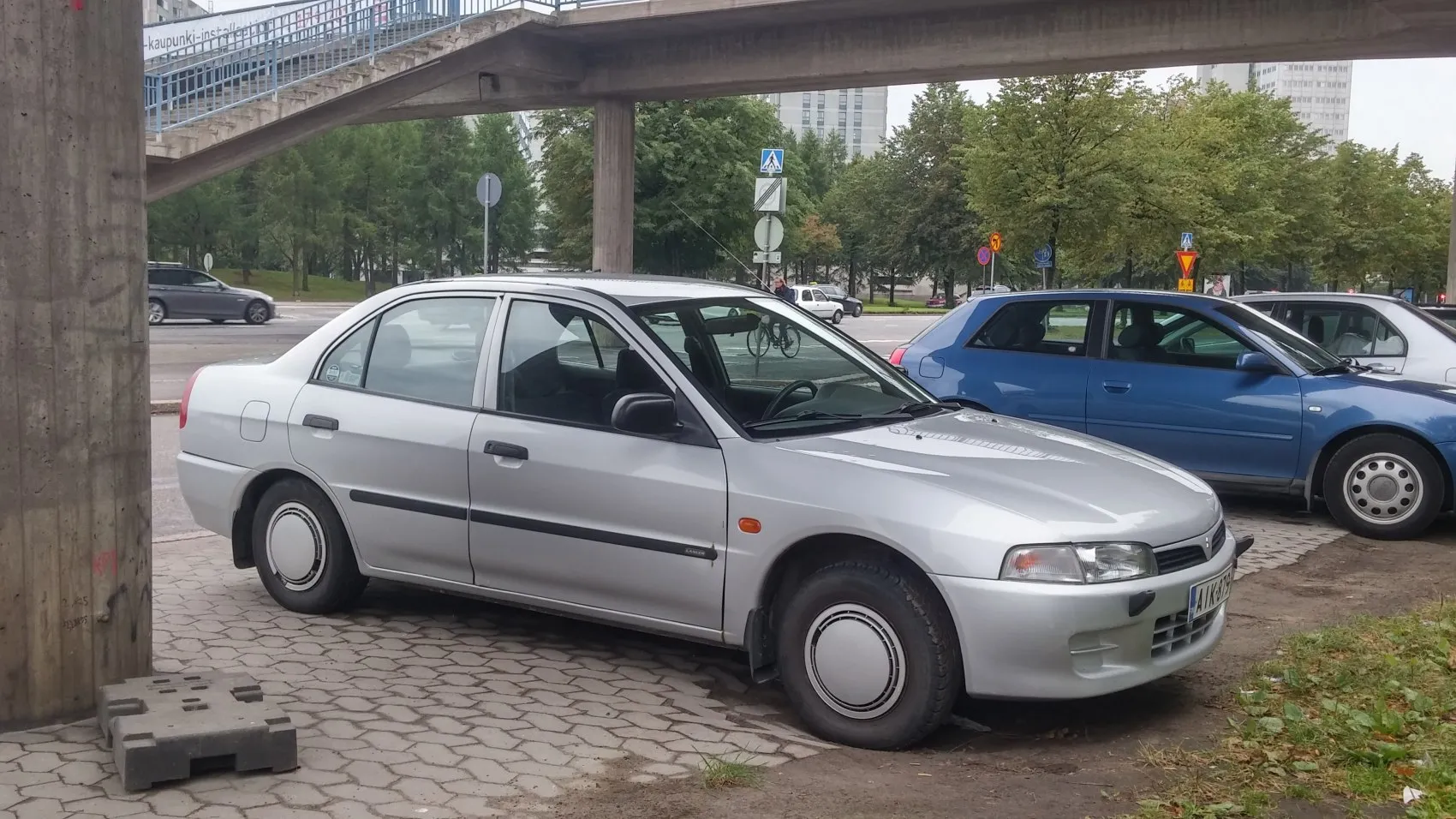
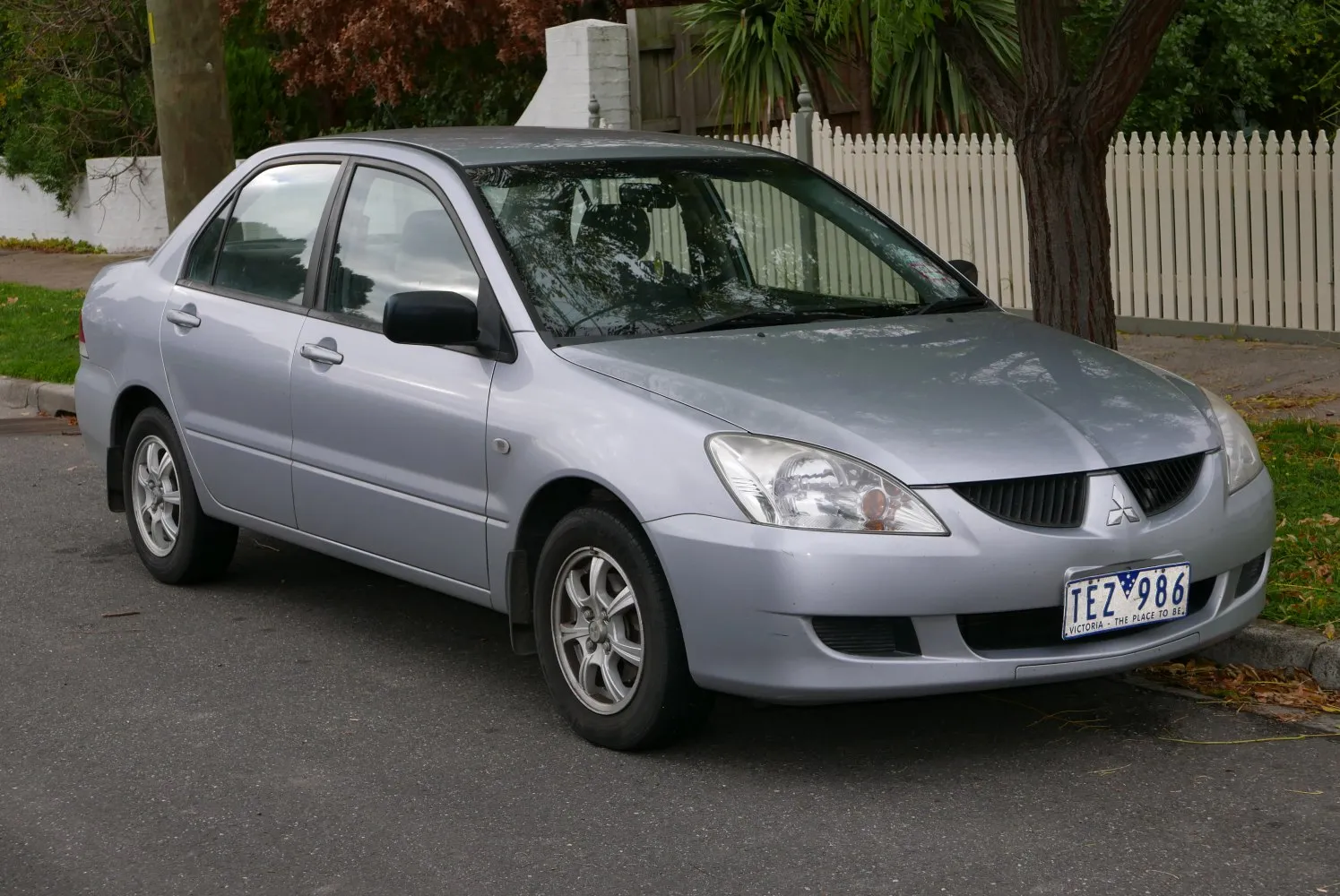
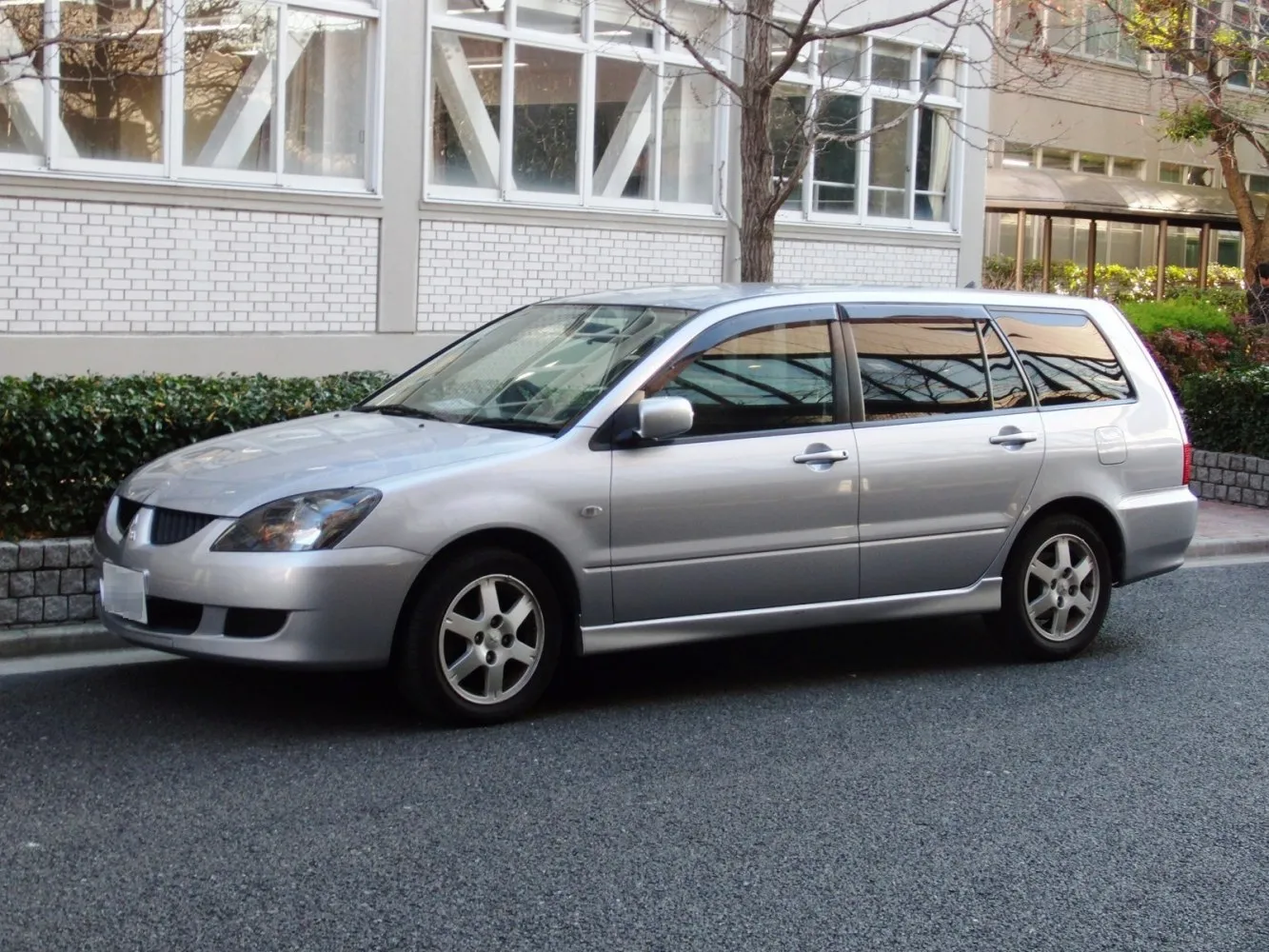
Mitsubishi Lancer II 1.2 (55 Hp)
Overall Rating
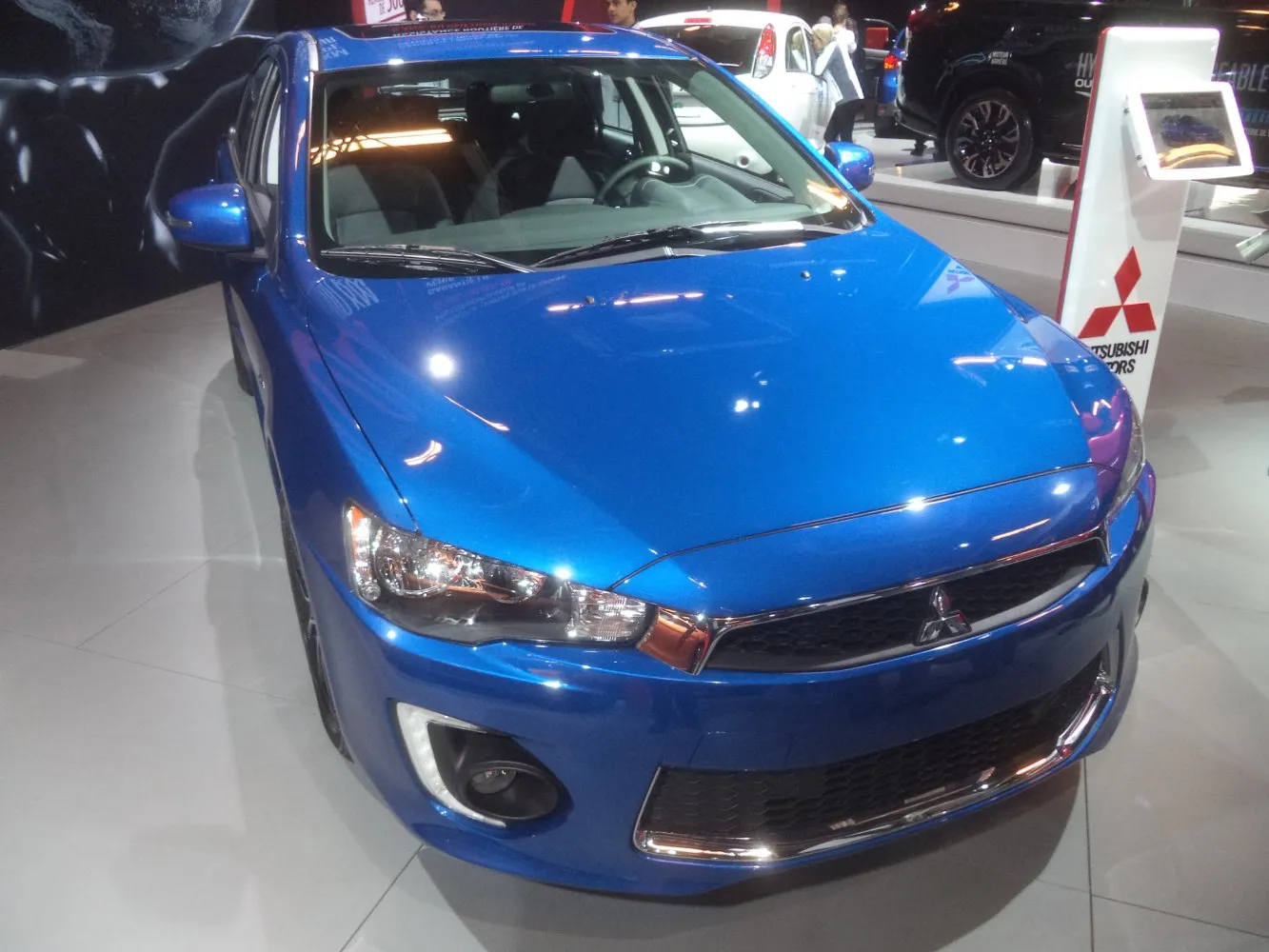
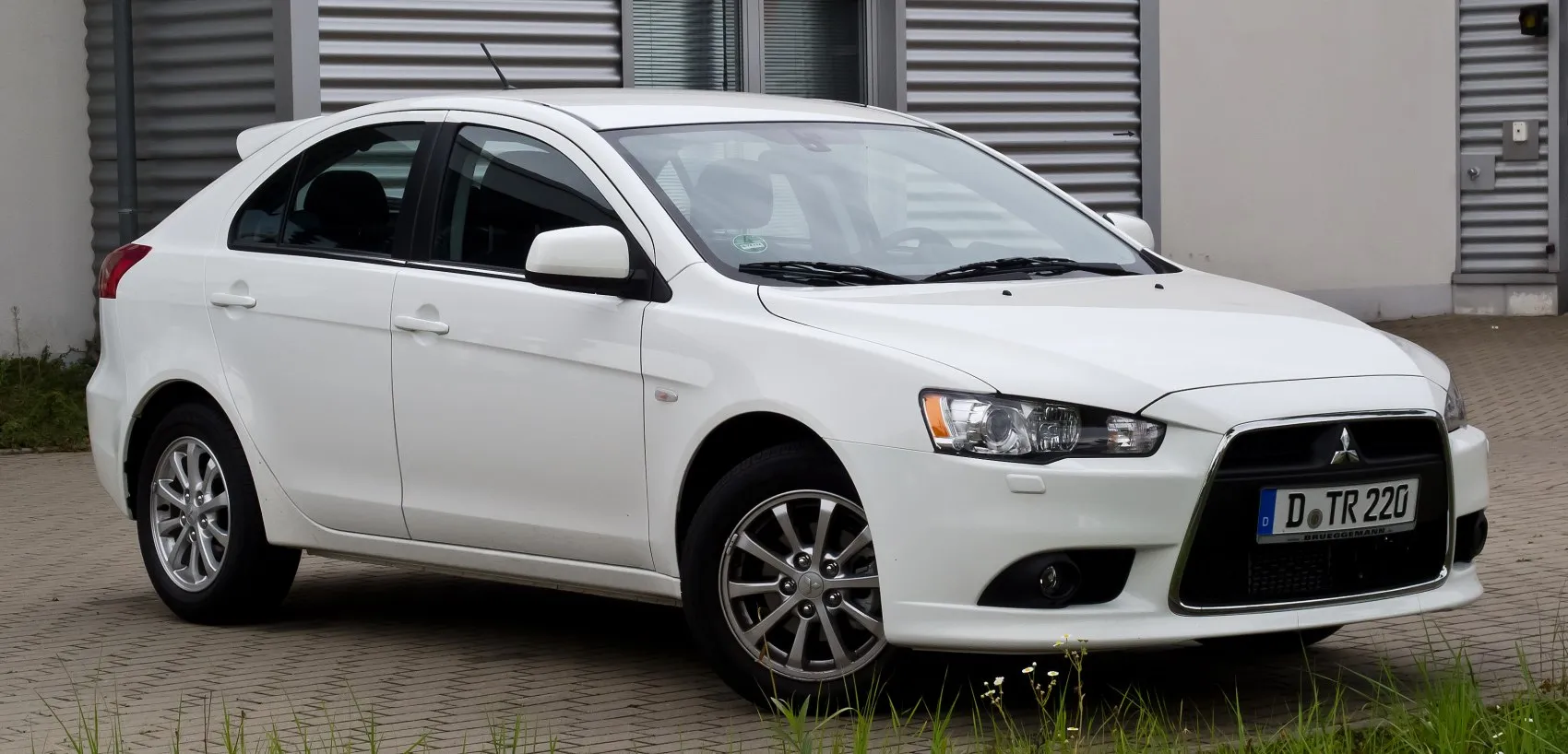
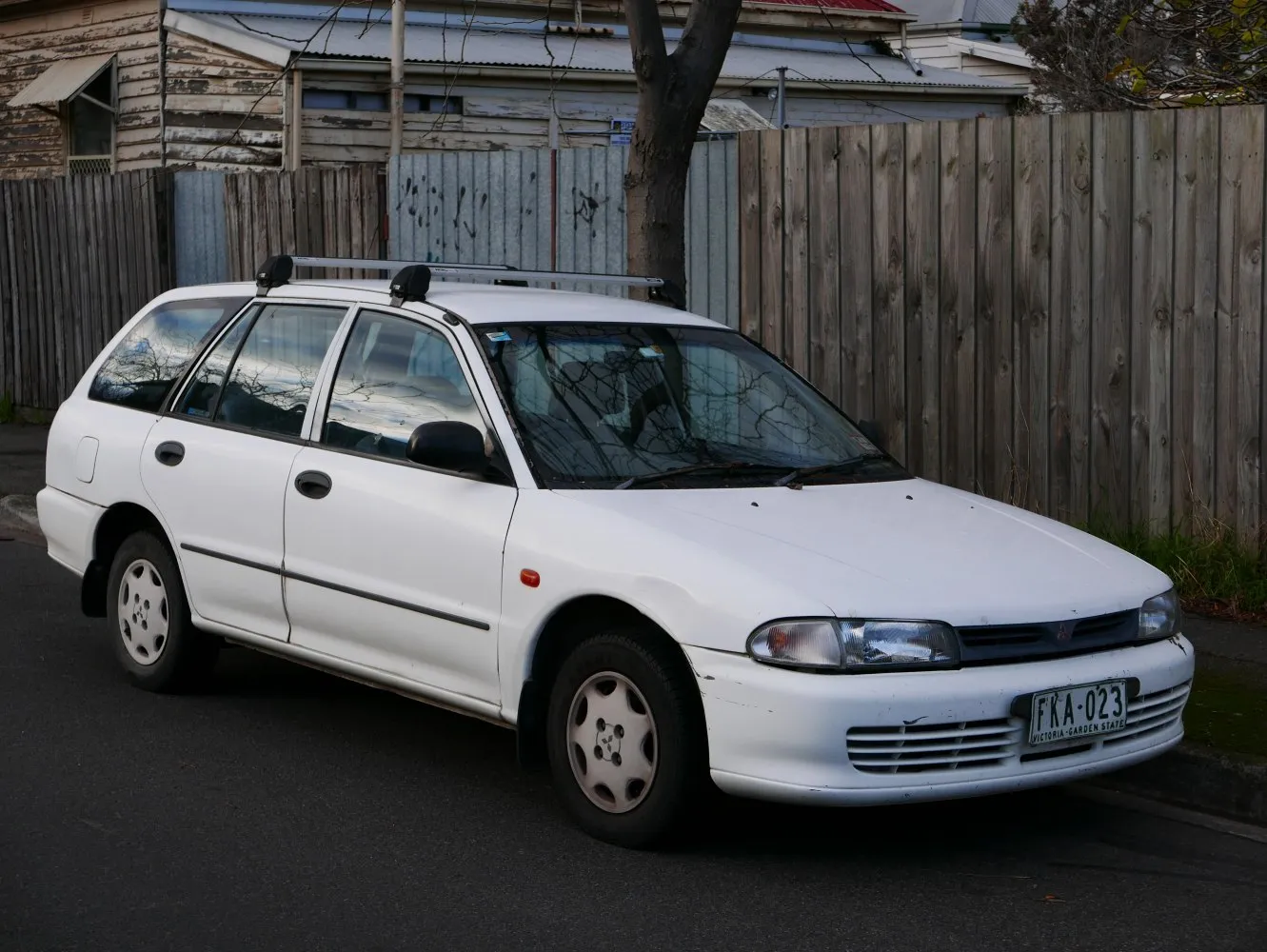
Mitsubishi Lancer:
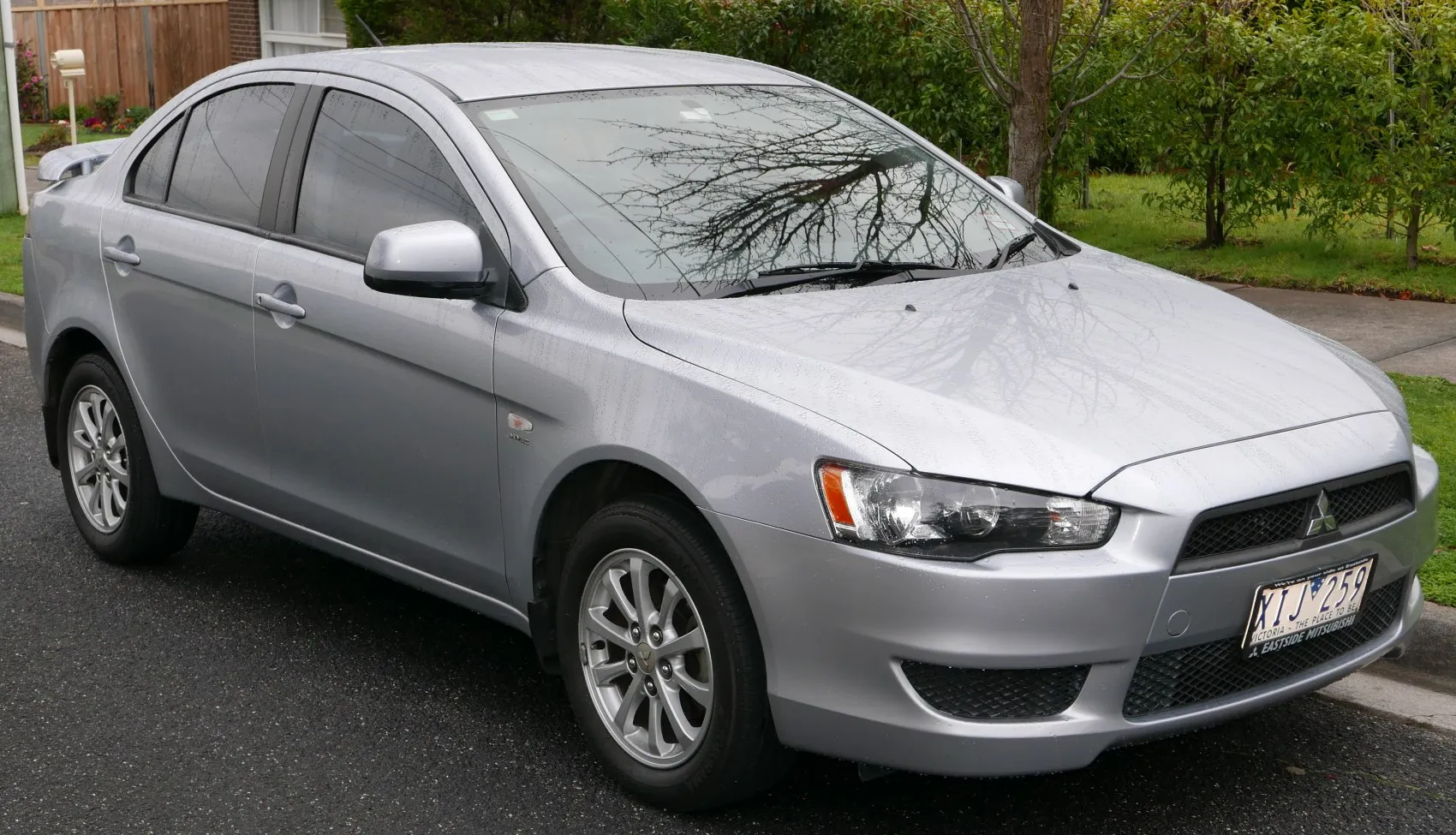
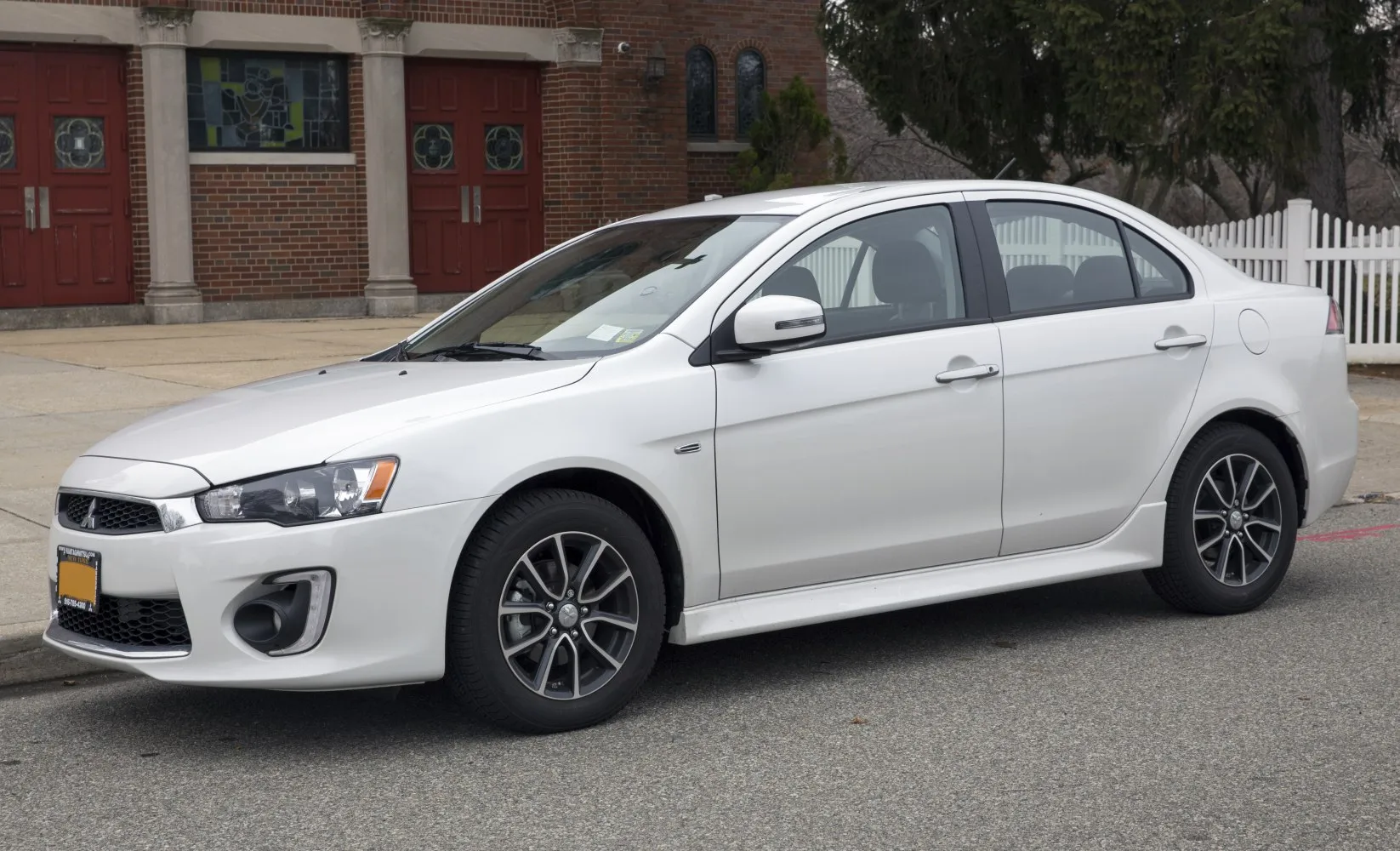
The Mitsubishi Lancer is an automobile that was produced by the Japanese manufacturer Mitsubishi Motors from 1973 until 2024.
The Lancer has been marketed as the Colt Lancer, Dodge Colt, Plymouth Colt, Chrysler Valiant Lancer, Chrysler Lancer, Eagle Summit, Hindustan Lancer, Soueast Lioncel, and Mitsubishi Mirage in various countries at different times, and has been sold as the Mitsubishi Galant Fortis in Japan since 2007. It has also been sold as Mitsubishi Lancer Fortis in Taiwan with a different facelift than the Galant Fortis. In Japan, it was sold at a specific retail chain called Car Plaza....(Read more on Wikipedia)
II Overview:
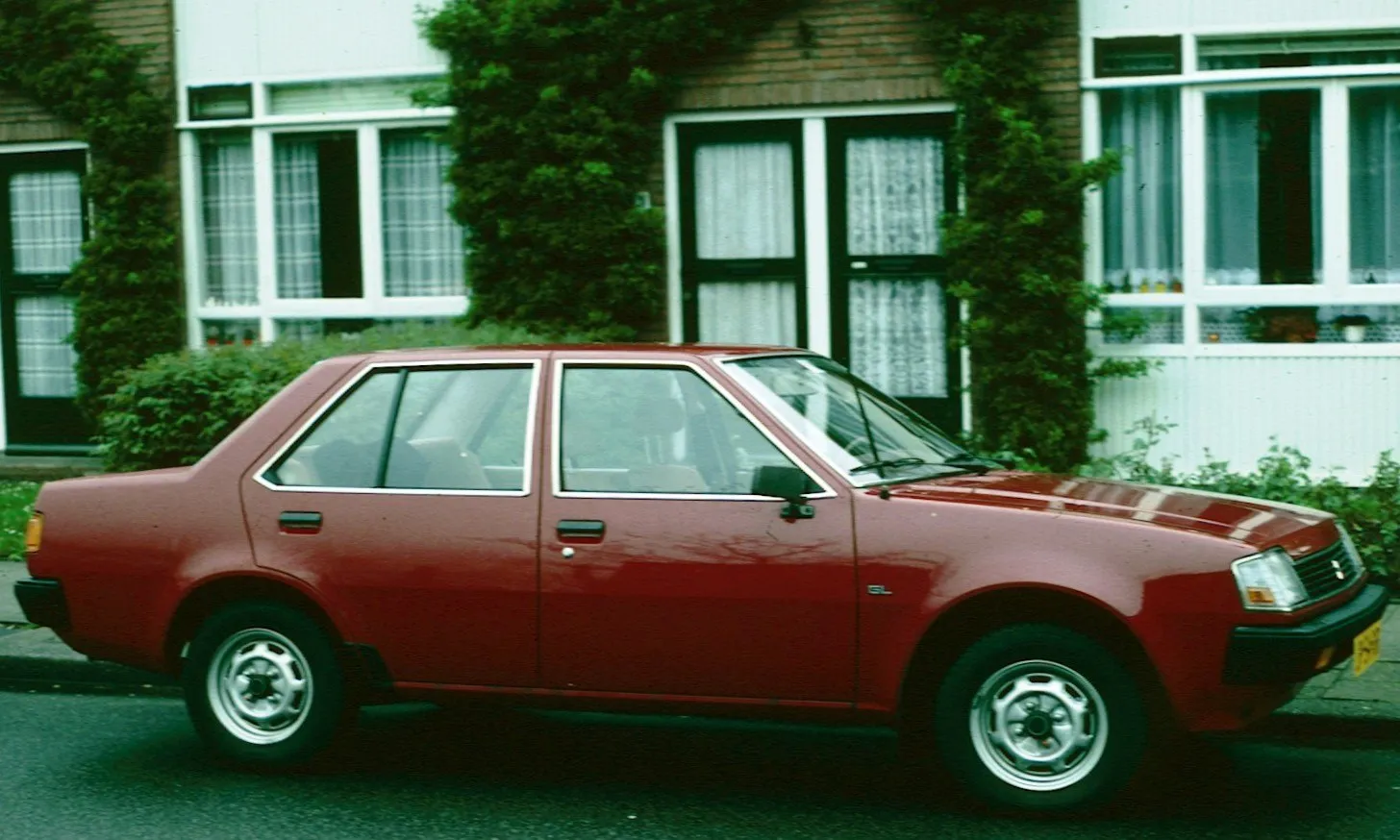
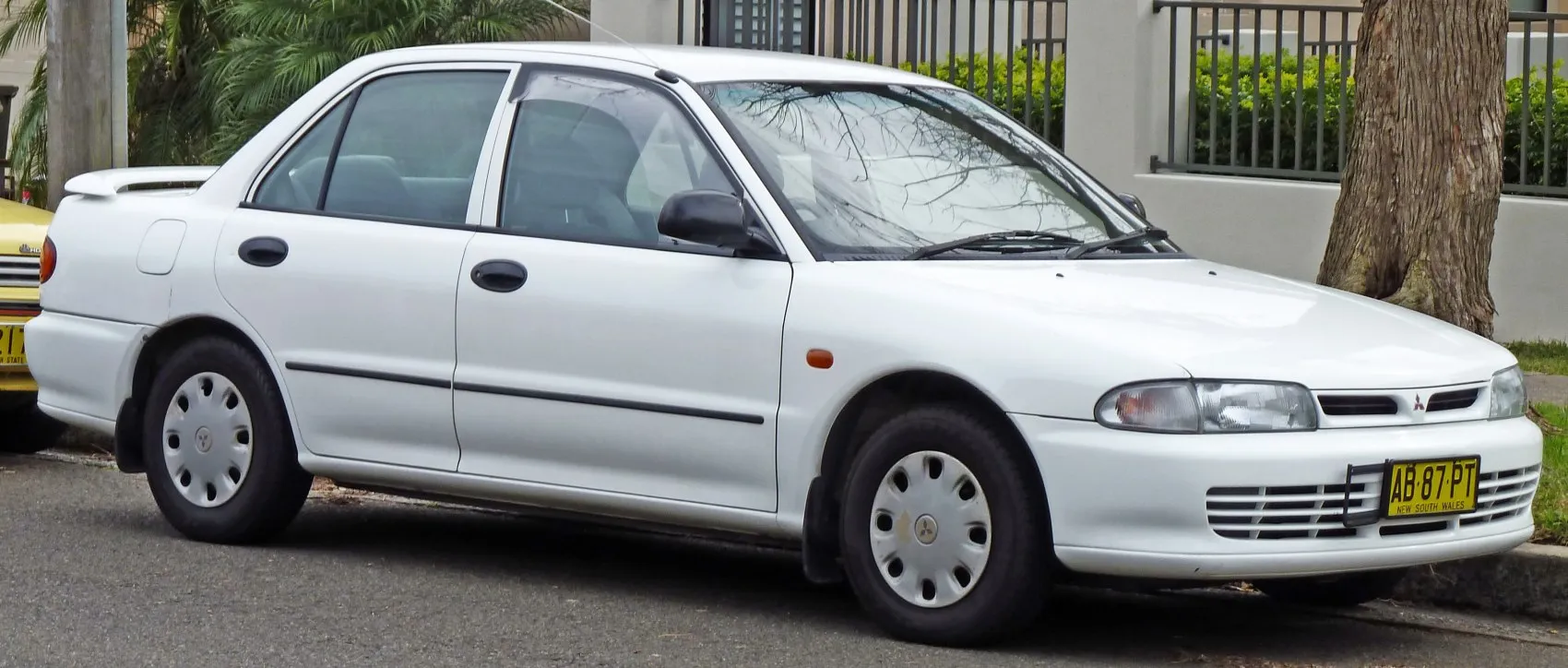
Mitsubishi Lancer (II). With 90 Nm of torque, it offers ample pulling power. Weighing only 920 kg, it’s quite light. Rear‑wheel drive offers dynamic handling and sporty feedback. The top speed reaches 140 km/h. A four-door car with a separate trunk, ideal for families and daily commuting. Seating for 5 makes it ideal for daily use.
The Mitsubishi Lancer II predates modern Euro NCAP testing standards, which began in 1997. As such, no official rating is available, and safety features would be rudimentary by contemporary standards.
1.2 (55 Hp) Verdict:

Performance Verdict
Adequate for basic commuting and city driving, but lacks power for spirited highway performance or heavy loads.
Fuel Economy
Likely the most fuel-efficient option in the lineup, ideal for budget-conscious drivers prioritizing low running costs.
Pros and Cons:
Pros:
- • Diverse engine lineup including a powerful turbo variant
- • Reliable and robust construction for its era
- • Practical and economical daily transport (for lower trims)
- • Rear-wheel drive handling characteristics
- • Simple mechanics for easier maintenance
Cons:
- • Outdated safety features by modern standards
- • Basic interior comfort and amenities
- • Limited availability of parts for restoration today
- • Lower trims lack highway passing power and refinement
- • Rust can be an issue on older models
Specifications:
Specifications are compared to those of the previous generation(II: 1979 - 1983).
| General: | |
|---|---|
| Brand: | Mitsubishi |
| Model: | Lancer |
| Generation: | II |
| Modification (Engine): | 1.2 (55 Hp) |
| Start of production: | 1980 |
| End of production: | 1981 |
| Powertrain Architecture: | Internal Combustion engine |
| Body type: | Sedan |
| Seats: | 5 |
| Doors: | 4 |
| Engine: | |
|---|---|
| Power: | 55 Hp @ 5000 rpm. Same horsepower |
| Power per litre: | 44.2 Hp/l [Same length.] |
| Torque: | 90 Nm @ 3500 rpm. |
| Engine Model/Code: | 4G11 More details about the engine 4G11 |
| Engine displacement: | 1244 |
| Number of cylinders: | 4 |
| Engine configuration: | Inline |
| Number of valves per cylinder: | 2 |
| Fuel injection system: | Carburettor |
| Engine aspiration: | Naturally aspirated engine |
| Valvetrain: | SOHC |
| Engine oil capacity: | 3.5 l |
| Coolant: | 6.5 l |
| Engine layout: | Front, Longitudinal |
| Cylinder Bore: | 69.5 mm mm |
| Piston Stroke: | 82 mm mm |
| Compression ratio: | 9:1 |
| Performance: | |
|---|---|
| Fuel Type: | Petrol (Gasoline) |
| Maximum speed: | 140 km/h |
| Weight-to-power ratio: | 16.7 kg/Hp, 59.8 Hp/tonne |
| Weight-to-torque ratio: | 10.2 kg/Nm, 97.8 Nm/tonne |
| Space: | |
|---|---|
| Kerb Weight: | 920 |
| Max. weight: | 1340 |
| Max load: | 420 |
| Permitted trailer load with brakes (12%): | 900 kg |
| Fuel tank capacity: | 50 l |
| Permitted trailer load without brakes: | 550 kg |
| Size: | |
|---|---|
| Length: | 4225 mm mm [Same length.] |
| Width: | 1620 mm mm [Same width.] |
| Height: | 1375 mm mm [10mm less] |
| Wheelbase: | 2440 mm mm [Same wheelbase.] |
| Front track: | 1335 mm |
| Rear (Back) track: | 1325 mm |
| Front overhang: | 750 mm |
| Rear overhang: | 1035 mm |
| Ride height (ground clearance): | 155 mm |
| Minimum turning circle (turning diameter): | 9.6 m [above average] |
| Climb angle: | 17.22° |
| Powertrain: | |
|---|---|
| Drivetrain Architecture | The Internal combustion engine (ICE) drives the rear wheels of the vehicle. |
| Drive wheel | Rear wheel drive |
| Number of gears | 4 |
| Transmission type | Manual |
| Front brakes | Disc [bad for performance and cooling.] |
| Rear brakes | Drum [bad for performance and cooling.] |
| Steering type | Cone worm with recirculation balls |
| Front suspension | Independent type McPherson |
| Rear suspension | Independent coil spring, Transverse stabilizer |








Would you recommend the Mitsubishi Lancer ? Tell us why or why not!