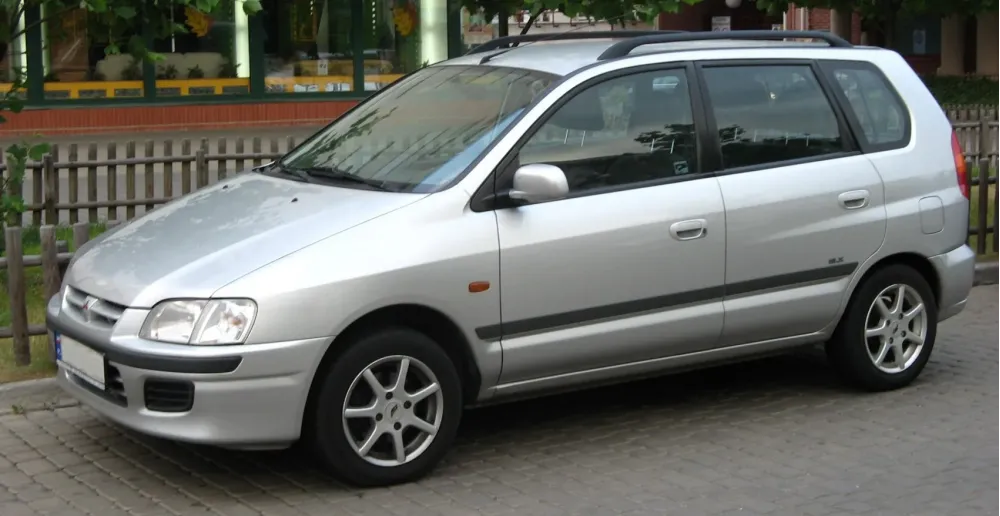
Click on image to view the full photo gallery
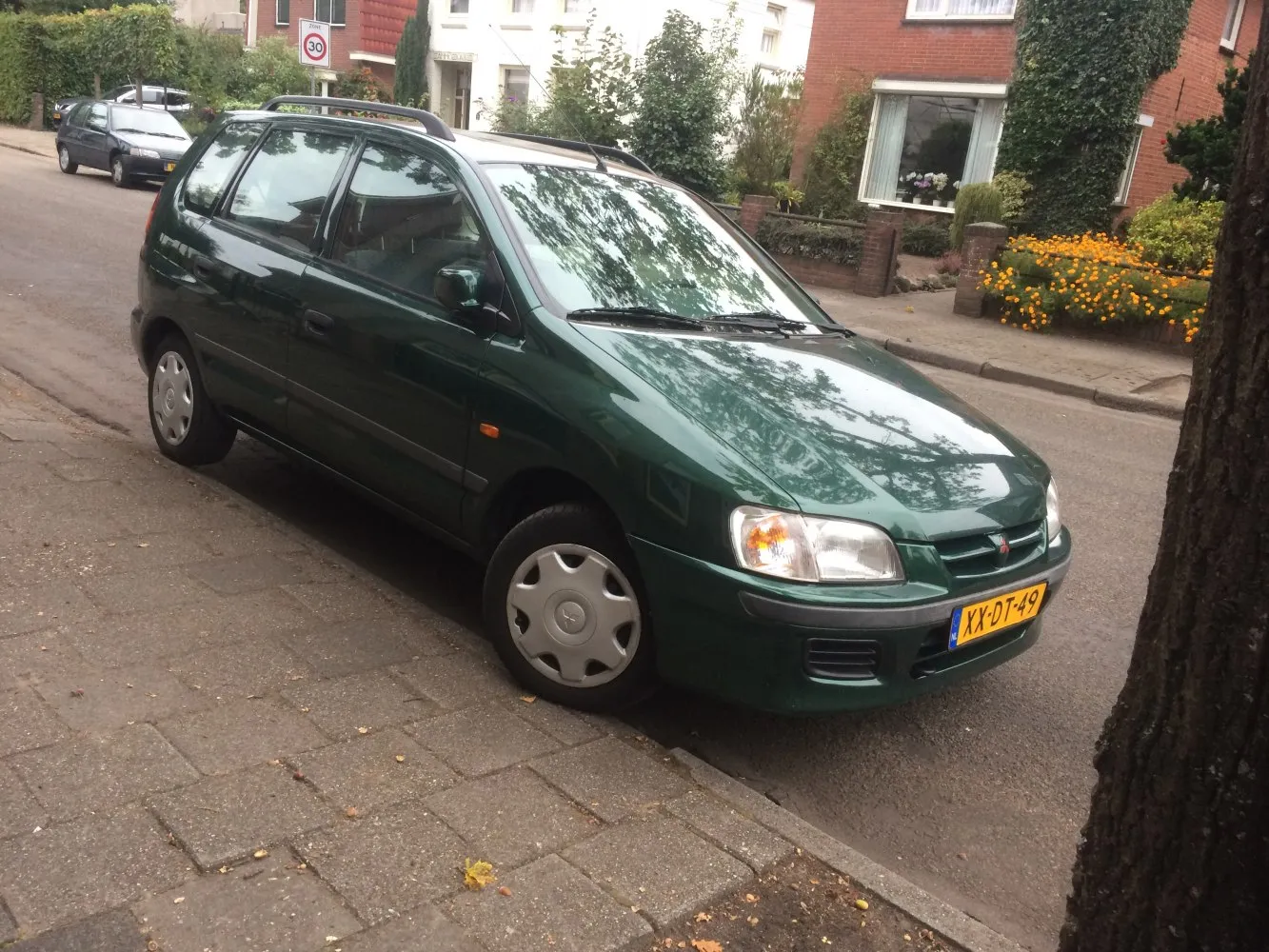
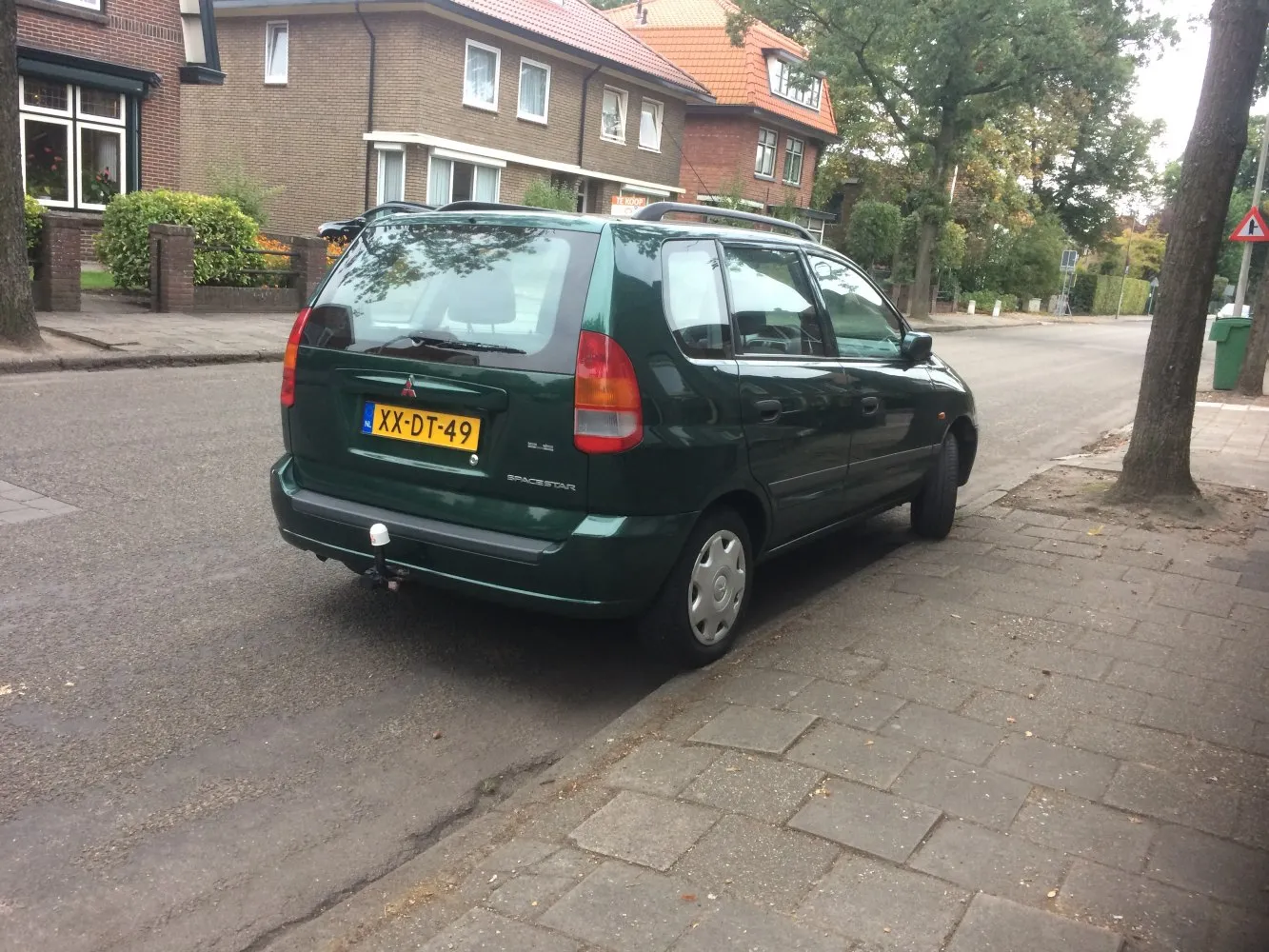
Mitsubishi Space Star DG0 1.6 (98 Hp)
Overall Rating
Mitsubishi Space Star:
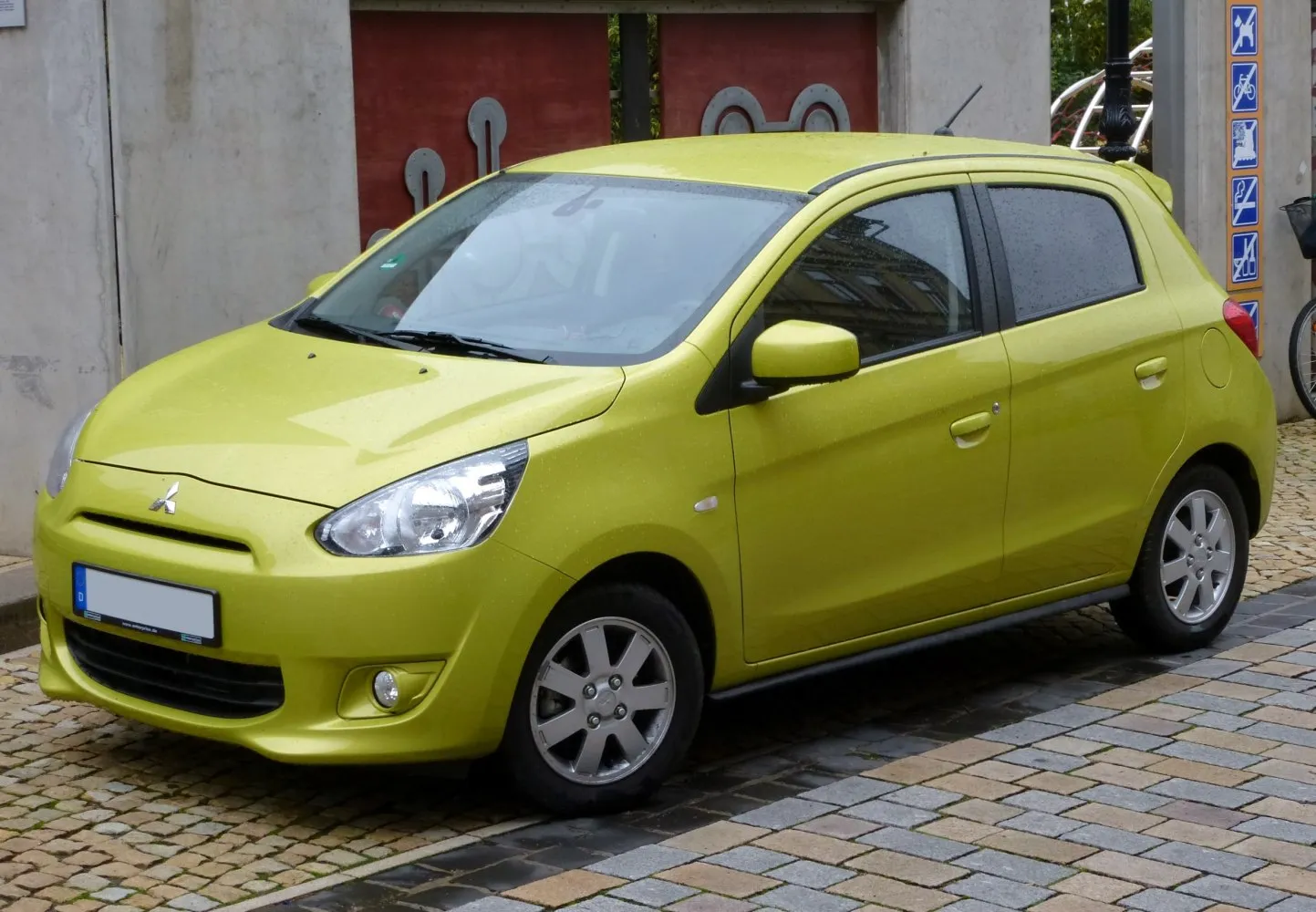
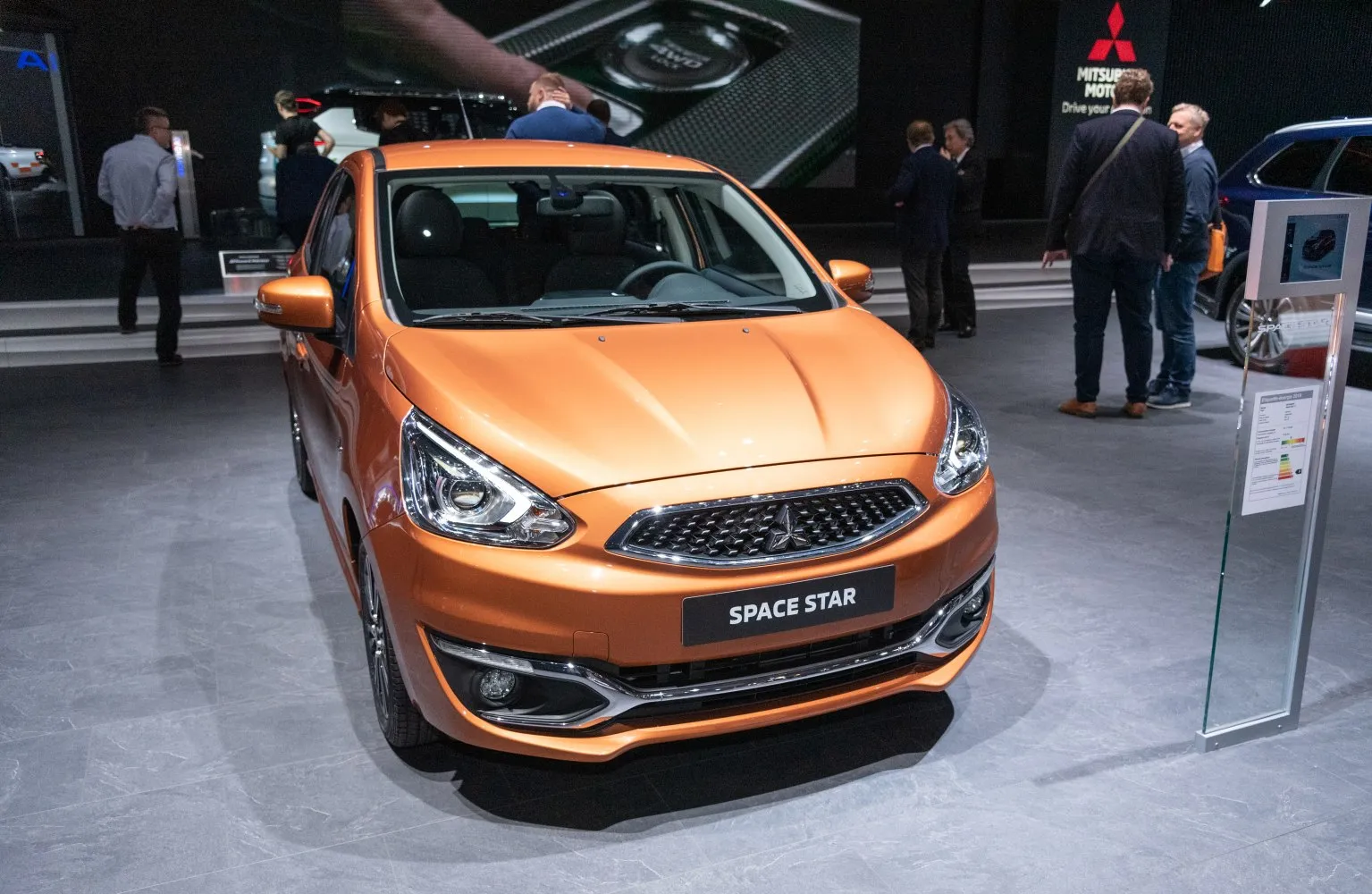
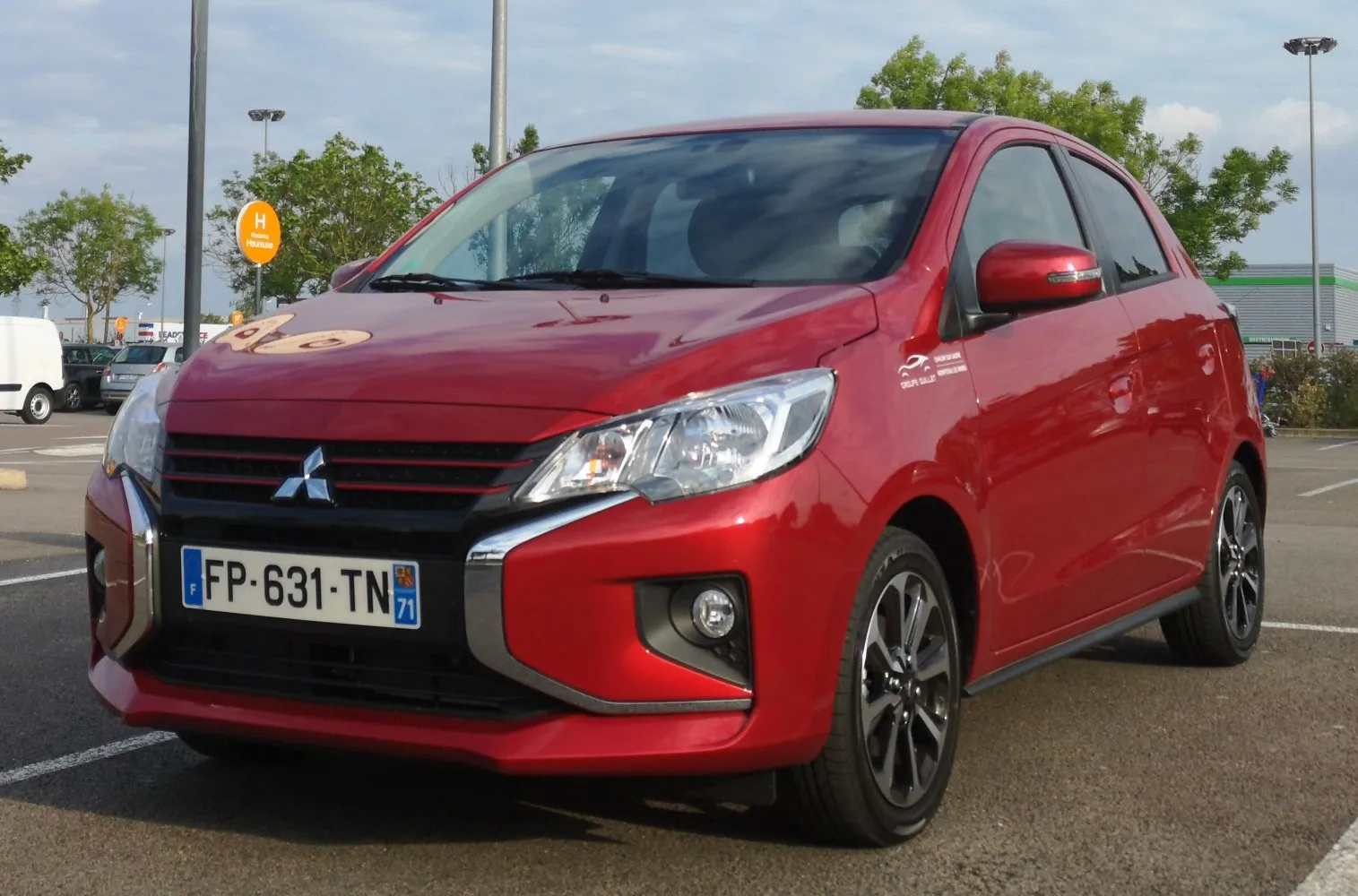
The Mitsubishi Space Star is a car produced by the Japanese manufacturer Mitsubishi Motors from mid-1998 until the end of 2005. Described as a hatchback, a compact people carrier, or a micro MPV, it was built at the NedCar factory in the Netherlands and was primarily sold in the European markets. In 2013, Mitsubishi began selling the sixth generation Mirage supermini under the Space Star name in parts of Europe, owing to legal rights relating to the use of the Mirage nameplate.
The Space Star shared its platform with the Mitsubishi Carisma and Volvo S40/V40. It was first introduced to the market in the autumn of 1998, replacing the Mitsubishi Space Runner. Production of the Space Star stopped in 2005. Since the car's introduction to the market its visual appearance stayed almost identical and it only received a minor facelift in 2002. In 2001, the Space Star was crash tested by Euro NCAP and received a three-star rating for the safety of its adult passengers, and a two-star rating for the safety of pedestrians....(Read more on Wikipedia)
DG0 Overview:
Mitsubishi Space Star (DG0). With 150 Nm of torque, it offers ample pulling power. It has moderate fuel consumption (~9.2 l/100km). Weighing only 1235 kg, it’s quite light. Front‑wheel drive delivers efficiency and easy handling. Acceleration is relatively slow (0–100 km/h in 12 s). The top speed reaches 180 km/h. A spacious vehicle designed to transport passengers comfortably, often with sliding doors. Seating for 5 makes it ideal for daily use.
1.6 (98 Hp) Verdict:

Performance Verdict
A well-balanced petrol engine, providing sufficient power for daily driving and feeling competent in most scenarios without being particularly sporty.
Fuel Economy
Acceptable fuel economy for a petrol engine of this size, making it a practical choice for mixed driving conditions.
Pros and Cons:
Pros:
- • Excellent interior practicality and versatile seating
- • Good fuel economy, especially with DI-D diesel engines
- • Generally reliable and durable build quality
- • Compact exterior dimensions for city maneuverability
- • Spacious for its class, offering good passenger and cargo room
Cons:
- • Uninspired exterior styling and interior design
- • Some petrol engines can feel underpowered or thirsty
- • GDI engines may require specific maintenance and can be prone to carbon buildup
- • Ride comfort can be firm on rougher roads
- • Not particularly engaging to drive, focused on utility over dynamics
Specifications:
Specifications are compared to those of the previous generation(DG0: 1998 - 2004).
| General: | |
|---|---|
| Brand: | Mitsubishi |
| Model: | Space Star |
| Generation: | DG0 |
| Modification (Engine): | 1.6 (98 Hp) |
| Start of production: | 2001 |
| End of production: | 2004 |
| Powertrain Architecture: | Internal Combustion engine |
| Body type: | Minivan |
| Seats: | 5 |
| Doors: | 5 |
| Engine: | |
|---|---|
| Power: | 98 Hp @ 5000 rpm. Same horsepower |
| Power per litre: | 61.9 Hp/l [Same length.] |
| Torque: | 150 Nm @ 4000 rpm. |
| Engine Model/Code: | 4G18 More details about the engine 4G18 |
| Engine displacement: | 1584 |
| Number of cylinders: | 4 |
| Engine configuration: | Inline |
| Number of valves per cylinder: | 4 |
| Fuel injection system: | Multi-port manifold injection |
| Engine aspiration: | Naturally aspirated engine |
| Valvetrain: | OHC |
| Engine oil capacity: | 3.3 l |
| Coolant: | 6 l |
| Engine layout: | Front, Transverse |
| Cylinder Bore: | 76 mm mm |
| Piston Stroke: | 87.3 mm mm |
| Compression ratio: | 10:1 |
| Performance: | |
|---|---|
| Fuel Type: | Petrol (Gasoline) |
| Fuel consumption (economy) - urban: | 9.2 l/100 km |
| Fuel consumption (economy) - extra urban: | 5.9 l/100 km |
| Fuel consumption (economy) - combined: | 7.1 l/100 km |
| Acceleration 0 - 100 km/h: | 12 sec |
| Acceleration 0 - 62 mph: | 12 sec |
| Maximum speed: | 180 km/h |
| Weight-to-power ratio: | 12.6 kg/Hp, 79.4 Hp/tonne |
| Weight-to-torque ratio: | 8.2 kg/Nm, 121.5 Nm/tonne |
| Acceleration 0 - 60 mph: | 11.4 sec |
| Space: | |
|---|---|
| Kerb Weight: | 1235 |
| Max. weight: | 1690 |
| Max load: | 455 |
| Trunk (boot) space - maximum: | 1370 l |
| Trunk (boot) space - minimum: | 370 l |
| Fuel tank capacity: | 55 l |
| Size: | |
|---|---|
| Length: | 4030 mm mm [Same length.] |
| Width: | 1715 mm mm [Same width.] |
| Height: | 1515 mm mm [Same height.] |
| Wheelbase: | 2500 mm mm [Same wheelbase.] |
| Front track: | 1475 mm |
| Rear (Back) track: | 1470 mm |
| Powertrain: | |
|---|---|
| Drivetrain Architecture | The Internal combustion engine (ICE) drives the front wheels of the vehicle. |
| Drive wheel | Front wheel drive |
| Number of gears | 5 |
| Transmission type | Manual |
| Front brakes | Ventilated discs [Best for performance and cooling.] |
| Rear brakes | Disc |
| Assisting systems | ABS (Anti-lock braking system) |
| Steering type | Steering rack and pinion |
| Power steering | Hydraulic Steering |
| Tires size | 185/65 R14 |
| Front suspension | Wishbone |
| Rear suspension | Spring Strut |











What’s the best feature of the Mitsubishi Space Star? Tell us in the comments!