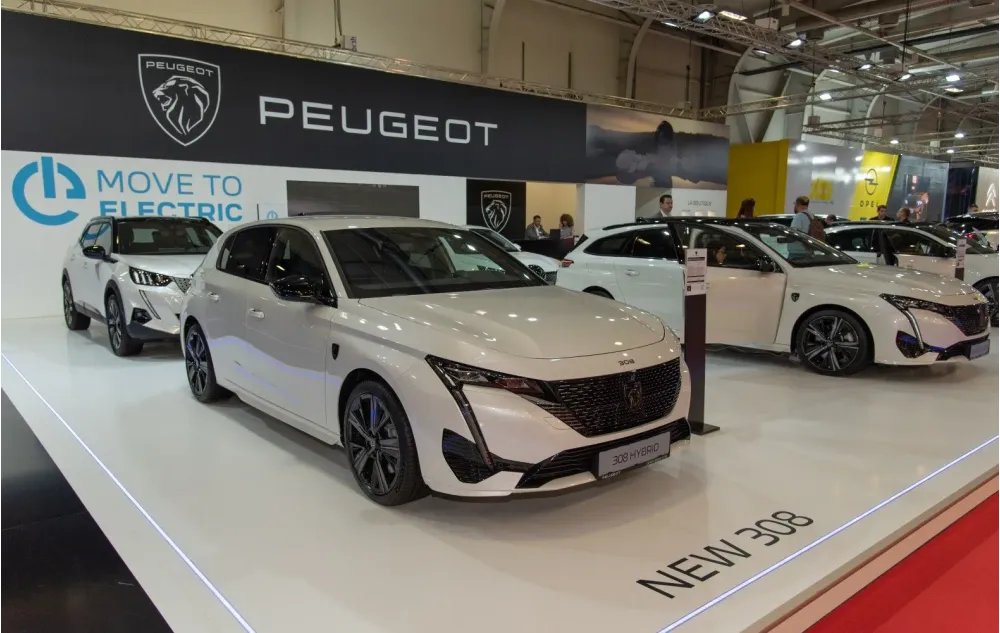
Click on image to view the full photo gallery
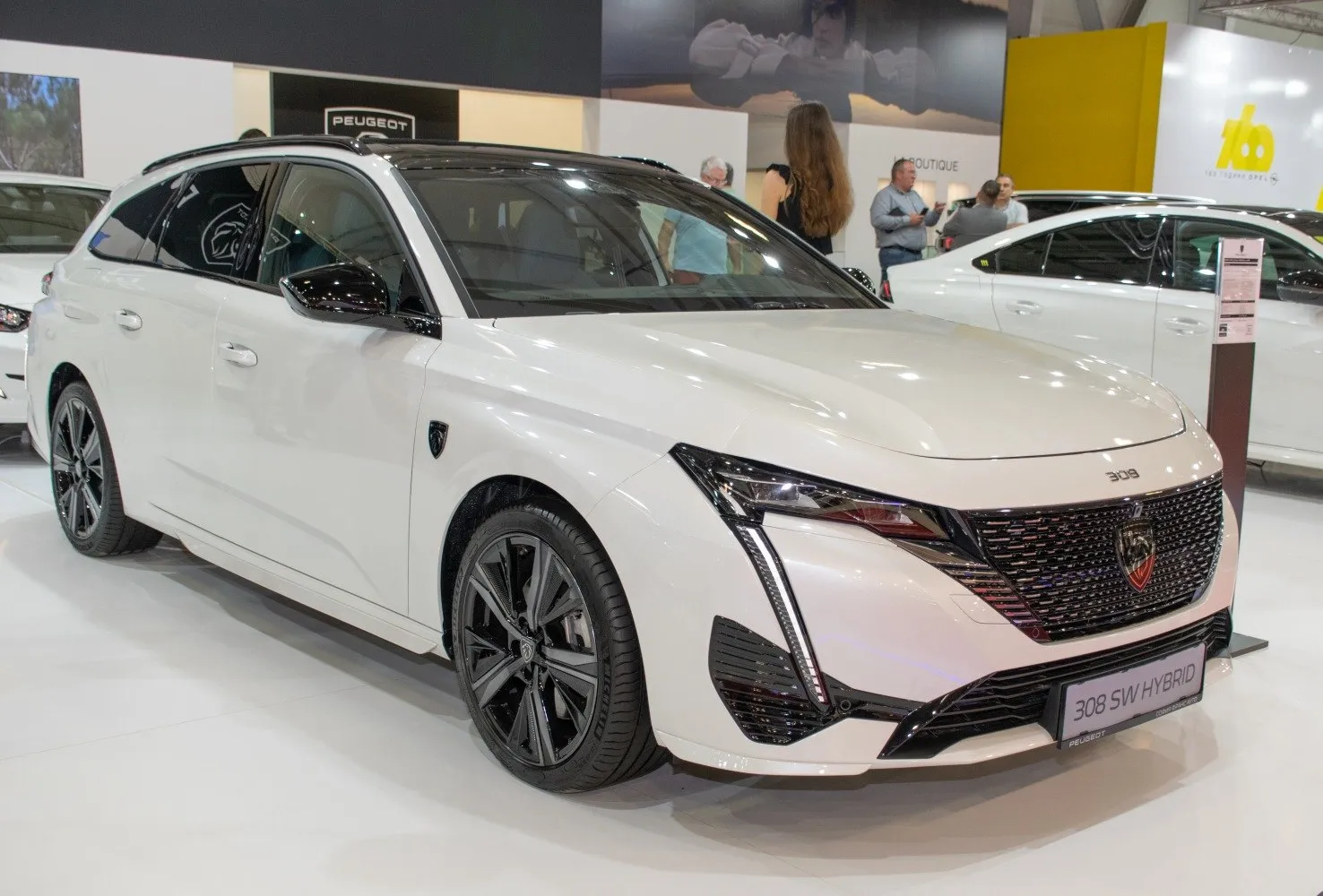
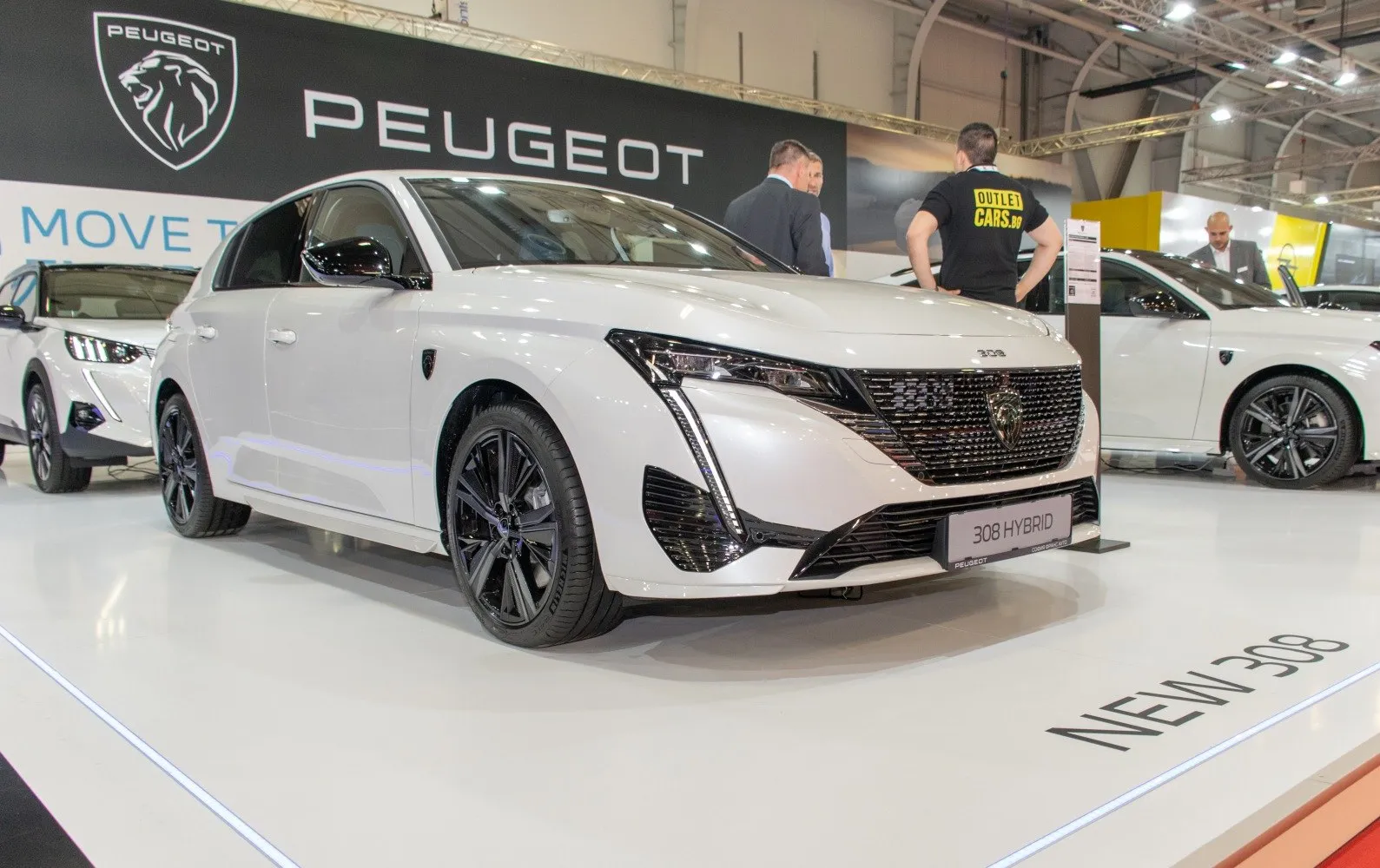
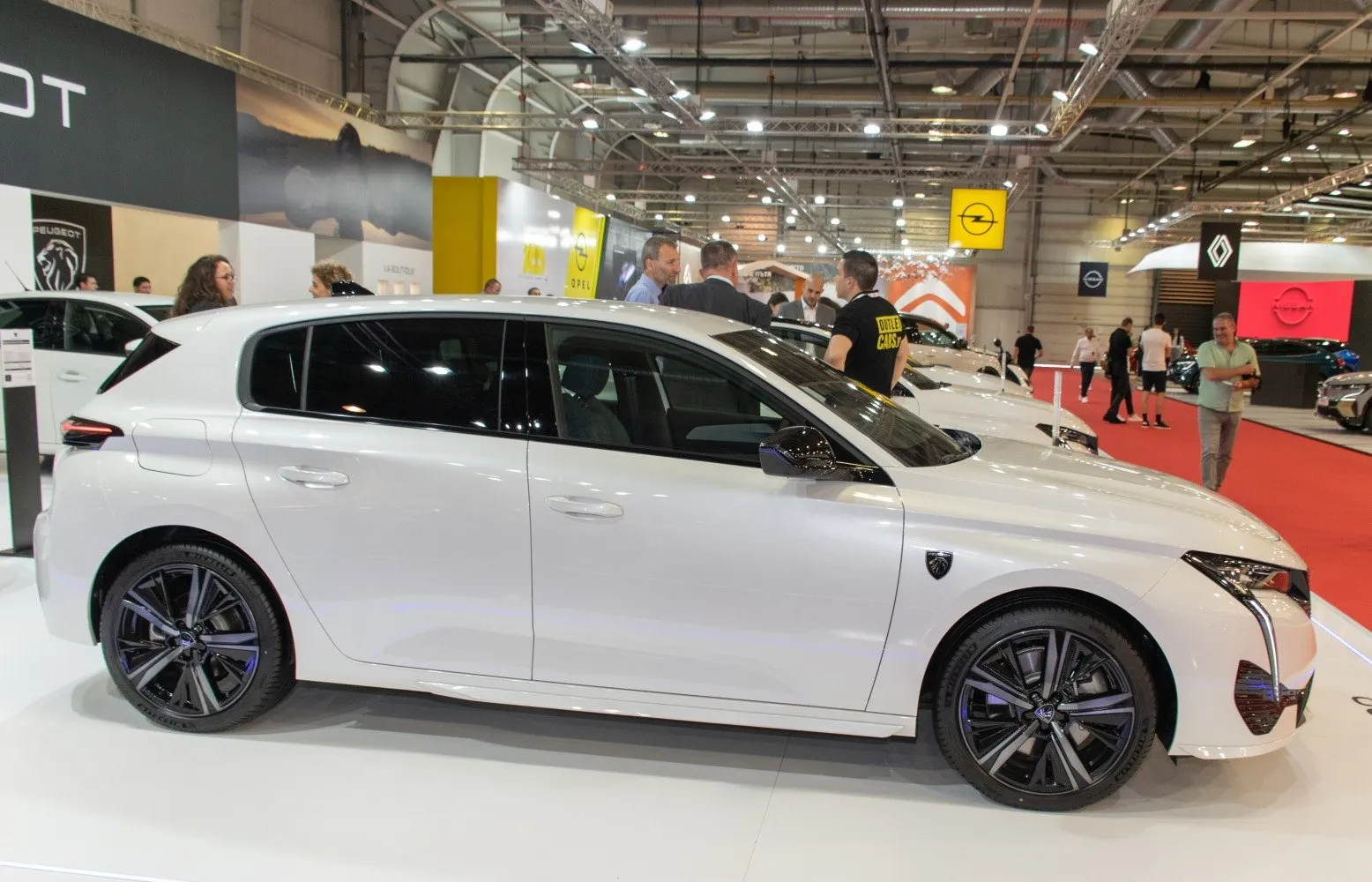
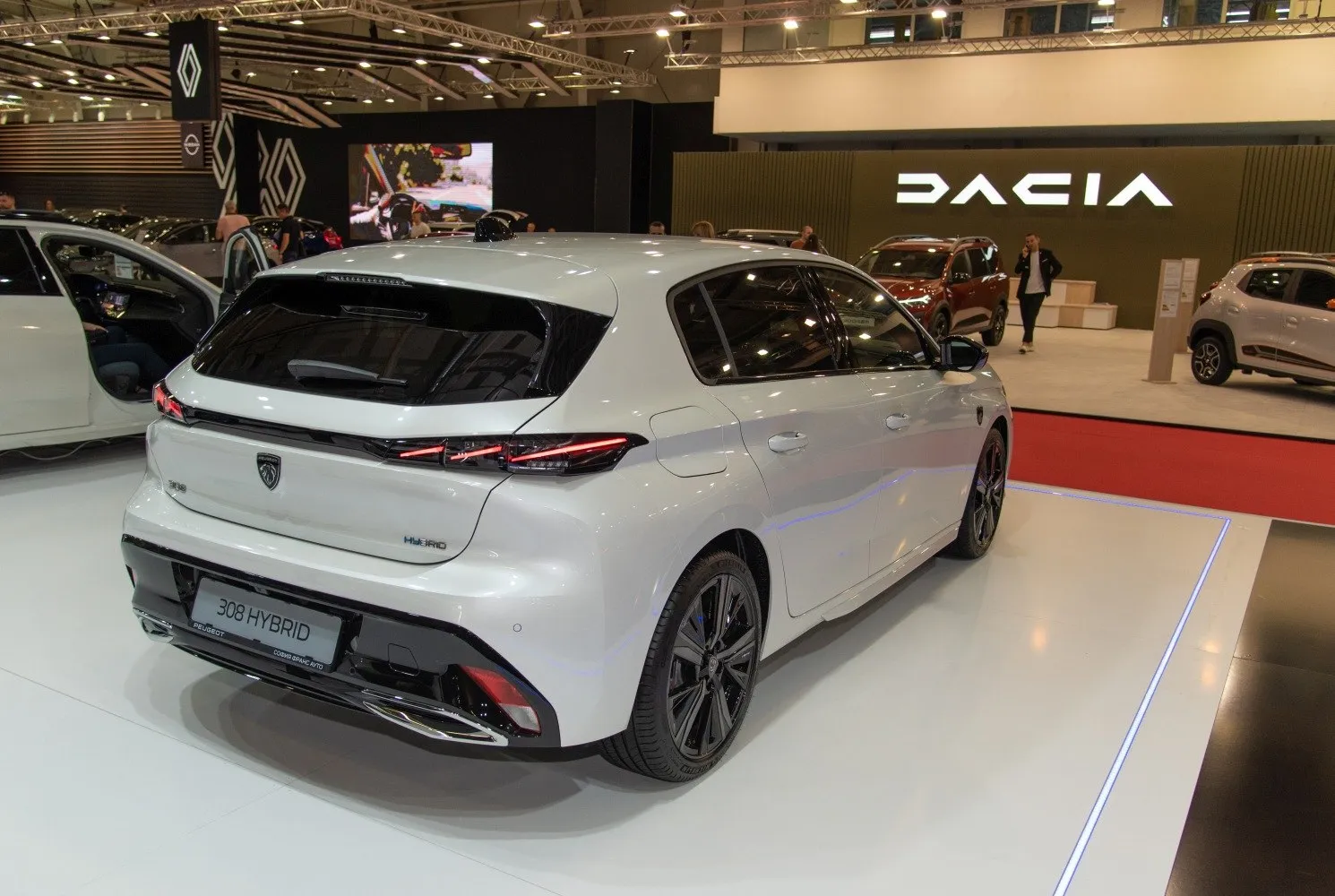
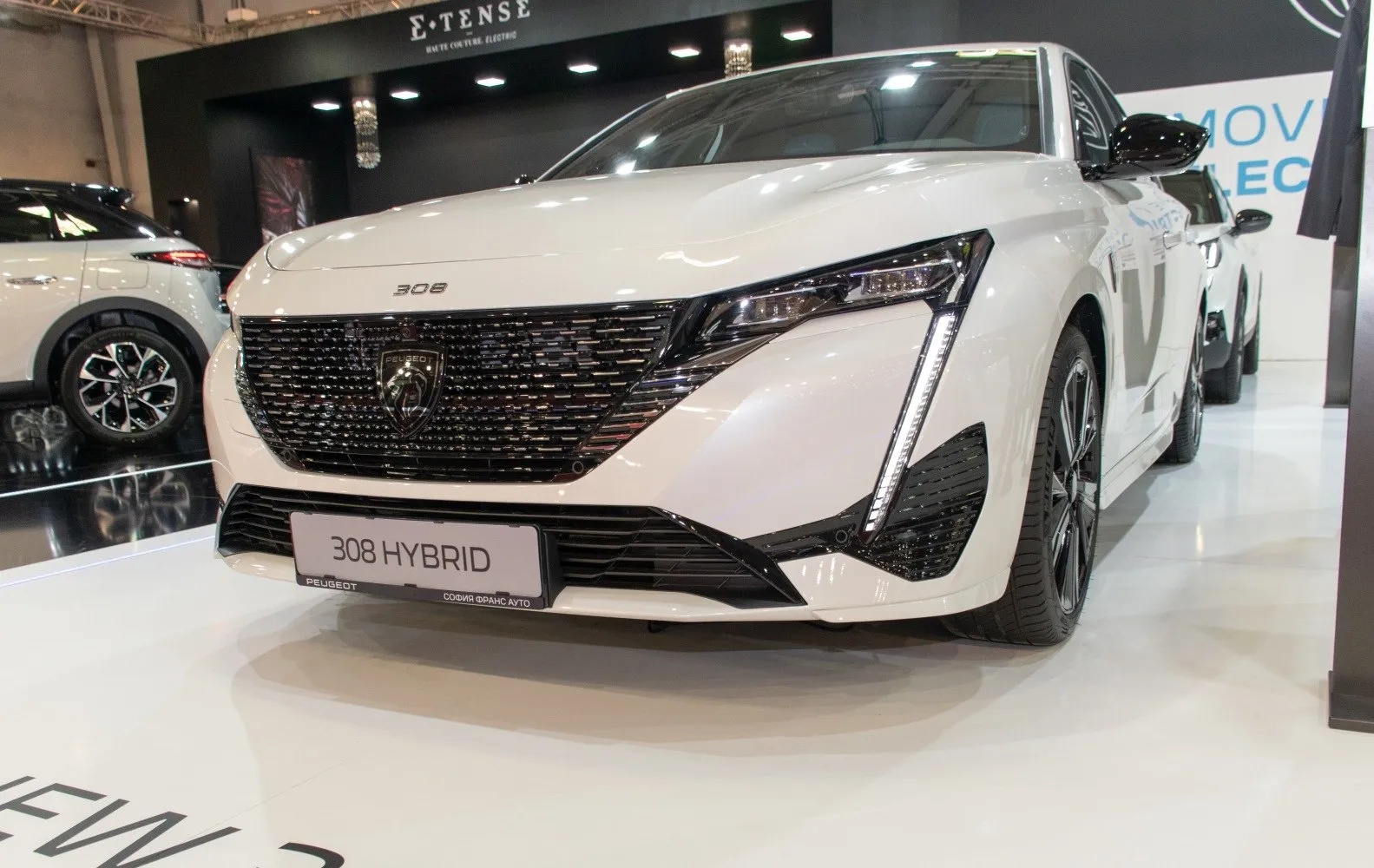
Peugeot 308 III (Phase I, 2021) e-308 54 kWh (156 Hp)
Overall Rating
Peugeot 308:
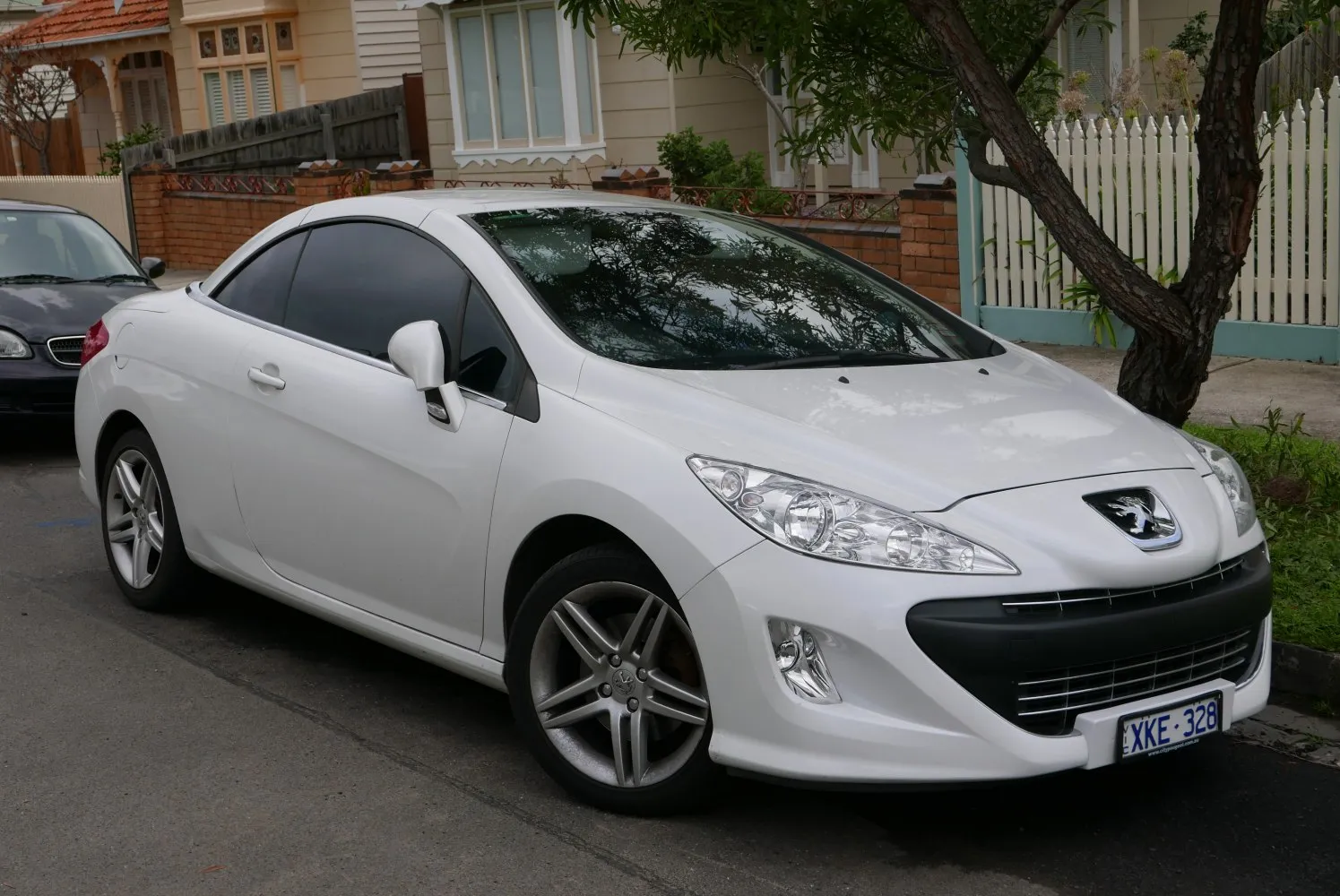
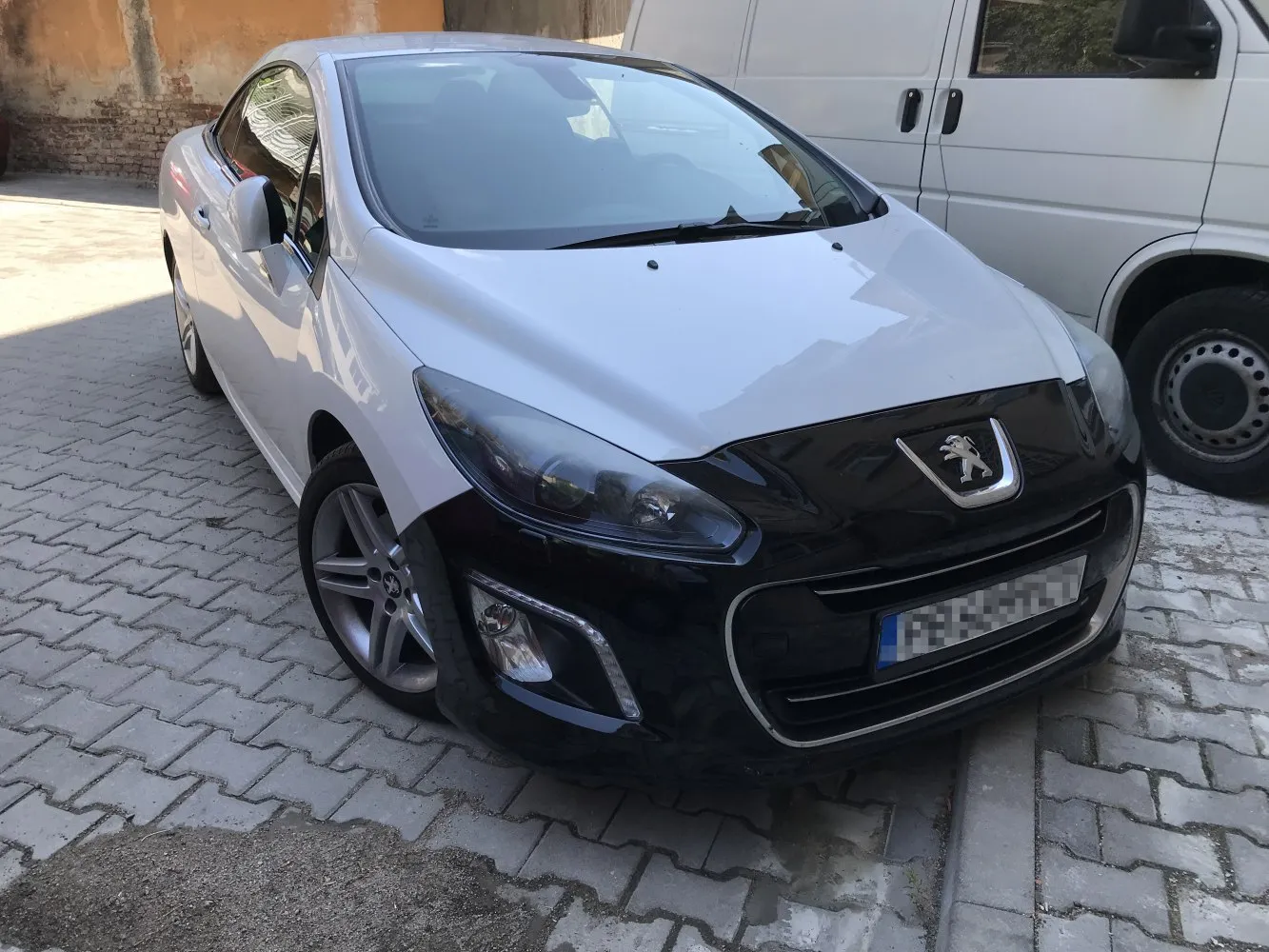
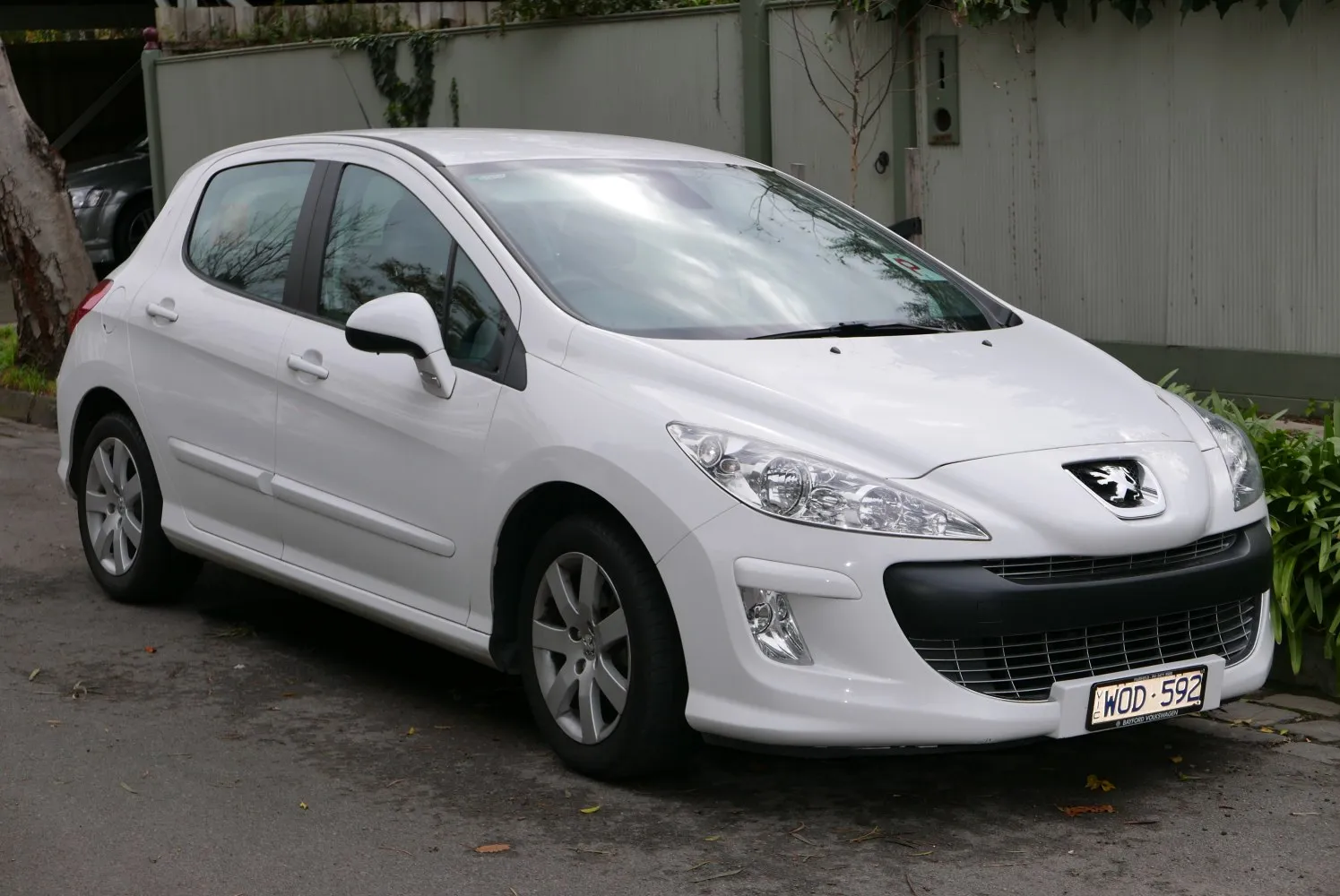
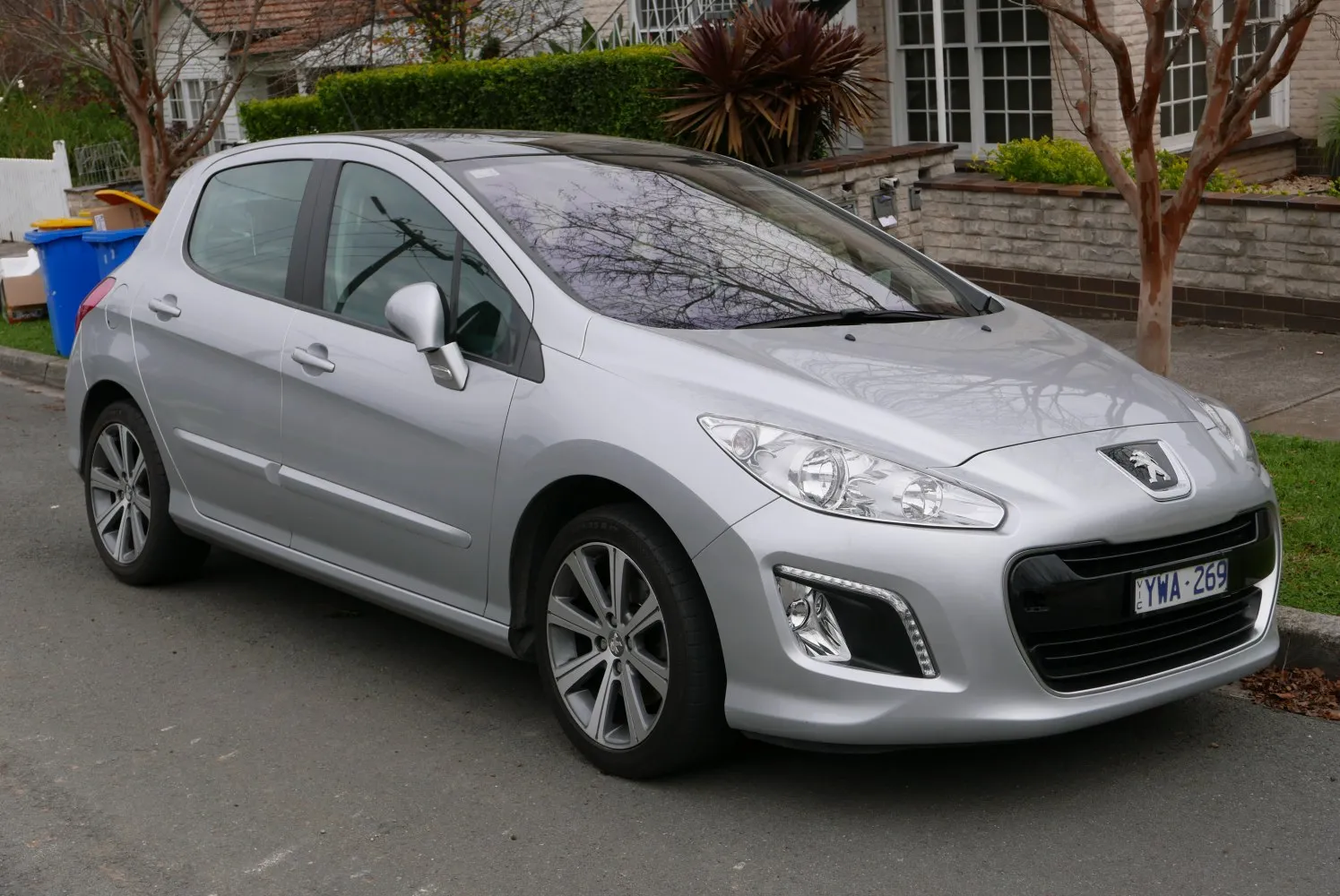
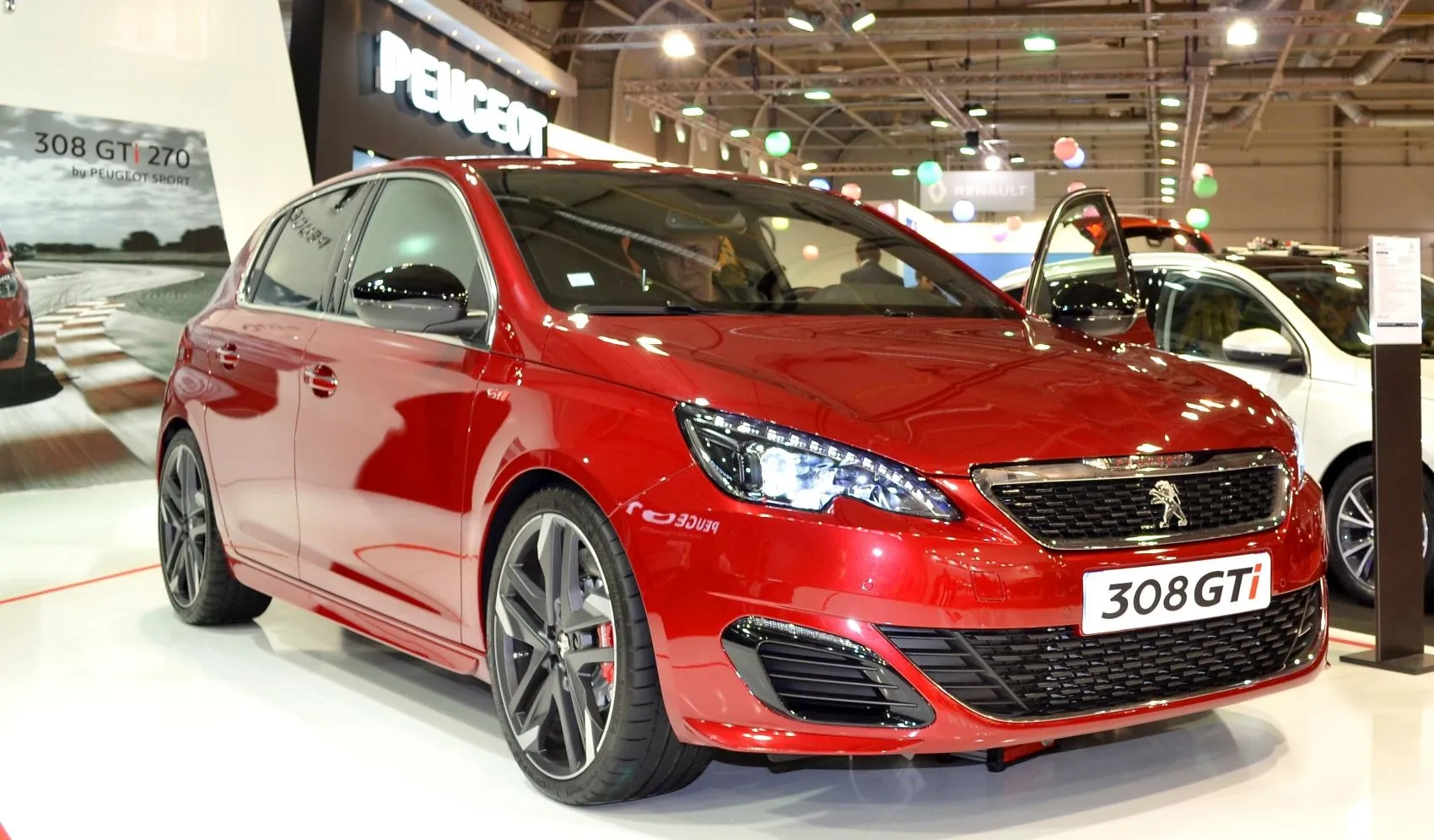
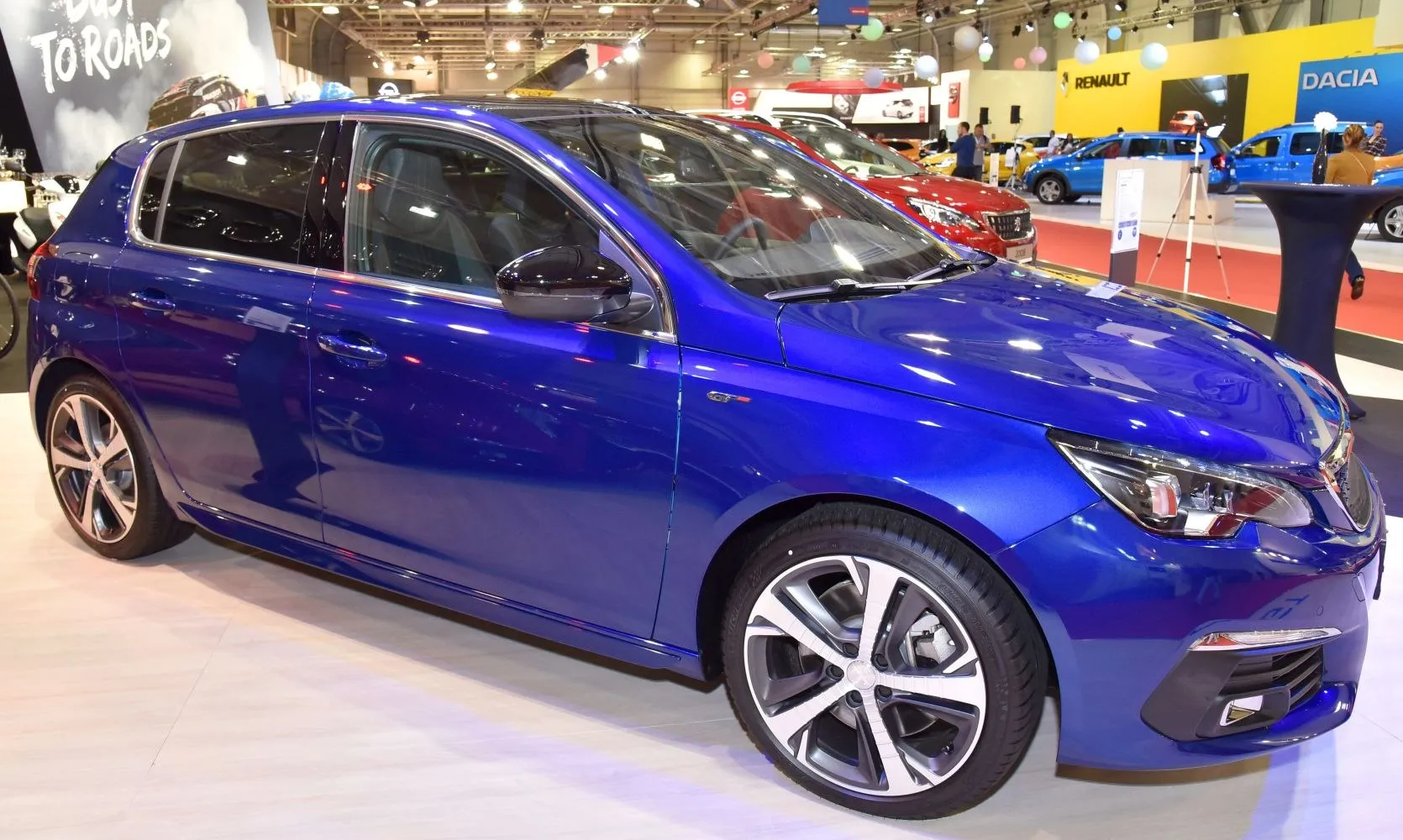
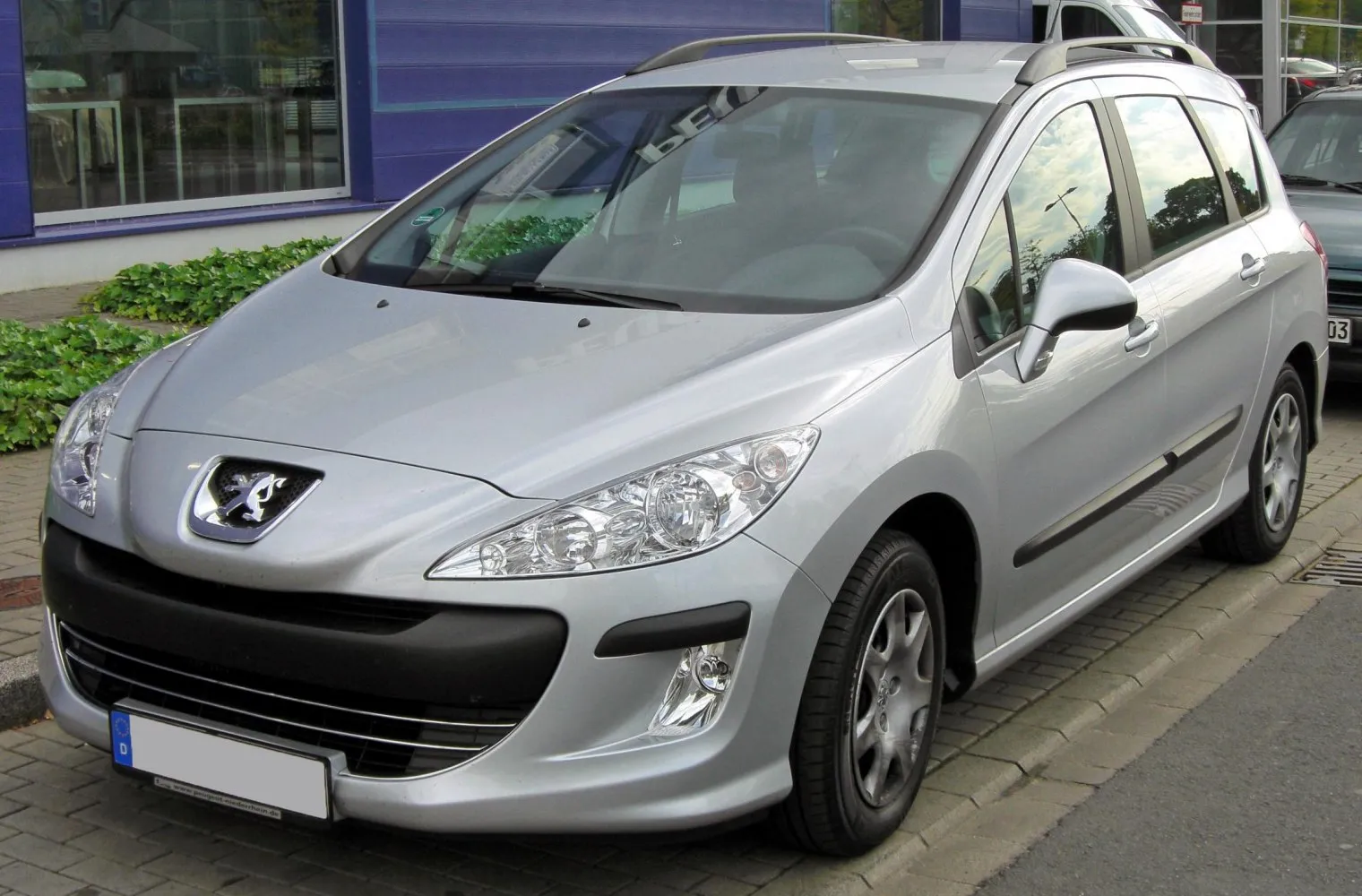
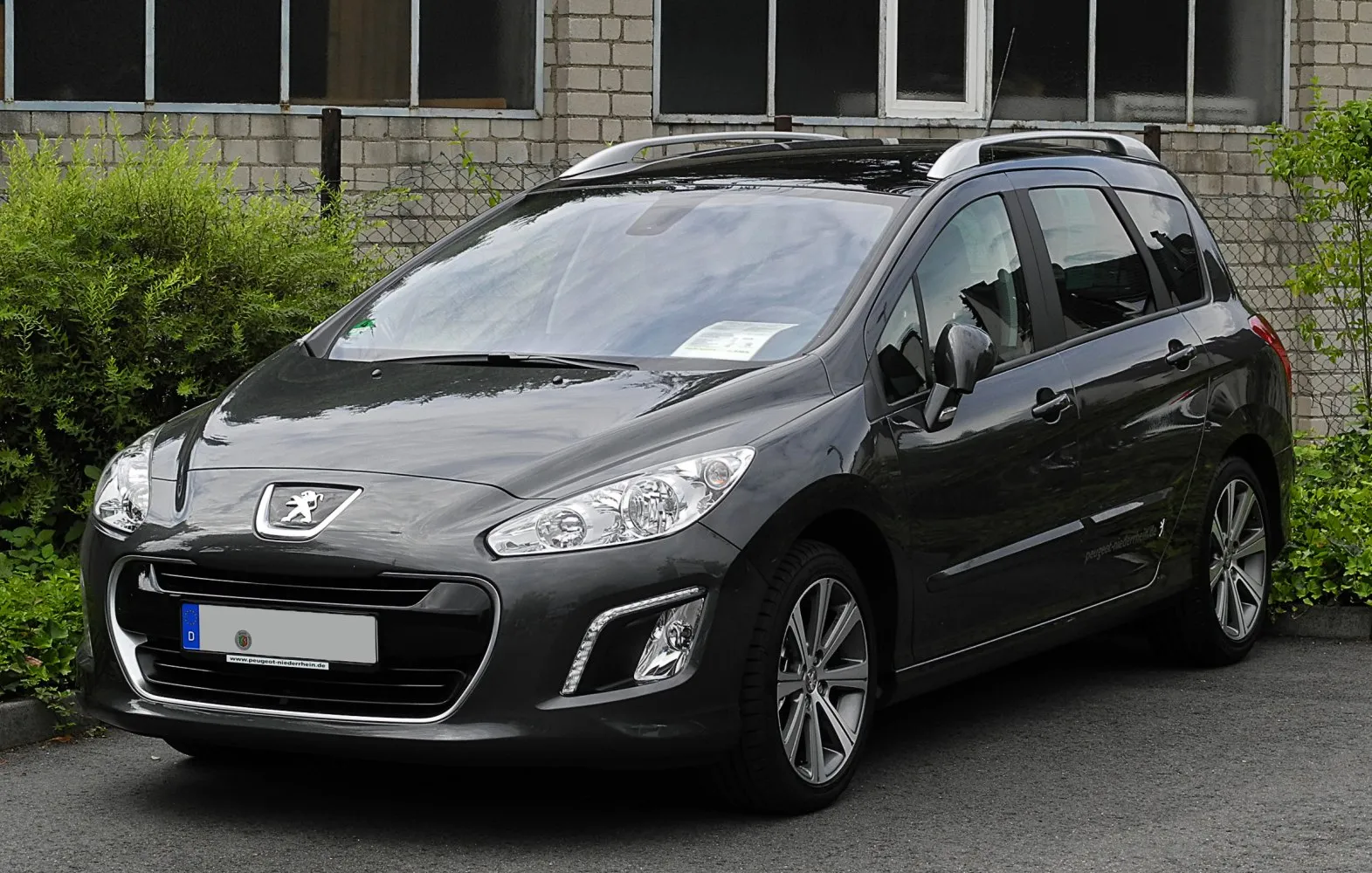
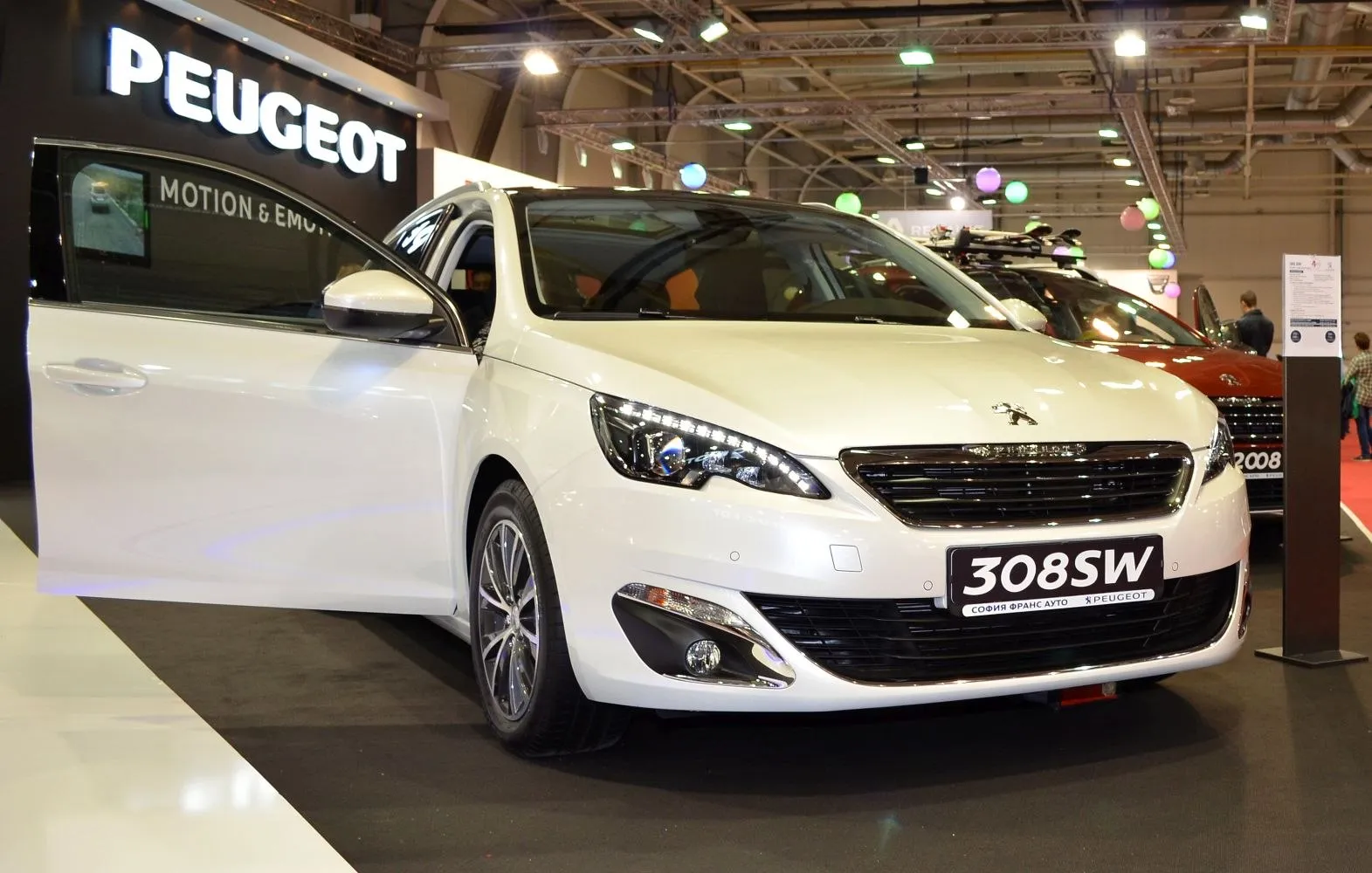
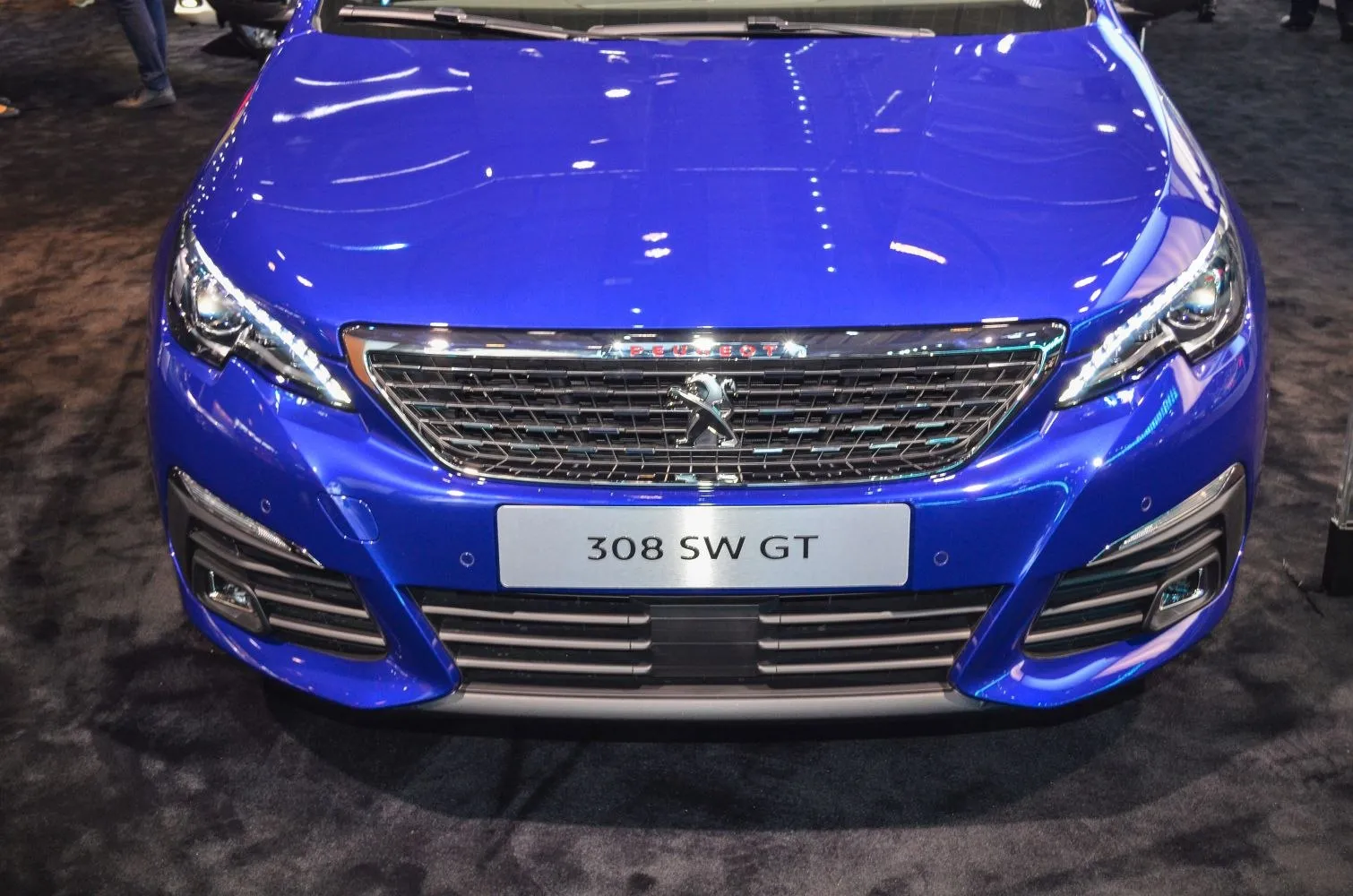
The Peugeot 308 is a small family car produced by French automobile manufacturer Peugeot. It was unveiled in June 2007, and launched in September 2007 in hatchback form, which was followed by station wagon in March 2008, coupé cabriolet in February 2009, and a sedan version in February 2010. The 308 replaced the 307, and positioned below the 508 and above the smallest 208.
The first generation was largely based on its predecessor, the 307, and utilized modified versions of that car's drivetrain and chassis. The second-generation model was unveiled in 2013, and it was awarded as the 2014 European Car of the Year. The third-generation model was unveiled in 2021 and introduced a hybrid powertrain....(Read more on Wikipedia)
III (Phase I, 2021) Overview:
Peugeot 308 (III (Phase I, 2021)). With a weight of 1684 kg, it falls in the mid‑range. Front‑wheel drive delivers efficiency and easy handling. Acceleration is relatively slow (0–100 km/h in 10.5 s). The top speed reaches 170 km/h. A compact car with a rear door that swings upward to provide access to the cargo area. Seating for 5 makes it ideal for daily use.
e-308 54 kWh (156 Hp) Verdict:

Performance Verdict
Instant torque from the electric motor provides brisk acceleration (10.5 sec 0-100km/h) and smooth power delivery for a refined, quiet drive.
Fuel Economy
Zero tailpipe emissions and low running costs, with a 54 kWh battery offering a competitive electric range suitable for daily commutes.
Pros and Cons:
Pros:
- • Modern and distinctive exterior design
- • Diverse range of efficient powertrain options (MHEV, PHEV, EV, Diesel, Petrol)
- • Comfortable ride quality, especially on longer journeys
- • High-quality interior materials and advanced infotainment system
- • Good trunk space for a hatchback
Cons:
- • Rear passenger space can be somewhat tight for adults
- • i-Cockpit layout may not suit all drivers (small steering wheel, high instruments)
- • Infotainment system can be complex to navigate initially
- • 4-star Euro NCAP rating, not the top 5-star
- • Some engine options might feel underpowered for enthusiastic drivers
Specifications:
Specifications are compared to those of the previous generation(SW III (Phase I, 2021): September, 2021 - ).
| General: | |
|---|---|
| Brand: | Peugeot |
| Model: | 308 |
| Generation: | III (Phase I, 2021) |
| Modification (Engine): | e-308 54 kWh (156 Hp) |
| Start of production: | September, 2023 |
| Powertrain Architecture: | BEV (Electric Vehicle) |
| Body type: | Hatchback |
| Seats: | 5 |
| Doors: | 5 |
| Performance: | |
|---|---|
| Fuel Type: | Electricity |
| Acceleration 0 - 100 km/h: | 10.5 sec |
| Acceleration 0 - 62 mph: | 10.5 sec |
| Maximum speed: | 170 km/h, Electronically limited |
| Weight-to-power ratio: | 10.8 kg/Hp, 92.6 Hp/tonne |
| Weight-to-torque ratio: | 6.2 kg/Nm, 160.3 Nm/tonne |
| Acceleration 0 - 60 mph: | 10 sec |
| Space: | |
|---|---|
| Kerb Weight: | 1684 |
| Max. weight: | 2110 |
| Max load: | 426 |
| Trunk (boot) space - minimum: | 412 l |
| Size: | |
|---|---|
| Length: | 4367 mm mm [269mm less] |
| Width: | 1852 mm mm [Same width.] |
| Height: | 1441 mm mm [3mm less] |
| Wheelbase: | 2675 mm mm [57mm less] |
| Width including mirrors: | 2062 mm |
| Front track: | 1559 mm |
| Rear (Back) track: | 1554 mm |
| Front overhang: | 904 mm |
| Rear overhang: | 788 mm |
| Powertrain: | |
|---|---|
| Drivetrain Architecture | One electric motor drives the front wheels. |
| Drive wheel | Front wheel drive |
| Number of gears | 1 |
| Transmission type | Automatic |
| Front brakes | Ventilated discs, 304 mm [Best for performance and cooling.] |
| Rear brakes | Disc, 290 mm |
| Assisting systems | ABS (Anti-lock braking system) |
| Steering type | Steering rack and pinion |
| Power steering | Electric Steering |
| Tires size | 215/45 R18 |
| Wheel rims size | 18 |
| Front suspension | Independent type McPherson |
| Rear suspension | Torsion |
| Electric: | |
|---|---|
| Net (usable) battery capacity: | 51 kWh |
| Gross battery capacity: | 54 kWh |
| Battery technology: | Lithium nickel manganese cobalt oxides (Li-NMC) |
| Battery location: | Below the floor |
| System power: | 156 Hp @ 4070-7500 rpm. |
| System torque: | 270 Nm |
| All-electric range: | 410-413 km |
| Electric motor power: | 156 Hp @ 4070-7500 rpm. |
| Electric motor Torque: | 270 Nm |
| Average Energy consumption: | 15-15.1 kWh/100 km |
| Electric motor location: | Front axle, Transverse |
| Average Energy consumption (WLTP): | 15-15.1 kWh/100 km |
| Electric motor type: | Synchronous |
| All-electric range (WLTP): | 410-413 km |
| Battery weight: | 340 kg |
| Electric motor model/code: | ZK02 |
| Battery voltage: | 375 V |




If you could change one thing about the Peugeot 308, what would it be?