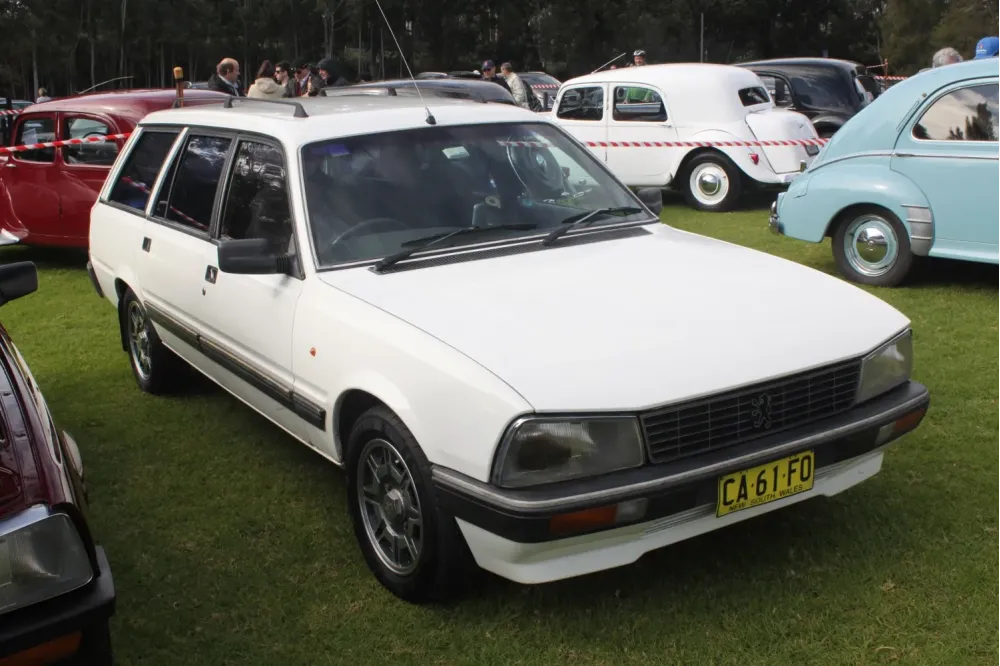
Click on image to view the full photo gallery
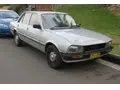
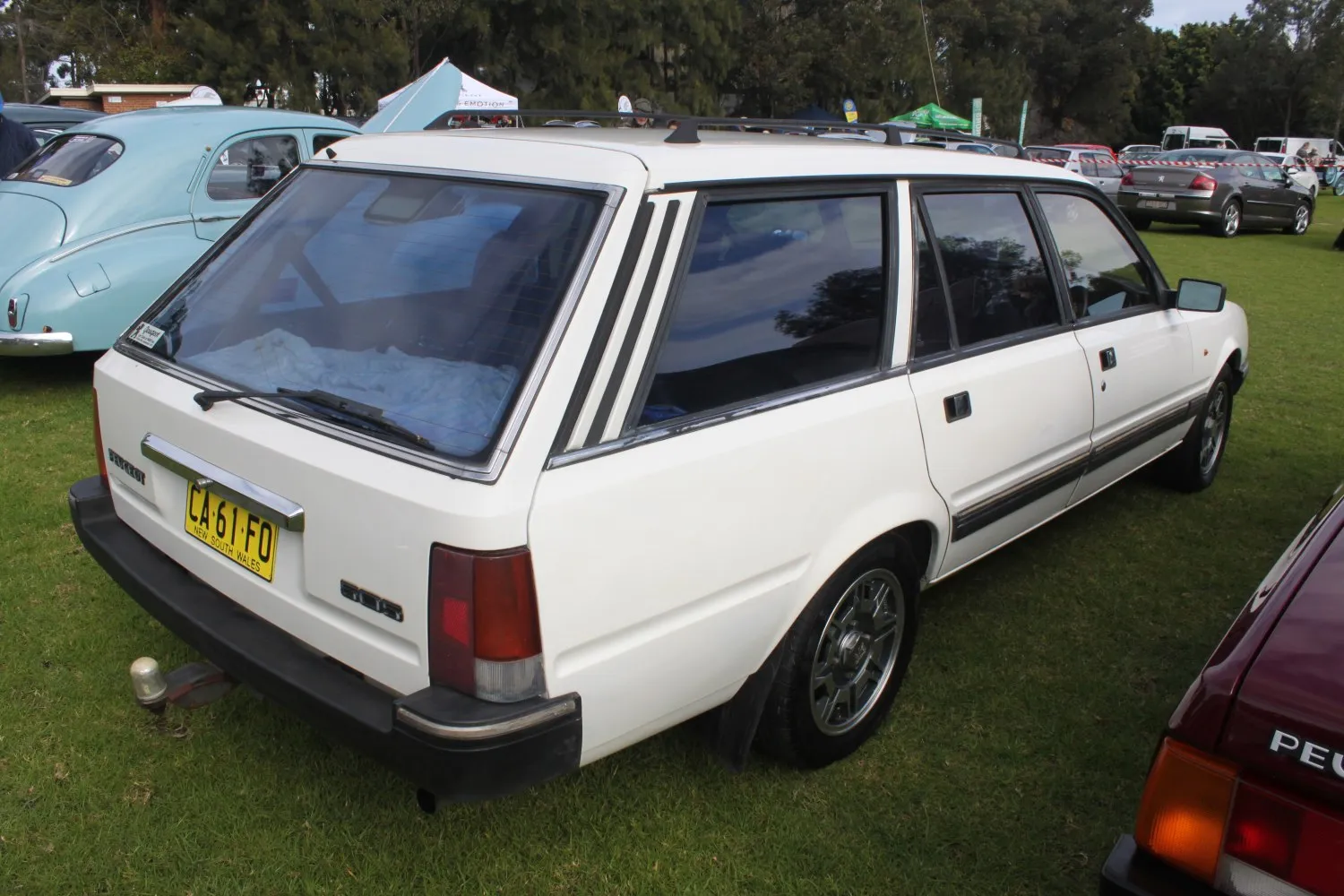
Peugeot 505 Break (551D) 2.2 (114 Hp)
Overall Rating
Peugeot 505:
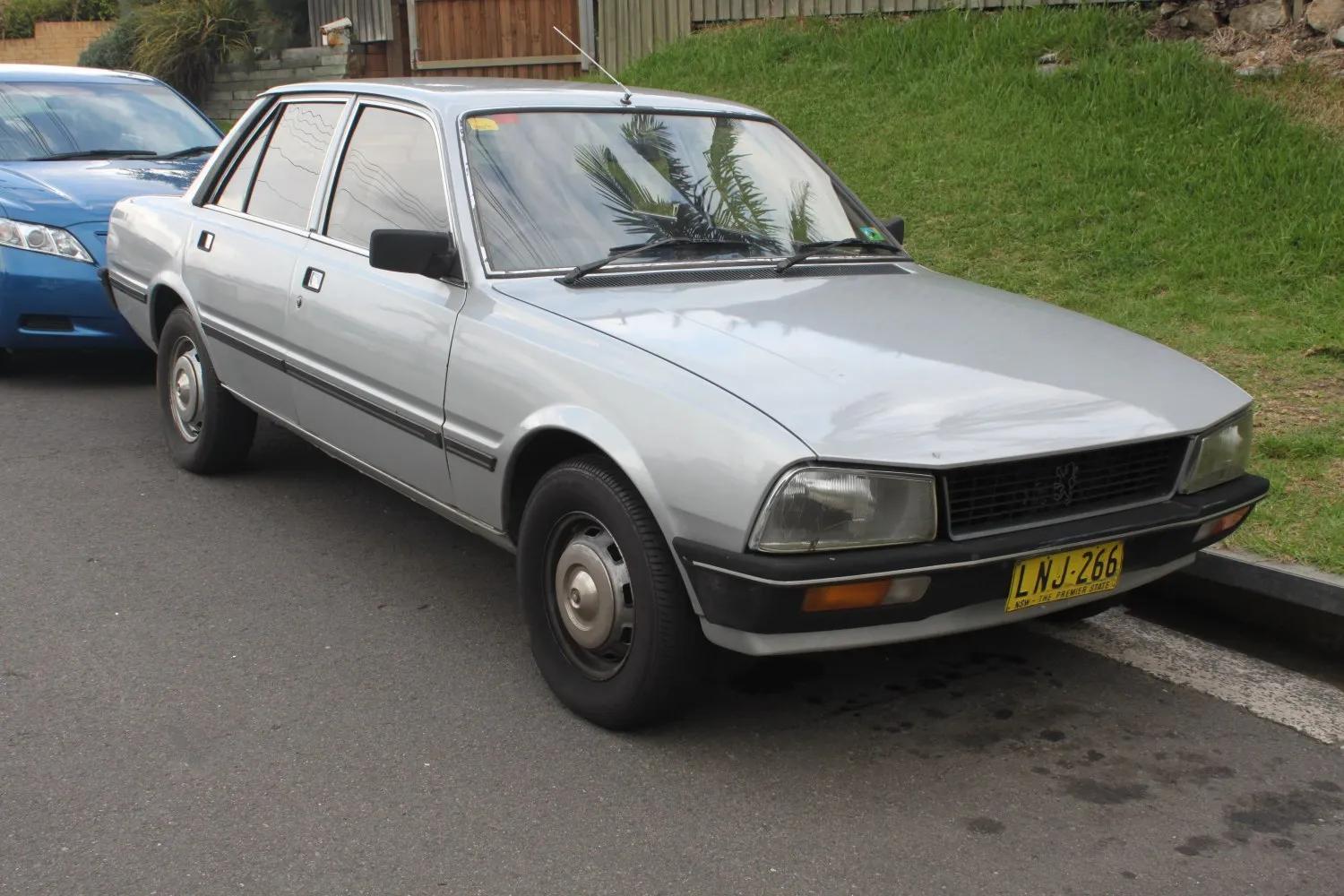
The Peugeot 505 is a large family car produced by the French manufacturer Peugeot from 1979 to 1992 in Sochaux, France. It was also manufactured in various other countries including Argentina , China, Thailand, Indonesia and Nigeria. The 505 was Peugeot's last rear-wheel drive car.
According to the manufacturer, 1,351,254 505s were produced between 1978 and 1992 with 1,116,868 of these being saloons/sedans.
Officially unveiled on 16 May 1979, the 505 was the replacement for the 504 with which it shared many of its underpinnings. It was originally available as a sedan/saloon; a station wagon/estate, including an eight-passenger Familiale version, were introduced at the 1982 Geneva Motor Show. The styling, a collaboration between Pininfarina and Peugeot's internal styling department, is very similar to that of the smaller 305. The original interior was designed by Paul Bracq, generally more well known for his work for Mercedes-Benz and BMW. It is known as the "Work Horse" of Africa today. The front-engine, rear-wheel-drive layout differentiated the 505 from many of its marketplace competitors....(Read more on Wikipedia)
Break (551D) Overview:
Peugeot 505 (Break (551D)). With 174 Nm of torque, it offers ample pulling power. With a weight of 1340 kg, it falls in the mid‑range. Rear‑wheel drive offers dynamic handling and sporty feedback. Acceleration is relatively slow (0–100 km/h in 12.8 s). The top speed reaches 178 km/h. A car with an extended rear cargo area, combining passenger comfort with increased storage. Seating for 5 makes it ideal for daily use.
2.2 (114 Hp) Verdict:

Performance Verdict
A more potent petrol option, providing better acceleration and responsiveness than the 2.0, suitable for varied driving conditions.
Fuel Economy
Slightly higher fuel consumption than the 2.0, but still acceptable for its increased power output.
Pros and Cons:
Pros:
- • Spacious and versatile interior with large boot capacity
- • Comfortable ride quality, ideal for long journeys
- • Robust and reliable diesel engines, known for longevity
- • Good value for money, offering practicality and durability
- • Classic French design with distinctive styling
Cons:
- • Lacks modern safety features (no Euro NCAP rating)
- • Some petrol engines can be quite thirsty by modern standards
- • Performance can be leisurely, especially with base engines
- • Interior materials and refinement are dated compared to newer vehicles
- • Prone to rust in certain areas on older, unmaintained examples
Specifications:
Specifications are compared to those of the previous generation(551A: 1985 - 1986).
| General: | |
|---|---|
| Brand: | Peugeot |
| Model: | 505 |
| Generation: | Break (551D) |
| Modification (Engine): | 2.2 (114 Hp) |
| Start of production: | 1986 |
| End of production: | 1993 |
| Powertrain Architecture: | Internal Combustion engine |
| Body type: | Station wagon (estate) |
| Seats: | 5 |
| Doors: | 5 |
| Engine: | |
|---|---|
| Power: | 114 Hp @ 5000 rpm. Same horsepower |
| Power per litre: | 52.7 Hp/l [320mm more] |
| Torque: | 174 Nm @ 3500 rpm. |
| Engine Model/Code: | 851X ZDJL More details about the engine 851X ZDJL |
| Engine displacement: | 2165 |
| Number of cylinders: | 4 |
| Engine configuration: | Inline |
| Number of valves per cylinder: | 2 |
| Fuel injection system: | Carburettor |
| Engine aspiration: | Naturally aspirated engine |
| Engine oil capacity: | 5.5 l |
| Coolant: | 7.5 l |
| Cylinder Bore: | 88 mm mm |
| Piston Stroke: | 89 mm mm |
| Compression ratio: | 8.8:1 |
| Performance: | |
|---|---|
| Fuel Type: | Petrol (Gasoline) |
| Fuel consumption (economy) - urban: | 12.9 l/100 km |
| Fuel consumption (economy) - extra urban: | 7.3 l/100 km |
| Fuel consumption (economy) - combined: | 9.8 l/100 km |
| Acceleration 0 - 100 km/h: | 12.8 sec |
| Acceleration 0 - 62 mph: | 12.8 sec |
| Maximum speed: | 178 km/h |
| Weight-to-power ratio: | 11.8 kg/Hp, 85.1 Hp/tonne |
| Weight-to-torque ratio: | 7.7 kg/Nm, 129.9 Nm/tonne |
| Acceleration 0 - 60 mph: | 12.2 sec |
| Space: | |
|---|---|
| Kerb Weight: | 1340 |
| Max. weight: | 2010 |
| Max load: | 670 |
| Trunk (boot) space - maximum: | 2240 l |
| Trunk (boot) space - minimum: | 1120 l |
| Fuel tank capacity: | 70 l |
| Size: | |
|---|---|
| Length: | 4900 mm mm [320mm more] |
| Width: | 1730 mm mm [5mm less] |
| Height: | 1540 mm mm [100mm more] |
| Wheelbase: | 2900 mm mm [155mm more] |
| Front track: | 1460 mm |
| Rear (Back) track: | 1440 mm |
| Powertrain: | |
|---|---|
| Drivetrain Architecture | The Internal combustion engine (ICE) drives the rear wheels of the vehicle. |
| Drive wheel | Rear wheel drive |
| Number of gears | 5 |
| Transmission type | Manual |
| Front brakes | Disc [bad for performance and cooling.] |
| Rear brakes | Drum [bad for performance and cooling.] |
| Assisting systems | ABS (Anti-lock braking system) |
| Power steering | Hydraulic Steering |
| Tires size | 185/65 HR 14 |
| Front suspension | Coil spring |
| Rear suspension | Coil spring |





If you could change one thing about the Peugeot 505, what would it be?