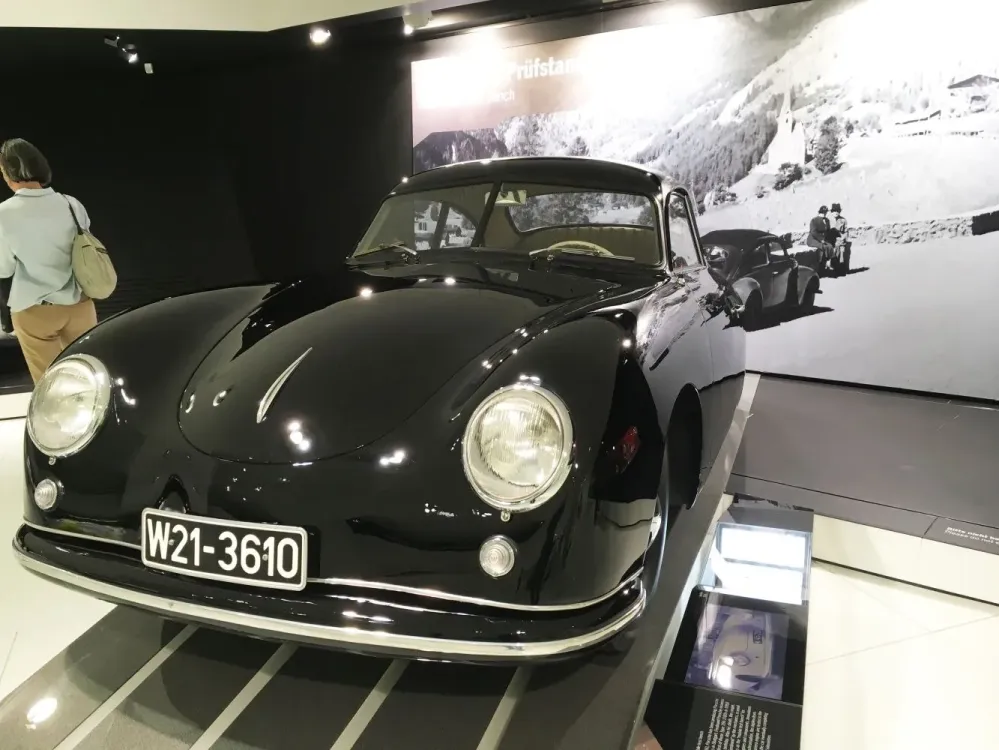
Click on image to view the full photo gallery
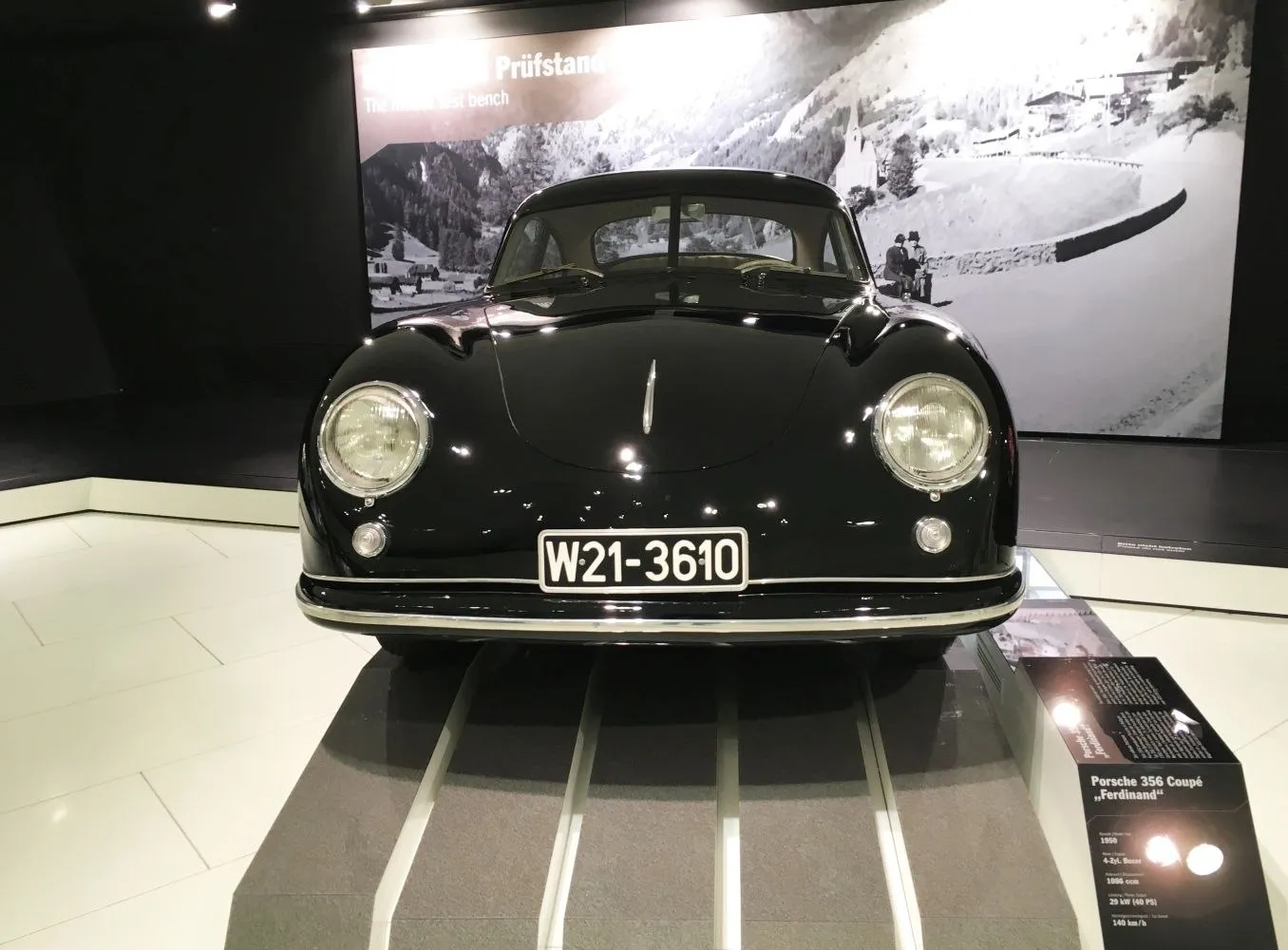
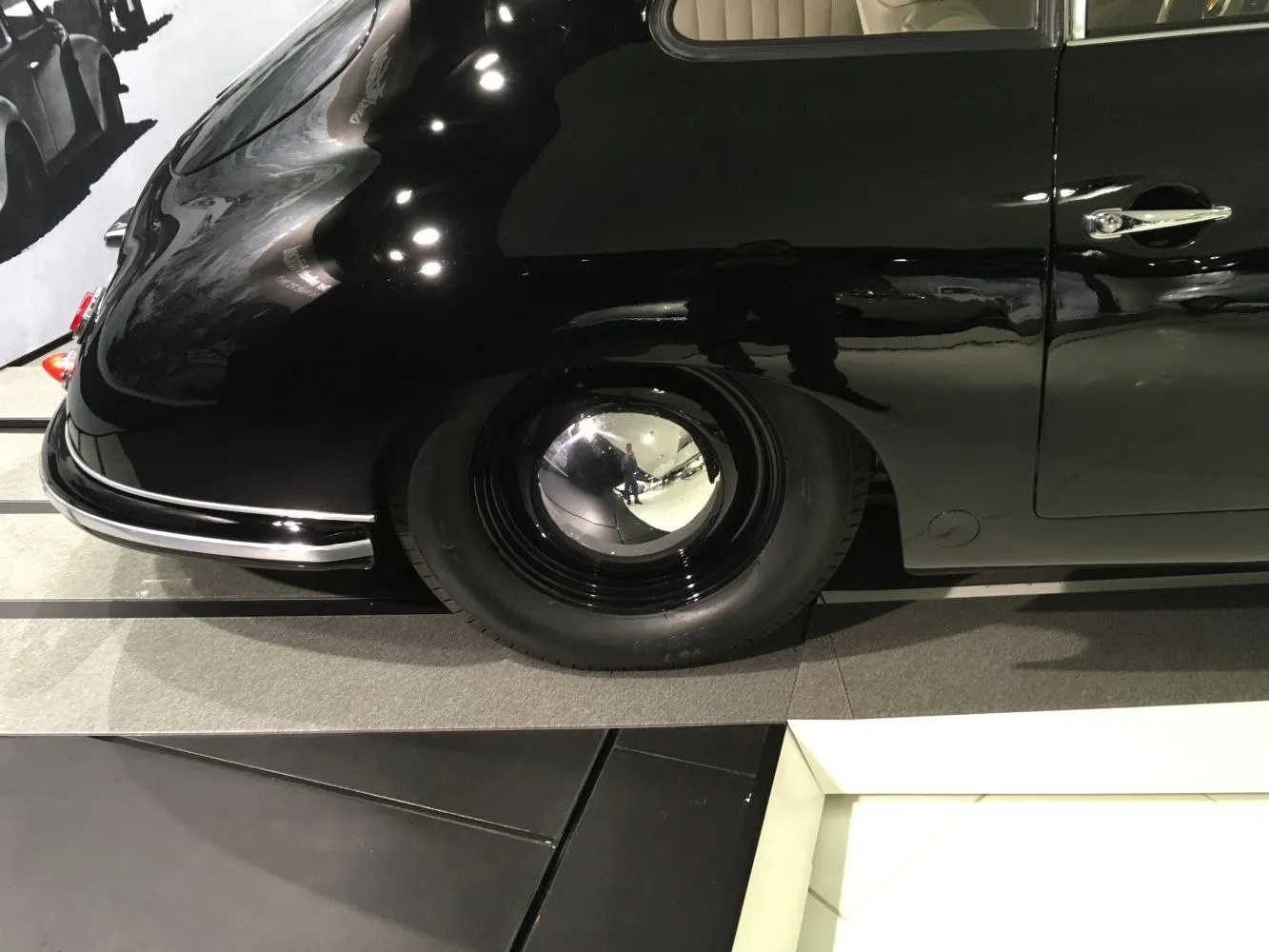
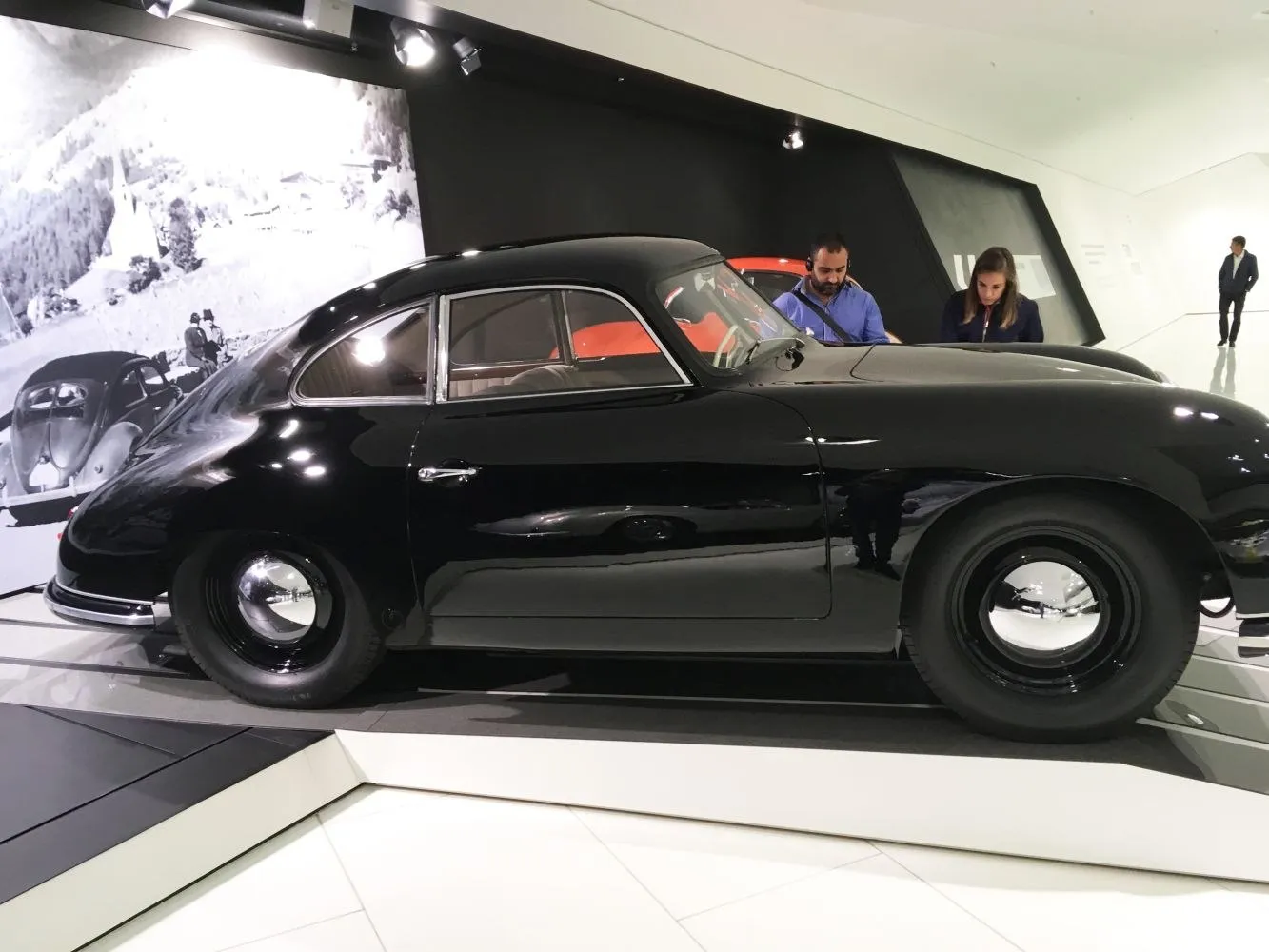
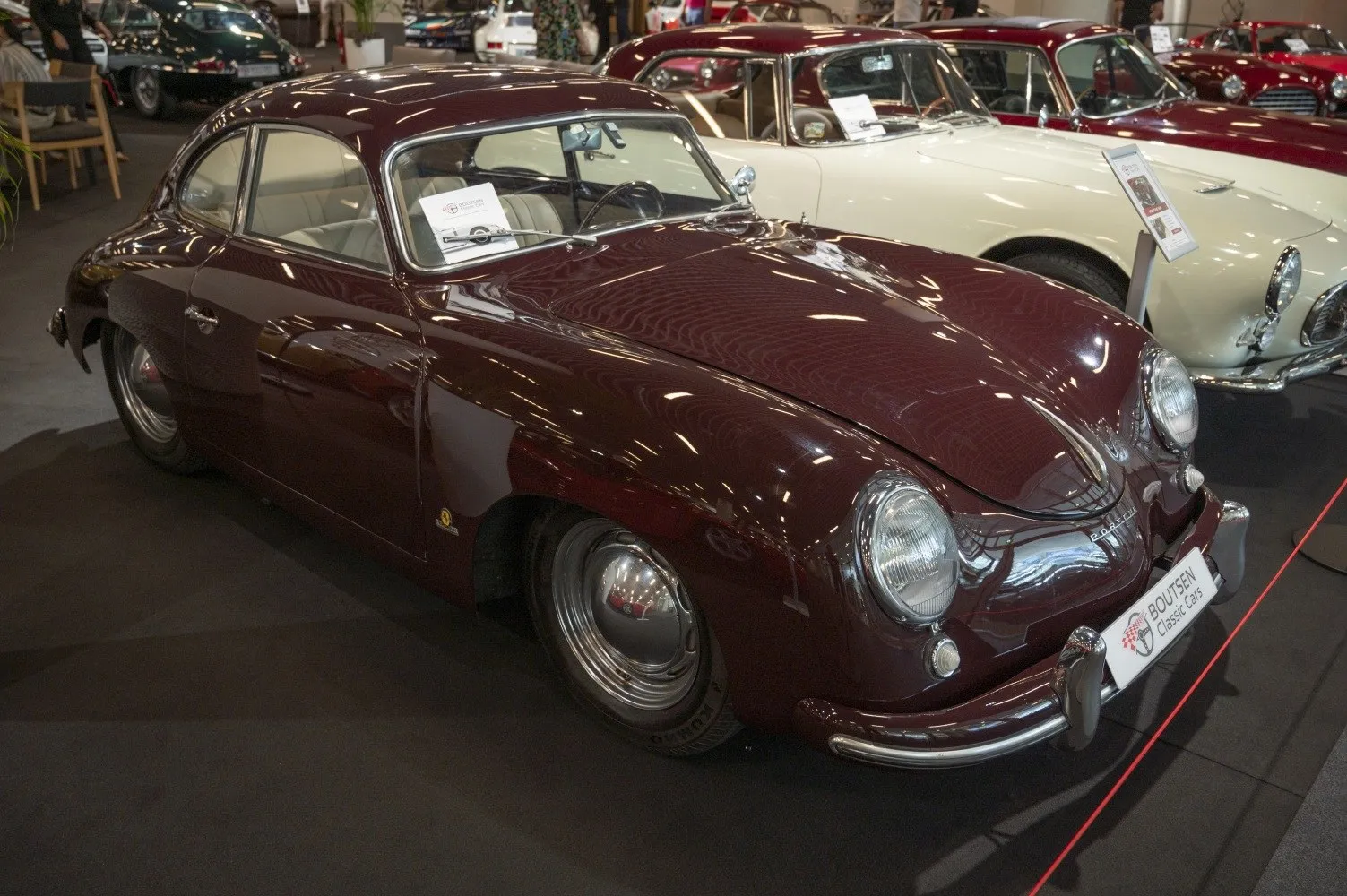
Porsche 356 Coupe 1500 Super (70 Hp)
Overall Rating
Porsche 356:
The Porsche 356 is a rear-engine sports car, and the first-ever production Porsche model.
The 356 is a lightweight and nimble-handling, rear-engine, rear-wheel drive, two-door available both in hardtop coupé and open configurations. Engineering innovations continued during the years of manufacture, contributing to its motorsports success and popularity. Production started in 1948 at Gmünd, Austria, where Porsche built approximately 50 cars. In 1950, the factory relocated to Zuffenhausen, Germany, and general production of the 356 continued until April 1965, well after the replacement model 911 made its September 1964 debut. Of the 76,000 originally produced, approximately half survive. The 356 was first produced by Austrian company Porsche Konstruktionen GesmbH , and then by German company Dr. Ing. h. c. F. Porsche GmbH. It was Porsche's first production automobile. Earlier cars designed by the Austrian company include Cisitalia Grand Prix race car, the Volkswagen Beetle, and Auto Union Grand Prix cars....(Read more on Wikipedia)
Coupe Overview:
Porsche 356 (Coupe). Weighing only 765 kg, it’s quite light. Rear‑wheel drive offers dynamic handling and sporty feedback. The top speed reaches 170 km/h. A two-door car with a fixed roof, known for its sporty design and dynamic performance. Seating for 2 makes it ideal for daily use.
The Porsche 356 Coupe was produced long before modern crash testing standards like Euro NCAP existed. It lacks contemporary safety features such as airbags, ABS, or crumple zones, reflecting the automotive safety priorities of its era.
1500 Super (70 Hp) Verdict:

Performance Verdict
The 1500 Super offered impressive performance for its era, delivering spirited acceleration and a top speed of 170 km/h, making it a true sports car for enthusiasts.
Fuel Economy
Fuel consumption of 11-12 l/100 km was reasonable for a performance-oriented car of the early 1950s, balancing power with efficiency.
Pros and Cons:
Pros:
- • Iconic design and historical significance
- • Engaging driving dynamics and lightweight agility
- • Robust and relatively simple mechanicals for its time
- • Strong classic car market appreciation
- • Distinctive air-cooled Boxer engine sound
Cons:
- • Lack of modern safety features
- • Limited interior space and practicality
- • Maintenance can be costly due to specialized parts and expertise
- • Performance, while good for its era, is modest by modern standards
- • Rust can be a significant issue if not properly maintained
Specifications:
Specifications are compared to those of the previous generation(Coupe: 1948 - 1955).
| General: | |
|---|---|
| Brand: | Porsche |
| Model: | 356 |
| Generation: | Coupe |
| Modification (Engine): | 1500 Super (70 Hp) |
| Start of production: | 1950 |
| End of production: | 1955 |
| Powertrain Architecture: | Internal Combustion engine |
| Body type: | Coupe |
| Seats: | 2 |
| Doors: | 2 |
| Engine: | |
|---|---|
| Power: | 70 Hp @ 5000 rpm. |
| Power per litre: | 47 Hp/l |
| Engine displacement: | 1488 |
| Number of cylinders: | 4 |
| Engine configuration: | Boxer |
| Number of valves per cylinder: | 2 |
| Fuel injection system: | Carburettor |
| Engine aspiration: | Naturally aspirated engine |
| Valvetrain: | OHV |
| Engine oil capacity: | 3.5 l |
| Engine layout: | Rear, Longitudinal |
| Cylinder Bore: | 80 mm mm |
| Piston Stroke: | 74 mm mm |
| Compression ratio: | 8.2:1 |
| Performance: | |
|---|---|
| Fuel Type: | Petrol (Gasoline) |
| Fuel consumption (economy) - combined: | 11-12 l/100 km |
| Maximum speed: | 170 km/h |
| Weight-to-power ratio: | 10.9 kg/Hp, 91.5 Hp/tonne |
| Space: | |
|---|---|
| Kerb Weight: | 765 |
| Max. weight: | 1200 |
| Max load: | 435 |
| Fuel tank capacity: | 55 l |
| Size: | |
|---|---|
| Length: | 3870 mm mm [Same length.] |
| Width: | 1655 mm mm [Same width.] |
| Height: | 1300 mm mm [Same height.] |
| Wheelbase: | 2100 mm mm [Same wheelbase.] |
| Front track: | 1250 mm |
| Rear (Back) track: | 1290 mm |
| Ride height (ground clearance): | 175 mm |
| Minimum turning circle (turning diameter): | 10.2 m [above average] |
| Powertrain: | |
|---|---|
| Drivetrain Architecture | The Internal combustion engine (ICE) drives the rear wheels of the vehicle. |
| Drive wheel | Rear wheel drive |
| Number of gears | 4 |
| Transmission type | Manual |
| Front brakes | Drum, 280 mm [bad for performance and cooling.] |
| Rear brakes | Drum, 280 mm [bad for performance and cooling.] |
| Steering type | Worm-reduction unit |
| Power steering | Hydraulic Steering |
| Front suspension | Torsion |
| Rear suspension | Torsion |



Rate the Porsche 356 from 1 to 10!