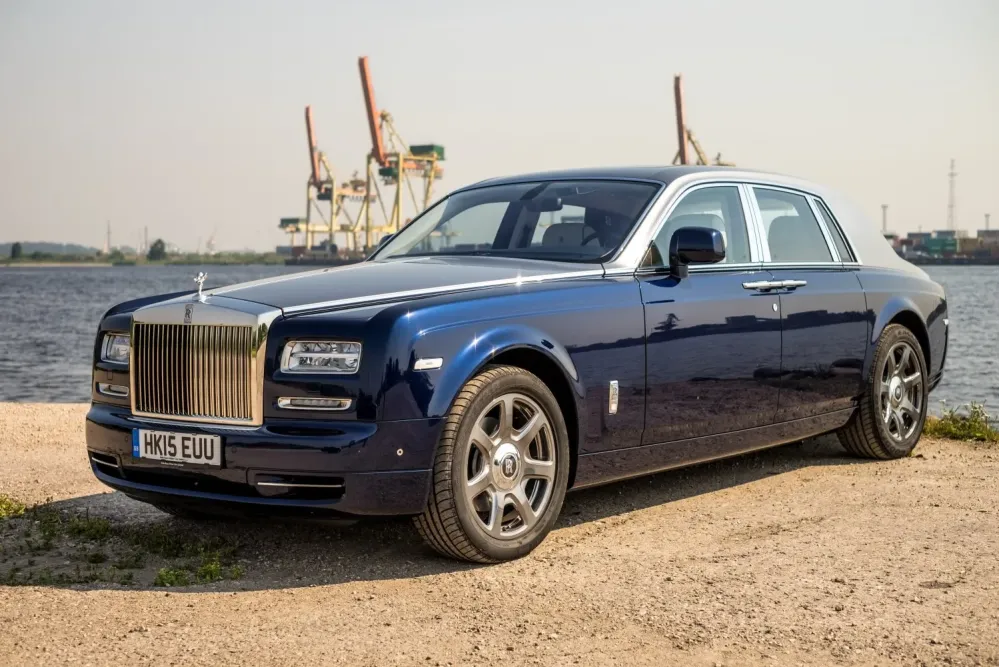
Click on image to view the full photo gallery
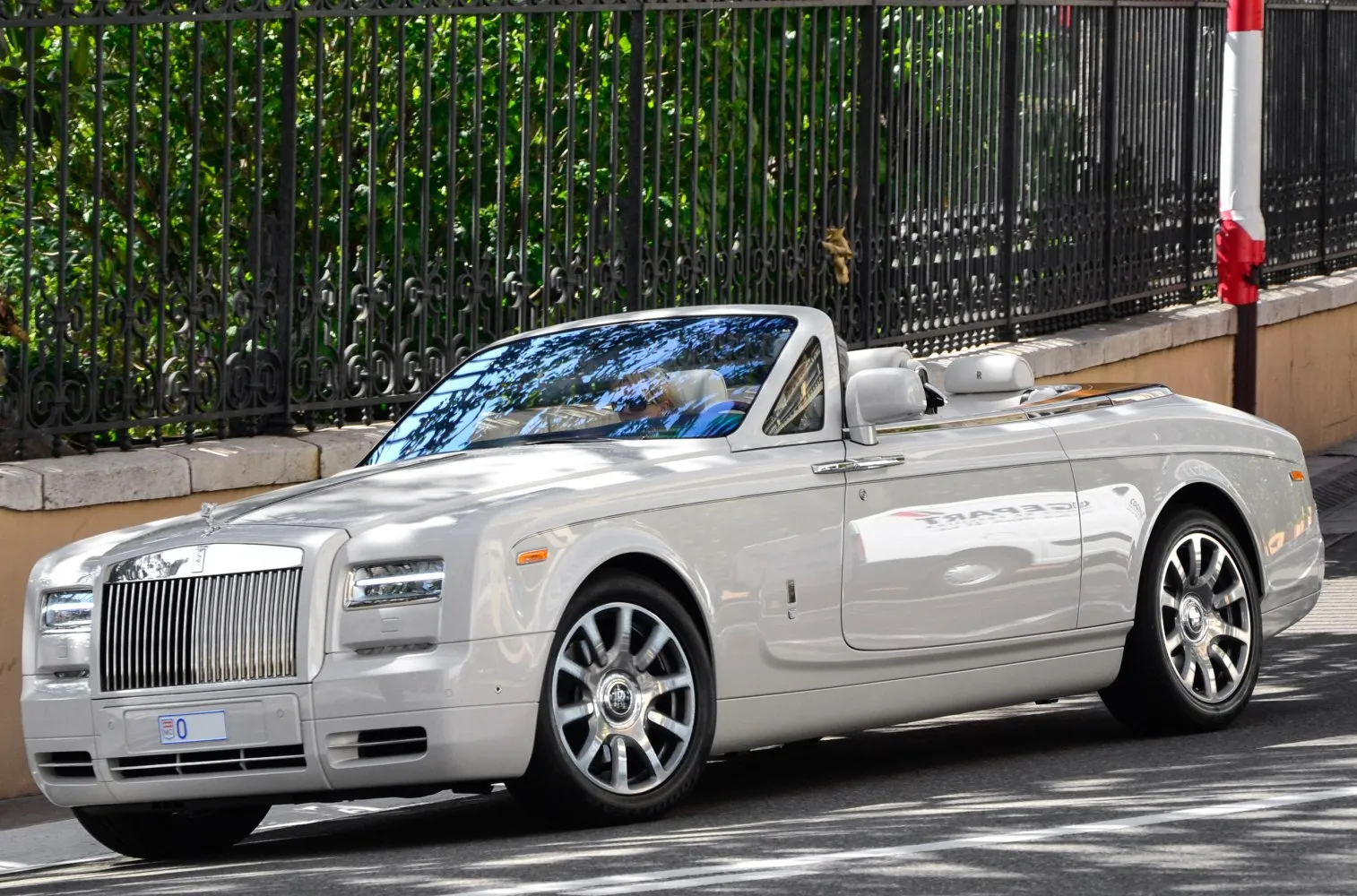
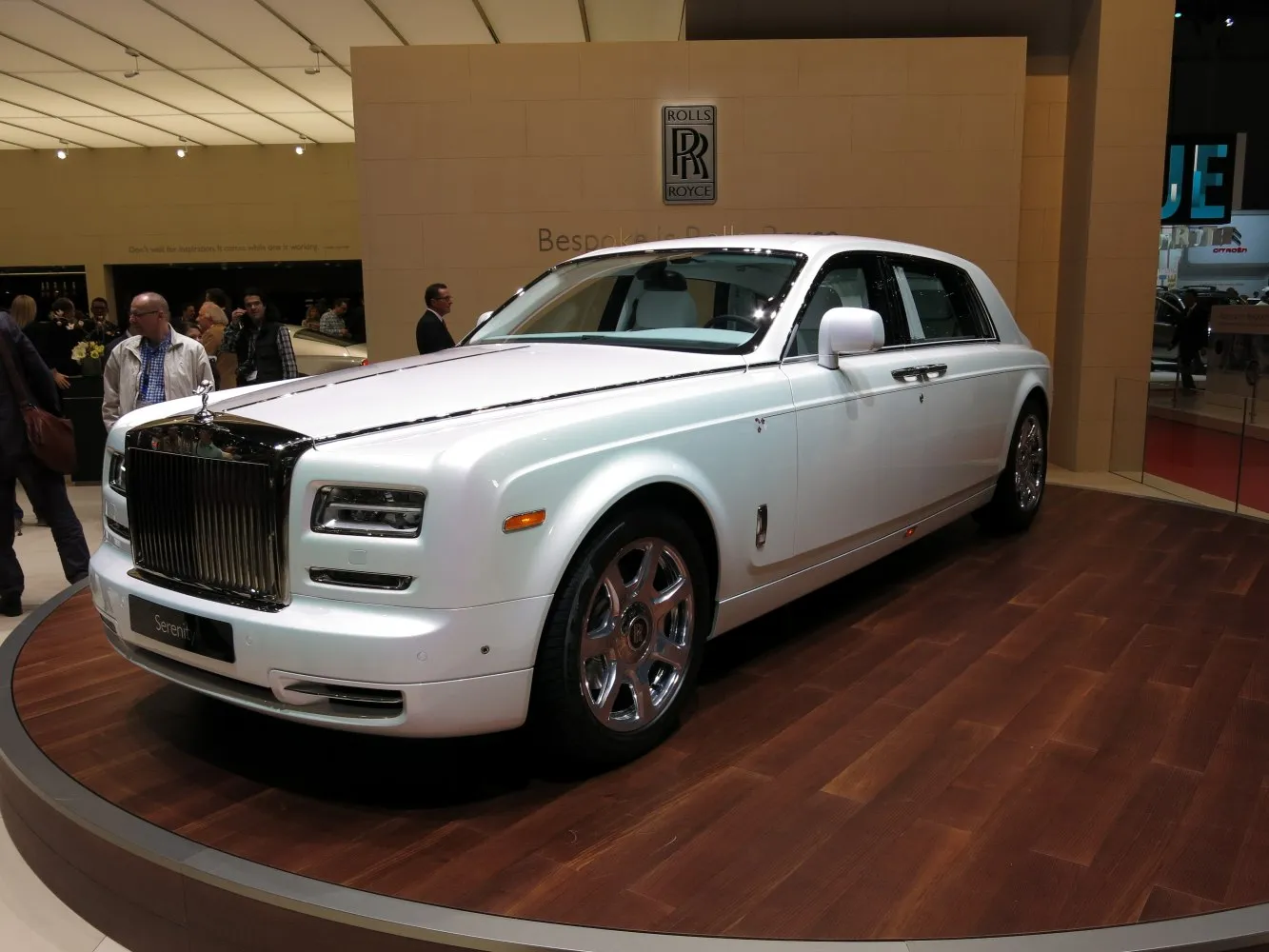
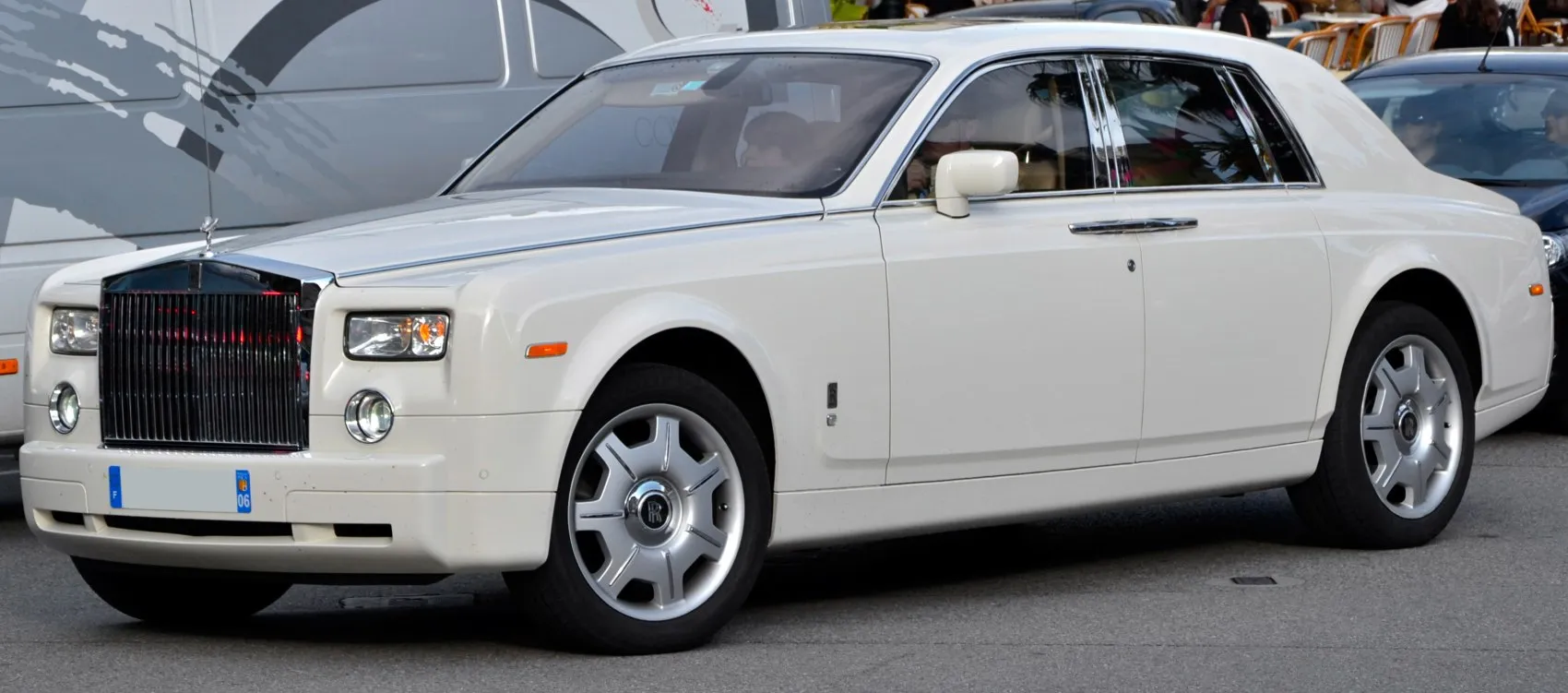
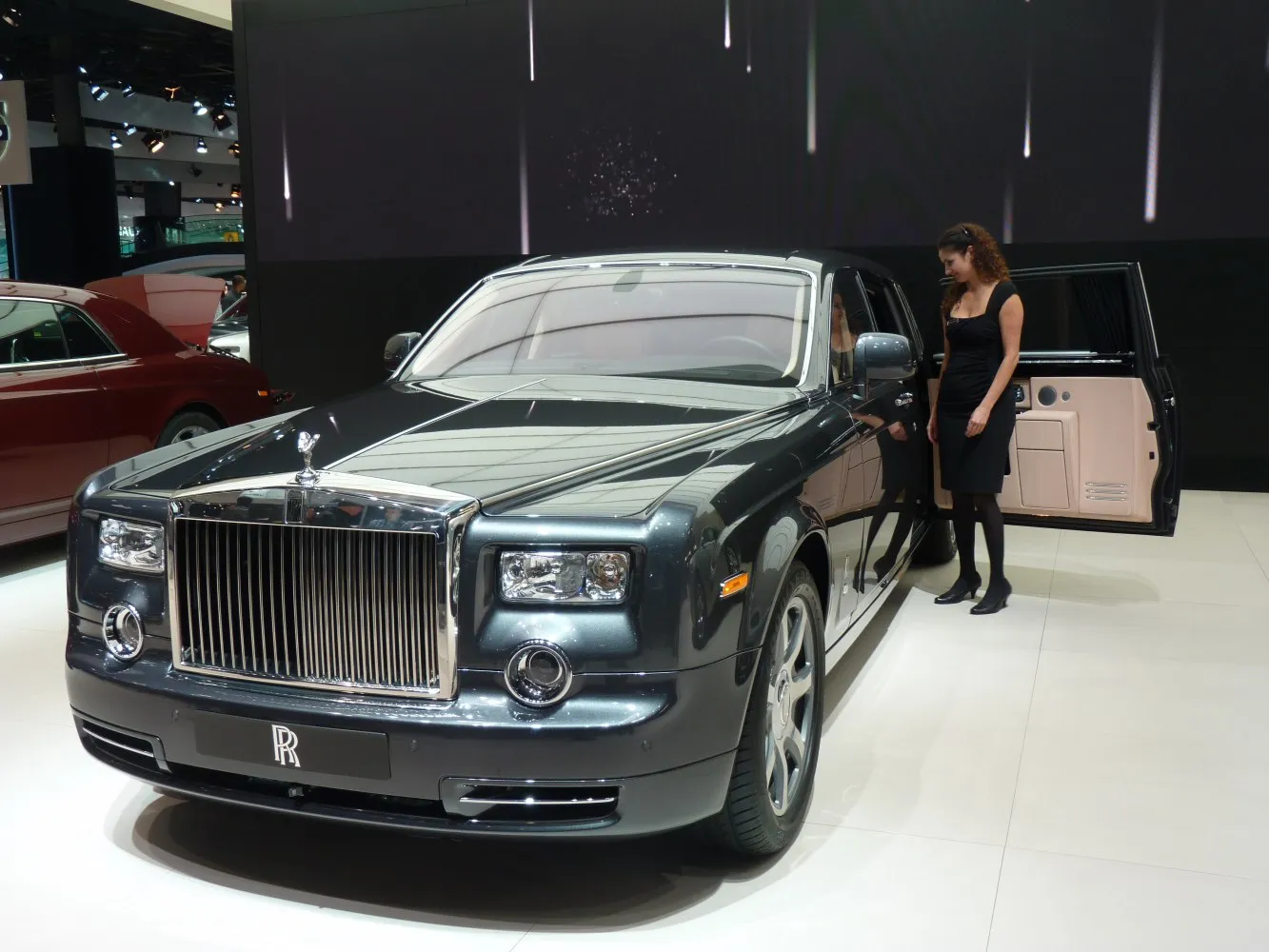
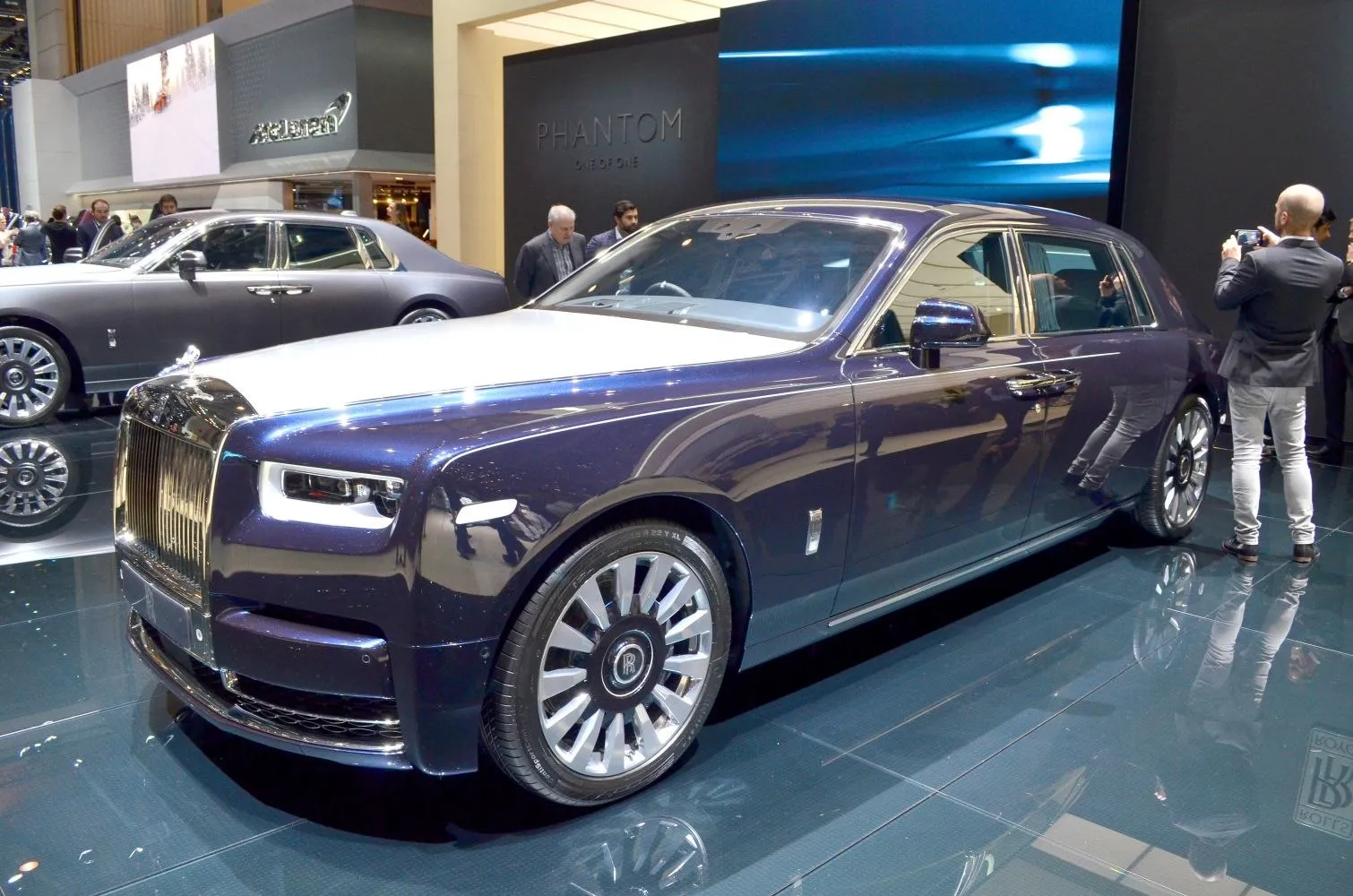
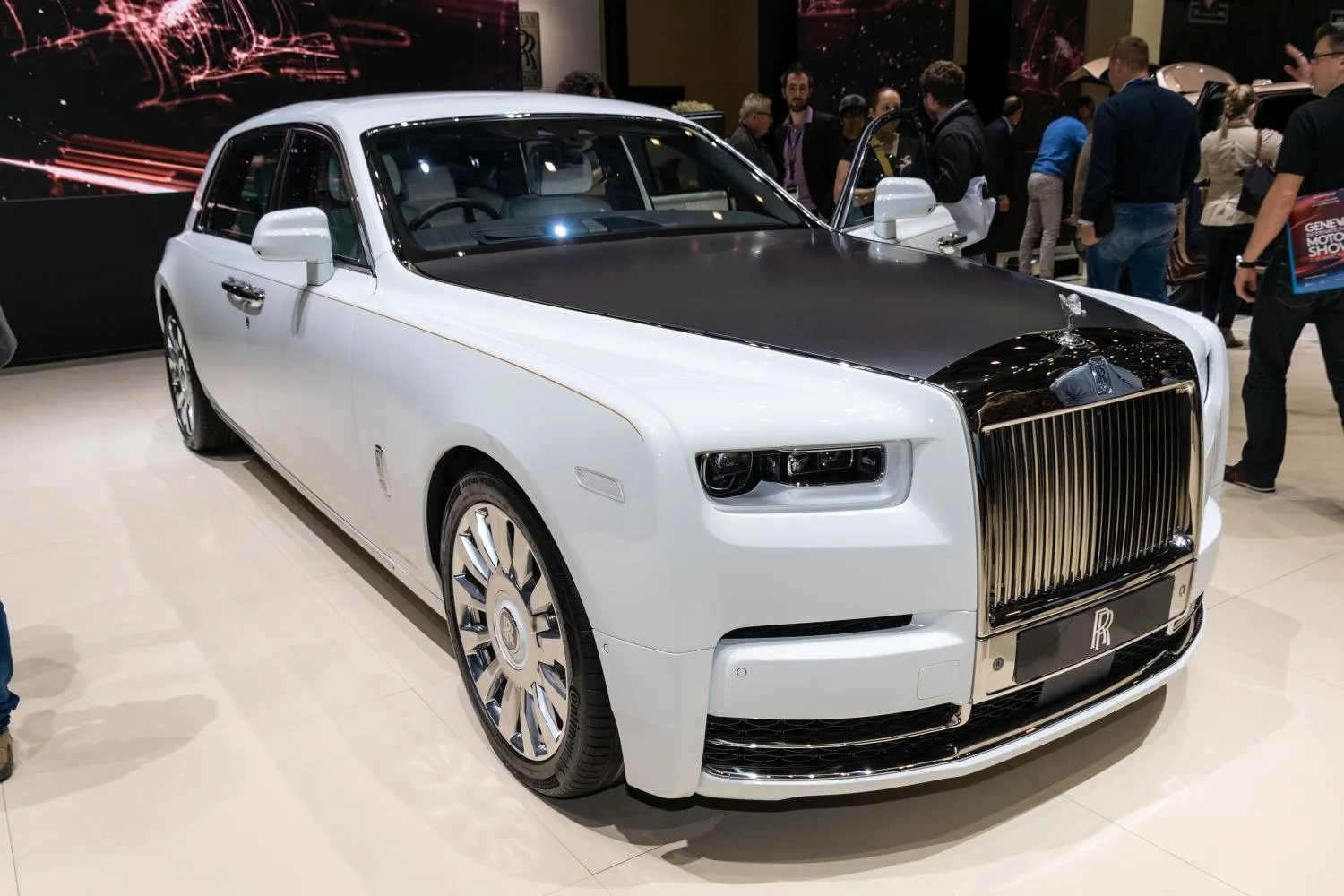
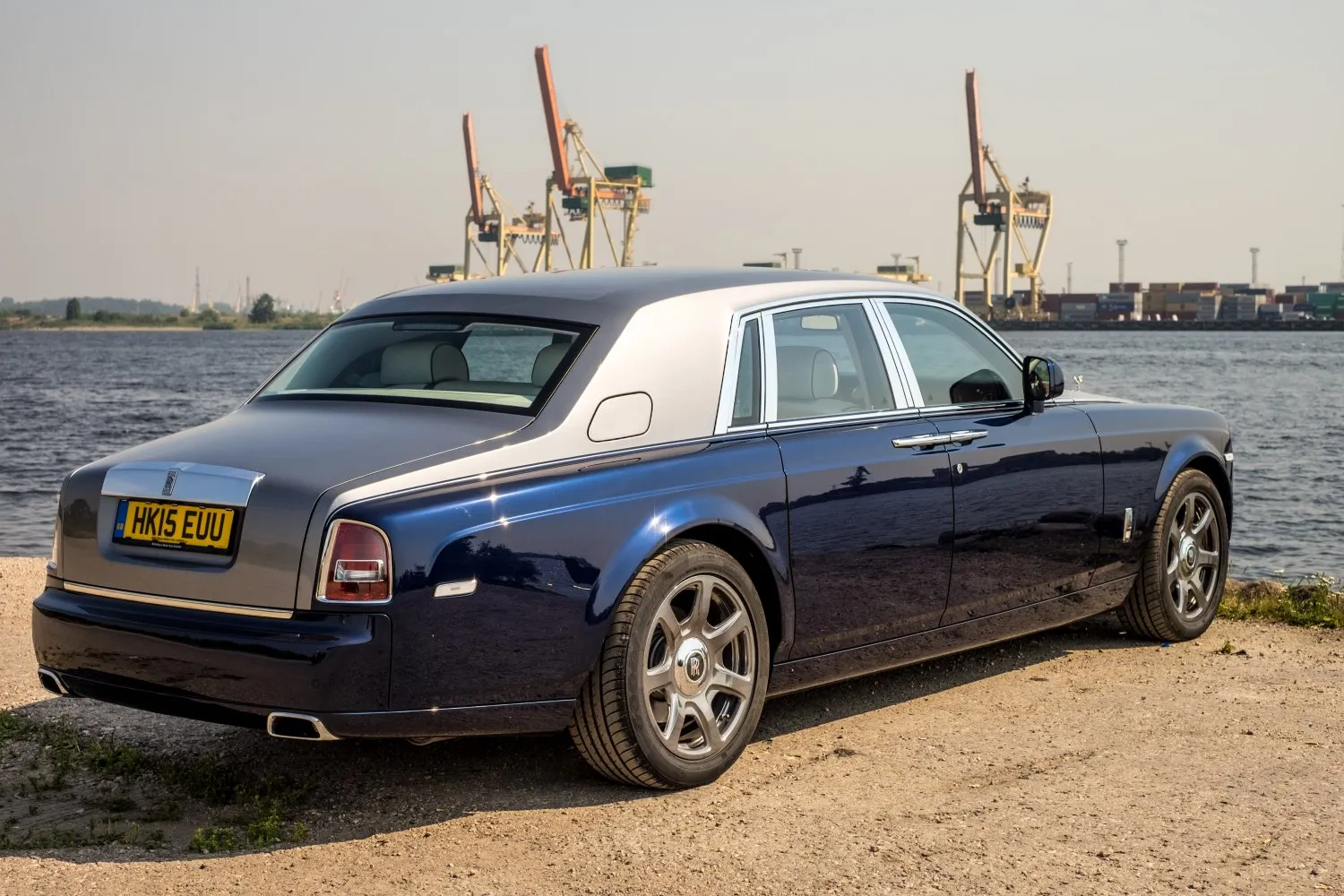
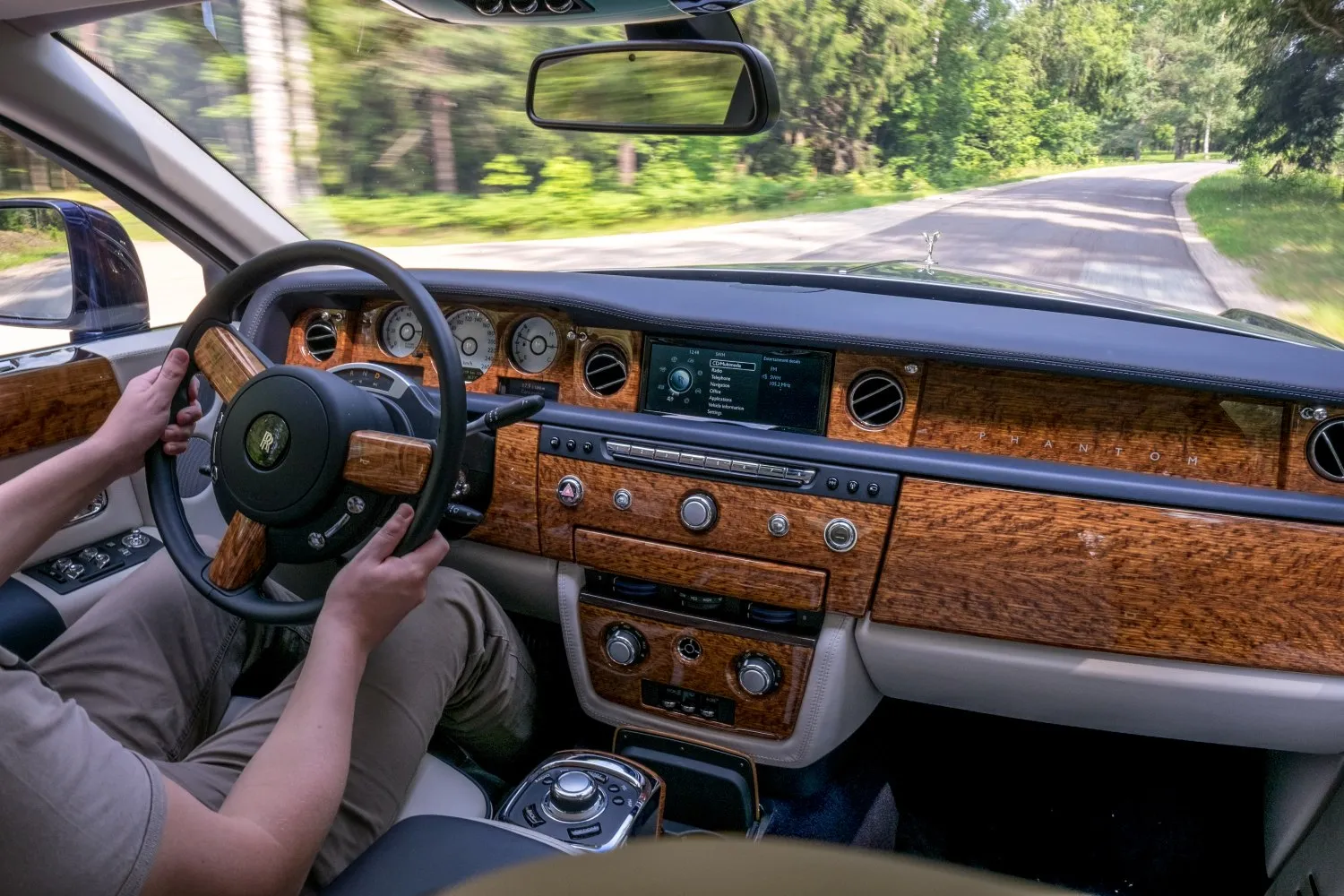
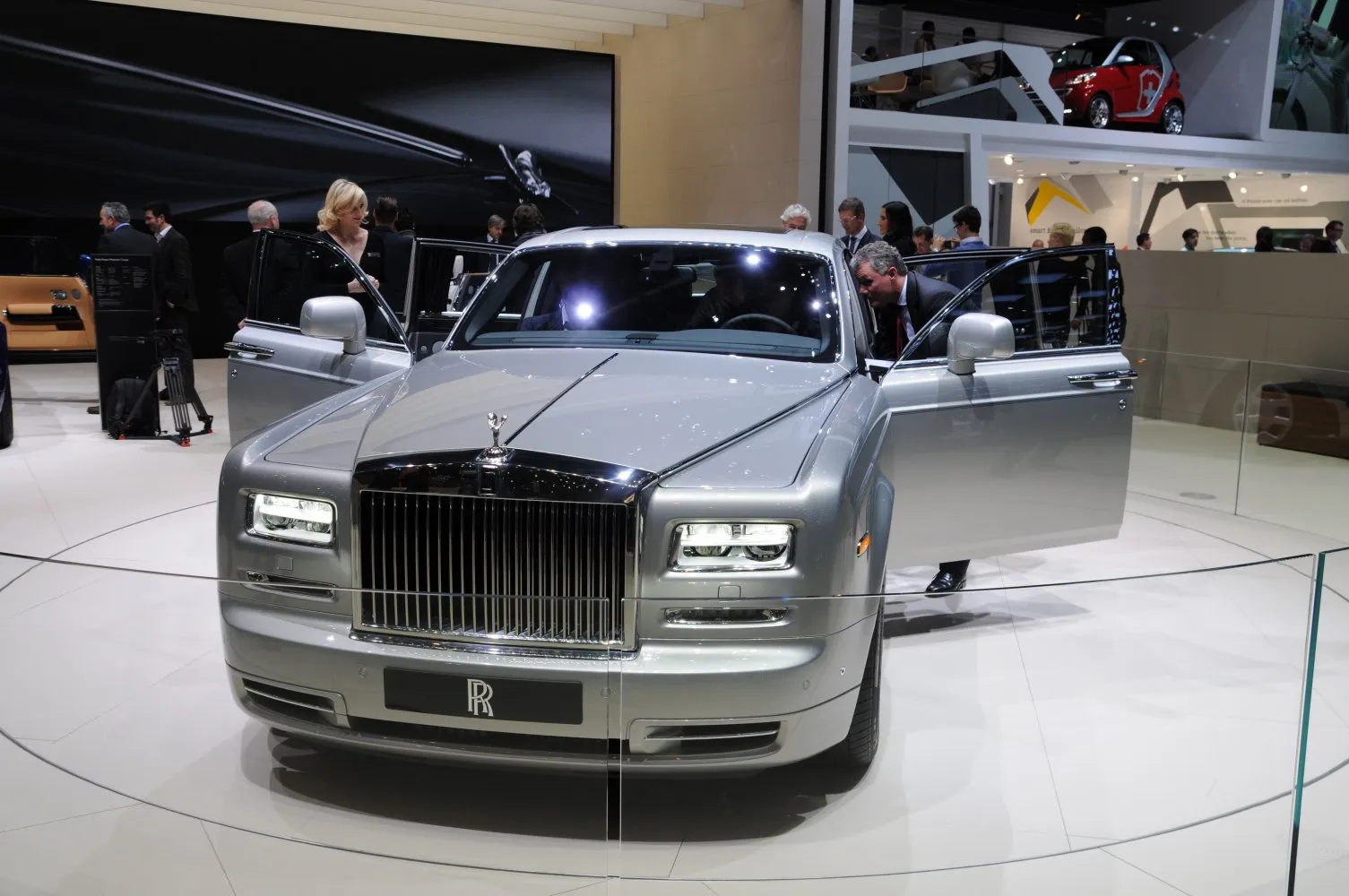
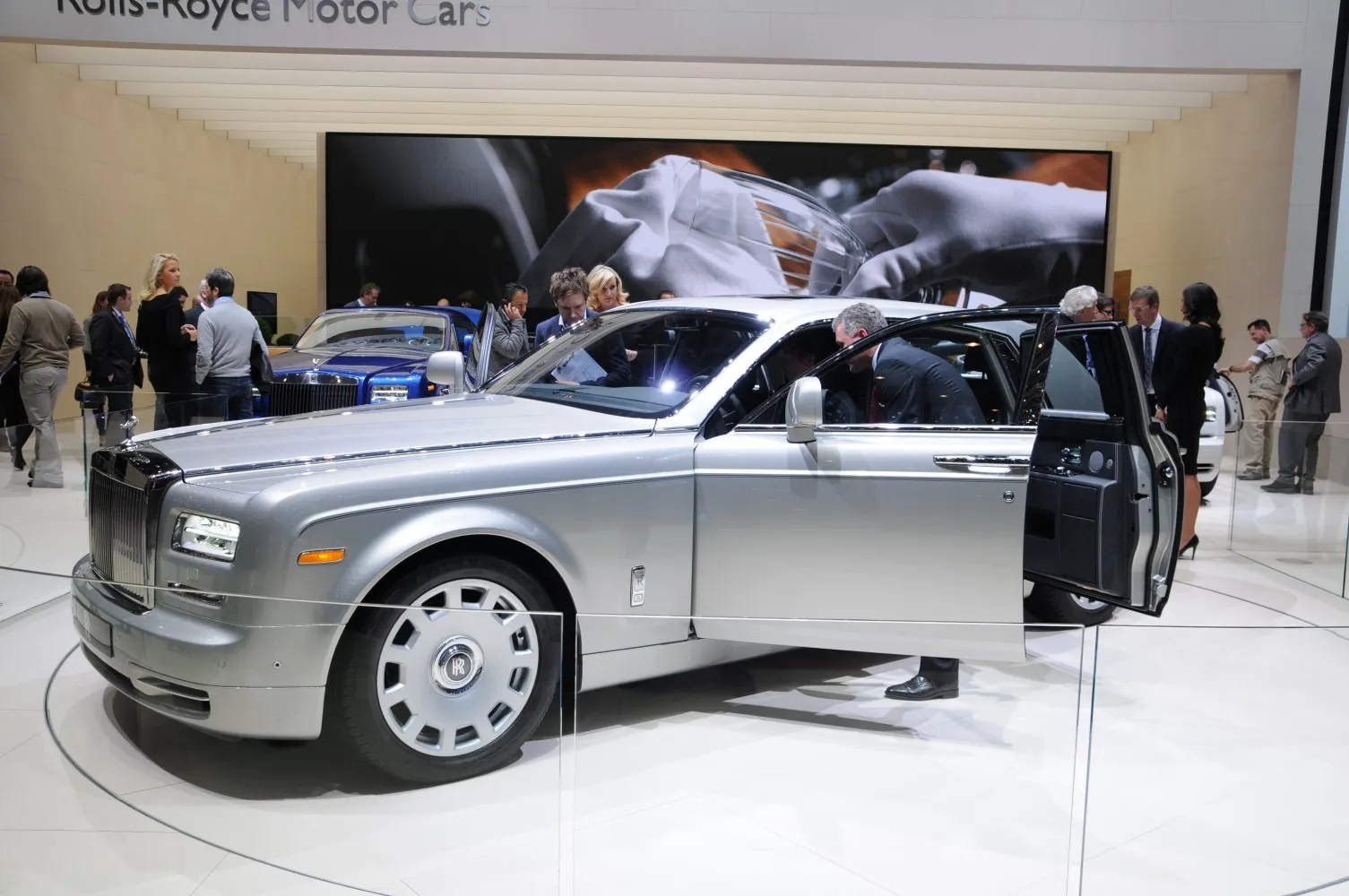
Rolls-Royce Phantom VII (facelift 2012) 6.7 V12 (460 Hp) Automatic
Overall Rating
Rolls-Royce Phantom:
Automaker Rolls-Royce has used the Phantom name on full-sized luxury cars and limousines since 1925, making it the longest-used car model nameplate in automotive history.
In the 20th century, the Rolls-Royce Phantom was a very low volume, hand-built limousine, which in its first four generations was custom coachbuilt to the customer's requests, and sometimes extravagant desires. Whilst automobile manufacturing over time became more mechanised and prolific, and vehicles from other manufacturers could be built in greater numbers and at lower prices, the Phantoms remained hand-built, and production of individual cars only began once the order was placed. The use of the name "Phantom" is a long tradition of naming Rolls-Royce models after "ghosts" or spirits....(Read more on Wikipedia)
VII (facelift 2012) Overview:
Rolls-Royce Phantom (VII (facelift 2012)). With 720 Nm of torque, it offers ample pulling power. At around 2560 kg, it’s on the heavier side. Rear‑wheel drive offers dynamic handling and sporty feedback. Acceleration is excellent (0–100 km/h in 5.9 s). The top speed reaches 240 km/h. A four-door car with a separate trunk, ideal for families and daily commuting. Seating for 5 makes it ideal for daily use.
6.7 V12 (460 Hp) Automatic Verdict:

Performance Verdict
The massive 6.7-liter naturally aspirated V12 delivers immense, silken power, ensuring effortless acceleration and a commanding presence. While not a sports car, its 460 Hp and 720 Nm of torque provide more than ample thrust for its substantial weight, propelling it to 100 km/h in a respectable 5.9 seconds with supreme refinement.
Fuel Economy
As expected for a large V12 luxury sedan, fuel economy is a significant consideration, with a combined consumption of 14.8 l/100 km. Urban driving sees this rise considerably to 22.8 l/100 km, reflecting its focus on power and refinement over efficiency.
Pros and Cons:
Pros:
- • Unrivaled luxury and craftsmanship
- • Commanding presence and timeless design
- • Exceptionally smooth and powerful V12 engine
- • Serene ride quality and supreme comfort
- • High level of bespoke customization
Cons:
- • Very high purchase price and significant running costs
- • Large dimensions can be challenging in urban environments
- • Fuel economy is a major drawback
- • Maintenance can be extremely expensive due to complexity and specialized parts
Specifications:
Specifications are compared to those of the previous generation(Coupe: 2008 - 2012).
| General: | |
|---|---|
| Brand: | Rolls-Royce |
| Model: | Phantom |
| Generation: | VII (facelift 2012) |
| Modification (Engine): | 6.7 V12 (460 Hp) Automatic |
| Start of production: | 2012 |
| End of production: | 2016 |
| Powertrain Architecture: | Internal Combustion engine |
| Body type: | Sedan |
| Seats: | 5 |
| Doors: | 4 |
| Engine: | |
|---|---|
| Power: | 460 Hp @ 5350 rpm. |
| Power per litre: | 68.2 Hp/l |
| Torque: | 720 Nm @ 3500 rpm. |
| Engine Model/Code: | N73B68A [Same engine] More details about the engine N73B68A |
| Engine displacement: | 6749 |
| Number of cylinders: | 12 |
| Engine configuration: | V-engine |
| Number of valves per cylinder: | 4 |
| Fuel injection system: | Direct injection |
| Engine aspiration: | Naturally aspirated engine |
| Engine oil capacity: | 8.5 l |
| Coolant: | 14 l |
| Engine layout: | Front, Longitudinal |
| Cylinder Bore: | 92 mm mm |
| Piston Stroke: | 84.6 mm mm |
| Performance: | |
|---|---|
| Fuel Type: | Petrol (Gasoline) |
| Fuel consumption (economy) - urban: | 22.8 l/100 km |
| Fuel consumption (economy) - extra urban: | 10.2 l/100 km |
| Fuel consumption (economy) - combined: | 14.8 l/100 km |
| Acceleration 0 - 100 km/h: | 5.9 sec |
| Acceleration 0 - 62 mph: | 5.9 sec |
| Maximum speed: | 240 km/h |
| Weight-to-power ratio: | 5.6 kg/Hp, 179.7 Hp/tonne |
| Weight-to-torque ratio: | 3.6 kg/Nm, 281.3 Nm/tonne |
| Acceleration 0 - 60 mph: | 5.6 sec |
| Space: | |
|---|---|
| Kerb Weight: | 2560 |
| Max. weight: | 3110 |
| Max load: | 550 |
| Trunk (boot) space - minimum: | 460 l |
| Fuel tank capacity: | 100 l |
| Size: | |
|---|---|
| Length: | 5842 mm mm [233mm more] |
| Width: | 1990 mm mm [3mm more] |
| Height: | 1638 mm mm [46mm more] |
| Wheelbase: | 3570 mm mm [250mm more] |
| Front track: | 1686 mm |
| Rear (Back) track: | 1676 mm |
| Minimum turning circle (turning diameter): | 13.8 m [above average] |
| Powertrain: | |
|---|---|
| Drivetrain Architecture | The Internal combustion engine (ICE) drives the rear wheels of the vehicle. |
| Drive wheel | Rear wheel drive |
| Number of gears | 8 |
| Transmission type | Automatic |
| Front brakes | Ventilated discs [Best for performance and cooling.] |
| Rear brakes | Ventilated discs [Best for performance and cooling.] |
| Assisting systems | ABS (Anti-lock braking system) |
| Steering type | Steering rack and pinion |
| Power steering | Electric Steering |
| Tires size | 255/50 R21; 285/45 R21 |
| Wheel rims size | 8J x 21; 9.5J x 21 |
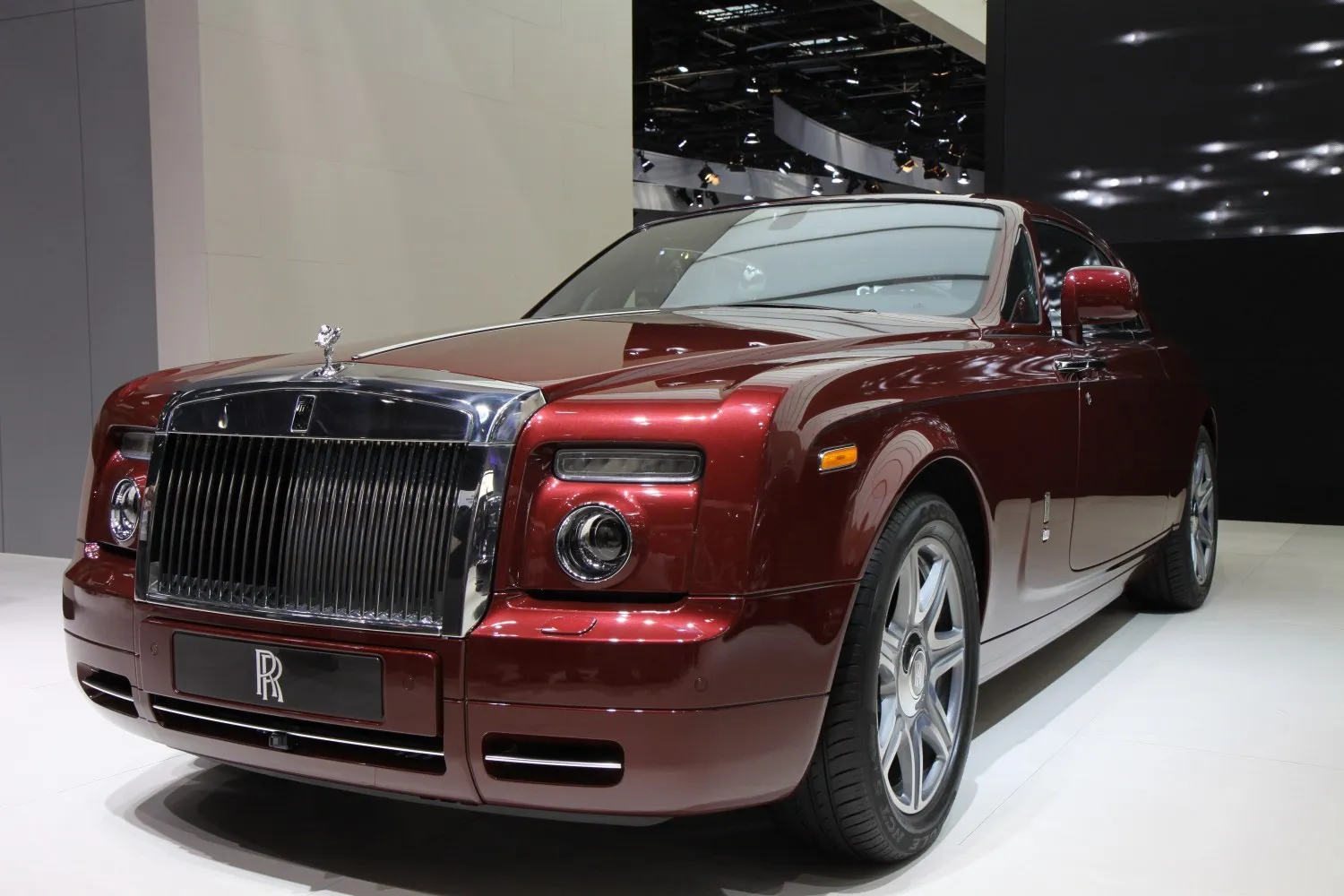
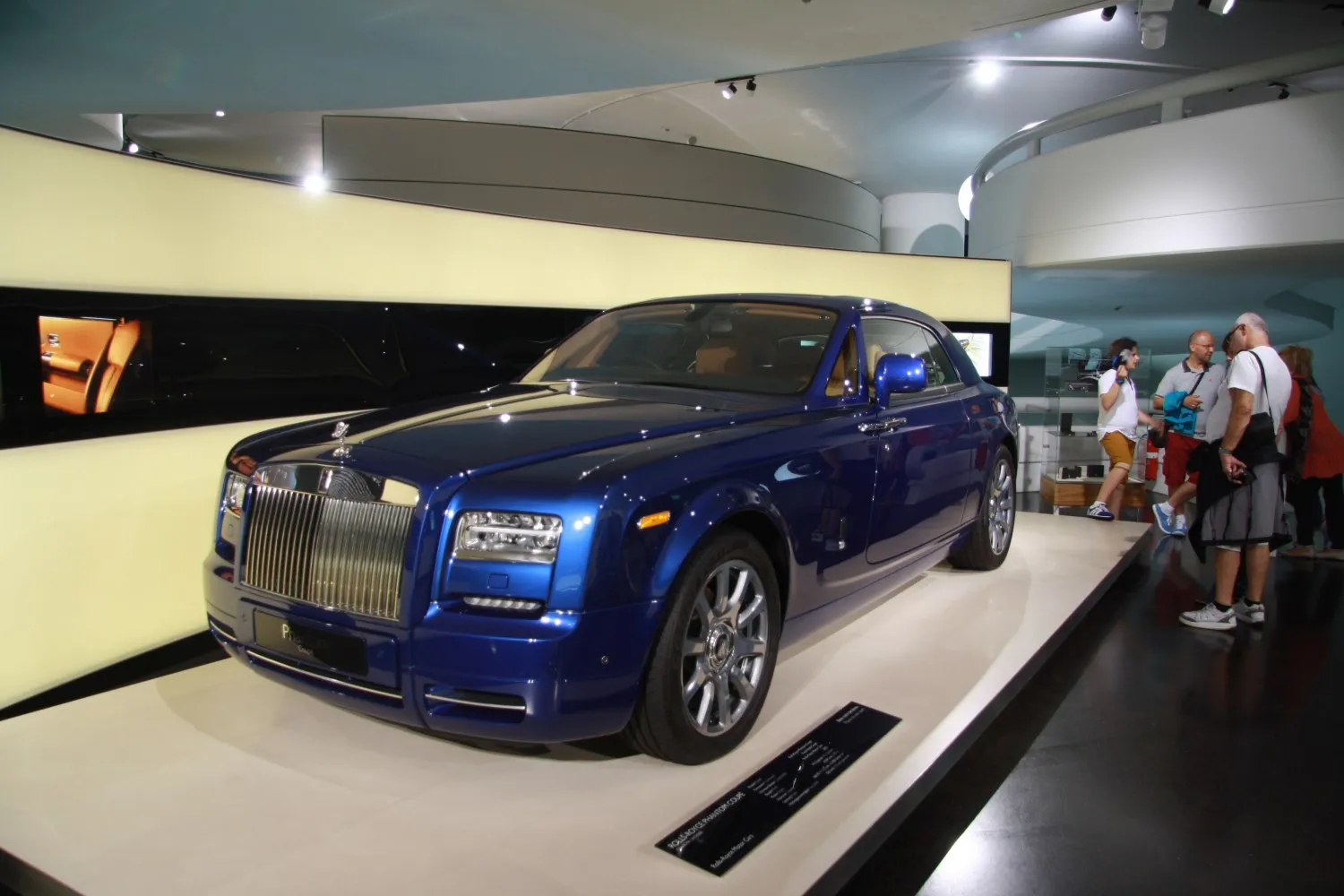
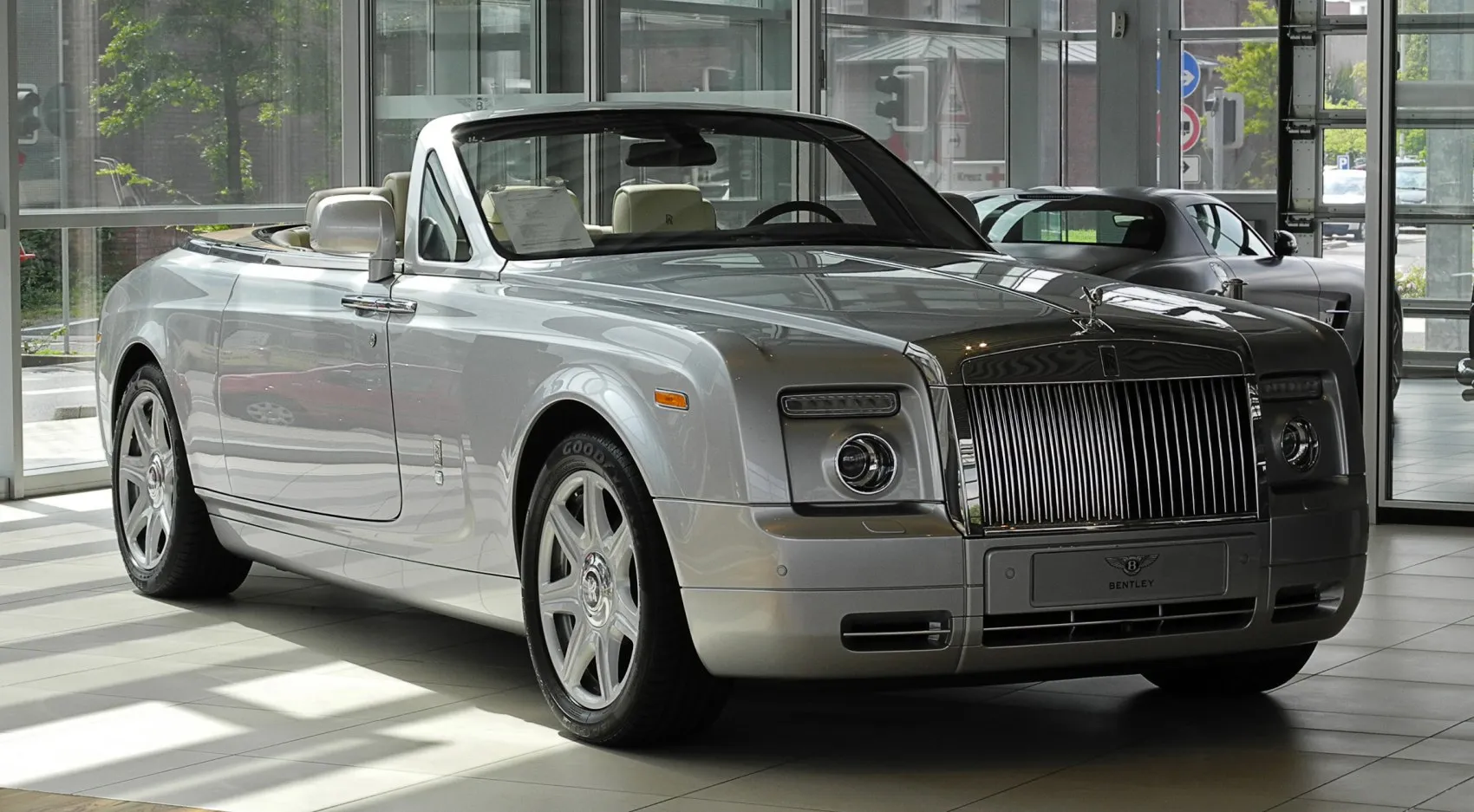




The hidden gems or the annoying flaws? Expose the truth about the Rolls-Royce Phantom!