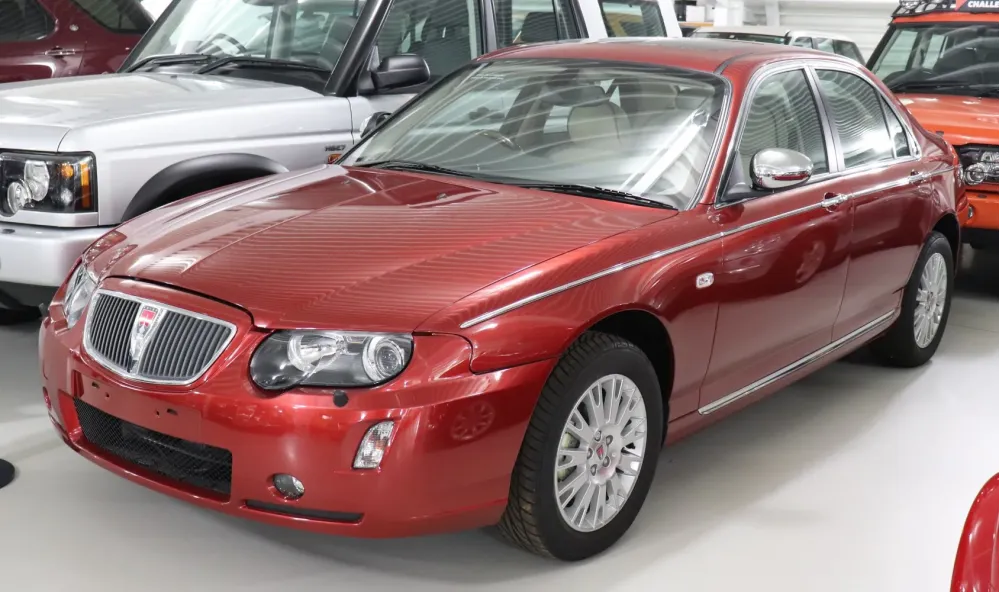
Click on image to view the full photo gallery
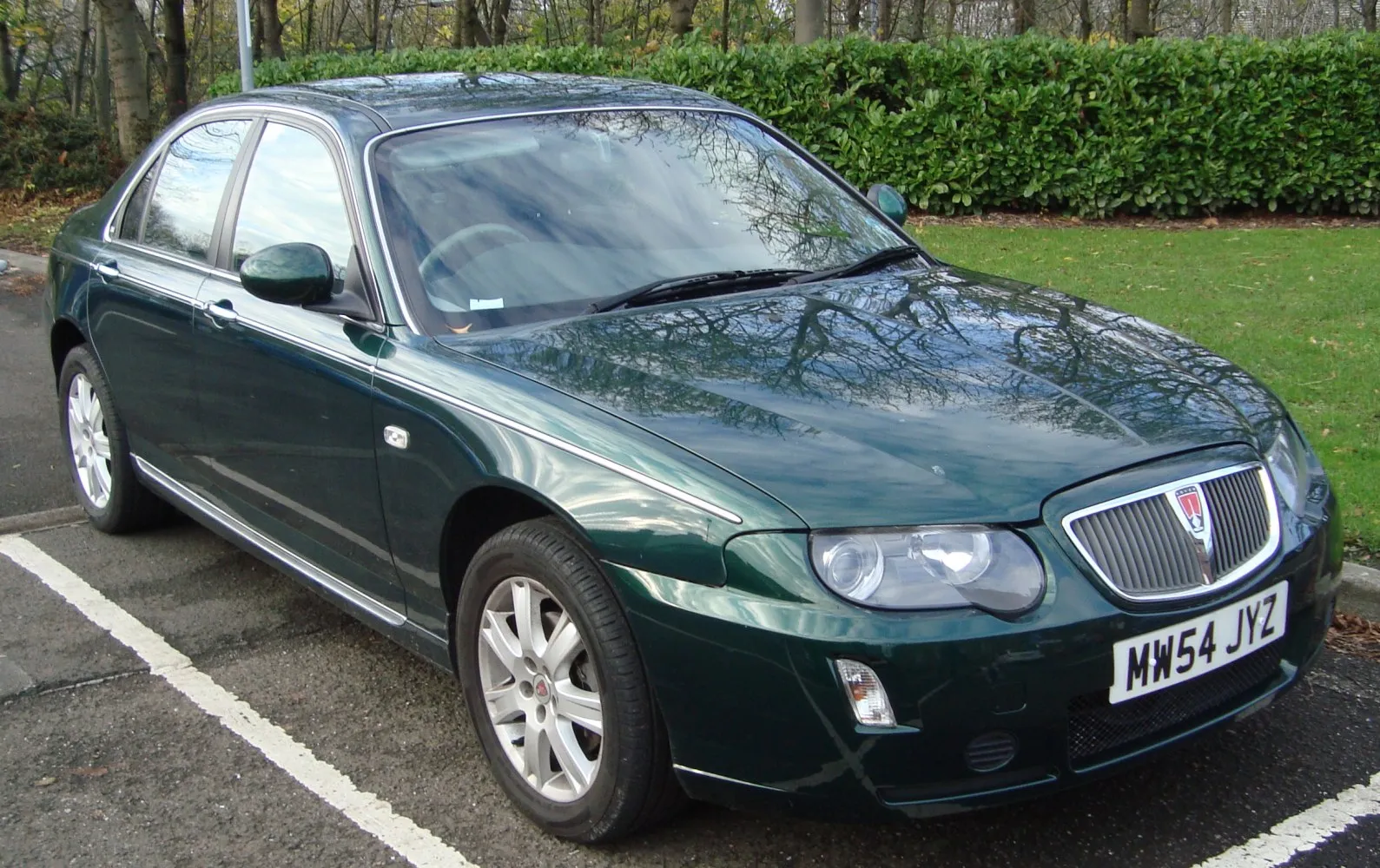
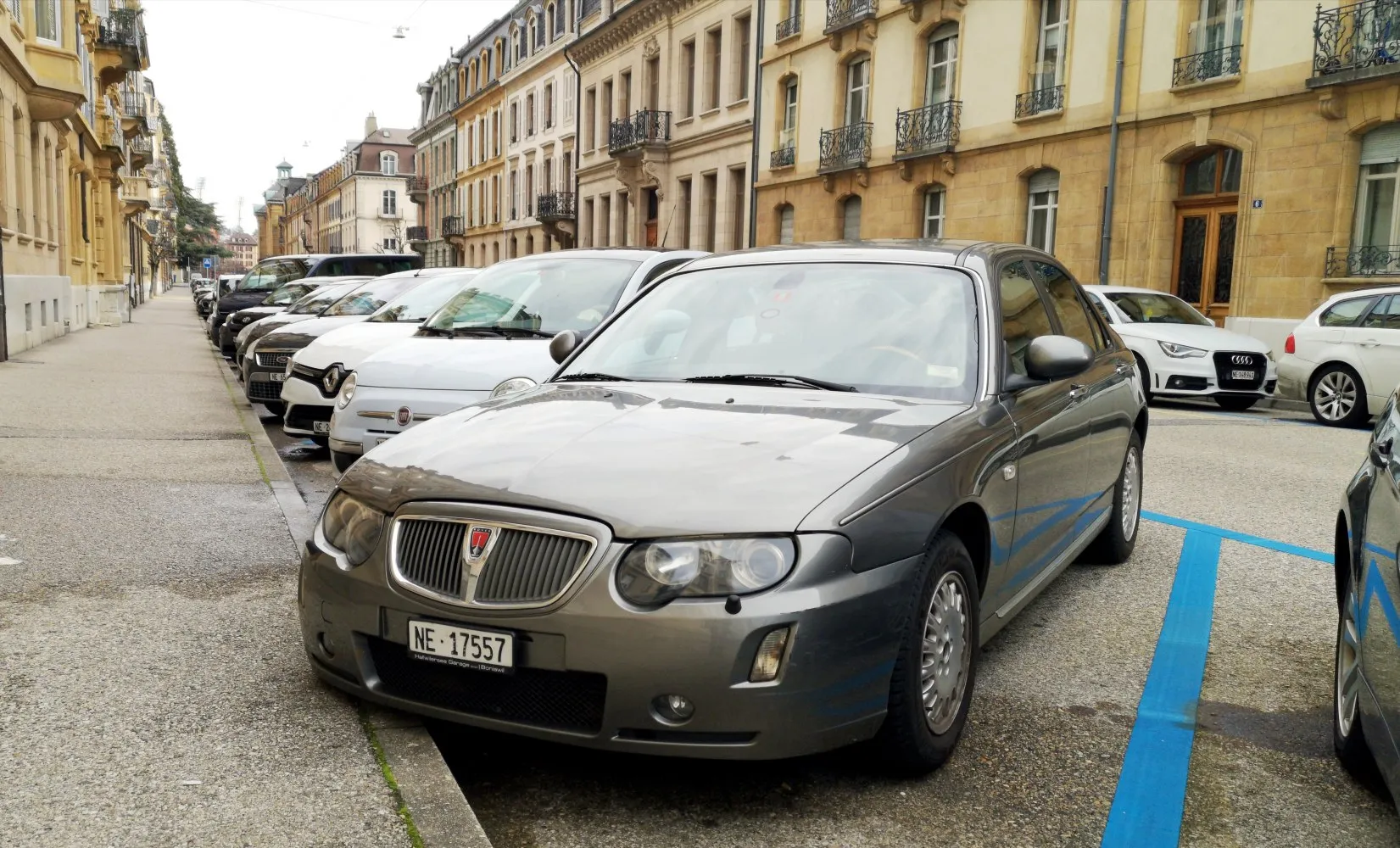
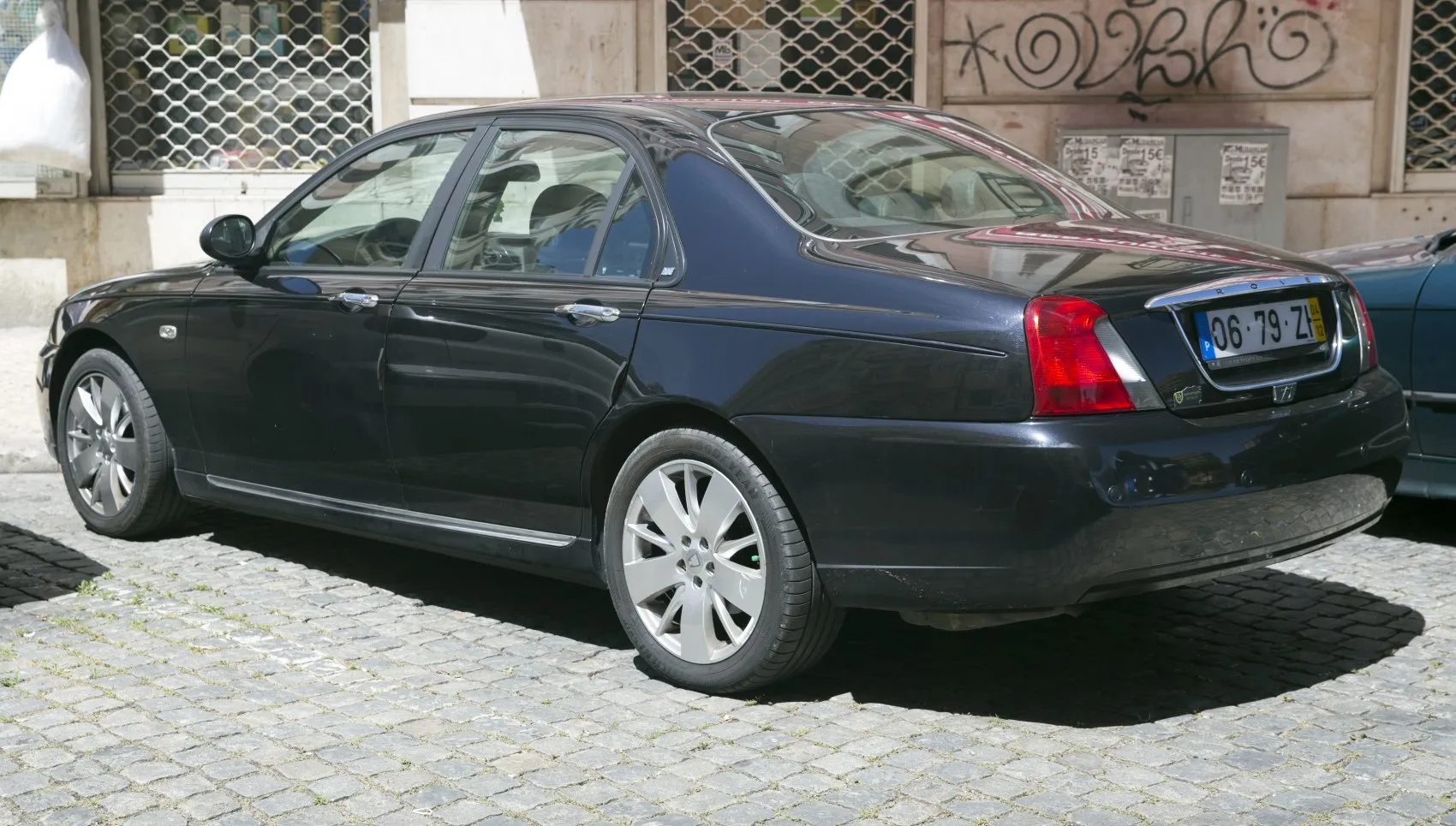
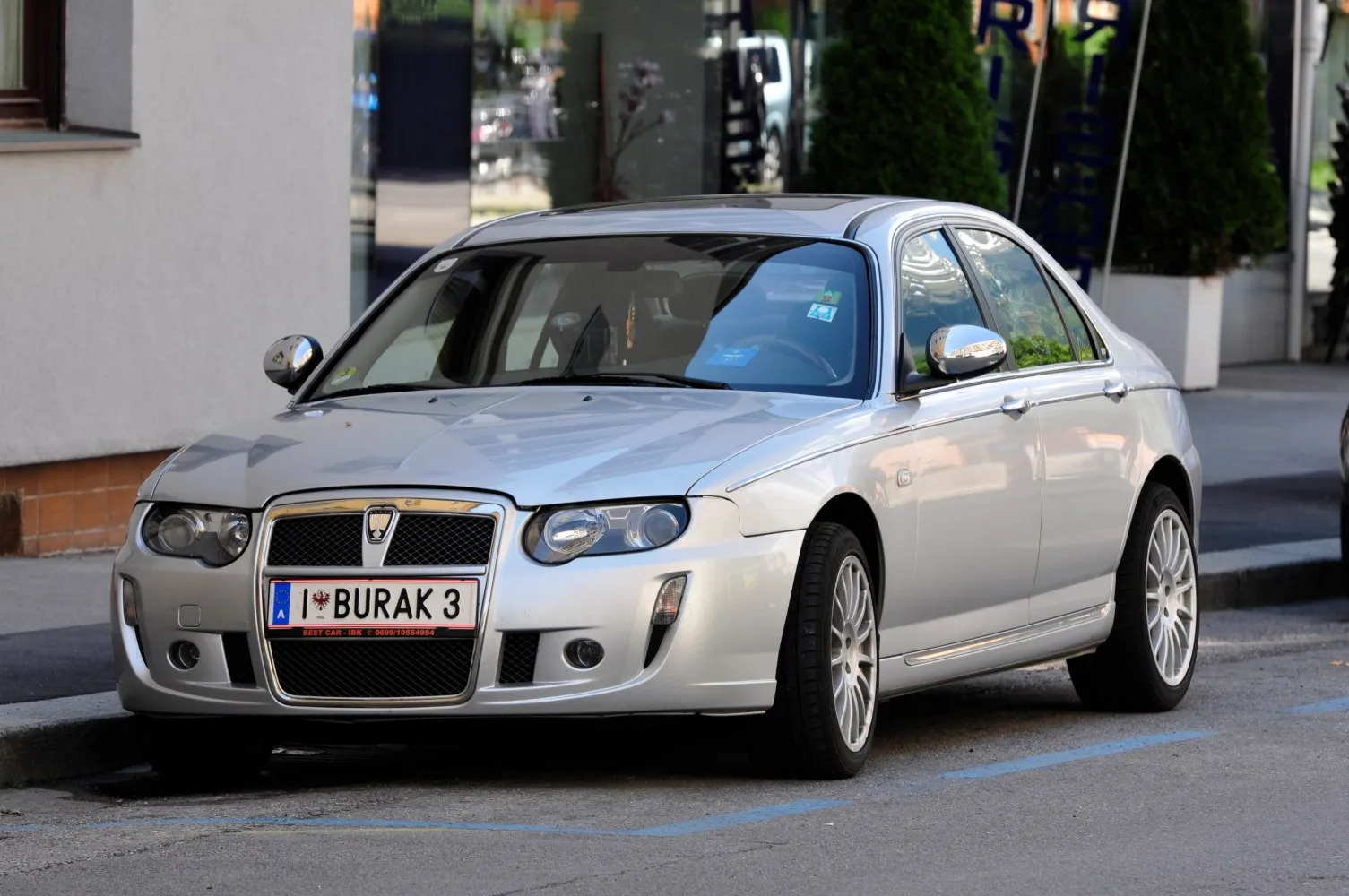
Rover 75 facelift 2004 1.8 T (150 Hp) Automatic
Overall Rating
Rover 75:
The Rover 75 is a large family car which was manufactured from 1998 to 2005 by the British Rover marque. There are two body styles—a four-door saloon car and a five-door estate car. Initially built only with front-wheel drive, a rear-wheel-drive variant with a V8 engine was later sold. There was also an extended-wheelbase model. In 2001, MG Rover launched a badge engineered variant, the MG ZT. A coupé concept was built, but did not receive further development.
Rover 75s were manufactured by the Rover Group at Cowley, Oxfordshire, for one year. After owner BMW sold Rover, the 75 was manufactured by the new MG Rover Group at their Longbridge site in Birmingham. The Rover 75 debuted at the Birmingham Motor Show, with deliveries commencing in February 1999. As the last large Rover saloon, production of all models ended in 2005 when MG Rover Group entered receivership....(Read more on Wikipedia)
facelift 2004 Overview:
Rover 75 (facelift 2004). With 215 Nm of torque, it offers ample pulling power. With a weight of 1510 kg, it falls in the mid‑range. Front‑wheel drive delivers efficiency and easy handling. The top speed reaches 204 km/h. A four-door car with a separate trunk, ideal for families and daily commuting. Seating for 5 makes it ideal for daily use.
1.8 T (150 Hp) Automatic Verdict:

Performance Verdict
Offers a decent boost in power over the naturally aspirated 1.8, but the automatic transmission can feel sluggish and unresponsive.
Fuel Economy
Acceptable for a turbocharged petrol automatic of its time, but not class-leading in terms of efficiency.
Pros and Cons:
Pros:
- • Exceptional ride comfort and refinement
- • Classic, elegant styling with a distinctive British character
- • High-quality interior materials and a luxurious ambiance for its class
- • Reliable and economical BMW diesel engines (M47R)
- • Smooth and characterful KV6 V6 engine
- • Excellent value on the used market
Cons:
- • Notorious K-Series head gasket issues on 1.8 petrol models
- • Some parts can be difficult or expensive to source post-Rover's demise
- • Dated automatic transmissions can be sluggish and impact economy
- • Fuel economy for petrol V6 and V8 models is poor
- • Limited active safety features compared to modern cars
- • Perceived reliability issues (mainly K-Series) can deter buyers
Specifications:
Specifications are compared to those of the previous generation(75: 2002 - 2004).
| General: | |
|---|---|
| Brand: | Rover |
| Model: | 75 |
| Generation: | facelift 2004 |
| Modification (Engine): | 1.8 T (150 Hp) Automatic |
| Start of production: | 2004 |
| End of production: | 2005 |
| Powertrain Architecture: | Internal Combustion engine |
| Body type: | Sedan |
| Seats: | 5 |
| Doors: | 4 |
| Engine: | |
|---|---|
| Power: | 150 Hp @ 5500 rpm. |
| Power per litre: | 83.5 Hp/l |
| Torque: | 215 Nm @ 2100 rpm. |
| Engine Model/Code: | 18K4G [Same engine] More details about the engine 18K4G |
| Engine displacement: | 1796 |
| Number of cylinders: | 4 |
| Engine configuration: | Inline |
| Number of valves per cylinder: | 4 |
| Fuel injection system: | Multi-port manifold injection |
| Engine aspiration: | Turbocharger, Intercooler |
| Valvetrain: | DOHC |
| Engine oil capacity: | 4.5 l |
| Coolant: | 6.2 l |
| Engine layout: | Front, Transverse |
| Cylinder Bore: | 80 mm |
| Piston Stroke: | 89.3 mm |
| Compression ratio: | 9.2:1 |
| Performance: | |
|---|---|
| Fuel Type: | Petrol (Gasoline) |
| Fuel consumption (economy) - urban: | 12.8 l/100 km |
| Fuel consumption (economy) - extra urban: | 6.6 l/100 km |
| Fuel consumption (economy) - combined: | 8.9 l/100 km |
| Emission standard: | Euro 3 |
| Maximum speed: | 204 km/h |
| Weight-to-power ratio: | 9.7 kg/Hp, 103.4 Hp/tonne |
| Weight-to-torque ratio: | 6.7 kg/Nm, 148.3 Nm/tonne |
| Acceleration 0 - 60 mph: | 9.7 sec |
| Space: | |
|---|---|
| Kerb Weight: | 1450-1570 |
| Max. weight: | 2000 |
| Max. roof load: | 80 kg |
| Max load: | 430-550 |
| Trunk (boot) space - maximum: | 674 l |
| Trunk (boot) space - minimum: | 432 l |
| Permitted trailer load with brakes (12%): | 1450 kg |
| Fuel tank capacity: | 65 l |
| Permitted trailer load without brakes: | 750 kg |
| Permitted towbar download: | 100 kg |
| Size: | |
|---|---|
| Length: | 4749 mm [2mm more] |
| Width: | 1778 mm [Same width.] |
| Height: | 1393 mm [31mm less] |
| Wheelbase: | 2746 mm [Same wheelbase.] |
| Width including mirrors: | 1970 mm |
| Front track: | 1511 mm |
| Rear (Back) track: | 1504 mm |
| Front overhang: | 915 mm |
| Rear overhang: | 1087 mm |
| Minimum turning circle (turning diameter): | 11.33 m [above average] |
| Powertrain: | |
|---|---|
| Drivetrain Architecture | The Internal combustion engine (ICE) drives the front wheels of the vehicle. |
| Drive wheel | Front wheel drive |
| Number of gears | 5 |
| Transmission type | Automatic |
| Front brakes | Ventilated discs [Best for performance and cooling.] |
| Rear brakes | Disc [above average] |
| Assisting systems | ABS (Anti-lock braking system) |
| Steering type | Steering rack and pinion |
| Power steering | Hydraulic Steering |
| Tires size | 195/65 R15; 205/60 R15; 215/55 R16 |
| Wheel rims size | 6J x 15; 6.5J x 16 |
| Front suspension | Independent, type McPherson with coil spring and anti-roll bar |
| Rear suspension | Independent multi-link spring suspension with stabilizer |







Fuel, speed, and comfort: How does the Rover 75 rank in your book?