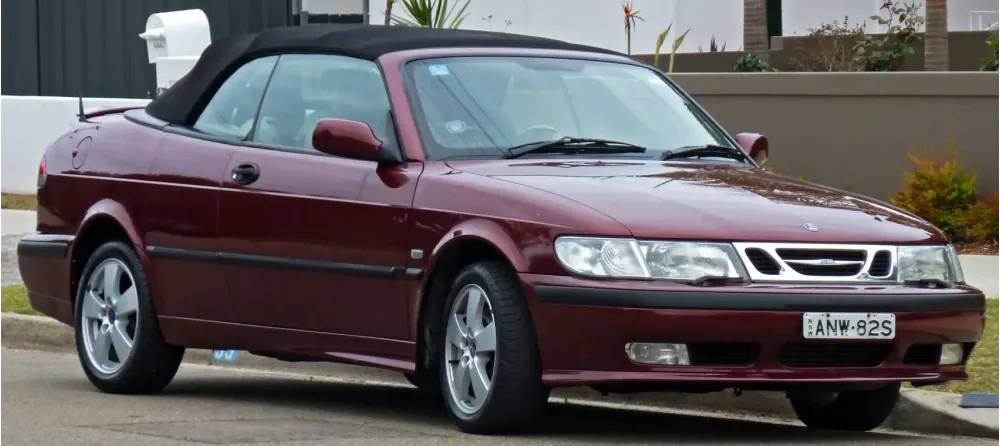
Saab 9-3 Cabriolet I 2.3i (150 Hp)
People\'s Opinion
N/A / 5
Saab 9-3:
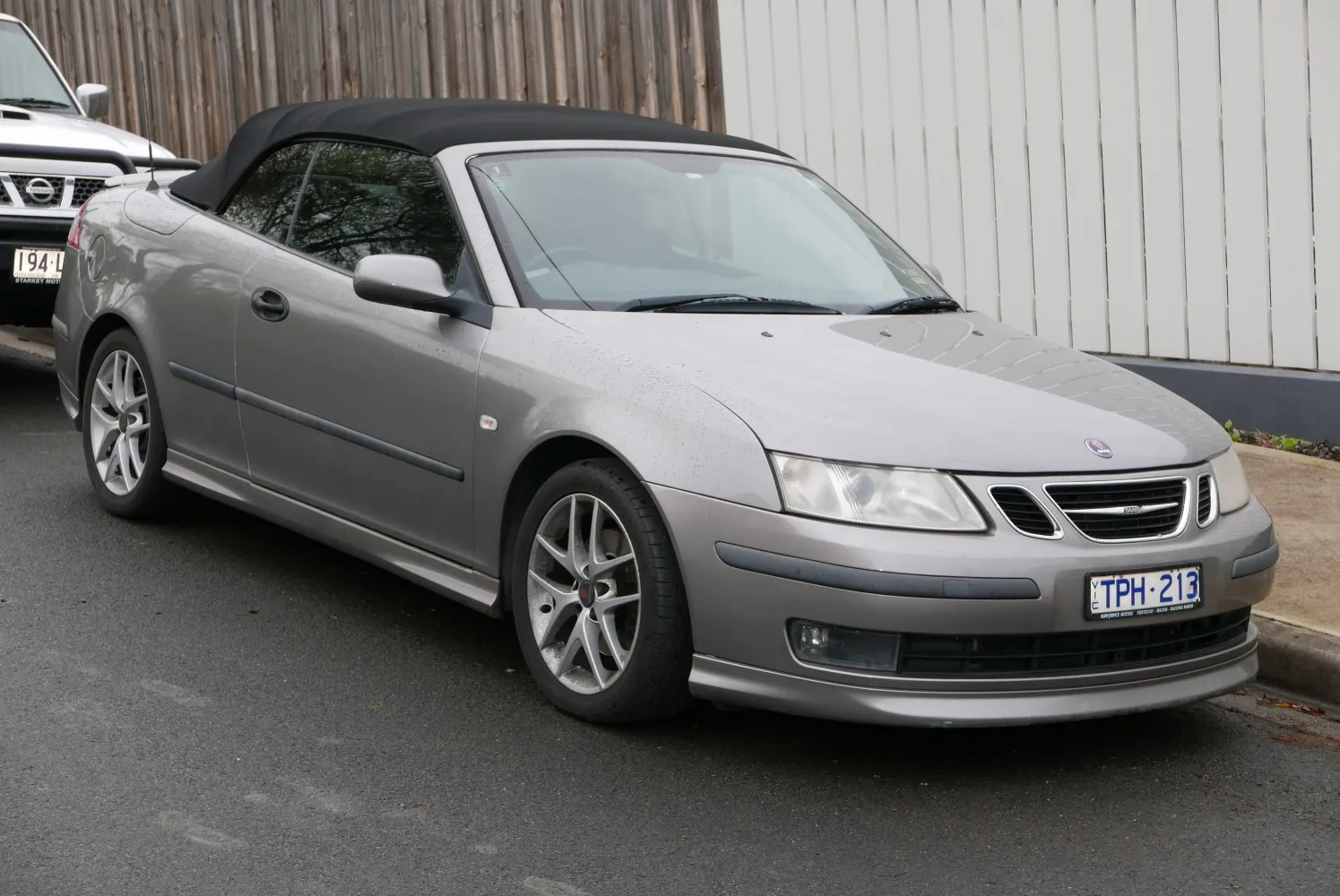
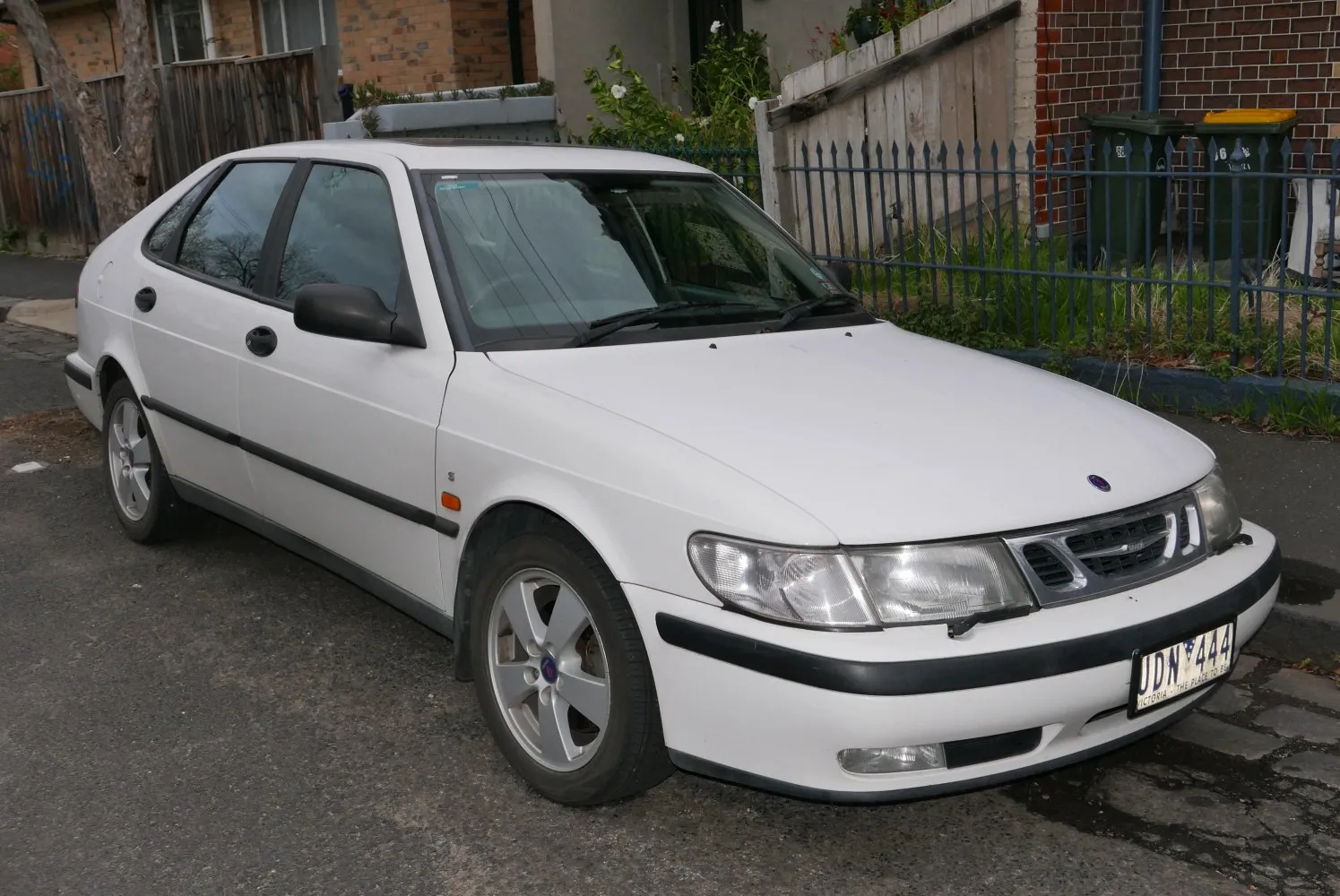
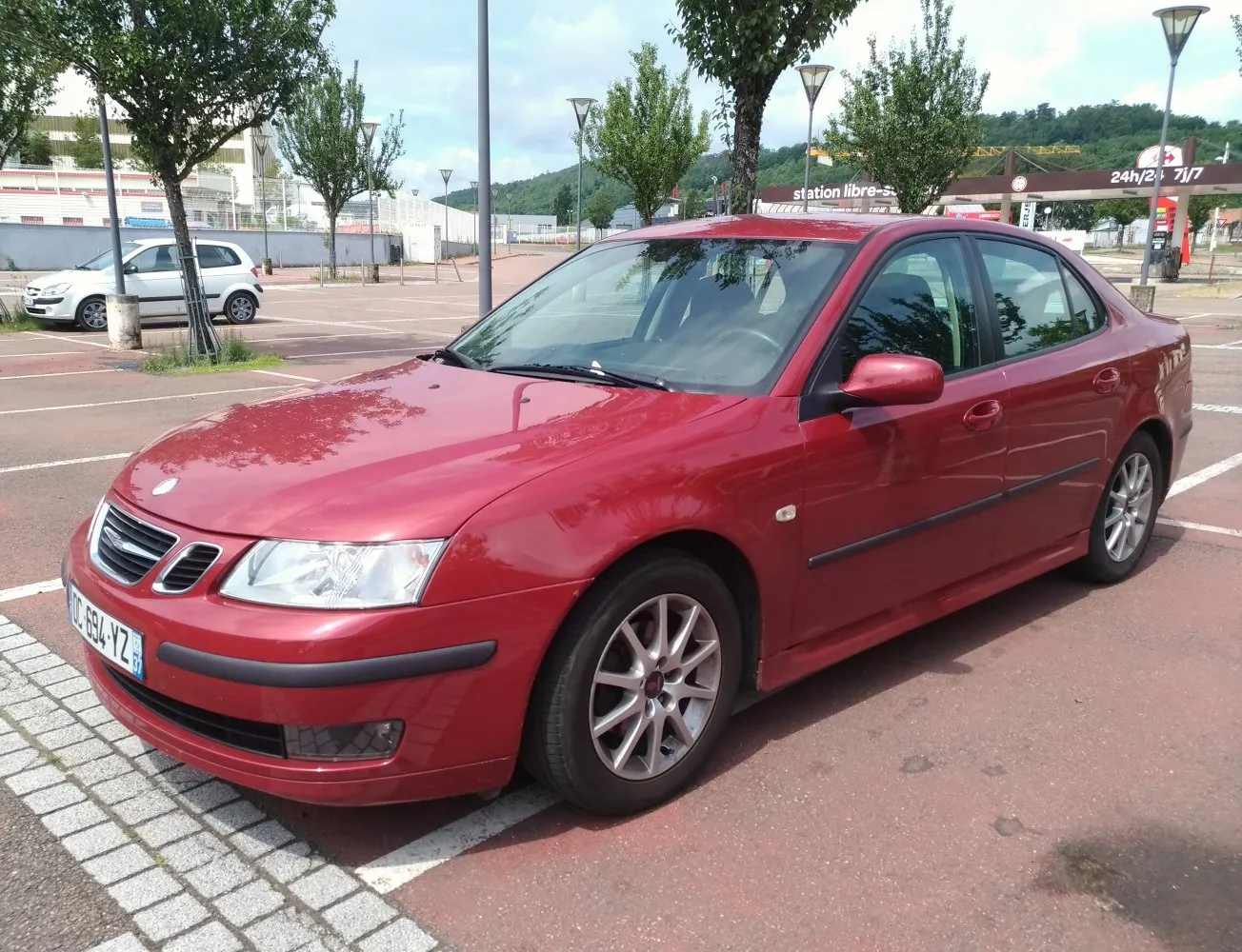
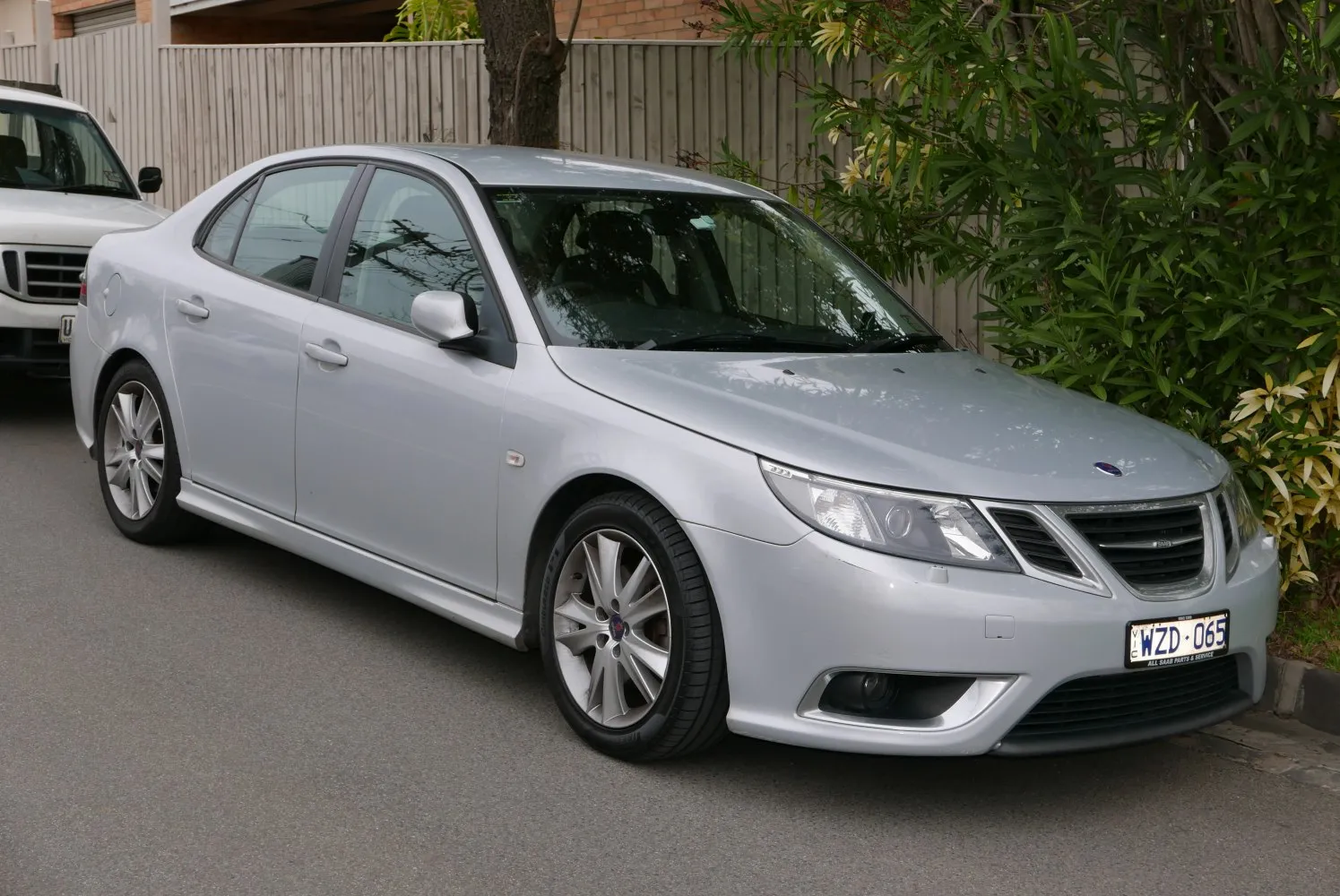
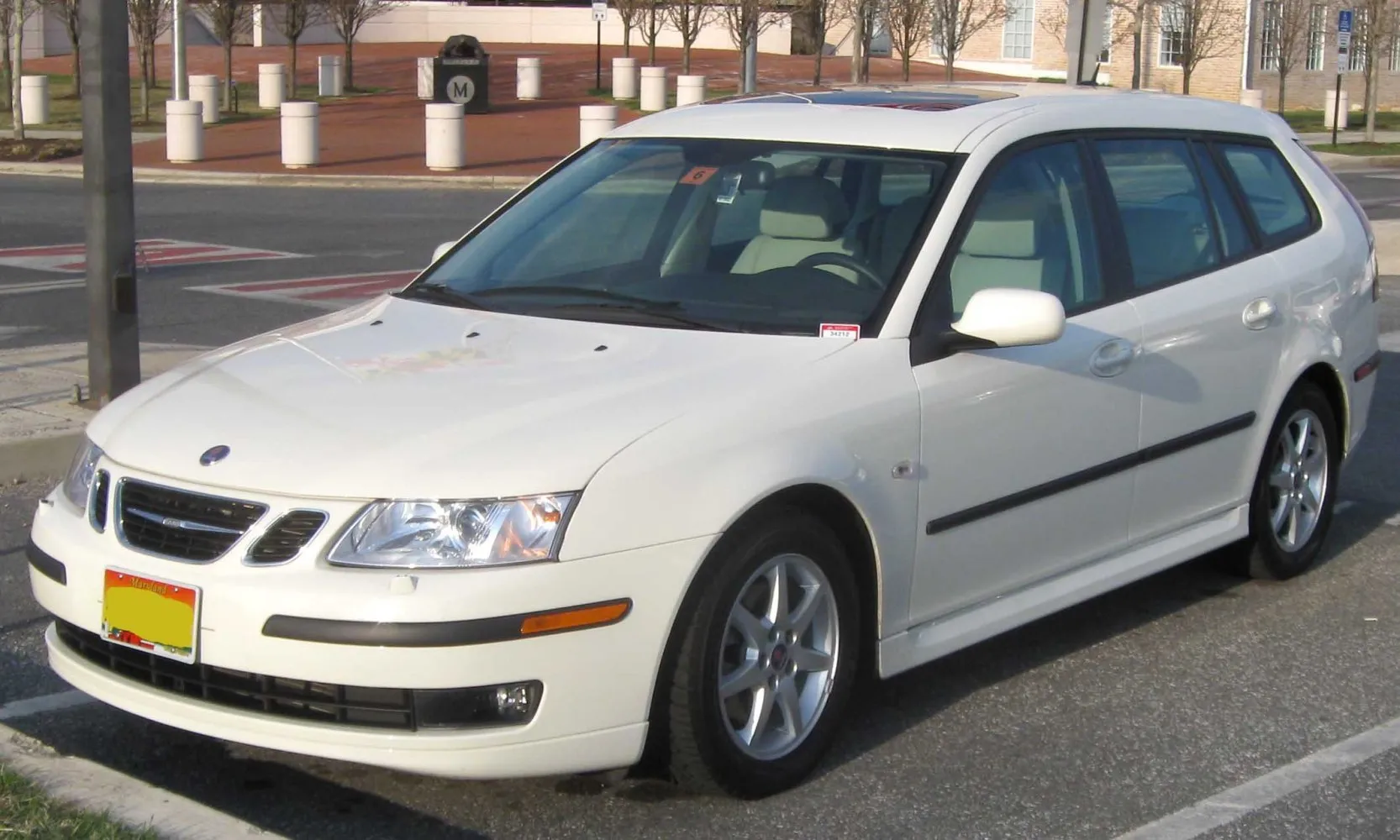
The Saab 9-3 is a compact executive car initially developed and manufactured by the Swedish automaker Saab.
The first generation 9-3 is based on the GM2900 platform, changing to the GM Epsilon platform with the introduction of the second-generation car. Other vehicles using this platform include the Opel Vectra, Chevrolet Malibu, and Cadillac BLS.
National Electric Vehicle Sweden , Saab's then parent company briefly assembled a few 9-3 sedans during 2013 and 2014....(Read more on Wikipedia)
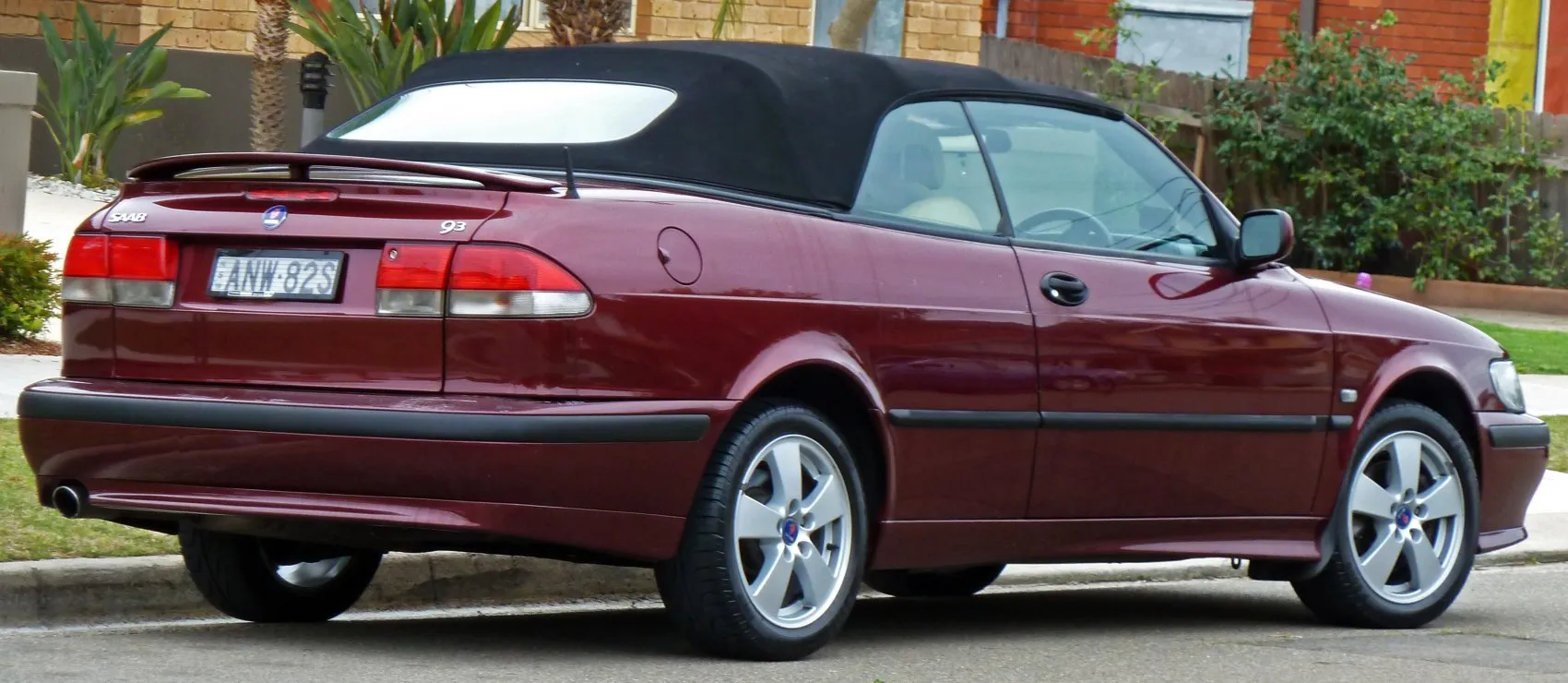
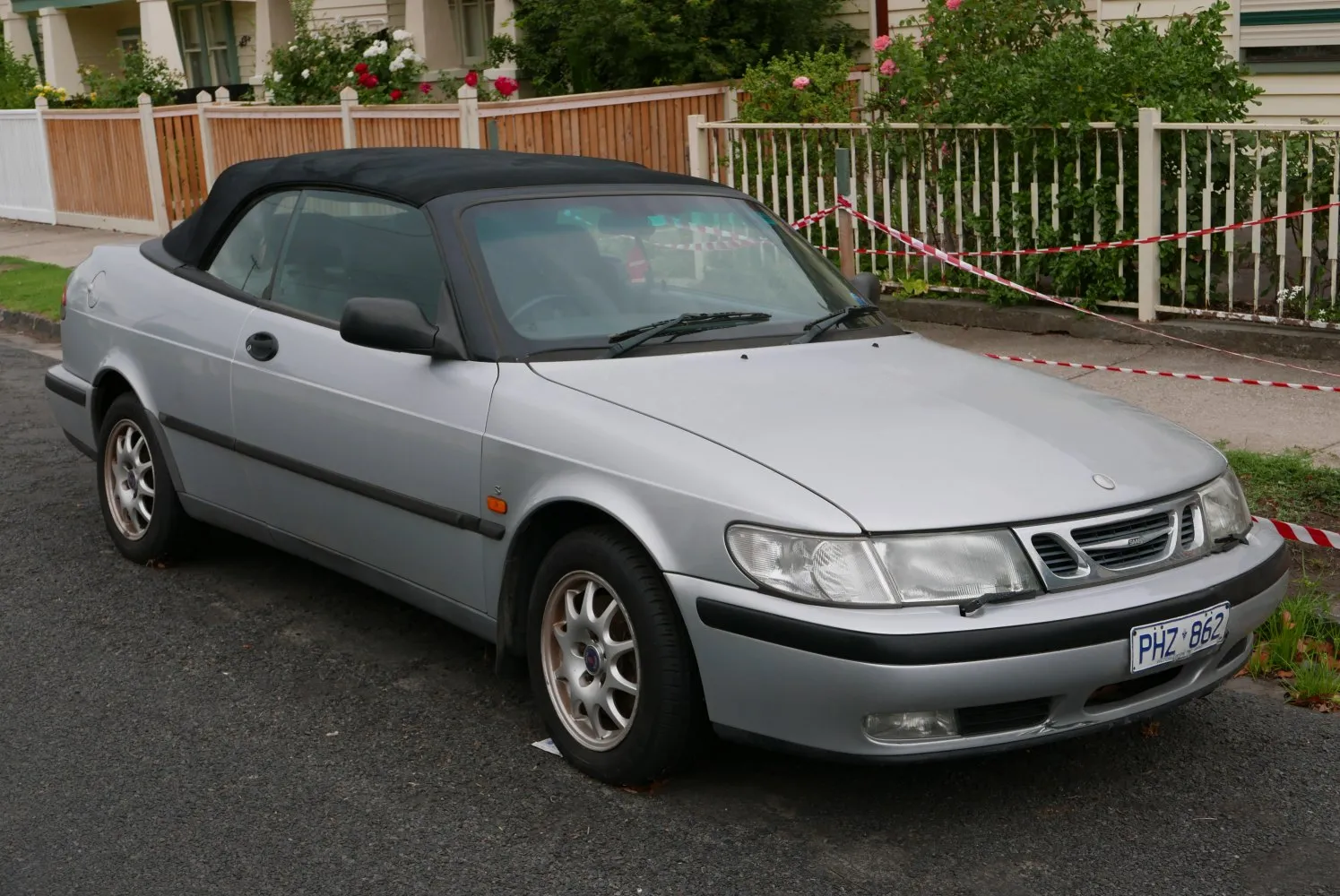
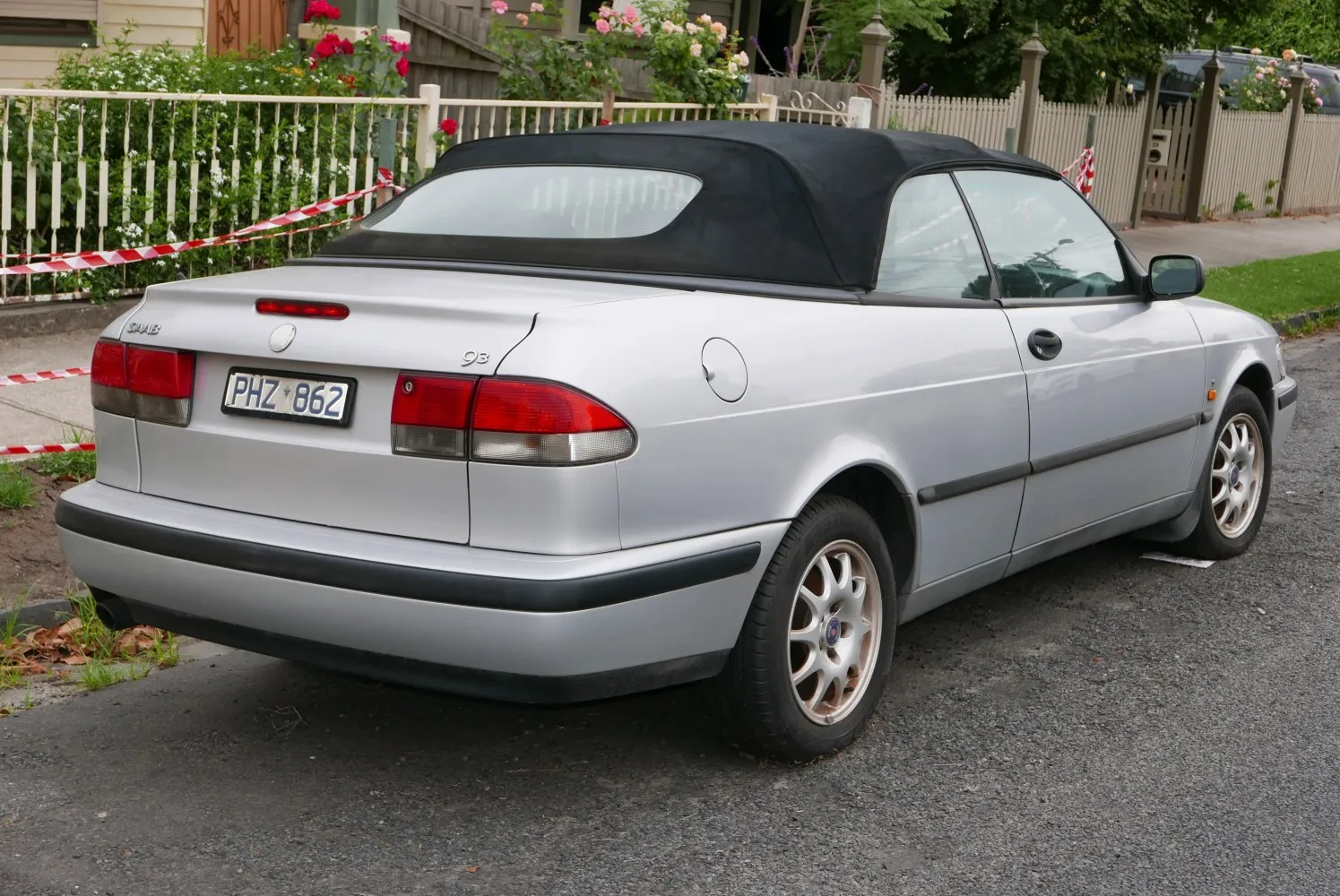
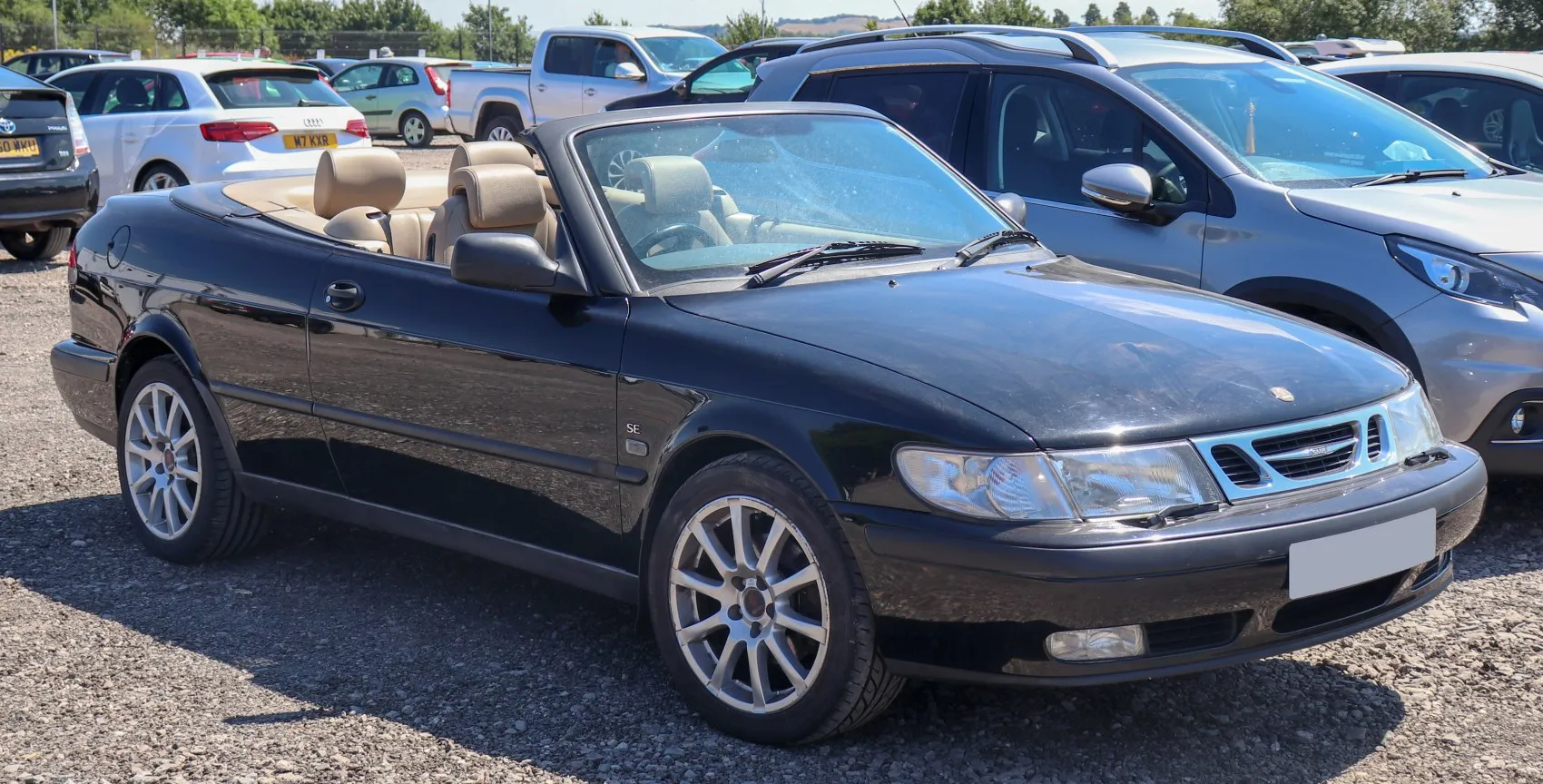
Cabriolet I Overview:
Saab 9-3 (Cabriolet I). With 210 Nm of torque, it offers ample pulling power. With a weight of 1400 kg, it falls in the mid‑range. Front‑wheel drive delivers efficiency and easy handling. Acceleration is relatively slow (0–100 km/h in 10 s). The top speed reaches 210 km/h. A convertible car with a retractable roof, offering open-air driving experiences. Seating for 4 makes it ideal for daily use.
Performance Verdict
Similar power to the SE, providing adequate acceleration for daily driving. The 10-second 0-100km/h suggests a manual gearbox, offering better driver engagement.
Fuel Economy
Expected to have similar, if not slightly better, fuel economy than the automatic SE variant due to manual transmission efficiency.
Best Use Case:
Daily Driving / Highway
Pros and Cons:
Pros:
- • Distinctive and timeless Scandinavian design
- • Comfortable and supportive seats, ideal for long journeys
- • Strong turbocharged engine options offering engaging performance
- • Good safety features for its era, including a 4-star Euro NCAP rating
- • Practical convertible with decent trunk space for its class
- • Unique driving experience compared to German rivals
Cons:
- • Some scuttle shake common in convertibles of this era
- • Fuel economy can be high, especially with the more powerful turbo engines
- • Aging electrical systems can lead to minor issues
- • Interior design can feel dated compared to newer cars
- • Parts availability can be a concern for specific Saab components
Specifications:
| General: |
| Brand: | Saab |
|---|
| Model: | 9-3 |
|---|
| Generation: | Cabriolet I |
|---|
| Modification (Engine): | 2.3i (150 Hp) |
|---|
| Start of production: | 1998 |
|---|
| End of production: | 2000 |
|---|
| Powertrain Architecture: | Internal Combustion engine |
|---|
| Body type: | Cabriolet |
|---|
| Seats: | 4 |
|---|
| Doors: | 2 |
|---|
| Engine: |
| Power: | 150 Hp @ 5700 rpm. |
|---|
| Power per litre: | 65.5 Hp/l |
|---|
| Torque: | 210 Nm @ 4300 rpm. |
|---|
| Engine Model/Code: | B234i |
|---|
| Engine displacement: | 2290 |
|---|
| Number of cylinders: | 4 |
|---|
| Engine configuration: | Inline |
|---|
| Number of valves per cylinder: | 4 |
|---|
| Fuel injection system: | Multi-port manifold injection |
|---|
| Engine aspiration: | Naturally aspirated engine |
|---|
| Valvetrain: | DOHC |
|---|
| Engine oil capacity: | 4 l |
|---|
| Coolant: | 8.5 l |
|---|
| Engine layout: | Front, Transverse |
|---|
| Cylinder Bore: | 90 mm mm |
|---|
| Piston Stroke: | 90 mm mm |
|---|
| Compression ratio: | 10.5:1 |
|---|
| Performance: |
| Fuel Type: | Petrol (Gasoline) |
|---|
| Fuel consumption (economy) - urban: | 13.5 l/100 km |
|---|
| Fuel consumption (economy) - extra urban: | 7.1 l/100 km |
|---|
| Acceleration 0 - 100 km/h: | 10 sec |
|---|
| Acceleration 0 - 62 mph: | 10 sec |
|---|
| Maximum speed: | 210 km/h |
|---|
| Weight-to-power ratio: | 9.3 kg/Hp, 107.1 Hp/tonne |
|---|
| Weight-to-torque ratio: | 6.7 kg/Nm, 150 Nm/tonne |
|---|
| Acceleration 0 - 60 mph: | 9.5 sec |
|---|
| Space: |
| Kerb Weight: | 1400 |
|---|
| Trunk (boot) space - maximum: | 378 l |
|---|
| Trunk (boot) space - minimum: | 295 l |
|---|
| Fuel tank capacity: | 68 l |
|---|
| Size: |
| Length: | 4629 mm mm |
|---|
| Width: | 1711 mm mm |
|---|
| Height: | 1440 mm mm |
|---|
| Wheelbase: | 2605 mm mm |
|---|
| Front track: | 1452 mm |
|---|
| Rear (Back) track: | 1442 mm |
|---|
| Powertrain: |
| Drivetrain Architecture | The Internal combustion engine (ICE) drives the front wheels of the vehicle. |
|---|
| Drive wheel | Front wheel drive |
|---|
| Number of gears | 5 |
|---|
| Transmission type | Manual |
|---|
| Front brakes | Ventilated discs |
|---|
| Rear brakes | Disc |
|---|
| Assisting systems | ABS (Anti-lock braking system) |
|---|
| Steering type | Steering rack and pinion |
|---|
| Power steering | Hydraulic Steering |
|---|
| Tires size | 195/60 R15 |
|---|
| Wheel rims size | 15 |
|---|
| Front suspension | Spring Strut |
|---|
| Rear suspension | Coil spring |
|---|









Fuel, speed, and comfort: How does the Saab 9-3 rank in your book?