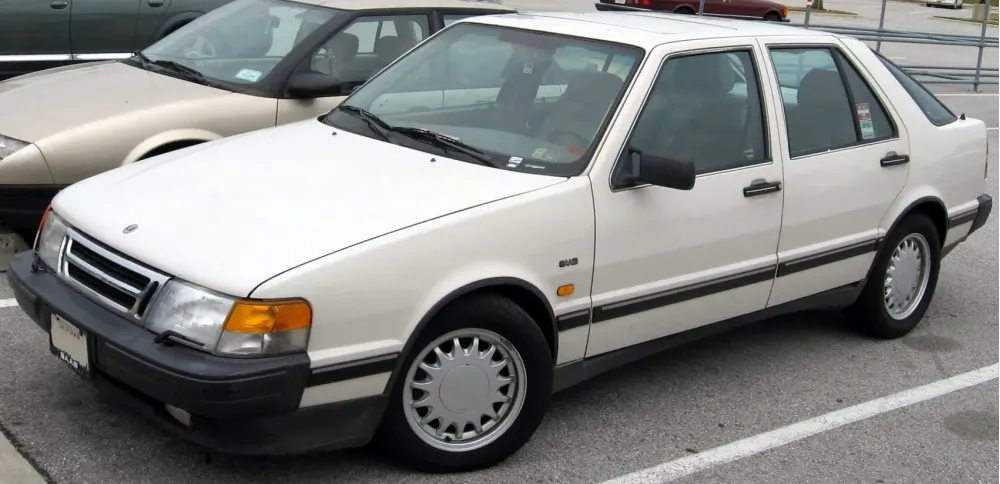
Click on image to view the full photo gallery
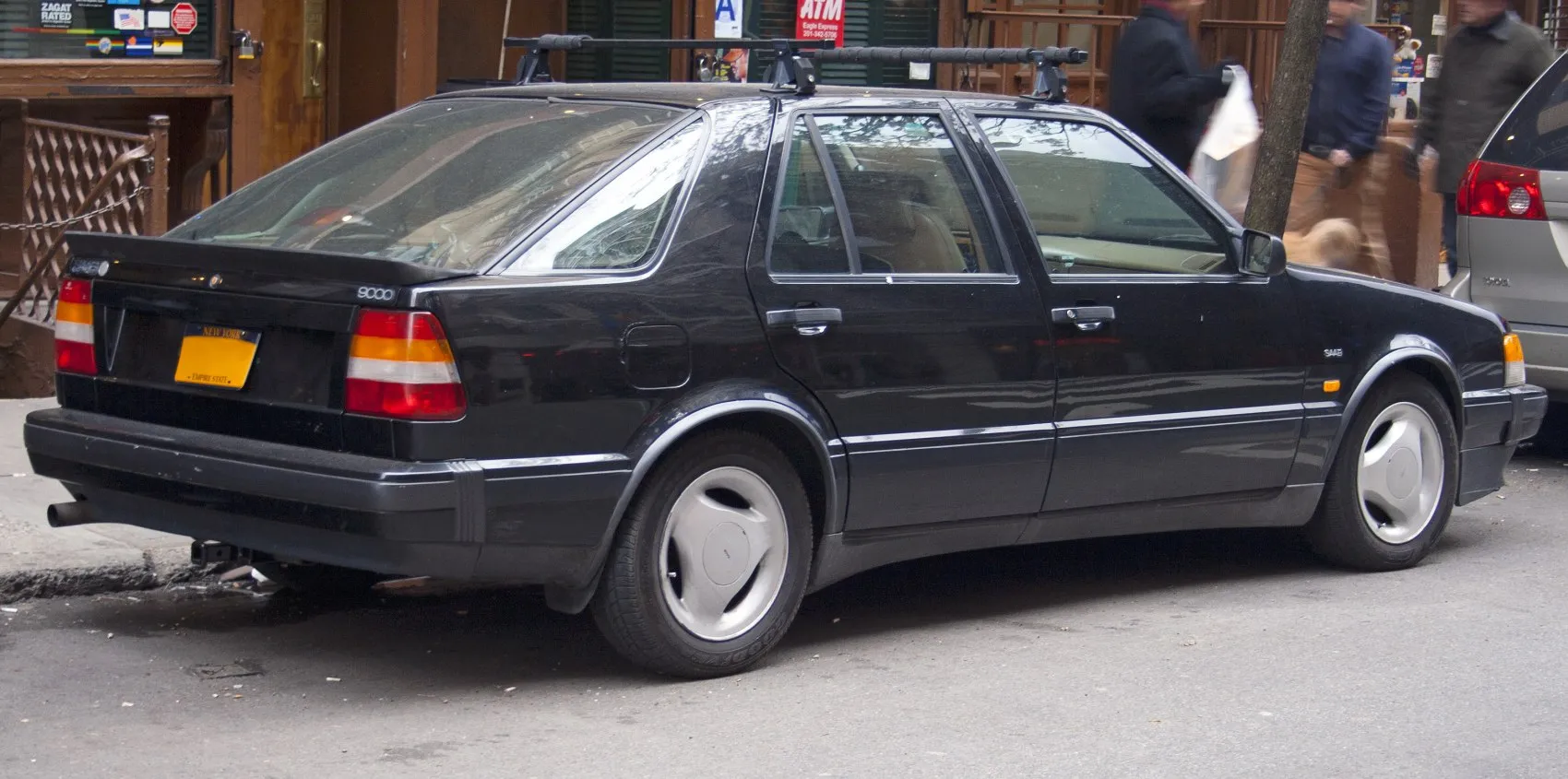
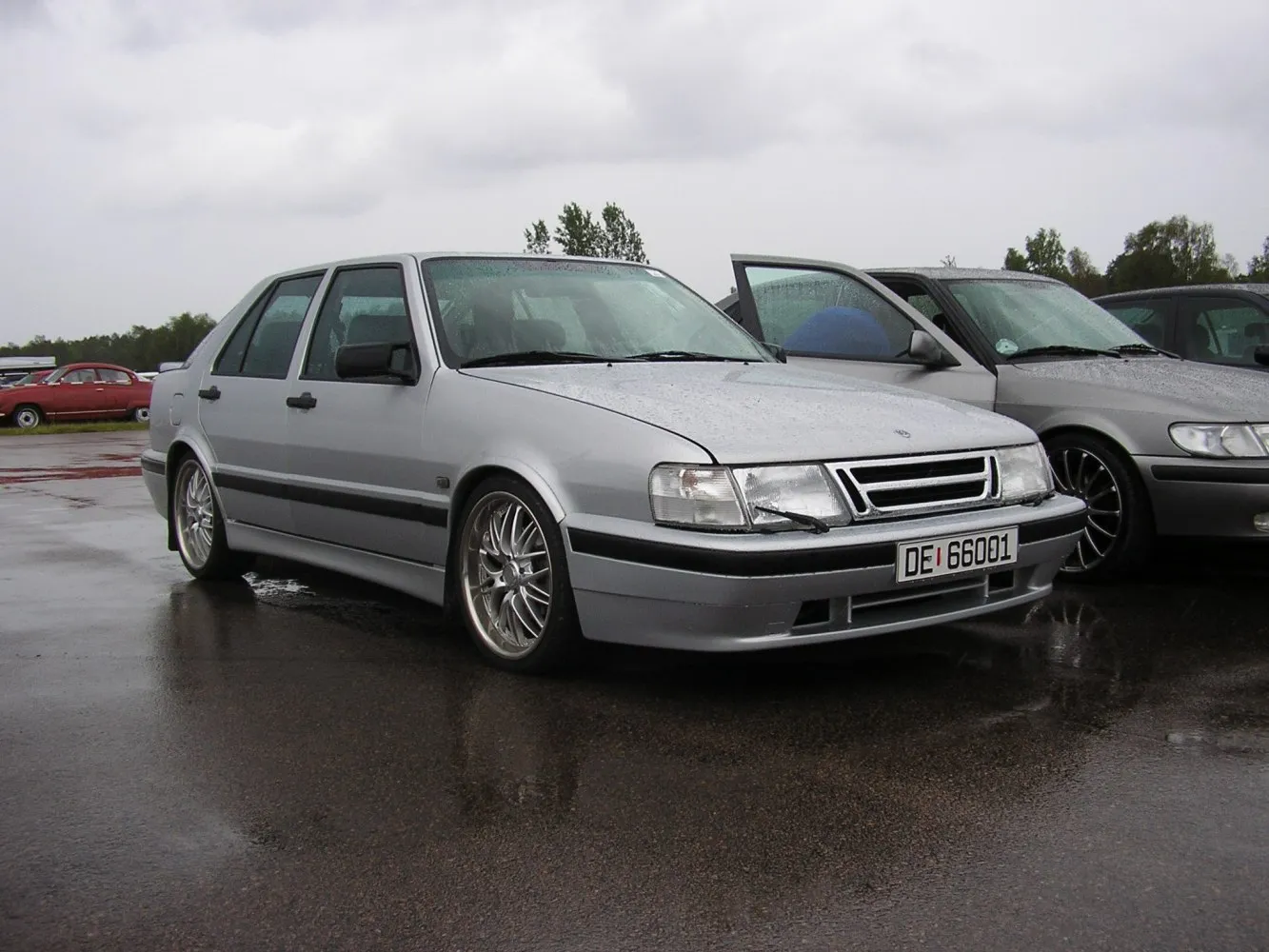
Saab 9000 Hatchback 2.3 16V Turbo CSE (200 Hp)
Overall Rating
Saab 9000:
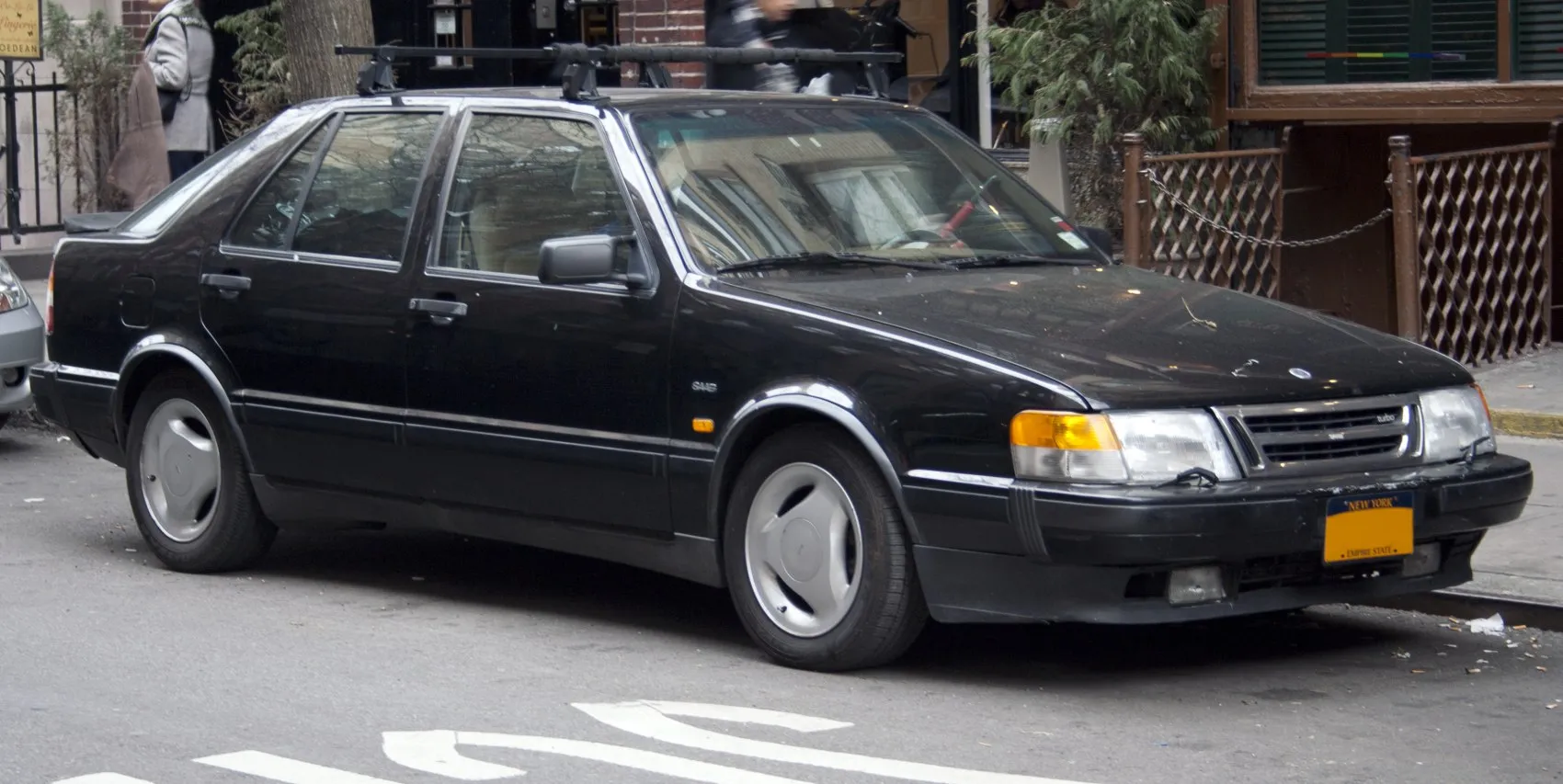
The Saab 9000 is an automobile produced by the Swedish company Saab from 1984 to 1998. Representing the company's foray into the executive car scene, it was developed as a result of the successes of the turbocharged 99 and 900 models. The 9000 remained in production until May 1998 and was replaced by the 9-5 in late 1997, although some final cars were produced into 1998. The Saab 9000 was only available with petrol engines, in two different 5-door hatchback designs or as a 4-door notchback.
Saab designed the 9000 as part of its joint development Type Four platform in conjunction with the Italian automaker Fiat Automobiles. Fiat developed and sold its own derivative versions from the platform as the more basic Fiat Croma, the luxury-themed Lancia Thema, and the sports-oriented Alfa Romeo 164. Unlike the 164, which shares only the chassis, the Croma and Thema are outwardly similar to the 9000. As such, much of the bodywork appeared interchangeable between the 9000, Croma and Thema; for example, the doors. However, because Saab fitted heavier side impact protection and made other changes to the design, none of the components could be interchanged between the cars. Fiat had designed the Croma with no consideration of American crash test requirements, which forced Saab to strengthen the body by fitting various reinforcements. Thus, the front of the Saab is radically different from the Italian siblings due to the much improved crash protection. Only seven parts are actually interchangeable. Additionally, where the other Type Four cars used independent MacPherson struts all round, the 9000 used them only on the front suspension, with its rear suspension instead using a beam axle. The 9000 was designed by Giorgetto Giugiaro and Saab's in-house designer Björn Envall....(Read more on Wikipedia)
Hatchback Overview:
Saab 9000 (Hatchback). With 323 Nm of torque, it offers ample pulling power. With a weight of 1375 kg, it falls in the mid‑range. Front‑wheel drive delivers efficiency and easy handling. Acceleration is good (0–100 km/h in 7.5 s). The top speed reaches 235 km/h. A compact car with a rear door that swings upward to provide access to the cargo area. Seating for 5 makes it ideal for daily use.
The Saab 9000 generation predates Euro NCAP testing, so no official rating is available. However, Saab vehicles of this era were generally considered robust for their time, often featuring strong chassis designs.
2.3 16V Turbo CSE (200 Hp) Verdict:

Performance Verdict
A very potent engine, delivering strong acceleration (7.5s 0-100km/h) and impressive torque, making it highly capable for spirited driving and confident overtaking.
Fuel Economy
Reasonable fuel economy (9.2 l/100 km) considering its high power output, but expects premium fuel. A good balance of power and efficiency.
Pros and Cons:
Pros:
- • Excellent turbocharged engine performance and torque across many variants.
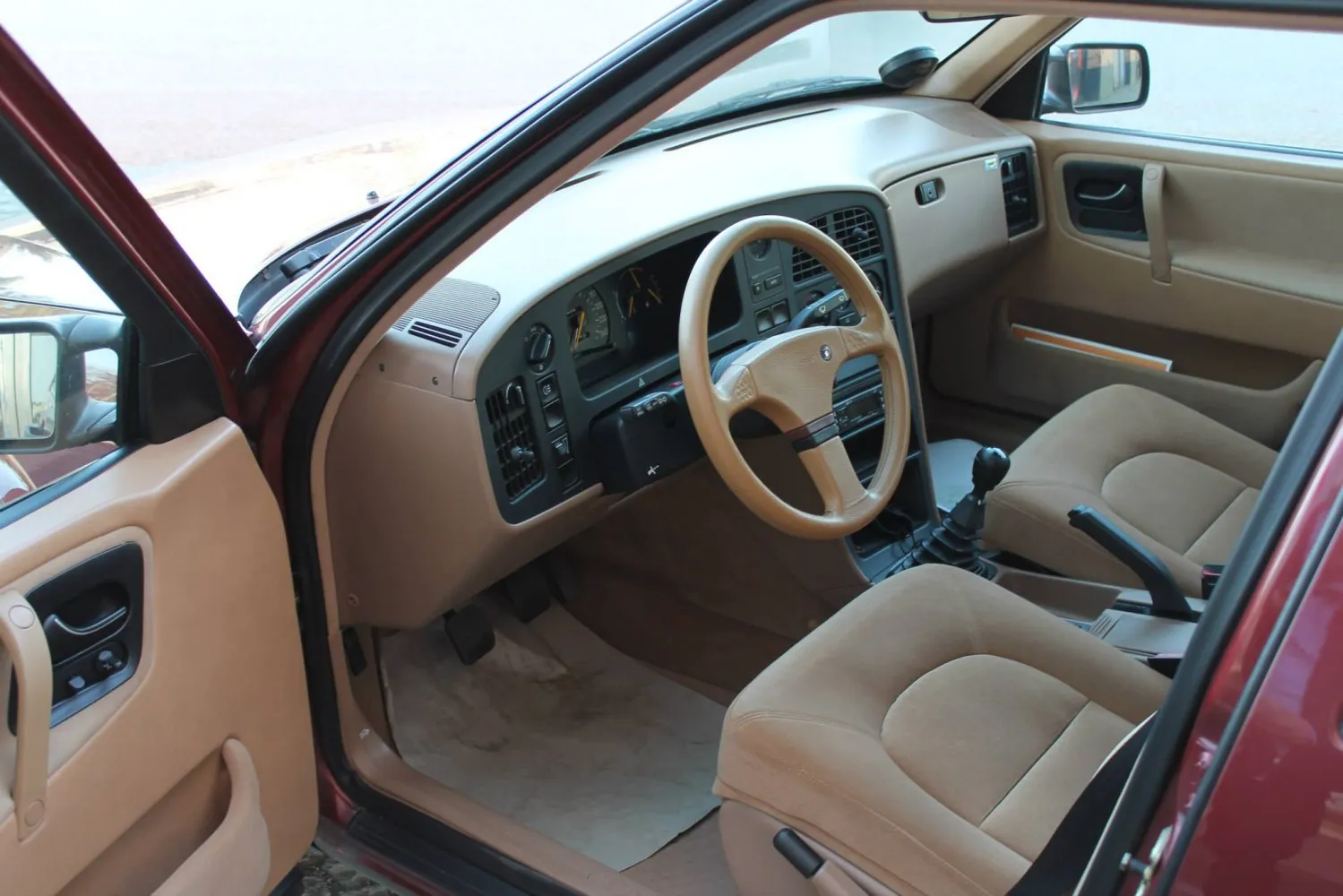
- • Spacious and exceptionally comfortable interior, especially the ergonomic seats.
- • Distinctive, timeless design and strong, robust build quality.
- • Practical hatchback body style offering versatile cargo space.
- • Advanced safety features for its era, including a strong chassis and good visibility.
Cons:
- • Fuel economy can be high on performance models, especially with spirited driving.
- • Older models may suffer from electrical issues and potential turbocharger wear.
- • Parts can be expensive and harder to find for specific components due to brand's history.
- • Steering feel can be somewhat vague compared to some German rivals.
- • Lack of modern safety assists and features (due to its age).
Specifications:
Specifications are compared to those of the previous generation(9000: 1992 - 1998).
| General: | |
|---|---|
| Brand: | Saab |
| Model: | 9000 |
| Generation: | Hatchback |
| Modification (Engine): | 2.3 16V Turbo CSE (200 Hp) |
| Start of production: | 1993 |
| End of production: | 1998 |
| Powertrain Architecture: | Internal Combustion engine |
| Body type: | Hatchback |
| Seats: | 5 |
| Doors: | 5 |
| Engine: | |
|---|---|
| Power: | 200 Hp @ 5500 rpm. Same horsepower |
| Power per litre: | 87.3 Hp/l [worst than previous generation] |
| Torque: | 323 Nm @ 1800 rpm. |
| Engine Model/Code: | B234 More details about the engine B234 |
| Engine displacement: | 2290 |
| Number of cylinders: | 4 |
| Engine configuration: | Inline |
| Number of valves per cylinder: | 4 |
| Fuel injection system: | Multi-port manifold injection |
| Engine aspiration: | Turbocharger |
| Valvetrain: | DOHC |
| Engine oil capacity: | 5 l |
| Coolant: | 9 l |
| Engine layout: | Front, Transverse |
| Cylinder Bore: | 90 mm mm |
| Piston Stroke: | 90 mm mm |
| Compression ratio: | 9.3:1 |
| Performance: | |
|---|---|
| Fuel Type: | Petrol (Gasoline) |
| Fuel consumption (economy) - combined: | 9.2 l/100 km |
| Acceleration 0 - 100 km/h: | 7.5 sec |
| Acceleration 0 - 62 mph: | 7.5 sec |
| Maximum speed: | 235 km/h |
| Weight-to-power ratio: | 6.9 kg/Hp, 145.5 Hp/tonne |
| Weight-to-torque ratio: | 4.3 kg/Nm, 234.9 Nm/tonne |
| Acceleration 0 - 60 mph: | 7.1 sec |
| Space: | |
|---|---|
| Kerb Weight: | 1375 |
| Max. weight: | 1930 |
| Max load: | 555 |
| Trunk (boot) space - maximum: | 883 l |
| Trunk (boot) space - minimum: | 487 l |
| Fuel tank capacity: | 66 l |
| Size: | |
|---|---|
| Length: | 4761 mm mm |
| Width: | 1778 mm mm |
| Height: | 1420 mm mm |
| Wheelbase: | 2672 mm mm |
| Front track: | 1522 mm |
| Rear (Back) track: | 1492 mm |
| Powertrain: | |
|---|---|
| Drivetrain Architecture | The Internal combustion engine (ICE) drives the front wheels of the vehicle. |
| Drive wheel | Front wheel drive |
| Number of gears | 5 |
| Transmission type | Manual |
| Front brakes | Ventilated discs [Best for performance and cooling.] |
| Rear brakes | Disc |
| Assisting systems | ABS (Anti-lock braking system) |
| Steering type | Steering rack and pinion |
| Power steering | Hydraulic Steering |
| Tires size | 205/60 R15 |
| Wheel rims size | 15 |
| Front suspension | Wishbone |
| Rear suspension | Suspension with traction connecting levers |







Better than its competitors? Tell us why the Saab 9000 stands out.