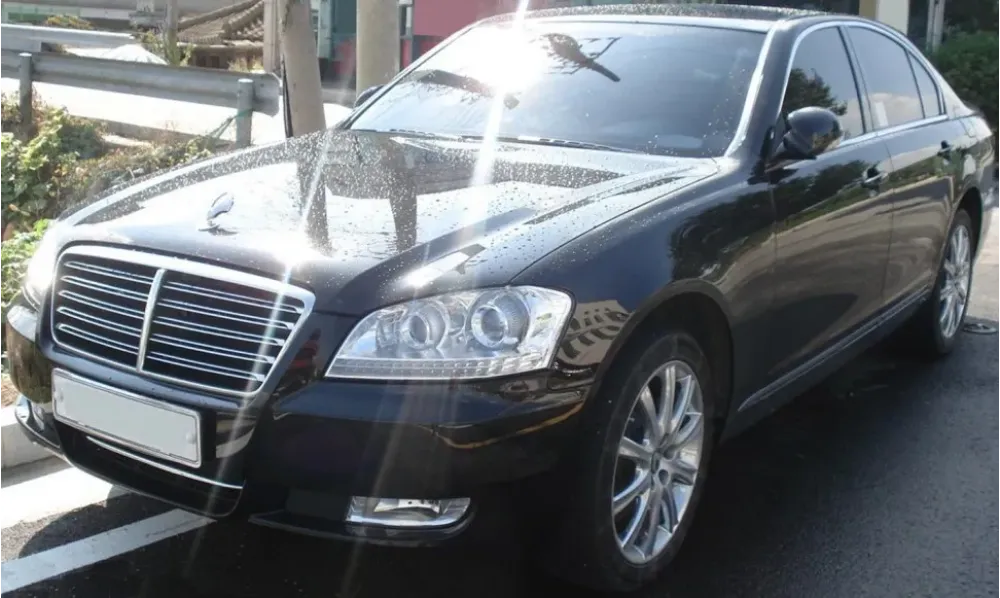
Click on image to view the full photo gallery
SsangYong Chairman W (facelift 2011) 3.6 (250 Hp) 4WD T-tronic L
Overall Rating
SsangYong Chairman:
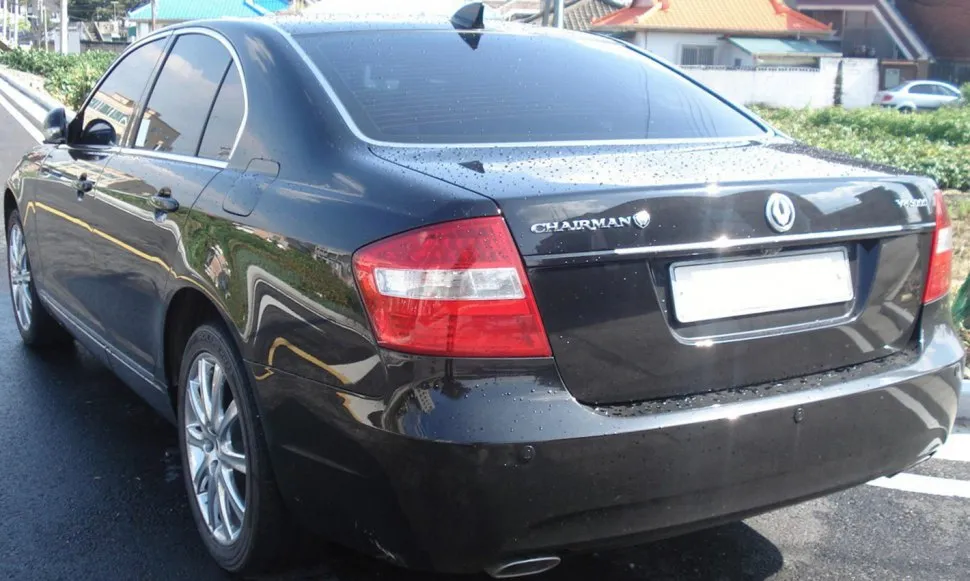
The SsangYong Chairman is a full-size luxury car that was manufactured by South Korean automaker SsangYong from 1997 to 2017. The original model was renamed Chairman H in 2008, with a new model introduced in the same year and designated Chairman W.
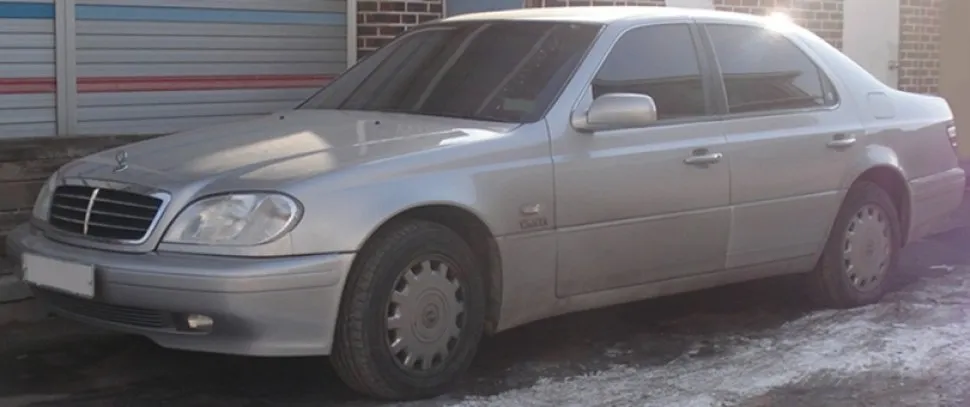
On release to the South Korean market in 1997, the chairman was a high-end executive sedan. Its manufacturer, SsangYong, was best known for SUVs and RVs, and the chairman has been its only sedan. The first generation chairman was built on the Mercedes-Benz E-Class platform, but styled more like a modernized W140 S-Class. Coincidentally, the design also foretold that of the upcoming W220 S-Class, which led to some consternation at the German company. Mercedes-Benz requested that Ssangyong redesign the car to make it look less like a Mercedes-Benz and to refrain from selling it in developed export markets such as Europe and the United States....(Read more on Wikipedia)
W (facelift 2011) Overview:
SsangYong Chairman (W (facelift 2011)). With 343 Nm of torque, it offers ample pulling power. At around 2060 kg, it’s on the heavier side. All‑wheel drive provides excellent grip, ideal for off‑road use. The top speed reaches 210 km/h. A four-door car with a separate trunk, ideal for families and daily commuting. Seating for 5 makes it ideal for daily use.
3.6 (250 Hp) 4WD T-tronic L Verdict:

Performance Verdict
The 3.6L engine provides ample power for the long-wheelbase model, ensuring comfortable and confident progress, especially for rear passengers, without feeling underpowered.
Fuel Economy
Maintaining 12.5 l/100 km combined, this engine remains a sensible choice for the L-model, balancing luxury performance with acceptable running costs.
Pros and Cons:
Pros:
- • Exceptional ride comfort and spacious interior, especially in LWB variants
- • Robust Mercedes-Benz derived powertrains and chassis components
- • Luxurious features and high-quality materials for its price point
- • Standard 4WD offers enhanced traction and stability
- • Distinctive, executive styling
Cons:
- • High fuel consumption across the range, particularly the V8
- • Limited availability and parts support outside of Korea
- • Resale value can be challenging in international markets
- • Steering feel can be somewhat vague compared to European rivals
- • Dated infotainment and technology compared to contemporary luxury cars
Specifications:
Specifications are compared to those of the previous generation(H: 1999 - 2014).
| General: | |
|---|---|
| Brand: | SsangYong |
| Model: | Chairman |
| Generation: | W (facelift 2011) |
| Modification (Engine): | 3.6 (250 Hp) 4WD T-tronic L |
| Start of production: | 2011 |
| End of production: | 2017 |
| Powertrain Architecture: | Internal Combustion engine |
| Body type: | Sedan |
| Seats: | 5 |
| Doors: | 4 |
| Engine: | |
|---|---|
| Power: | 250 Hp @ 6600 rpm. Same horsepower |
| Power per litre: | 69.5 Hp/l [80mm more] |
| Torque: | 343 Nm @ 4000 rpm. |
| Engine Model/Code: | G36D More details about the engine G36D |
| Engine displacement: | 3598 |
| Number of cylinders: | 6 |
| Engine configuration: | Inline |
| Number of valves per cylinder: | 4 |
| Fuel injection system: | Multi-port manifold injection |
| Engine aspiration: | Naturally aspirated engine |
| Engine layout: | Front, Longitudinal |
| Cylinder Bore: | 90.9 mm mm |
| Piston Stroke: | 92.4 mm mm |
| Compression ratio: | 10:1 |
| Performance: | |
|---|---|
| Fuel Type: | Petrol (Gasoline) |
| Fuel consumption (economy) - urban: | 14.5 l/100 km |
| Fuel consumption (economy) - extra urban: | 10.1 l/100 km |
| Fuel consumption (economy) - combined: | 12.5 l/100 km |
| Maximum speed: | 210 km/h |
| Weight-to-power ratio: | 8.2 kg/Hp, 121.4 Hp/tonne |
| Weight-to-torque ratio: | 6 kg/Nm, 166.5 Nm/tonne |
| Space: | |
|---|---|
| Kerb Weight: | 2060 |
| Max. weight: | 2580 |
| Max load: | 520 |
| Fuel tank capacity: | 83 l |
| Size: | |
|---|---|
| Length: | 5435 mm mm [80mm more] |
| Width: | 1895 mm mm [70mm more] |
| Height: | 1495 mm mm [20mm more] |
| Wheelbase: | 3270 mm mm [70mm more] |
| Front track: | 1600 mm |
| Rear (Back) track: | 1590 mm |
| Front overhang: | 945 mm |
| Rear overhang: | 1220 mm |
| Ride height (ground clearance): | 175 mm |
| Minimum turning circle (turning diameter): | 12.2 m [above average] |
| Powertrain: | |
|---|---|
| Drive wheel | All wheel drive (4x4) |
| Number of gears | 7 |
| Transmission type | Automatic |
| Gearbox type | T-tronic |
| Front brakes | Ventilated discs [Best for performance and cooling.] |
| Rear brakes | Ventilated discs [Best for performance and cooling.] |
| Assisting systems | ABS (Anti-lock braking system) |
| Steering type | Steering rack and pinion |
| Power steering | Electric Steering |
| Tires size | 245/45 R19 |
| Wheel rims size | 19 |
| Front suspension | Independent multi-link suspension |
| Rear suspension | Independent multi-link suspension |




Is the SsangYong Chairman worth every penny? Give us your honest ROI.