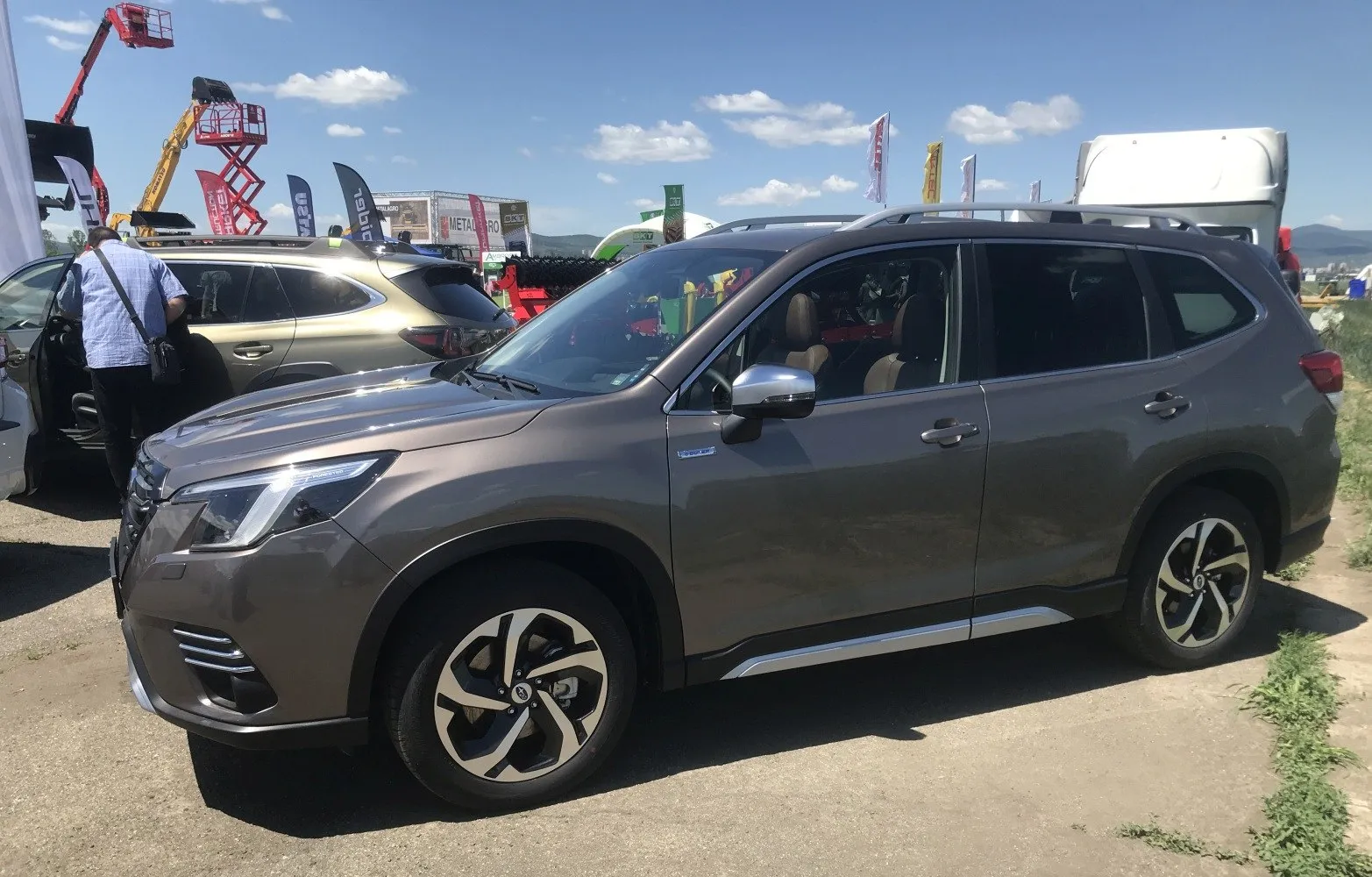
Subaru Forester VI 2.5 (194 Hp) Hybrid AWD Lineartronic
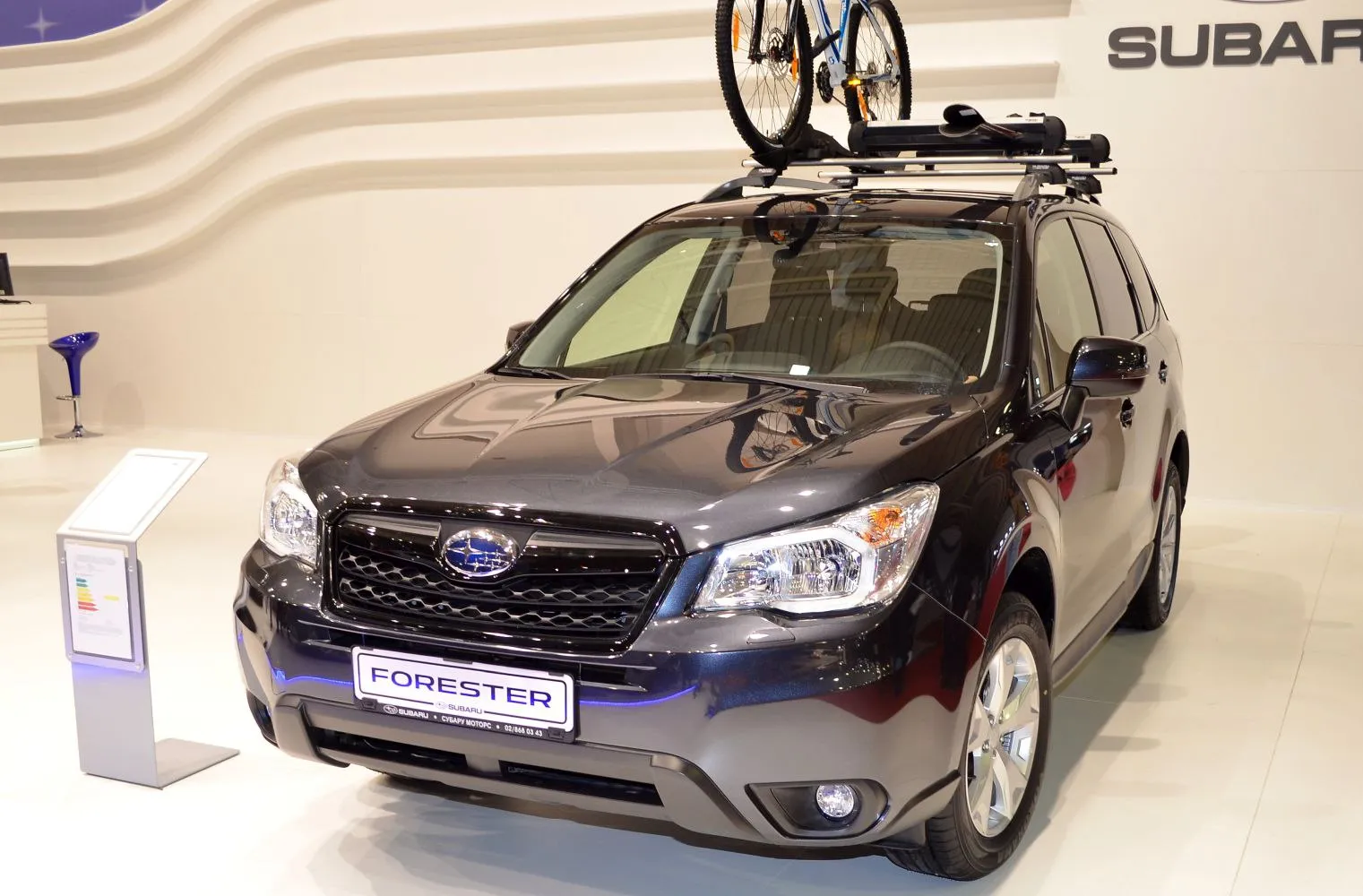
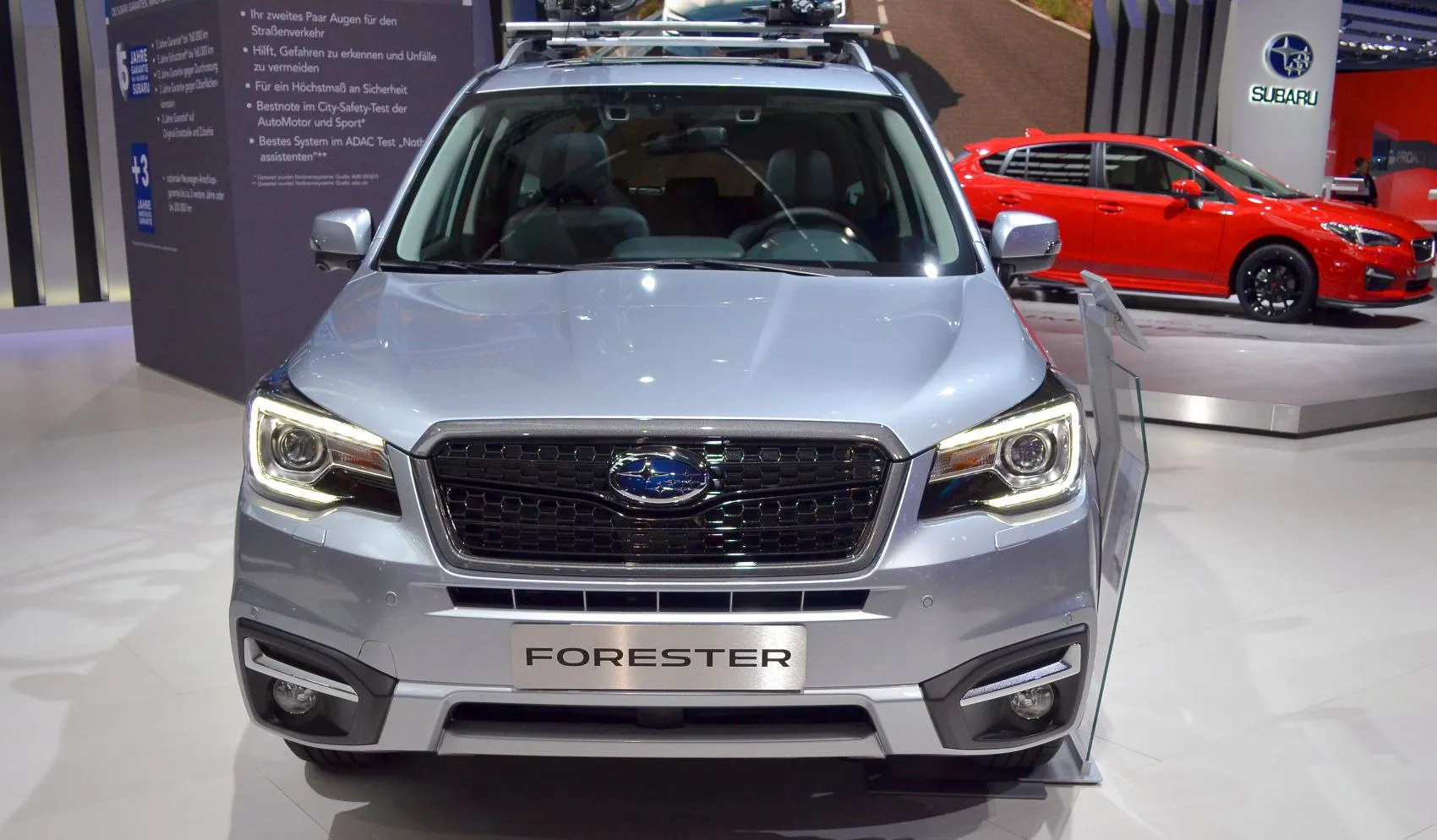
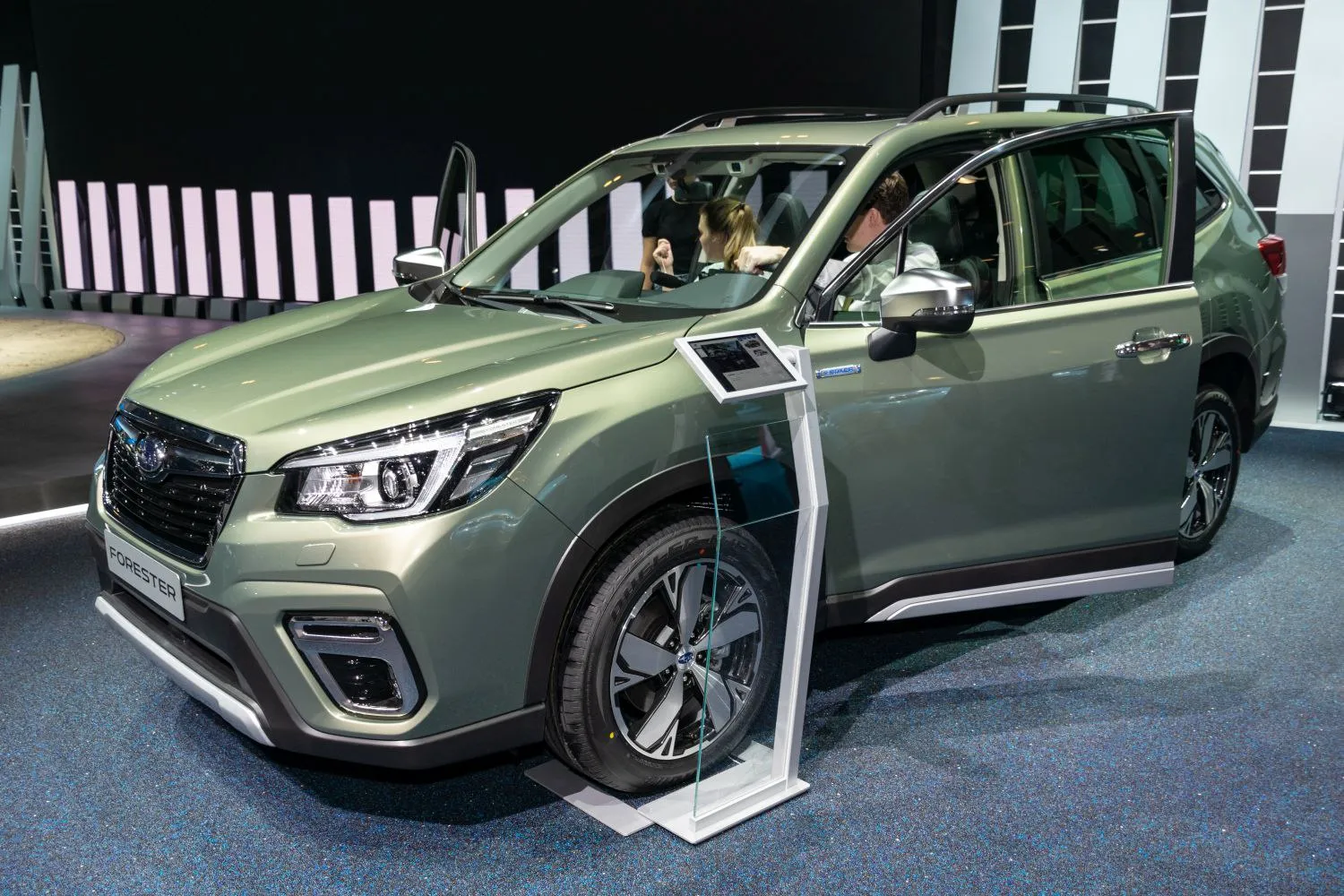
Subaru Forester:
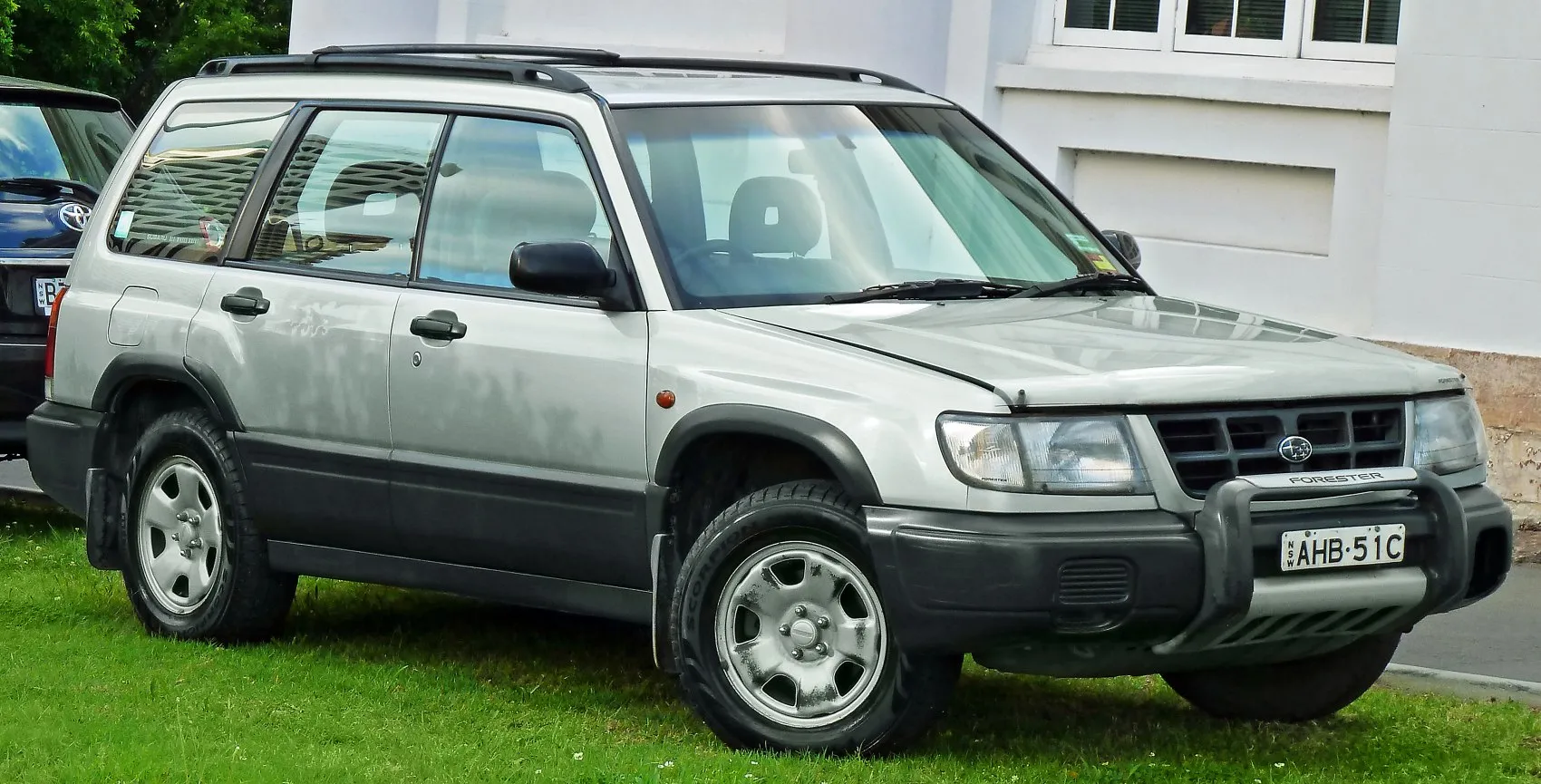
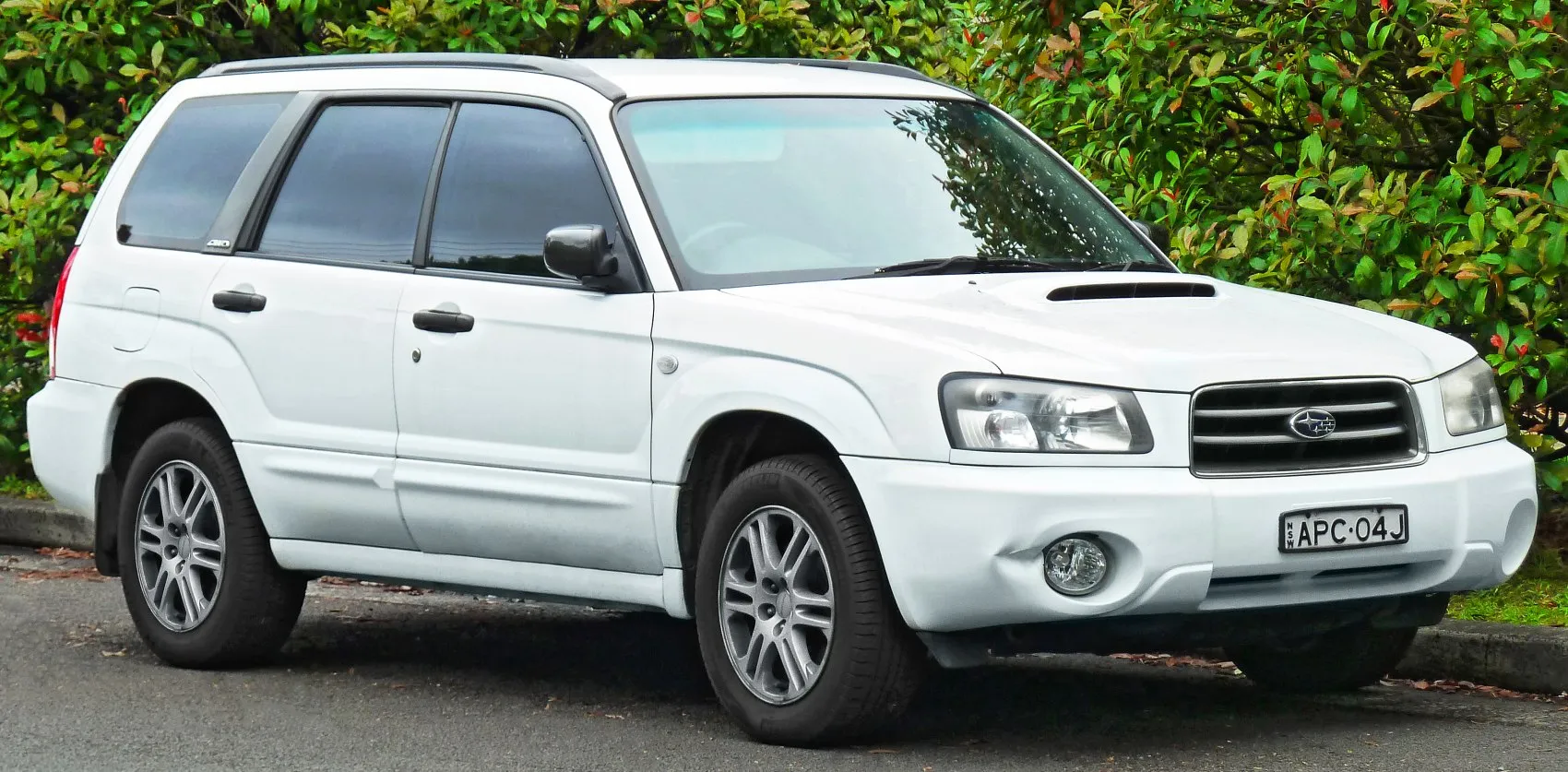
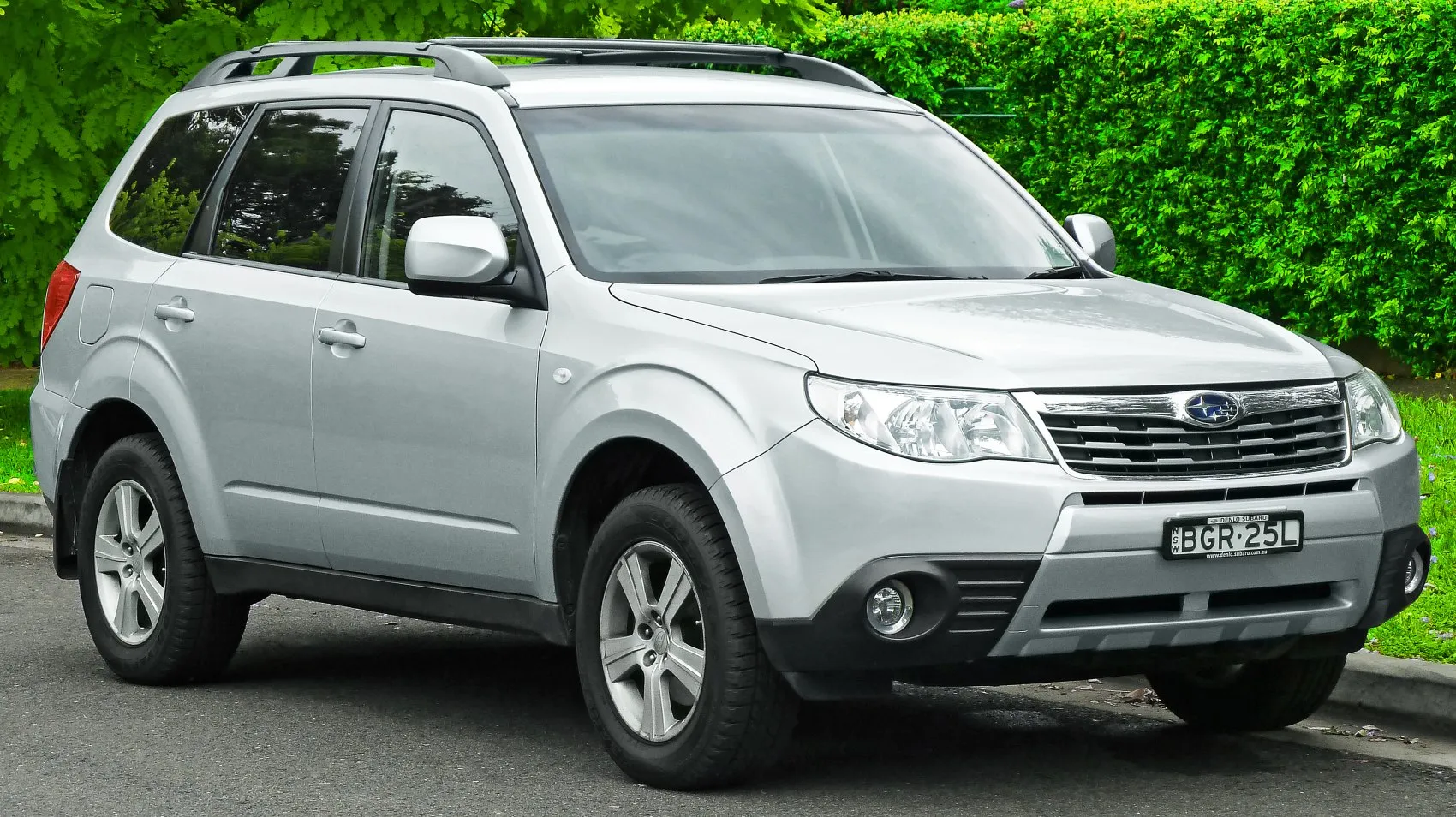
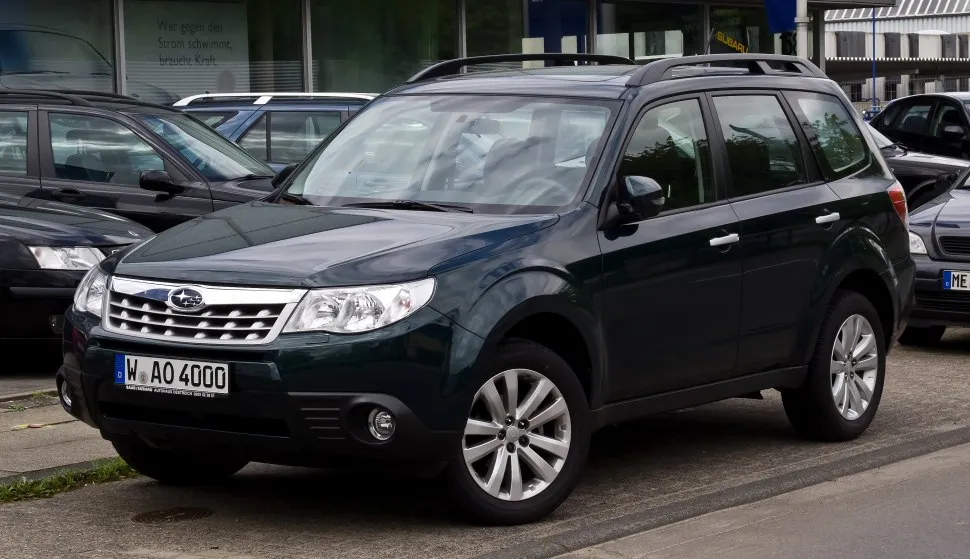
The Subaru Forester is a compact crossover SUV that has been manufactured by Subaru since 1997. The first generation was built on the platform of the Impreza in the style of a taller station wagon, a style that continued to the second generation, while the third-generation model onwards moved towards a crossover SUV design. A performance model was available for the second-generation Forester in Japan as the Forester STi.
The Forester was first introduced as the Streega concept at the 1995 Tokyo Motor Show and became available for sale in Japan in February 1997, reaching the U. S. market later that year for the 1998 model year. As one of the first crossover SUVs, it was reportedly inspired by Volkswagen. Built in the style of a station wagon, the Forester featured a taller stance, higher H-point seating, and a standard all-wheel drive drivetrain. Subaru marketed it with the slogan "SUV tough, Car Easy". It utilized the Impreza platform but was powered by the larger 2. 5-liter DOHC EJ25D engine from the Subaru Outback, producing 123 kW at 5,600 rpm and 220 Nm of torque at 4,000 rpm....(Read more on Wikipedia)
VI Overview:
Subaru Forester (VI). With 209 Nm of torque, it offers ample pulling power. It has moderate fuel consumption (~6.7 l/100km). With a weight of 1773 kg, it falls in the mid‑range. All‑wheel drive provides excellent grip, ideal for off‑road use. A sport utility vehicle offering higher ground clearance and versatile cargo space. A vehicle that combines characteristics of SUVs and hatchbacks for versatility. Seating for 5 makes it ideal for daily use.
Pros and Cons:
Pros:
- • Adequate and balanced power output (162 hp) for versatile driving.
- • Balanced fuel consumption of 6.7 L/100 km for its class.
- • All-wheel drive for superior traction in all conditions.
- • Ventilated disc brakes for reliable cooling and stopping power.
- • Generous trunk capacity of 779 Liters.
- • Direct fuel injection technology for optimized combustion.
Specifications:
Specifications are compared to those of the previous generation(V (facelift 2021): August, 2021 - 2024).
| General: |
| Brand: | Subaru |
|---|
| Model: | Forester |
|---|
| Generation: | VI |
|---|
| Modification (Engine): | 2.5 (194 Hp) Hybrid AWD Lineartronic |
|---|
| Start of production: | February, 2025 |
|---|
| Powertrain Architecture: | FHEV (Full Hybrid Electric Vehicle) |
|---|
| Body type: | SUV, Crossover |
|---|
| Seats: | 5 |
|---|
| Doors: | 5 |
|---|
| Engine: |
| Engine systems: | Start & Stop System |
|---|
| Power: | 162 Hp Same horsepower |
|---|
| Power per litre: | 64.9 Hp/l [15mm more] |
|---|
| Torque: | 209 Nm |
|---|
| Engine displacement: | 2498 |
|---|
| Number of cylinders: | 4 |
|---|
| Engine configuration: | Boxer |
|---|
| Number of valves per cylinder: | 4 |
|---|
| Fuel injection system: | Direct injection |
|---|
| Engine aspiration: | Naturally aspirated engine |
|---|
| Valvetrain: | DOHC |
|---|
| Engine layout: | Front, Longitudinal |
|---|
| Cylinder Bore: | 94 mm mm |
|---|
| Piston Stroke: | 90 mm mm |
|---|
| Compression ratio: | 12:1 |
|---|
| Performance: |
| Fuel Type: | Petrol (Gasoline) |
|---|
| Fuel consumption (economy) - urban: | 6.7 l/100 km |
|---|
| Fuel consumption (economy) - extra urban: | 6.9 l/100 km |
|---|
| Fuel consumption (economy) - urban (EPA): | 6.7 l/100 km |
|---|
| Fuel consumption (economy) - extra urban (EPA): | 6.9 l/100 km |
|---|
| Fuel consumption (economy) - combined (EPA): | 6.7 l/100 km |
|---|
| Fuel consumption (economy) - combined: | 6.7 l/100 km |
|---|
| Weight-to-power ratio: | 9.1 kg/Hp, 110.4 Hp/tonne |
|---|
| Weight-to-torque ratio: | 8.4 kg/Nm, 119 Nm/tonne |
|---|
| Space: |
| Kerb Weight: | 1757-1790 |
|---|
| Trunk (boot) space - maximum: | 1957 l |
|---|
| Trunk (boot) space - minimum: | 779 l |
|---|
| Permitted trailer load with brakes (12%): | 680 kg |
|---|
| Fuel tank capacity: | 63 l |
|---|
| Permitted towbar download: | 68 kg |
|---|
| Size: |
| Ramp-over (brakeover) angle: | 19.3° |
|---|
| Length: | 4655 mm mm [15mm more] |
|---|
| Width: | 1830 mm mm [15mm more] |
|---|
| Height: | 1730 mm mm [15mm more] |
|---|
| Wheelbase: | 2670 mm mm [Same wheelbase.] |
|---|
| Width including mirrors: | 2062 mm |
|---|
| Front track: | 1565-1570 mm |
|---|
| Rear (Back) track: | 1570-1575 mm |
|---|
| Ride height (ground clearance): | 220 mm |
|---|
| Minimum turning circle (turning diameter): | 10.7-10.8 m [above average] |
|---|
| Approach angle: | 19° |
|---|
| Departure angle: | 24.6-24.7° |
|---|
| Powertrain: |
| Drivetrain Architecture | The Internal combustion engine (ICE) and the electric motor permanently drive the four wheels of the car with the ability to work in full electric or mixed mode. |
|---|
| Drive wheel | All wheel drive (4x4) |
|---|
| Transmission type | Automatic |
|---|
| Gearbox type | Lineartronic |
|---|
| Front brakes | Ventilated discs, 320 mm [Best for performance and cooling.] |
|---|
| Rear brakes | Ventilated discs, 300 mm [Best for performance and cooling.] |
|---|
| Assisting systems | ABS (Anti-lock braking system) |
|---|
| Steering type | Steering rack and pinion |
|---|
| Power steering | Electric Steering |
|---|
| Tires size | 225/55 R18; 235/50 R19 |
|---|
| Wheel rims size | 7J x 18; 7.5J x 19 |
|---|
| Front suspension | Independent, type McPherson with coil spring and anti-roll bar |
|---|
| Rear suspension | Double wishbone, Transverse stabilizer, Coil spring |
|---|
| Electric: |
| Gross battery capacity: | 1.1 kWh |
|---|
| Battery technology: | Lithium-ion (Li-Ion) |
|---|
| System power: | 194 Hp |
|---|
| Electric motor power: | 118 Hp |
|---|
| Electric motor Torque: | 270 Nm |
|---|
| Electric motor location: | Integrated into the transmission |
|---|
| Electric motor type: | Synchronous |
|---|





Help others decide – share your experience!