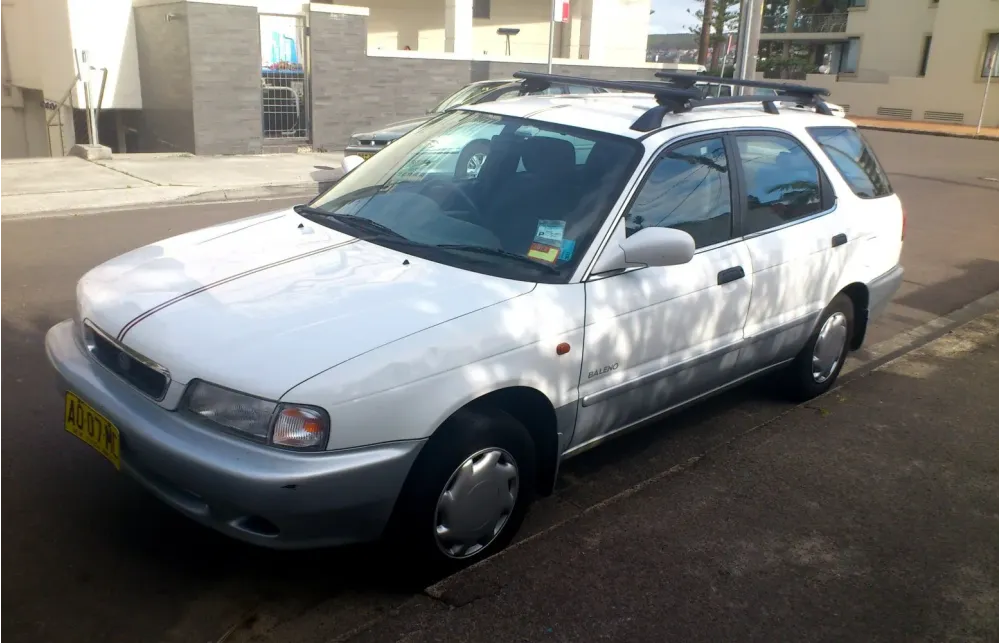
Click on image to view the full photo gallery
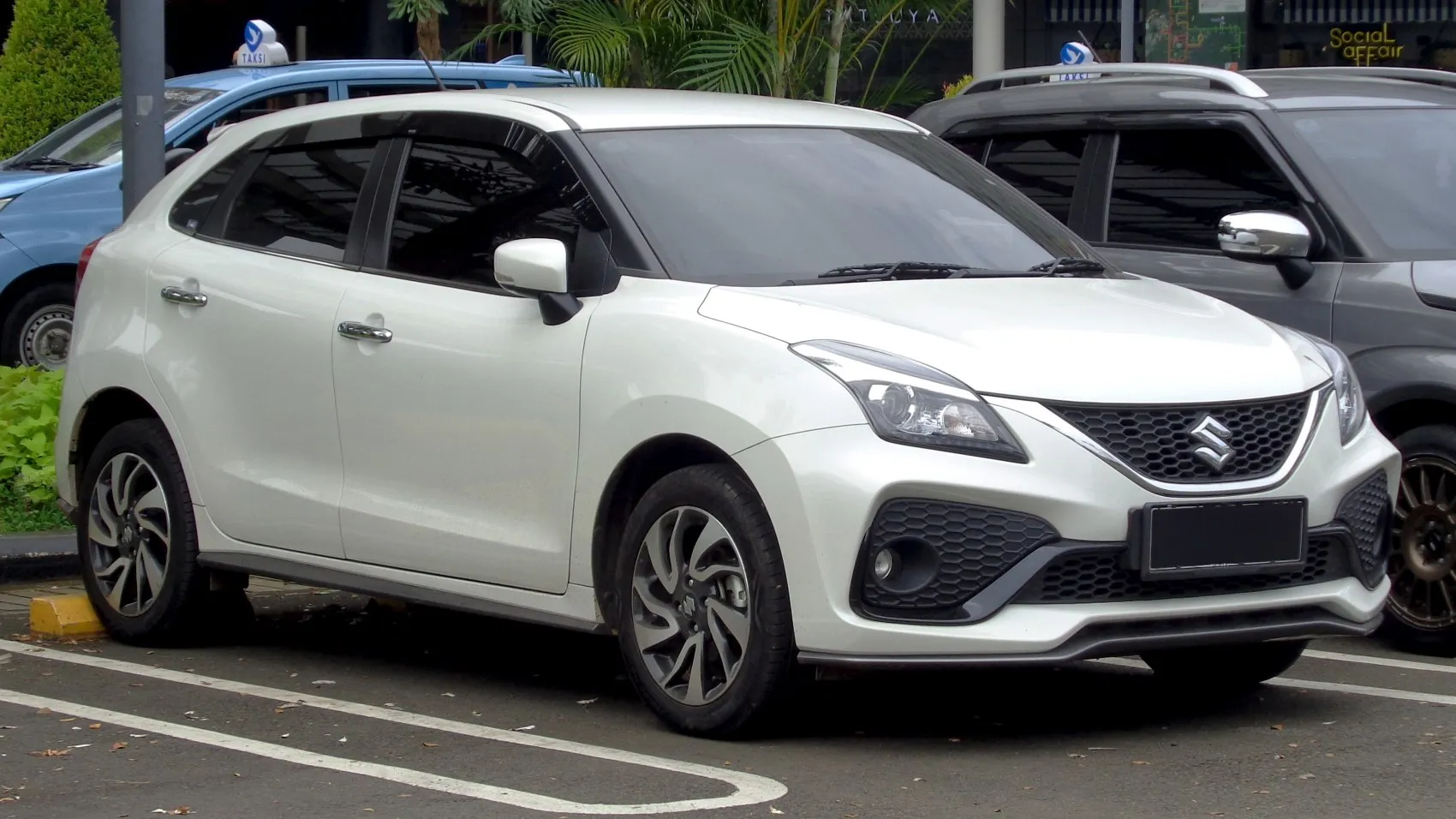
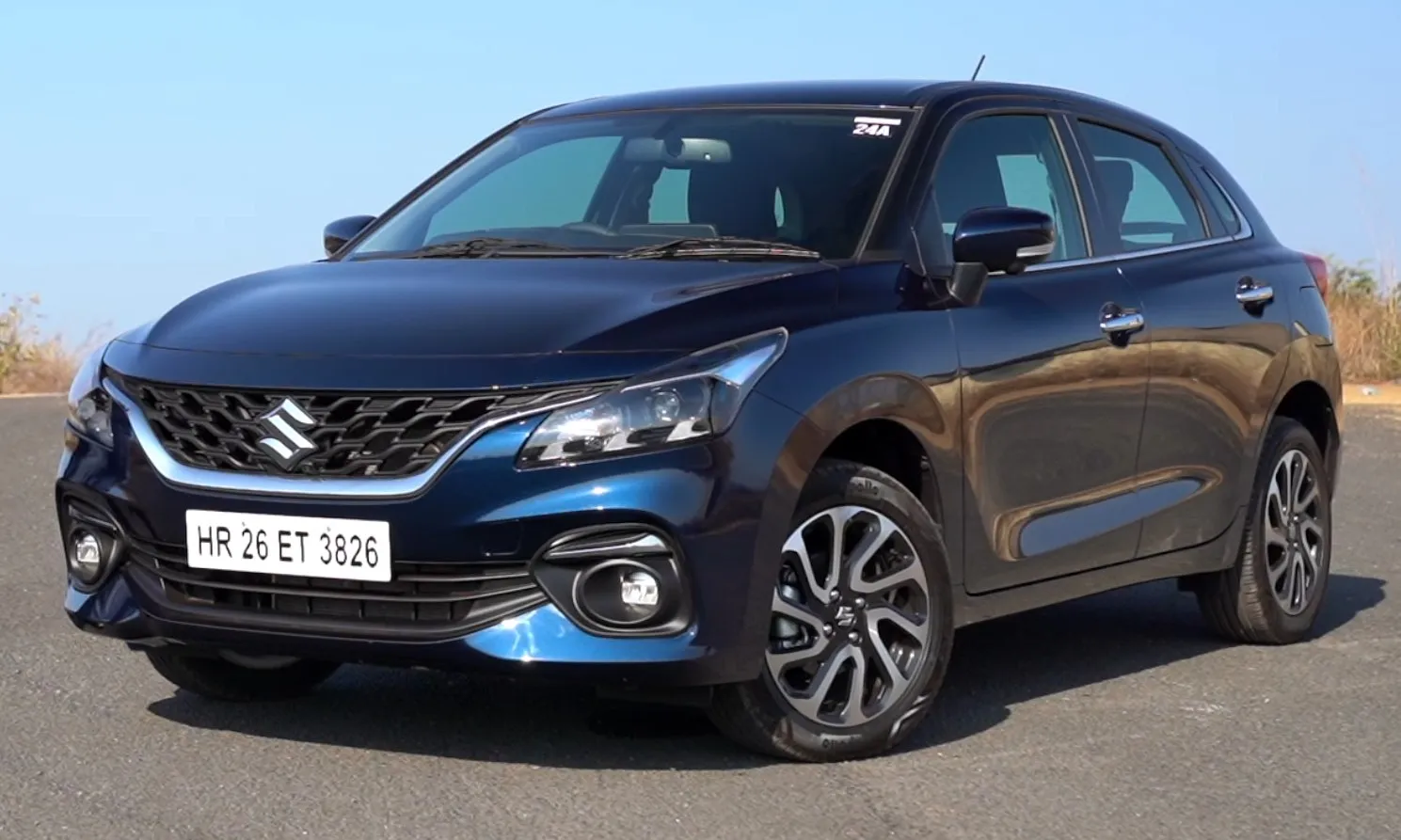
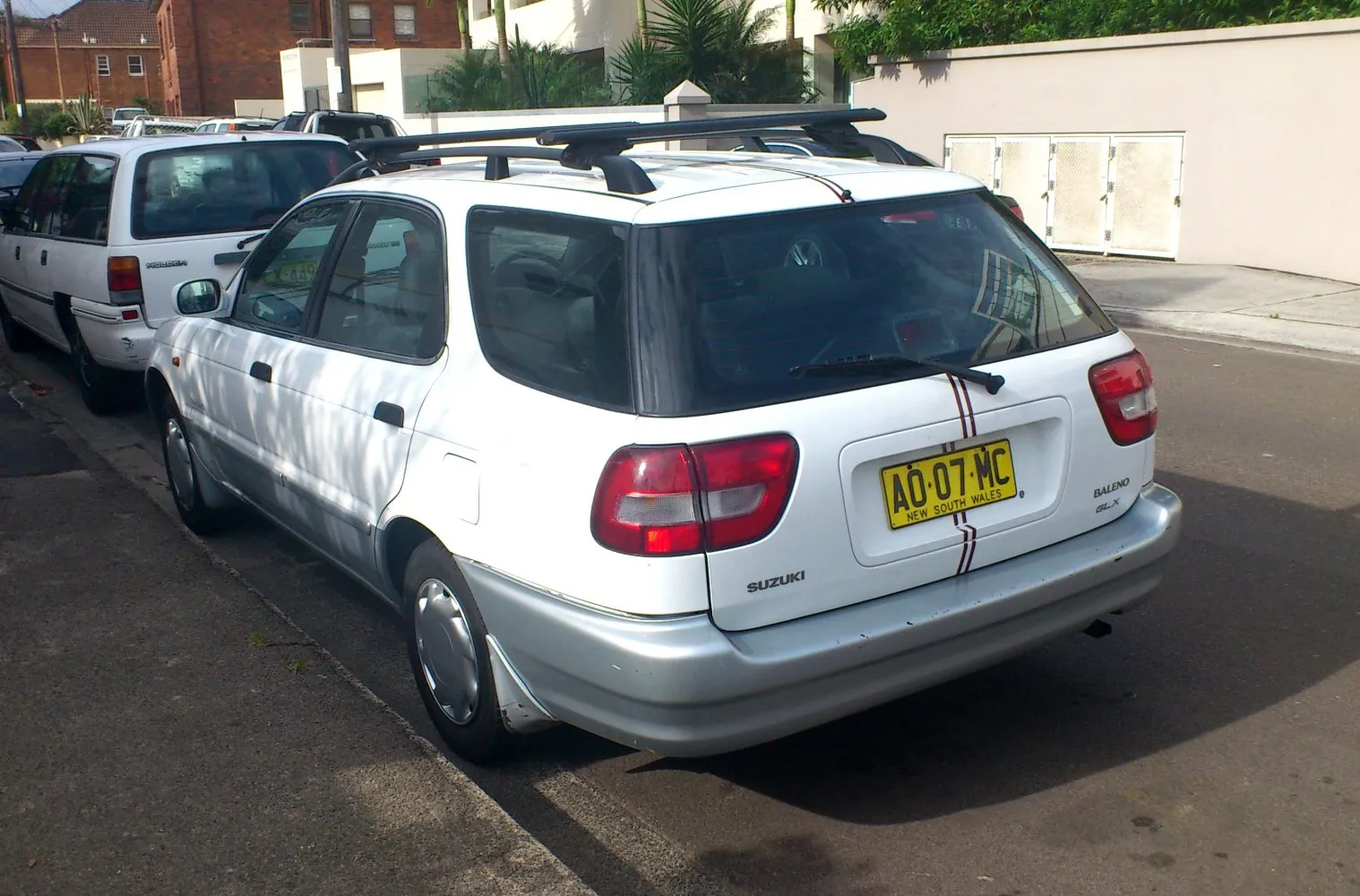
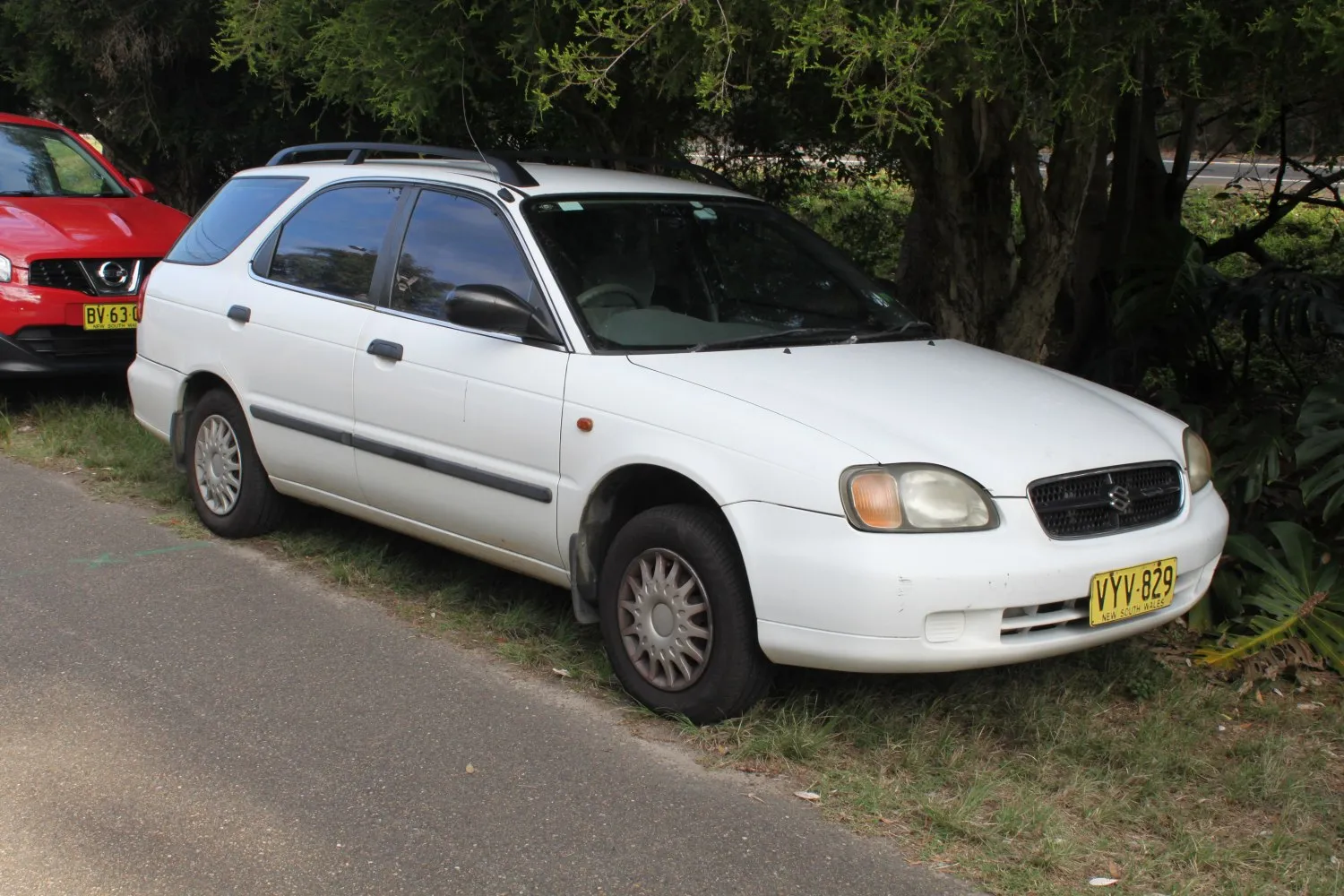
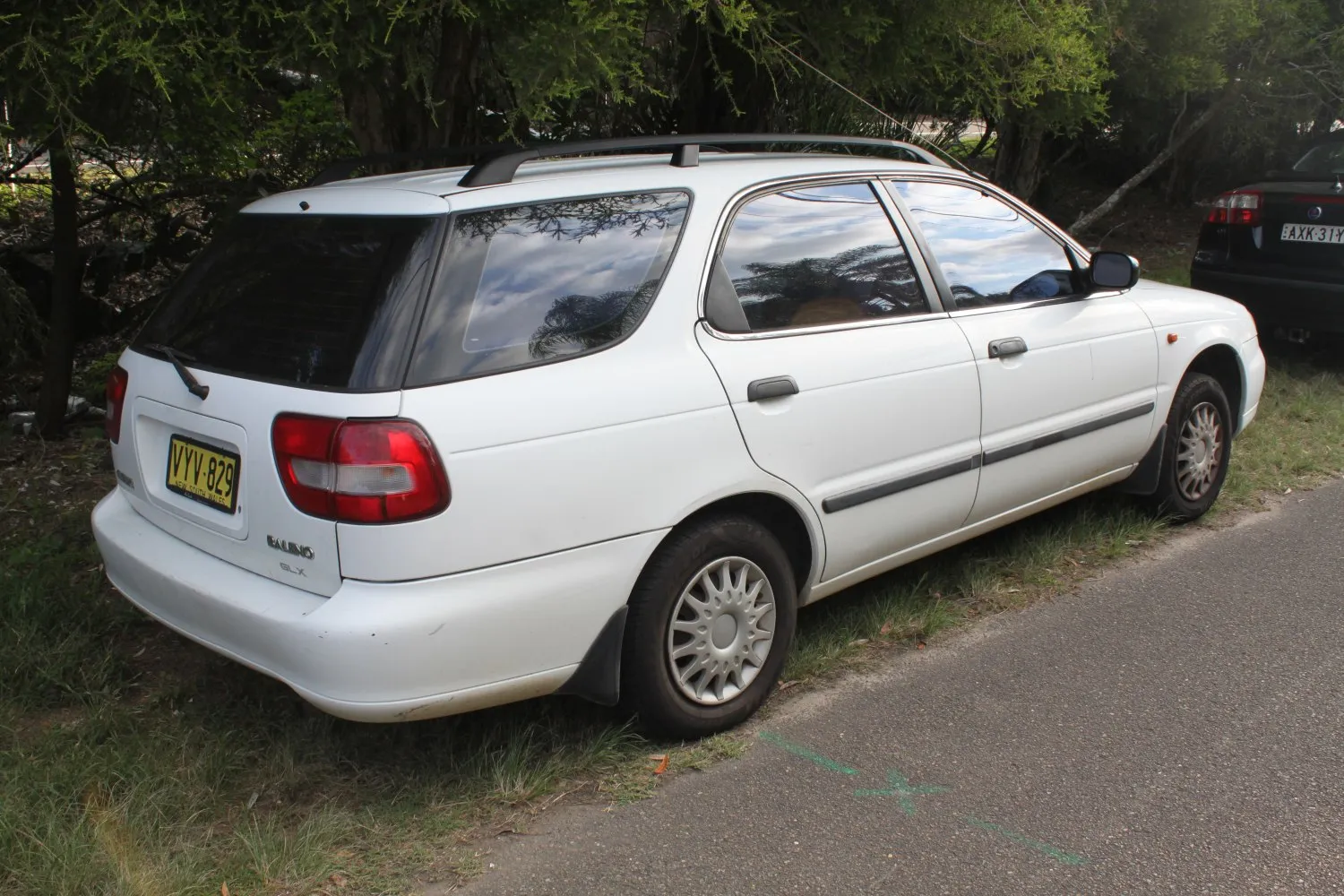
Suzuki Baleno Combi (EG, 1995) 1.3 i 16V (85 Hp)
Overall Rating
Suzuki Baleno:
The Suzuki Baleno nameplate has been used by the Japanese manufacturer Suzuki to denote several different subcompact cars since 1996....(Read more on Wikipedia)
Combi (EG, 1995) Overview:
Suzuki Baleno (Combi (EG, 1995)). With 103 Nm of torque, it offers ample pulling power. It has moderate fuel consumption (~8.3 l/100km). Weighing only 995 kg, it’s quite light. Front‑wheel drive delivers efficiency and easy handling. The top speed reaches 160 km/h. A car with an extended rear cargo area, combining passenger comfort with increased storage. Seating for 5 makes it ideal for daily use.
1.3 i 16V (85 Hp) Verdict:

Performance Verdict
The entry-level petrol engine, best suited for urban environments and light loads; it can feel strained on highways.
Fuel Economy
Likely the most fuel-efficient petrol option, particularly in city driving conditions.
Pros and Cons:
Pros:
- • Excellent reliability and durability for its class
- • Practical and spacious interior with good cargo capacity
- • Affordable to buy and maintain
- • Good fuel economy, especially with the diesel and smaller petrol engines
- • Available 4WD option for enhanced traction
Cons:
- • Uninspired interior design and materials
- • Modest performance from most engines (except 1.8L)
- • Basic safety features compared to newer vehicles
- • Ride comfort can be firm on rougher roads
- • Limited availability of advanced features
Specifications:
Specifications are compared to those of the previous generation(Combi (EG, 1995): 1996 - 2000).
| General: | |
|---|---|
| Brand: | Suzuki |
| Model: | Baleno |
| Generation: | Combi (EG, 1995) |
| Modification (Engine): | 1.3 i 16V (85 Hp) |
| Start of production: | 1998 |
| End of production: | 2002 |
| Powertrain Architecture: | Internal Combustion engine |
| Body type: | Station wagon (estate) |
| Seats: | 5 |
| Doors: | 5 |
| Engine: | |
|---|---|
| Power: | 85 Hp @ 6000 rpm. Same horsepower |
| Power per litre: | 65.5 Hp/l [30mm more] |
| Torque: | 103 Nm @ 3000 rpm. |
| Engine Model/Code: | G13BB More details about the engine G13BB |
| Engine displacement: | 1298 |
| Number of cylinders: | 4 |
| Engine configuration: | Inline |
| Number of valves per cylinder: | 4 |
| Fuel injection system: | Multi-port manifold injection |
| Engine aspiration: | Naturally aspirated engine |
| Valvetrain: | SOHC |
| Engine oil capacity: | 3.3 l |
| Coolant: | 3.6 l |
| Engine layout: | Front, Transverse |
| Cylinder Bore: | 74 mm mm |
| Piston Stroke: | 75.5 mm mm |
| Compression ratio: | 9.5:1 |
| Performance: | |
|---|---|
| Fuel Type: | Petrol (Gasoline) |
| Fuel consumption (economy) - urban: | 8.3 l/100 km |
| Fuel consumption (economy) - extra urban: | 5.6 l/100 km |
| Maximum speed: | 160 km/h |
| Weight-to-power ratio: | 11.7 kg/Hp, 85.4 Hp/tonne |
| Weight-to-torque ratio: | 9.7 kg/Nm, 103.5 Nm/tonne |
| Space: | |
|---|---|
| Kerb Weight: | 995 |
| Max. weight: | 1520 |
| Max load: | 525 |
| Trunk (boot) space - maximum: | 1377 l |
| Trunk (boot) space - minimum: | 375 l |
| Fuel tank capacity: | 51 l |
| Size: | |
|---|---|
| Length: | 4375 mm mm [30mm more] |
| Width: | 1690 mm mm [Same width.] |
| Height: | 1460 mm mm [Same height.] |
| Wheelbase: | 2480 mm mm [Same wheelbase.] |
| Front track: | 1440 mm |
| Rear (Back) track: | 1435 mm |
| Powertrain: | |
|---|---|
| Drivetrain Architecture | The Internal combustion engine (ICE) drives the front wheels of the vehicle. |
| Drive wheel | Front wheel drive |
| Number of gears | 5 |
| Transmission type | Manual |
| Front brakes | Disc [bad for performance and cooling.] |
| Rear brakes | Drum [bad for performance and cooling.] |
| Assisting systems | ABS (Anti-lock braking system) |
| Steering type | Steering rack and pinion |
| Power steering | Hydraulic Steering |
| Tires size | 175/70 R13 |
| Wheel rims size | 13 |
| Front suspension | Independent, type McPherson with coil spring and anti-roll bar |
| Rear suspension | Independent multi-link spring suspension with stabilizer |







Better than its competitors? Tell us why the Suzuki Baleno stands out.