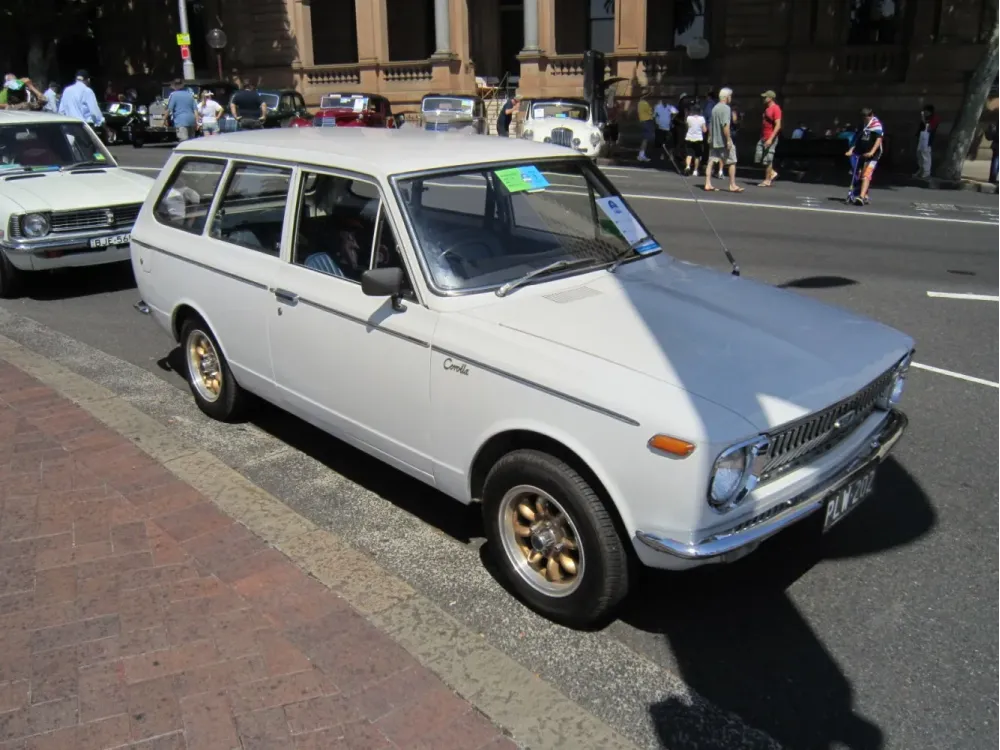
Click on image to view the full photo gallery
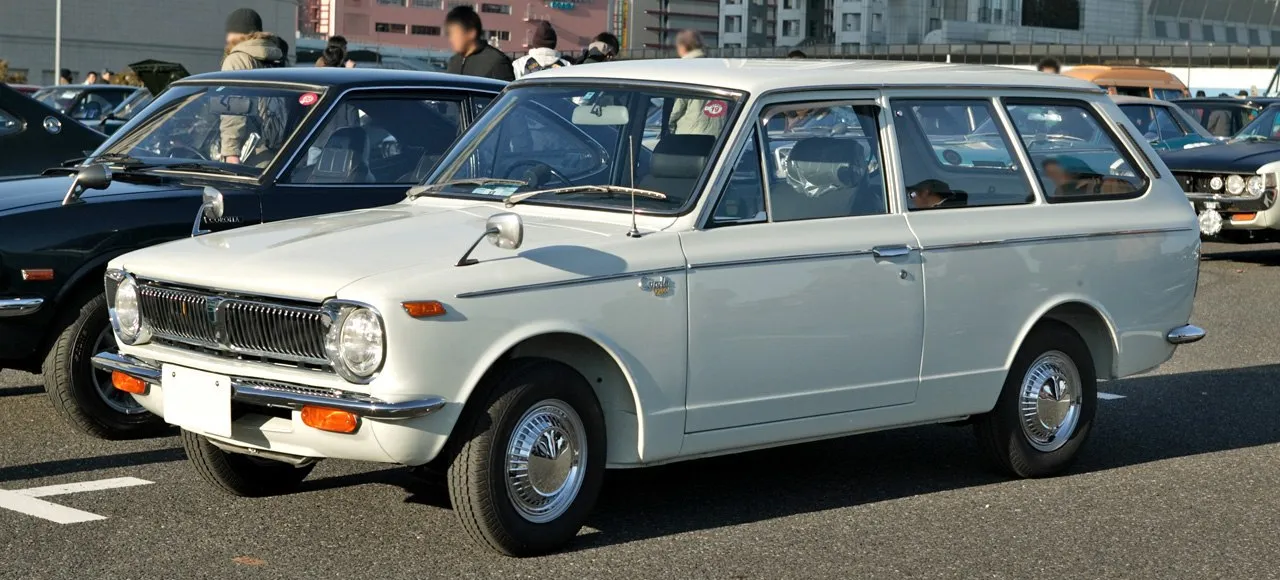
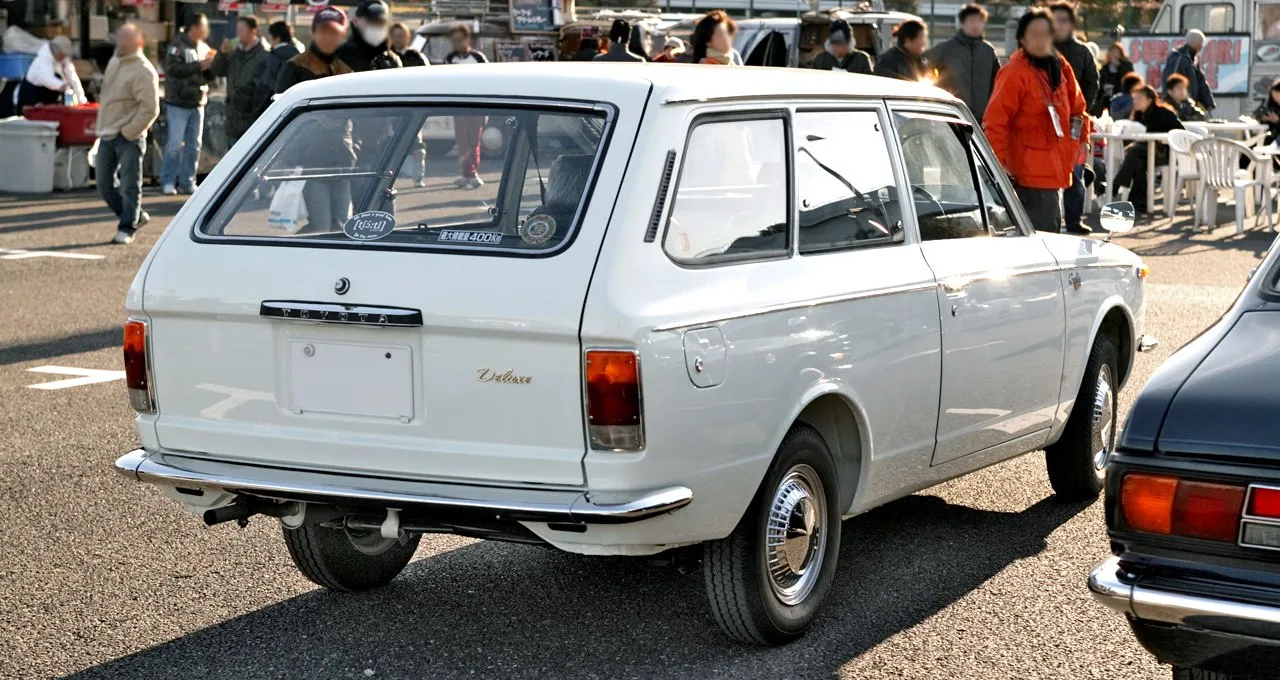
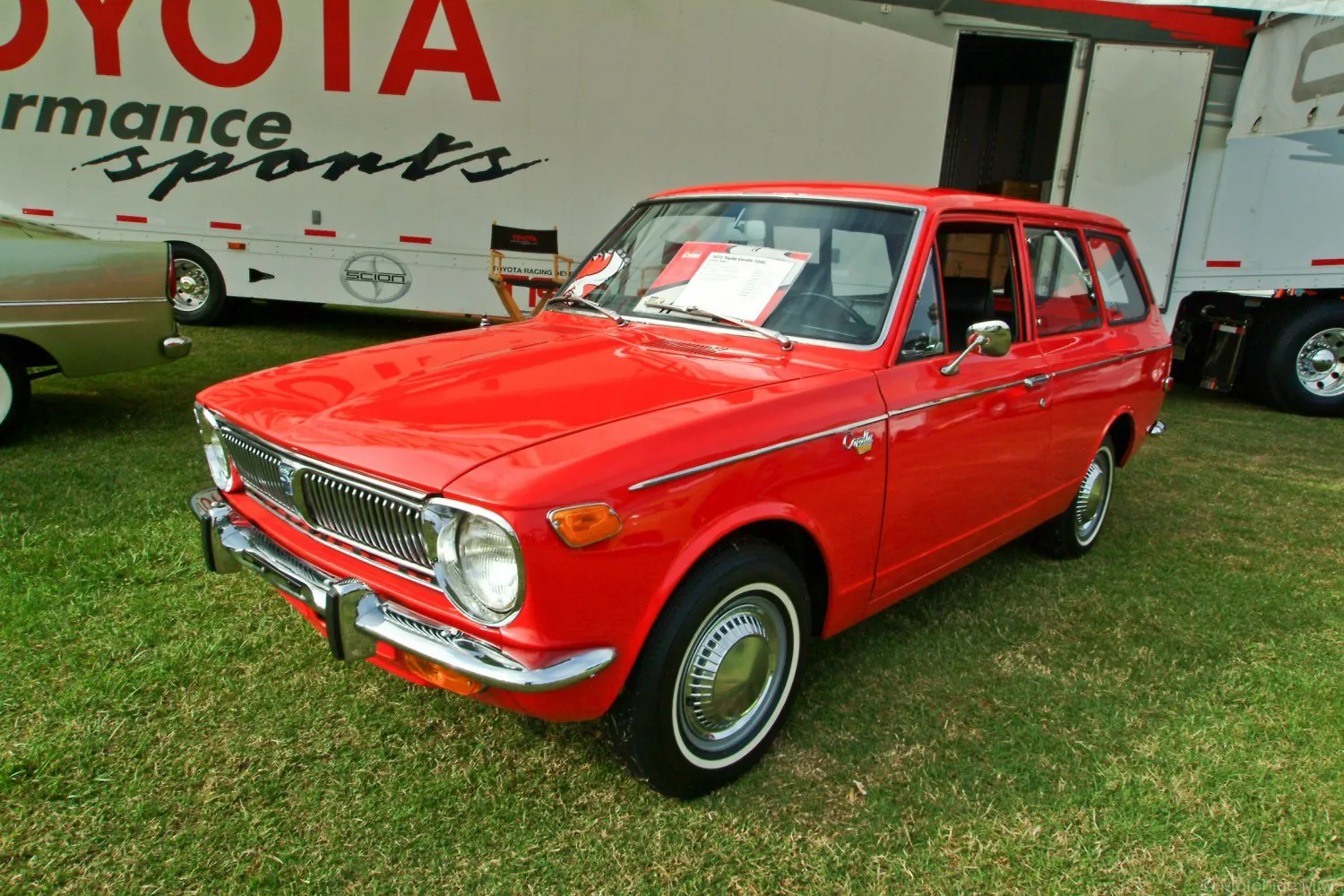
Toyota Corolla I Station Wagon (E10) 1200 (68 Hp)
Overall Rating
Toyota Corolla:
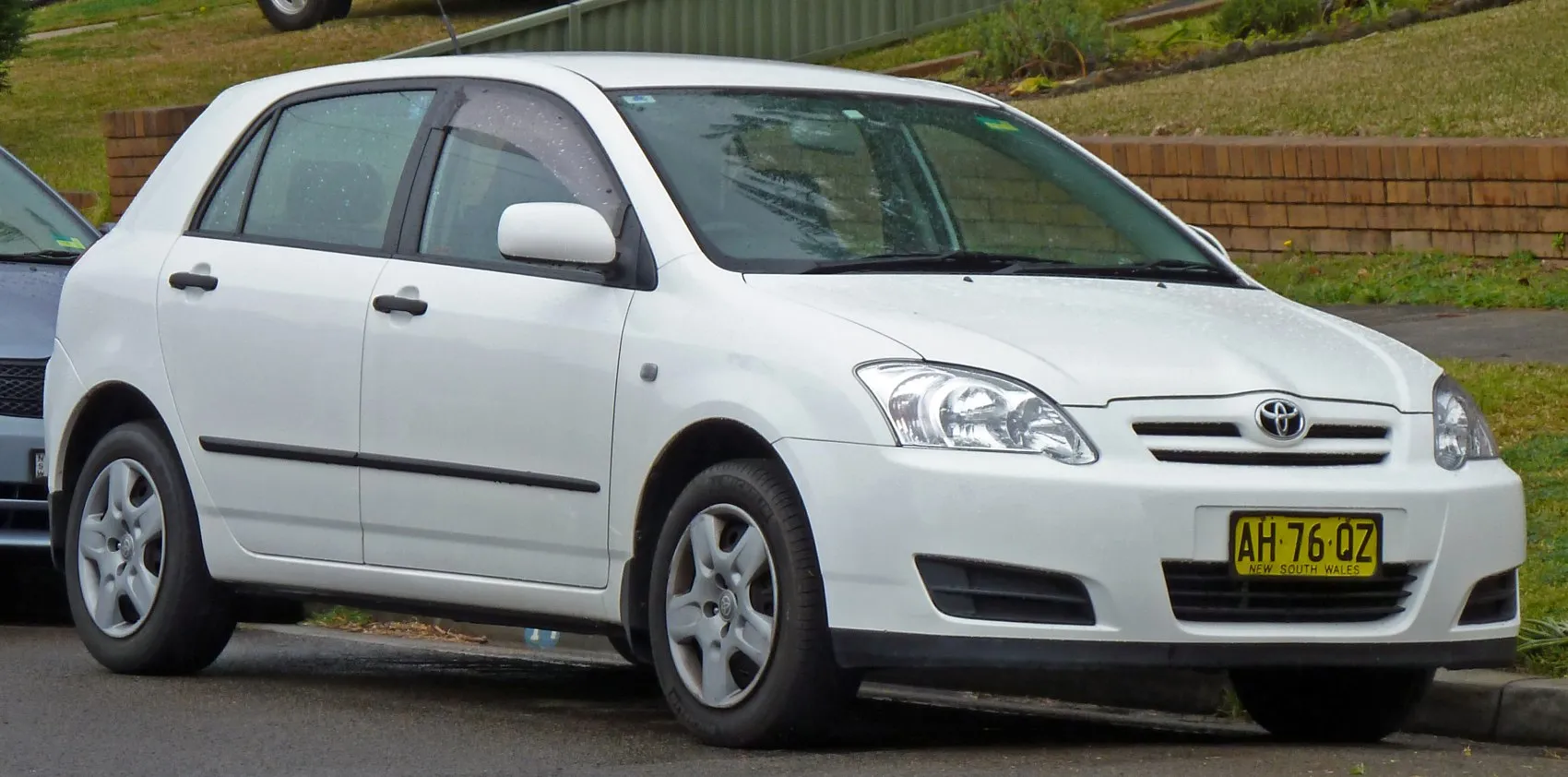
The Toyota Corolla is a series of compact cars manufactured and marketed globally by the Japanese automaker Toyota Motor Corporation. Introduced in 1966, the Corolla has been the world's best-selling automobile nameplate of all time since 1997, when it surpassed the Volkswagen Beetle. Toyota reached the milestone of 50 million Corollas sold over twelve generations in 2021.
The name Corolla is part of Toyota's naming tradition of using names derived from the Toyota Crown for sedans, with "corolla" Latin for "small crown". The Corolla has always been exclusive in Japan to Toyota Corolla Store locations, and manufactured in Japan with a twin, called the Toyota Sprinter until 2000. From 2006 to 2018 in Japan and much of the world, and from 2018 to 2020 in Taiwan, the hatchback companion had been called the Toyota Auris....(Read more on Wikipedia)
I Station Wagon (E10) Overview:
Toyota Corolla (I Station Wagon (E10)). With 93 Nm of torque, it offers ample pulling power. Weighing only 780 kg, it’s quite light. Rear‑wheel drive offers dynamic handling and sporty feedback. The top speed reaches 135 km/h. A car with an extended rear cargo area, combining passenger comfort with increased storage. Seating for 5 makes it ideal for daily use.
1200 (68 Hp) Verdict:

Performance Verdict
The 1.2L (3K) engine offered adequate, if not exhilarating, performance for its time. With 68 Hp, it was sufficient for daily commuting and light loads, providing reliable propulsion for the compact wagon.
Fuel Economy
Equipped with a carburettor, the 3K engine delivered reasonable fuel economy for a 1960s vehicle, especially when driven conservatively. It was designed for efficiency and low running costs rather than high performance.
Pros and Cons:
Pros:
- • Exceptional reliability for its era
- • Practical and spacious for a compact wagon
- • Economical to run and maintain
- • Simple, robust mechanicals
- • Good value proposition
Cons:
- • Very basic safety features by modern standards
- • Modest performance, not suited for spirited driving
- • Dated interior and comfort features
- • Leaf spring rear suspension limits ride comfort
- • Lacks modern amenities and technology
Specifications:
Specifications are compared to those of the previous generation(I Sprinter (E10): 1968 - 1970).
| General: | |
|---|---|
| Brand: | Toyota |
| Model: | Corolla |
| Generation: | I Station Wagon (E10) |
| Modification (Engine): | 1200 (68 Hp) |
| Start of production: | 1969 |
| End of production: | 1970 |
| Powertrain Architecture: | Internal Combustion engine |
| Body type: | Station wagon (estate) |
| Seats: | 5 |
| Doors: | 3 |
| Engine: | |
|---|---|
| Power: | 68 Hp @ 6000 rpm. Same horsepower |
| Power per litre: | 58.3 Hp/l [50mm more] |
| Torque: | 93 Nm @ 3800 rpm. |
| Engine Model/Code: | 3K More details about the engine 3K |
| Engine displacement: | 1166 |
| Number of cylinders: | 4 |
| Engine configuration: | Inline |
| Number of valves per cylinder: | 2 |
| Fuel injection system: | Carburettor |
| Engine aspiration: | Naturally aspirated engine |
| Valvetrain: | OHV |
| Engine layout: | Front, Longitudinal |
| Cylinder Bore: | 75 mm mm |
| Piston Stroke: | 66 mm mm |
| Compression ratio: | 9:1 |
| Performance: | |
|---|---|
| Fuel Type: | Petrol (Gasoline) |
| Maximum speed: | 135 km/h |
| Weight-to-power ratio: | 11.5 kg/Hp, 87.2 Hp/tonne |
| Weight-to-torque ratio: | 8.4 kg/Nm, 119.2 Nm/tonne |
| Space: | |
|---|---|
| Kerb Weight: | 780 |
| Max. weight: | 1200 |
| Max load: | 420 |
| Fuel tank capacity: | 36 l |
| Size: | |
|---|---|
| Length: | 3895 mm mm [50mm more] |
| Width: | 1490 mm mm [5mm more] |
| Height: | 1400 mm mm [55mm more] |
| Wheelbase: | 2285 mm mm [Same wheelbase.] |
| Front track: | 1230 mm |
| Rear (Back) track: | 1220 mm |
| Front overhang: | 640 mm |
| Rear overhang: | 970 mm |
| Minimum turning circle (turning diameter): | 9.1 m [above average] |
| Powertrain: | |
|---|---|
| Drivetrain Architecture | The Internal combustion engine (ICE) drives the rear wheels of the vehicle. |
| Drive wheel | Rear wheel drive |
| Number of gears | 4 |
| Transmission type | Manual |
| Front brakes | Disc [bad for performance and cooling.] |
| Rear brakes | Drum [bad for performance and cooling.] |
| Steering type | Cone worm with recirculation balls |
| Front suspension | Independent coil spring, Transverse stabilizer |
| Rear suspension | Rigid axle suspension, Leaf spring |









Is the Toyota Corolla the king of its class? Share your thoughts.