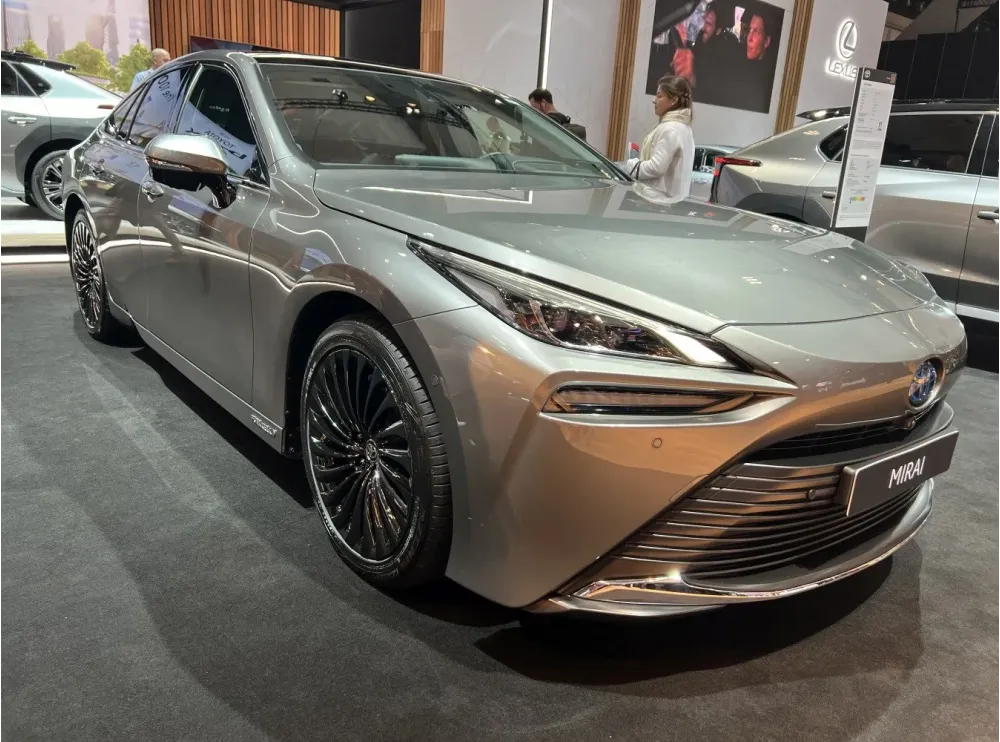
Click on image to view the full photo gallery
Toyota Mirai II 1.2 kWh (182 Hp) FCEV
Overall Rating
Toyota Mirai:
The Toyota Mirai , Japanese for 'future') is a mid-size hydrogen fuel cell vehicle manufactured by Toyota, and is the first FCV to be mass-produced and sold commercially. The Mirai was unveiled at the November 2014 Los Angeles Auto Show. As of November 2022, global sales totaled 21,475 units; the top-selling markets were the U. S. with 11,368 units, Japan with 7,435 and the rest of the world with 2,622....(Read more on Wikipedia)
II Overview:
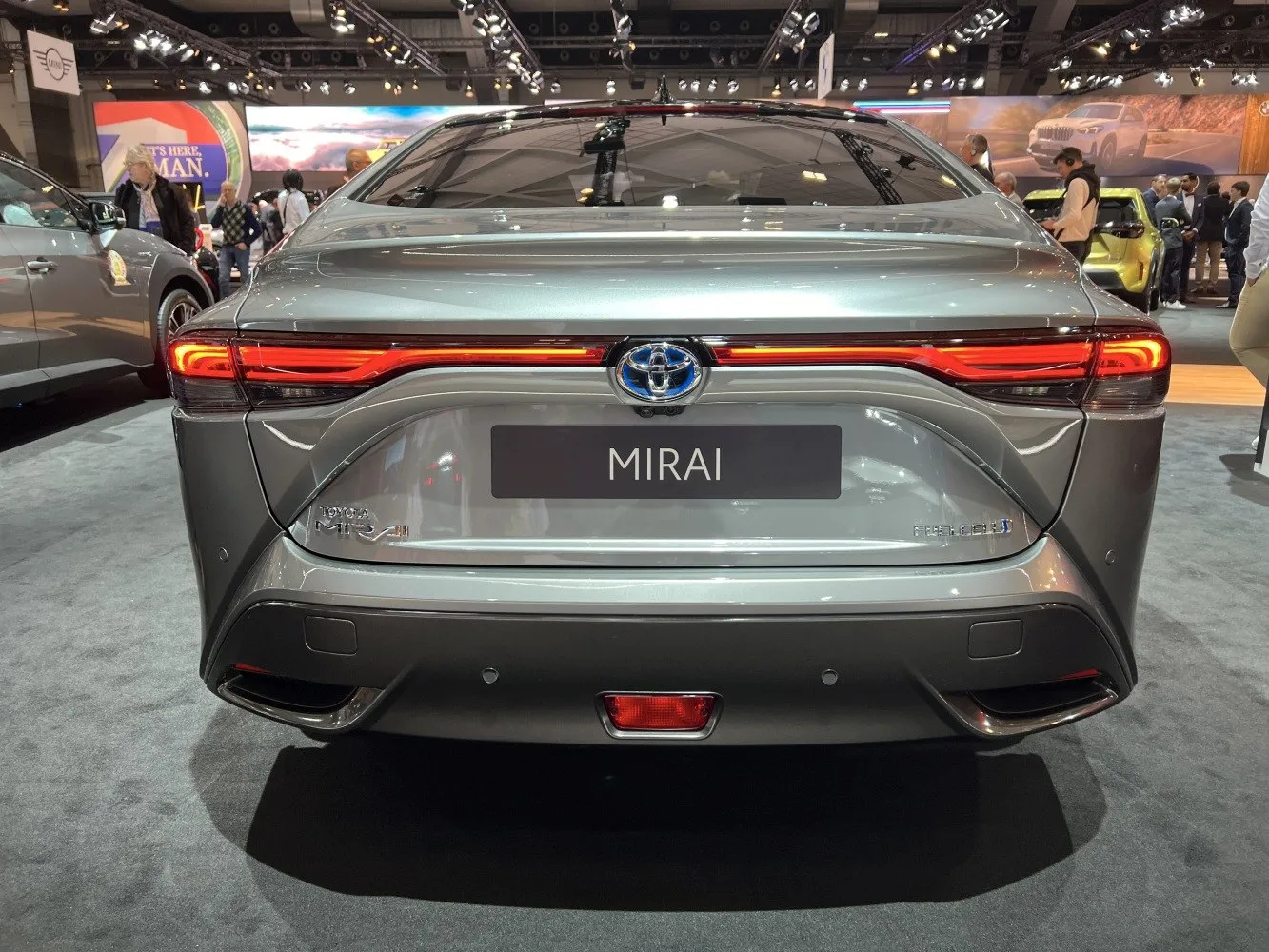
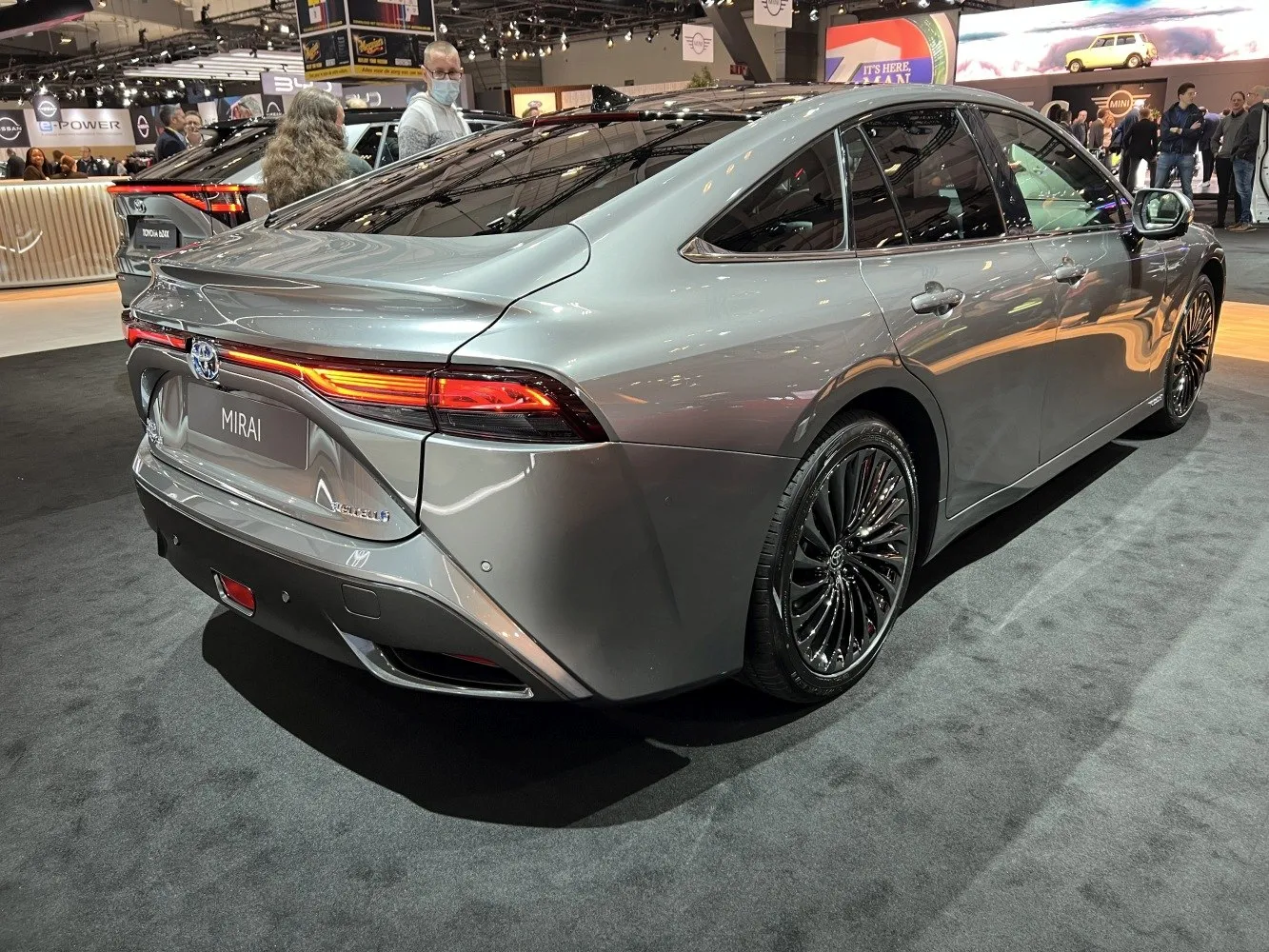
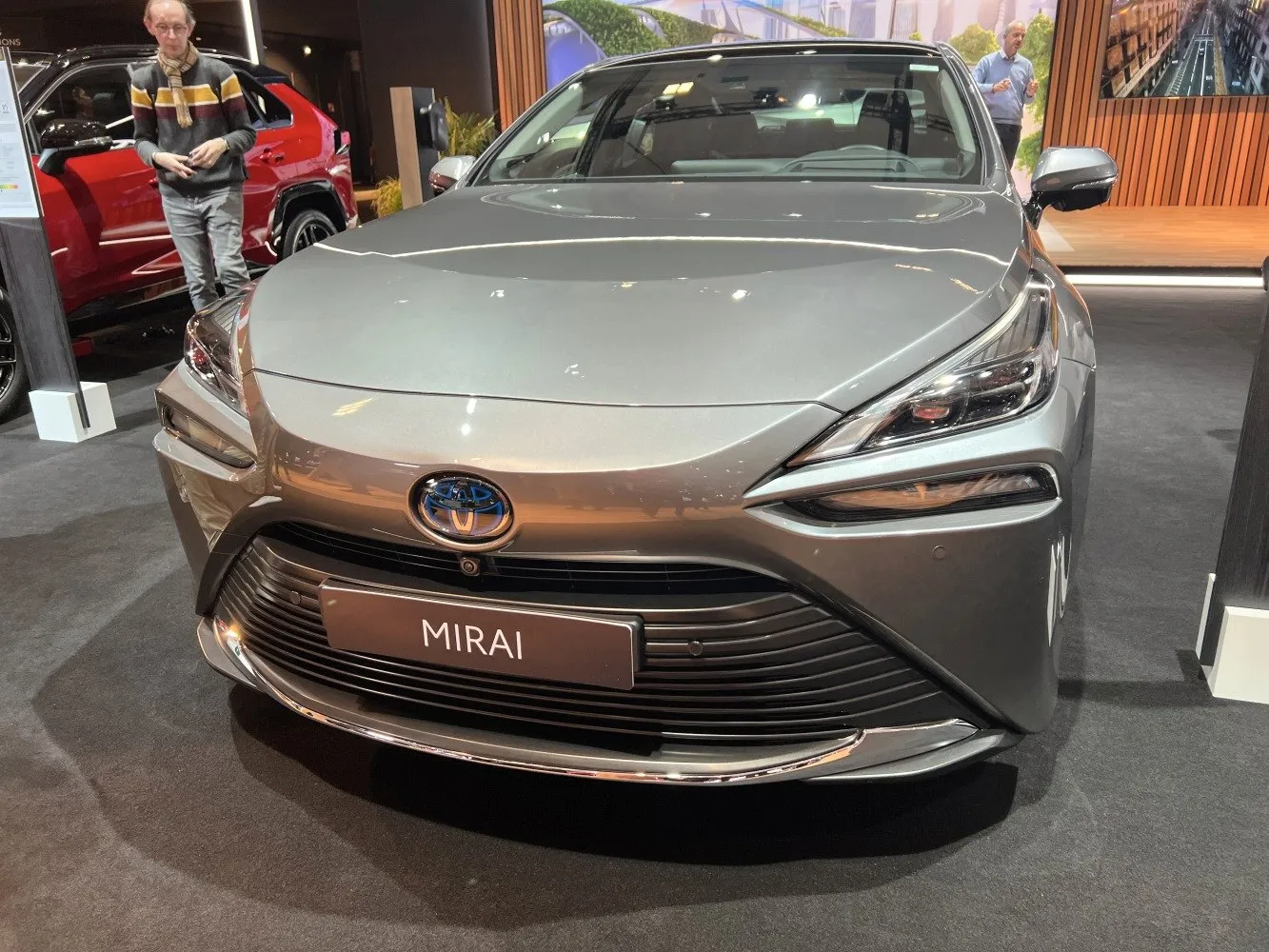
Toyota Mirai (II). With a weight of 1925 kg, it falls in the mid‑range. Rear‑wheel drive offers dynamic handling and sporty feedback. Acceleration is relatively slow (0–100 km/h in 9.2 s). The top speed reaches 175 km/h. A four-door car with a separate trunk, ideal for families and daily commuting. Seating for 5 makes it ideal for daily use.
The Mirai II achieved an excellent 5-star Euro NCAP rating, demonstrating strong protection for adult and child occupants, alongside robust safety assist systems, reflecting Toyota's commitment to safety.
1.2 kWh (182 Hp) FCEV Verdict:

Performance Verdict
The 182 Hp FCEV powertrain provides smooth, instant torque for comfortable daily driving, with adequate acceleration (9.2s 0-100km/h) for a large sedan, though not designed for outright speed.
Fuel Economy
As a hydrogen FCEV, it offers zero tailpipe emissions. Fuel economy is excellent in terms of environmental impact, but hydrogen availability and cost remain significant considerations for widespread adoption.
Pros and Cons:
Pros:
- • Zero tailpipe emissions (water vapor only)
- • Quiet and smooth FCEV powertrain
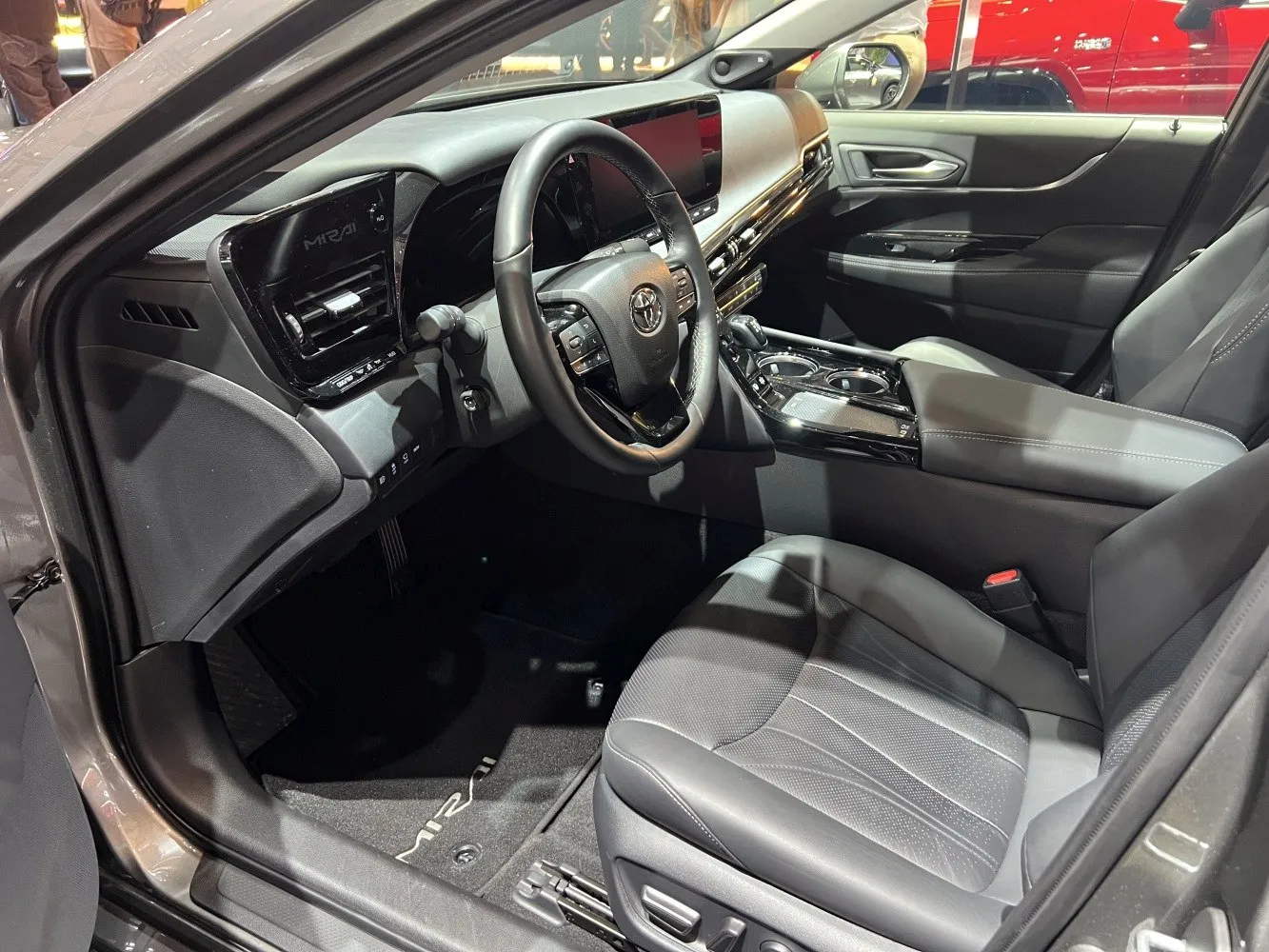
- • Refined ride quality and comfortable interior
- • Distinctive, elegant design
- • Toyota's renowned reliability and build quality
- • Quick refueling compared to battery EVs (where infrastructure exists)
Cons:
- • Limited hydrogen refueling infrastructure
- • High purchase price compared to conventional vehicles
- • Trunk space compromised by hydrogen tanks
- • Hydrogen fuel cost can be high
- • Performance is adequate, not exhilarating
Specifications:
Specifications are compared to those of the previous generation(Mirai: 2014 - 2020).
| General: | |
|---|---|
| Brand: | Toyota |
| Model: | Mirai |
| Generation: | II |
| Modification (Engine): | 1.2 kWh (182 Hp) FCEV |
| Start of production: | 2020 |
| Powertrain Architecture: | FCEV (Fuel Cell Electric Vehicle) |
| Body type: | Sedan |
| Seats: | 5 |
| Doors: | 4 |
| Performance: | |
|---|---|
| Fuel Type: | Hydrogen |
| Acceleration 0 - 100 km/h: | 9.2 sec |
| Acceleration 0 - 62 mph: | 9.2 sec |
| Maximum speed: | 175 km/h |
| Weight-to-power ratio: | 10.4 kg/Hp, 95.8 Hp/tonne |
| Weight-to-torque ratio: | 6.3 kg/Nm, 157.9 Nm/tonne |
| Acceleration 0 - 60 mph: | 8.7 sec |
| Space: | |
|---|---|
| Kerb Weight: | 1900-1950 |
| Max. weight: | 2415 |
| Max load: | 465-515 |
| Fuel tank capacity: | 5.6 kg |
| Size: | |
|---|---|
| Length: | 4975 mm mm [85mm more] |
| Width: | 1885 mm mm [75mm more] |
| Height: | 1480 mm mm [55mm less] |
| Wheelbase: | 2920 mm mm [140mm more] |
| Front track: | 1610 mm |
| Rear (Back) track: | 1605 mm |
| Front overhang: | 965 mm |
| Rear overhang: | 1090 mm |
| Ride height (ground clearance): | 150 mm |
| Minimum turning circle (turning diameter): | 12.6 m [above average] |
| Powertrain: | |
|---|---|
| Drivetrain Architecture | One electric motor drives the rear wheels. |
| Drive wheel | Rear wheel drive |
| Number of gears | 1 |
| Transmission type | Automatic |
| Front brakes | Ventilated discs [Best for performance and cooling.] |
| Rear brakes | Ventilated discs [Best for performance and cooling.] |
| Assisting systems | ABS (Anti-lock braking system) |
| Steering type | Steering rack and pinion |
| Power steering | Electric Steering |
| Tires size | 235/55 R19; 245/45 R20 |
| Wheel rims size | 8.0J x 19; 8.5J x 20 |
| Front suspension | Independent multi-link suspension, Transverse stabilizer |
| Rear suspension | Independent multi-link spring suspension with stabilizer |
| Electric: | |
|---|---|
| Gross battery capacity: | 1.2 kWh |
| Battery technology: | Lithium-ion (Li-Ion) |
| Battery location: | Inside the trunk |
| System power: | 182 Hp |
| System torque: | 300 Nm |
| Electric motor power: | 182 Hp |
| Electric motor Torque: | 300 Nm |
| Electric motor location: | Rear, Transverse |
| Battery weight: | 45 kg |
| Battery voltage: | 310.8 V |




Driven it? Loved it? Hated it? Share your honest review!