
Click on image to view the full photo gallery
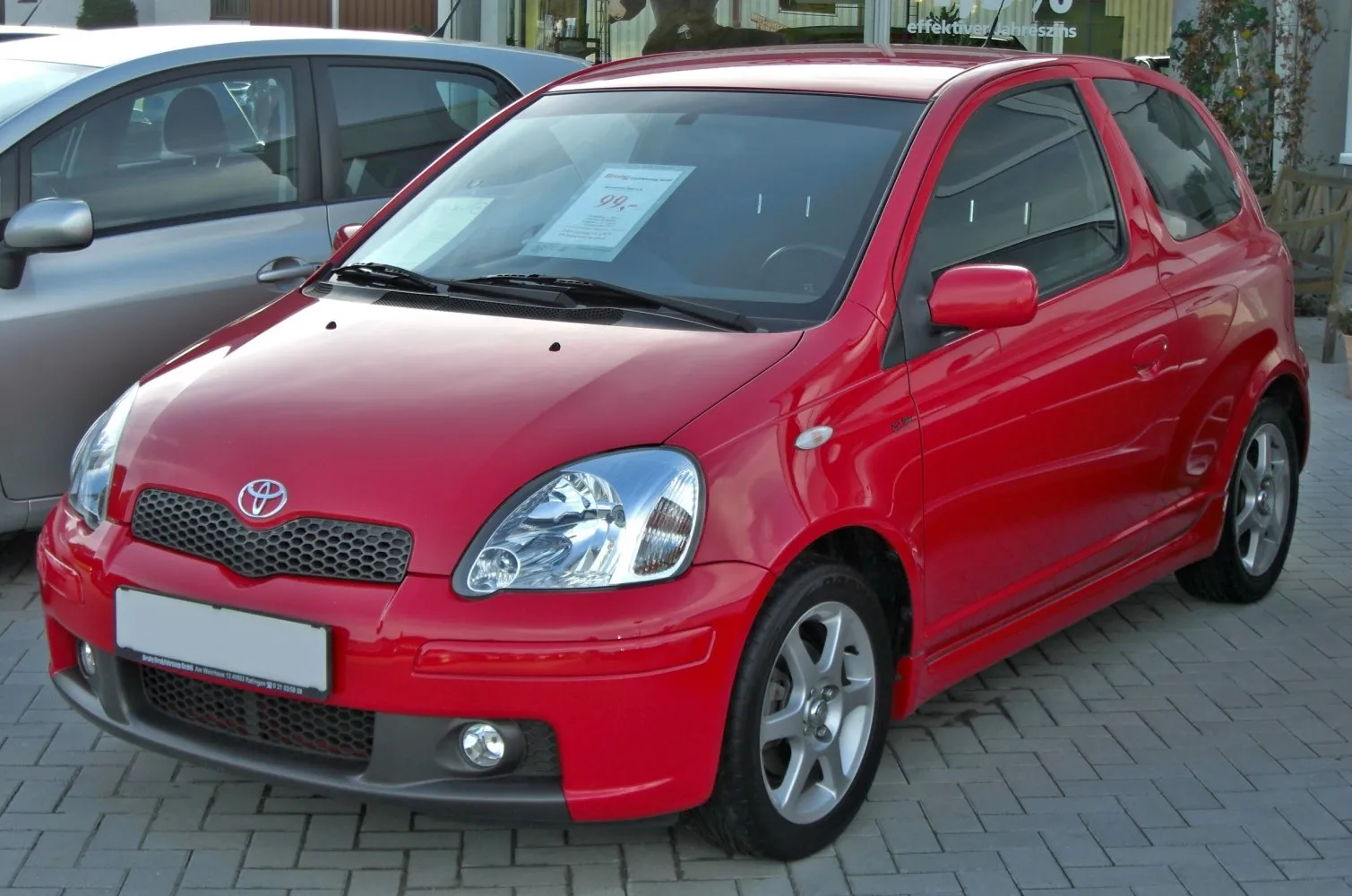
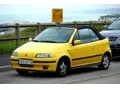
Toyota Yaris I (3-door) 1.4 DI (75 Hp)
Overall Rating
Toyota Yaris:
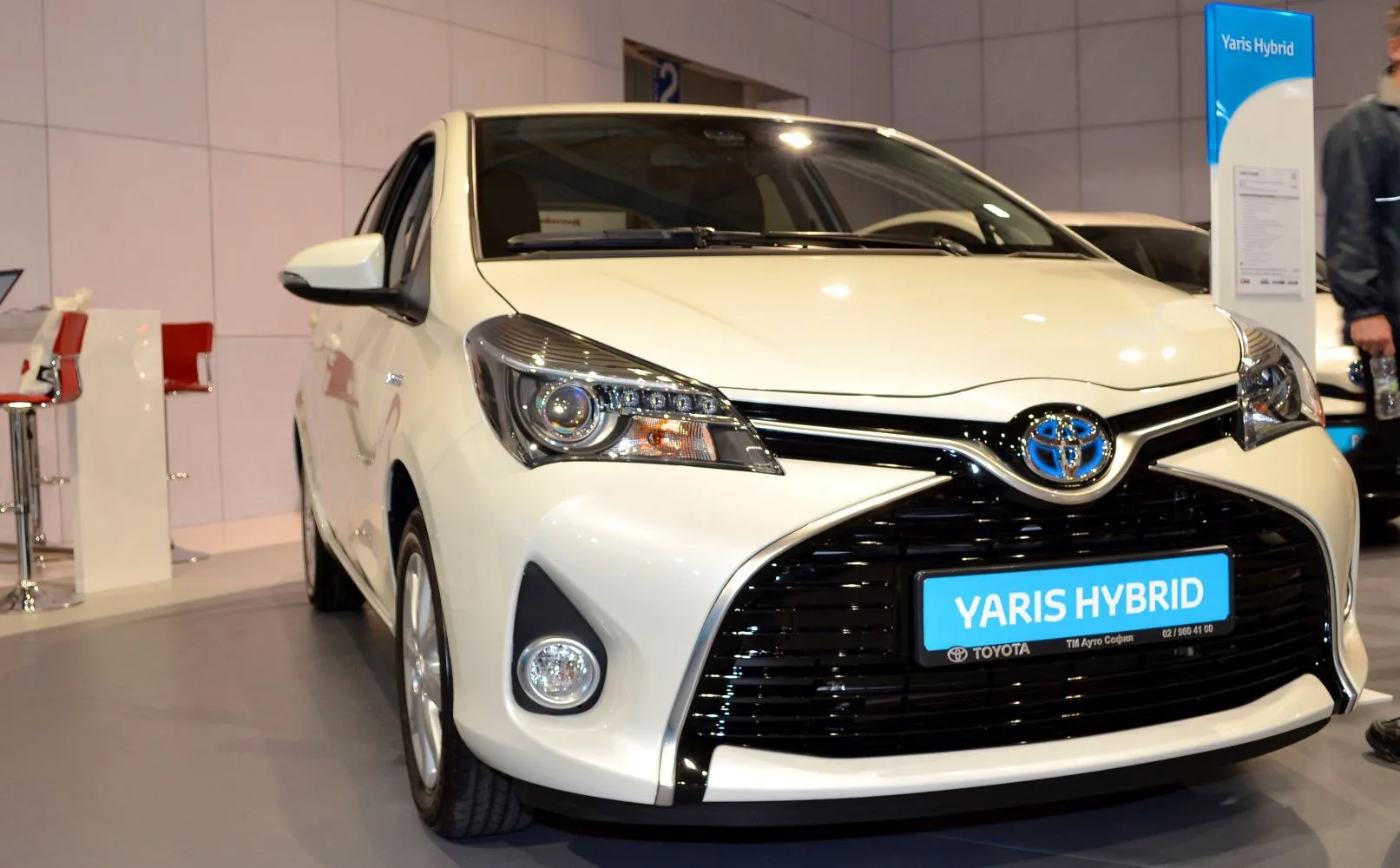
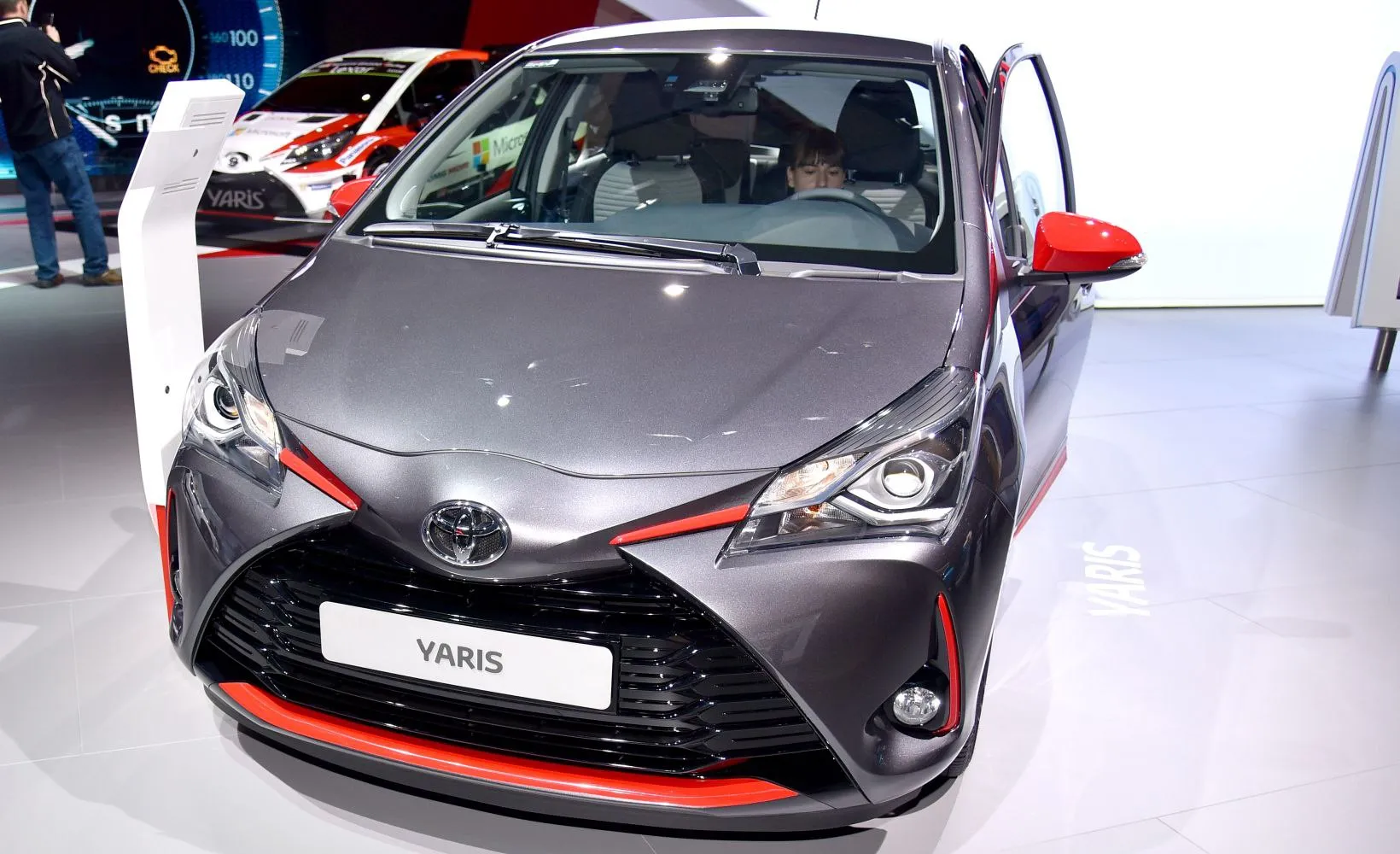
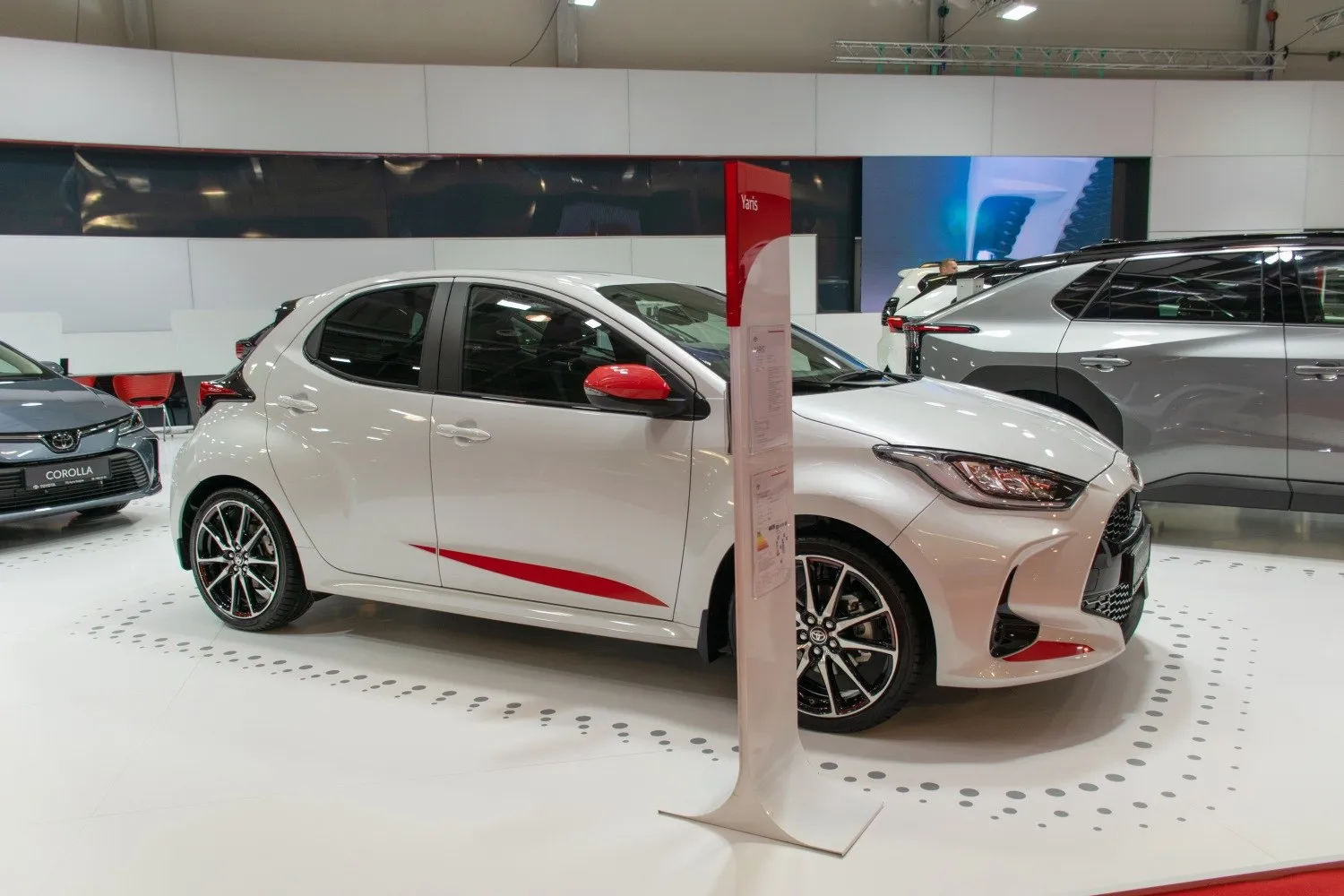
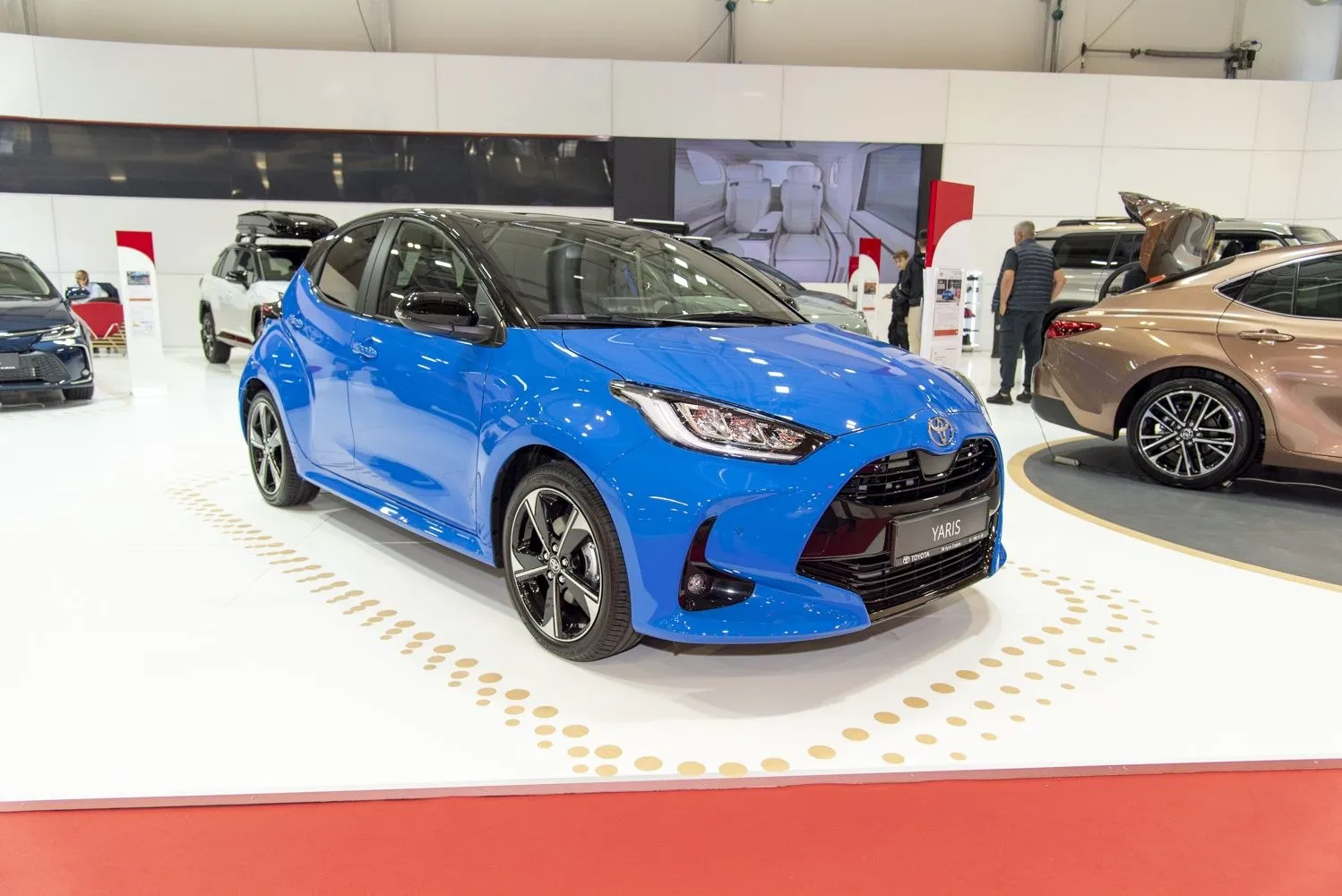
The Toyota Yaris is a supermini/subcompact car sold by Toyota since 1999, replacing the Starlet and Tercel.
Up to 2019, Toyota had used the Yaris nameplate on export versions of various Japanese-market models, with some markets receiving the same vehicles under the Toyota Echo name through 2005. Starting in 2020, the Yaris nameplate began to be used in Japan, which replaced the Vitz nameplate.
The Yaris nameplate has also been applied to other vehicles. From 1999 to 2005, the nameplate had been used for the Yaris Verso mini MPV sold in Europe, where it was known in Japan as the FunCargo. Since 2020, the nameplate has also been used for the subcompact crossover SUV offering called Yaris Cross. In North America, most Yaris sedan models sold from 2015 to 2020 and Yaris hatchbacks sold from 2019 until 2020 were restyled versions of the Mazda2, produced and developed by Mazda....(Read more on Wikipedia)
I (3-door) Overview:
Toyota Yaris (I (3-door)). With 170 Nm of torque, it offers ample pulling power. It boasts low fuel consumption (~5.3 l/100km). Weighing only 1025 kg, it’s quite light. Front‑wheel drive delivers efficiency and easy handling. Acceleration is relatively slow (0–100 km/h in 12.9 s). The top speed reaches 170 km/h. A compact car with a rear door that swings upward to provide access to the cargo area. Seating for 5 makes it ideal for daily use.
1.4 DI (75 Hp) Verdict:

Performance Verdict
Adequate performance with good low-end torque, making it feel surprisingly capable despite the modest horsepower figure.
Fuel Economy
Outstanding fuel economy, making this the most economical choice in the lineup and ideal for long-distance commuters.
Pros and Cons:
Pros:
- • Exceptional reliability and low running costs
- • Cleverly packaged interior with surprising space for its size
- • Excellent fuel efficiency, especially the diesel and smaller petrol engines
- • Good safety rating for its era (4-star Euro NCAP)
- • Compact size makes it ideal for city driving and parking
Cons:
- • Interior materials can feel basic and hard plastic-heavy
- • Some engines (especially 1.0i automatic) can feel underpowered on highways
- • Can be noisy at higher speeds due to limited sound insulation
- • Limited boot space compared to larger segment vehicles
- • Basic suspension setup can lead to a firm ride on rougher roads
Specifications:
Specifications are compared to those of the previous generation(I (3-door): 1999 - 2003).
| General: | |
|---|---|
| Brand: | Toyota |
| Model: | Yaris |
| Generation: | I (3-door) |
| Modification (Engine): | 1.4 DI (75 Hp) |
| Start of production: | 2001 |
| End of production: | 2003 |
| Powertrain Architecture: | Internal Combustion engine |
| Body type: | Hatchback |
| Seats: | 5 |
| Doors: | 3 |
| Engine: | |
|---|---|
| Power: | 75 Hp @ 4000 rpm. Same horsepower |
| Power per litre: | 55 Hp/l [Same length.] |
| Torque: | 170 Nm @ 2000 rpm. |
| Engine Model/Code: | 1ND-TV More details about the engine 1ND-TV |
| Engine displacement: | 1364 |
| Number of cylinders: | 4 |
| Engine configuration: | Inline |
| Number of valves per cylinder: | 2 |
| Fuel injection system: | Diesel Commonrail |
| Engine aspiration: | Turbocharger, Intercooler |
| Valvetrain: | OHC |
| Engine oil capacity: | 4.2 l |
| Coolant: | 4.5 l |
| Engine layout: | Front, Transverse |
| Cylinder Bore: | 73 mm mm |
| Piston Stroke: | 81.5 mm mm |
| Compression ratio: | 18.5:1 |
| Performance: | |
|---|---|
| Fuel Type: | Diesel |
| Fuel consumption (economy) - urban: | 5.3 l/100 km |
| Fuel consumption (economy) - extra urban: | 3.8 l/100 km |
| Fuel consumption (economy) - combined: | 4.4 l/100 km |
| Acceleration 0 - 100 km/h: | 12.9 sec |
| Acceleration 0 - 62 mph: | 12.9 sec |
| Maximum speed: | 170 km/h |
| Weight-to-power ratio: | 13.7 kg/Hp, 73.2 Hp/tonne |
| Weight-to-torque ratio: | 6 kg/Nm, 165.9 Nm/tonne |
| Acceleration 0 - 60 mph: | 12.3 sec |
| Space: | |
|---|---|
| Kerb Weight: | 1025 |
| Max. weight: | 1400 |
| Max load: | 375 |
| Trunk (boot) space - maximum: | 950 l |
| Trunk (boot) space - minimum: | 305 l |
| Fuel tank capacity: | 45 l |
| Size: | |
|---|---|
| Length: | 3615 mm mm [Same length.] |
| Width: | 1660 mm mm [Same width.] |
| Height: | 1500 mm mm [Same height.] |
| Wheelbase: | 2370 mm mm [Same wheelbase.] |
| Front track: | 1450 mm |
| Rear (Back) track: | 1430 mm |
| Powertrain: | |
|---|---|
| Drivetrain Architecture | The Internal combustion engine (ICE) drives the front wheels of the vehicle. |
| Drive wheel | Front wheel drive |
| Number of gears | 5 |
| Transmission type | Manual |
| Front brakes | Ventilated discs [Best for performance and cooling.] |
| Rear brakes | Drum [bad for performance and cooling.] |
| Assisting systems | ABS (Anti-lock braking system) |
| Steering type | Steering rack and pinion |
| Power steering | Hydraulic Steering |
| Tires size | 175/65 R14 |
| Front suspension | Spring Strut |
| Rear suspension | Coil spring |














Driven it? Loved it? Hated it? Share your honest review!