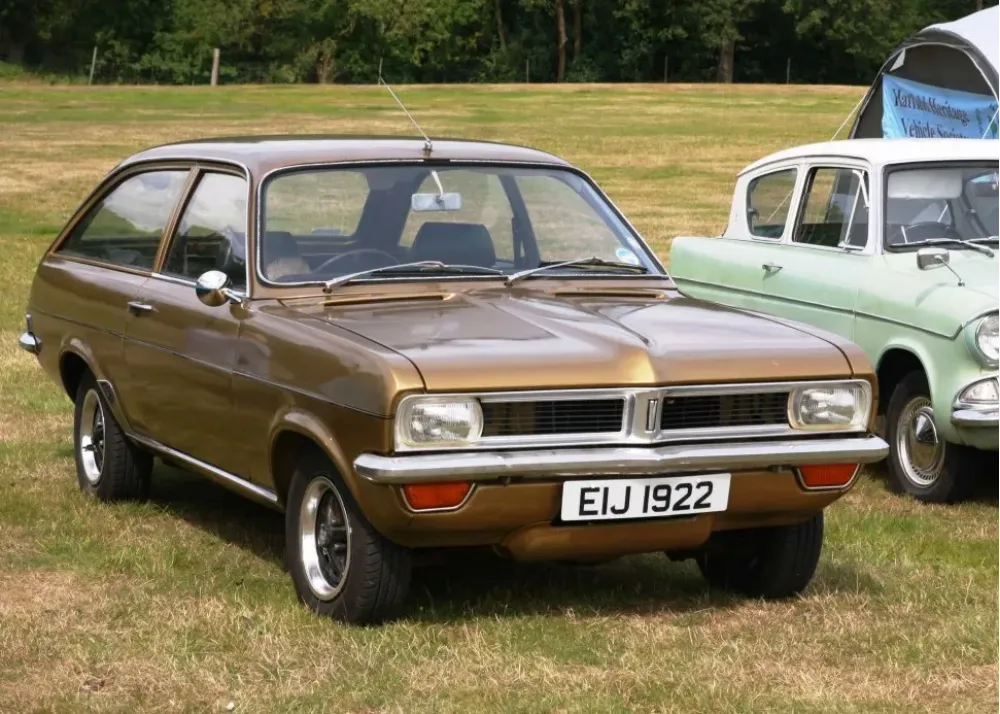
Click on image to view the full photo gallery
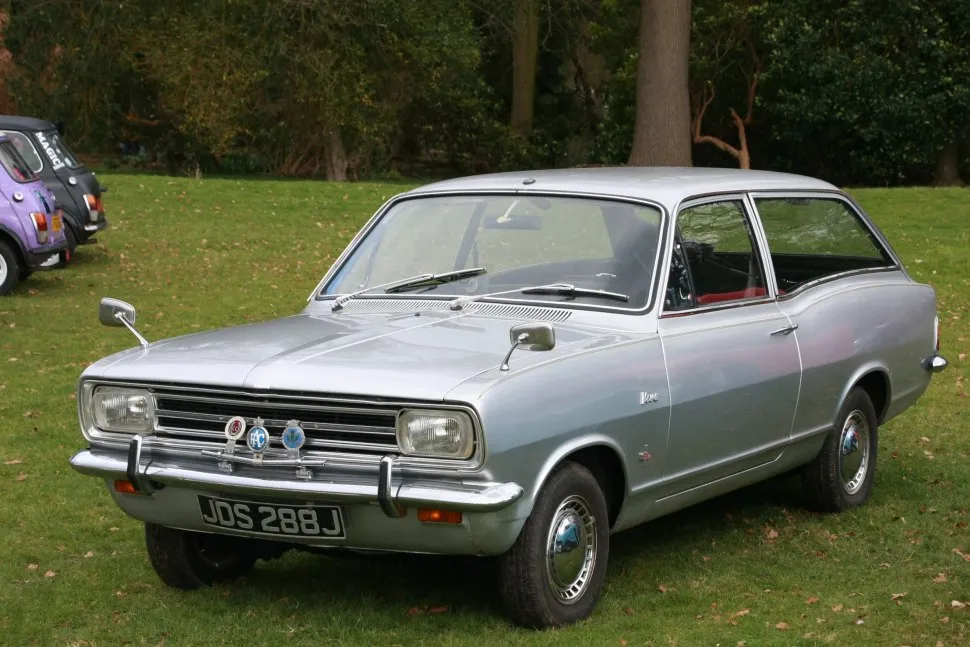
Vauxhall Viva HC Estate 2300 (110 Hp)
Overall Rating
Vauxhall Viva:
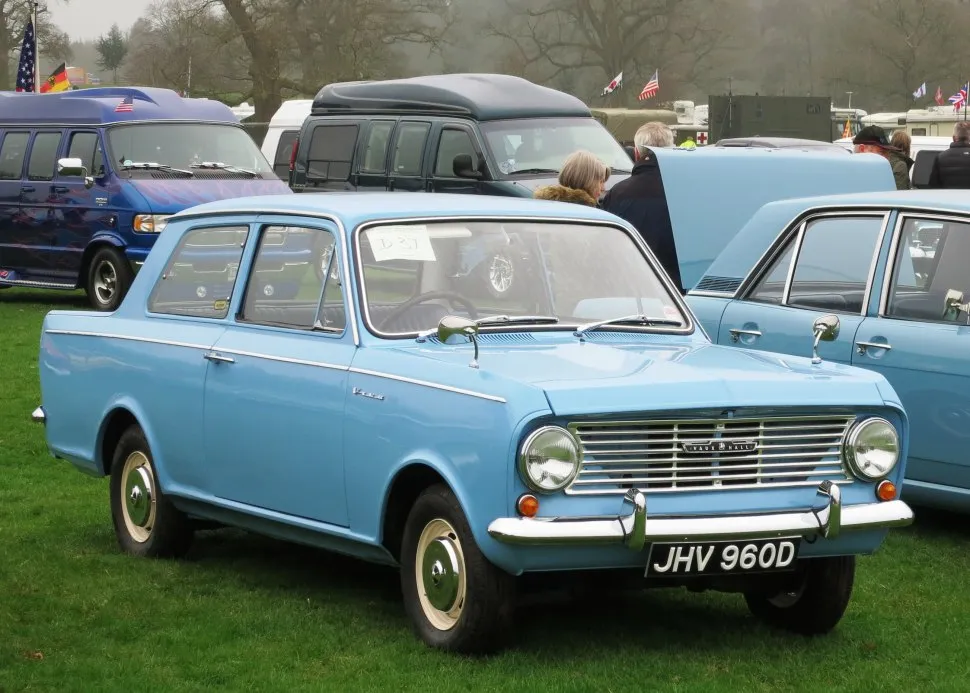
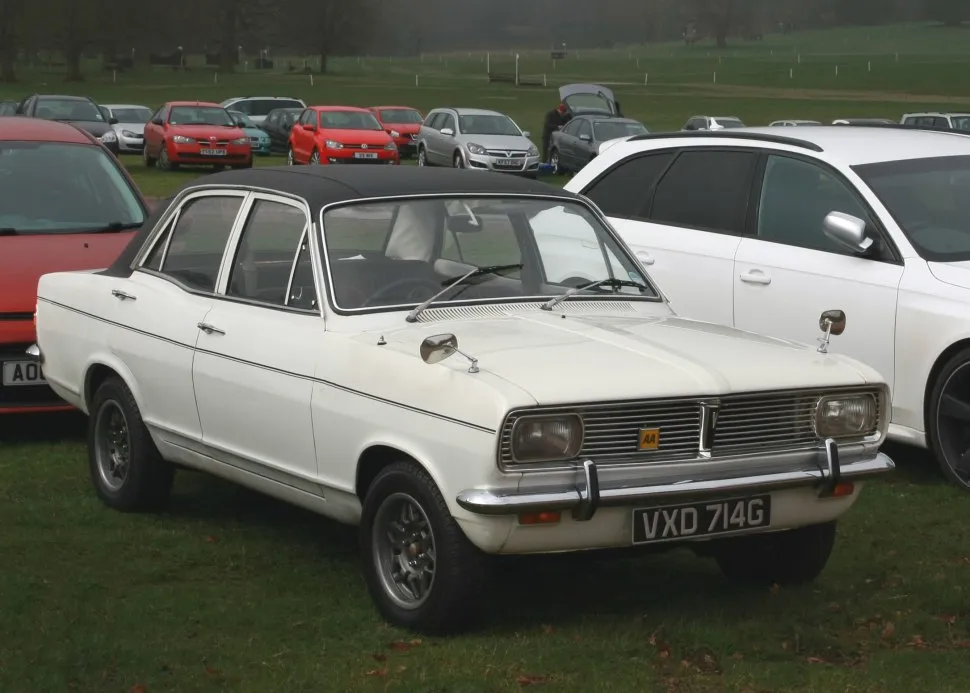
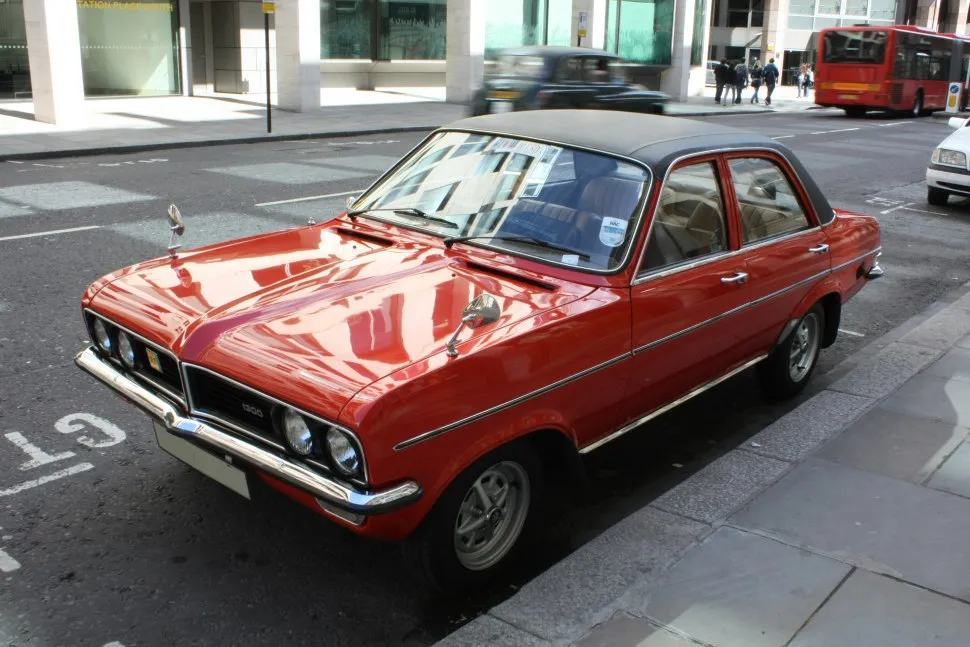
The Vauxhall Viva is a small family car that was produced by Vauxhall in a succession of three versions between 1963 and 1979. These were designated the HA, HB and HC series.
The Viva was introduced a year after Vauxhall's fellow General Motors company Opel launched the Opel Kadett A. Both cars were a result of the same General Motors project sharing the same floorpan and engine construction. A major difference was the use of metric measurements for the Opel and Imperial units for the Vauxhall. The cars are visually similar, however few components are interchangeable. A van version was also produced, as the Bedford HA. In the UK the Viva's principal competitors at the time of its launch included the well-established Ford Anglia and Morris Minor....(Read more on Wikipedia)
HC Estate Overview:
Vauxhall Viva (HC Estate). With 190 Nm of torque, it offers ample pulling power. Weighing only 932 kg, it’s quite light. Rear‑wheel drive offers dynamic handling and sporty feedback. A car with an extended rear cargo area, combining passenger comfort with increased storage. Seating for 5 makes it ideal for daily use.
2300 (110 Hp) Verdict:

Performance Verdict
The most powerful option, the 110 Hp 2300cc engine transforms the Viva HC Estate into a surprisingly brisk performer, ideal for those seeking maximum power and effortless cruising.
Fuel Economy
While offering strong performance, this larger engine would have been the least fuel-efficient option, incurring higher running costs compared to its smaller siblings.
Pros and Cons:
Pros:
- • Spacious and practical estate body
- • Range of engine options to suit different needs
- • Generally robust and reliable for its time
- • Affordable to purchase and maintain
- • Classic British design appeal
Cons:
- • Outdated safety features by modern standards
- • Performance can be sluggish with smaller engines
- • Fuel economy is not competitive with modern vehicles
- • Ride comfort is basic
- • Rust can be an issue on older models
Specifications:
Specifications are compared to those of the previous generation(HC: 1971 - 1972).
| General: | |
|---|---|
| Brand: | Vauxhall |
| Model: | Viva |
| Generation: | HC Estate |
| Modification (Engine): | 2300 (110 Hp) |
| Start of production: | 1972 |
| End of production: | 1973 |
| Powertrain Architecture: | Internal Combustion engine |
| Body type: | Station wagon (estate) |
| Seats: | 5 |
| Doors: | 3 |
| Engine: | |
|---|---|
| Power: | 110 Hp @ 5200 rpm. |
| Power per litre: | 48.3 Hp/l |
| Torque: | 190 Nm @ 3000 rpm. |
| Engine displacement: | 2279 |
| Number of cylinders: | 4 |
| Engine configuration: | Inline |
| Engine aspiration: | Naturally aspirated engine |
| Valvetrain: | OHC |
| Engine oil capacity: | 4.6 l |
| Coolant: | 8 l |
| Cylinder Bore: | 97.54 mm mm |
| Piston Stroke: | 76.2 mm mm |
| Compression ratio: | 8.5:1 |
| Performance: | |
|---|---|
| Fuel Type: | Petrol (Gasoline) |
| Weight-to-power ratio: | 7.8 kg/Hp, 128.4 Hp/tonne |
| Weight-to-torque ratio: | 4.5 kg/Nm, 221.7 Nm/tonne |
| Space: | |
|---|---|
| Kerb Weight: | 857-1007 |
| Max. weight: | 1320-1474 |
| Max load: | 463-467 |
| Trunk (boot) space - maximum: | 1764 l |
| Trunk (boot) space - minimum: | 759 l |
| Size: | |
|---|---|
| Length: | 4138 mm mm [Same length.] |
| Width: | 1643 mm mm [Same width.] |
| Height: | 1366 mm mm [18mm more] |
| Wheelbase: | 2461 mm mm [Same wheelbase.] |
| Front track: | 1306 mm |
| Rear (Back) track: | 1308 mm |
| Ride height (ground clearance): | 127 mm |
| Minimum turning circle (turning diameter): | 9.62 m [above average] |
| Powertrain: | |
|---|---|
| Drivetrain Architecture | The Internal combustion engine (ICE) drives the rear wheels of the vehicle. |
| Drive wheel | Rear wheel drive |
| Number of gears | 4 |
| Transmission type | Manual |





Driven it? Loved it? Hated it? Share your honest review!