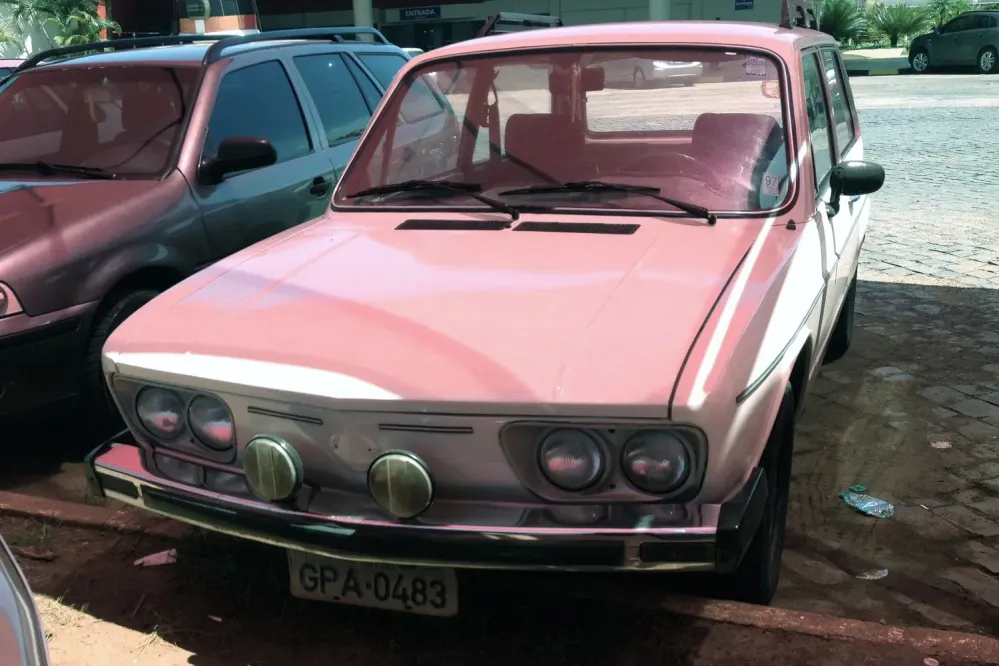
Click on image to view the full photo gallery
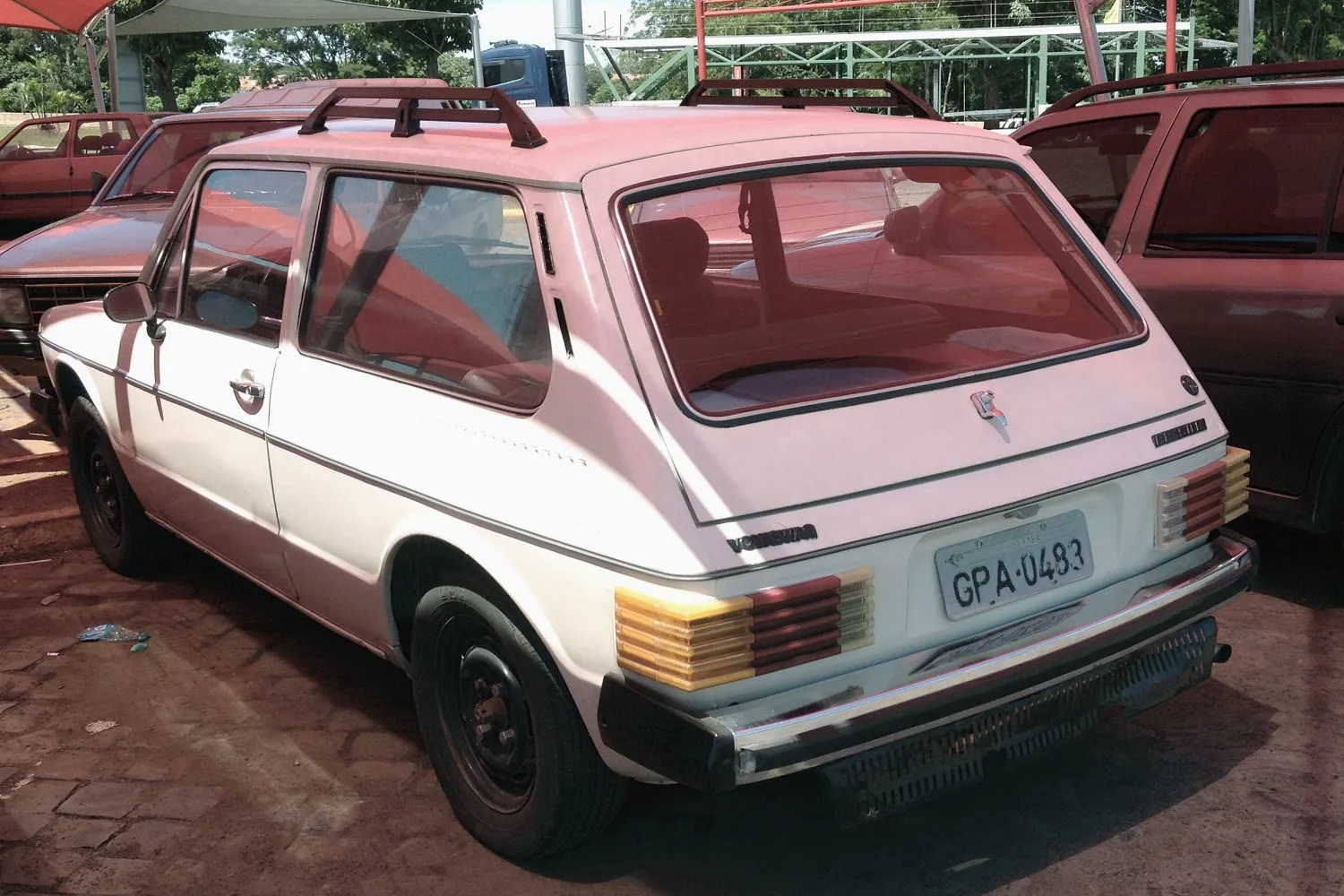
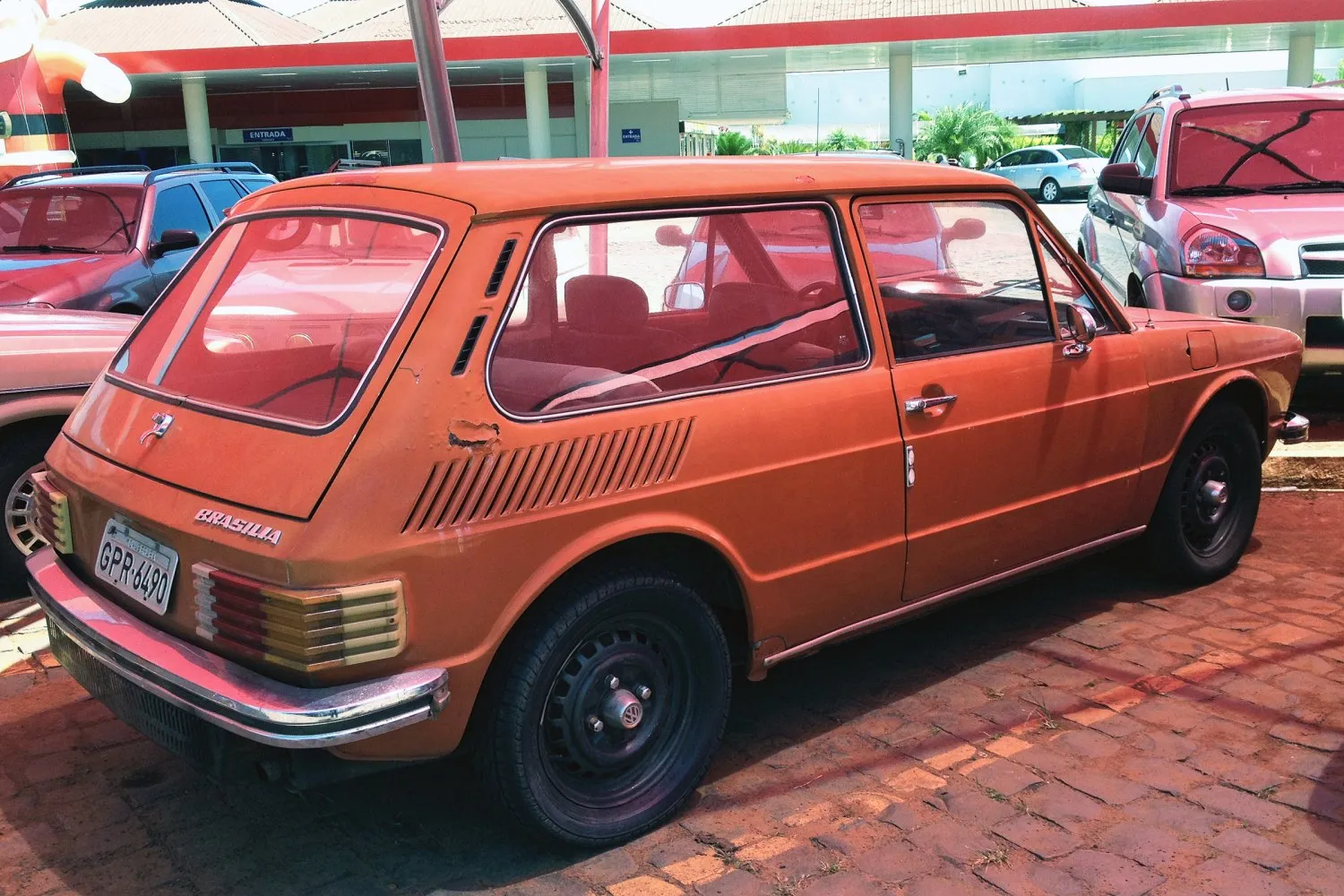
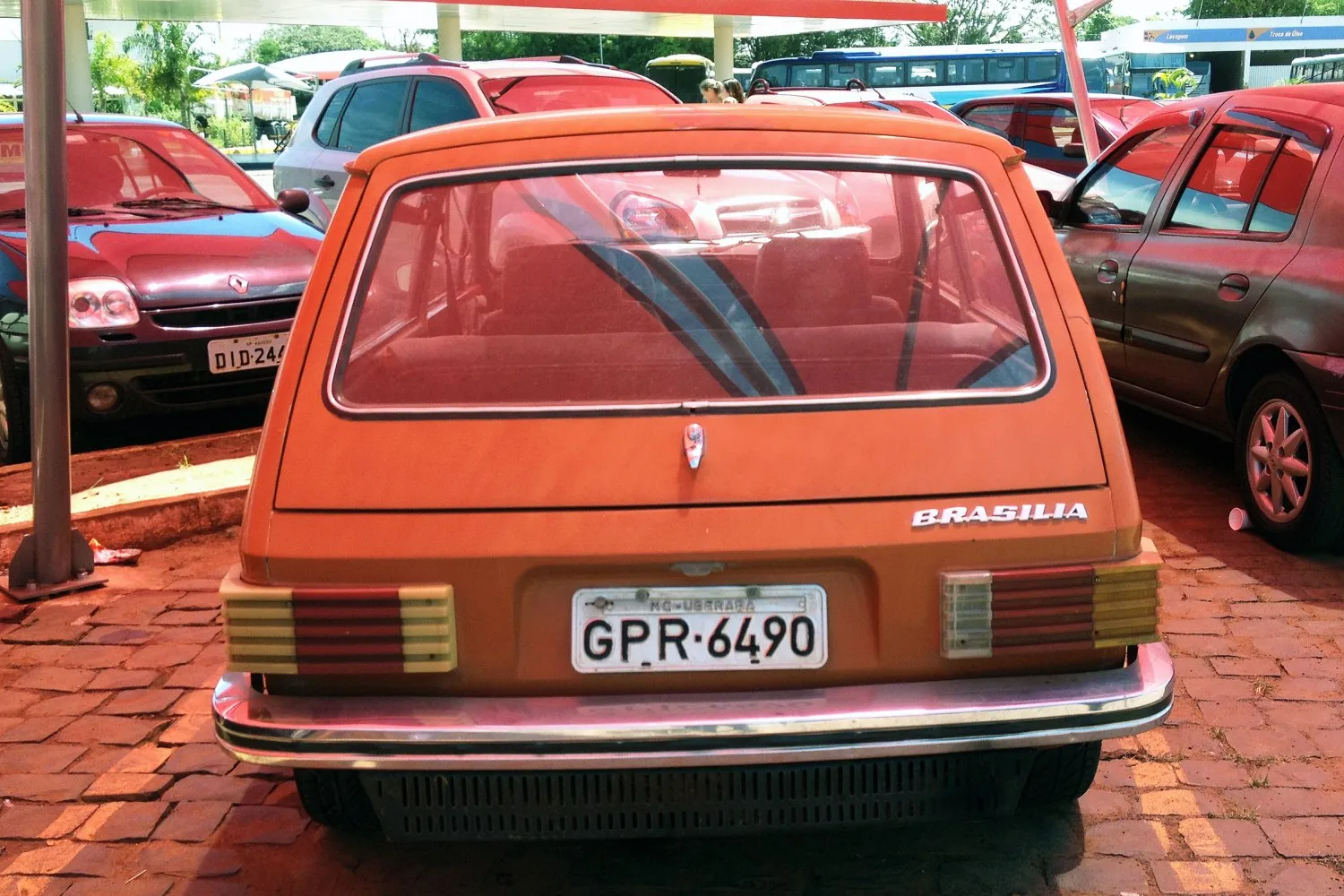
Volkswagen Brasilia 3-door 1.6 (58 Hp)
Overall Rating
Volkswagen Brasilia:
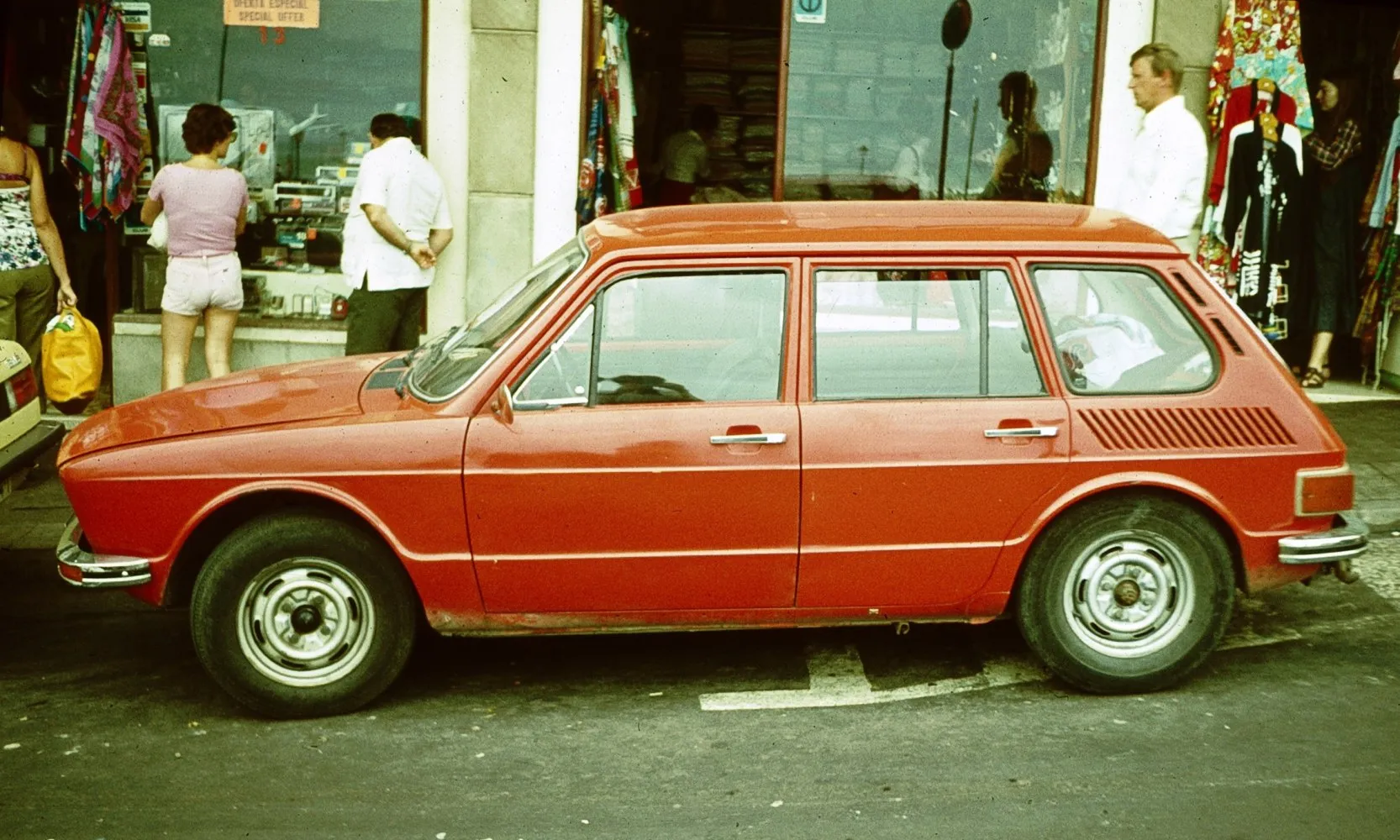
The Volkswagen Brasília is a rear-engined small family car developed by Volkswagen do Brasil and internally designated as the Type 321. Named for Brazil's capital city, the car was manufactured and marketed by Volkswagen in Brazil from 1973 to 1982; in Mexico from 1975 to 1982; and built from knock down kits in Nigeria, where it was marketed as the Igala from 1976 to 1980.
Designed to replace the Beetle , and available in both three-door and five-door hatchback body styles, the Brasília combined VW's air-cooled engine with the chassis of the Volkswagen Karmann Ghia and styling reminiscent of the Volkswagen 412. By the end of 1982, over one million examples had been manufactured....(Read more on Wikipedia)
3-door Overview:
Volkswagen Brasilia (3-door). With 111 Nm of torque, it offers ample pulling power. Weighing only 890 kg, it’s quite light. Rear‑wheel drive offers dynamic handling and sporty feedback. Acceleration is relatively slow (0–100 km/h in 21 s). The top speed reaches 132 km/h. A compact car with a rear door that swings upward to provide access to the cargo area. Seating for 5 makes it ideal for daily use.
As a vehicle from the 1970s, the Volkswagen Brasilia was not subjected to modern safety assessments like Euro NCAP. Its safety features would be rudimentary by today's standards, primarily relying on basic structural integrity and seatbelts.
1.6 (58 Hp) Verdict:

Performance Verdict
The 58 Hp variant offered more modest performance, with a 0-100 km/h acceleration time of 21 seconds, making it primarily suitable for relaxed city driving where outright speed is not a priority.
Fuel Economy
At 9.1 l/100 km combined, this engine was slightly less fuel-efficient than its more powerful counterpart, reflecting a trade-off for its lower output.
 Community Verdict
This rating is based on comments found on Reddit, scanned using artificial intelligence, and may not accurately reflect reality.

3.7 / 5
Based on AI analysis of 9 discussions
Read What Owners Say
Pros and Cons:
Pros:
- • Practical hatchback design with good cargo space
- • Spacious interior for its class
- • Robust and simple air-cooled engine (easy to maintain)
- • Good visibility due to large windows
- • Unique and distinctive styling for its time
Cons:
- • Basic safety features (typical for the era)
- • Modest performance, especially the 58 Hp variant
- • Noisy air-cooled engine
- • Dated technology and limited comfort features
- • Rear-wheel drive handling can be tricky in adverse conditions
Specifications:
| General: | |
|---|---|
| Brand: | Volkswagen |
| Model: | Brasilia |
| Generation: | 3-door |
| Modification (Engine): | 1.6 (58 Hp) |
| Start of production: | 1973 |
| End of production: | 1982 |
| Powertrain Architecture: | Internal Combustion engine |
| Body type: | Hatchback |
| Seats: | 5 |
| Doors: | 3 |
| Engine: | |
|---|---|
| Power: | 58 Hp @ 4400 rpm. |
| Power per litre: | 36.6 Hp/l |
| Torque: | 111 Nm @ 2800 rpm. |
| Engine Model/Code: | BA |
| Engine displacement: | 1584 |
| Number of cylinders: | 4 |
| Engine configuration: | 180° flat V-engine |
| Number of valves per cylinder: | 2 |
| Fuel injection system: | Carburettor |
| Engine aspiration: | Naturally aspirated engine |
| Valvetrain: | OHV |
| Engine oil capacity: | 2.5 l |
| Engine layout: | Rear, Longitudinal |
| Cylinder Bore: | 85.5 mm mm |
| Piston Stroke: | 69 mm mm |
| Compression ratio: | 7.2:1 |
| Performance: | |
|---|---|
| Fuel Type: | Petrol (Gasoline) |
| Fuel consumption (economy) - extra urban: | 7.8 l/100 km |
| Fuel consumption (economy) - combined: | 9.1 l/100 km |
| Acceleration 0 - 100 km/h: | 21 sec |
| Acceleration 0 - 62 mph: | 21 sec |
| Maximum speed: | 132 km/h |
| Weight-to-power ratio: | 15.3 kg/Hp, 65.2 Hp/tonne |
| Weight-to-torque ratio: | 8 kg/Nm, 124.7 Nm/tonne |
| Acceleration 0 - 60 mph: | 20 sec |
| Space: | |
|---|---|
| Kerb Weight: | 890 |
| Max. weight: | 1310 |
| Max load: | 420 |
| Trunk (boot) space - maximum: | 746 l |
| Trunk (boot) space - minimum: | 81 l |
| Size: | |
|---|---|
| Length: | 4013 mm mm |
| Width: | 1606 mm mm |
| Height: | 1438 mm mm |
| Wheelbase: | 2400 mm mm |
| Front track: | 1326 mm |
| Rear (Back) track: | 1361 mm |
| Ride height (ground clearance): | 149 mm |
| Minimum turning circle (turning diameter): | 11 m |
| Powertrain: | |
|---|---|
| Drivetrain Architecture | The Internal combustion engine (ICE) drives the rear wheels of the vehicle. |
| Drive wheel | Rear wheel drive |
| Number of gears | 4 |
| Transmission type | Manual |
| Front brakes | Disc |
| Rear brakes | Drum |
| Steering type | Worm-reduction unit |
| Wheel rims size | 5J x 14 |
| Front suspension | Transverse stabilizer, Torsion |
| Rear suspension | Independent coil spring, Transverse stabilizer, Torsion |






Would you recommend the Volkswagen Brasilia ? Tell us why or why not!