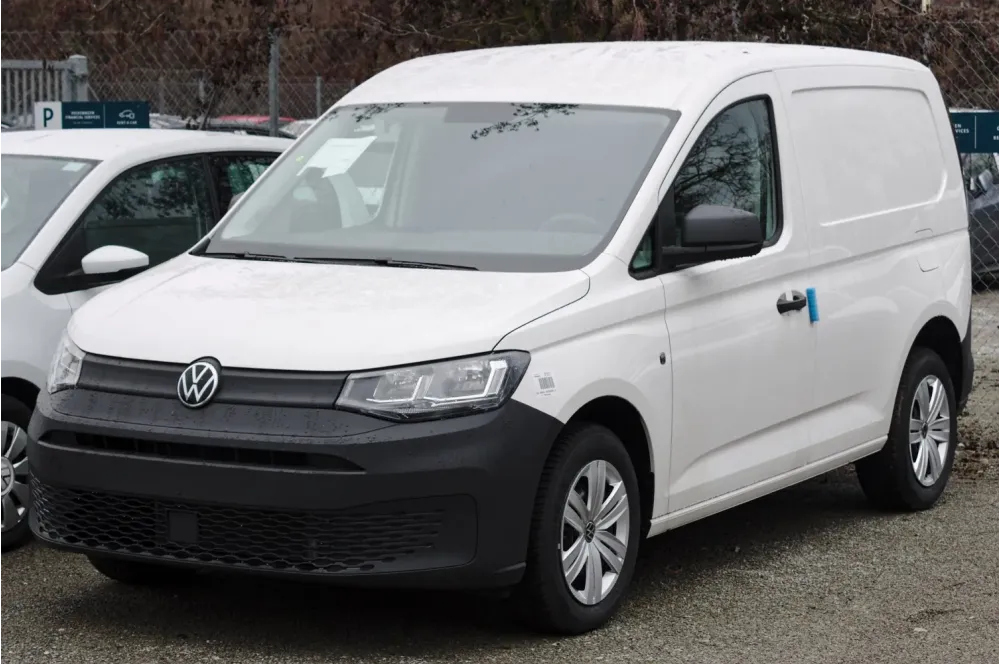
Click on image to view the full photo gallery
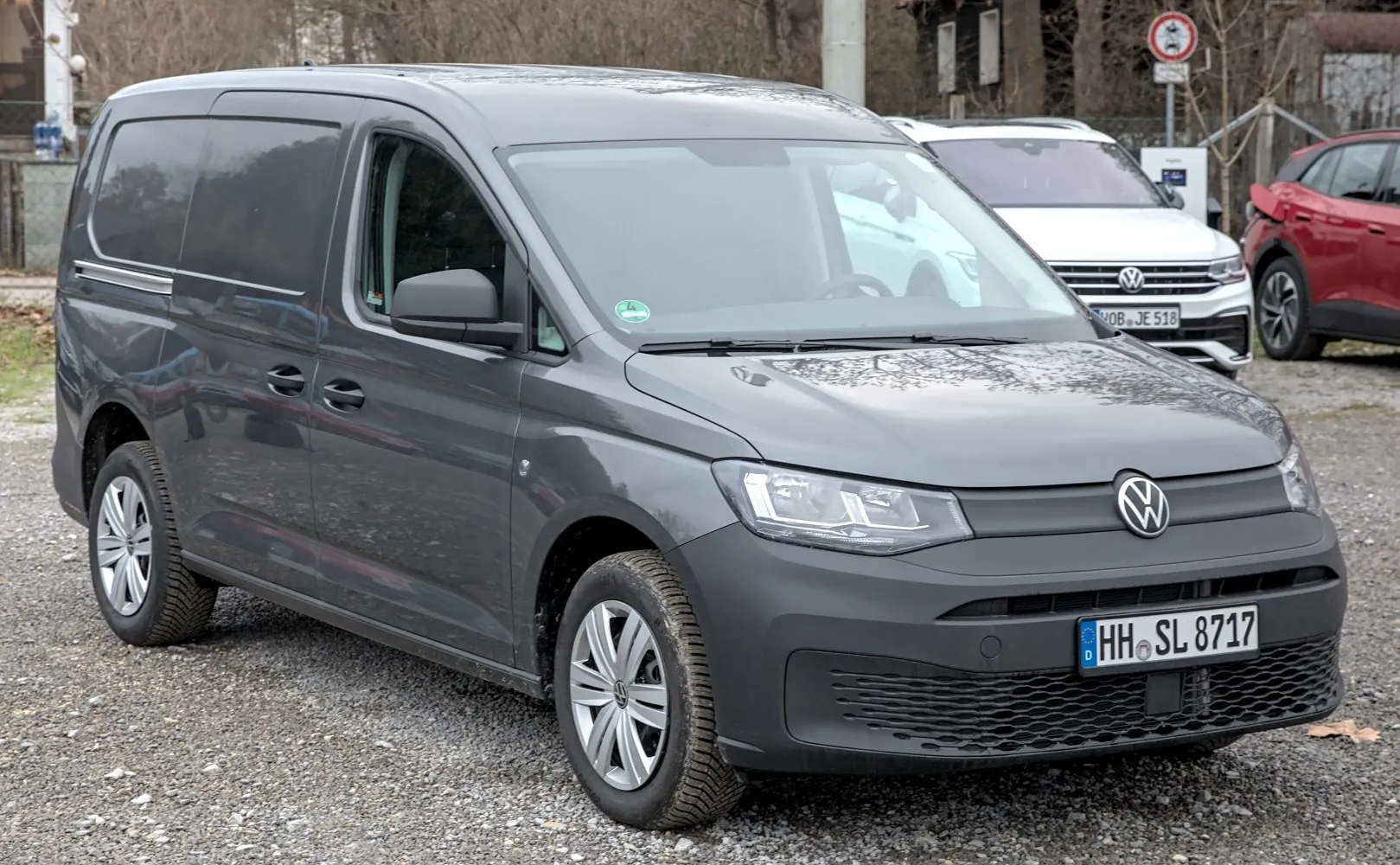
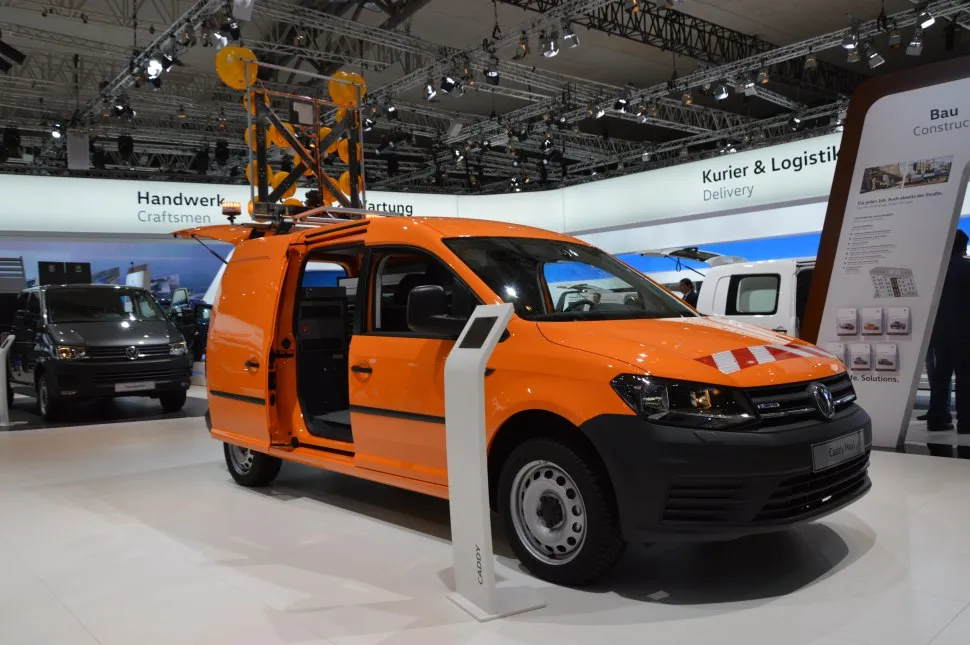
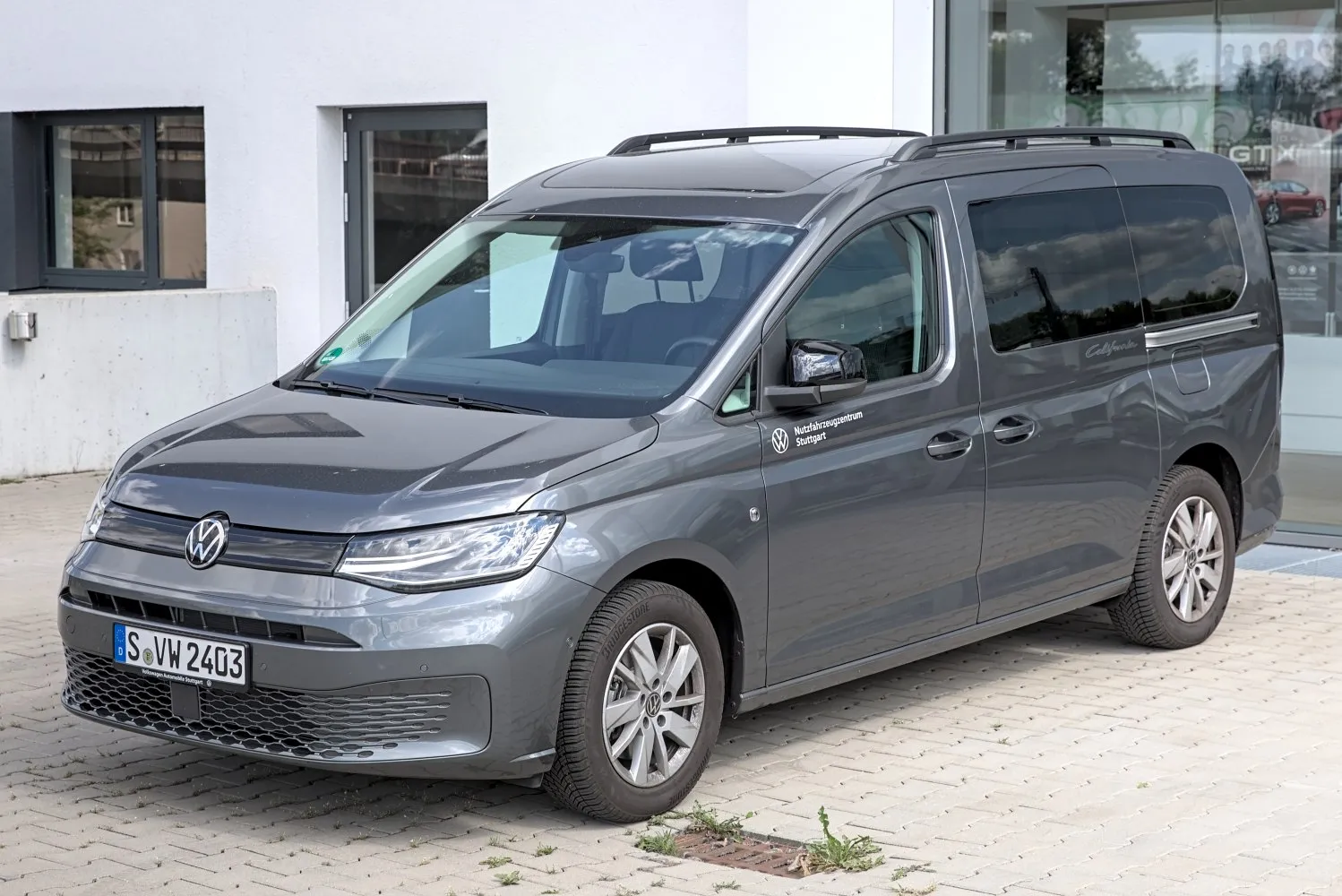
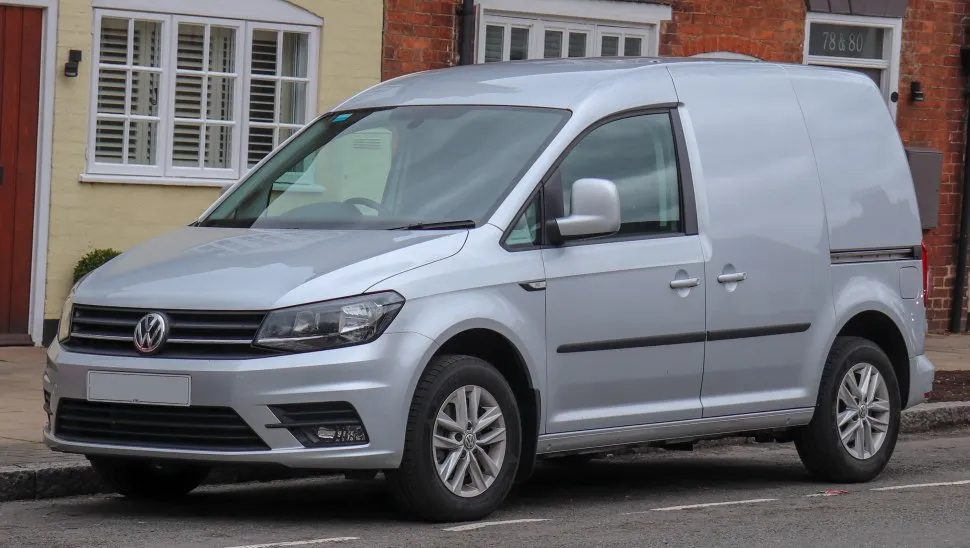
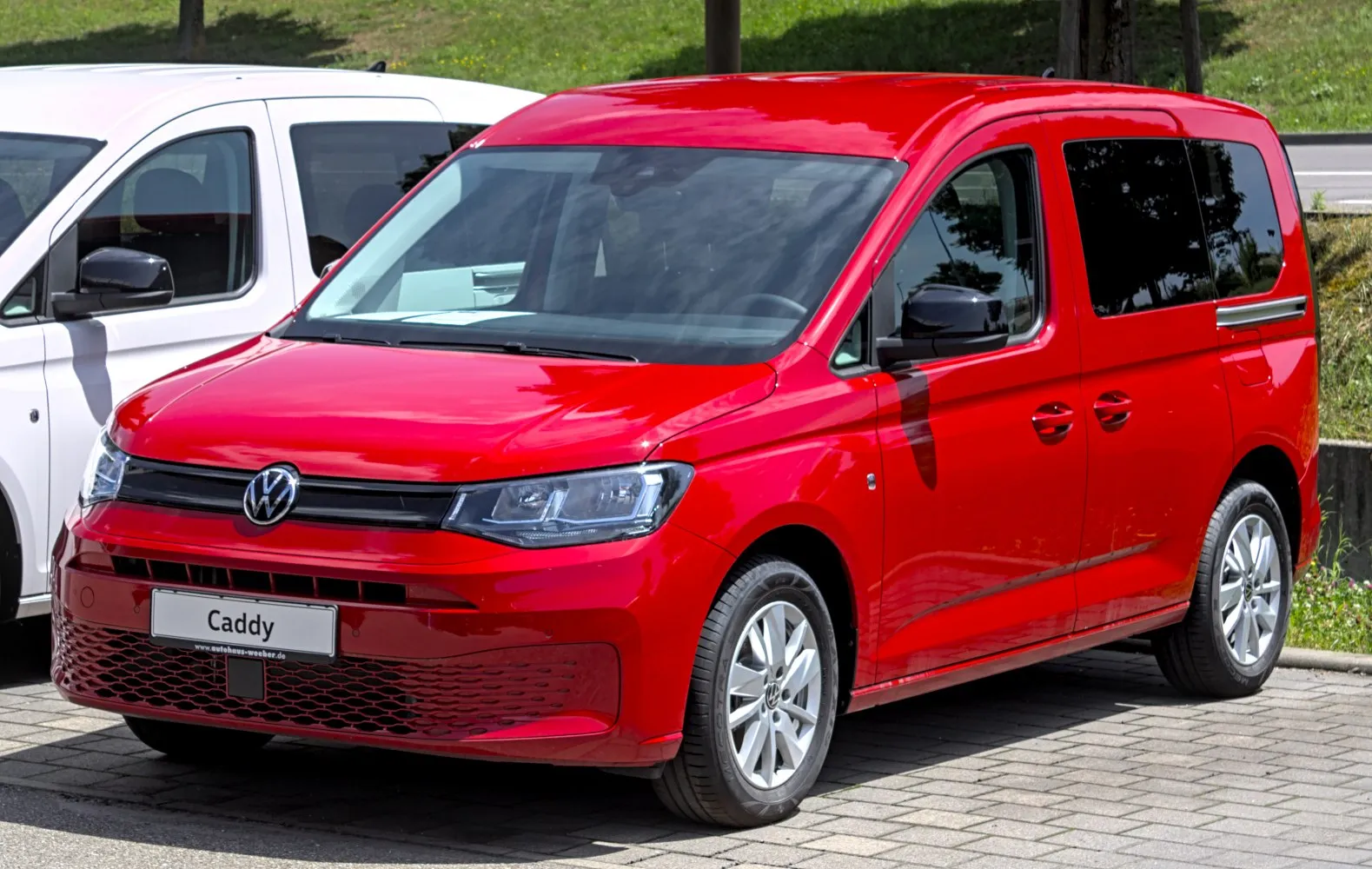
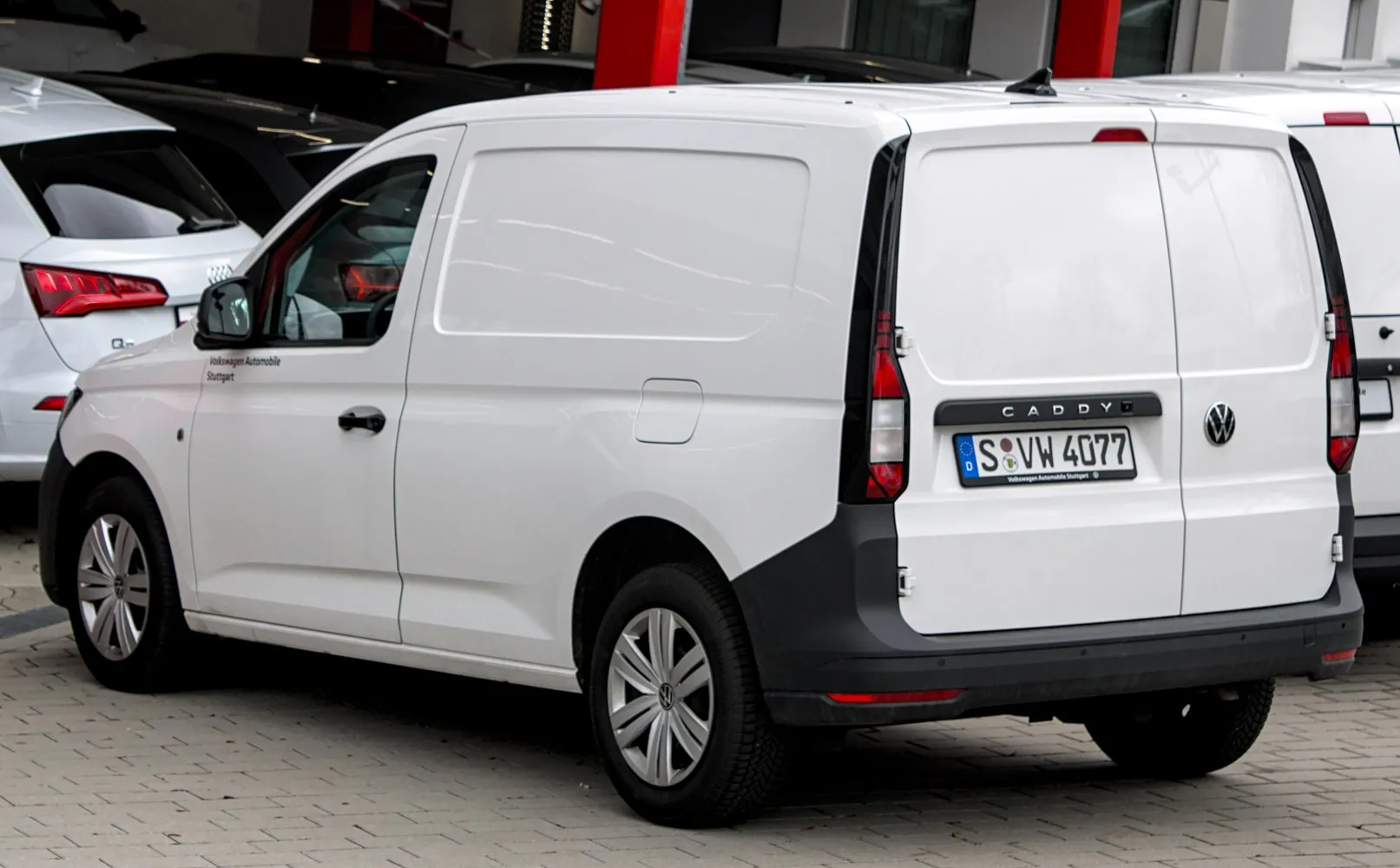
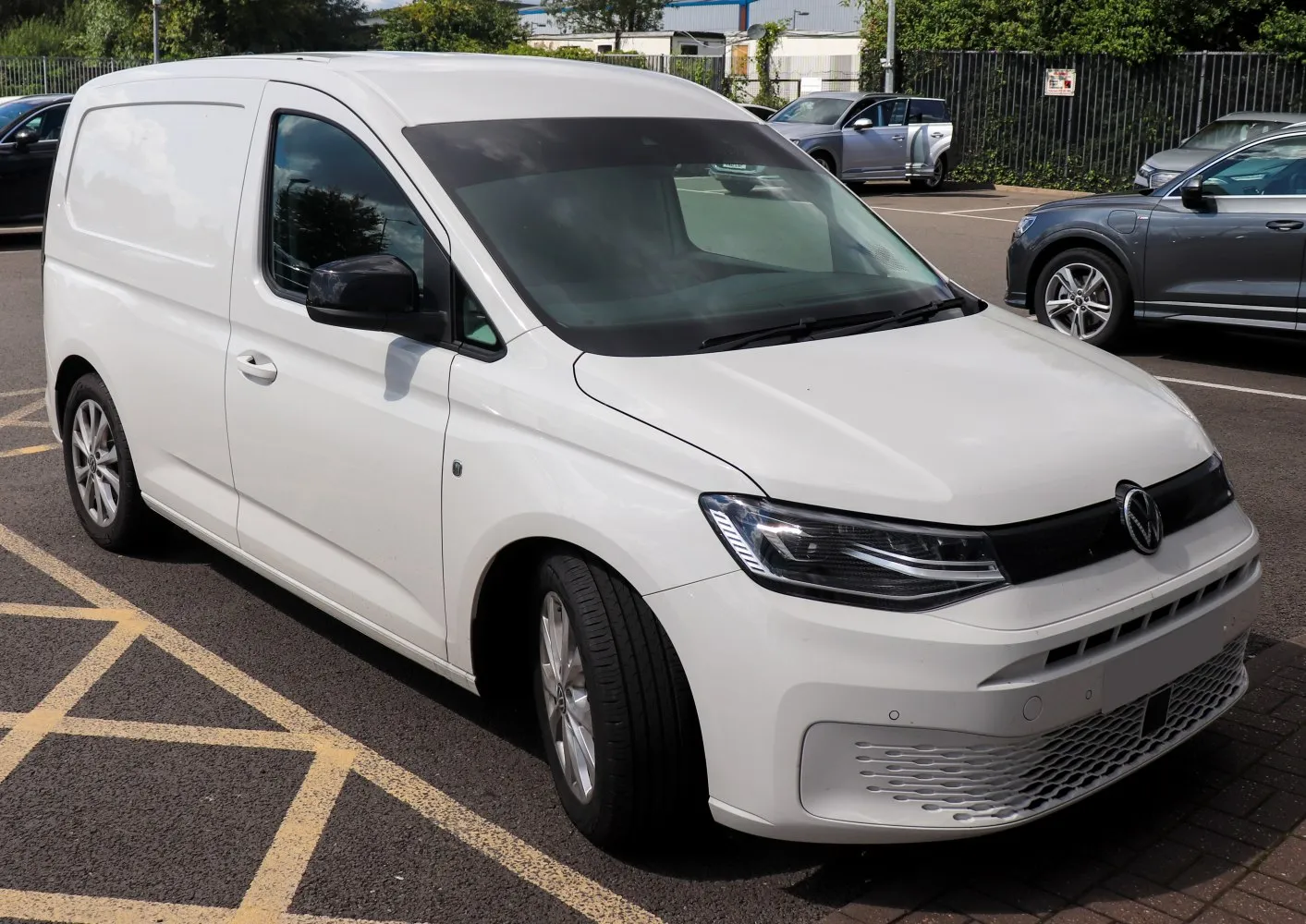
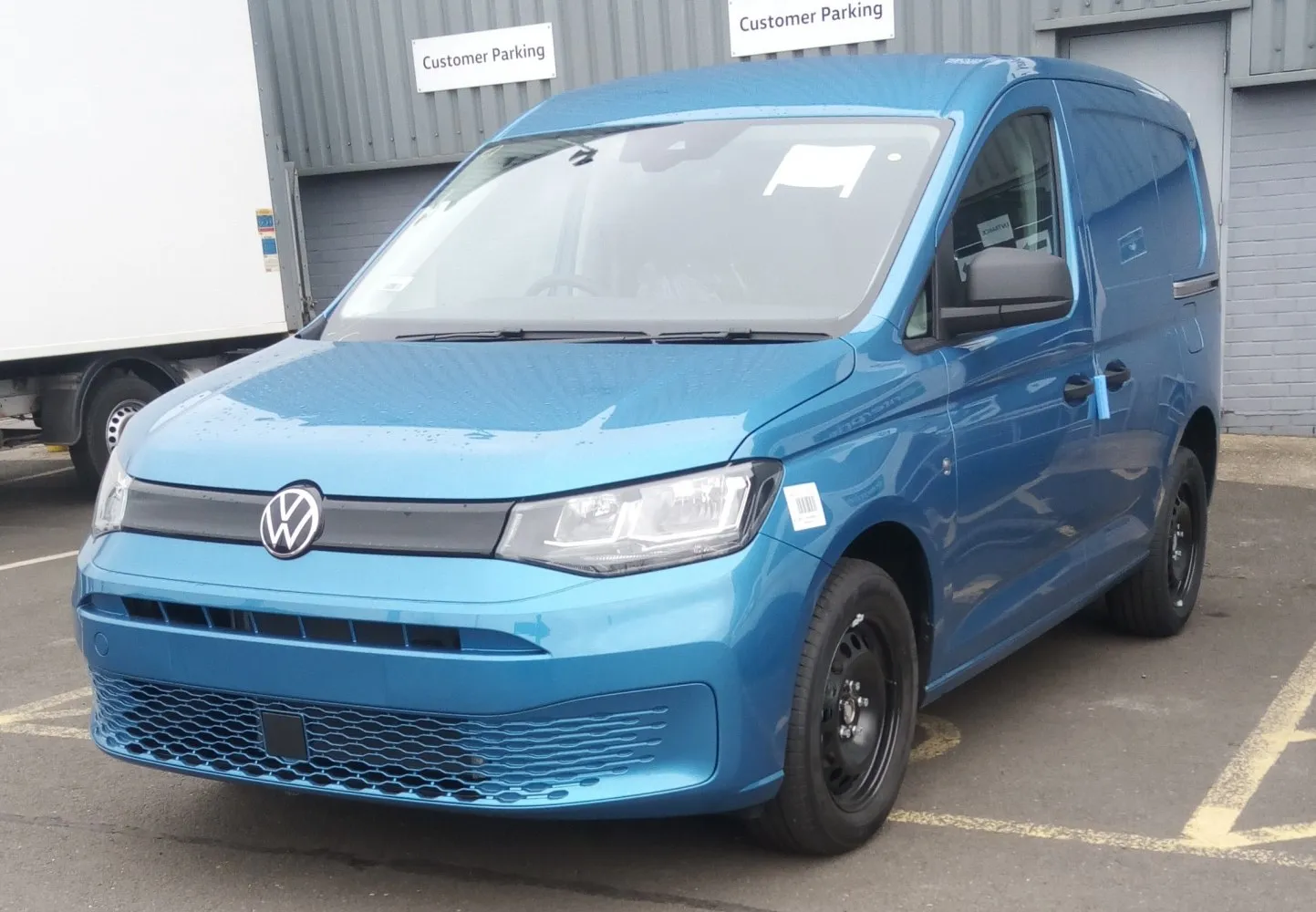
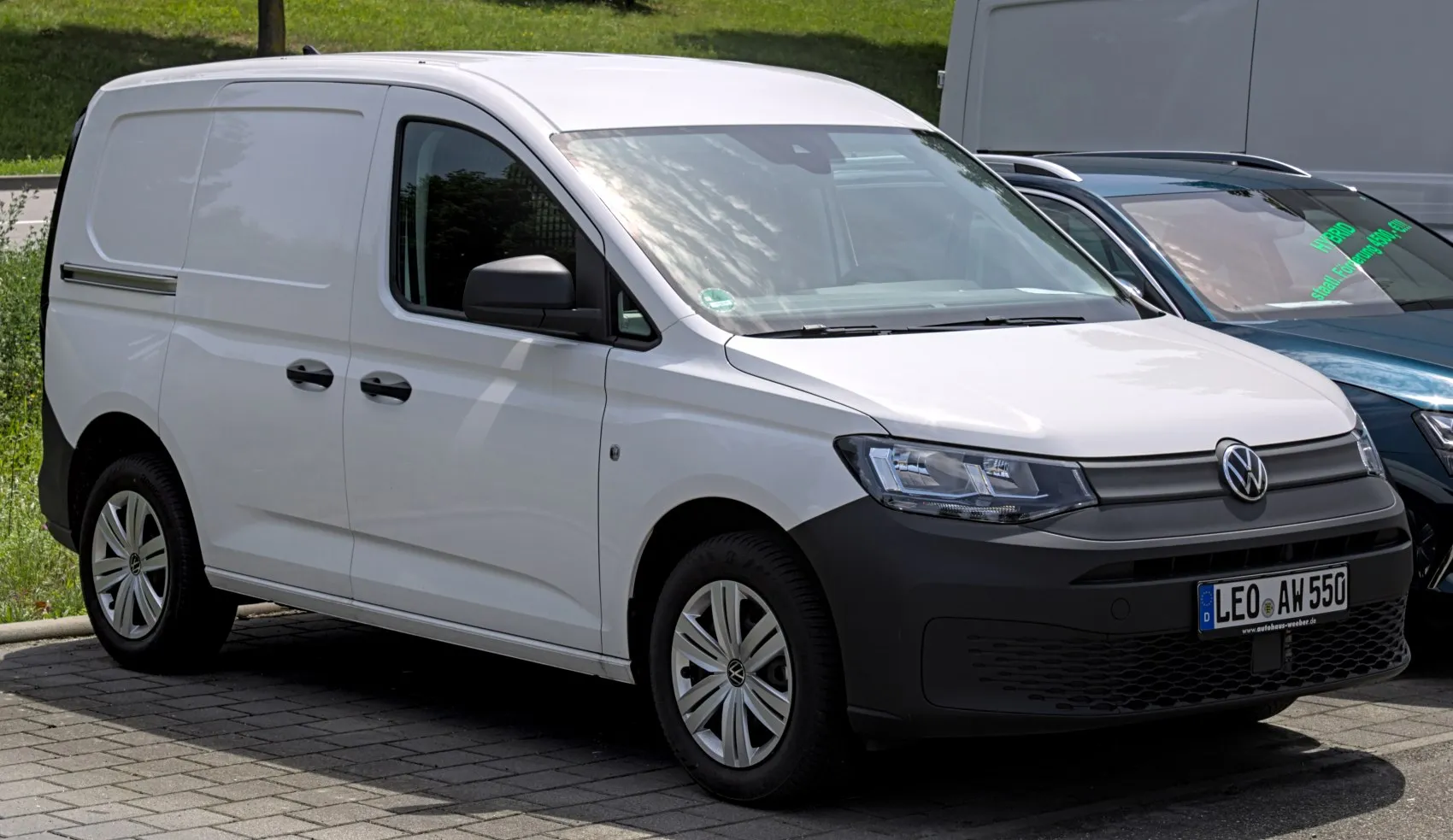
Volkswagen Caddy Cargo V 1.5 TSI (114 Hp)
Overall Rating
Volkswagen Caddy:
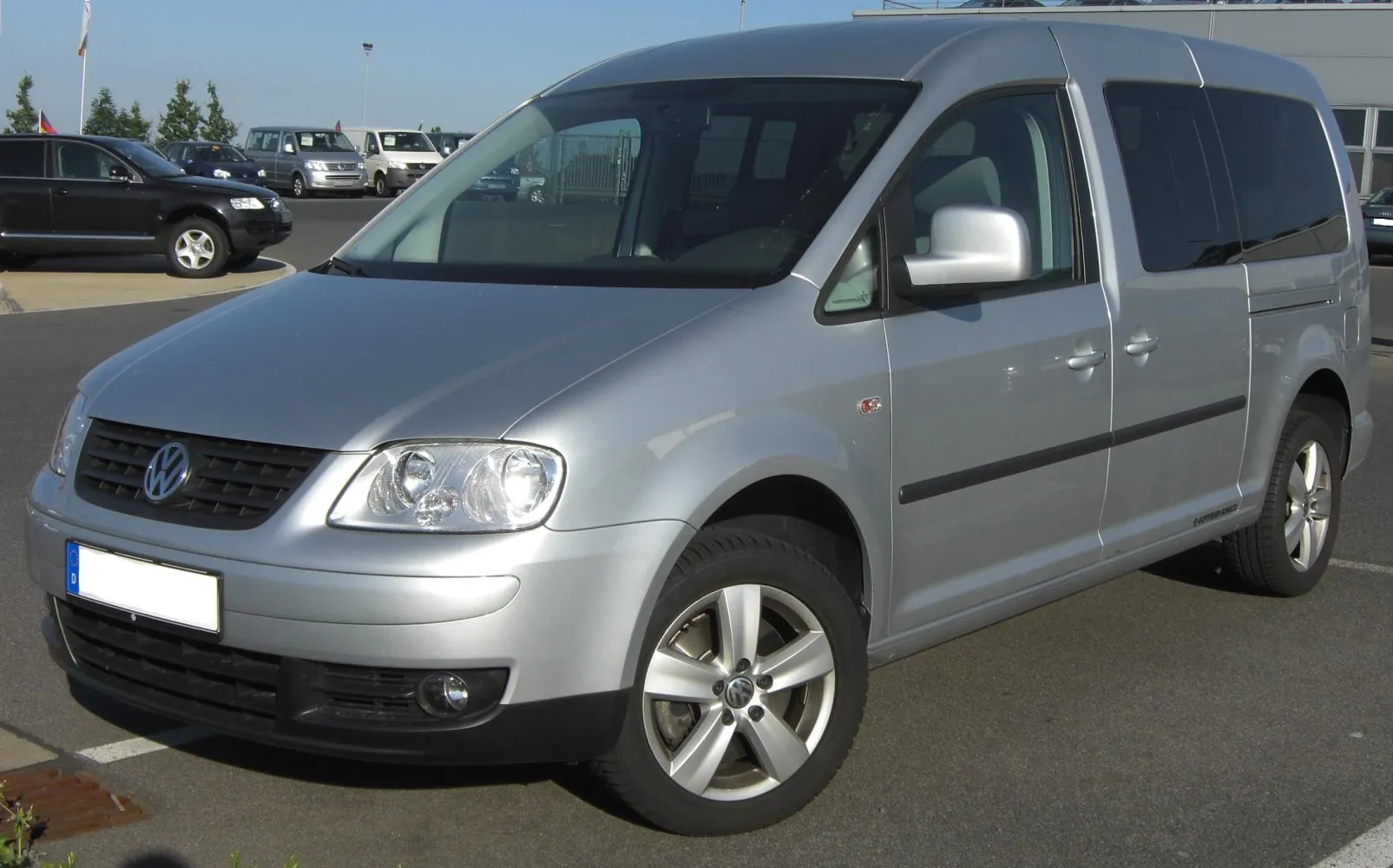
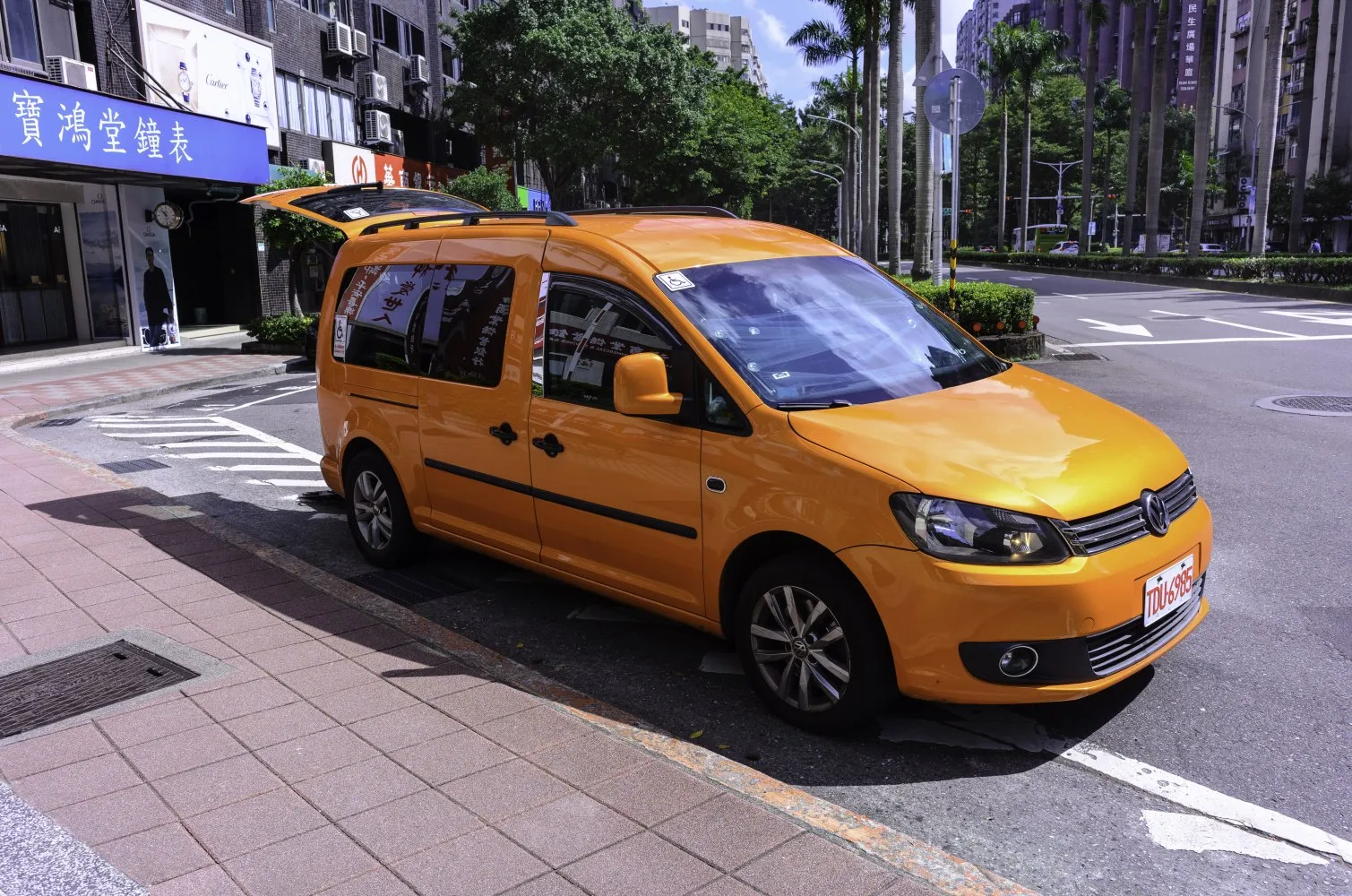
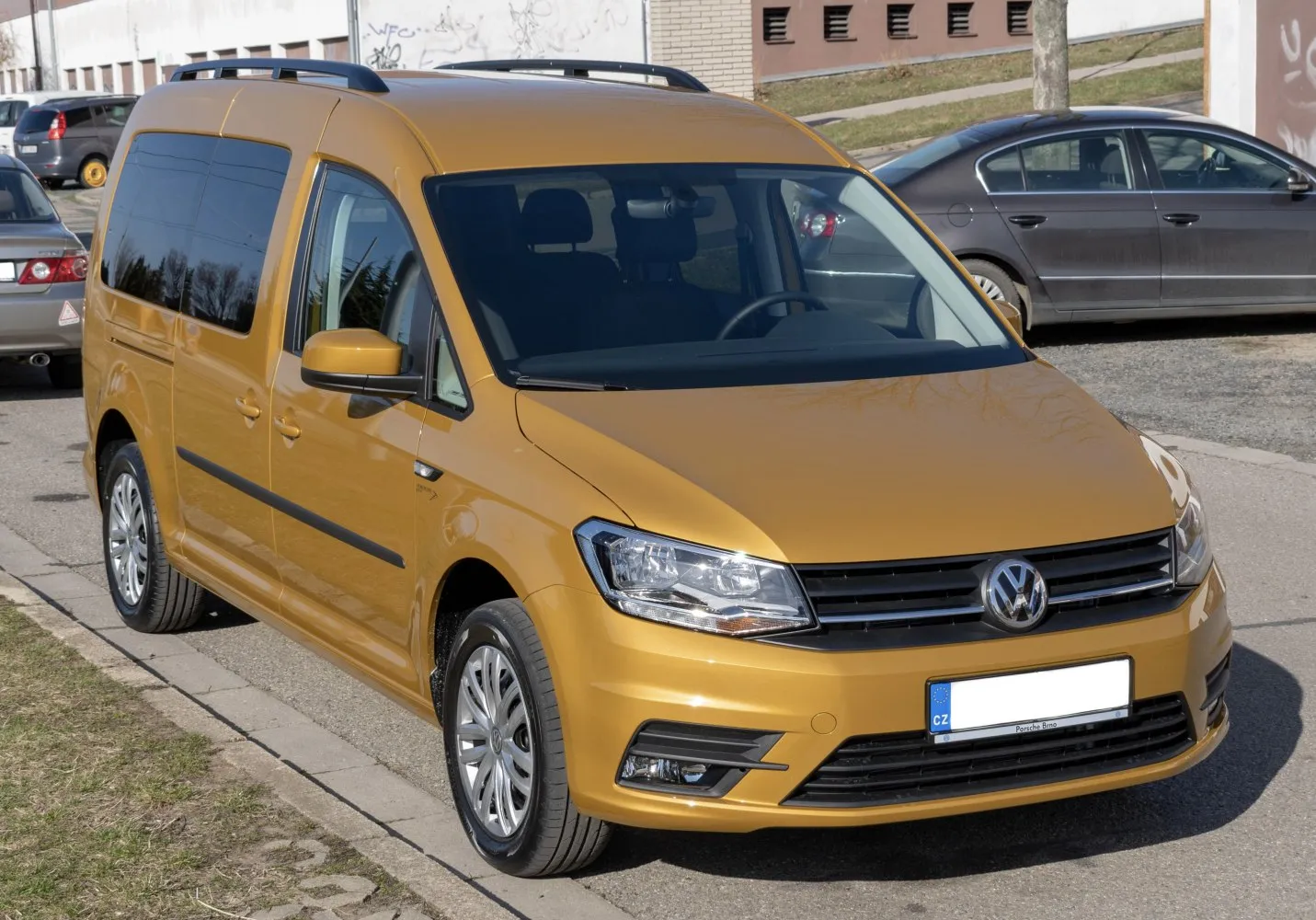
The Volkswagen Caddy is a panel van and leisure activity vehicle produced by the German automaker Volkswagen Group since 1979. It is sold in Europe and in other markets around the world. The Volkswagen Caddy was first introduced in North America in 1979 and in Europe in 1982. The first and second generations also had pick-up variants.
The following vehicles are related to the Volkswagen Caddy and are also manufactured by the Volkswagen Group.
Released in 1979, the first Volkswagen Caddy is a coupe utility and van based on the Volkswagen Group A1 platform, shared with the small family car Volkswagen Golf Mk1....(Read more on Wikipedia)
Cargo V Overview:
Volkswagen Caddy (Cargo V). With 220 Nm of torque, it offers ample pulling power. It has moderate fuel consumption (~6.5 l/100km). With a weight of 1404 kg, it falls in the mid‑range. Front‑wheel drive delivers efficiency and easy handling. Acceleration is relatively slow (0–100 km/h in 11.1 s). The top speed reaches 180 km/h. A spacious vehicle designed to transport passengers comfortably, often with sliding doors. Seating for 2 makes it ideal for daily use.
1.5 TSI (114 Hp) Verdict:

Performance Verdict
Offers adequate performance for urban environments, with a slight power reduction compared to the 116 Hp TSI, but still capable.
Fuel Economy
Moderate fuel consumption for a petrol engine in this segment, suitable for those with lower annual mileage.
 Community Verdict
This rating is based on comments found on Reddit, scanned using artificial intelligence, and may not accurately reflect reality.

5 / 5
Based on AI analysis of 4 discussions
Read What Owners Say
Pros and Cons:
Pros:
- • Wide range of efficient and capable engines, including diesel, petrol, and hybrid options.
- • Excellent practicality and cargo space for its segment.
- • High level of safety features and a strong Euro NCAP rating (for the passenger variant).
- • Modern interior with advanced technology and driver assistance systems.
- • Available 4MOTION all-wheel drive for enhanced traction.
Cons:
- • Ride quality can be firm, especially when unladen, typical for a commercial vehicle.
- • Some interior materials are durable but lack the premium feel of passenger cars.
- • Higher trim levels and options can significantly increase the price.
- • Fuel economy data missing for some petrol variants, making direct comparison difficult.
Specifications:
Specifications are compared to those of the previous generation(IV: 2018 - 2020).
| General: | |
|---|---|
| Brand: | Volkswagen |
| Model: | Caddy |
| Generation: | Cargo V |
| Modification (Engine): | 1.5 TSI (114 Hp) |
| Start of production: | 2020 |
| End of production: | April, 2024 |
| Powertrain Architecture: | Internal Combustion engine |
| Body type: | Minivan |
| Seats: | 2 |
| Doors: | 4-5 |
| Engine: | |
|---|---|
| Engine systems: | Start & Stop System |
| Power: | 114 Hp @ 4500-6000 rpm. Same horsepower |
| Power per litre: | 76.1 Hp/l [92mm more] |
| Torque: | 220 Nm @ 1750-3000 rpm. |
| Engine Model/Code: | EA211 evo / DPBC More details about the engine EA211 evo / DPBC |
| Engine displacement: | 1498 |
| Number of cylinders: | 4 |
| Engine configuration: | Inline |
| Number of valves per cylinder: | 4 |
| Fuel injection system: | Direct injection |
| Engine aspiration: | Turbocharger, Intercooler |
| Valvetrain: | DOHC |
| Engine oil capacity: | 4.3 l |
| Engine layout: | Front, Transverse |
| Cylinder Bore: | 74.5 mm mm |
| Piston Stroke: | 85.9 mm mm |
| Compression ratio: | 12.5:1 |
| Performance: | |
|---|---|
| Fuel Type: | Petrol (Gasoline) |
| Fuel consumption (economy) - urban: | 6.5 l/100 km |
| Fuel consumption (economy) - extra urban: | 5 l/100 km |
| Combined fuel consumption (WLTP): | 6.3-6.7 l/100 km |
| Fuel consumption at Low speed (WLTP): | 7.8-8.2 l/100 km |
| Fuel consumption at Medium speed (WLTP): | 6-6.5 l/100 km |
| Fuel consumption at high speed (WLTP): | 5.4-5.8 l/100 km |
| Fuel consumption at very high speed (WLTP): | 6.6-7.1 l/100 km |
| Fuel consumption (economy) - urban (NEDC, WLTP equivalent): | 6.5 l/100 km |
| Fuel consumption (economy) - extra urban (NEDC, WLTP equivalent): | 5 l/100 km |
| Fuel consumption (economy) - combined (NEDC, WLTP equivalent): | 5.5 l/100 km |
| Fuel consumption (economy) - combined: | 5.5 l/100 km |
| Emission standard: | Euro 6d-ISC-FCM |
| Acceleration 0 - 100 km/h: | 11.1 sec |
| Acceleration 0 - 62 mph: | 11.1 sec |
| Maximum speed: | 180 km/h |
| Weight-to-power ratio: | 12.3 kg/Hp, 81.2 Hp/tonne |
| Weight-to-torque ratio: | 6.4 kg/Nm, 156.7 Nm/tonne |
| Acceleration 0 - 60 mph: | 10.5 sec |
| Space: | |
|---|---|
| Kerb Weight: | 1404 |
| Max. weight: | 2150 |
| Max. roof load: | 100 kg |
| Max load: | 746 |
| Trunk (boot) space - maximum: | 3100 l |
| Permitted trailer load with brakes (12%): | 1400 kg |
| Fuel tank capacity: | 50 l |
| Permitted trailer load without brakes: | 710 kg |
| Permitted towbar download: | 75 kg |
| Size: | |
|---|---|
| Ramp-over (brakeover) angle: | 14° |
| Length: | 4500 mm mm [92mm more] |
| Width: | 1855 mm mm [62mm more] |
| Height: | 1853 mm mm [5mm less] |
| Wheelbase: | 2755 mm mm [73mm more] |
| Width including mirrors: | 2100 mm |
| Front overhang: | 890 mm |
| Rear overhang: | 855 mm |
| Ride height (ground clearance): | 160 mm |
| Minimum turning circle (turning diameter): | 11.4 m [above average] |
| Approach angle: | 16.8° |
| Departure angle: | 18.7° |
| Powertrain: | |
|---|---|
| Drivetrain Architecture | The Internal combustion engine (ICE) drives the front wheels of the vehicle. |
| Drive wheel | Front wheel drive |
| Number of gears | 6 |
| Transmission type | Manual |
| Front brakes | Ventilated discs, 312x25 mm [Best for performance and cooling.] |
| Rear brakes | Disc, 272x10 mm [above average] |
| Assisting systems | ABS (Anti-lock braking system) |
| Steering type | Steering rack and pinion |
| Power steering | Electric Steering |
| Tires size | 205/60 R16; 215/55 R17 |
| Wheel rims size | 6.5J x 16; 6.5J x 17 |
| Front suspension | Independent, type McPherson with coil spring and anti-roll bar |
| Rear suspension | Rigid axle suspension, Trailing arm, Coil spring |






Help others decide – share your experience!