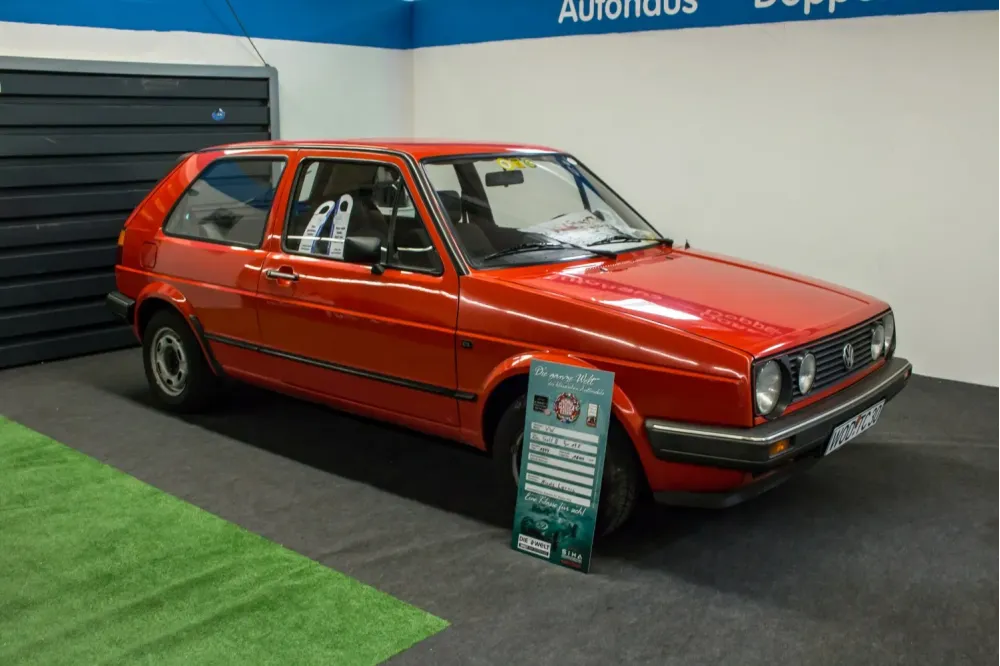
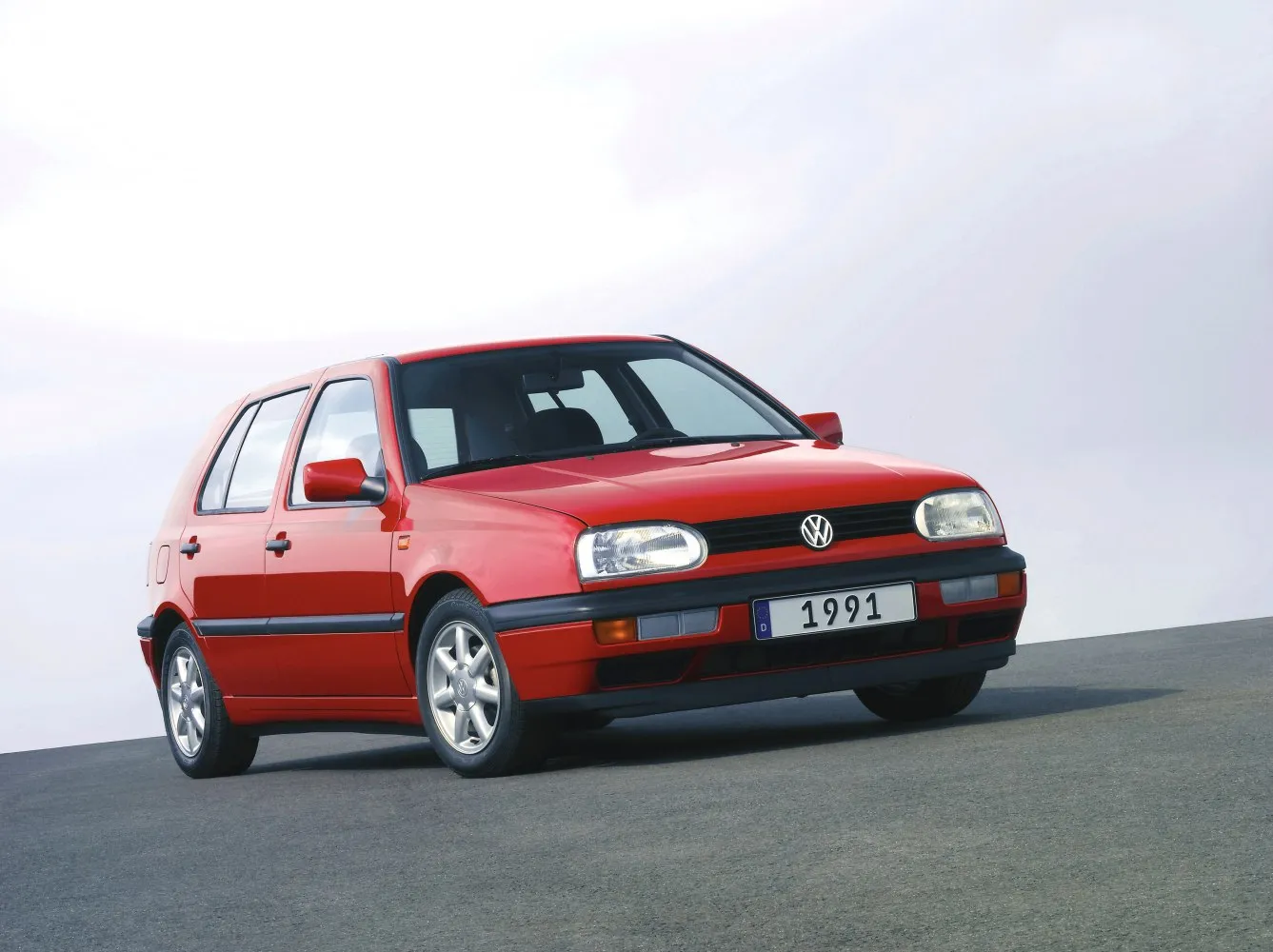
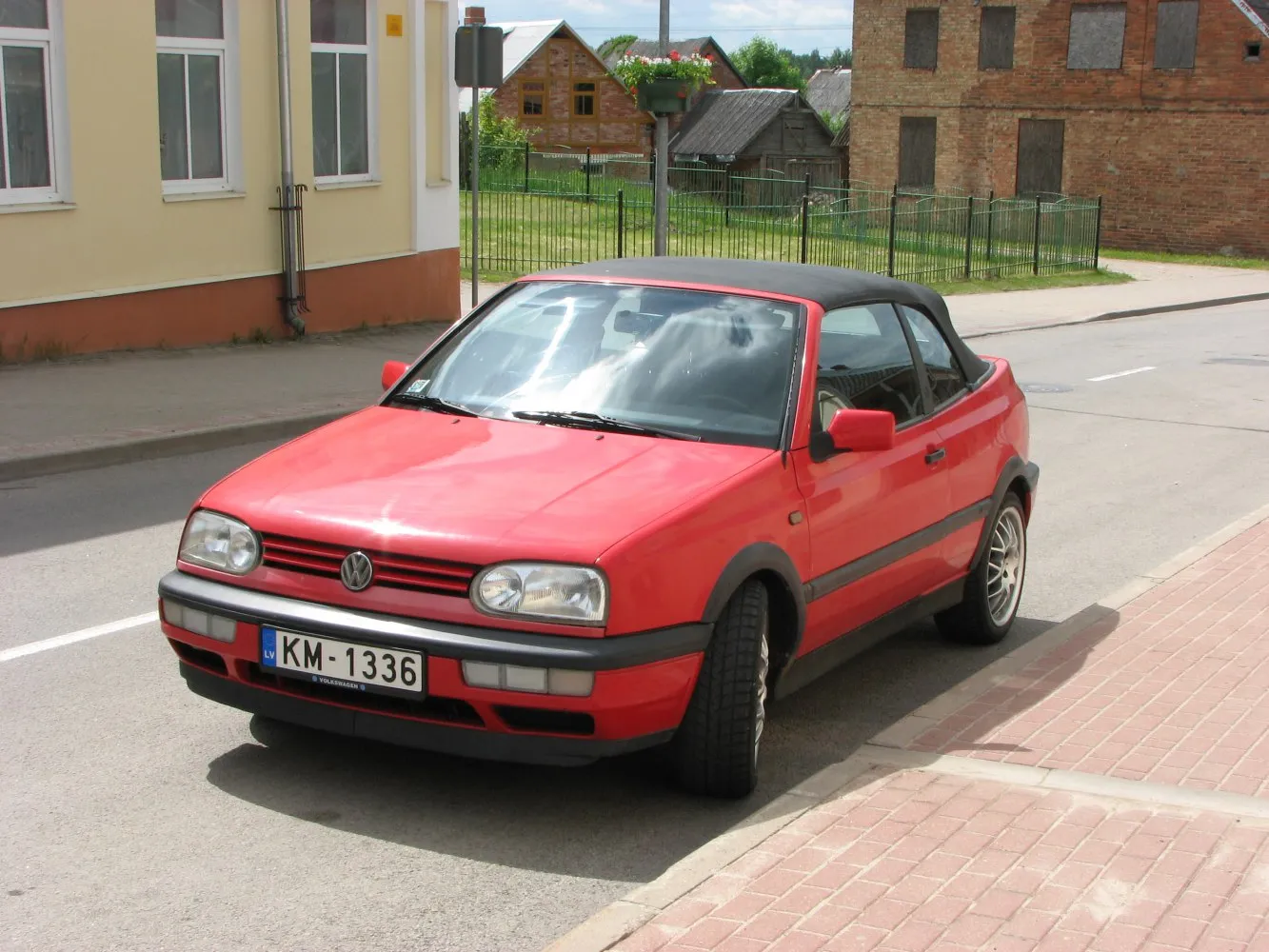
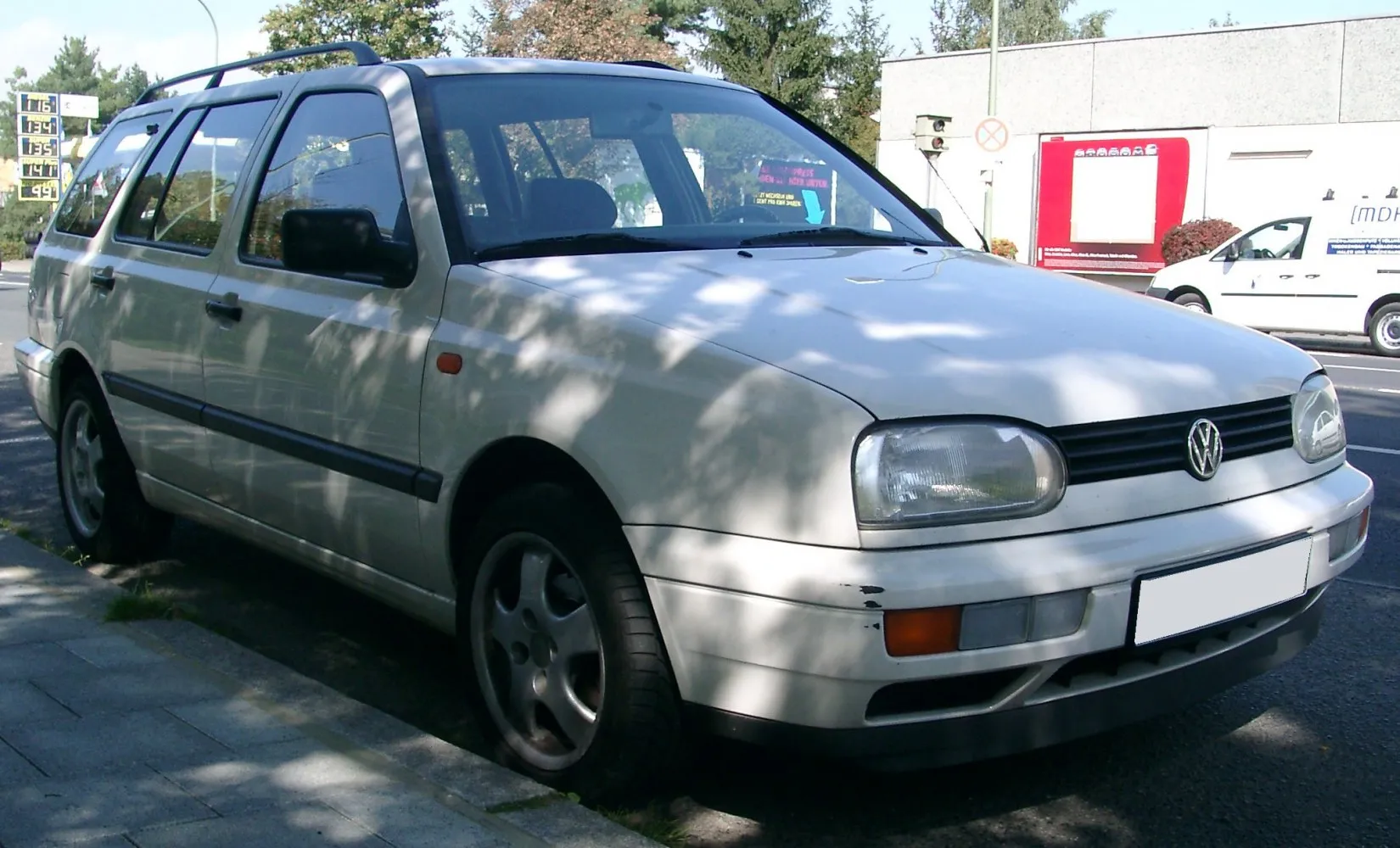
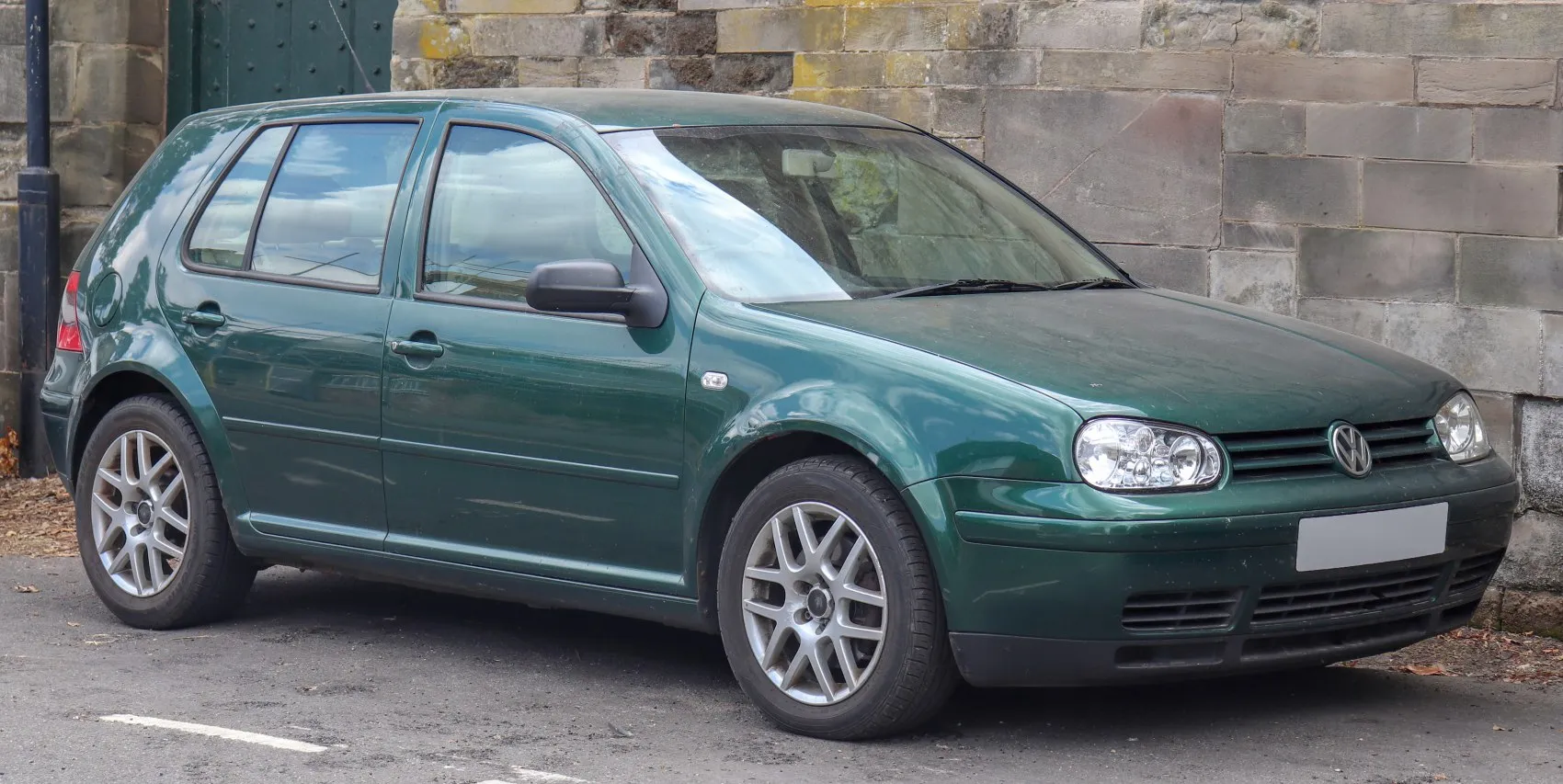
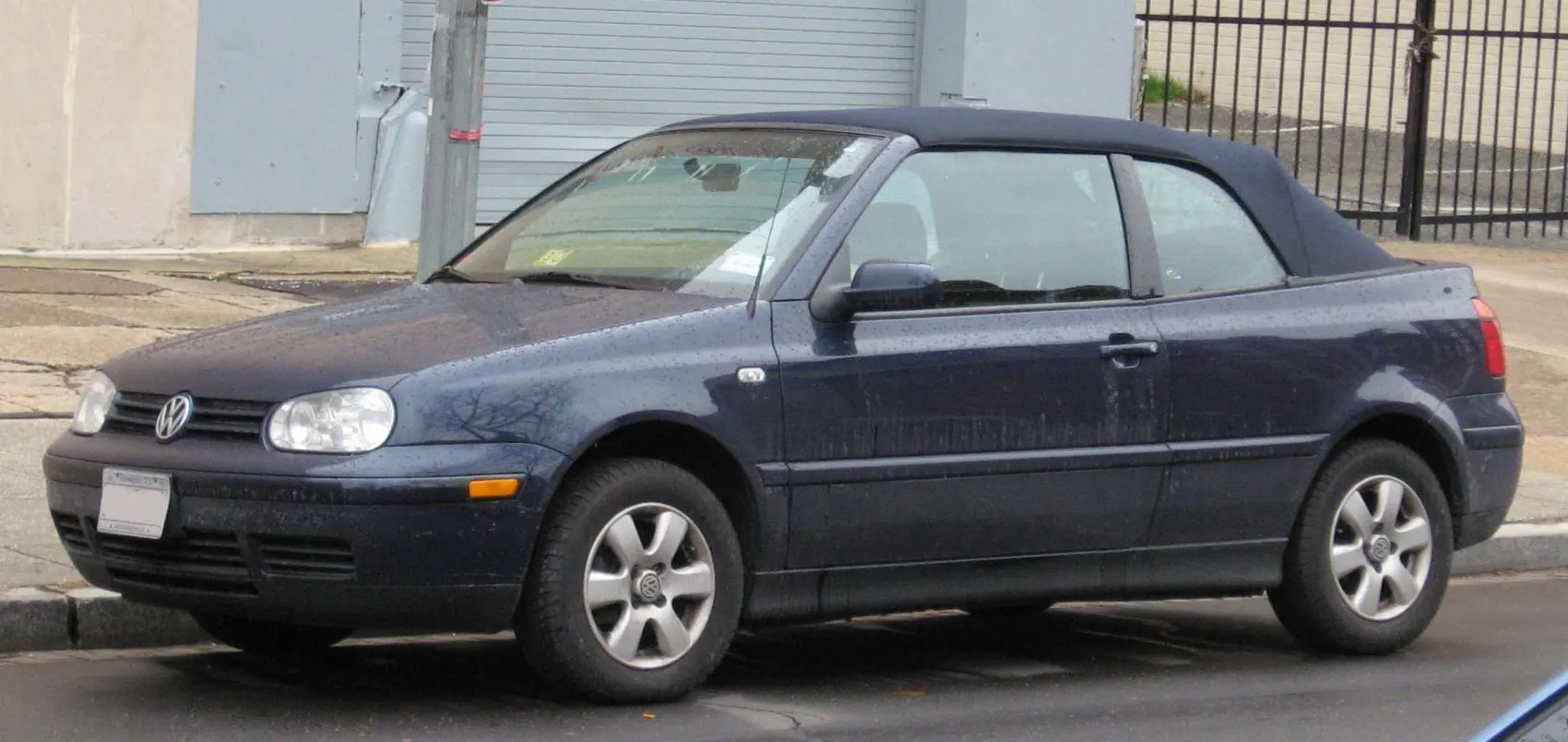
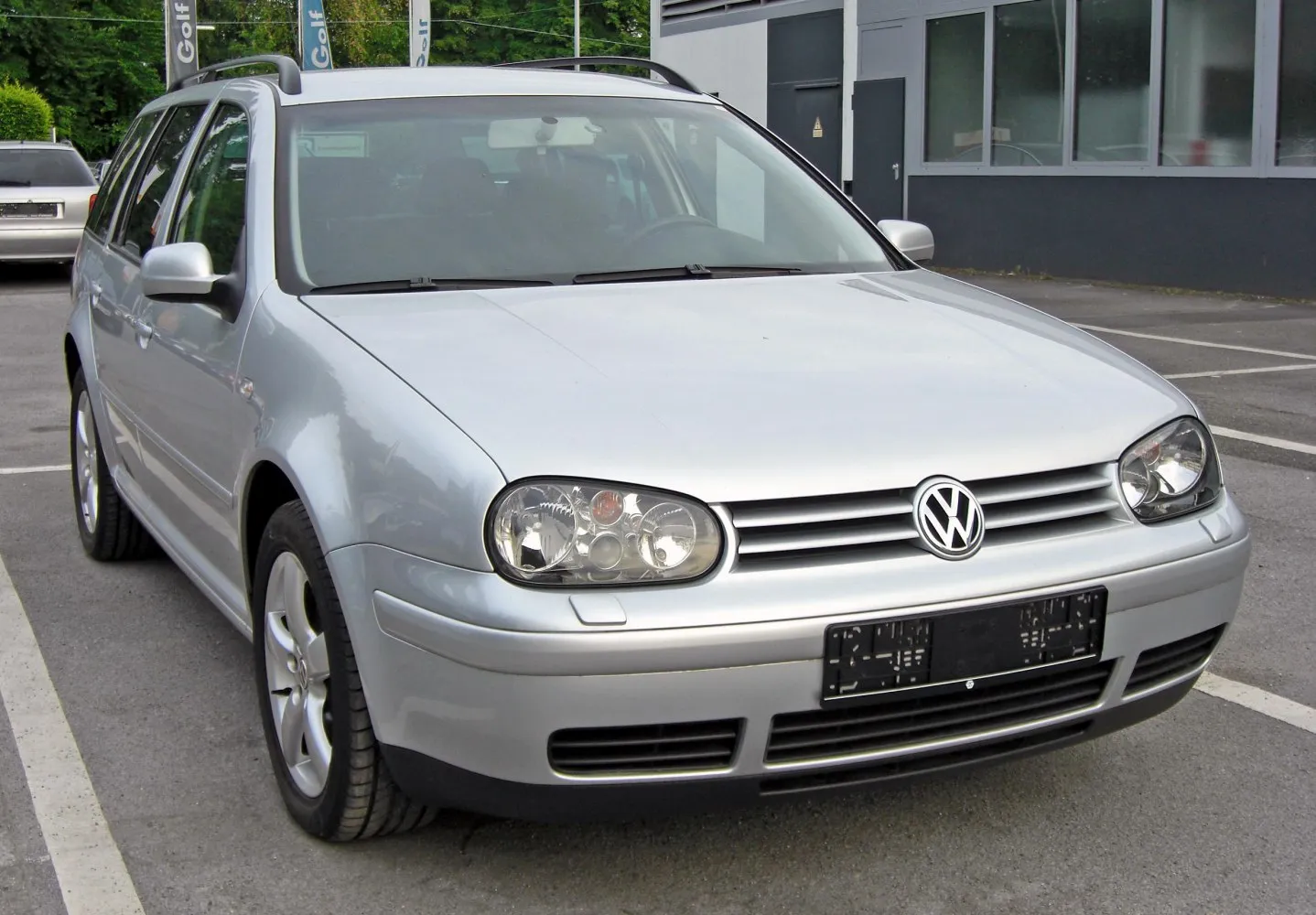
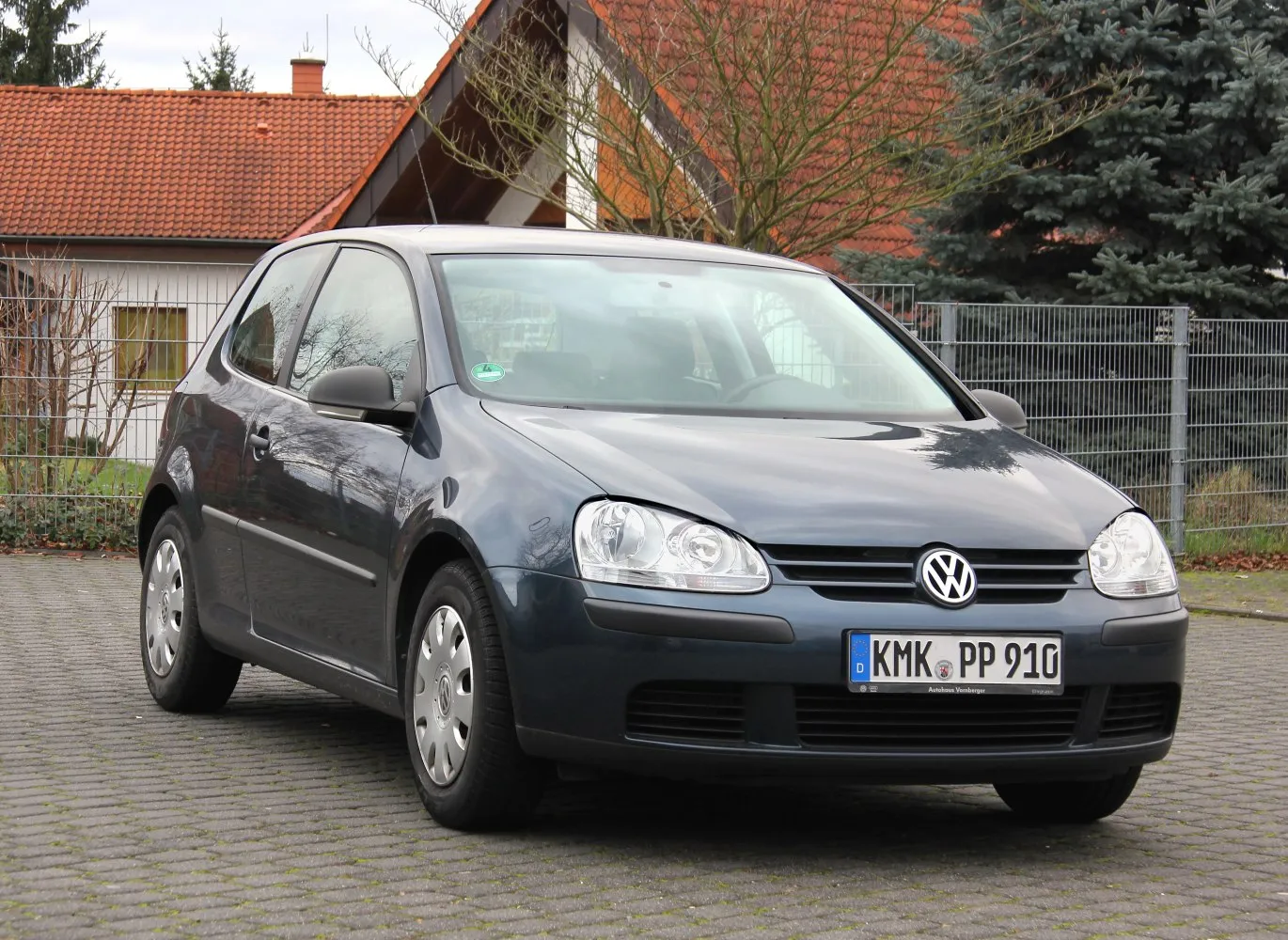
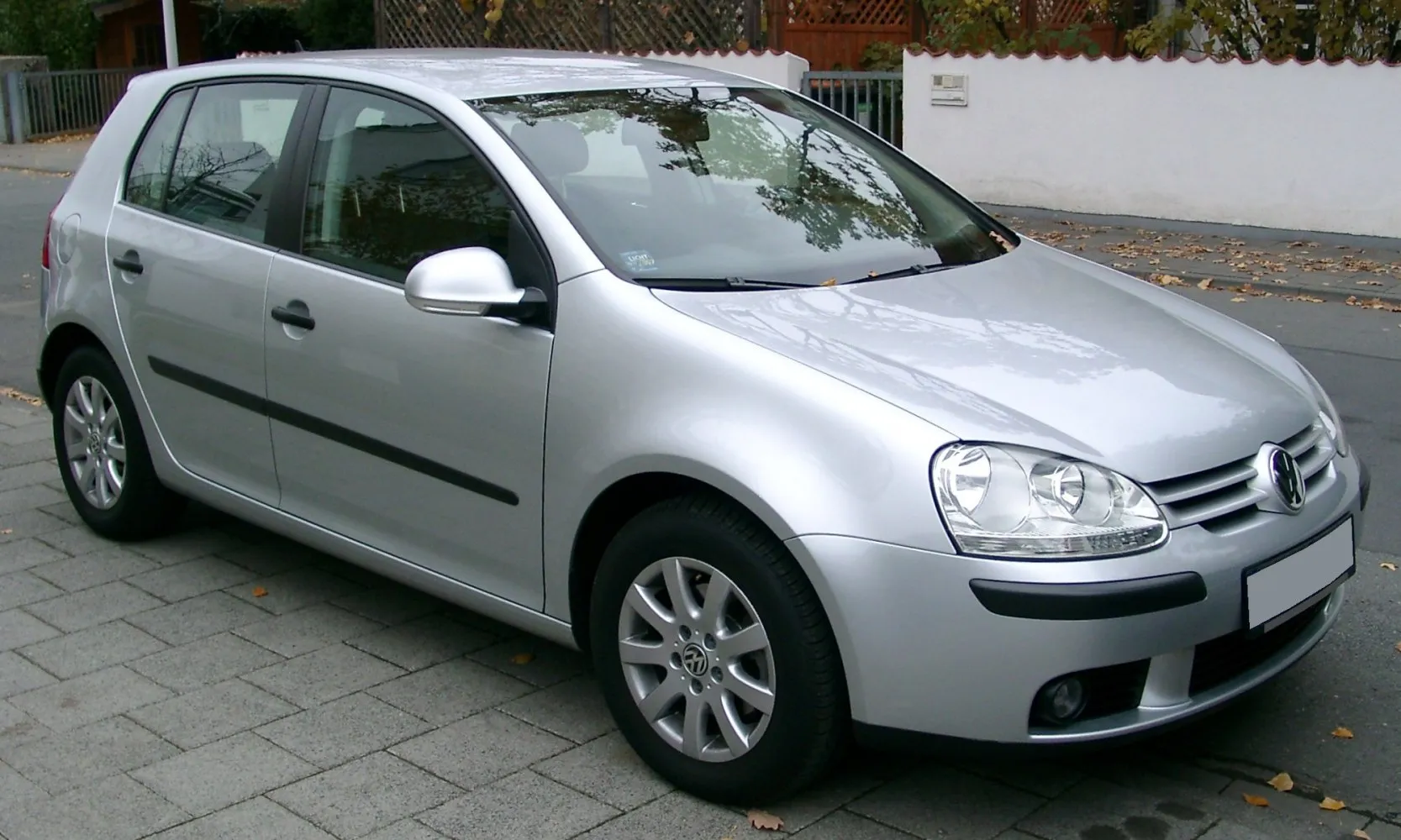
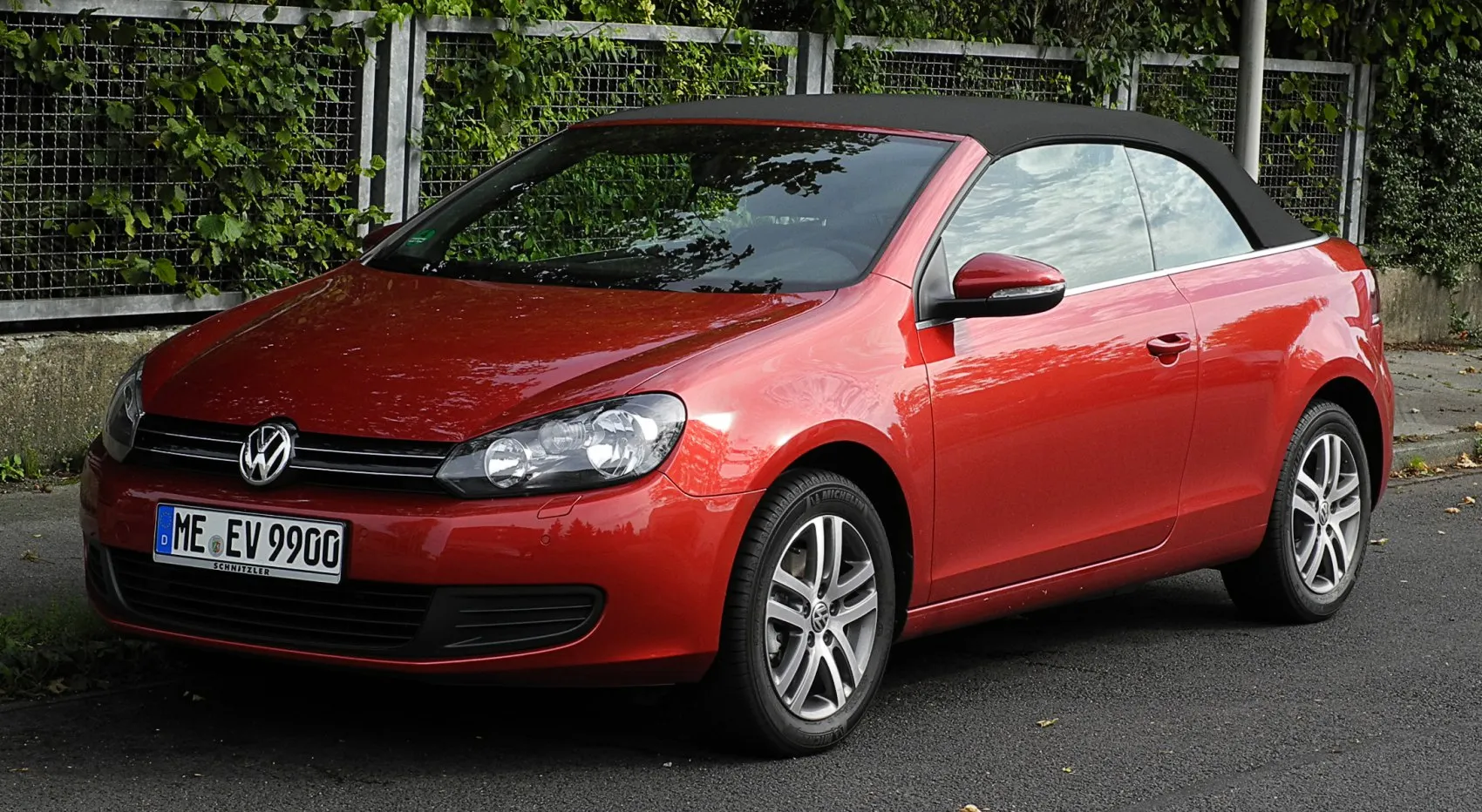
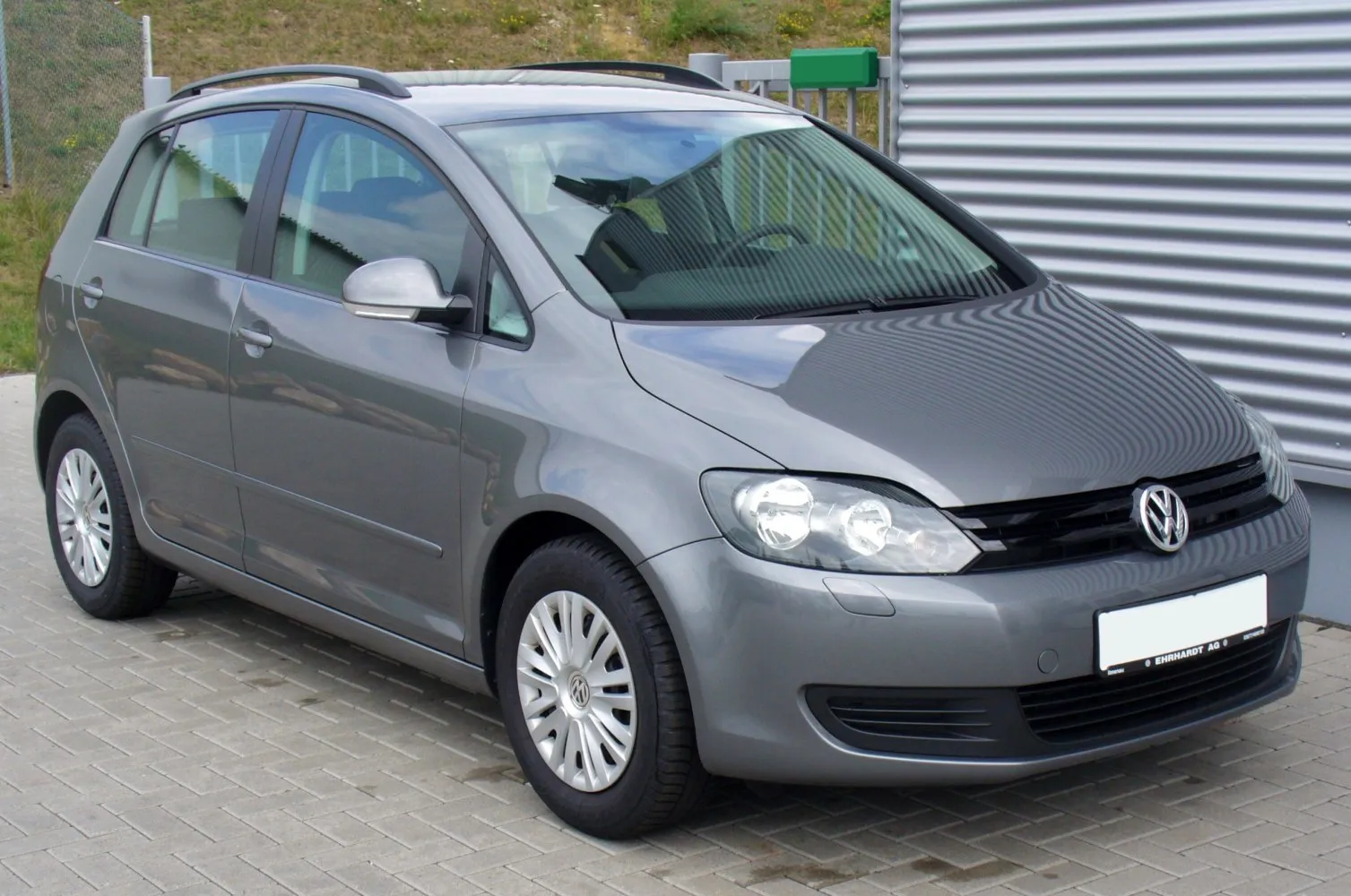
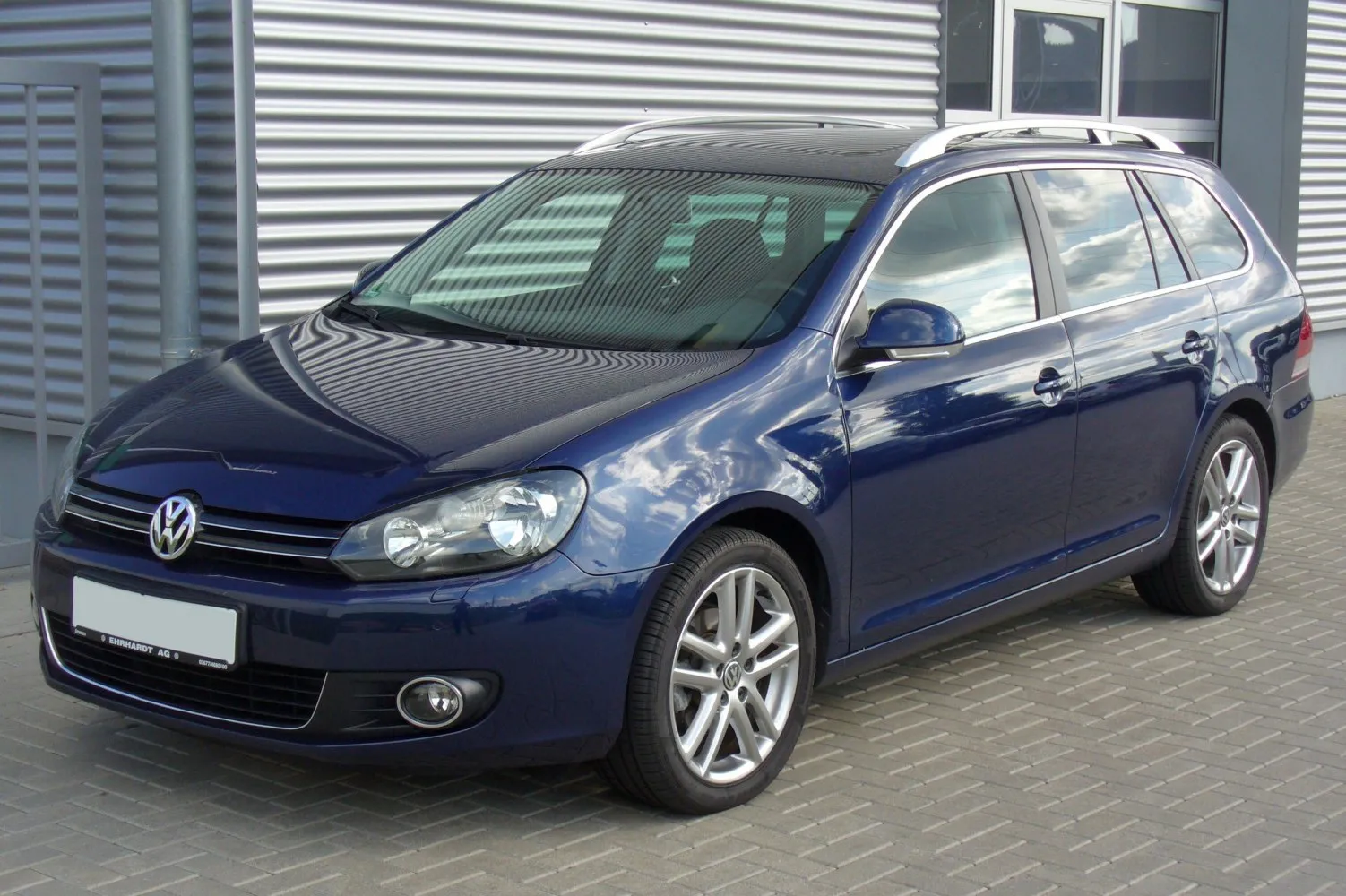
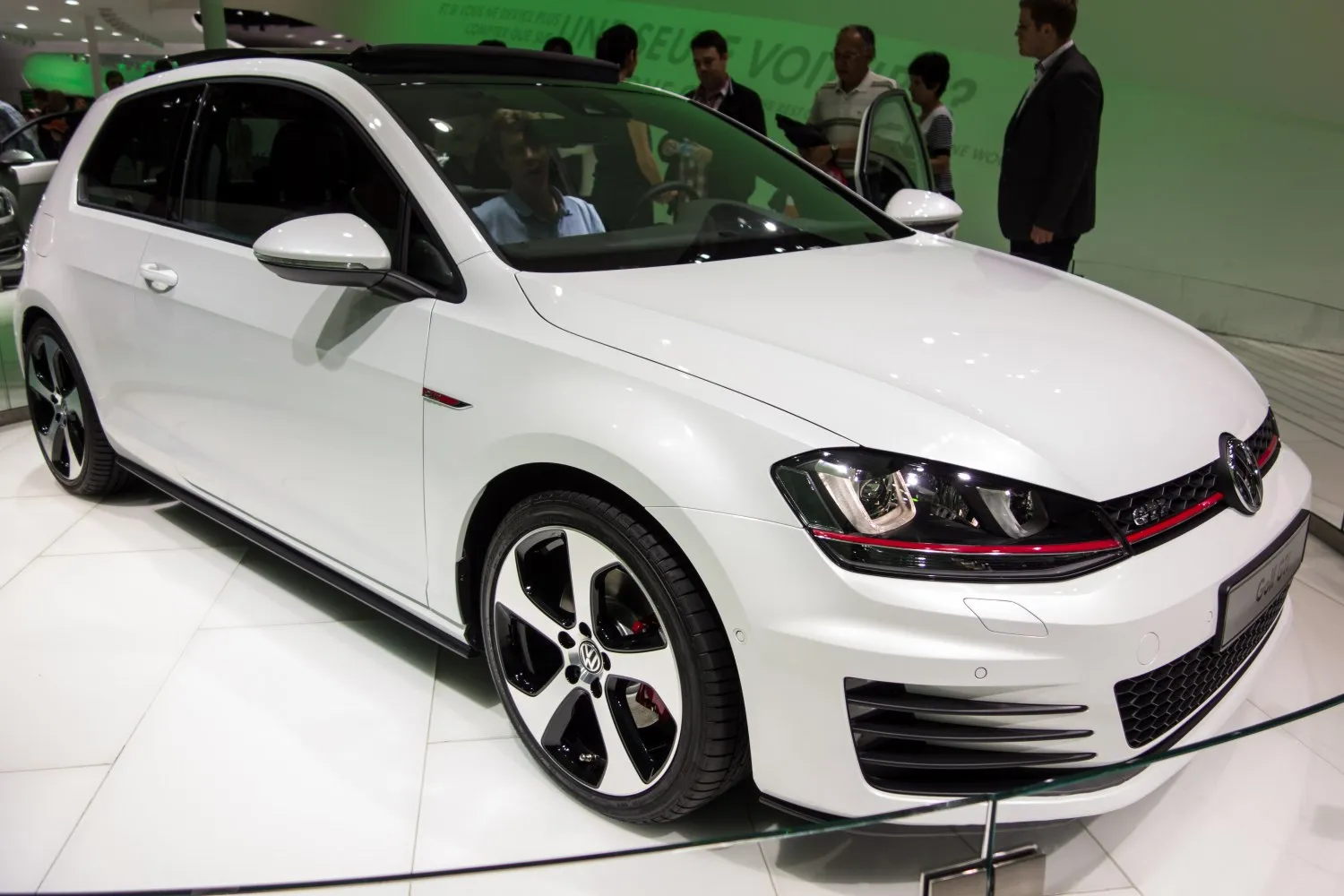
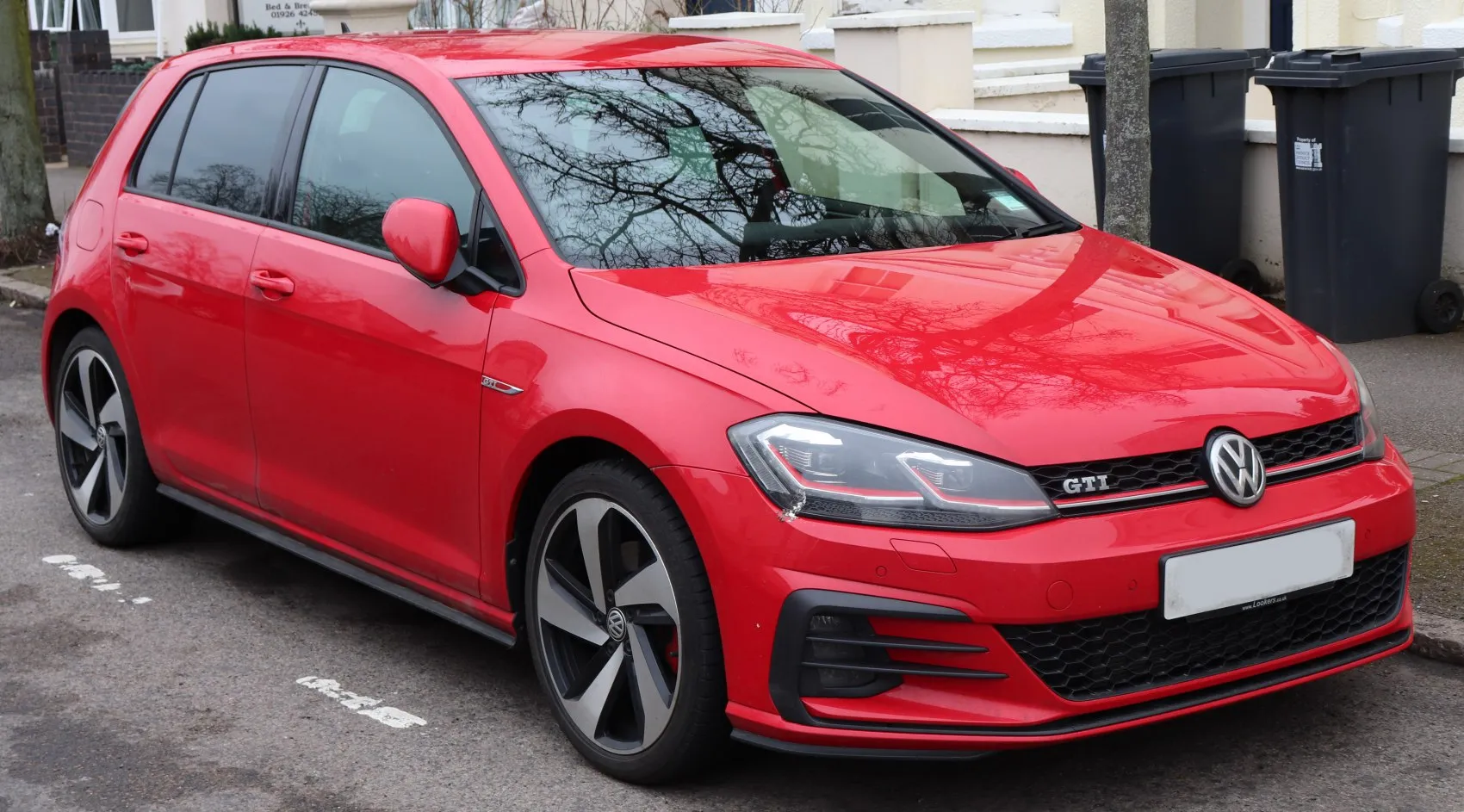
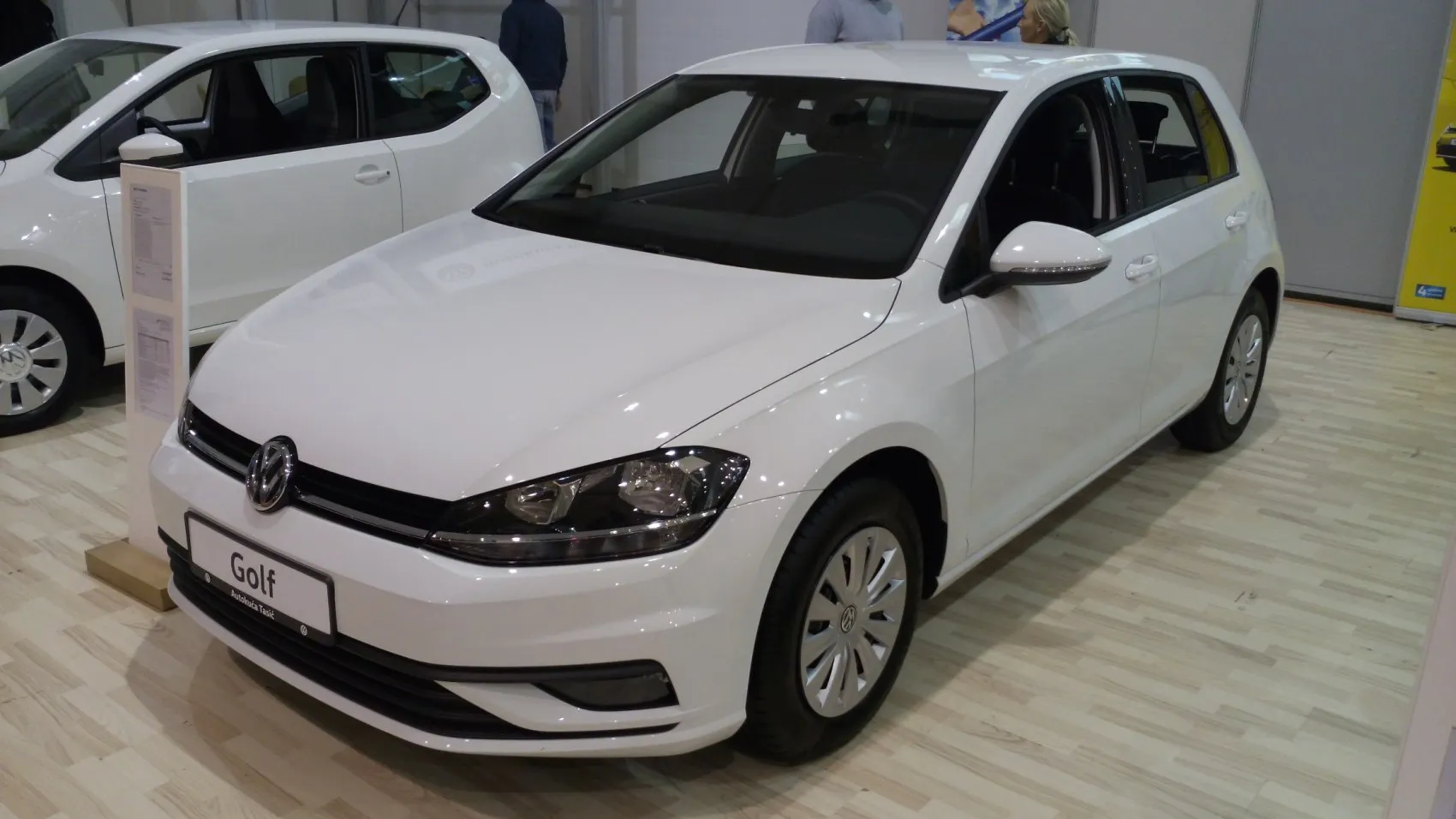
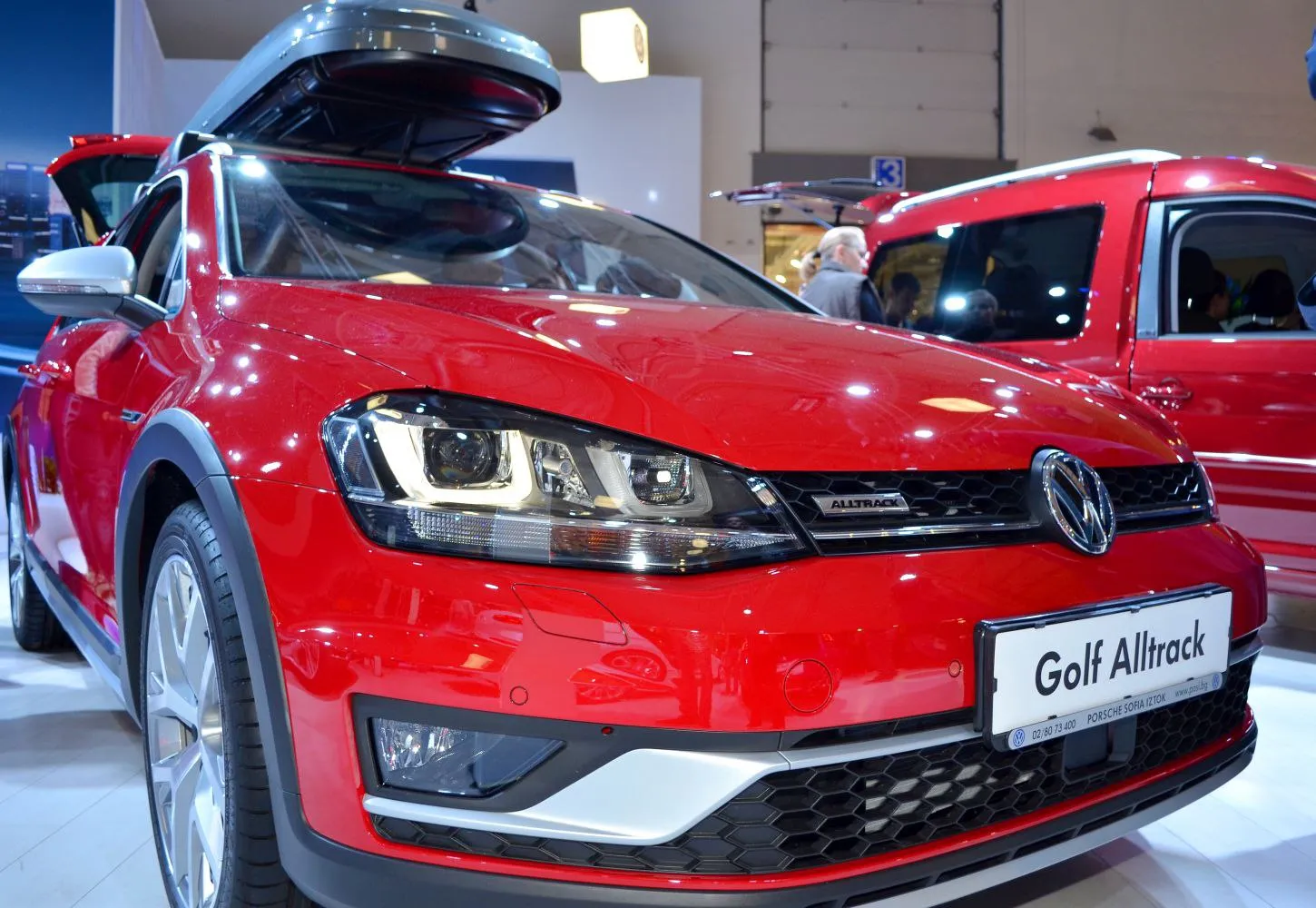
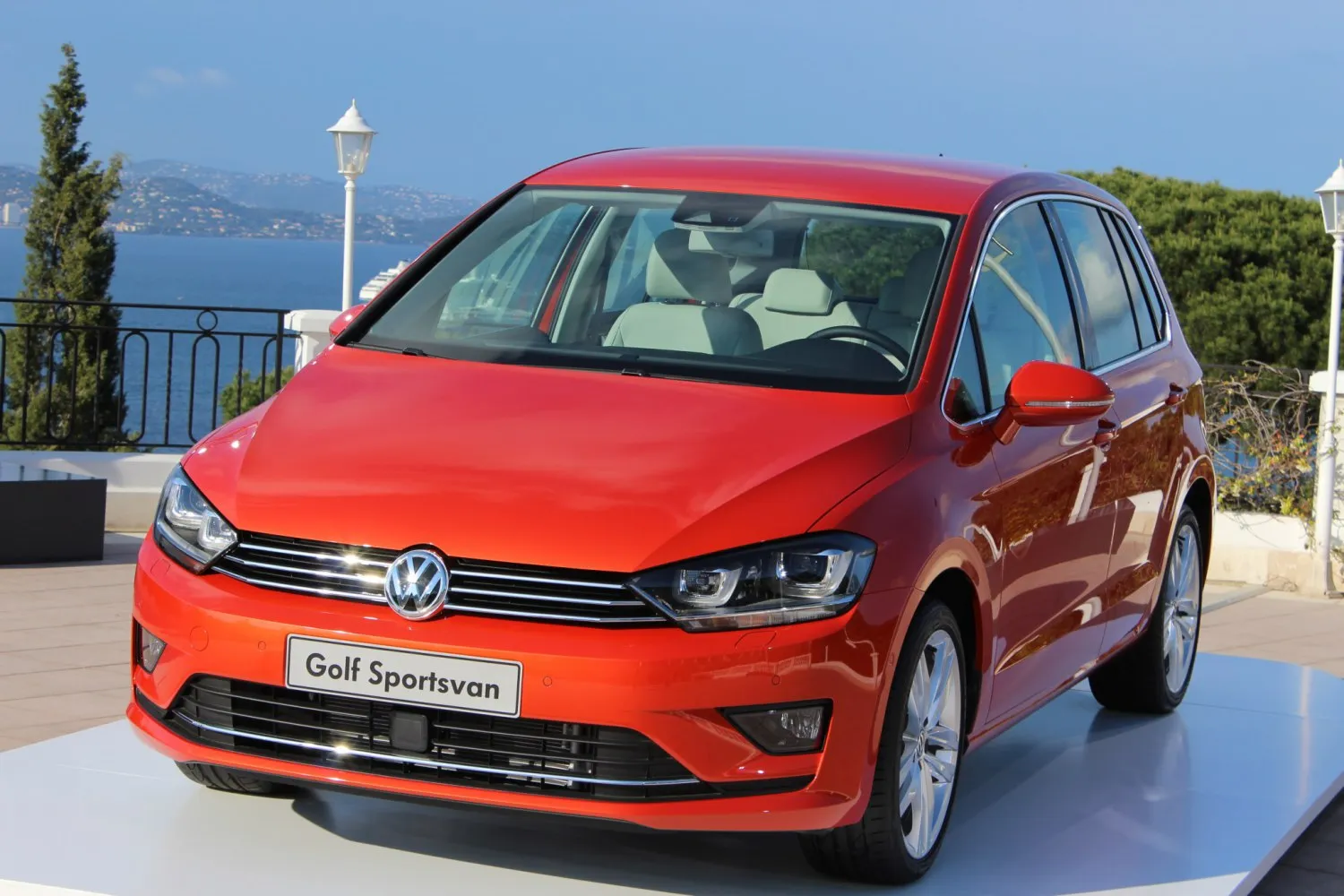
Click on image to view the full photo gallery
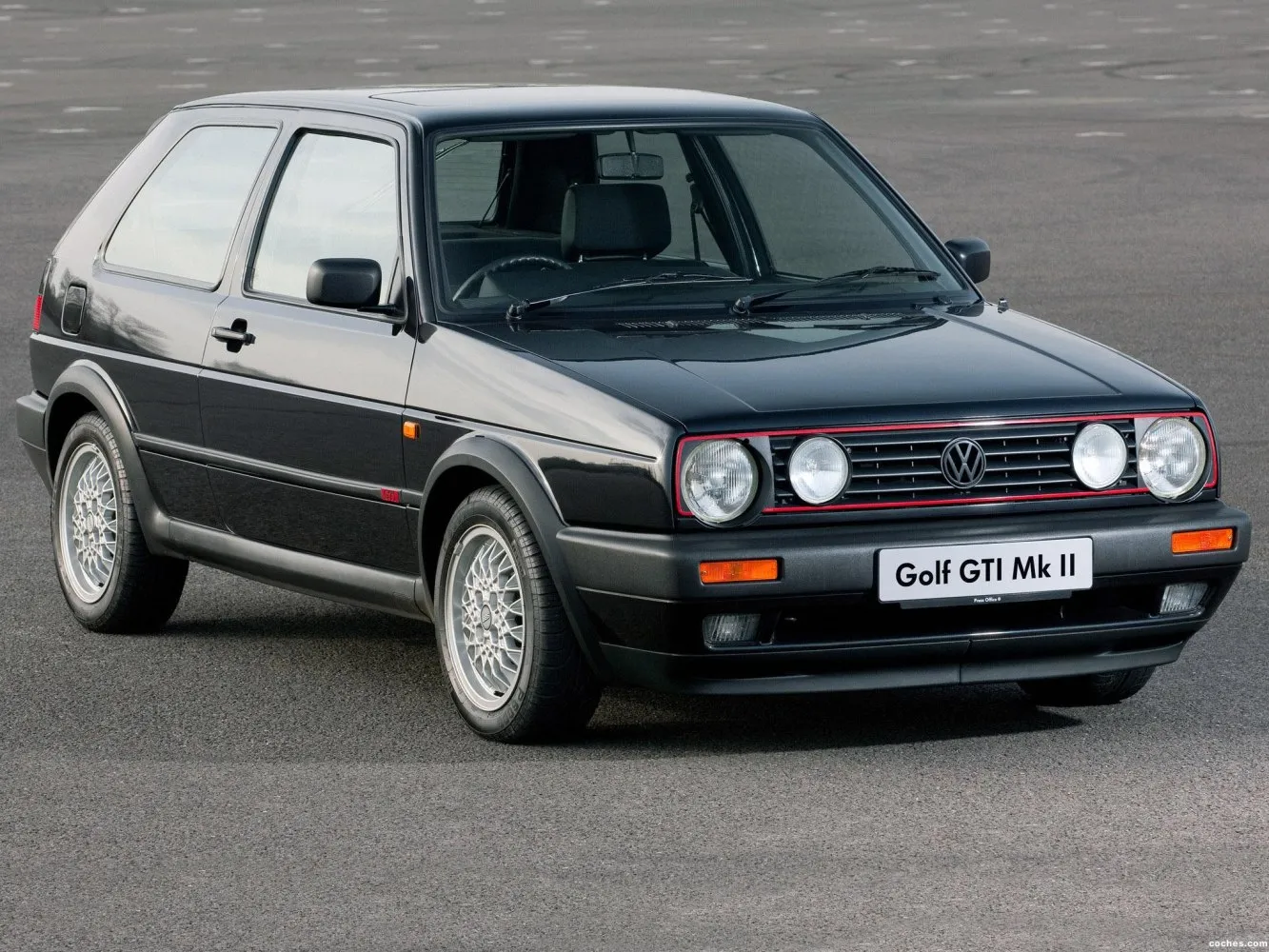
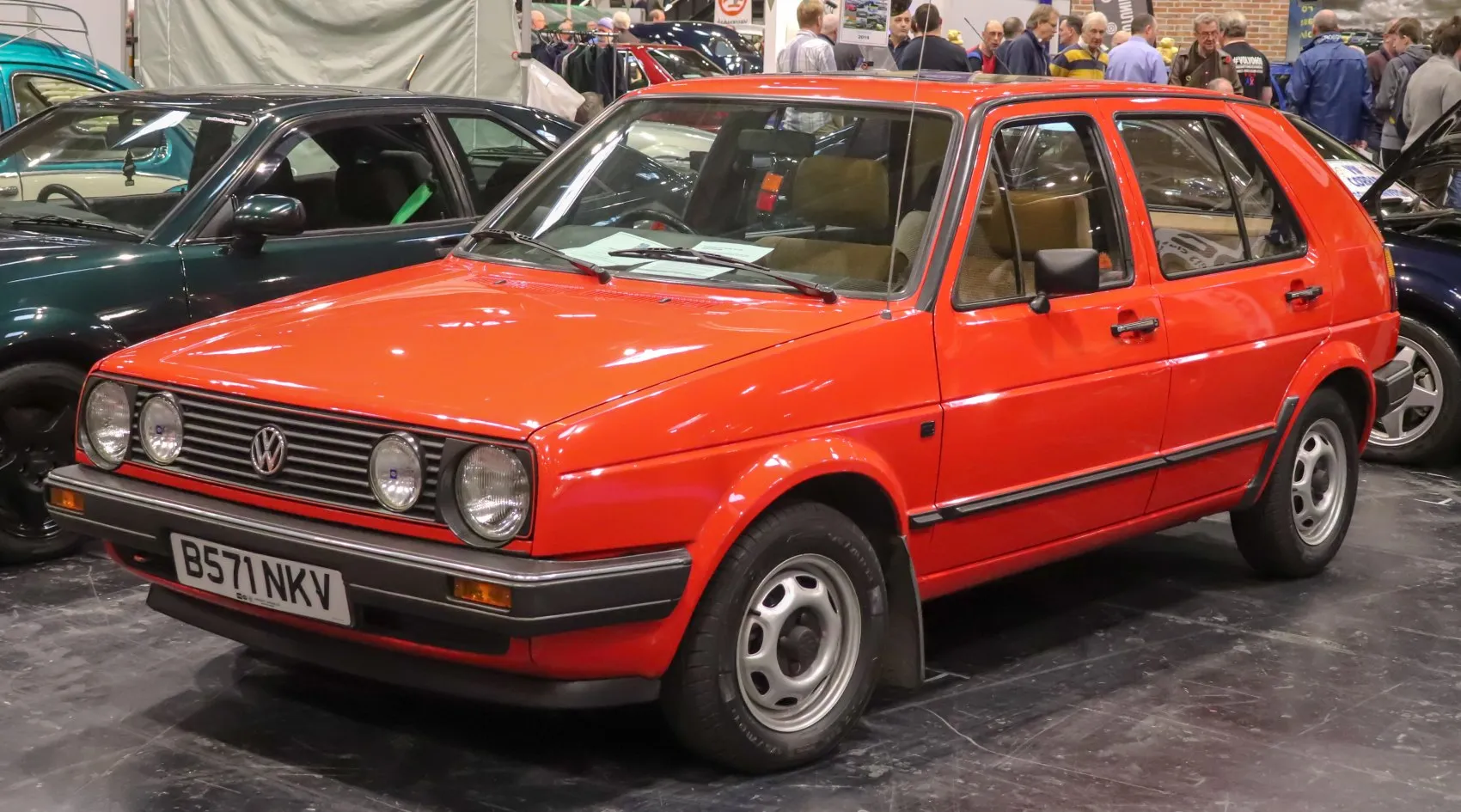
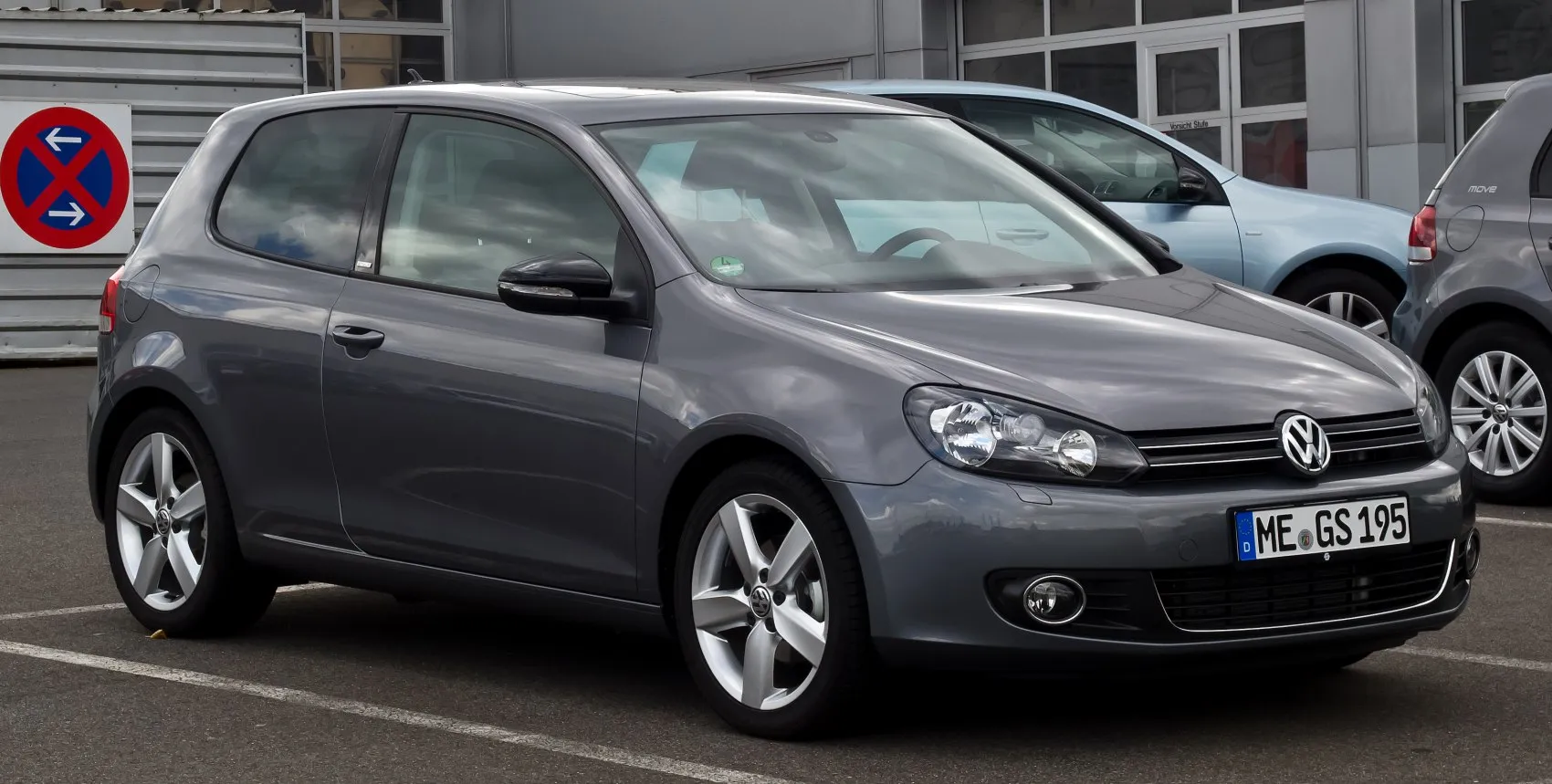
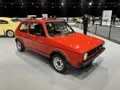
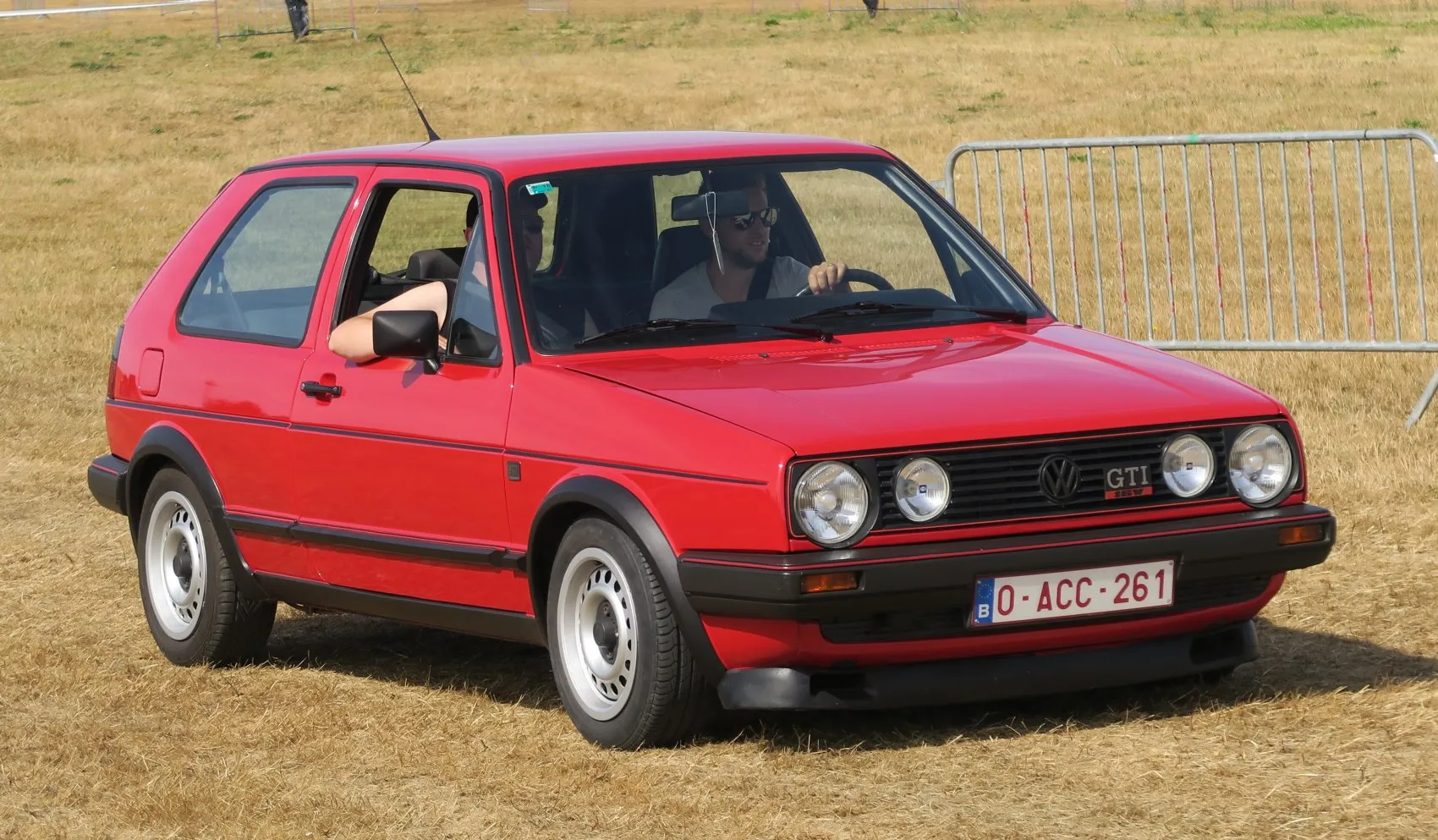
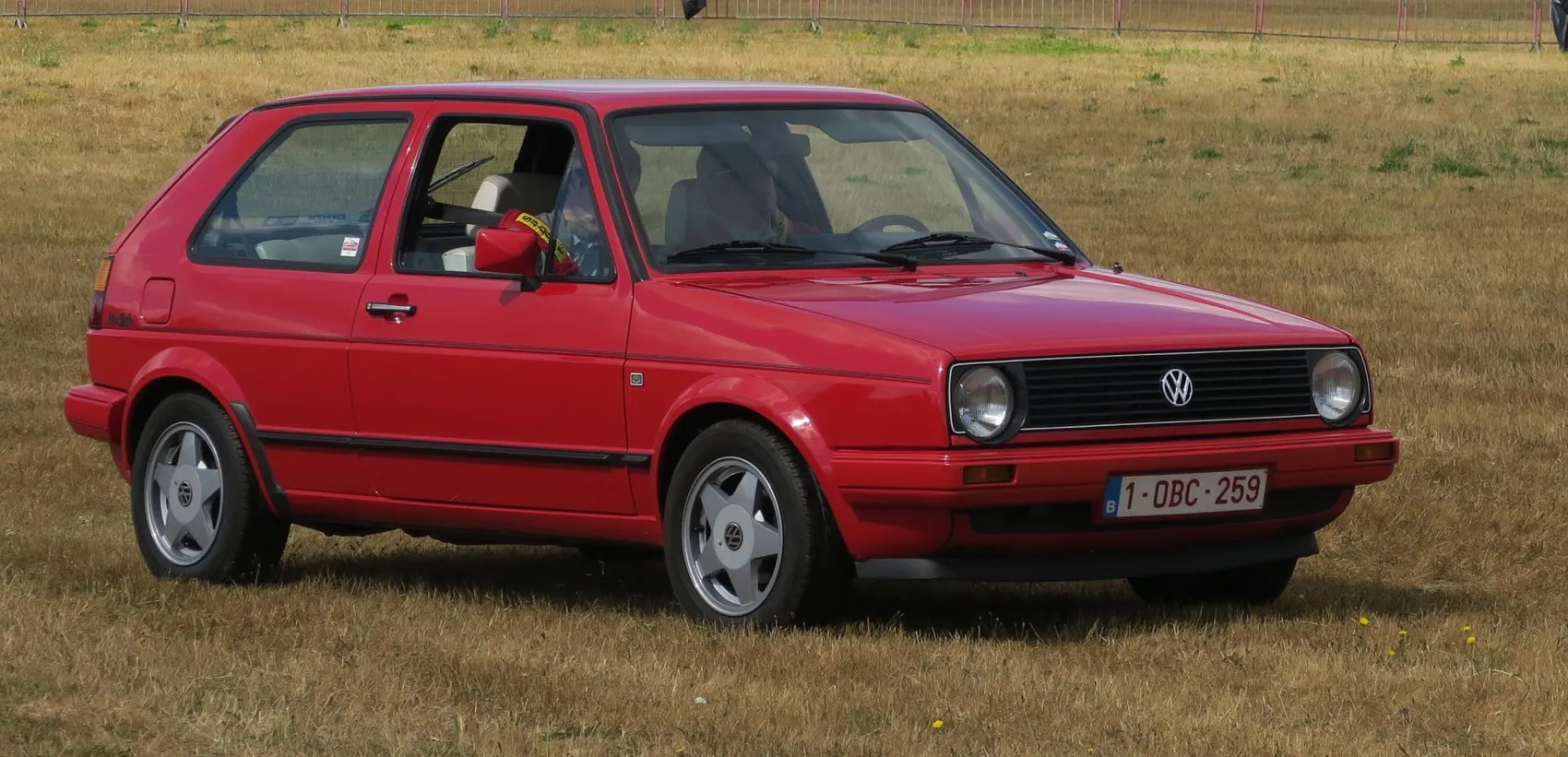
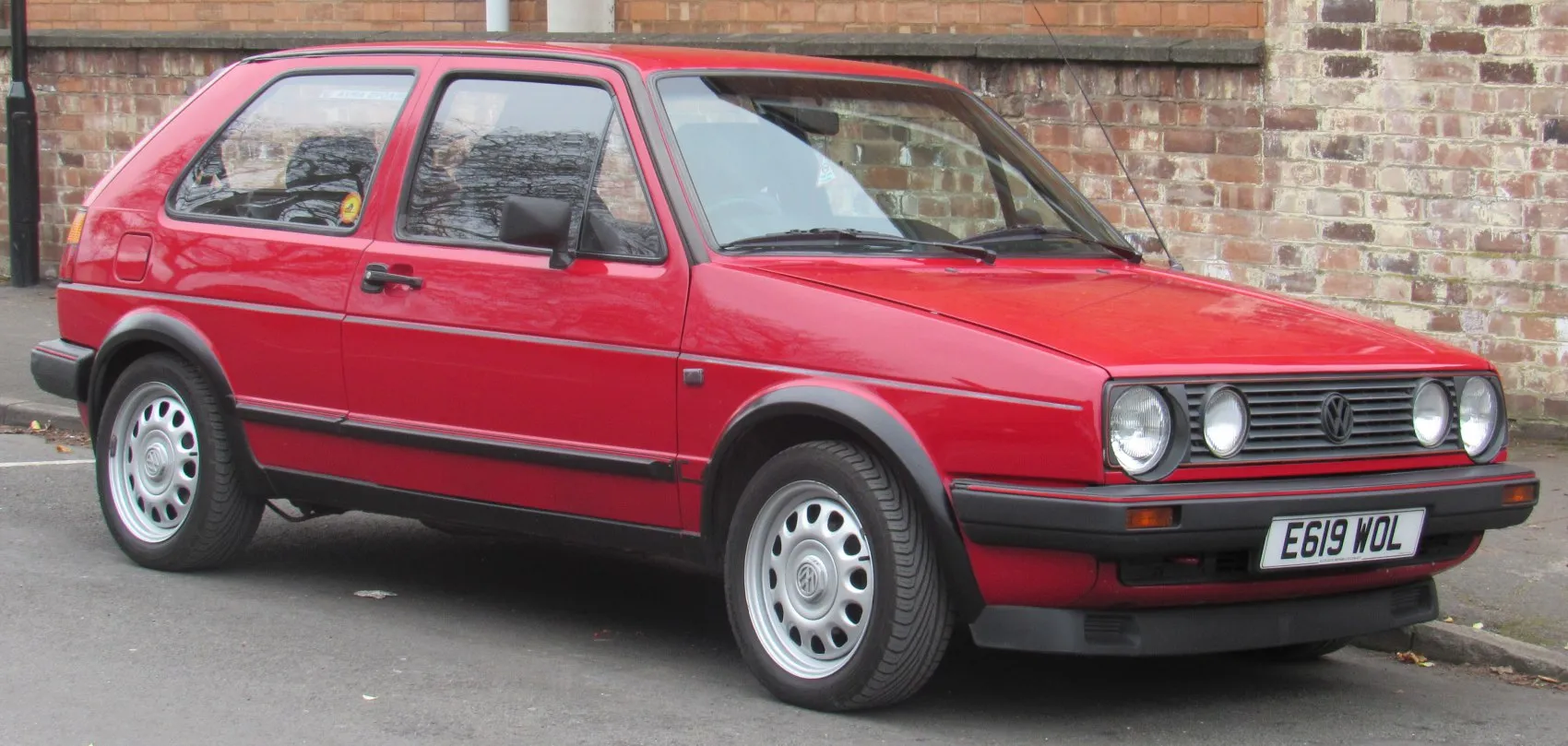
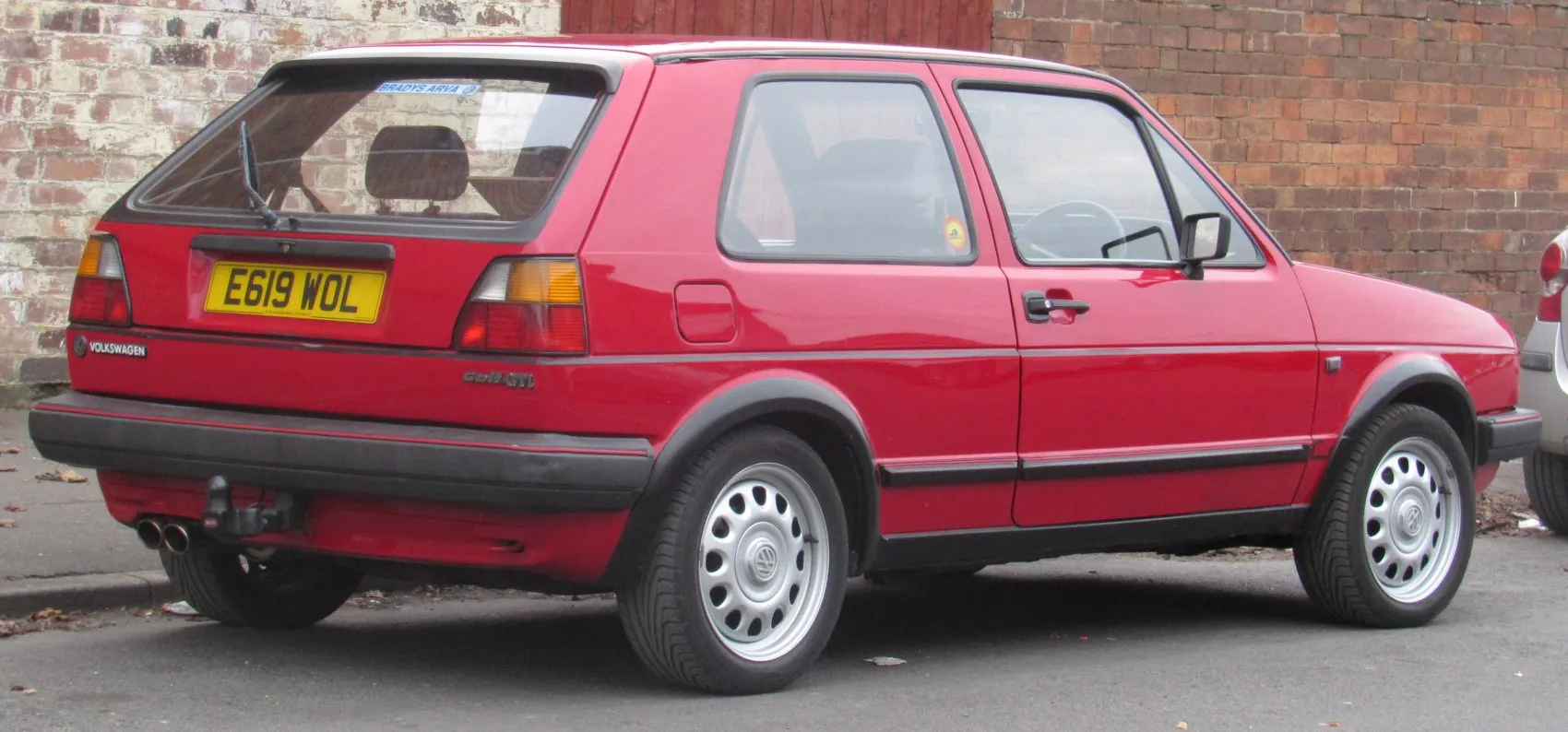
Volkswagen Golf II (3-door) 1.6 TD (70 Hp)
Overall Rating
Volkswagen Golf:
The Volkswagen Golf is a compact car/small family car produced by the German automotive manufacturer Volkswagen since 1974, marketed worldwide across eight generations, in various body configurations and under various nameplates – including as the Volkswagen Rabbit in the United States and Canada , and as the Volkswagen Caribe in Mexico. Historically, the Golf is Volkswagen's best-selling model and is among the world's top three best-selling nameplates, with more than 35 million units sold as of 2019....(Read more on Wikipedia)
II (3-door) Overview:
Volkswagen Golf (II (3-door)). With 133 Nm of torque, it offers ample pulling power. It has moderate fuel consumption (~6.1 l/100km). Weighing only 920 kg, it’s quite light. Front‑wheel drive delivers efficiency and easy handling. Acceleration is relatively slow (0–100 km/h in 14.5 s). The top speed reaches 160 km/h. A compact car with a rear door that swings upward to provide access to the cargo area. Seating for 5 makes it ideal for daily use.
1.6 TD (70 Hp) Verdict:

Performance Verdict
Strong low-end torque makes it feel capable, especially for cruising, but acceleration from a standstill is not its strong suit.
Fuel Economy
Excellent fuel economy, particularly for longer journeys, making it a highly economical choice for high-mileage drivers.
Pros and Cons:
Pros:
- • Iconic design and heritage with strong brand recognition
- • Wide range of capable engines, from economical diesels to high-performance GTIs
- • Practical and spacious for its class, offering good utility
- • Robust build quality and reliability for its era, known for durability
- • Extensive aftermarket support and a vibrant enthusiast community
Cons:
- • Dated safety features compared to modern vehicles
- • Basic interior on lower trims lacks modern amenities
- • Prone to rust in certain areas, especially older, unmaintained examples
- • Older technology and driving dynamics may feel unrefined to modern drivers
- • Fuel economy can be poor on older carburettor models without careful tuning
Specifications:
Specifications are compared to those of the previous generation(I Cabrio: 1982 - 1989).
| General: | |
|---|---|
| Brand: | Volkswagen |
| Model: | Golf |
| Generation: | II (3-door) |
| Modification (Engine): | 1.6 TD (70 Hp) |
| Start of production: | 1983 |
| End of production: | 1987 |
| Powertrain Architecture: | Internal Combustion engine |
| Body type: | Hatchback |
| Seats: | 5 |
| Doors: | 3 |
| Engine: | |
|---|---|
| Power: | 70 Hp @ 4500 rpm. Same horsepower |
| Power per litre: | 44.1 Hp/l [worst than previous generation] |
| Torque: | 133 Nm @ 2600 rpm. |
| Engine Model/Code: | JR More details about the engine JR |
| Engine displacement: | 1588 |
| Number of cylinders: | 4 |
| Engine configuration: | Inline |
| Number of valves per cylinder: | 2 |
| Fuel injection system: | Precombustion chamber injection |
| Engine aspiration: | Turbocharger |
| Valvetrain: | SOHC |
| Engine oil capacity: | 3 l |
| Coolant: | 6.5 l |
| Engine layout: | Front, Transverse |
| Cylinder Bore: | 76.5 mm mm |
| Piston Stroke: | 86.4 mm mm |
| Compression ratio: | 23:1 |
| Performance: | |
|---|---|
| Fuel Type: | Diesel |
| Fuel consumption (economy) - urban: | 6.1 l/100 km |
| Fuel consumption (economy) - extra urban: | 4.3 l/100 km |
| Acceleration 0 - 100 km/h: | 14.5 sec |
| Acceleration 0 - 62 mph: | 14.5 sec |
| Maximum speed: | 160 km/h |
| Weight-to-power ratio: | 13.1 kg/Hp, 76.1 Hp/tonne |
| Weight-to-torque ratio: | 6.9 kg/Nm, 144.6 Nm/tonne |
| Acceleration 0 - 60 mph: | 13.8 sec |
| Space: | |
|---|---|
| Kerb Weight: | 920 |
| Max. weight: | 1430 |
| Max load: | 510 |
| Trunk (boot) space - maximum: | 1145 l |
| Trunk (boot) space - minimum: | 345 l |
| Permitted trailer load with brakes (12%): | 1000 kg |
| Fuel tank capacity: | 55 l |
| Permitted trailer load without brakes: | 490 kg |
| Size: | |
|---|---|
| Length: | 3985 mm mm |
| Width: | 1665-1680 mm mm |
| Height: | 1415 mm mm |
| Wheelbase: | 2475 mm mm |
| Front track: | 1427 mm |
| Rear (Back) track: | 1422 mm |
| Front overhang: | 810 mm |
| Rear overhang: | 700 mm |
| Minimum turning circle (turning diameter): | 10.5 m [above average] |
| Powertrain: | |
|---|---|
| Drivetrain Architecture | The Internal combustion engine (ICE) drives the front wheels of the vehicle. |
| Drive wheel | Front wheel drive |
| Number of gears | 5 |
| Transmission type | Manual |
| Front brakes | Disc [bad for performance and cooling.] |
| Rear brakes | Drum [bad for performance and cooling.] |
| Steering type | Steering rack and pinion |
| Tires size | 175/70 R13 |
| Wheel rims size | 5.5J x 13 |
| Front suspension | Independent type McPherson, Transverse stabilizer |
| Rear suspension | Elastic beam |










Driven it? Loved it? Hated it? Share your honest review!