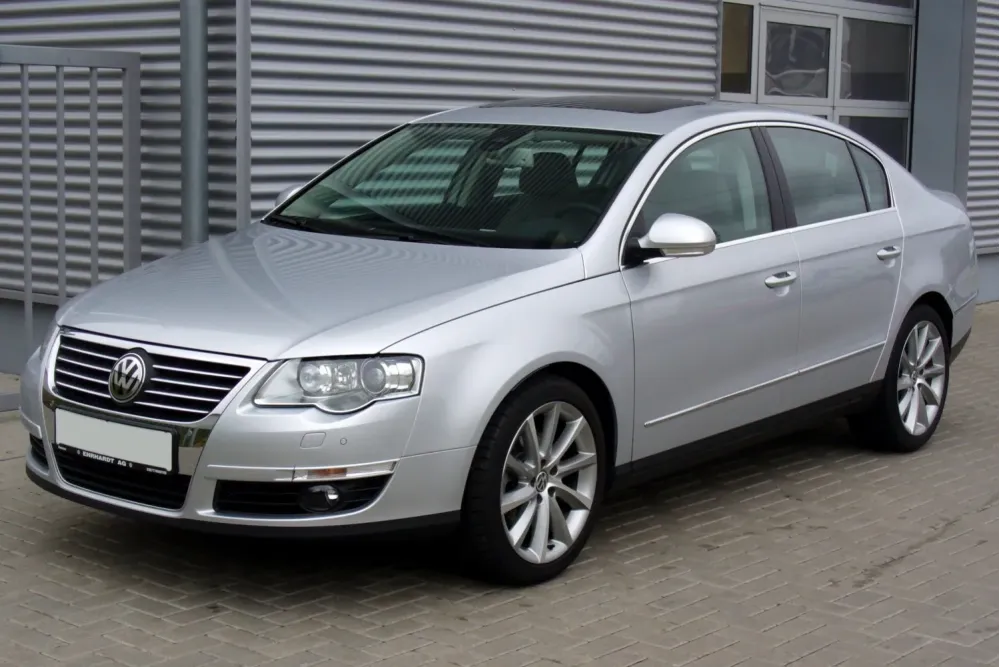
Click on image to view the full photo gallery
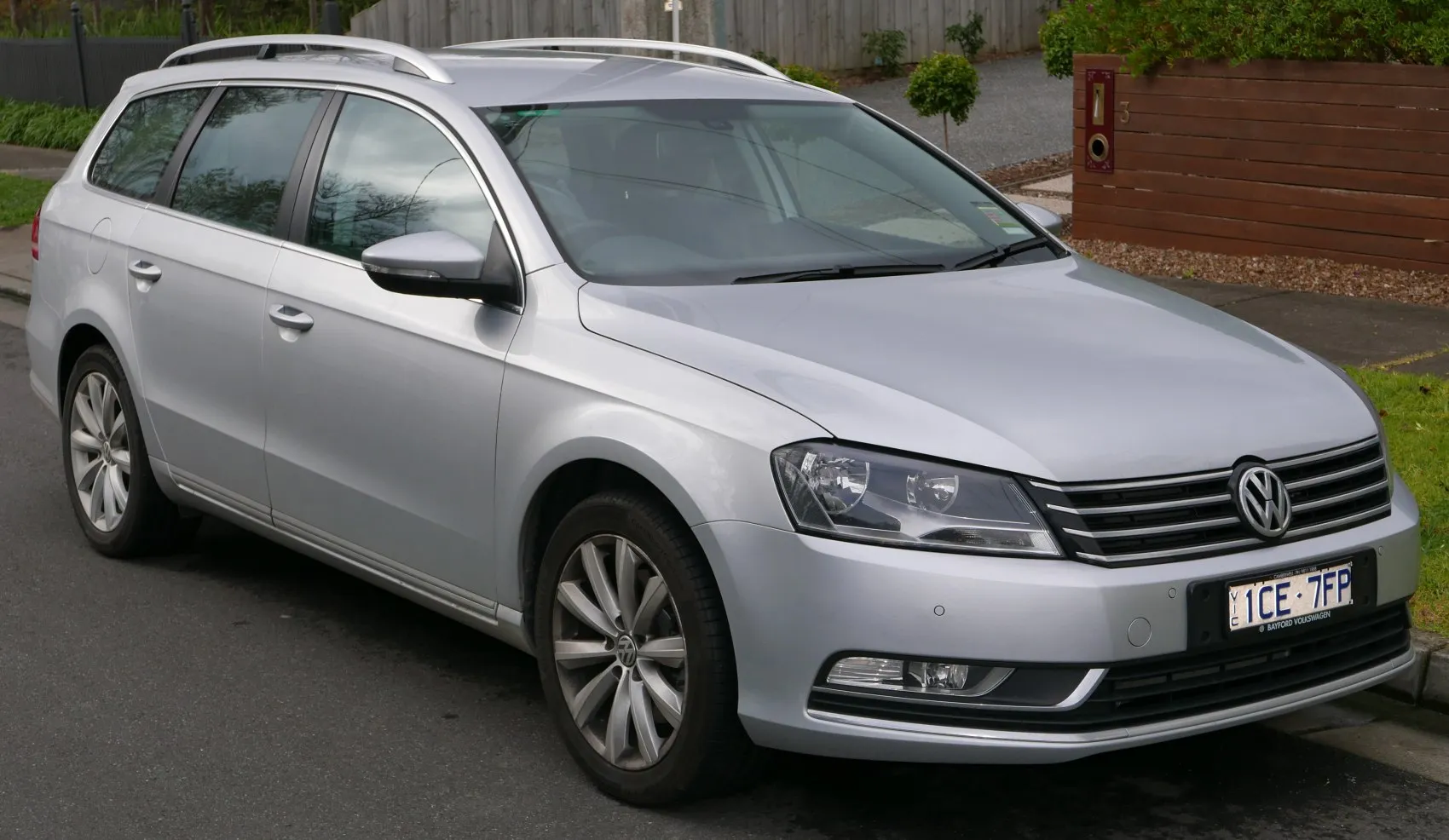
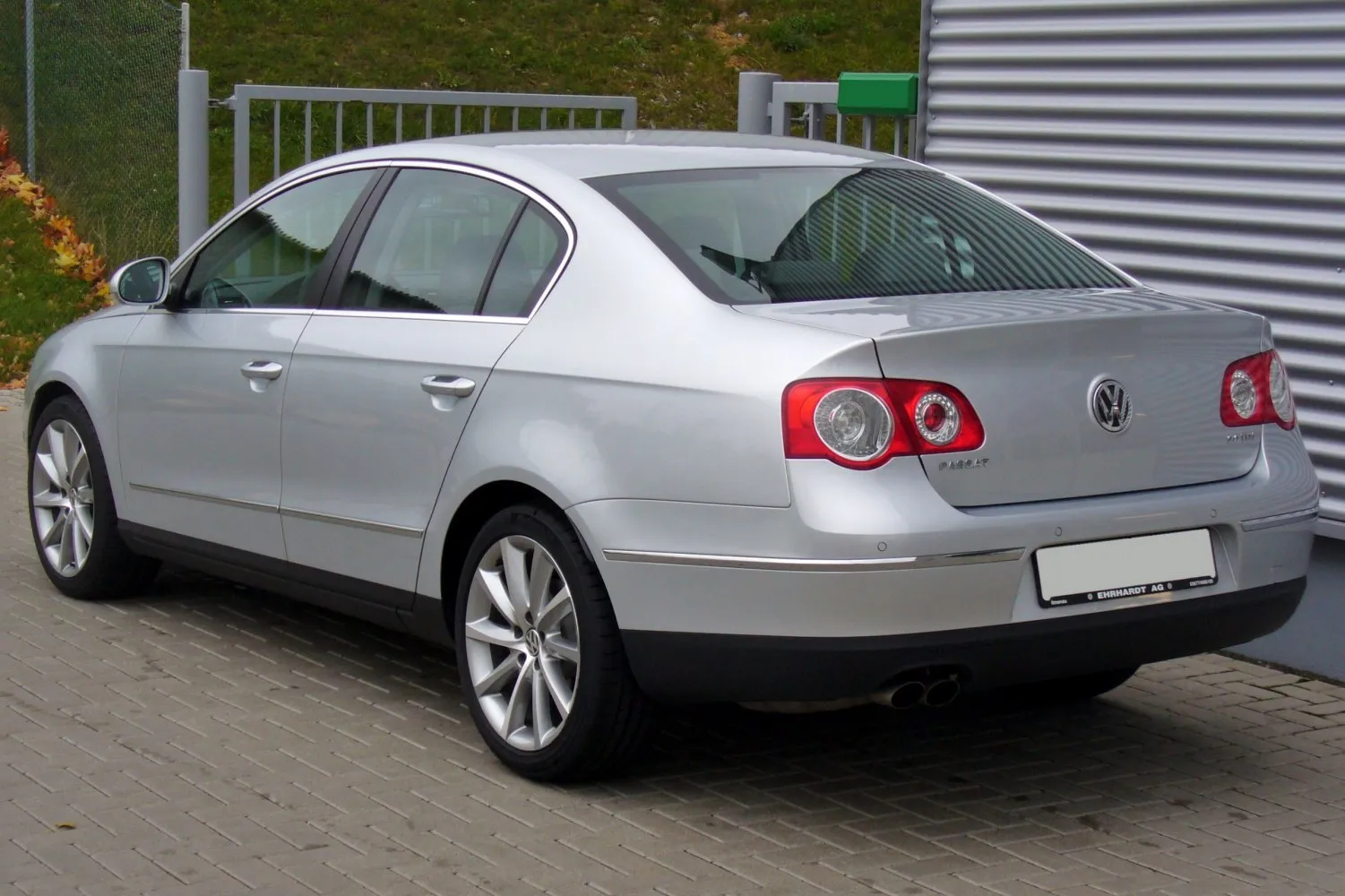
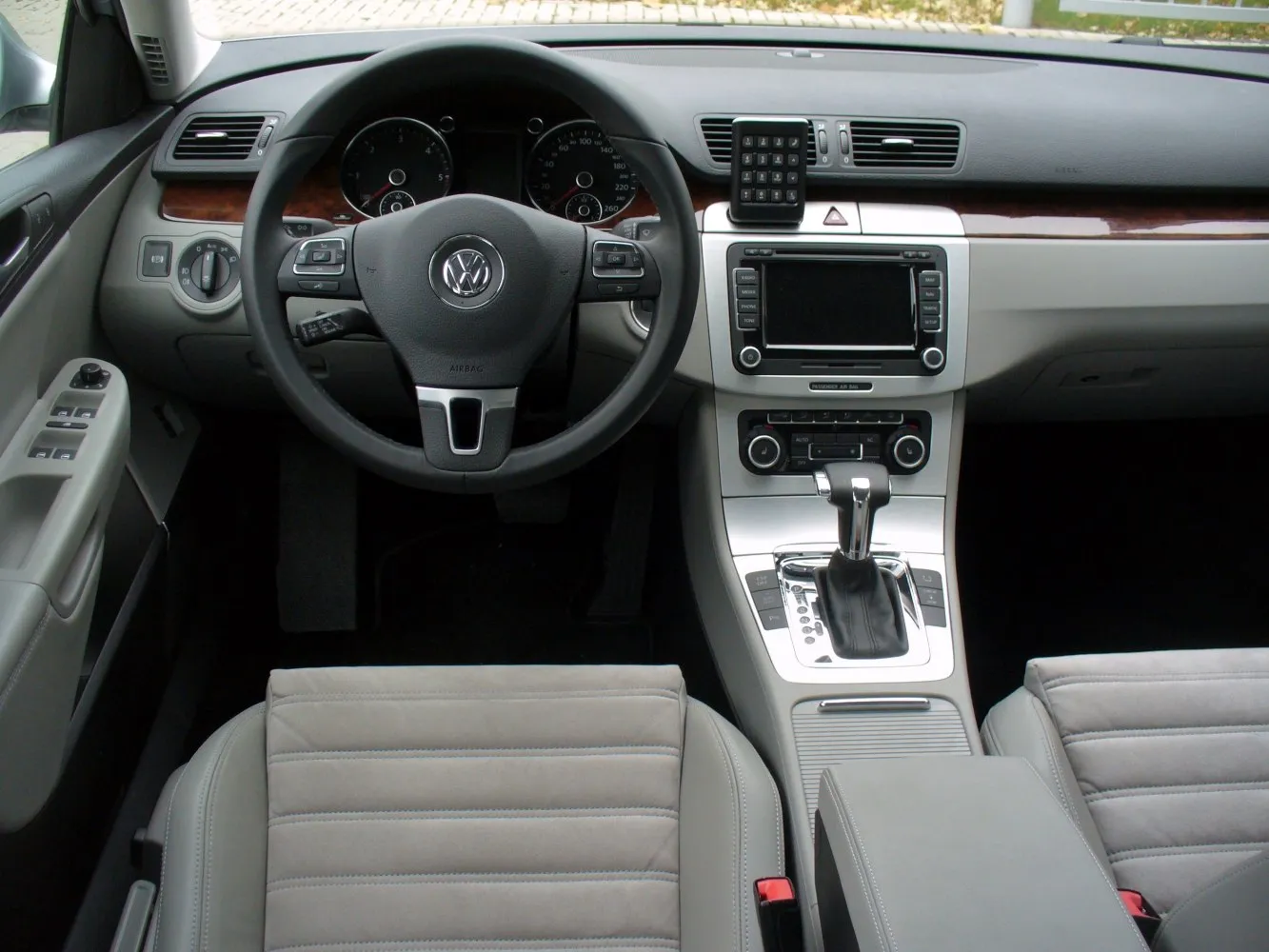
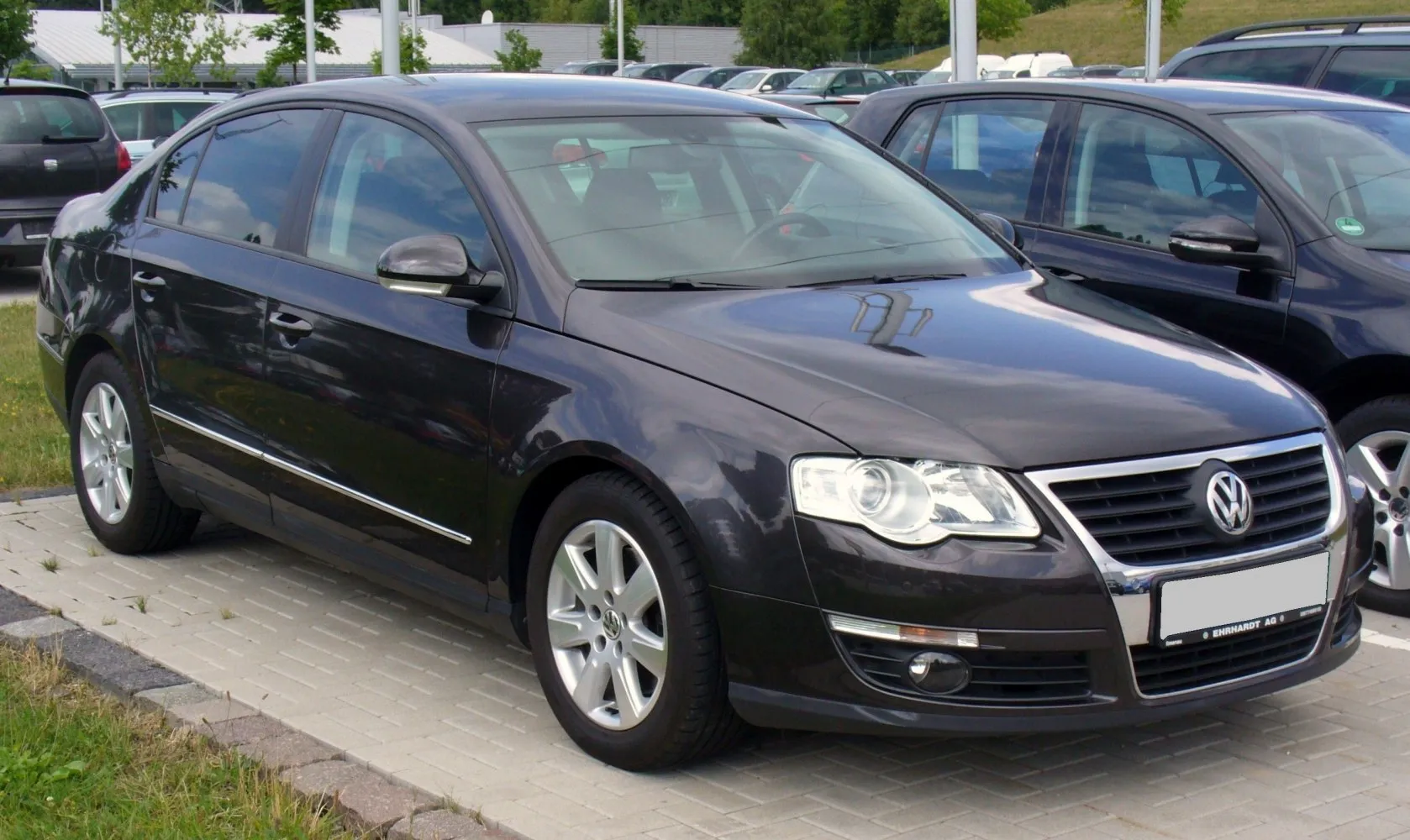
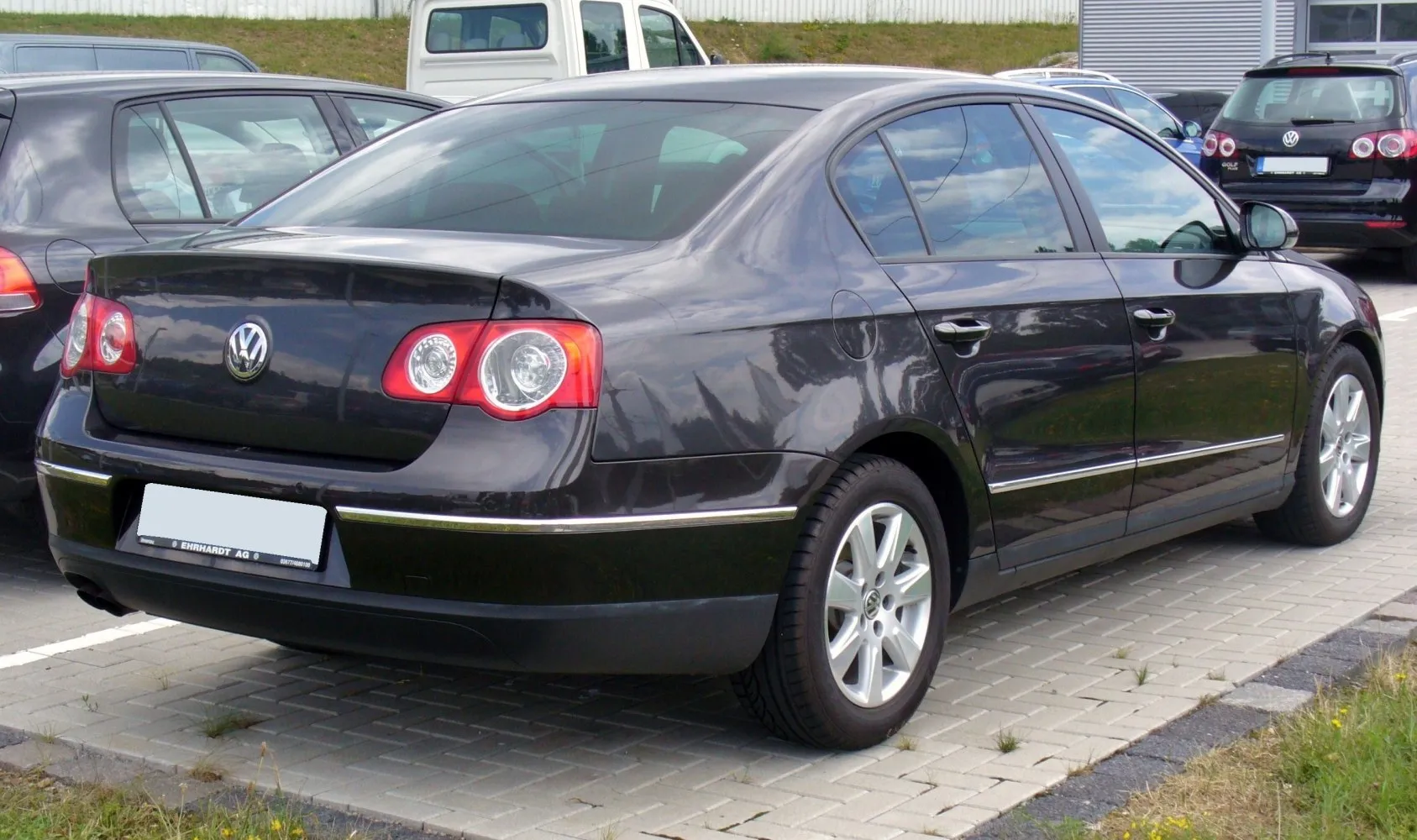
Volkswagen Passat B6 R36 3.6 V6 FSI (300 Hp) 4MOTION
Overall Rating
Volkswagen Passat:
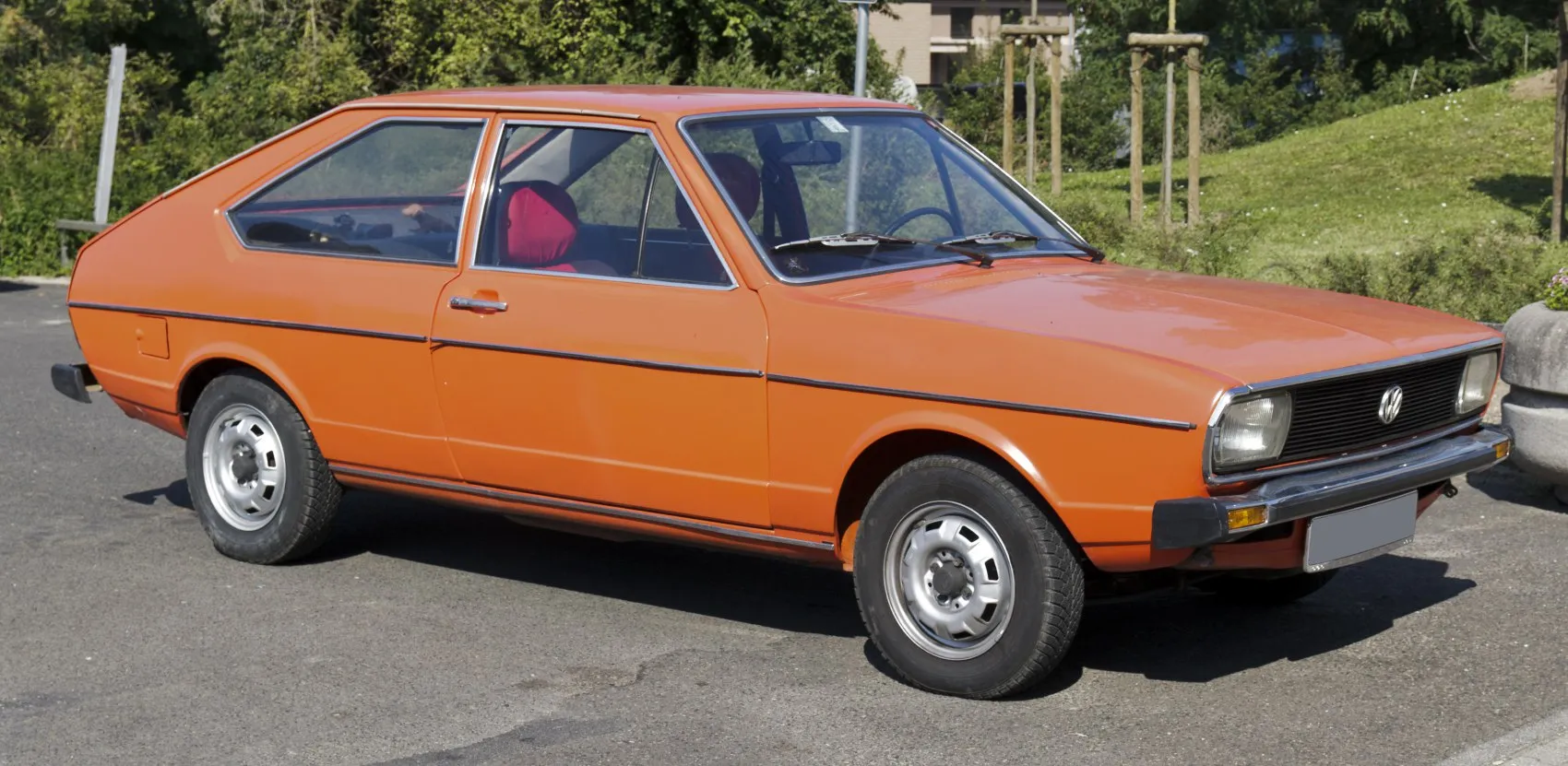
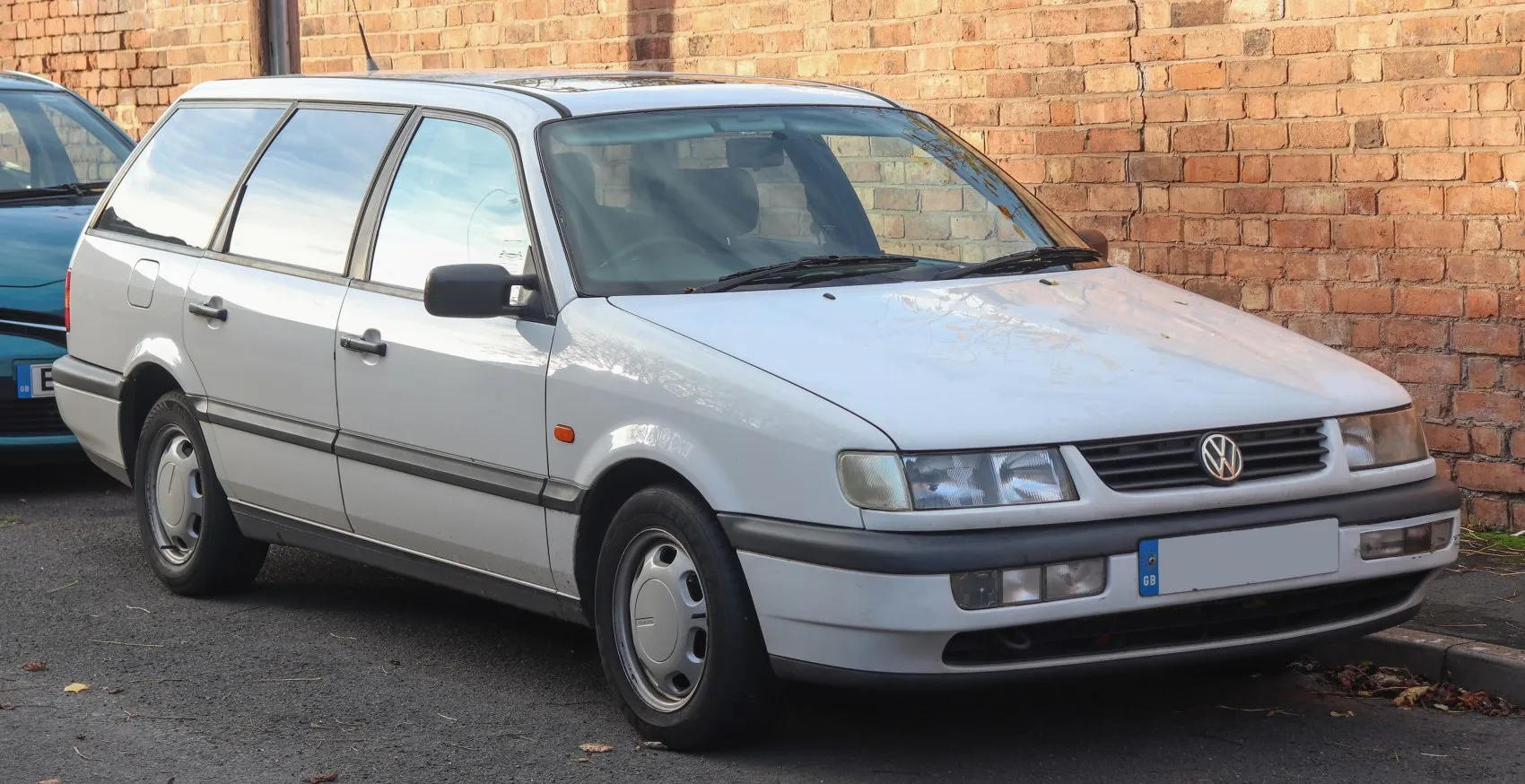
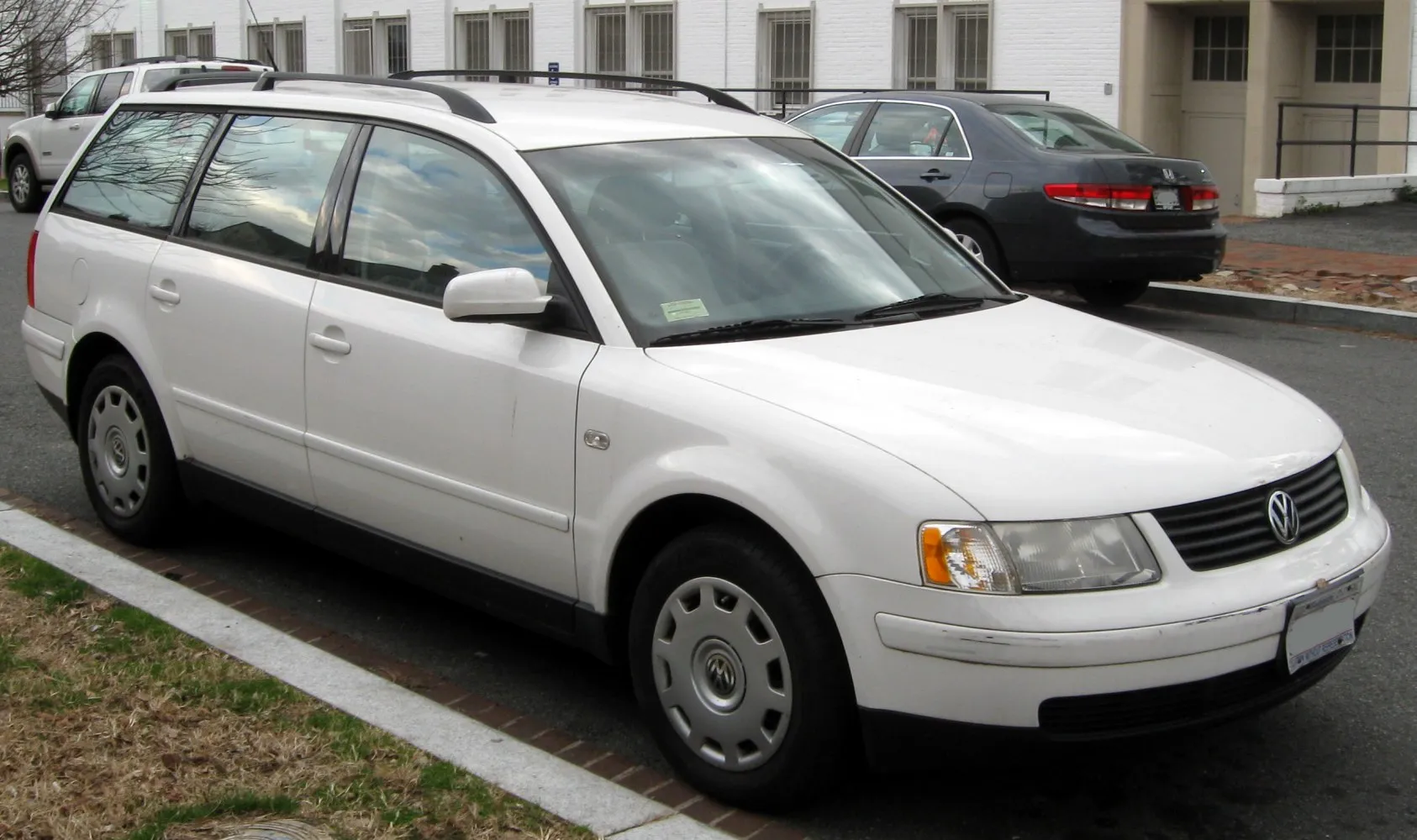
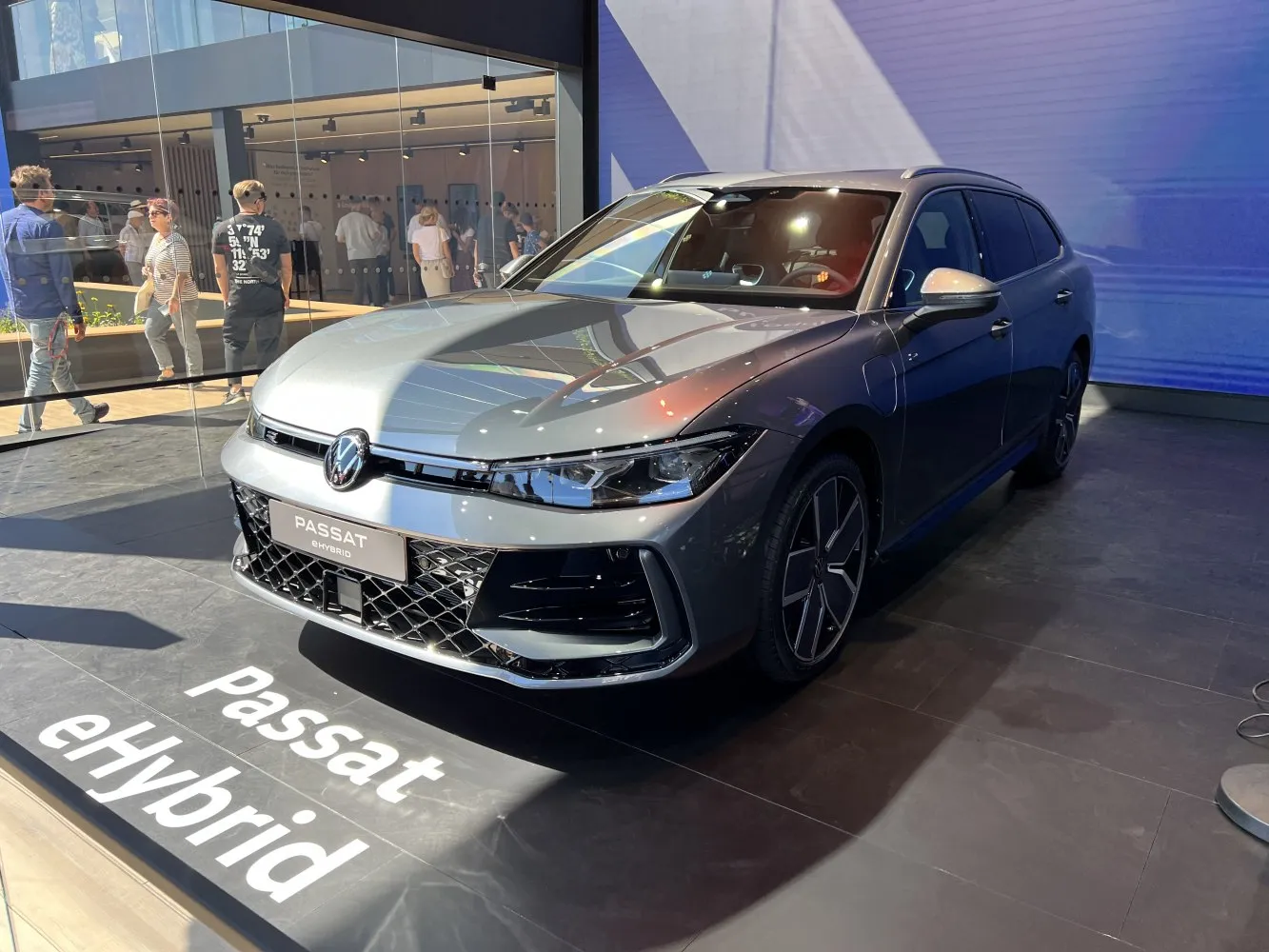
The Volkswagen Passat is a nameplate of large family cars manufactured and marketed by the German automobile manufacturer Volkswagen since 1973 and also marketed variously as the Dasher, Santana, Quantum, Magotan, Corsar and Carat — in saloon, estate, and hatchback body styles.
A "four-door coupé" variant of the Passat with a lower roof was released in the North American market in 2008 as the Passat CC, which was then renamed to Volkswagen CC. The CC was succeeded by the Arteon in 2017....(Read more on Wikipedia)
B6 Overview:
Volkswagen Passat (B6). With 350 Nm of torque, it offers ample pulling power. With a weight of 1614 kg, it falls in the mid‑range. All‑wheel drive provides excellent grip, ideal for off‑road use. Acceleration is excellent (0–100 km/h in 5.6 s). The top speed reaches 250 km/h. A four-door car with a separate trunk, ideal for families and daily commuting. Seating for 5 makes it ideal for daily use.
The Passat B6 demonstrated excellent adult occupant protection, achieving a top 5-star rating in Euro NCAP tests, reflecting Volkswagen's commitment to safety in this generation.
R36 3.6 V6 FSI (300 Hp) 4MOTION Verdict:

Performance Verdict
Outstanding performance, delivering exhilarating acceleration and a thrilling driving experience as the top-tier variant.
Fuel Economy
High fuel consumption, as expected for a high-performance, 300hp sports sedan.
Pros and Cons:
Pros:
- • Spacious and comfortable interior, suitable for families and long journeys.
- • Wide range of efficient and powerful engine options, including economical TDIs and potent TSI/TFSI units.
- • Premium feel and solid build quality, often compared favorably to more expensive executive cars.
- • Available 4MOTION all-wheel drive for enhanced traction and stability.
- • R36 variant offers genuine sports sedan performance.
Cons:
- • Some early engine variants (e.g., 2.0 TDI PDE, early 1.8/2.0 TSI) had known reliability issues like oil consumption or injector problems.
- • FSI petrol engines are less fuel-efficient than later TSI counterparts.
- • Tiptronic automatic transmission is less refined and efficient than the DSG gearbox.
- • Maintenance costs can be higher than some mainstream competitors, especially for complex repairs.
- • Design, while elegant, can be seen as conservative by some.
Specifications:
Specifications are compared to those of the previous generation(B6: February, 2010 - October, 2010).
| General: | |
|---|---|
| Brand: | Volkswagen |
| Model: | Passat |
| Generation: | B6 |
| Modification (Engine): | R36 3.6 V6 FSI (300 Hp) 4MOTION |
| Start of production: | January, 2008 |
| End of production: | July, 2010 |
| Powertrain Architecture: | Internal Combustion engine |
| Body type: | Sedan |
| Seats: | 5 |
| Doors: | 4 |
| Engine: | |
|---|---|
| Power: | 300 Hp @ 6600 rpm. Same horsepower |
| Power per litre: | 83.4 Hp/l [Same length.] |
| Torque: | 350 Nm @ 2400-5300 rpm. |
| Engine Model/Code: | BWS More details about the engine BWS |
| Engine displacement: | 3597 |
| Number of cylinders: | 6 |
| Engine configuration: | VR-engine |
| Number of valves per cylinder: | 4 |
| Fuel injection system: | Direct injection |
| Engine aspiration: | Naturally aspirated engine |
| Valvetrain: | DOHC |
| Engine oil capacity: | 5.5 l |
| Coolant: | 9 l |
| Engine layout: | Front, Transverse |
| Cylinder Bore: | 89 mm |
| Piston Stroke: | 96.4 mm |
| Compression ratio: | 11.4:1 |
| Performance: | |
|---|---|
| Fuel Type: | Petrol (Gasoline) |
| Fuel consumption (economy) - urban: | 14.7 l/100 km |
| Fuel consumption (economy) - extra urban: | 8.1 l/100 km |
| Fuel consumption (economy) - combined: | 10.5 l/100 km |
| Emission standard: | Euro 4 |
| Acceleration 0 - 100 km/h: | 5.6 sec |
| Acceleration 0 - 62 mph: | 5.6 sec |
| Maximum speed: | 250 km/h, Electronically limited |
| Weight-to-power ratio: | 5.4 kg/Hp, 185.9 Hp/tonne |
| Weight-to-torque ratio: | 4.6 kg/Nm, 216.9 Nm/tonne |
| Acceleration 0 - 60 mph: | 5.3 sec |
| Space: | |
|---|---|
| Kerb Weight: | 1614 |
| Max. weight: | 2270 |
| Max. roof load: | 100 kg |
| Max load: | 656 |
| Trunk (boot) space - maximum: | 1067 l |
| Trunk (boot) space - minimum: | 541 l |
| Permitted trailer load with brakes (12%): | 2200 kg |
| Fuel tank capacity: | 68 l |
| Permitted trailer load without brakes: | 750 kg |
| Permitted towbar download: | 90 kg |
| Permitted trailer load with brakes (8%): | 2200 kg |
| Size: | |
|---|---|
| Ramp-over (brakeover) angle: | 10.8° |
| Length: | 4765 mm [Same length.] |
| Width: | 1820 mm [Same width.] |
| Height: | 1472 mm [Same height.] |
| Wheelbase: | 2709 mm [Same wheelbase.] |
| Width including mirrors: | 1991 mm |
| Front track: | 1552 mm |
| Rear (Back) track: | 1551 mm |
| Front overhang: | 965 mm |
| Rear overhang: | 1091 mm |
| Ride height (ground clearance): | 114 mm |
| Minimum turning circle (turning diameter): | 11.4 m [above average] |
| Approach angle: | 14.4° |
| Departure angle: | 12.6° |
| Powertrain: | |
|---|---|
| Drivetrain Architecture | The Internal combustion engine (ICE) drives the front wheels permanently, and the rear wheels are driven through an electrically or mechanically operated clutch if necessary. |
| Drive wheel | All wheel drive (4x4) |
| Number of gears | 6 |
| Transmission type | Automatic |
| Front brakes | Ventilated discs [Best for performance and cooling.] |
| Rear brakes | Ventilated discs [Best for performance and cooling.] |
| Assisting systems | ABS (Anti-lock braking system) |
| Steering type | Steering rack and pinion |
| Power steering | Electric Steering |
| Tires size | 235/40 R18 |
| Wheel rims size | 8J x 18 |
| Front suspension | Independent, type McPherson with coil spring and anti-roll bar |
| Rear suspension | Independent multi-link spring suspension with stabilizer |















If you could change one thing about the Volkswagen Passat, what would it be?