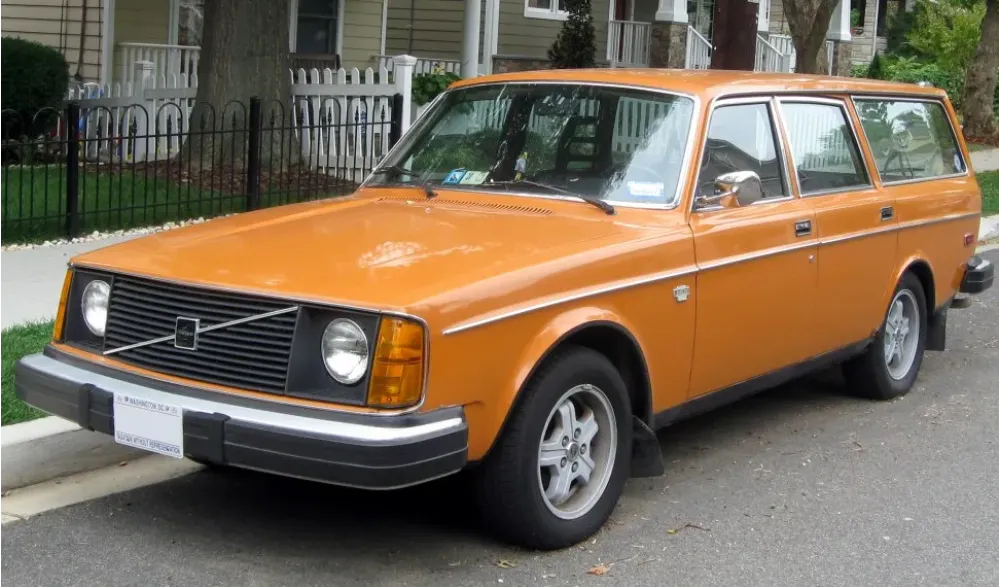
Click on image to view the full photo gallery
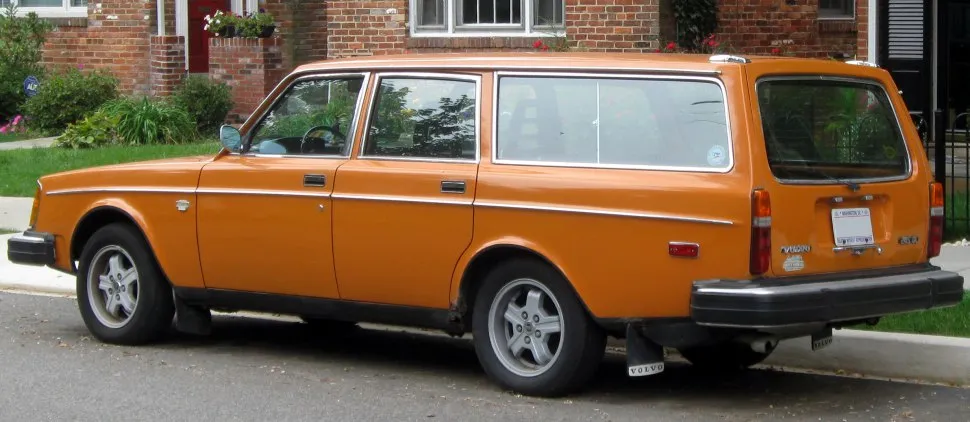
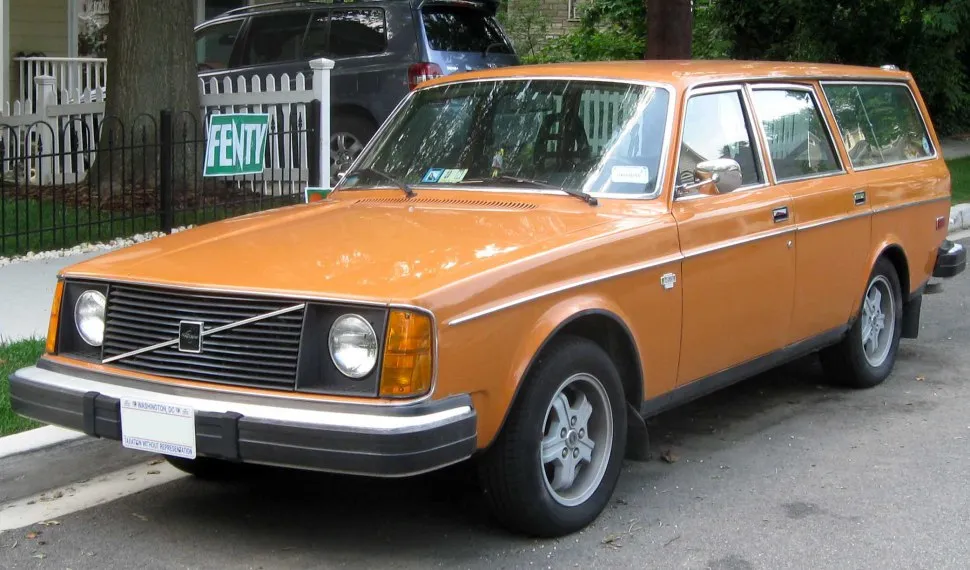
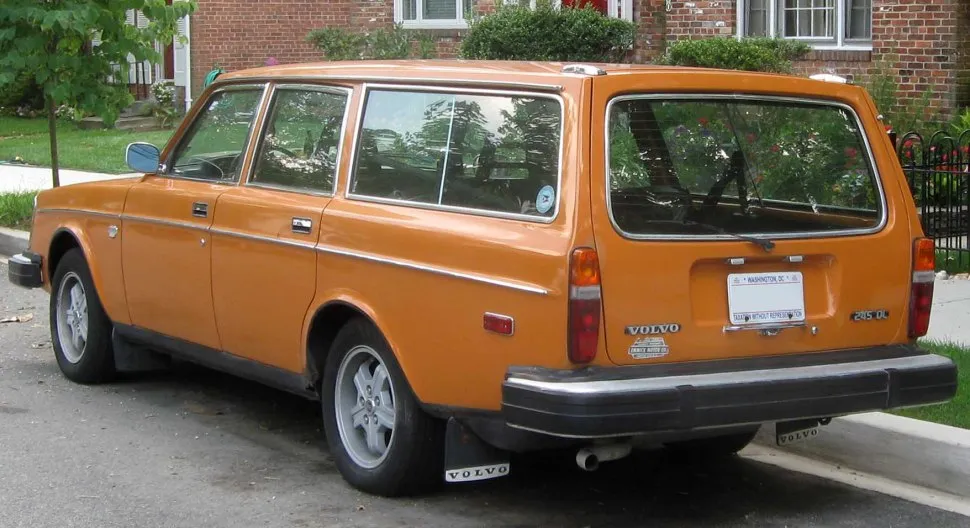
Volvo 240 Combi (P245) 2.4 Diesel (79 Hp)
Overall Rating
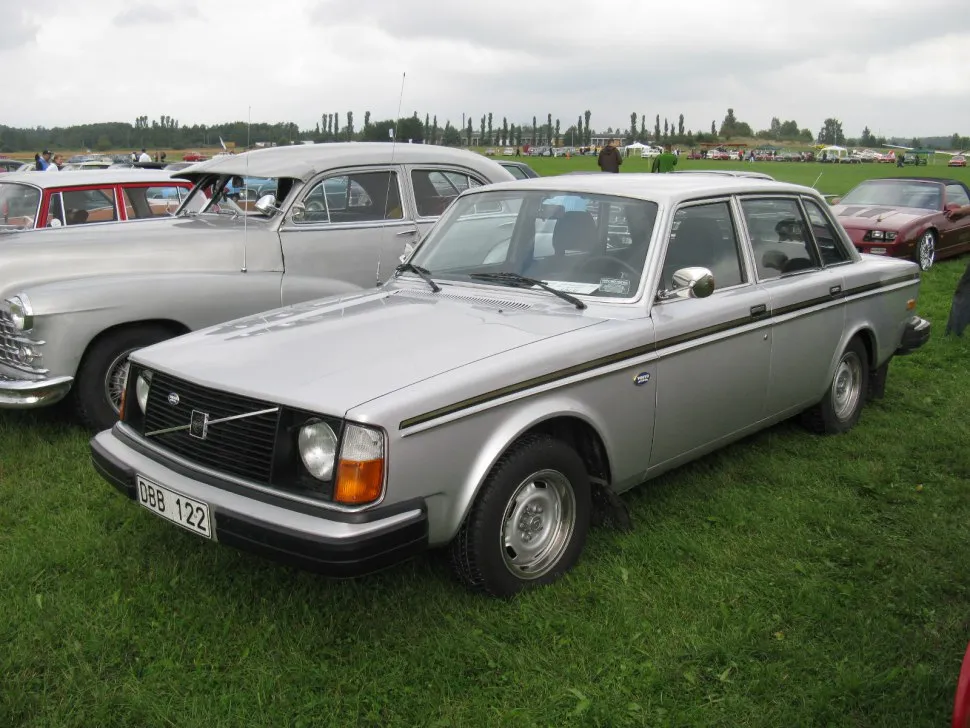
Volvo 240:
The Volvo 200 Series was a range of mid-size cars manufactured by Swedish automaker Volvo Cars from 1974 to 1993. Designed by Jan Wilsgaard, the series was developed from the Volvo 140 Series and incorporated safety innovations from Volvo's VESC experimental safety vehicle program.
The 200 Series was produced in sedan, station wagon, and limited convertible body styles. Over 2. 8 million units were manufactured during its 19-year production run, making it one of Volvo's most successful model lines. The series established Volvo's reputation for safety and durability, with many examples remaining in service decades after production ended....(Read more on Wikipedia)
Combi (P245) Overview:
Volvo 240 (Combi (P245)). Rear‑wheel drive offers dynamic handling and sporty feedback. A car with an extended rear cargo area, combining passenger comfort with increased storage. Seating for 5 makes it ideal for daily use.
2.4 Diesel (79 Hp) Verdict:

Performance Verdict
Very modest performance, primarily designed for longevity and fuel economy. It feels underpowered for spirited driving but is a tireless cruiser.
Fuel Economy
Excellent fuel economy for its time, making it a cost-effective choice for high-mileage drivers and long-distance journeys.
Pros and Cons:
Pros:
- • Exceptional reliability and legendary durability
- • Spacious and highly practical wagon design with large cargo capacity
- • Renowned safety features for its era, often exceeding contemporary standards
- • Comfortable and supportive seating, ideal for long journeys
- • Simple, robust mechanicals make it relatively easy to maintain and repair
- • Strong community and parts availability for enthusiasts
Cons:
- • Outdated safety features by modern standards (e.g., no airbags, ABS on early models)
- • Can feel underpowered with smaller engine options, especially on highways
- • Boxy, utilitarian styling may not appeal to all tastes
- • Higher fuel consumption on some larger petrol variants compared to modern cars
- • Lack of modern amenities and infotainment systems
- • Ride can be firm and less refined than newer vehicles
Specifications:
Specifications are compared to those of the previous generation(Combi (P245): 1986 - 1987).
| General: | |
|---|---|
| Brand: | Volvo |
| Model: | 240 |
| Generation: | Combi (P245) |
| Modification (Engine): | 2.4 Diesel (79 Hp) |
| Start of production: | 1988 |
| End of production: | 1993 |
| Powertrain Architecture: | Internal Combustion engine |
| Body type: | Station wagon (estate) |
| Seats: | 5 |
| Doors: | 5 |
| Engine: | |
|---|---|
| Power: | 79 Hp Same horsepower |
| Power per litre: | 32.9 Hp/l [worst than previous generation] |
| Engine Model/Code: | D24 More details about the engine D24 |
| Engine displacement: | 2400 |
| Number of cylinders: | 6 |
| Engine configuration: | Inline |
| Number of valves per cylinder: | 2 |
| Fuel injection system: | Precombustion chamber injection |
| Engine aspiration: | Naturally aspirated engine |
| Engine oil capacity: | 7 l |
| Coolant: | 9.5 l |
| Engine layout: | Front, Longitudinal |
| Performance: | |
|---|---|
| Fuel Type: | Diesel |
| Space: | |
|---|---|
| Fuel tank capacity: | 60 l |
| Powertrain: | |
|---|---|
| Drivetrain Architecture | The Internal combustion engine (ICE) drives the rear wheels of the vehicle. |
| Drive wheel | Rear wheel drive |
| Number of gears | 5 |
| Transmission type | Manual |
| Front brakes | Disc |
| Rear brakes | Disc |
| Steering type | Steering rack and pinion |
| Front suspension | Independent type McPherson |








Is it love at first sight with the Volvo 240? Tell us your story!