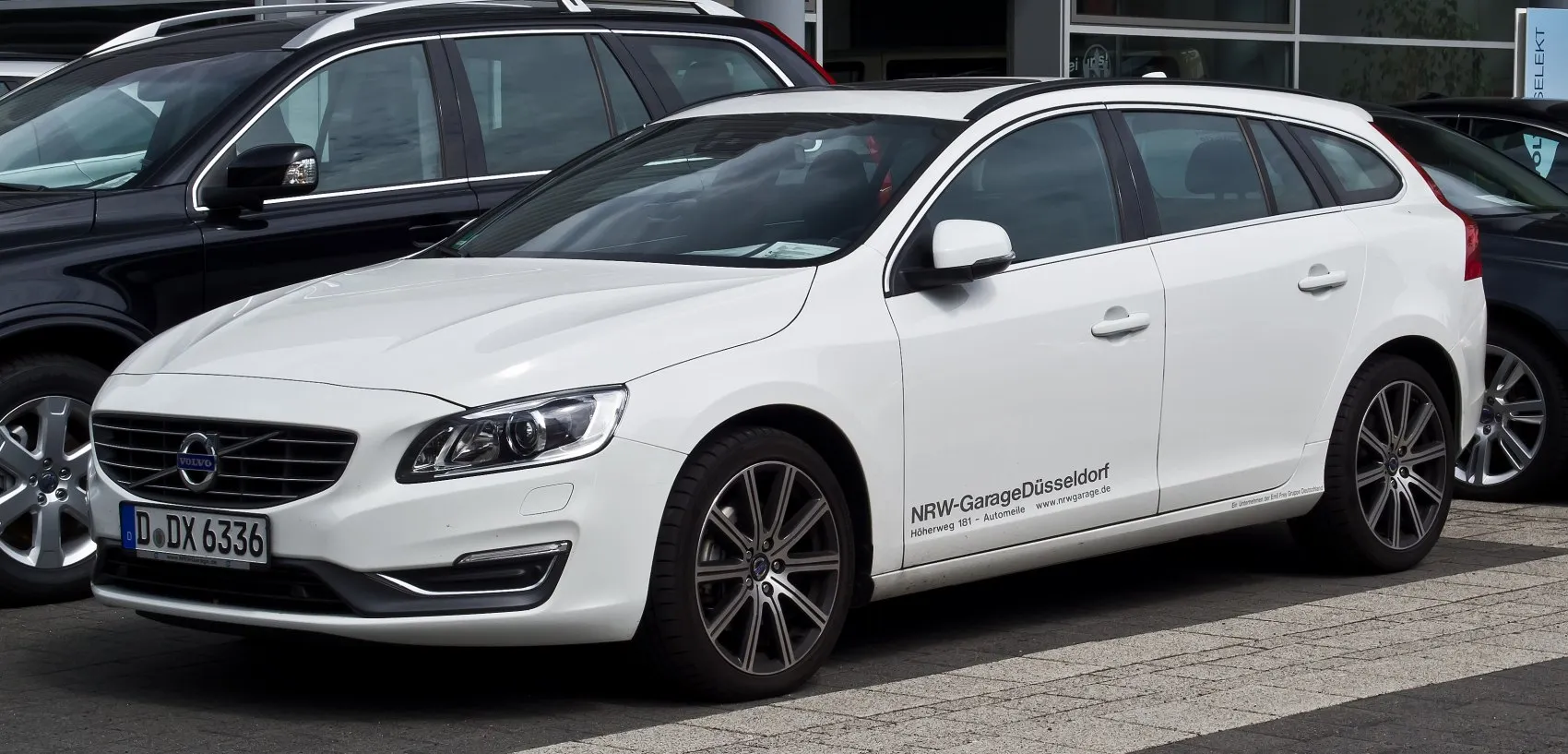
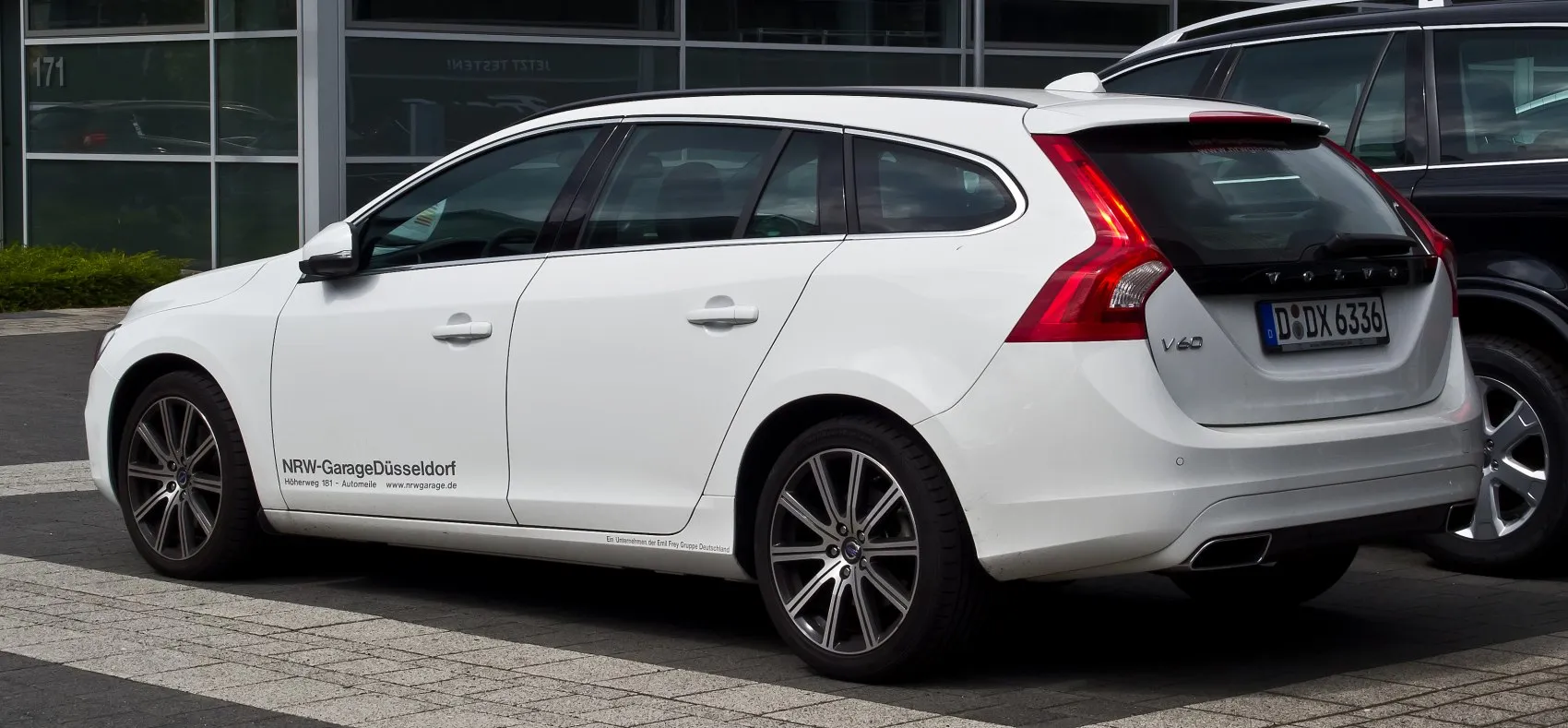
Volvo V60 I (2013 facelift) 2.4 D6 Twin Engine (288 Hp) Plug-in Hybrid AWD Geartronic
People\'s Opinion
N/A / 5
Volvo V60:
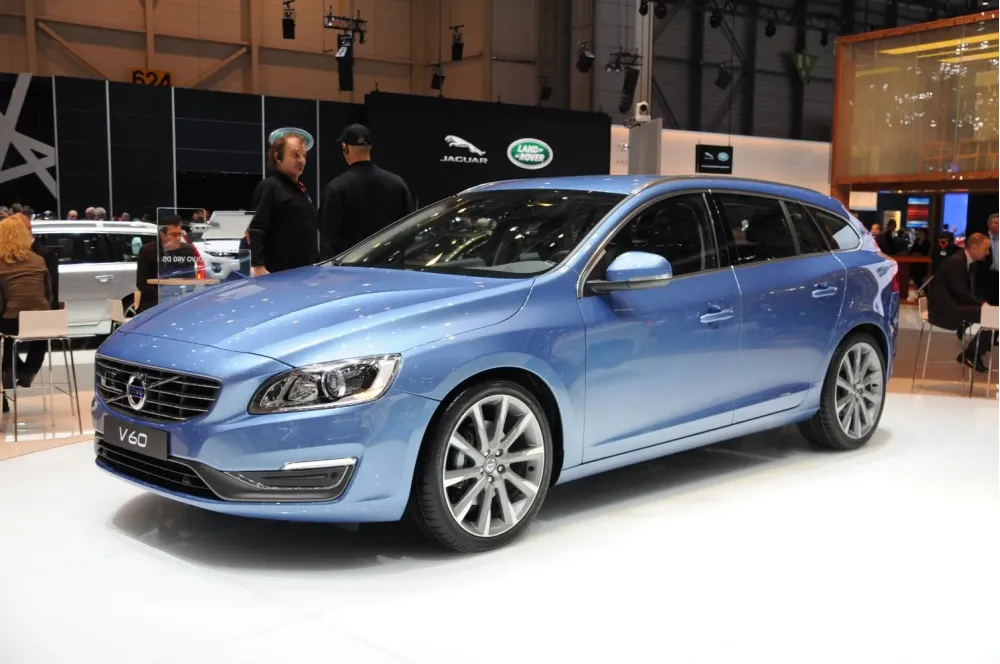
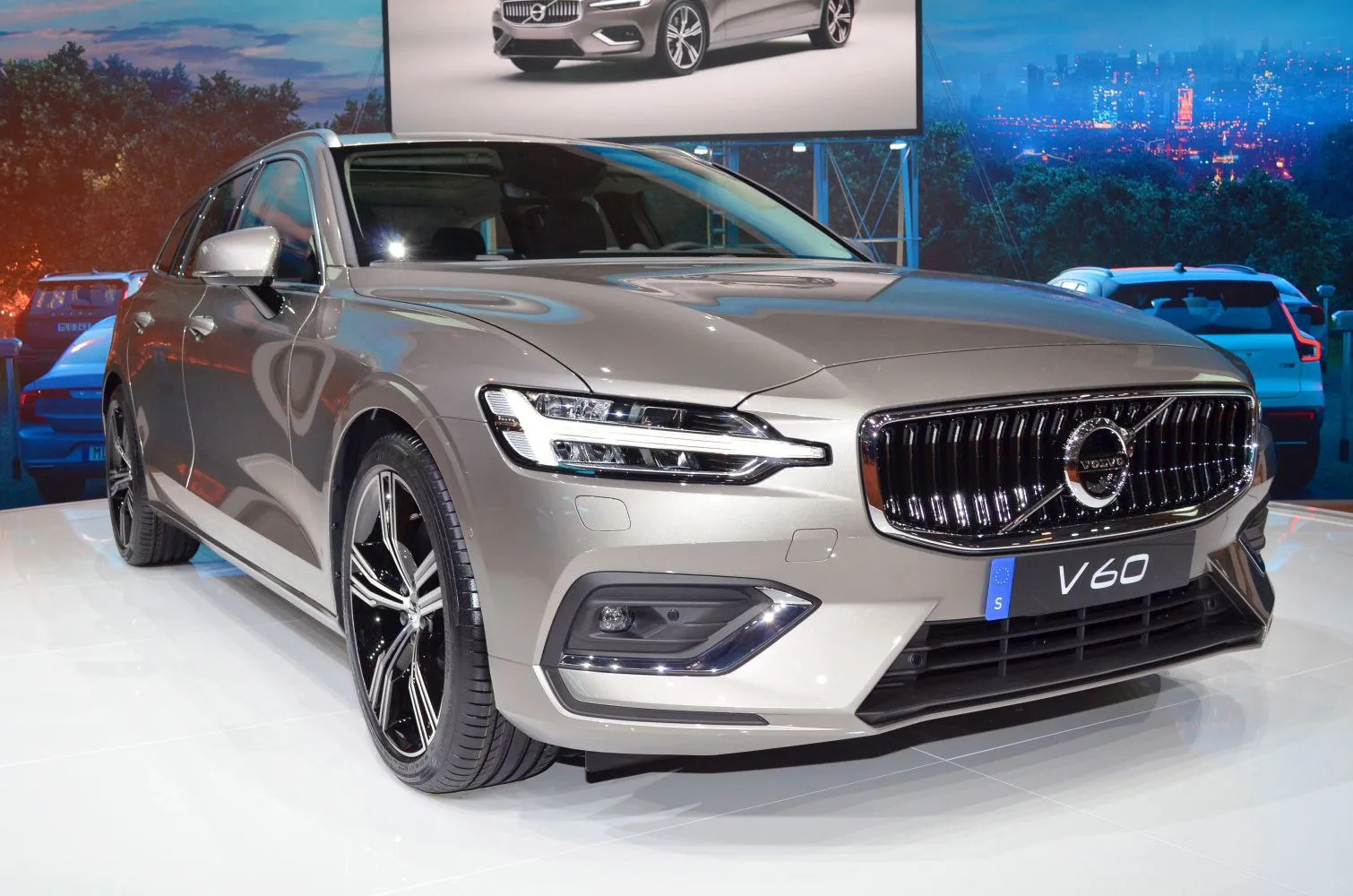
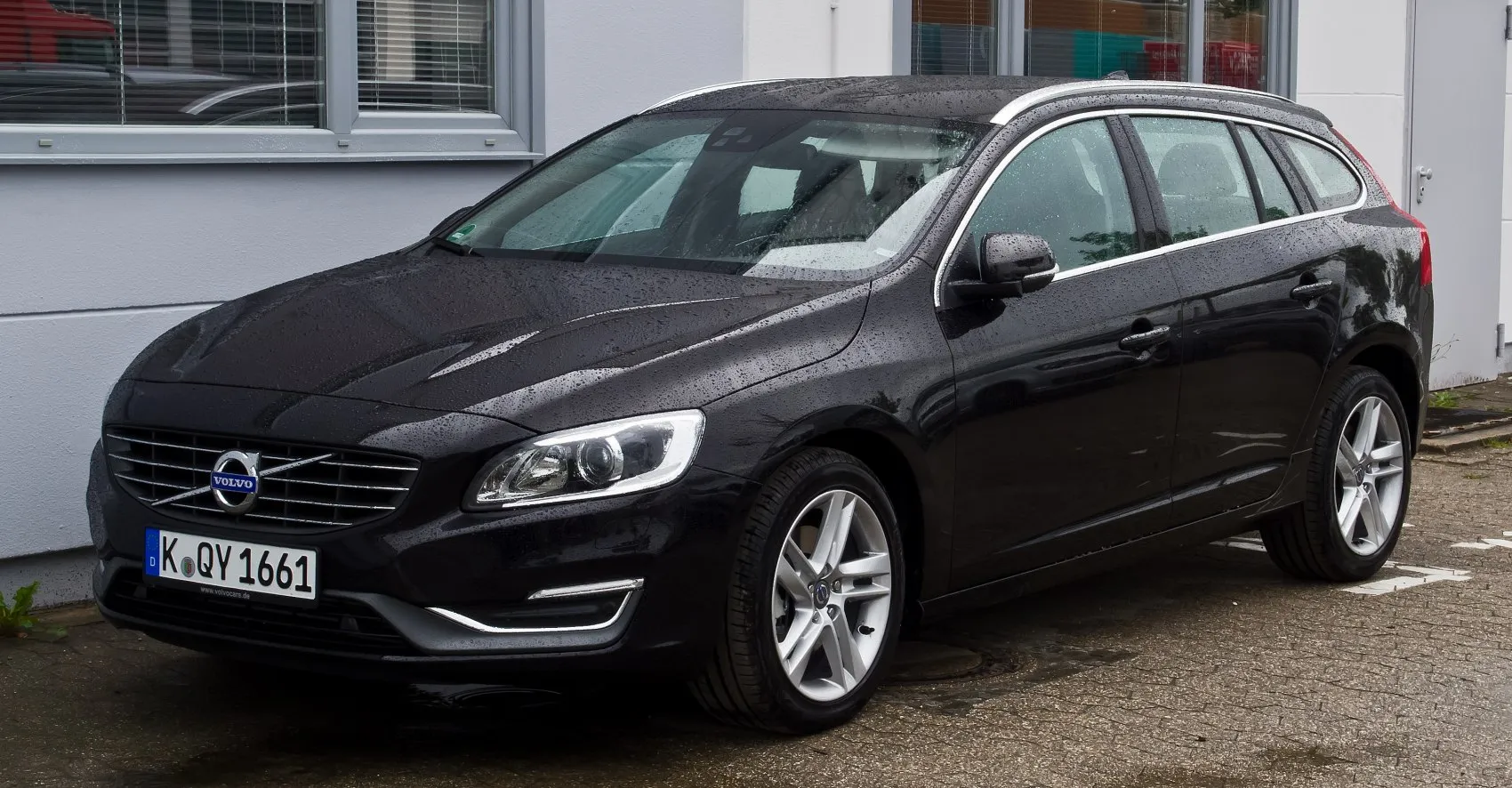
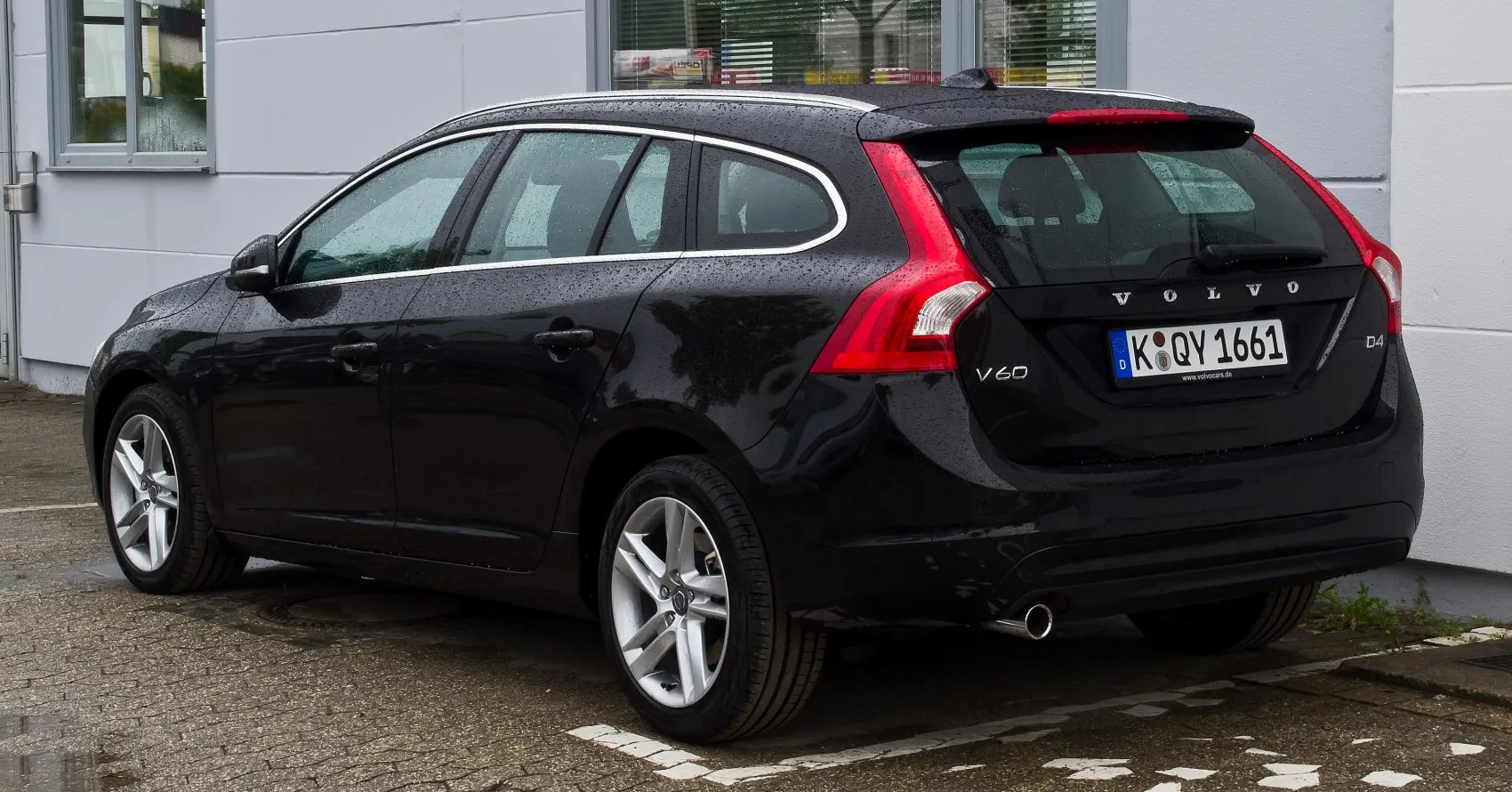
The Volvo V60 is a compact executive station wagon produced by Volvo Cars related to the S60 mid-size sedan. The vehicle was first released in autumn 2010, facelifted in 2014, and is in its second generation since 2018.
The second generation V60 was launched in 2018 based on the Volvo Scalable Product Architecture platform. Both generations feature a "Cross Country" variant with a slightly increased ground clearance and ride height.
In February 2014, Volvo unveiled a special version of the V60 called Ocean Race Edition. Similar to other Ocean Race Editions that were released in the past, the new models feature unique details such as special alloy wheels and a cargo cover with the route of the 2014 to 2015 Volvo Ocean Race on it. Colour choice was limited to just four colours, one of them being the signature Ocean Race Blue. The interior features special Ocean Race themed detailing and contrast stitching....(Read more on Wikipedia)
I (2013 facelift) Overview:
Volvo V60 (I (2013 facelift)). With 440 Nm of torque, it offers ample pulling power. With a weight of 1973 kg, it falls in the mid‑range. All‑wheel drive provides excellent grip, ideal for off‑road use. Acceleration is excellent (0–100 km/h in 6 s). The top speed reaches 230 km/h. A car with an extended rear cargo area, combining passenger comfort with increased storage. Seating for 5 makes it ideal for daily use.
Performance Verdict
Enhanced power output provides even more spirited acceleration, maintaining the seamless hybrid experience.
Fuel Economy
Exceptional fuel economy, leveraging the plug-in hybrid system for very low running costs.
Best Use Case:
Premium eco-performance, urban commuting, long-distance efficiency with AWD capability.
Pros and Cons:
Pros:
- • Class-leading safety features and excellent Euro NCAP ratings.
- • Comfortable and supportive seats, ideal for long journeys.
- • Stylish and distinctive Scandinavian design.
- • Wide range of efficient and powerful engines, including innovative Drive-E and Plug-in Hybrid options.
- • Available AWD provides confident handling in various conditions.
- • High-quality interior materials and build.
Cons:
- • Rear legroom can be tighter compared to some rivals.
- • Older infotainment system (pre-Sensus Connect Touch) can feel dated.
- • Some older 5-cylinder engines are less fuel-efficient than newer Drive-E units.
- • Boot space is adequate but not class-leading for a station wagon.
- • Higher running costs for performance-oriented Polestar models.
Specifications:
Specifications are compared to those of the previous generation(I (2013 facelift): April, 2013 - April, 2015).
| General: |
| Brand: | Volvo |
|---|
| Model: | V60 |
|---|
| Generation: | I (2013 facelift) |
|---|
| Modification (Engine): | 2.4 D6 Twin Engine (288 Hp) Plug-in Hybrid AWD Geartronic |
|---|
| Start of production: | April, 2015 |
|---|
| End of production: | 2018 |
|---|
| Powertrain Architecture: | PHEV (Plug-in Hybrid Electric Vehicle) |
|---|
| Body type: | Station wagon (estate) |
|---|
| Seats: | 5 |
|---|
| Doors: | 5 |
|---|
| Engine: |
| Engine systems: | Start & Stop System |
|---|
| Power: | 220 Hp @ 4000 rpm. Same horsepower |
|---|
| Power per litre: | 91.7 Hp/l [Same length.] |
|---|
| Torque: | 440 Nm @ 1500-3000 rpm. |
|---|
| Engine Model/Code: | D97PHEV More details about the engine D97PHEV |
|---|
| Engine displacement: | 2400 |
|---|
| Number of cylinders: | 5 |
|---|
| Engine configuration: | Inline |
|---|
| Number of valves per cylinder: | 4 |
|---|
| Fuel injection system: | Diesel Commonrail |
|---|
| Engine aspiration: | Twin-Turbo, Intercooler |
|---|
| Valvetrain: | DOHC |
|---|
| Engine oil capacity: | 5.9 l |
|---|
| Coolant: | 12.9 l |
|---|
| Engine layout: | Front, Transverse |
|---|
| Cylinder Bore: | 81 mm mm |
|---|
| Piston Stroke: | 93.15 mm mm |
|---|
| Compression ratio: | 16.5:1 |
|---|
| Performance: |
| Fuel Type: | Diesel / electricity |
|---|
| Fuel consumption (economy) - combined (NEDC): | 1.8 l/100 km |
|---|
| Fuel consumption (economy) - combined: | 1.8 l/100 km |
|---|
| Emission standard: | Euro 6 |
|---|
| Acceleration 0 - 100 km/h: | 6 sec |
|---|
| Acceleration 0 - 62 mph: | 6 sec |
|---|
| Maximum speed: | 230 km/h |
|---|
| Weight-to-power ratio: | 6.9 kg/Hp, 146 Hp/tonne |
|---|
| Weight-to-torque ratio: | 4.5 kg/Nm, 223 Nm/tonne |
|---|
| Max speed (electric): | 125 km/h |
|---|
| Acceleration 0 - 60 mph: | 5.7 sec |
|---|
| Space: |
| Kerb Weight: | 1973 |
|---|
| Max. weight: | 2505 |
|---|
| Max. roof load: | 75 kg |
|---|
| Max load: | 532 |
|---|
| Trunk (boot) space - maximum: | 1126 l |
|---|
| Trunk (boot) space - minimum: | 305 l |
|---|
| Permitted trailer load with brakes (12%): | 1800 kg |
|---|
| Fuel tank capacity: | 45 l |
|---|
| Permitted trailer load without brakes: | 750 kg |
|---|
| Permitted towbar download: | 90 kg |
|---|
| Size: |
| Length: | 4635 mm mm [Same length.] |
|---|
| Width: | 1865 mm mm [Same width.] |
|---|
| Height: | 1484 mm mm [Same height.] |
|---|
| Wheelbase: | 2776 mm mm [Same wheelbase.] |
|---|
| Width with mirrors folded: | 1899 mm |
|---|
| Width including mirrors: | 2097 mm |
|---|
| Front track: | 1578 mm |
|---|
| Rear (Back) track: | 1575 mm |
|---|
| Front overhang: | 943 mm |
|---|
| Rear overhang: | 916 mm |
|---|
| Ride height (ground clearance): | 137 mm |
|---|
| Minimum turning circle (turning diameter): | 12.4 m [above average] |
|---|
| Powertrain: |
| Drivetrain Architecture | The Internal combustion engine (ICE) permanently drives the front wheels of the vehicle, the electric motor drives the rear wheels of the vehicle, capable of running in full electric mode, only by the Internal combustion engine (ICE) or in mixed mode. |
|---|
| Drive wheel | All wheel drive (4x4) |
|---|
| Number of gears | 6 |
|---|
| Transmission type | Automatic |
|---|
| Gearbox type | Geartronic |
|---|
| Front brakes | Ventilated discs, 336x28 mm [Best for performance and cooling.] |
|---|
| Rear brakes | Ventilated discs, 302x22 mm [Best for performance and cooling.] |
|---|
| Assisting systems | ABS (Anti-lock braking system) |
|---|
| Steering type | Steering rack and pinion |
|---|
| Power steering | Electric Steering |
|---|
| Tires size | 235/45 R17 |
|---|
| Wheel rims size | 8J x 17 |
|---|
| Front suspension | Independent type McPherson, Transverse stabilizer |
|---|
| Rear suspension | Transverse stabilizer, Coil spring |
|---|
| Electric: |
| Net (usable) battery capacity: | 8 kWh |
|---|
| Gross battery capacity: | 11.2 kWh |
|---|
| Battery technology: | Lithium-ion (Li-Ion) |
|---|
| Battery location: | Inside the trunk |
|---|
| System power: | 288 Hp |
|---|
| All-electric range: | 50 km |
|---|
| Electric motor power: | 68 Hp @ 2387 rpm. |
|---|
| Electric motor Torque: | 200 Nm @ 320-1700 rpm. |
|---|
| Average Energy consumption: | 13.3 kWh/100 km |
|---|
| Electric motor location: | Rear axle, Transverse |
|---|
| Battery voltage: | 400 V |
|---|
| Average Energy consumption (NEDC): | 13.3 kWh/100 km |
|---|
| All-electric range (NEDC): | 50 km |
|---|






Does the Volvo V60 live up to the hype? Give us your verdict!