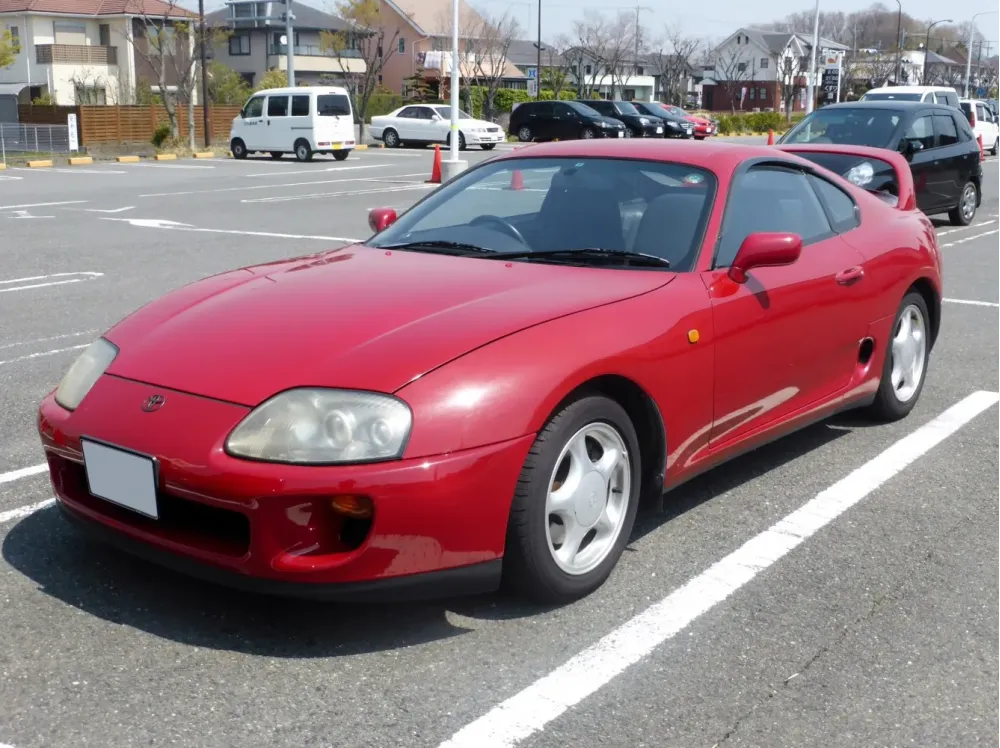
Click on image to view the full photo gallery
Toyota Supra IV (A80) 3.0i 24V T-turbo (330 Hp) Automatic
Overall Rating
Toyota Supra:
The Toyota Supra is a sports car and grand tourer manufactured and developed by the Toyota Motor Corporation beginning in 1978. The name "supra" is taken from the Latin prefix meaning "above", "to surpass" or "go beyond".
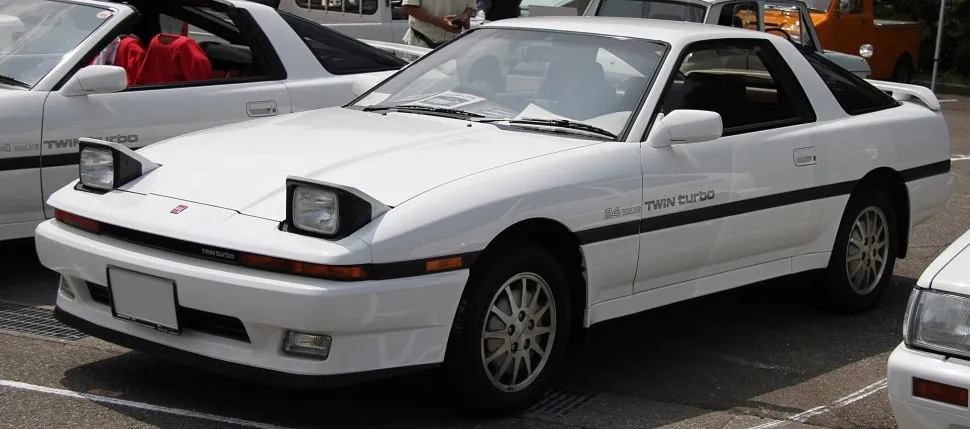
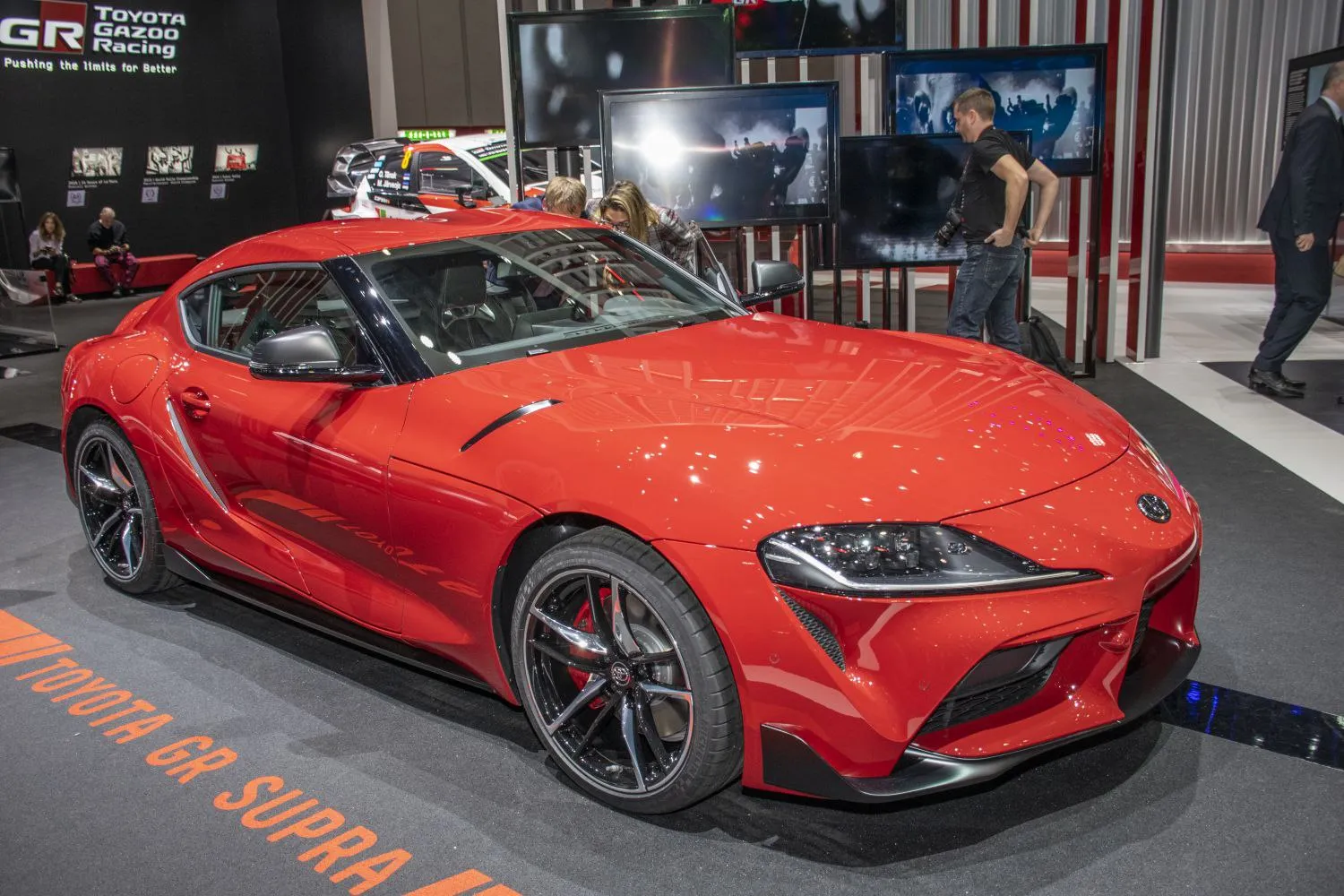
The initial four generations of the Supra were produced from 1978 to 2002. The fifth generation has been produced since March 2019 and later went on sale in May 2019. The styling of the original Supra was derived from the Toyota Celica, but it was longer. Starting in mid-1986, the A70 Supra became a separate model from the Celica. In turn, Toyota also stopped using the prefix Celica and named the car Supra. Owing to the similarity and past of the Celica's name, it is frequently mistaken for the Supra, and vice versa. The first, second and third generations of the Supra were assembled at the Tahara plant in Tahara, Aichi, while the fourth generation was assembled at the Motomachi plant in Toyota City. The 5th generation of the Supra is assembled alongside the G29 BMW Z4 in Graz, Austria by Magna Steyr....(Read more on Wikipedia)
IV (A80) Overview:
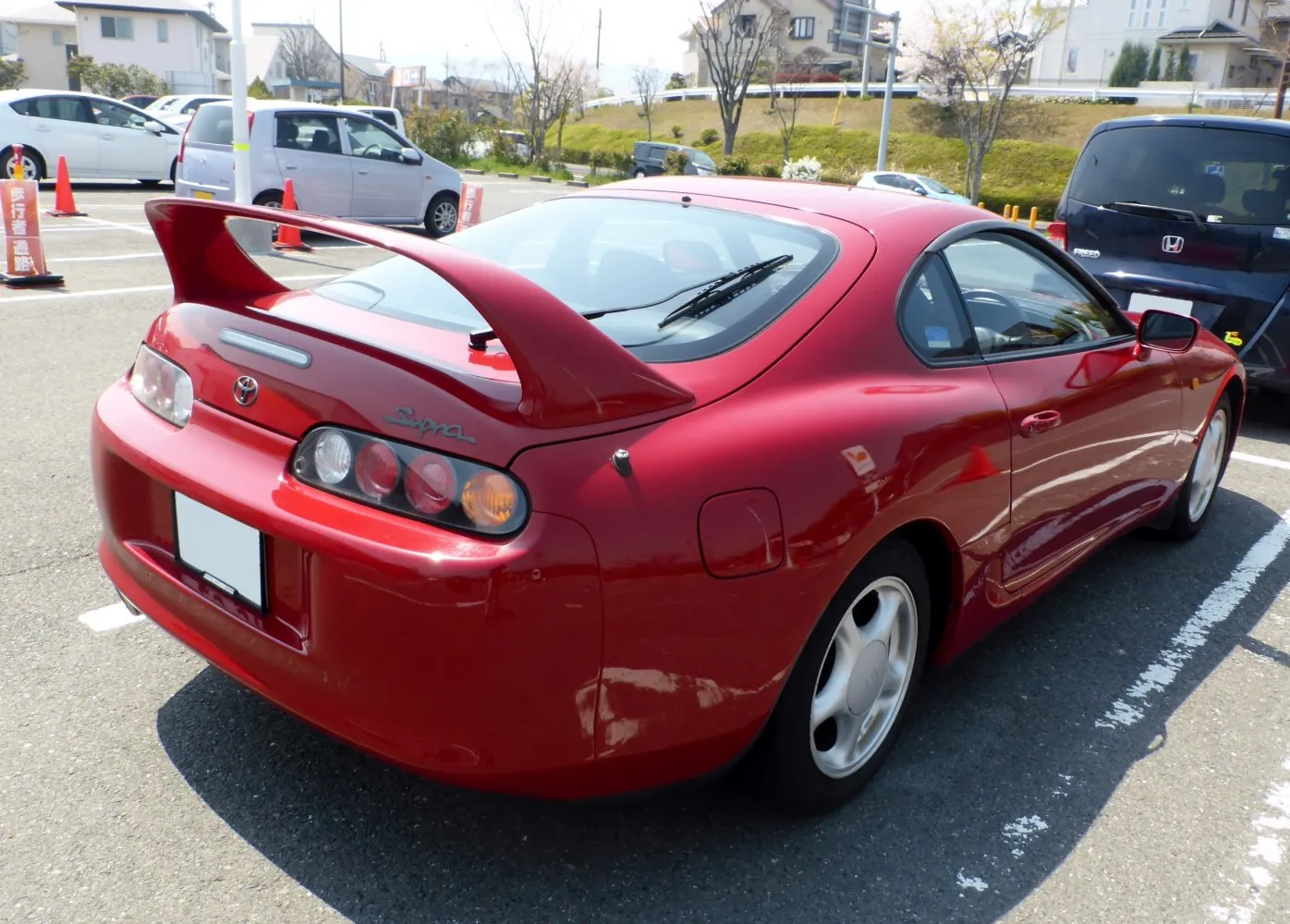
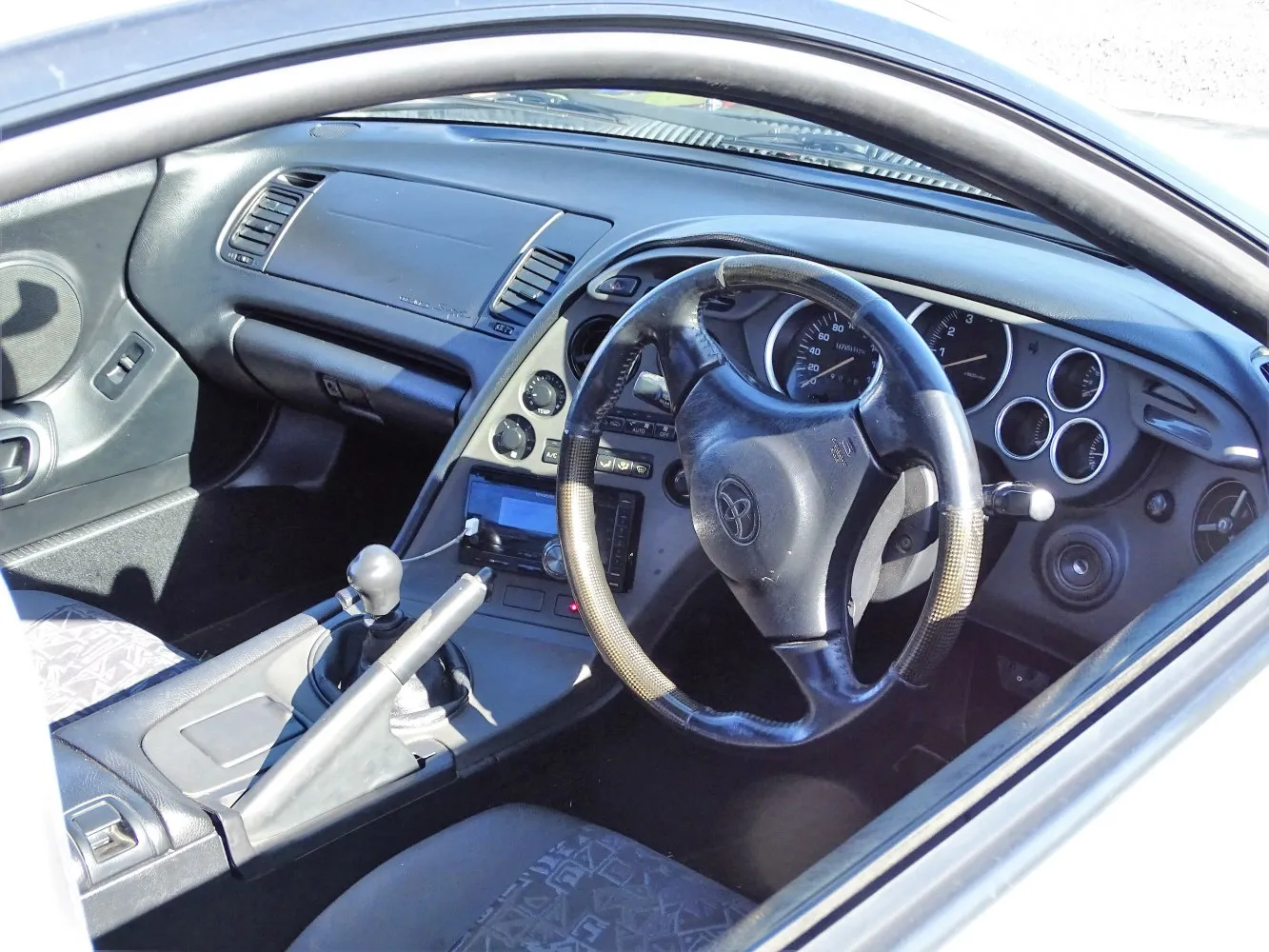
Toyota Supra (IV (A80)). With 440 Nm of torque, it offers ample pulling power. With a weight of 1570 kg, it falls in the mid‑range. Rear‑wheel drive offers dynamic handling and sporty feedback. Acceleration is excellent (0–100 km/h in 5.1 s). The top speed reaches 250 km/h. A two-door car with a fixed roof, known for its sporty design and dynamic performance. Seating for 4 makes it ideal for daily use.
3.0i 24V T-turbo (330 Hp) Automatic Verdict:

Performance Verdict
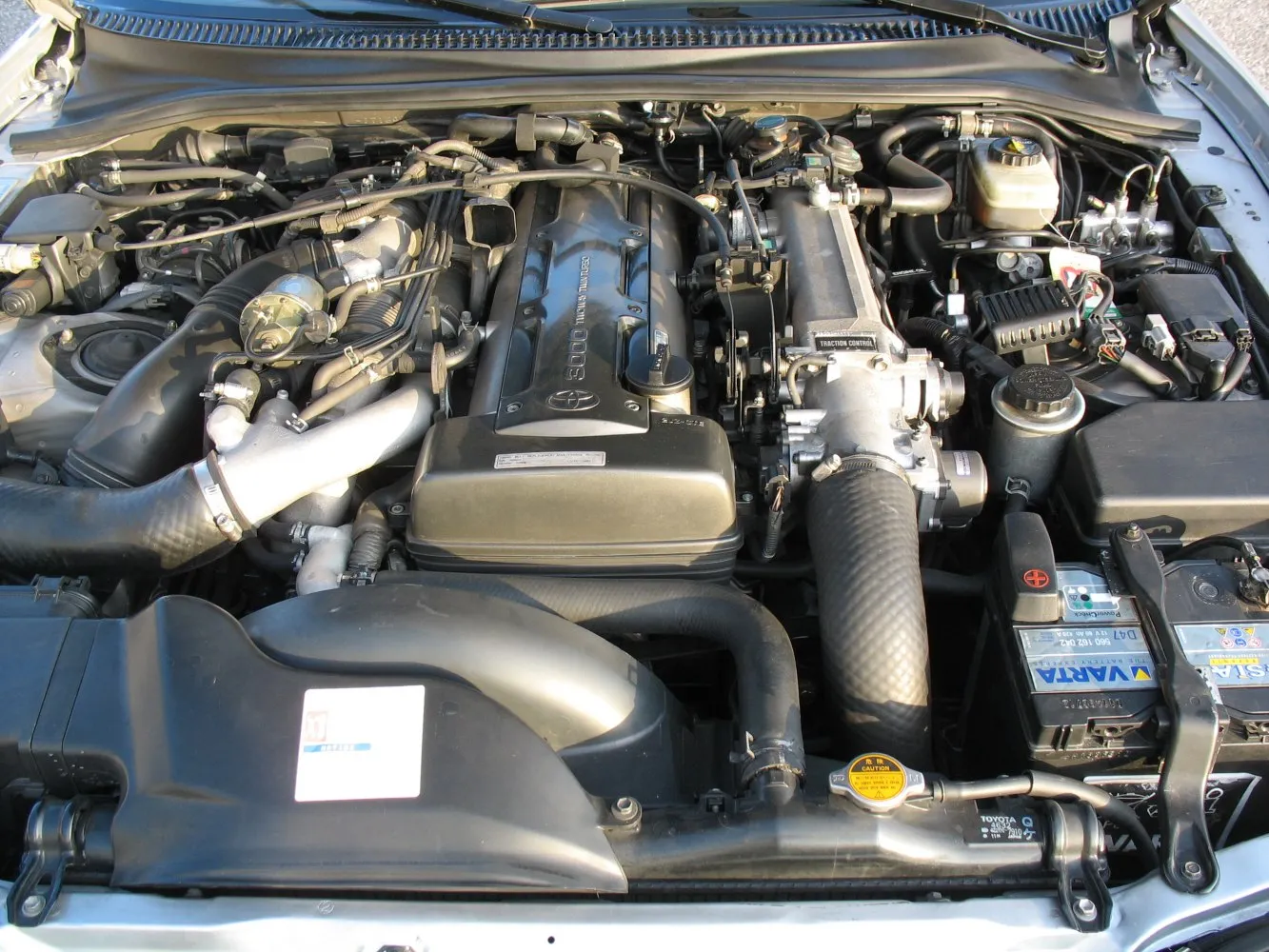
Exceptional performance with strong acceleration (5.1 sec 0-100 km/h) thanks to the twin-turbo 2JZ-GTE engine. The automatic transmission provides smooth, rapid shifts.
Fuel Economy
Impressive fuel economy for a high-performance twin-turbo engine (11.1 l/100 km combined), reflecting efficient power delivery.
Pros and Cons:
Pros:
- • Iconic and timeless design
- • Legendary 2JZ-GTE engine with immense tuning potential
- • Exceptional performance in turbo variants
- • Renowned Toyota reliability and durability
- • Strong aftermarket support and community
Cons:
- • High fuel consumption, especially in non-turbo and urban settings
- • Limited rear seating space
- • High insurance costs due to performance and desirability
- • Parts can be expensive and difficult to source for some components
- • Not officially crash tested by Euro NCAP
Specifications:
Specifications are compared to those of the previous generation(III (A70): 1988 - 1989).
| General: | |
|---|---|
| Brand: | Toyota |
| Model: | Supra |
| Generation: | IV (A80) |
| Modification (Engine): | 3.0i 24V T-turbo (330 Hp) Automatic |
| Start of production: | 1993 |
| End of production: | 2002 |
| Powertrain Architecture: | Internal Combustion engine |
| Body type: | Coupe |
| Seats: | 4 |
| Doors: | 3 |
| Engine: | |
|---|---|
| Power: | 330 Hp @ 5600 rpm. Same horsepower |
| Power per litre: | 110.1 Hp/l [100mm less] |
| Torque: | 440 Nm @ 4800 rpm. |
| Engine Model/Code: | 2JZ-GTE More details about the engine 2JZ-GTE |
| Engine displacement: | 2997 |
| Number of cylinders: | 6 |
| Engine configuration: | Inline |
| Number of valves per cylinder: | 4 |
| Fuel injection system: | Multi-port manifold injection |
| Engine aspiration: | Twin-Turbo, Intercooler |
| Valvetrain: | DOHC |
| Engine oil capacity: | 5 l |
| Coolant: | 8.8 l |
| Engine layout: | Front, Longitudinal |
| Cylinder Bore: | 86 mm mm |
| Piston Stroke: | 86 mm mm |
| Compression ratio: | 8.5:1 |
| Performance: | |
|---|---|
| Fuel Type: | Petrol (Gasoline) |
| Fuel consumption (economy) - urban: | 14.6 l/100 km |
| Fuel consumption (economy) - extra urban: | 10.3 l/100 km |
| Fuel consumption (economy) - combined: | 11.1 l/100 km |
| Acceleration 0 - 100 km/h: | 5.1 sec |
| Acceleration 0 - 62 mph: | 5.1 sec |
| Maximum speed: | 250 km/h |
| Weight-to-power ratio: | 4.8 kg/Hp, 210.2 Hp/tonne |
| Weight-to-torque ratio: | 3.6 kg/Nm, 280.3 Nm/tonne |
| Acceleration 0 - 60 mph: | 4.8 sec |
| Space: | |
|---|---|
| Kerb Weight: | 1570 |
| Max. weight: | 1790 |
| Max load: | 220 |
| Trunk (boot) space - maximum: | 317 l |
| Trunk (boot) space - minimum: | 185 l |
| Fuel tank capacity: | 70 l |
| Size: | |
|---|---|
| Length: | 4520 mm mm [100mm less] |
| Width: | 1810 mm mm [65mm more] |
| Height: | 1275 mm mm [35mm less] |
| Wheelbase: | 2500 mm mm [95mm less] |
| Front track: | 1520 mm |
| Rear (Back) track: | 1525 mm |
| Powertrain: | |
|---|---|
| Drivetrain Architecture | The Internal combustion engine (ICE) drives the rear wheels of the vehicle. |
| Drive wheel | Rear wheel drive |
| Number of gears | 4 |
| Transmission type | Automatic |
| Front brakes | Ventilated discs [Best for performance and cooling.] |
| Rear brakes | Ventilated discs [Best for performance and cooling.] |
| Assisting systems | ABS (Anti-lock braking system) |
| Steering type | Steering rack and pinion |
| Power steering | Hydraulic Steering |
| Tires size | 225/50 ZR16; 245/50 ZR16 |
| Wheel rims size | 8.0J x 16; 9.5J x 16 |
| Front suspension | Wishbone |
| Rear suspension | Wishbone |






Behind the wheel of the Toyota Supra. How does it handle on the road?