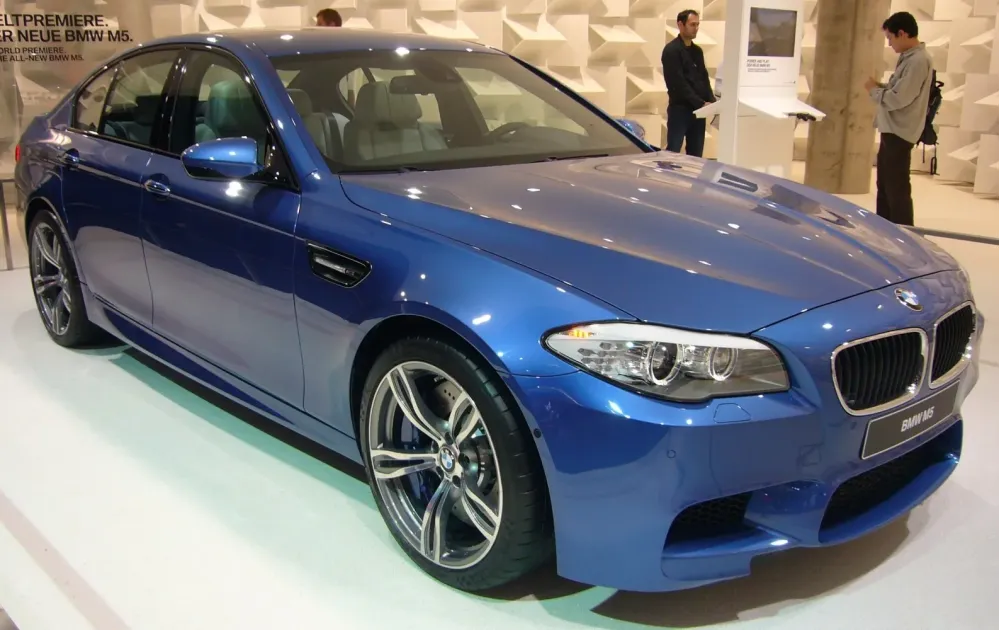
Click on image to view the full photo gallery
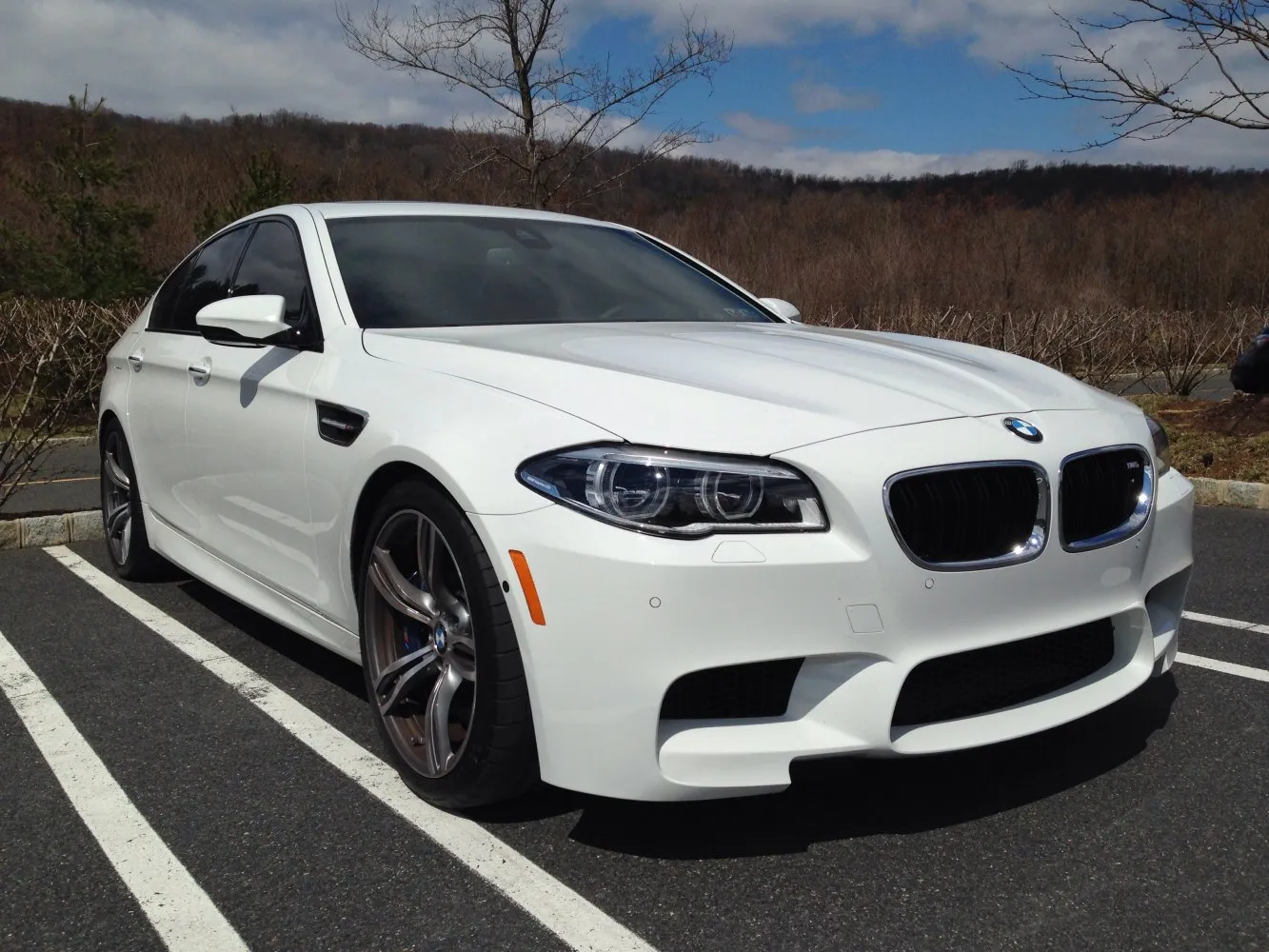
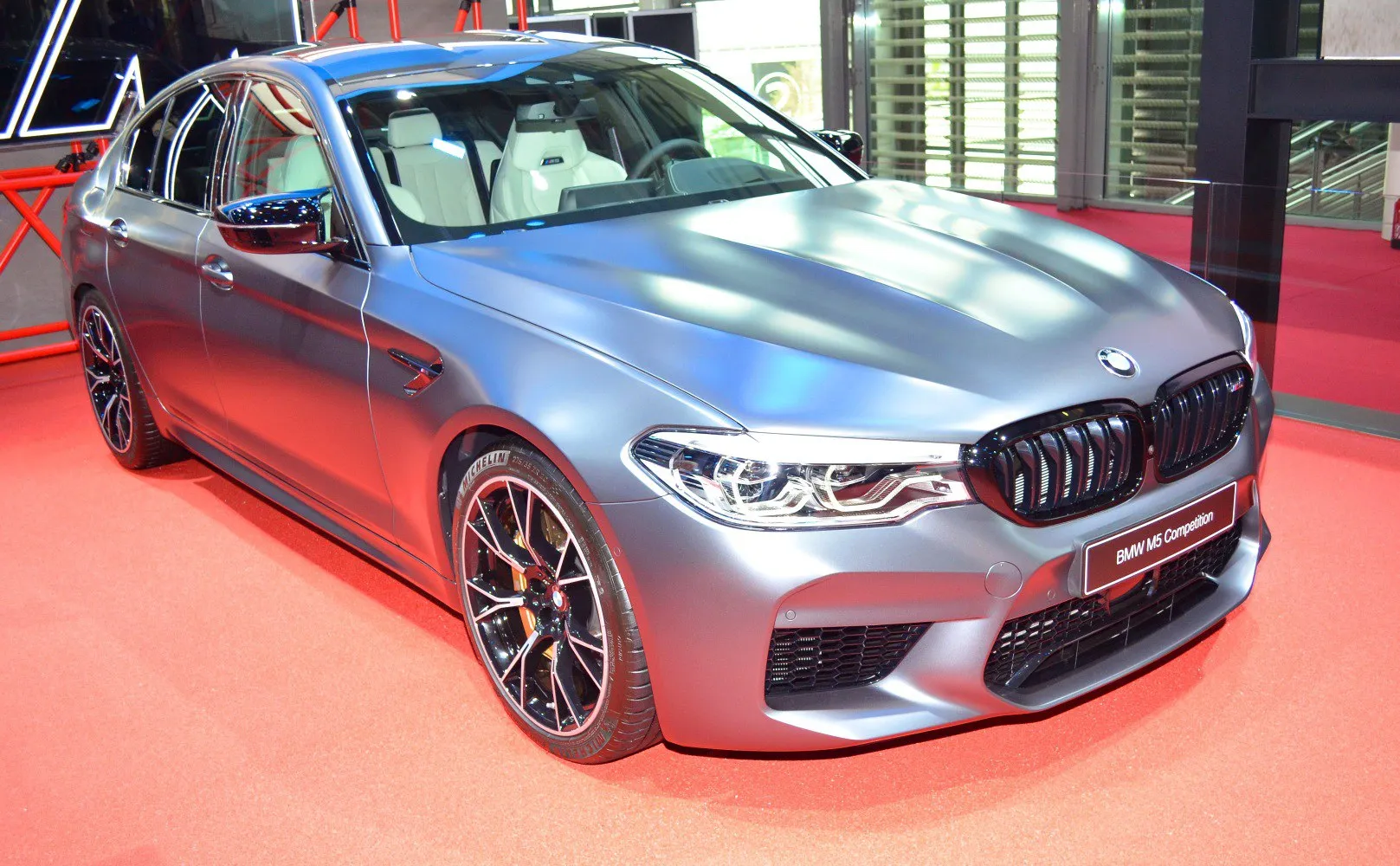
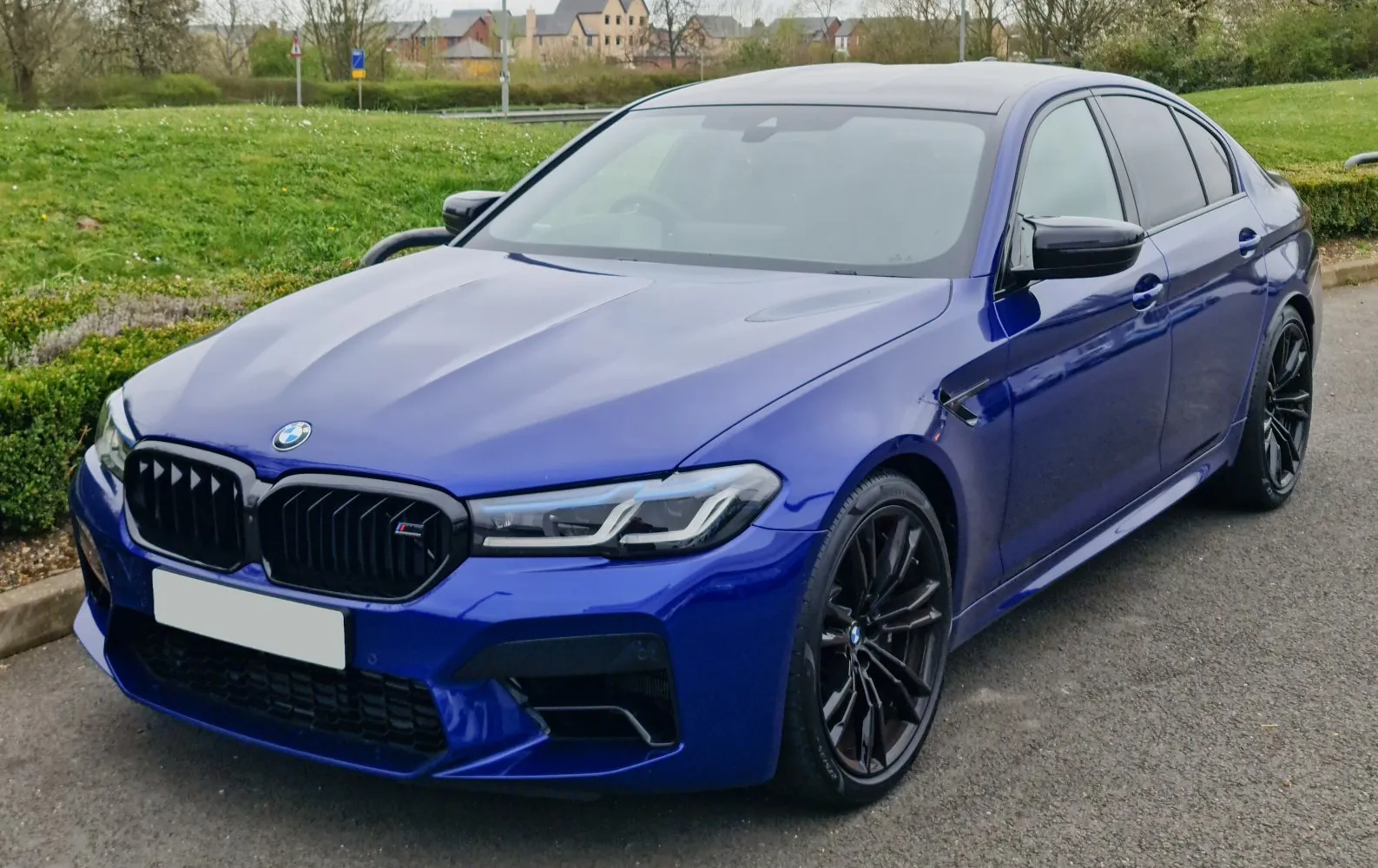
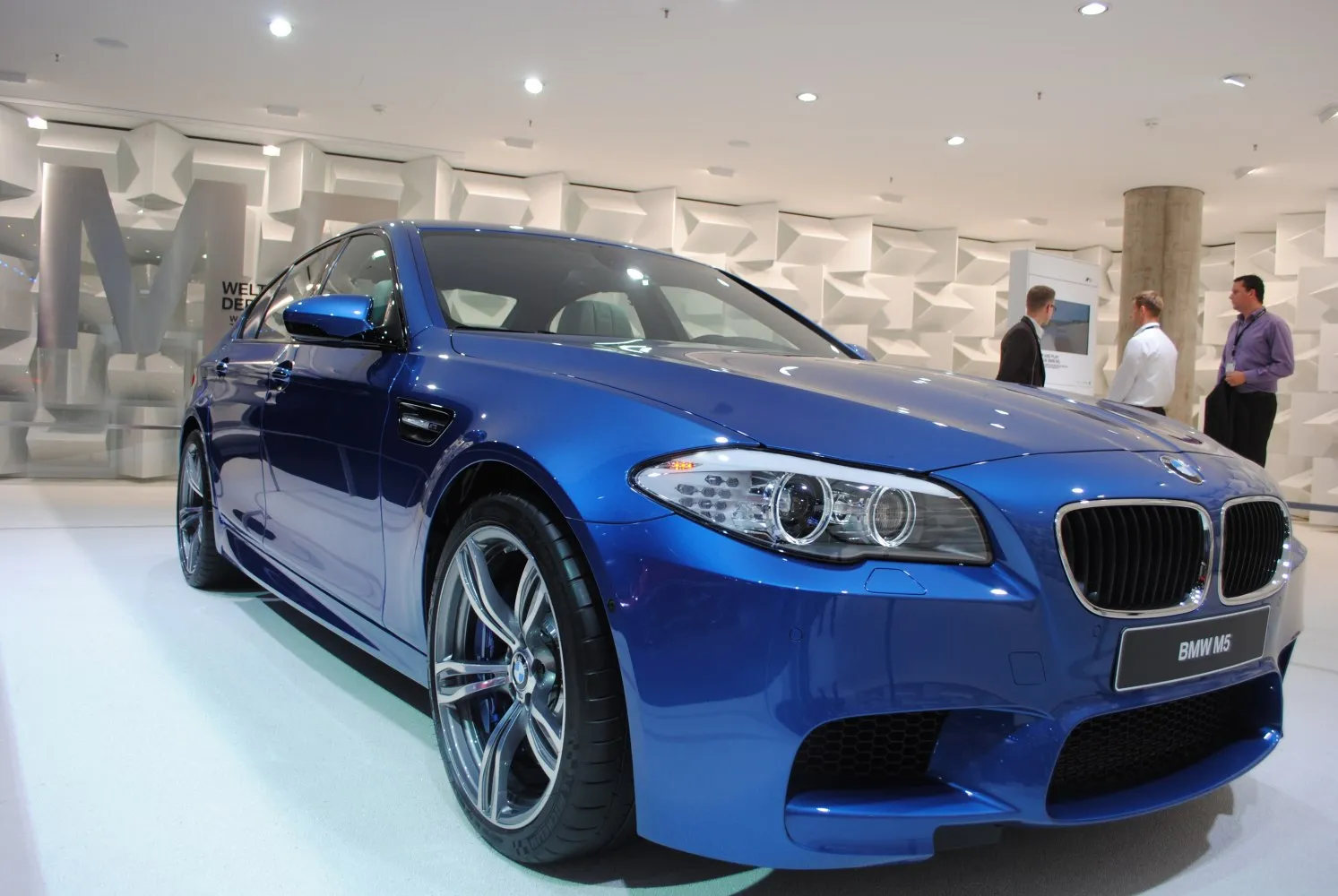
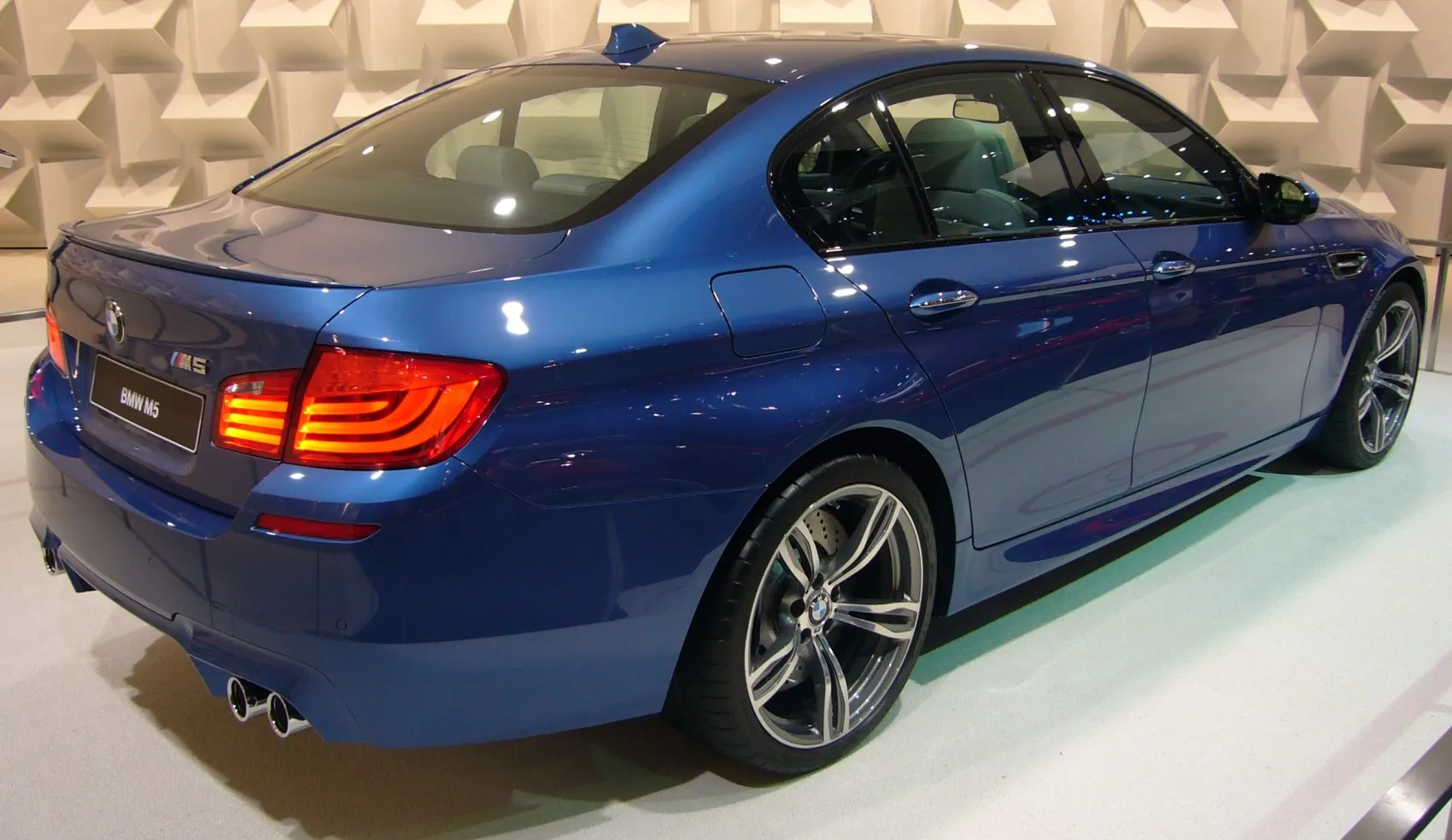
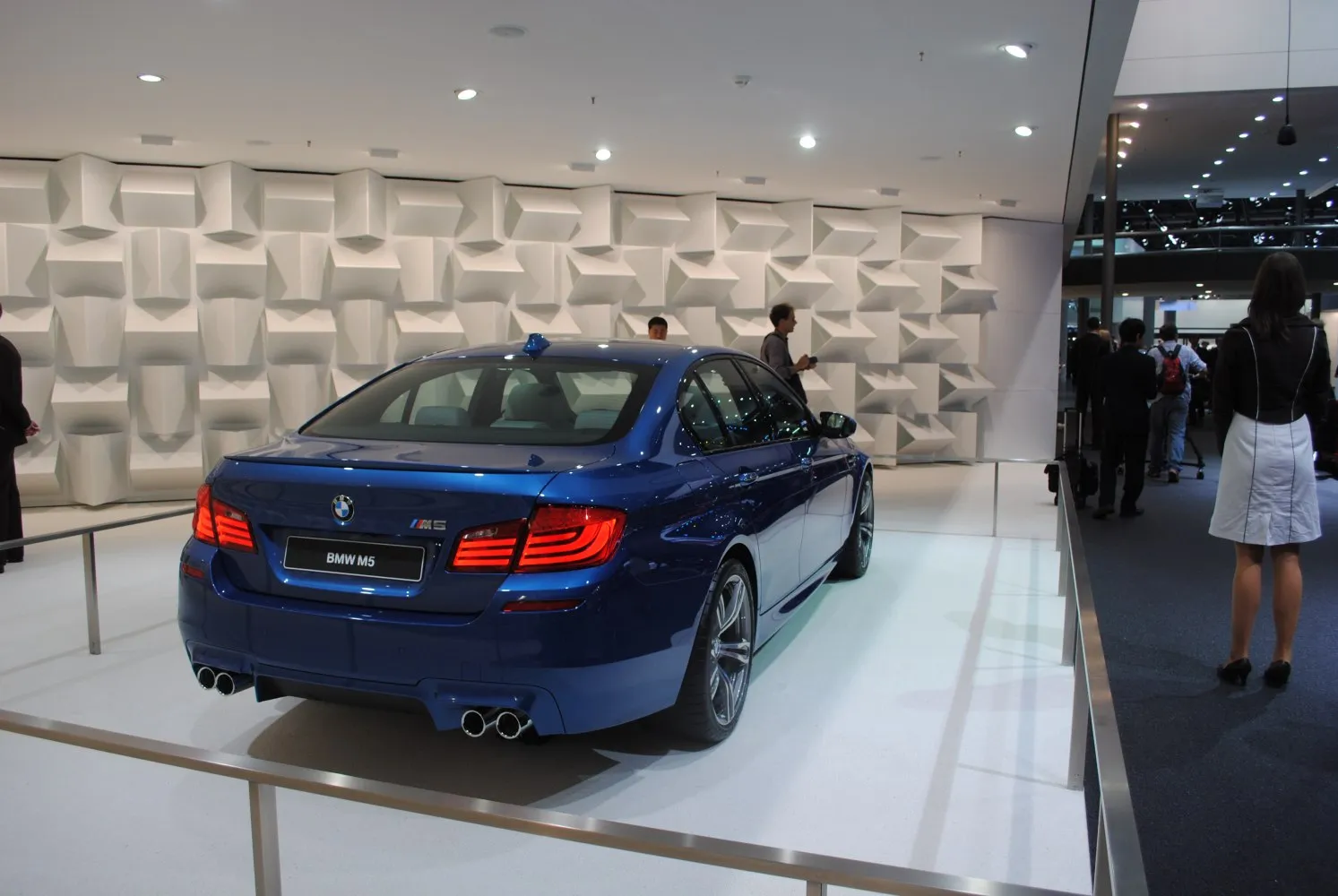
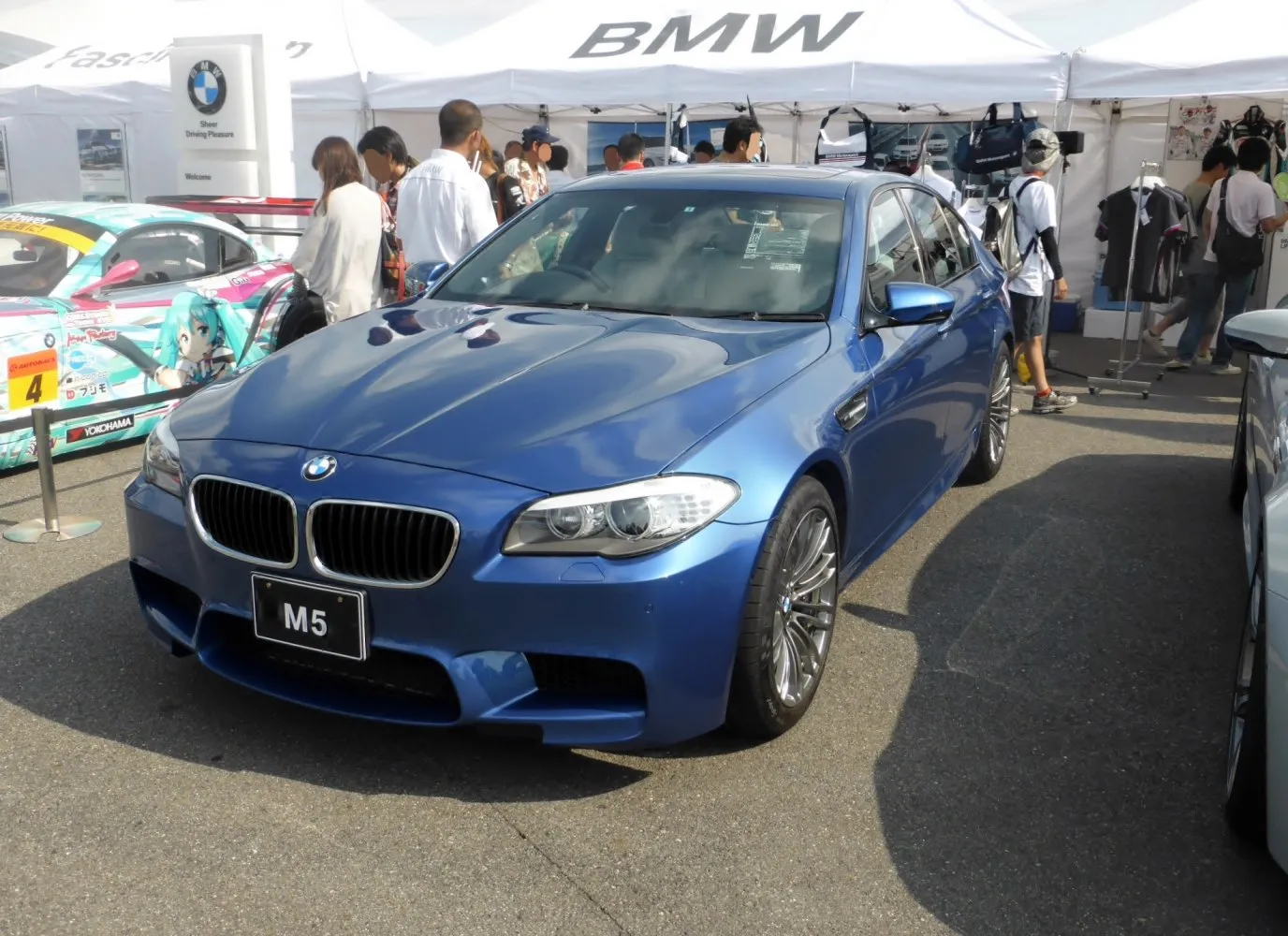
BMW M5 F10M 4.4 V8 (560 Hp) M DCT
Overall Rating
BMW M5:
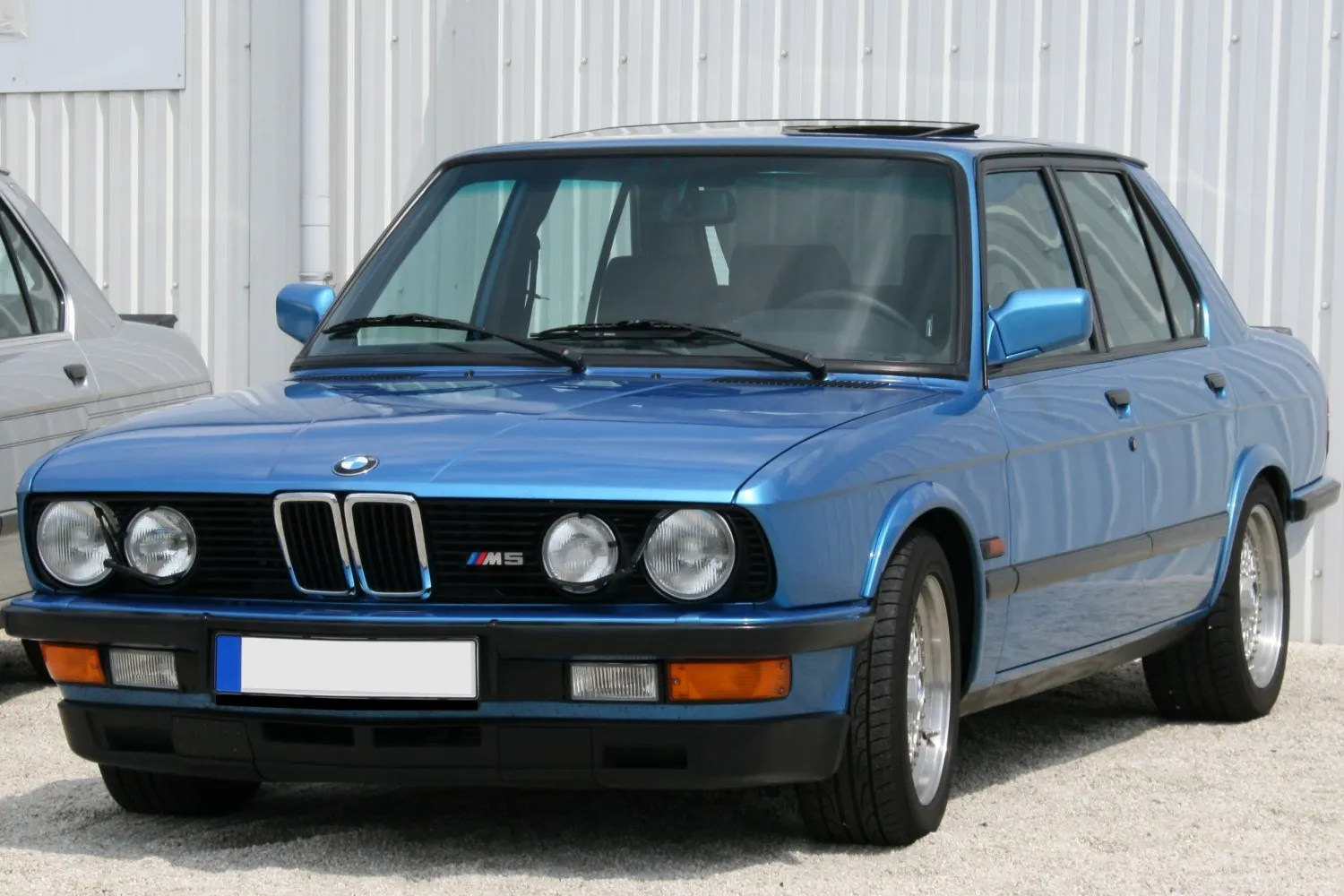
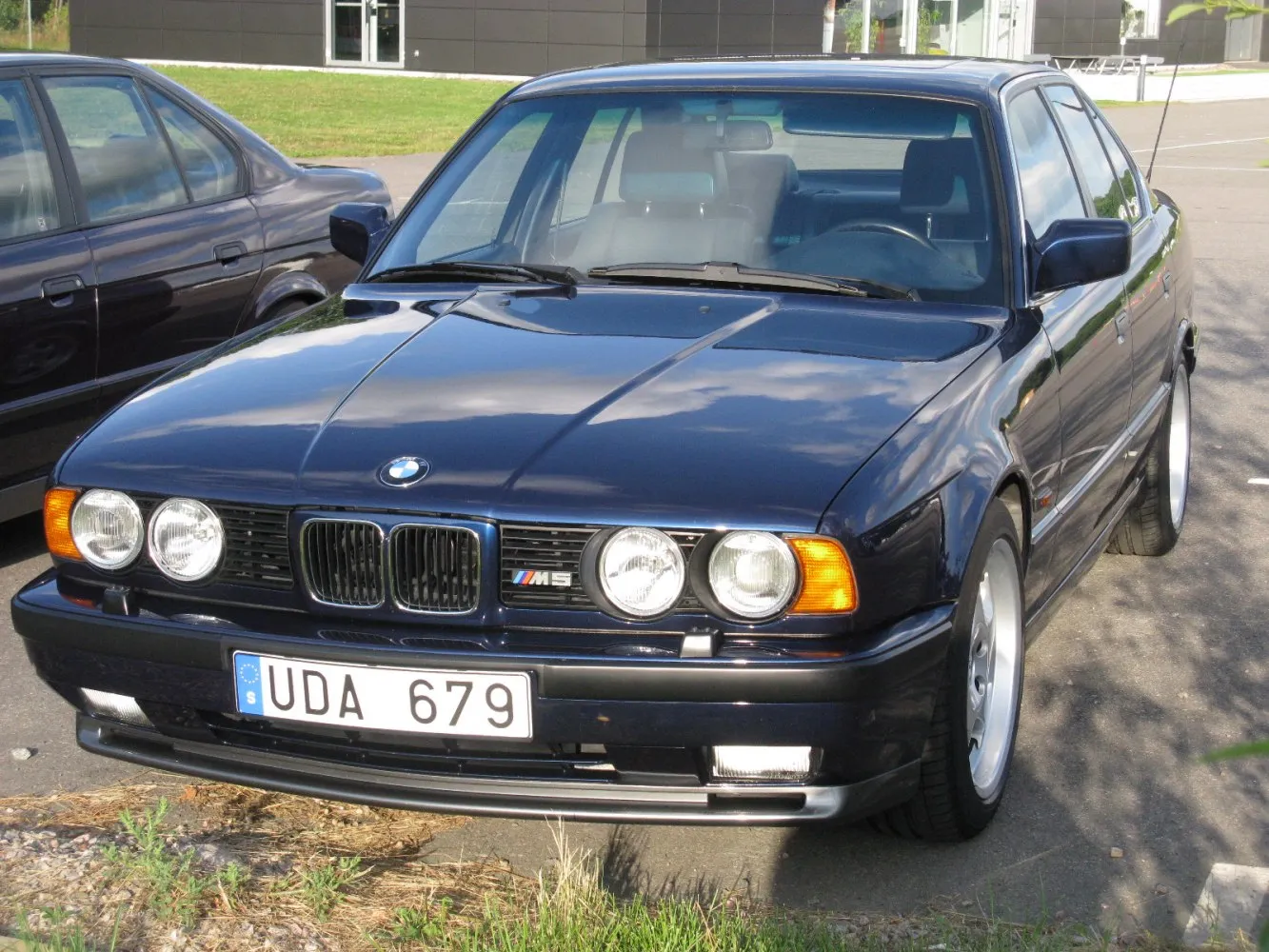
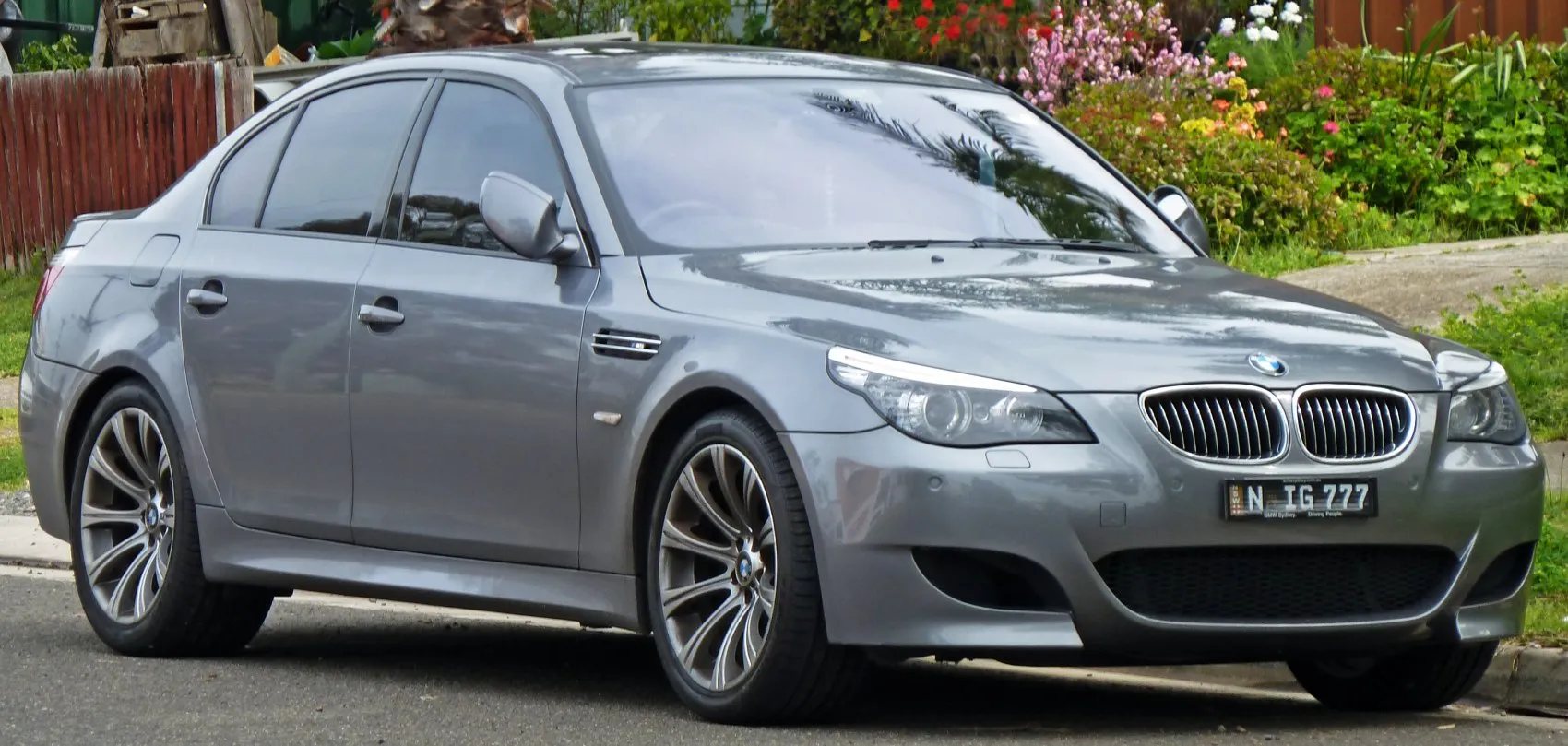
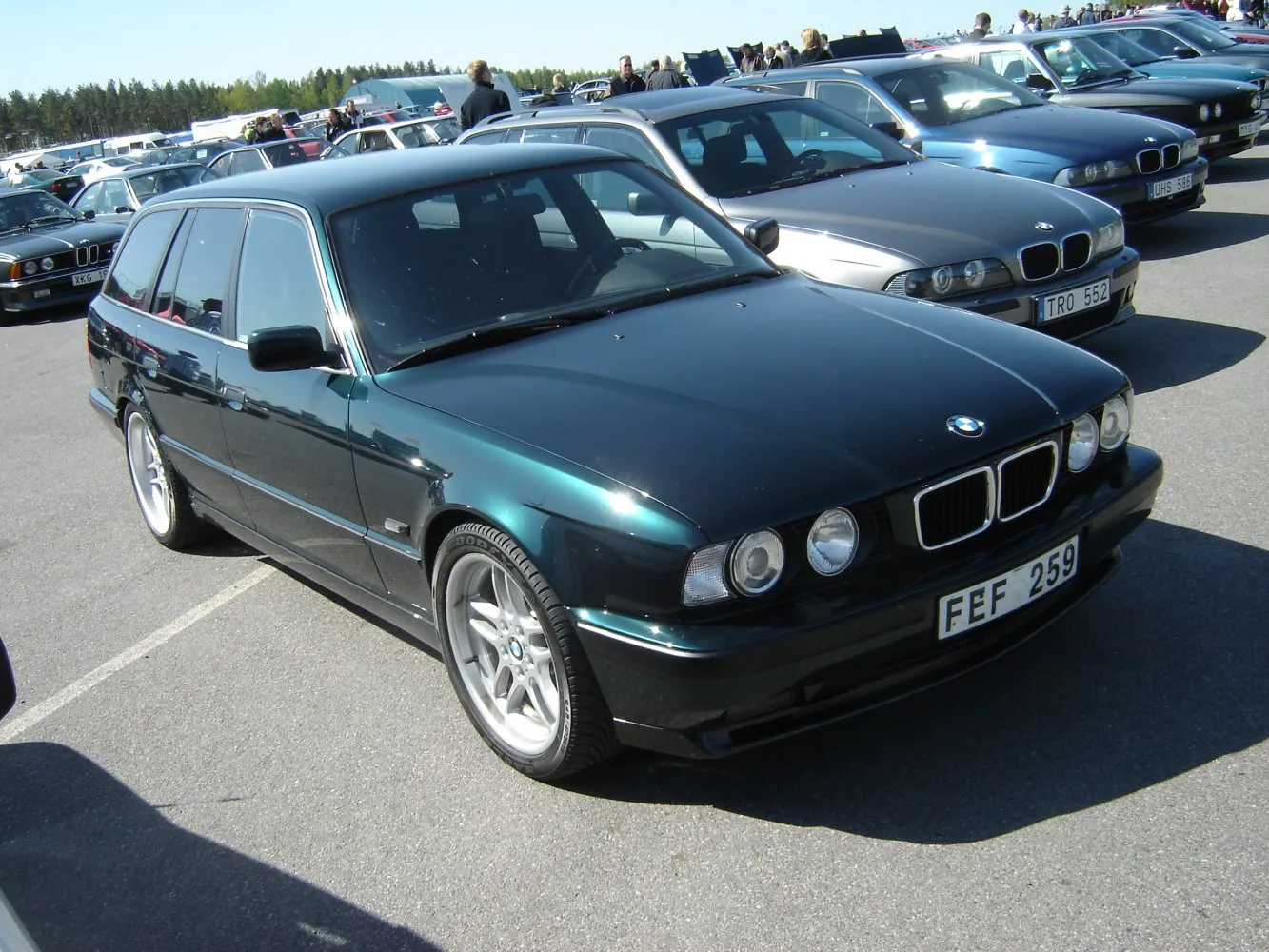
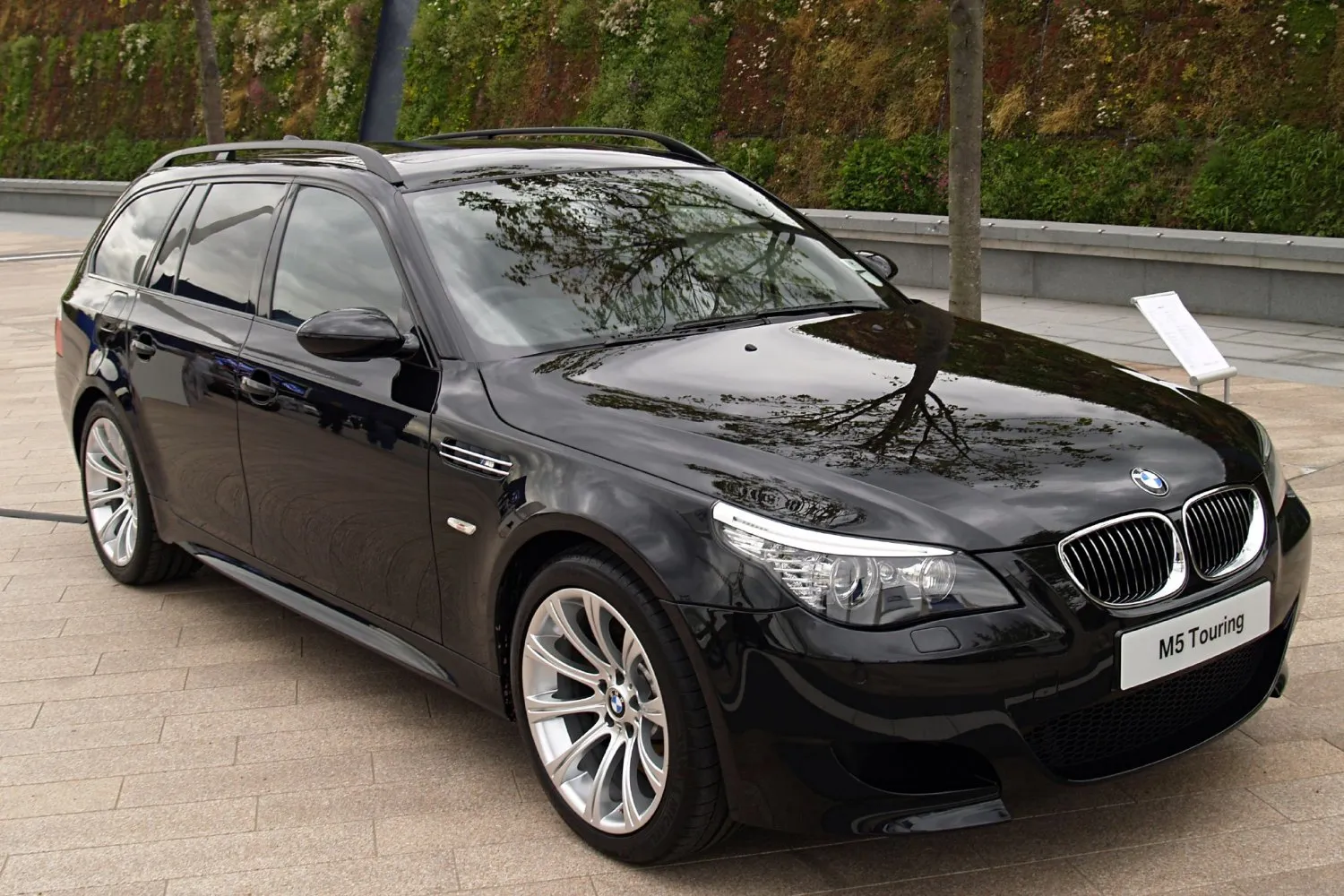
The BMW M5 is a high-performance version of the BMW 5 Series automobile developed by BMW's motorsport division, BMW M GmbH, built since 1984 with periodic interruptions. The M5 has continuously been produced in the saloon body style, in some countries also as an estate.
The first M5 model was hand-built beginning in late 1984 on the E28 535i chassis with a modified engine from the M1 that made it the fastest production saloon at the time. M5 models have been produced for every generation of the 5 Series since 1984, with occasional gaps in production....(Read more on Wikipedia)
F10M Overview:
BMW M5 (F10M). With 680 Nm of torque, it offers ample pulling power. With a weight of 1870 kg, it falls in the mid‑range. Rear‑wheel drive offers dynamic handling and sporty feedback. Acceleration is excellent (0–100 km/h in 4.4 s). The top speed reaches 250 km/h. A four-door car with a separate trunk, ideal for families and daily commuting. Seating for 5 makes it ideal for daily use.
Based on the robust BMW 5 Series (F10) platform, the M5 F10M benefits from excellent passive and active safety features, achieving a top 5-star Euro NCAP rating.
4.4 V8 (560 Hp) M DCT Verdict:

Performance Verdict
The S63B44B twin-turbo V8 delivers immense power and torque, paired with the lightning-fast 7-speed M DCT for blistering acceleration and a truly engaging driving experience.
Fuel Economy
Despite its high performance, the combined fuel economy of 9.9 l/100 km is respectable for a car of this caliber, thanks to efficient engine design and the M DCT.
Pros and Cons:
Pros:
- • Phenomenal S63B44B twin-turbo V8 engine performance
- • Luxurious and well-appointed interior with advanced technology
- • Practicality of a four-door sedan with supercar acceleration
- • Engaging driving dynamics with M-specific chassis tuning
- • Sophisticated M DCT transmission for rapid shifts
Cons:
- • High fuel consumption, especially in urban driving
- • Complex engine and electronics can lead to expensive maintenance
- • Firm ride quality may not suit all drivers
- • Heavy curb weight impacts agility compared to earlier M5s
- • Steering feel can be less communicative than hydraulic systems of predecessors
Specifications:
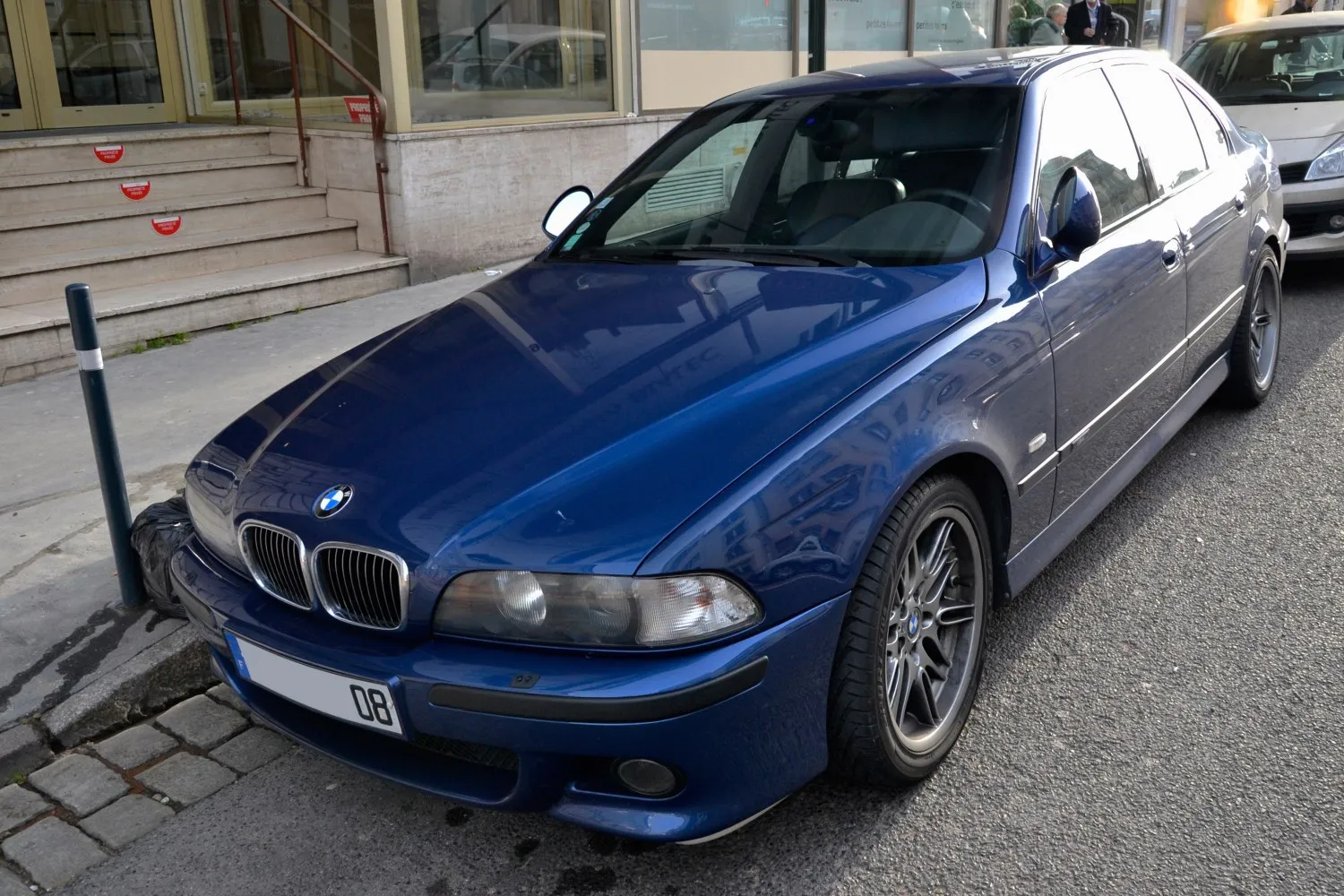
Specifications are compared to those of the previous generation(E39: October, 1998 - August, 2000).
| General: | |
|---|---|
| Brand: | BMW |
| Model: | M5 |
| Generation: | F10M |
| Modification (Engine): | 4.4 V8 (560 Hp) M DCT |
| Start of production: | October, 2011 |
| End of production: | June, 2013 |
| Powertrain Architecture: | Internal Combustion engine |
| Body type: | Sedan |
| Seats: | 5 |
| Doors: | 4 |
| Engine: | |
|---|---|
| Engine systems: | Start & Stop System |
| Power: | 560 Hp @ 6000-7000 rpm. Same horsepower |
| Power per litre: | 127.4 Hp/l [126mm more] |
| Torque: | 680 Nm @ 1500-5750 rpm. |
| Engine Model/Code: | S63B44B More details about the engine S63B44B |
| Engine displacement: | 4395 |
| Number of cylinders: | 8 |
| Engine configuration: | V-engine |
| Number of valves per cylinder: | 4 |
| Fuel injection system: | Direct injection |
| Engine aspiration: | Twin-power turbo, Intercooler |
| Valvetrain: | Double-VANOS, VALVETRONIC |
| Engine oil capacity: | 8.4 l |
| Coolant: | 18.5 l |
| Engine layout: | Front, Longitudinal |
| Cylinder Bore: | 89 mm mm |
| Piston Stroke: | 88.3 mm mm |
| Compression ratio: | 10:1 |
| Maximum engine speed: | 7200 rpm. |
| Performance: | |
|---|---|
| Fuel Type: | Petrol (Gasoline) |
| Fuel consumption (economy) - urban: | 14 l/100 km |
| Fuel consumption (economy) - extra urban: | 7.6 l/100 km |
| Fuel consumption (economy) - combined (NEDC): | 9.9 l/100 km |
| Fuel consumption (economy) - urban (NEDC): | 14 l/100 km |
| Fuel consumption (economy) - extra urban (NEDC): | 7.6 l/100 km |
| Fuel consumption (economy) - combined: | 9.9 l/100 km |
| Emission standard: | Euro 5 |
| Acceleration 0 - 100 km/h: | 4.4 sec |
| Acceleration 0 - 62 mph: | 4.4 sec |
| Maximum speed: | 250 km/h, Electronically limited |
| Weight-to-power ratio: | 3.3 kg/Hp, 299.5 Hp/tonne |
| Weight-to-torque ratio: | 2.8 kg/Nm, 363.6 Nm/tonne |
| Acceleration 0 - 200 km/h: | 13 sec |
| Acceleration 0 - 60 mph: | 4.2 sec |
| Space: | |
|---|---|
| Kerb Weight: | 1870 |
| Max. weight: | 2410 |
| Max. roof load: | 100 kg |
| Max load: | 540 |
| Trunk (boot) space - minimum: | 520 l |
| Permitted trailer load with brakes (12%): | 2000 kg |
| Fuel tank capacity: | 80 l |
| Permitted trailer load without brakes: | 750 kg |
| Permitted towbar download: | 90 kg |
| Size: | |
|---|---|
| Length: | 4910 mm mm [126mm more] |
| Width: | 1891 mm mm [91mm more] |
| Height: | 1456 mm mm [19mm more] |
| Wheelbase: | 2964 mm mm [134mm more] |
| Width including mirrors: | 2119 mm |
| Front track: | 1627 mm |
| Rear (Back) track: | 1582 mm |
| Front overhang: | 836 mm |
| Rear overhang: | 1110 mm |
| Ride height (ground clearance): | 117 mm |
| Minimum turning circle (turning diameter): | 12.6 m [above average] |
| Powertrain: | |
|---|---|
| Drivetrain Architecture | The Internal combustion engine (ICE) drives the rear wheels of the vehicle. |
| Drive wheel | Rear wheel drive |
| Number of gears | 7 |
| Transmission type | Automatic |
| Gearbox type | M DCT |
| Front brakes | Ventilated discs, 400x36 mm [Best for performance and cooling.] |
| Rear brakes | Ventilated discs, 396x24 mm [Best for performance and cooling.] |
| Assisting systems | ABS (Anti-lock braking system) |
| Steering type | Steering rack and pinion |
| Power steering | Hydraulic Steering |
| Tires size | Front wheel tires: 265/40 R19; 265/35 R20 |
| Wheel rims size | Front wheel rims: 9J x 19; 9J x 20 |
| Front suspension | Coil spring, Double wishbone, Transverse stabilizer |
| Rear suspension | Independent multi-link spring suspension with stabilizer |







Is the BMW M5 the king of its class? Share your thoughts.