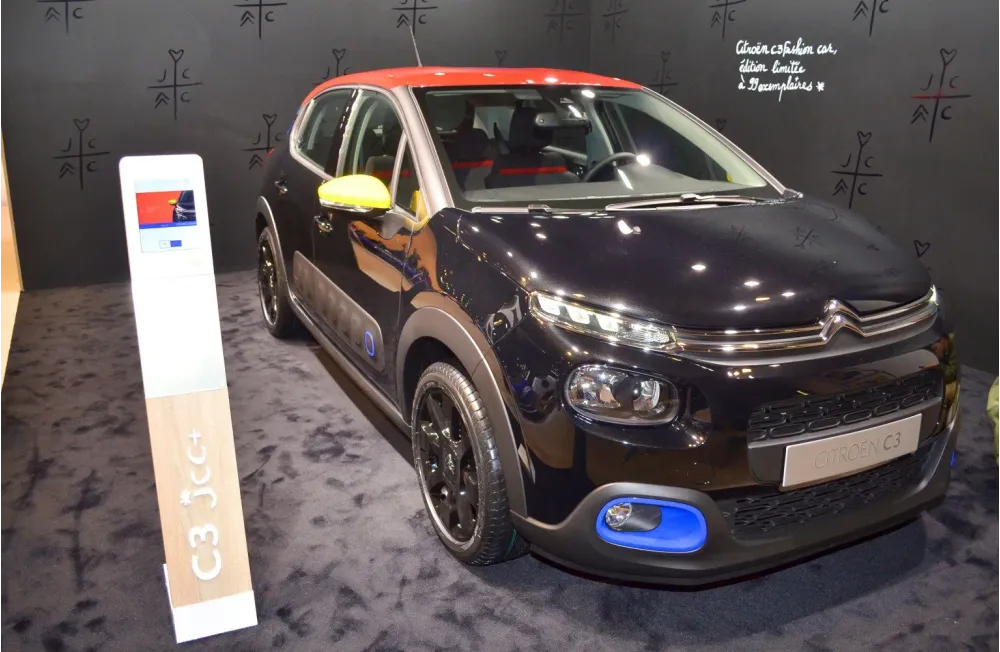
Click on image to view the full photo gallery
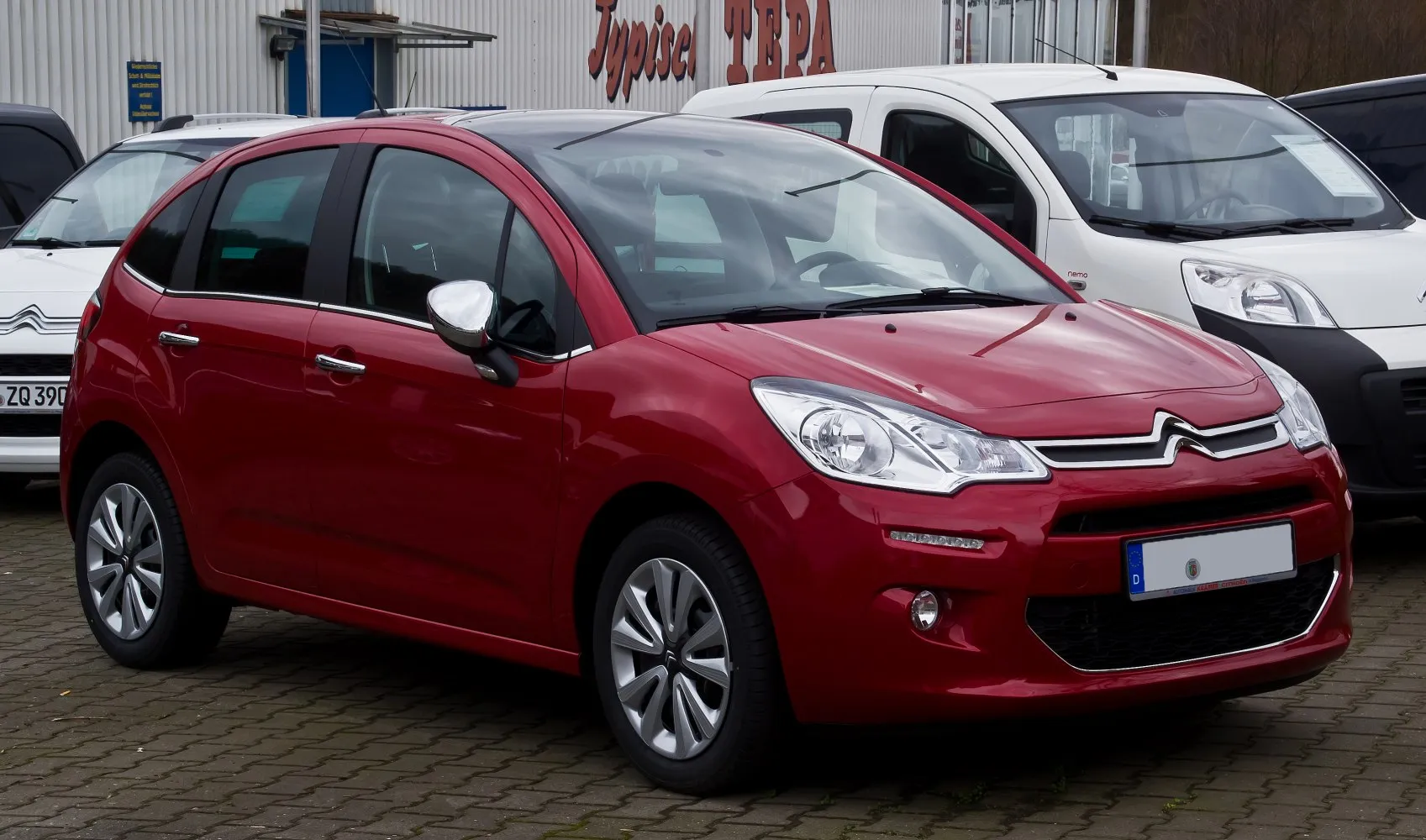
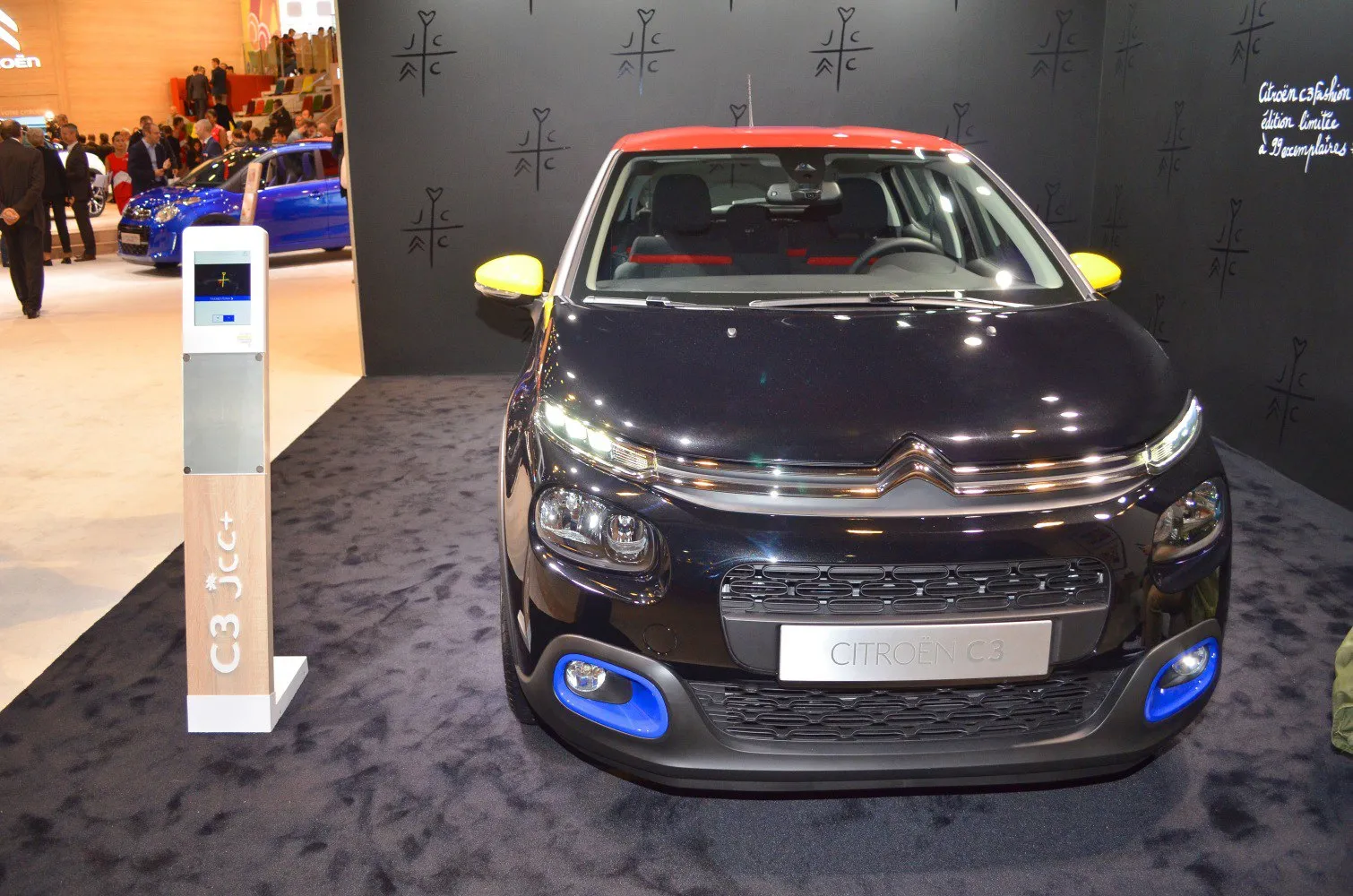
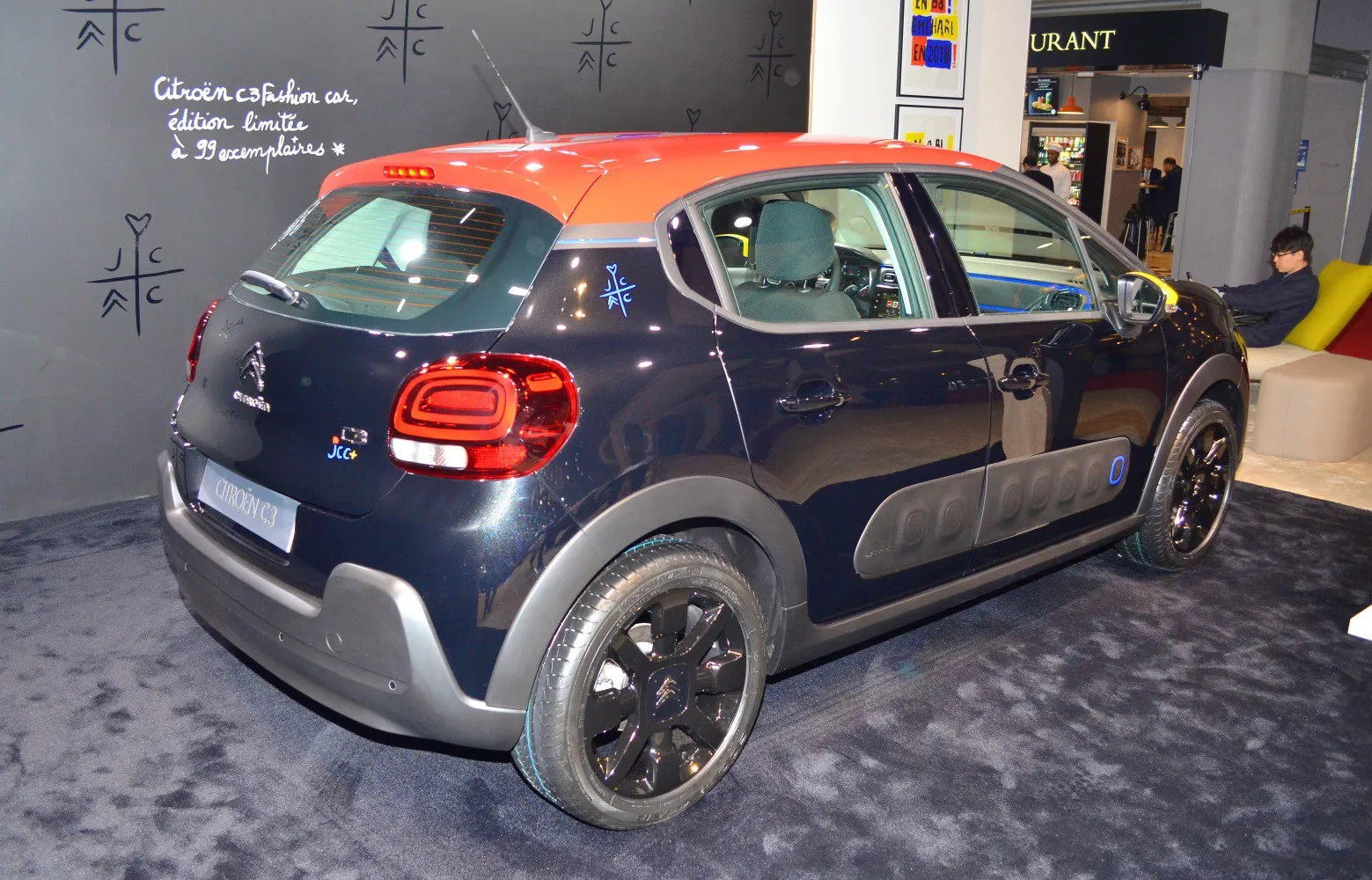
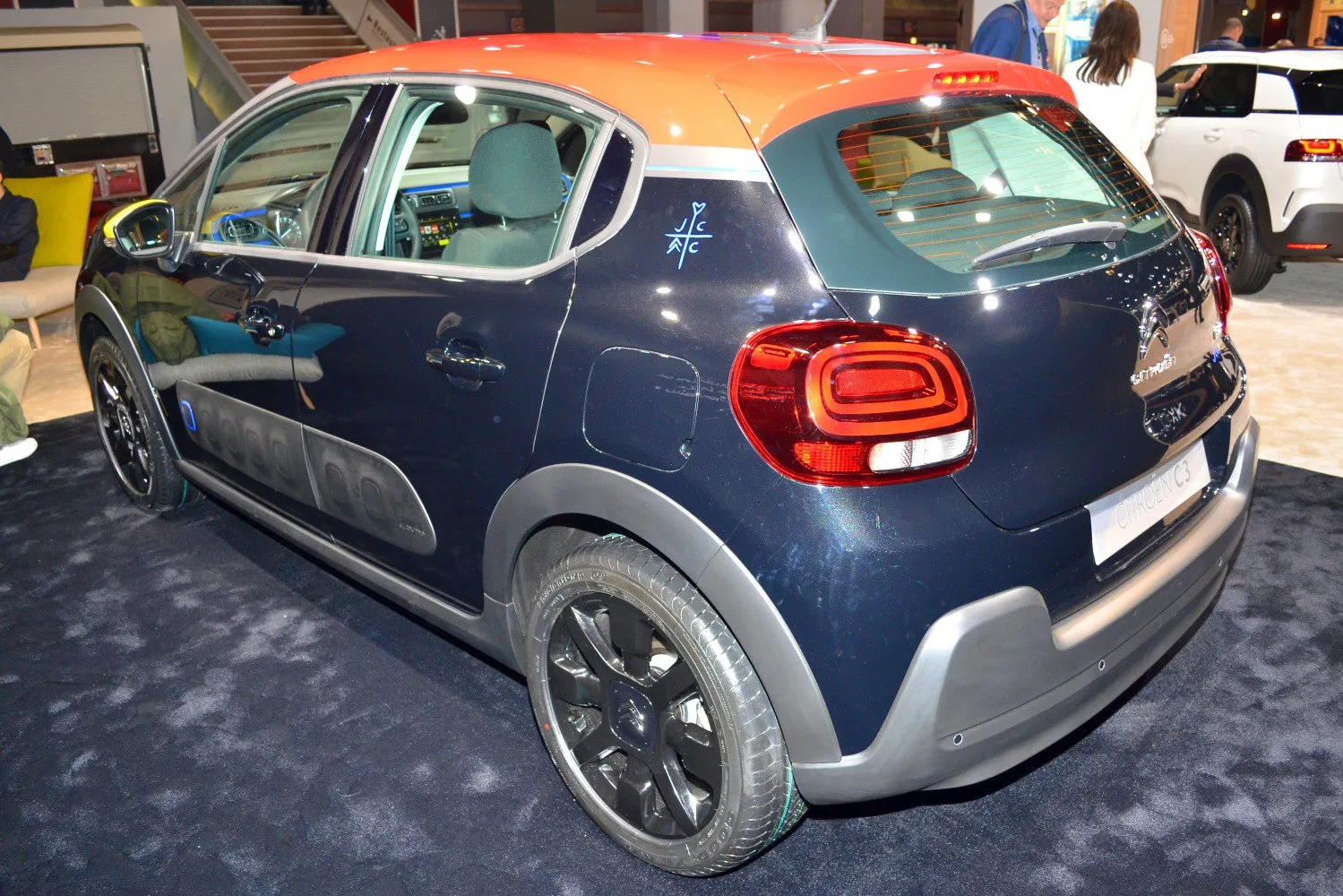
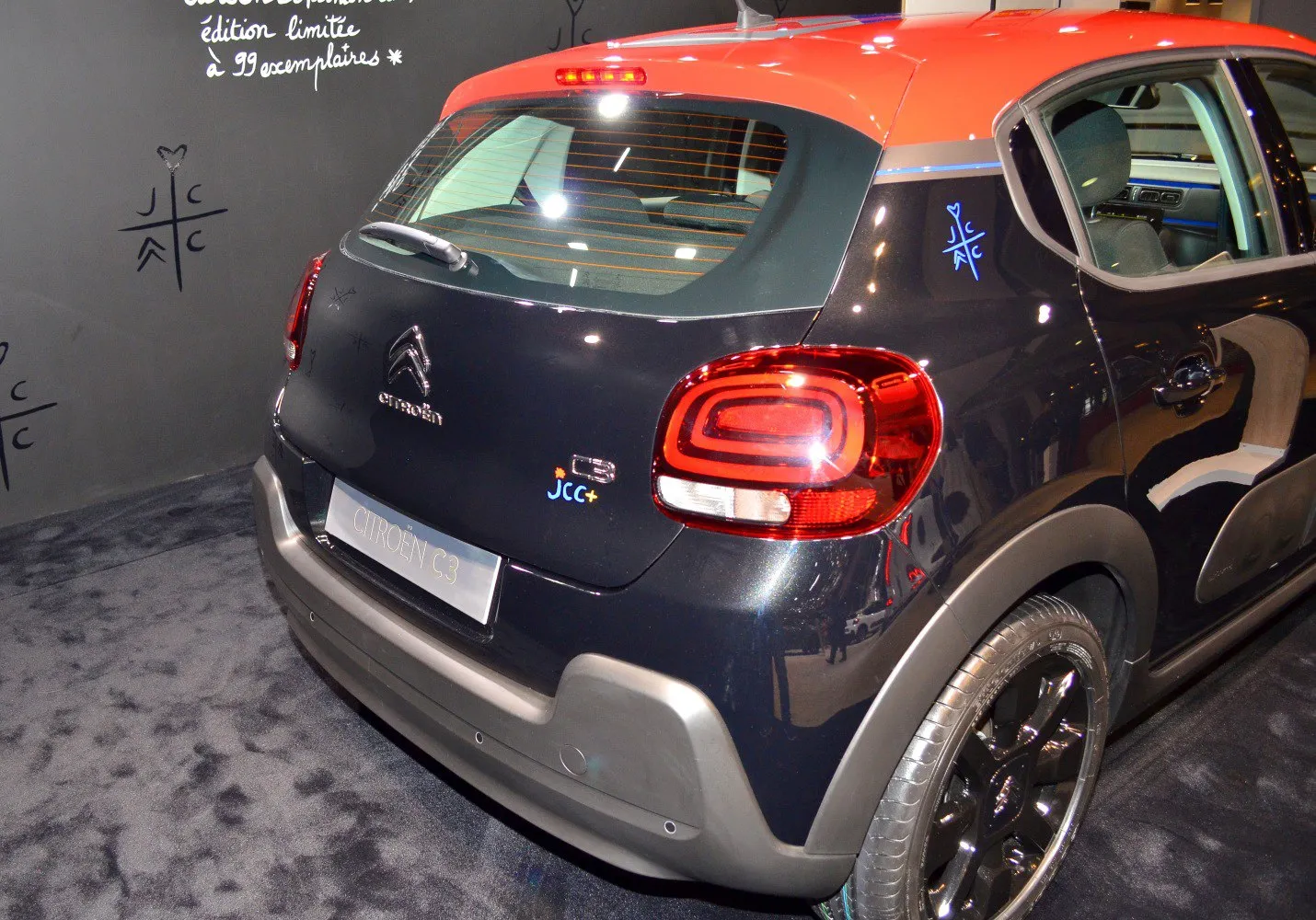
Citroen C3 III (Phase I, 2016) 1.5 BlueHDi (102 Hp)
Overall Rating
Citroen C3:
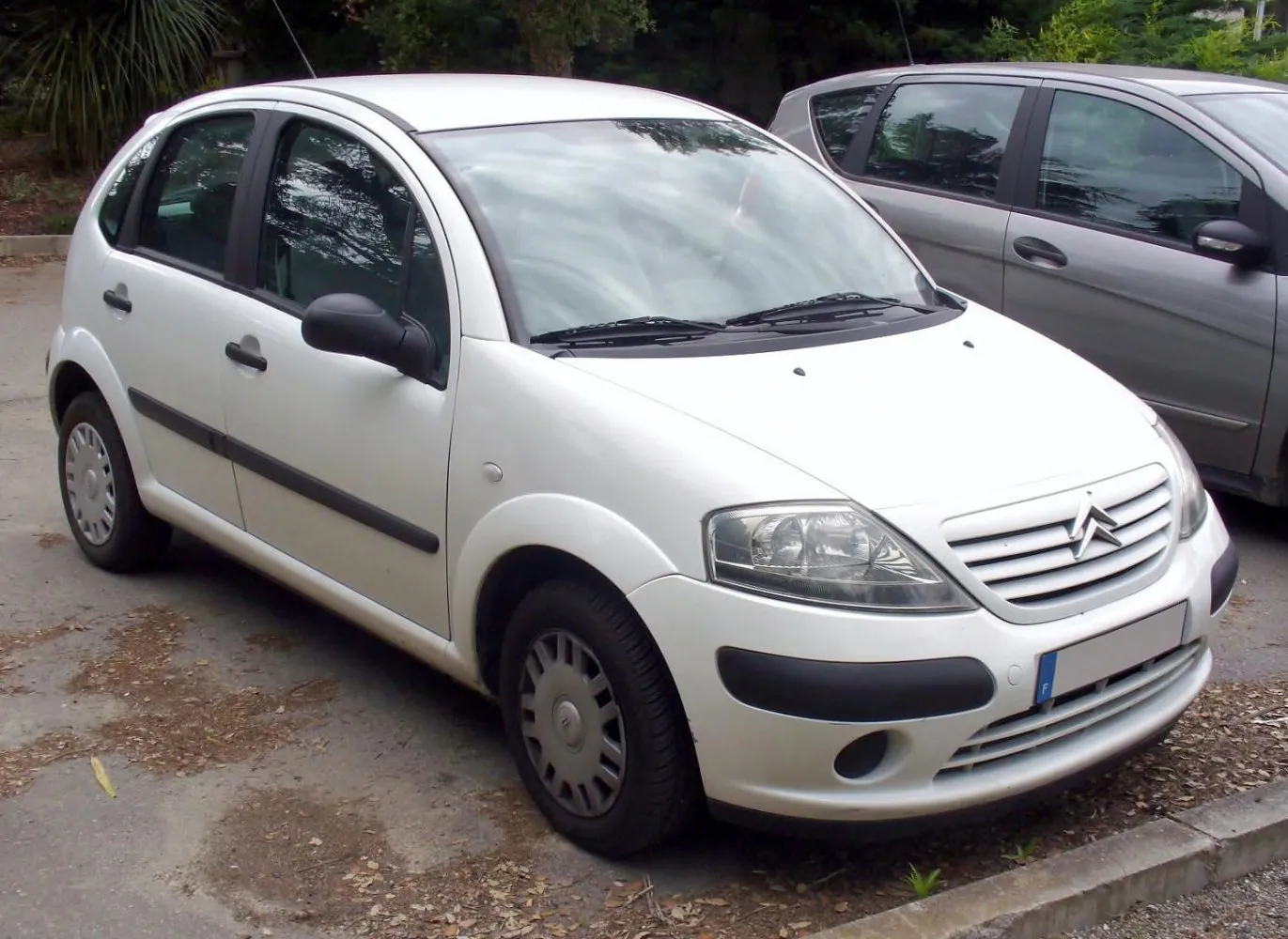
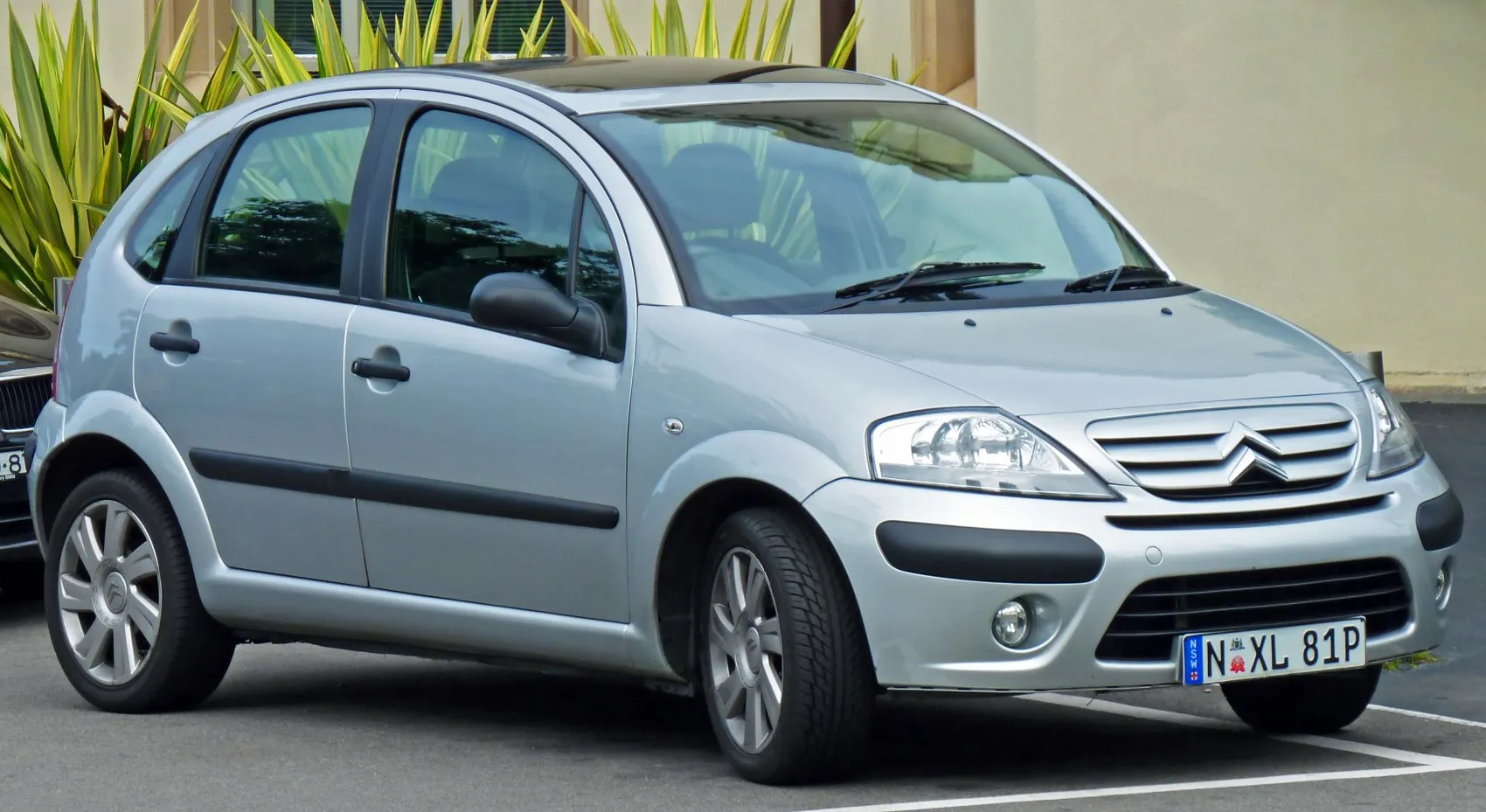
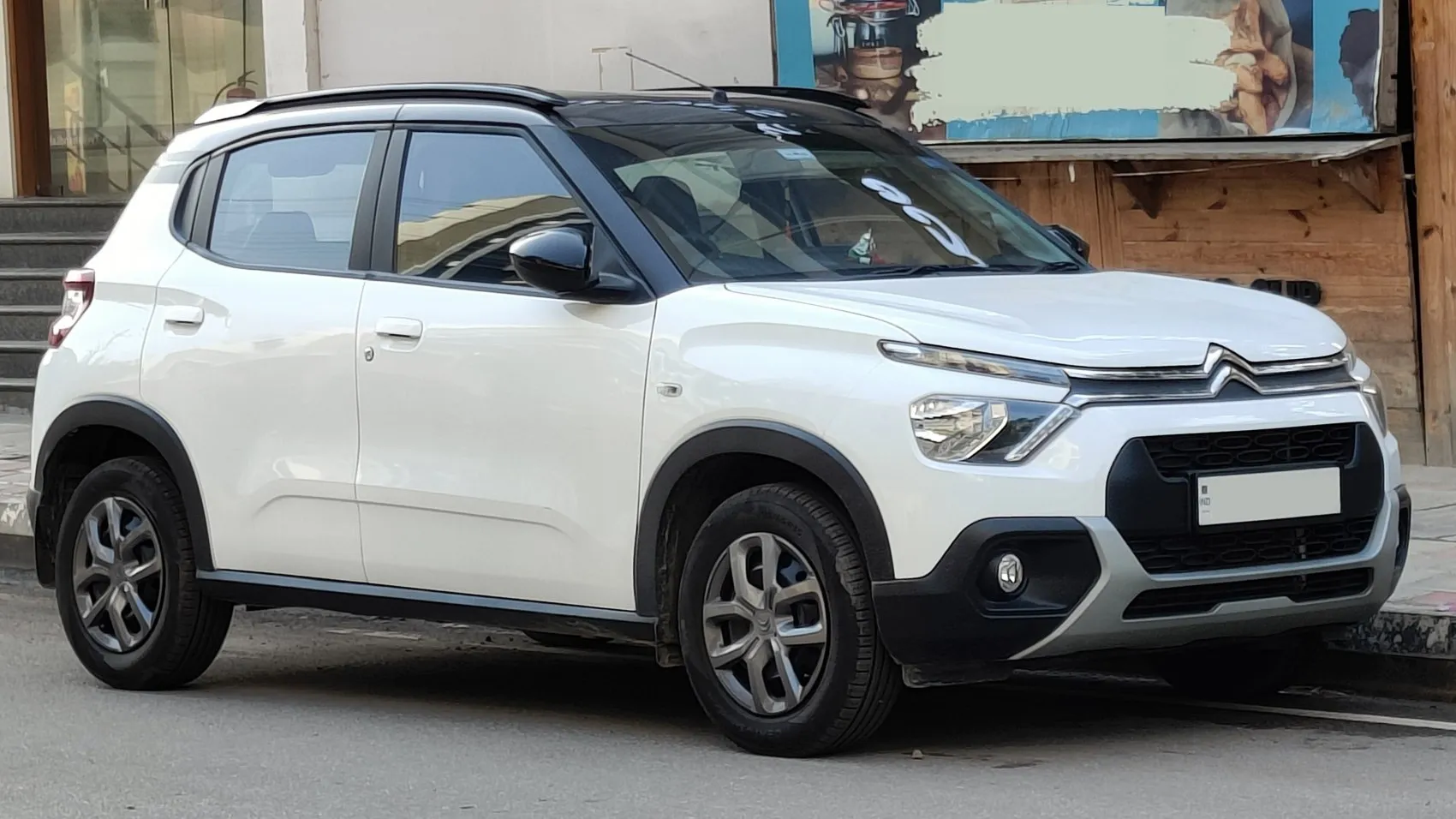
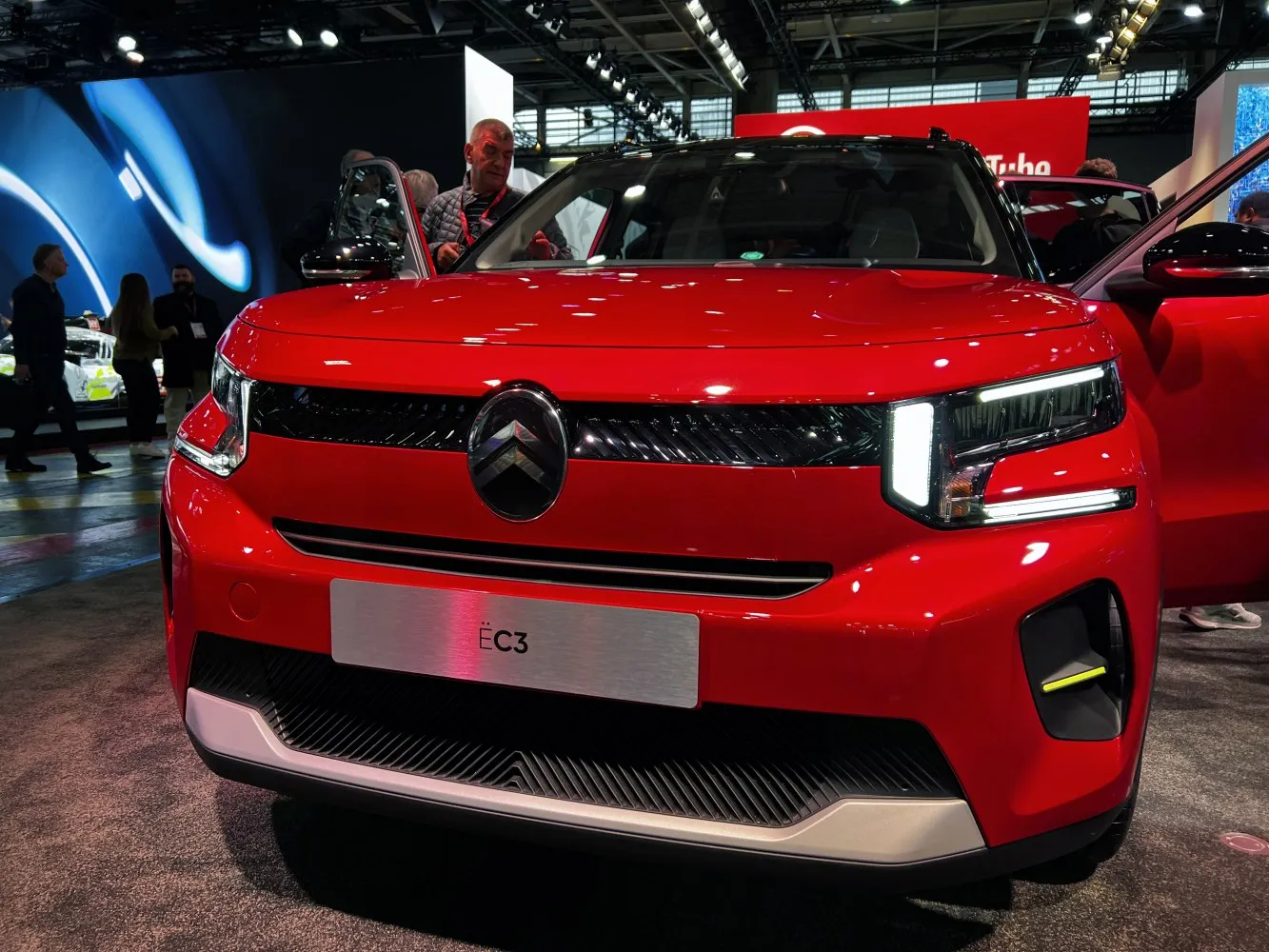
The Citroën C3 is a supermini car produced by Citroën since April 2002. It replaced the Citroën Saxo in the model line up, and is currently in its fourth generation. Initial models of the Citroën C3 were built using the same platform as the Peugeot 206. The third generation model was released in January 2017, and has been developed alongside the Peugeot 208 since 2019.
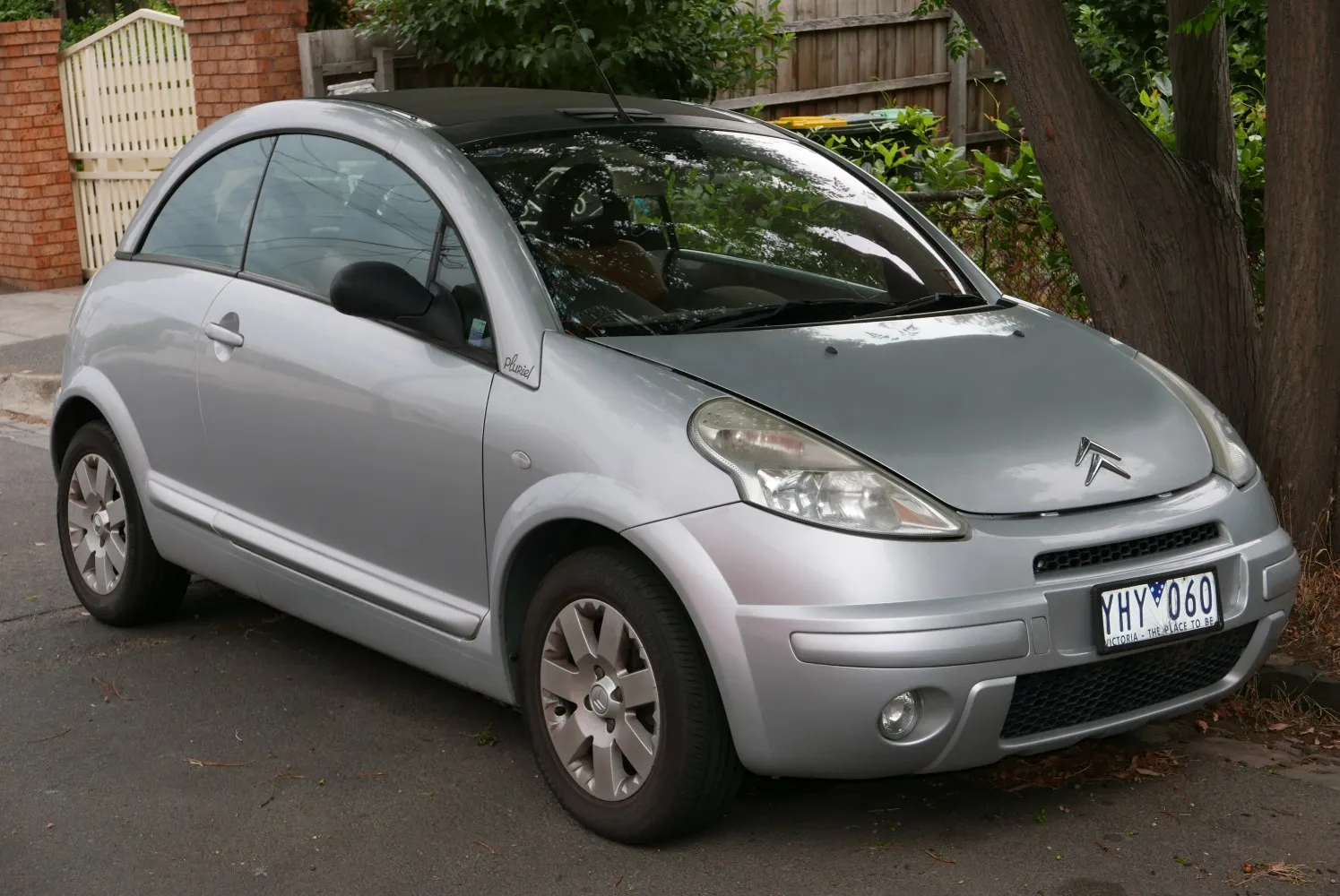
The C3 is produced in a five-door hatchback body style, with the first generation also being produced in a two-door convertible version, called the C3 Pluriel. A three-door hatchback, with a similar design as the second generation, was available as the Citroën DS3 and marketed as a premium model....(Read more on Wikipedia)
III (Phase I, 2016) Overview:
Citroen C3 (III (Phase I, 2016)). With 250 Nm of torque, it offers ample pulling power. It boasts low fuel consumption (~3.6 l/100km). Weighing only 1090 kg, it’s quite light. Front‑wheel drive delivers efficiency and easy handling. Acceleration is relatively slow (0–100 km/h in 11.4 s). The top speed reaches 188 km/h. A compact car with a rear door that swings upward to provide access to the cargo area. Seating for 5 makes it ideal for daily use.
1.5 BlueHDi (102 Hp) Verdict:

Performance Verdict
Improved power delivery over the 1.6 BlueHDi, offering brisk acceleration (11.4 sec) for its class and confident driving.
Fuel Economy
Outstanding fuel economy at 3.2 l/100 km, making it one of the most economical options in the lineup for running costs.
Pros and Cons:
Pros:
- • Distinctive and customizable styling stands out in its class
- • Comfortable and supple ride quality, ideal for varied road conditions
- • Practical boot space for a supermini (300-922 liters)
- • Range of efficient PureTech petrol and BlueHDi diesel engines
- • Good value for money with competitive pricing and features
Cons:
- • Some interior plastics feel cheap compared to rivals
- • Rear passenger space can be tight for adults on longer journeys
- • Base 68 Hp engine feels underpowered for anything beyond city driving
- • Infotainment system can be clunky and slow to respond
- • Limited rear visibility due to design
Specifications:
Specifications are compared to those of the previous generation(IV (Phase I, 2024): March, 2024 - ).
| General: | |
|---|---|
| Brand: | Citroen |
| Model: | C3 |
| Generation: | III (Phase I, 2016) |
| Modification (Engine): | 1.5 BlueHDi (102 Hp) |
| Start of production: | May, 2018 |
| End of production: | 2020 |
| Powertrain Architecture: | Internal Combustion engine |
| Body type: | Hatchback |
| Seats: | 5 |
| Doors: | 5 |
| Engine: | |
|---|---|
| Engine systems: | Start & Stop System |
| Power: | 102 Hp @ 3500 rpm. [0hp less] |
| Power per litre: | 68 Hp/l [worst than previous generation] |
| Torque: | 250 Nm @ 1750 rpm. |
| Engine Model/Code: | YHY DV5RD More details about the engine YHY DV5RD |
| Engine displacement: | 1499 |
| Number of cylinders: | 4 |
| Engine configuration: | Inline |
| Number of valves per cylinder: | 4 |
| Fuel injection system: | Diesel Commonrail |
| Engine aspiration: | Turbocharger, Intercooler |
| Engine oil capacity: | 4 l |
| Engine layout: | Front, Transverse |
| Cylinder Bore: | 75 mm |
| Piston Stroke: | 84.8 mm |
| Performance: | |
|---|---|
| Fuel Type: | Diesel |
| Fuel consumption (economy) - urban: | 3.6 l/100 km |
| Fuel consumption (economy) - extra urban: | 3 l/100 km |
| Combined fuel consumption (WLTP): | 4.4-4.5 l/100 km |
| Fuel consumption (economy) - combined (NEDC): | 3.2 l/100 km |
| Fuel consumption at Low speed (WLTP): | 4.9-5.0 l/100 km |
| Fuel consumption at Medium speed (WLTP): | 4.1-4.3 l/100 km |
| Fuel consumption at high speed (WLTP): | 3.8-3.9 l/100 km |
| Fuel consumption at very high speed (WLTP): | 4.9-5.1 l/100 km |
| Fuel consumption (economy) - urban (NEDC): | 3.6 l/100 km |
| Fuel consumption (economy) - extra urban (NEDC): | 3 l/100 km |
| Fuel consumption (economy) - combined: | 3.2 l/100 km |
| Emission standard: | Euro 6d-TEMP |
| Acceleration 0 - 100 km/h: | 11.4 sec |
| Acceleration 0 - 62 mph: | 11.4 sec |
| Maximum speed: | 188 km/h |
| Weight-to-power ratio: | 10.7 kg/Hp, 93.6 Hp/tonne |
| Weight-to-torque ratio: | 4.4 kg/Nm, 229.4 Nm/tonne |
| Acceleration 0 - 60 mph: | 10.8 sec |
| Space: | |
|---|---|
| Kerb Weight: | 1090 |
| Max. weight: | 1675 |
| Max load: | 585 |
| Trunk (boot) space - maximum: | 922 l |
| Trunk (boot) space - minimum: | 300 l |
| Fuel tank capacity: | 42 l |
| AdBlue tank: | 17 l |
| Size: | |
|---|---|
| Length: | 3996 mm [19mm less] |
| Width: | 1749 mm [6mm less] |
| Height: | 1474 mm [103mm less] |
| Wheelbase: | 2539 mm [1mm less] |
| Width with mirrors folded: | 1829 mm |
| Width including mirrors: | 2007 mm |
| Front track: | 1471-1483 mm |
| Rear (Back) track: | 1471-1480 mm |
| Front overhang: | 809 mm |
| Rear overhang: | 648 mm |
| Minimum turning circle (turning diameter): | 10.9 m [above average] |
| Powertrain: | |
|---|---|
| Drivetrain Architecture | The Internal combustion engine (ICE) drives the front wheels of the vehicle. |
| Drive wheel | Front wheel drive |
| Number of gears | 5 |
| Transmission type | Manual |
| Front brakes | Ventilated discs [Best for performance and cooling.] |
| Rear brakes | Disc [above average] |
| Assisting systems | ABS (Anti-lock braking system) |
| Steering type | Steering rack and pinion |
| Power steering | Electric Steering |
| Tires size | 205/55 R16 |
| Wheel rims size | 16 |
| Front suspension | Independent type McPherson |
| Rear suspension | Torsion |










Help others decide – share your experience!